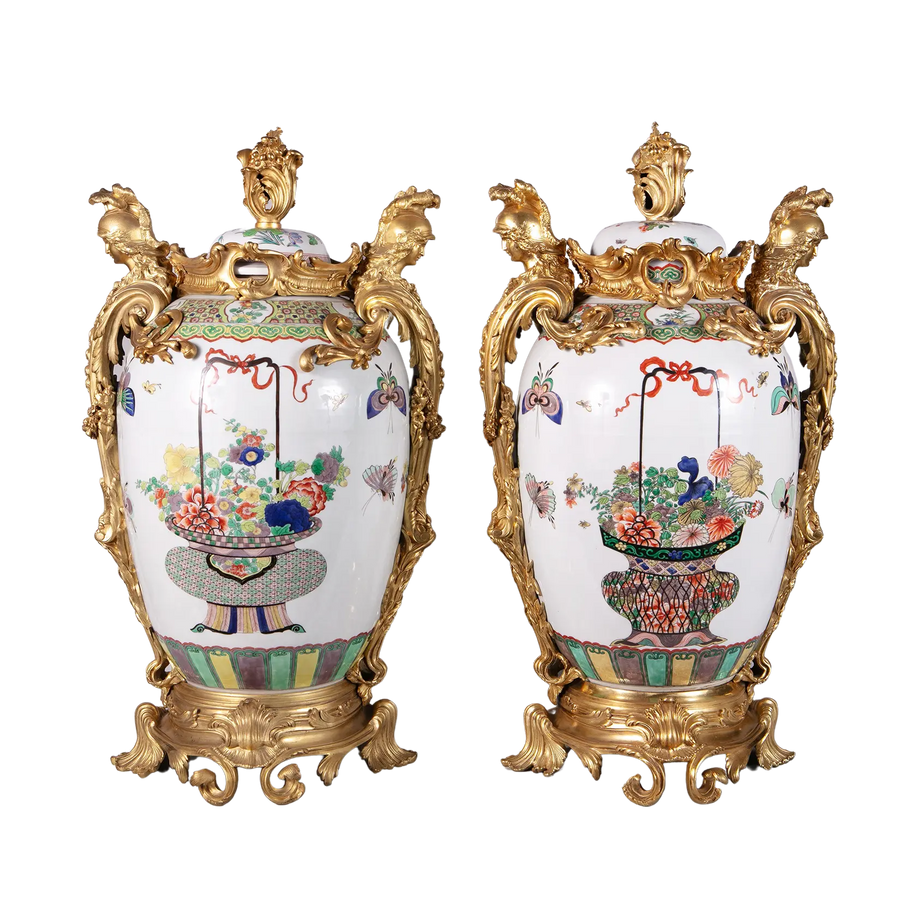
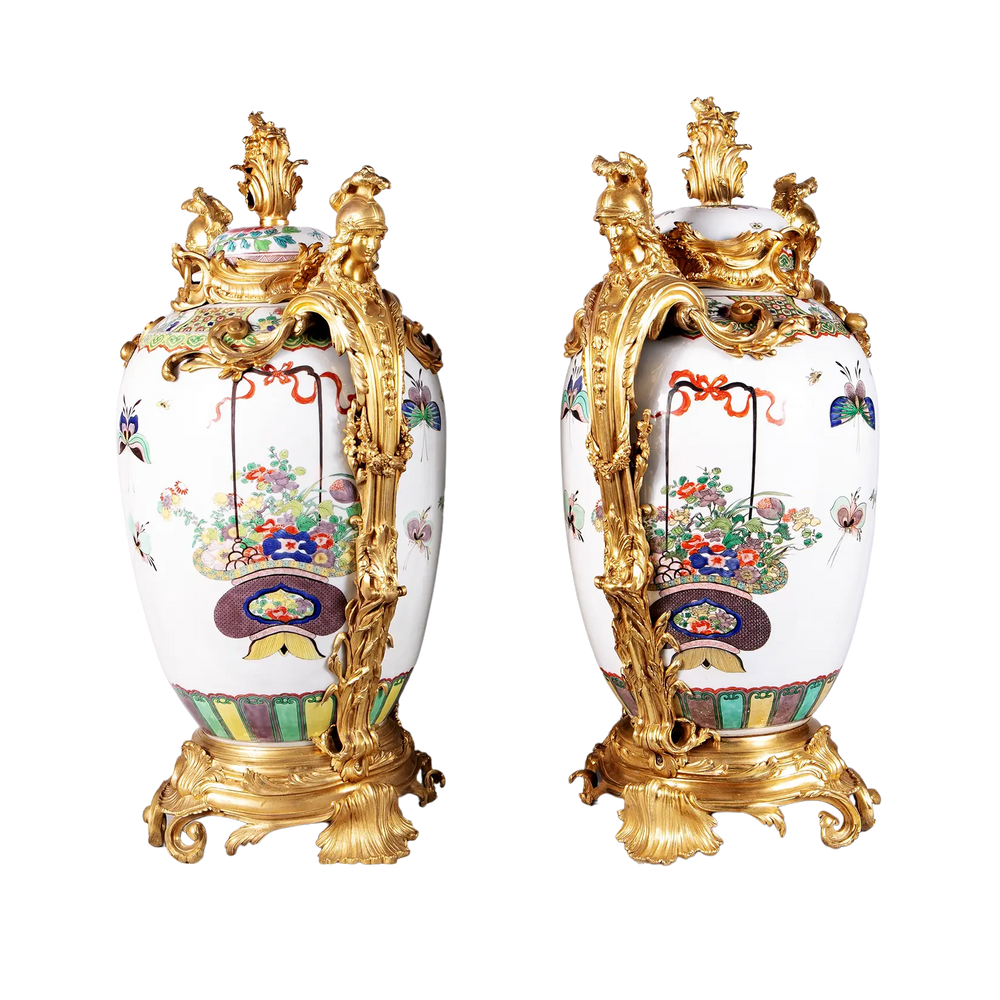
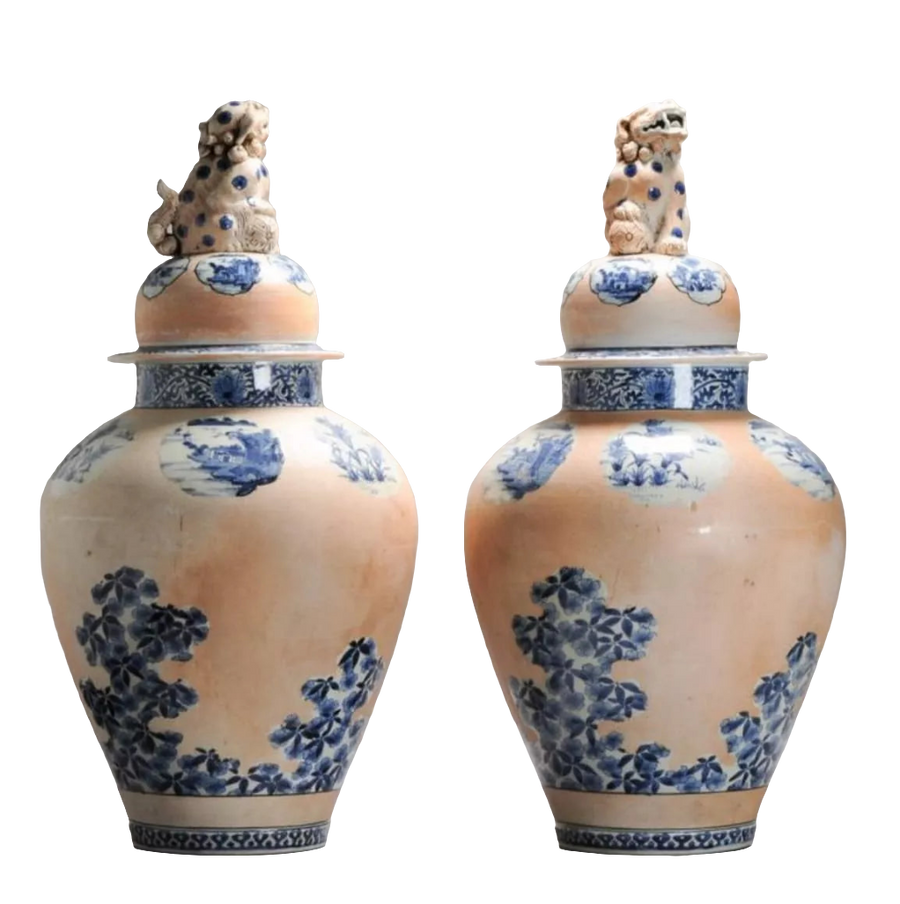
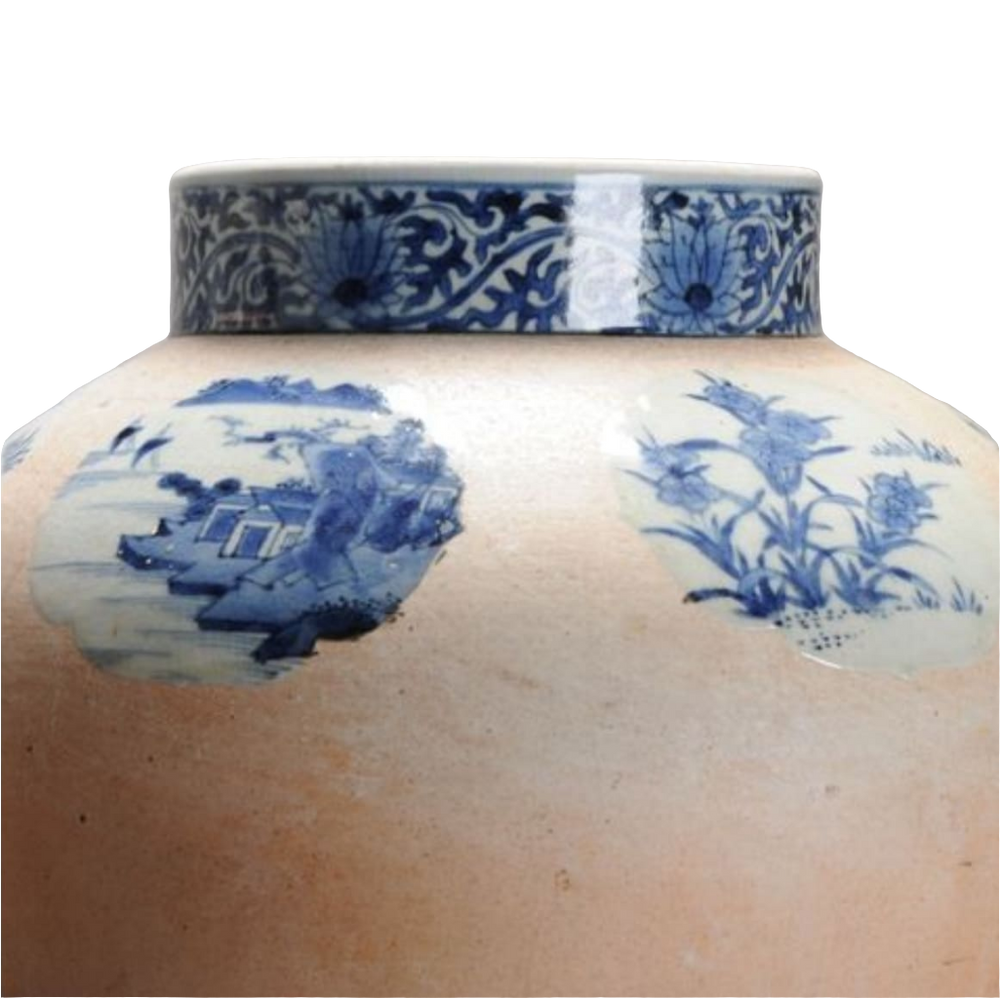
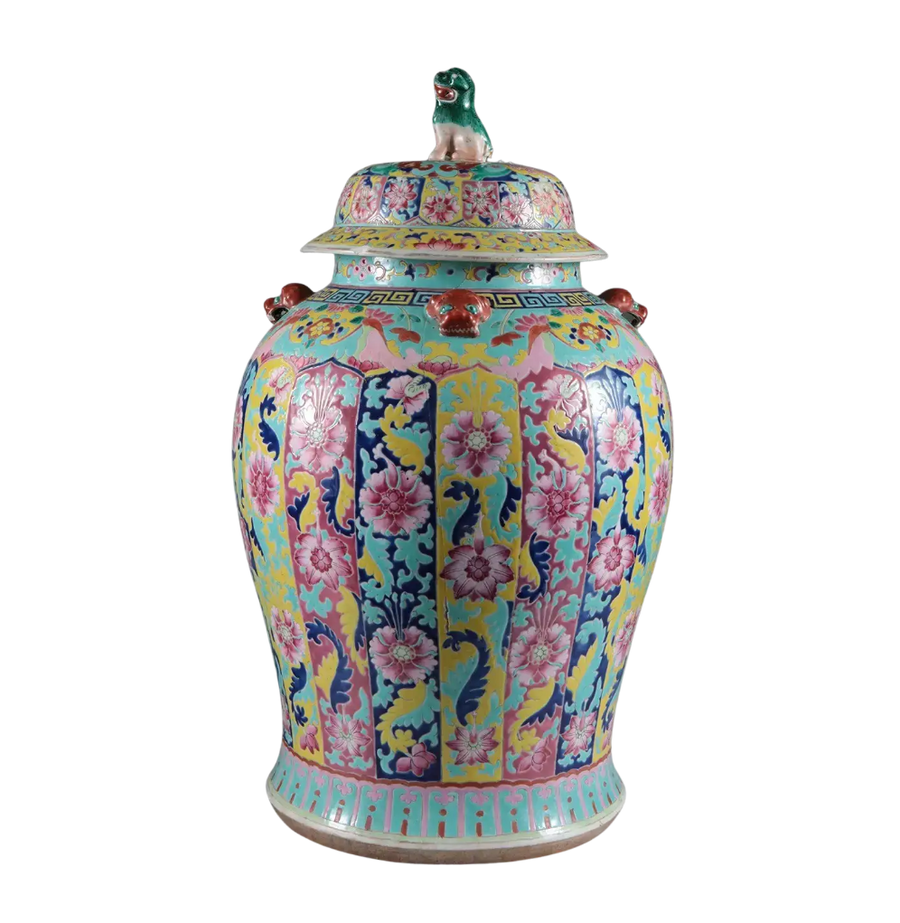
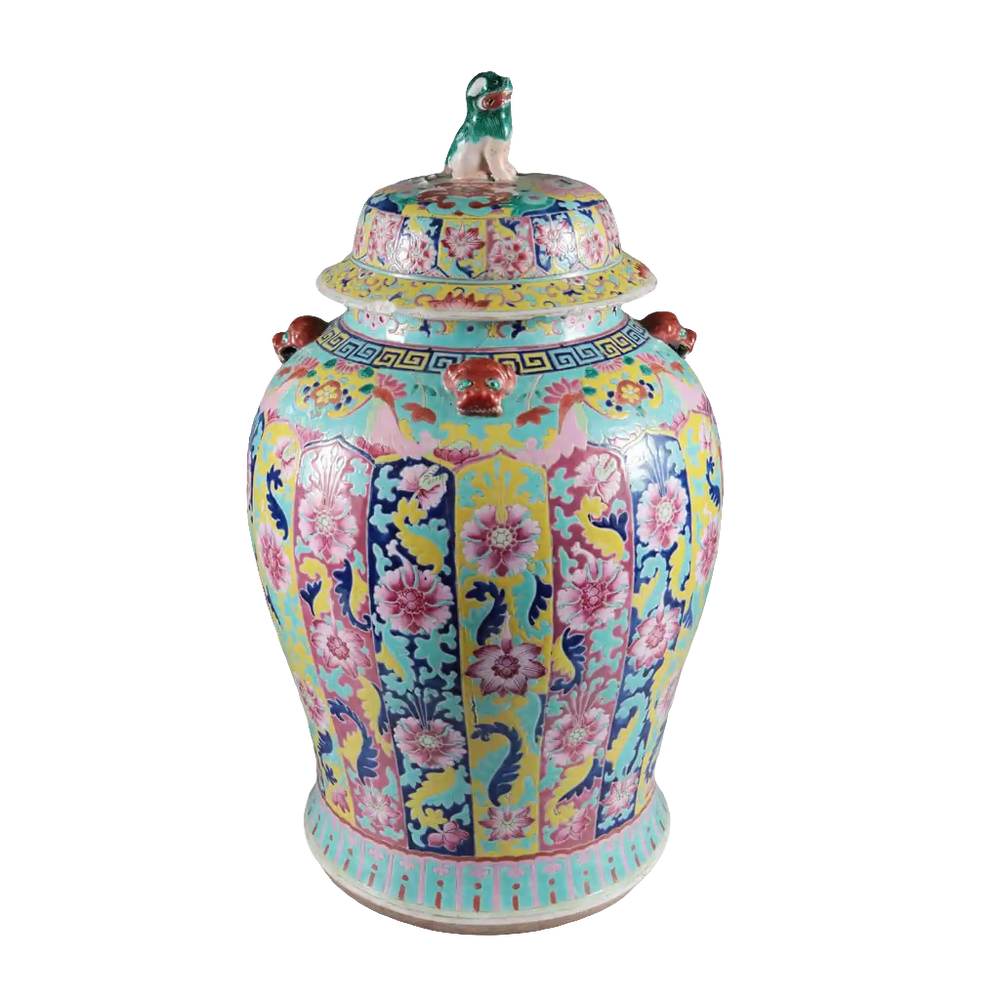
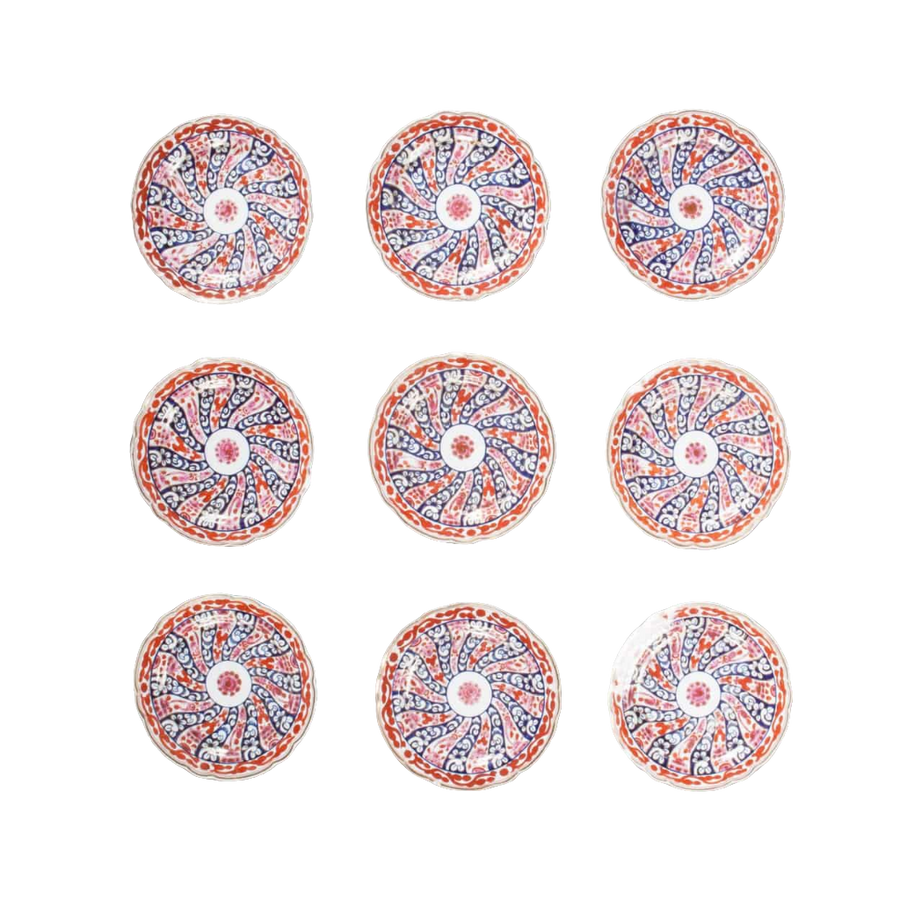
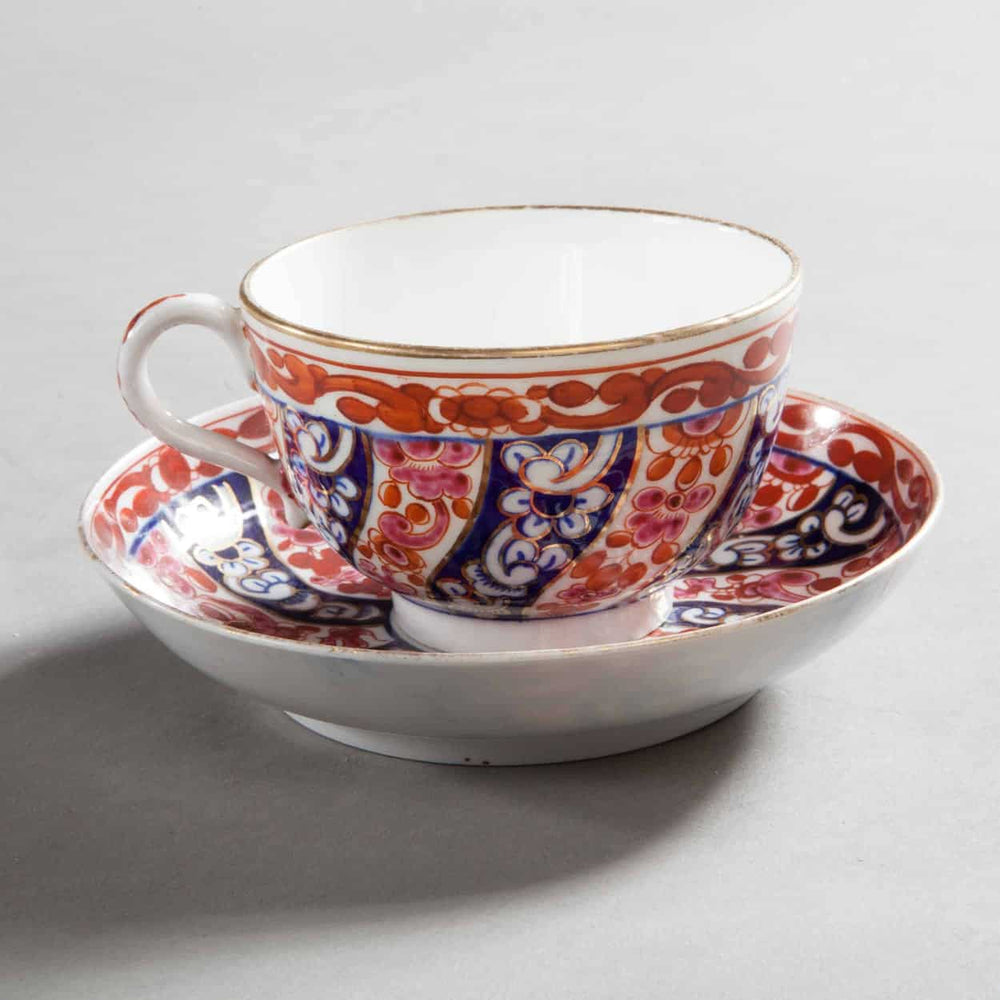
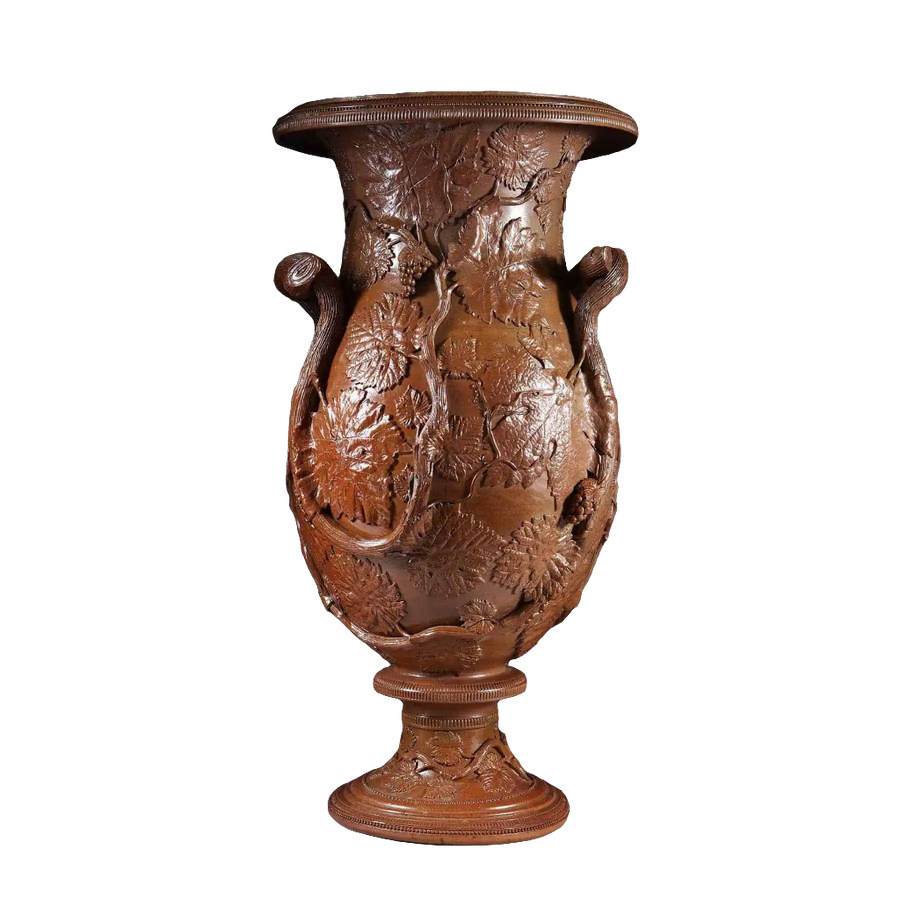
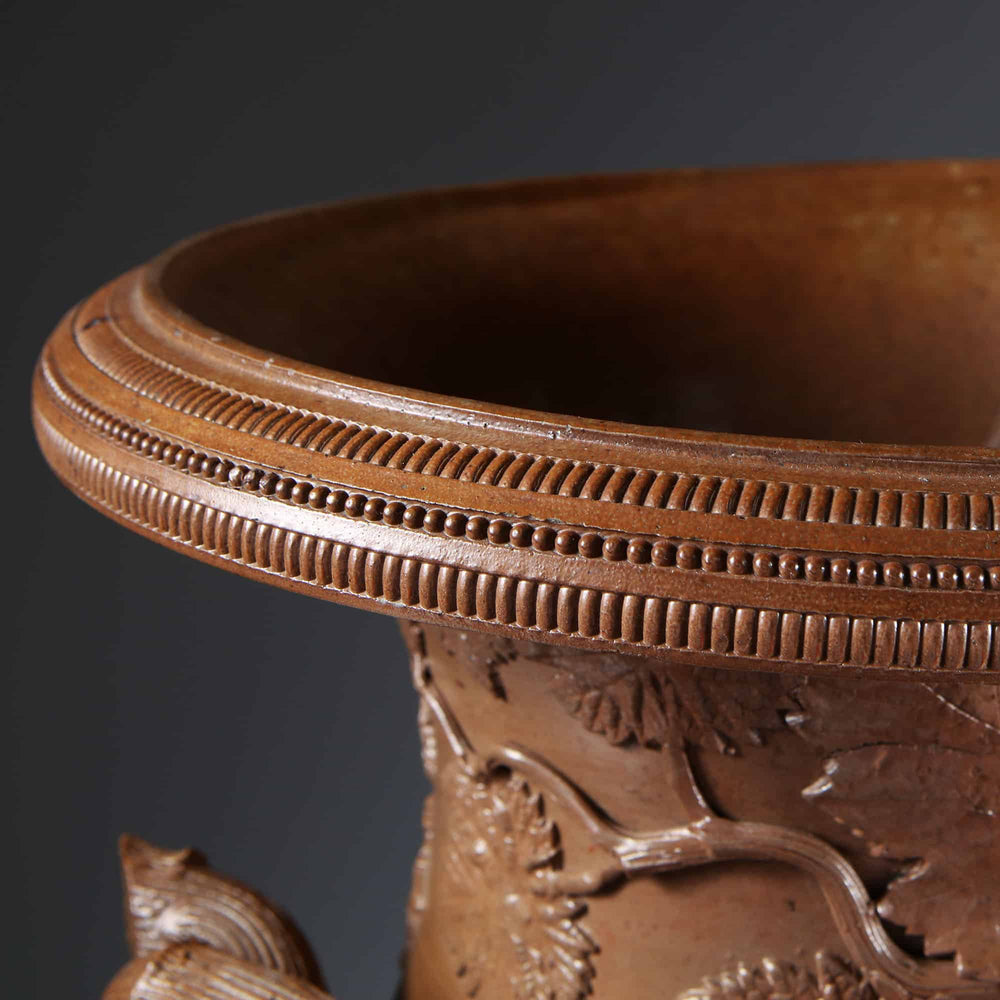
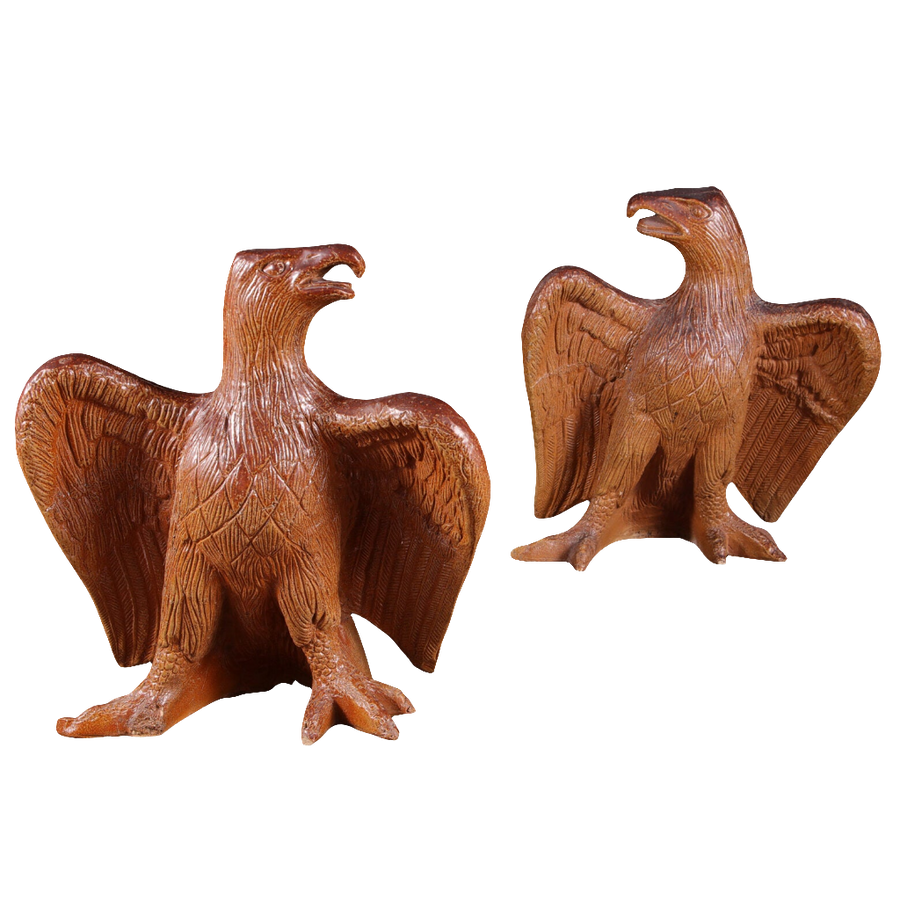
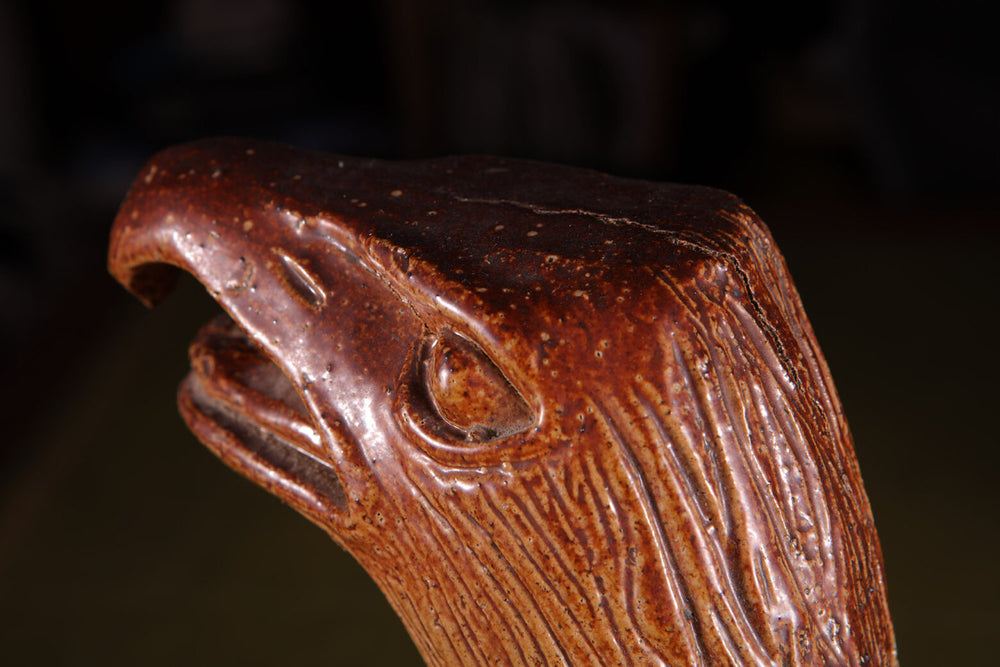
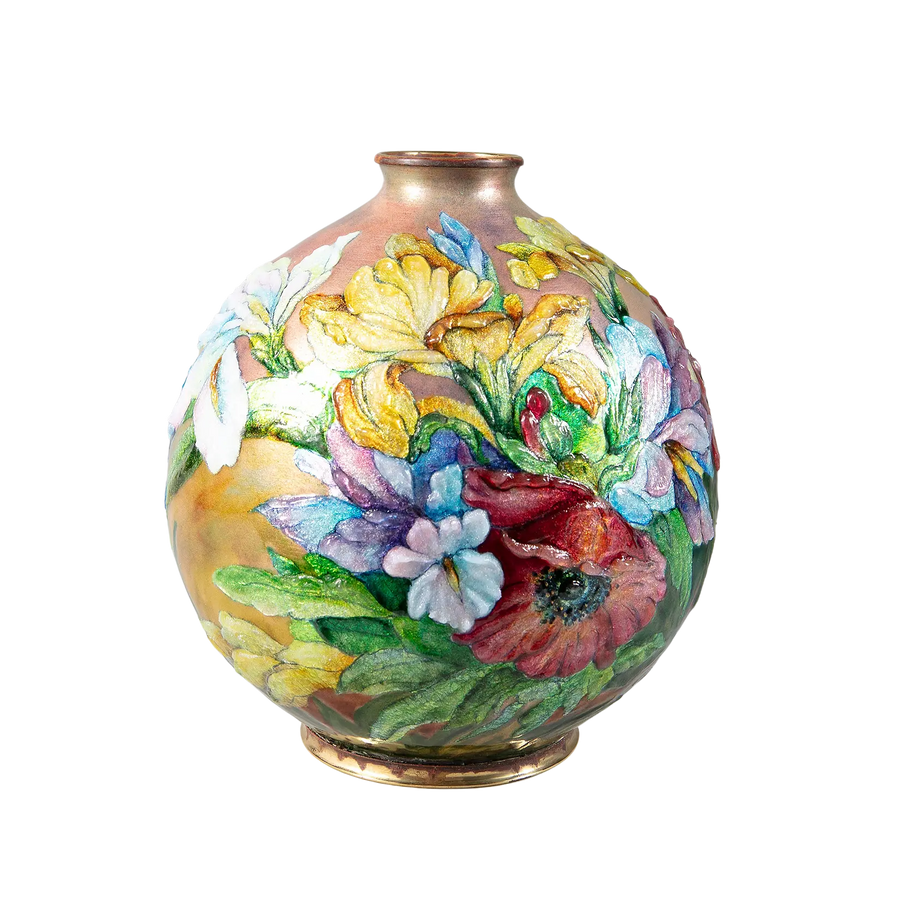
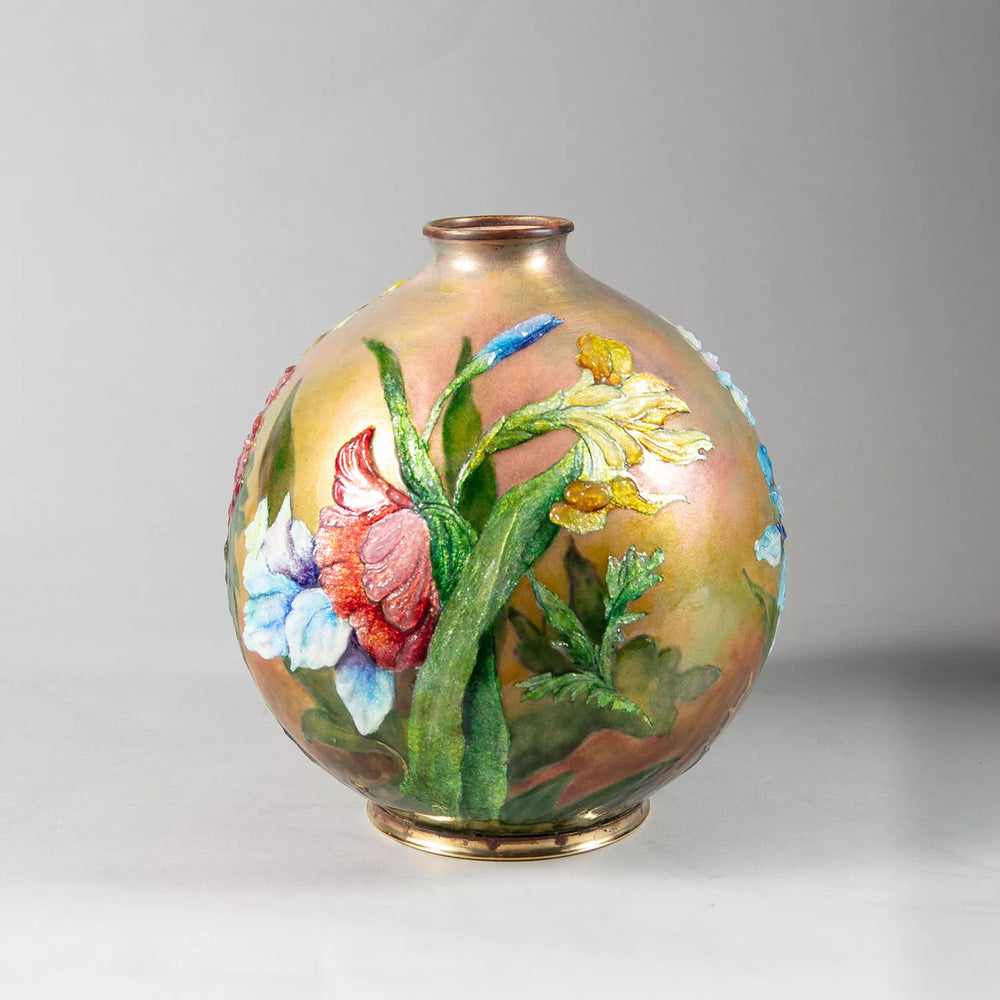
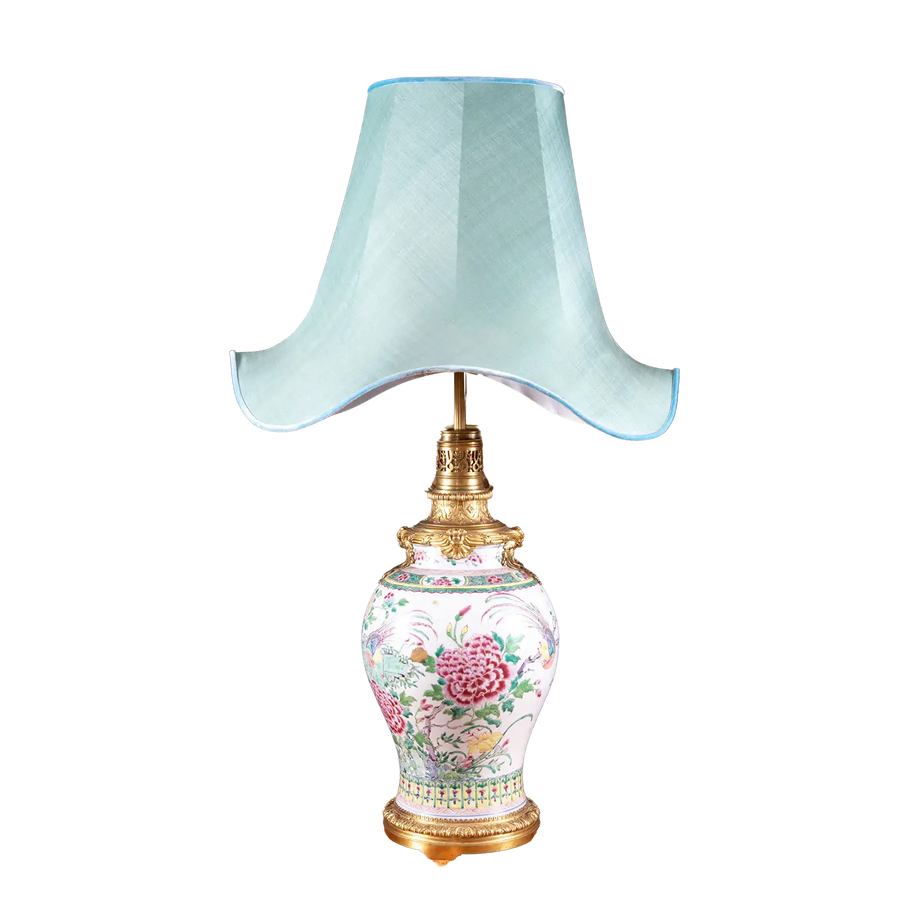
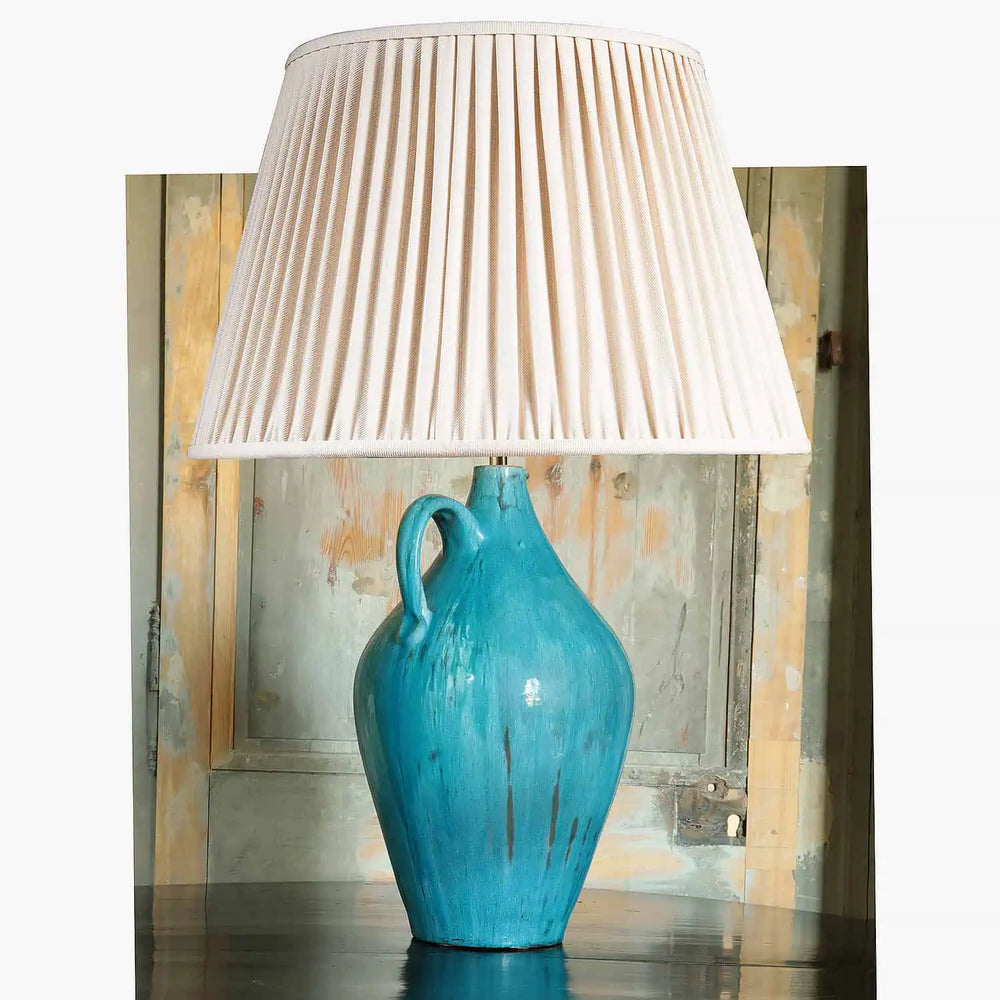
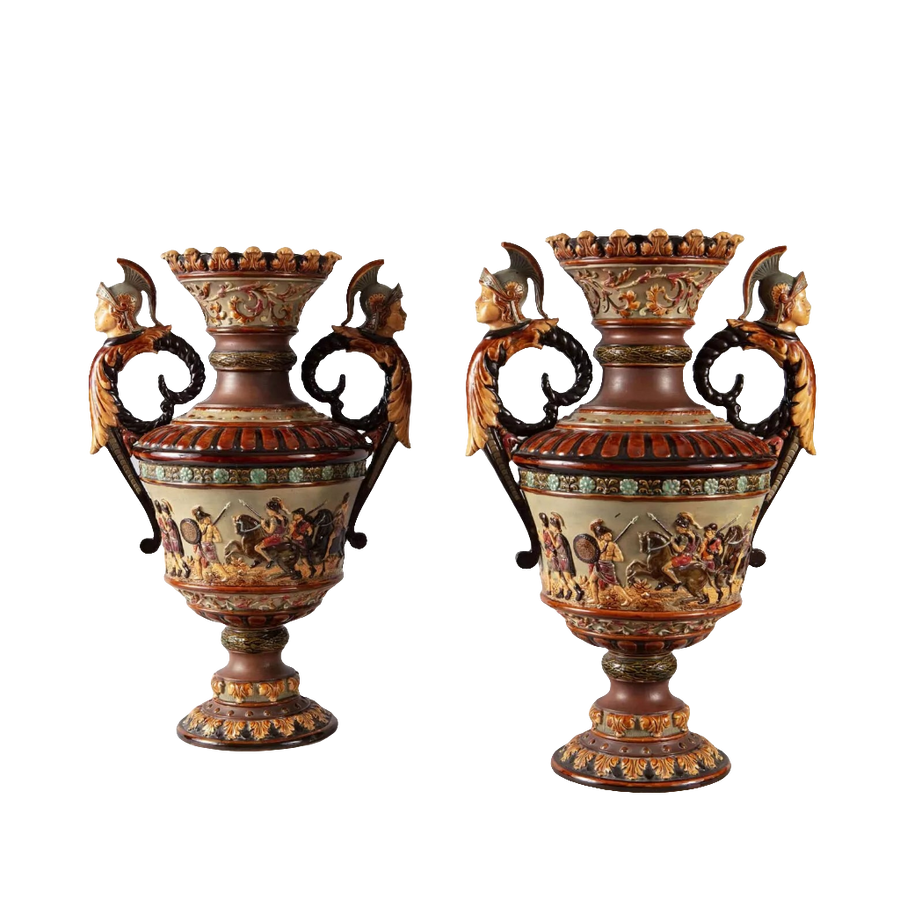
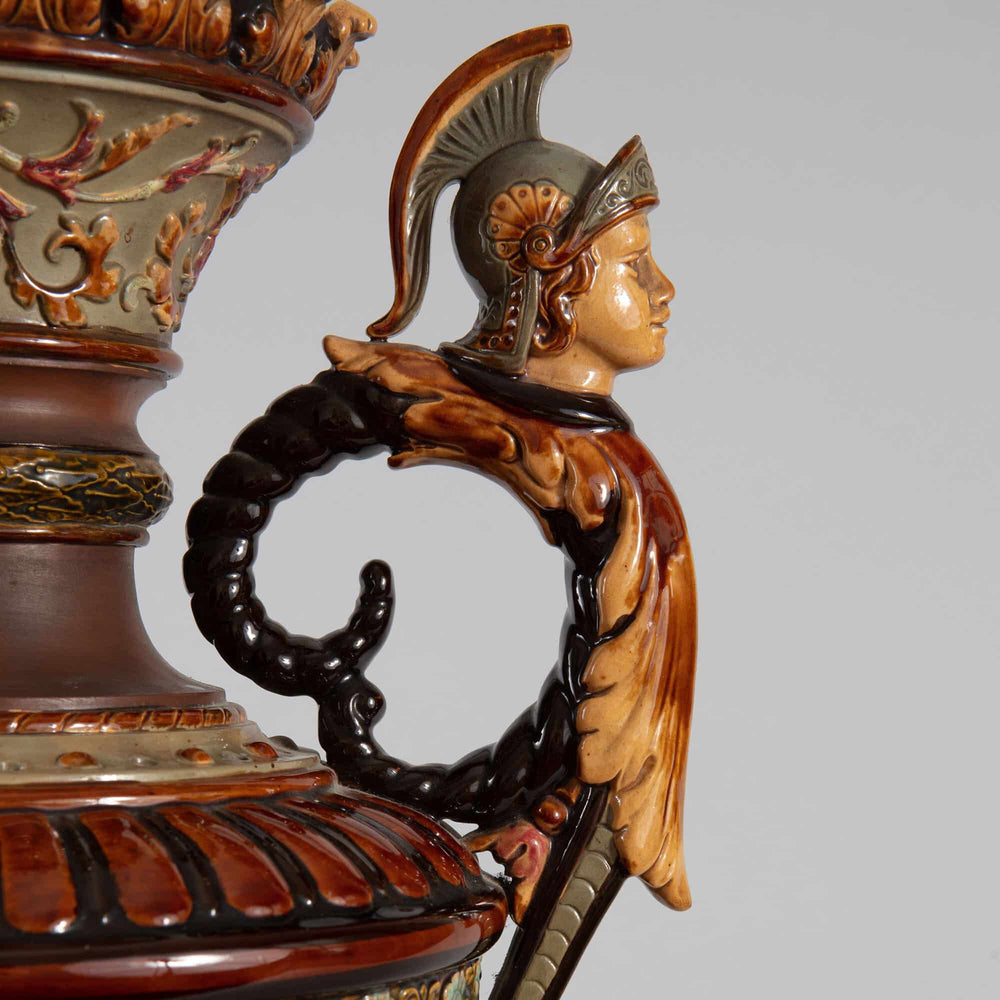
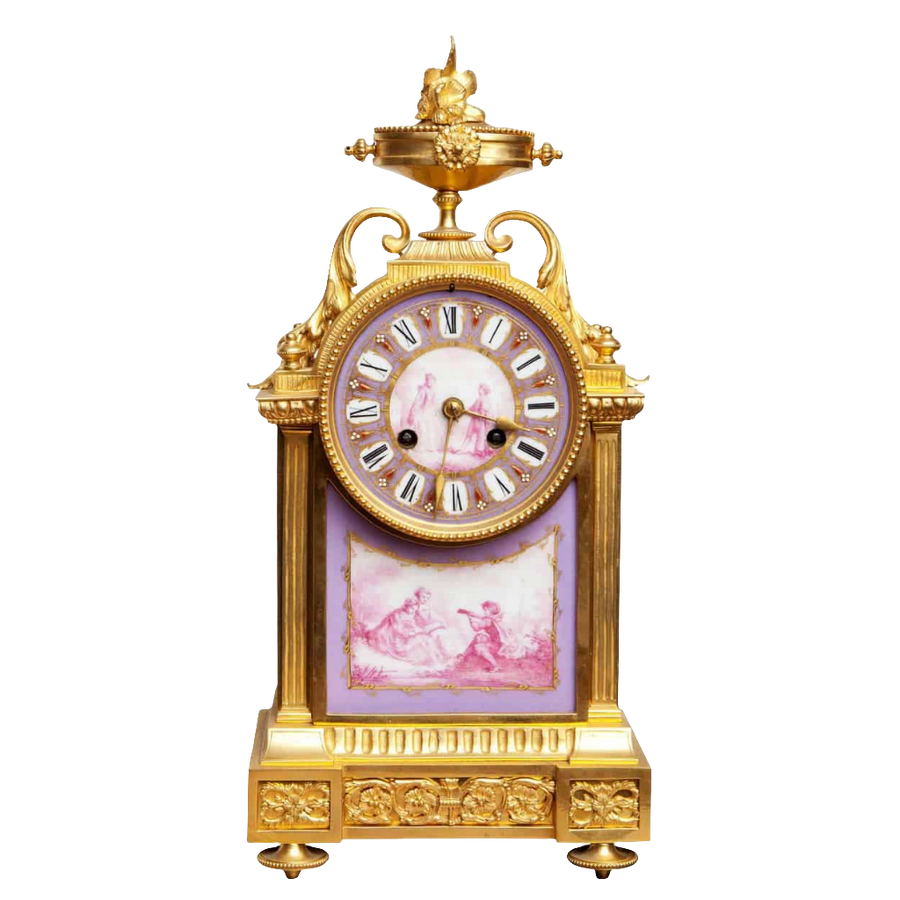
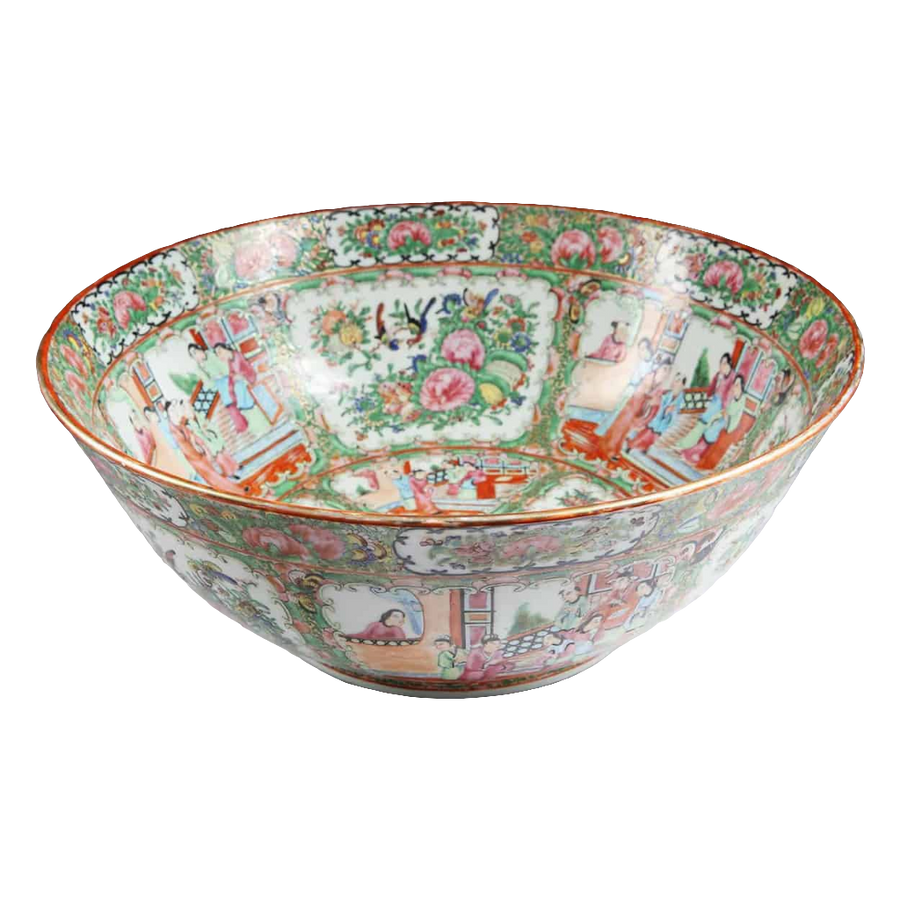
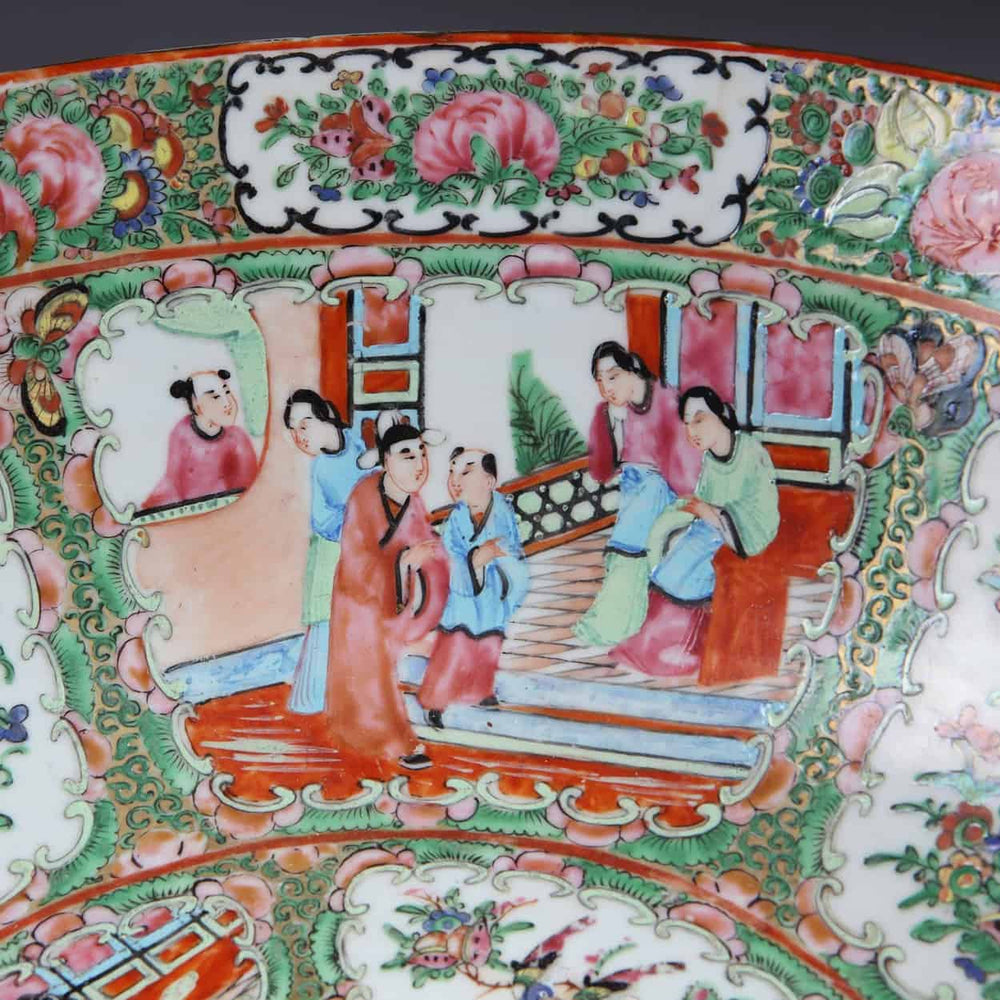
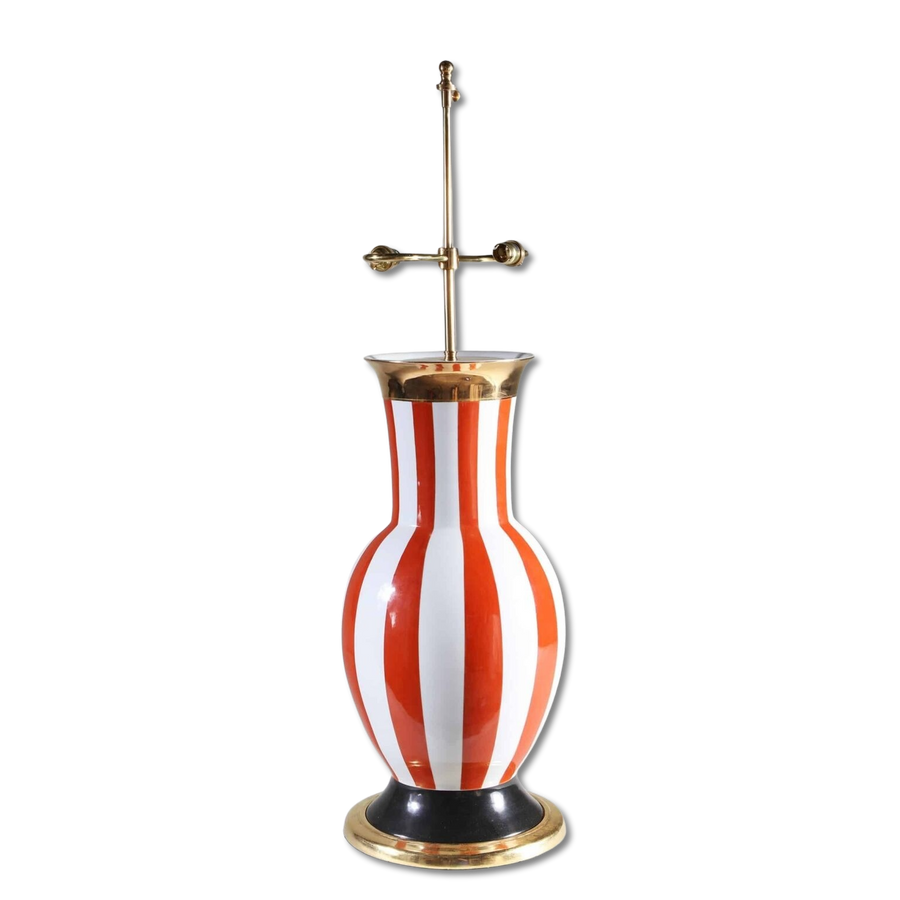
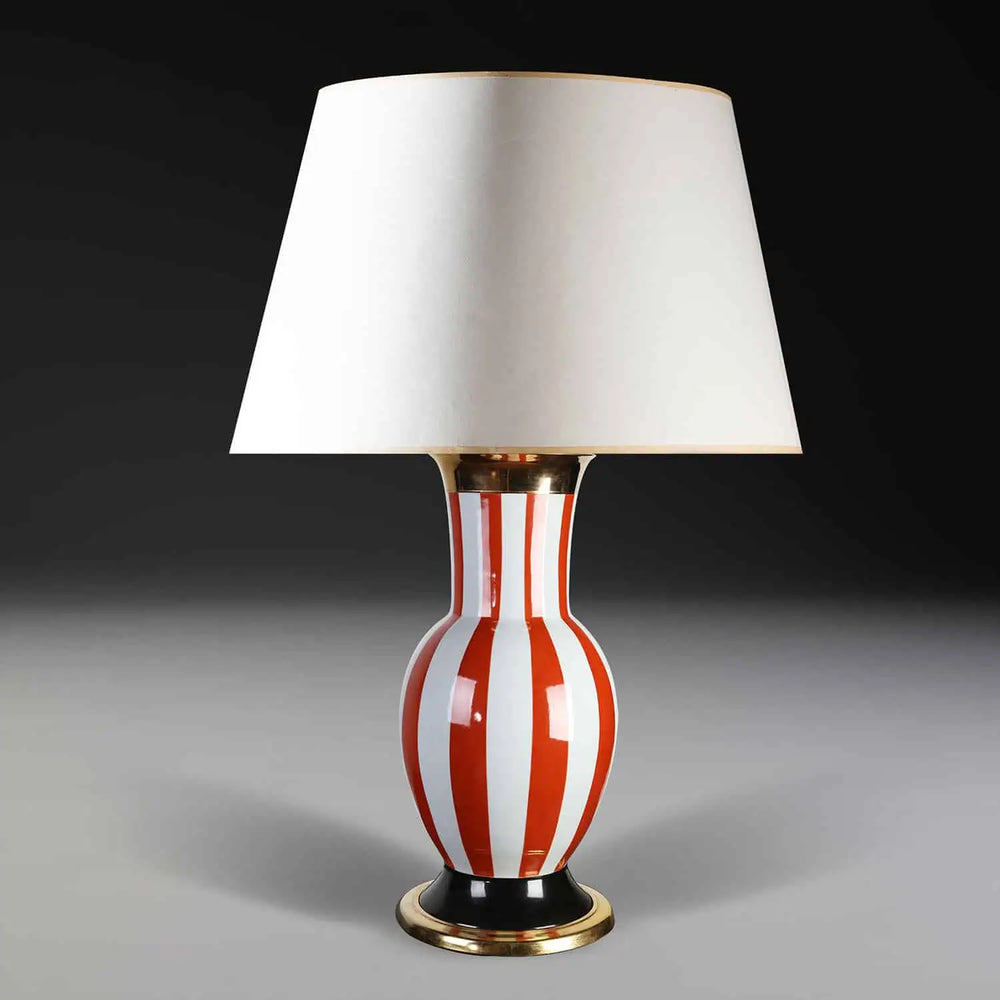
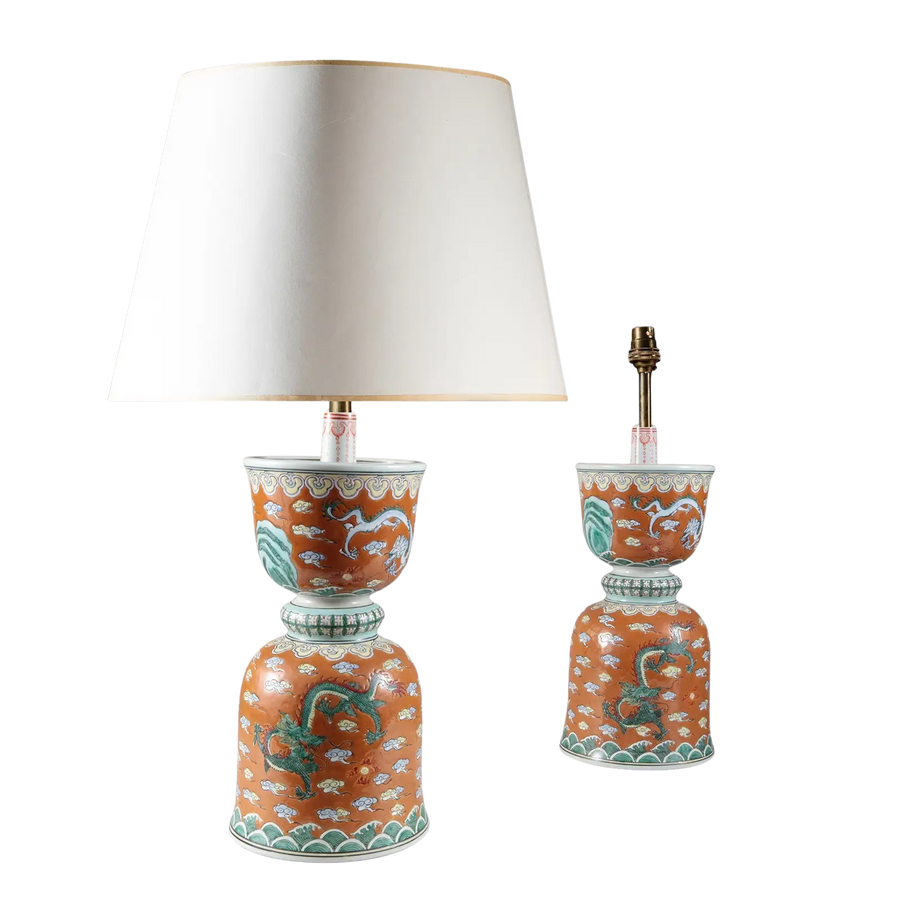
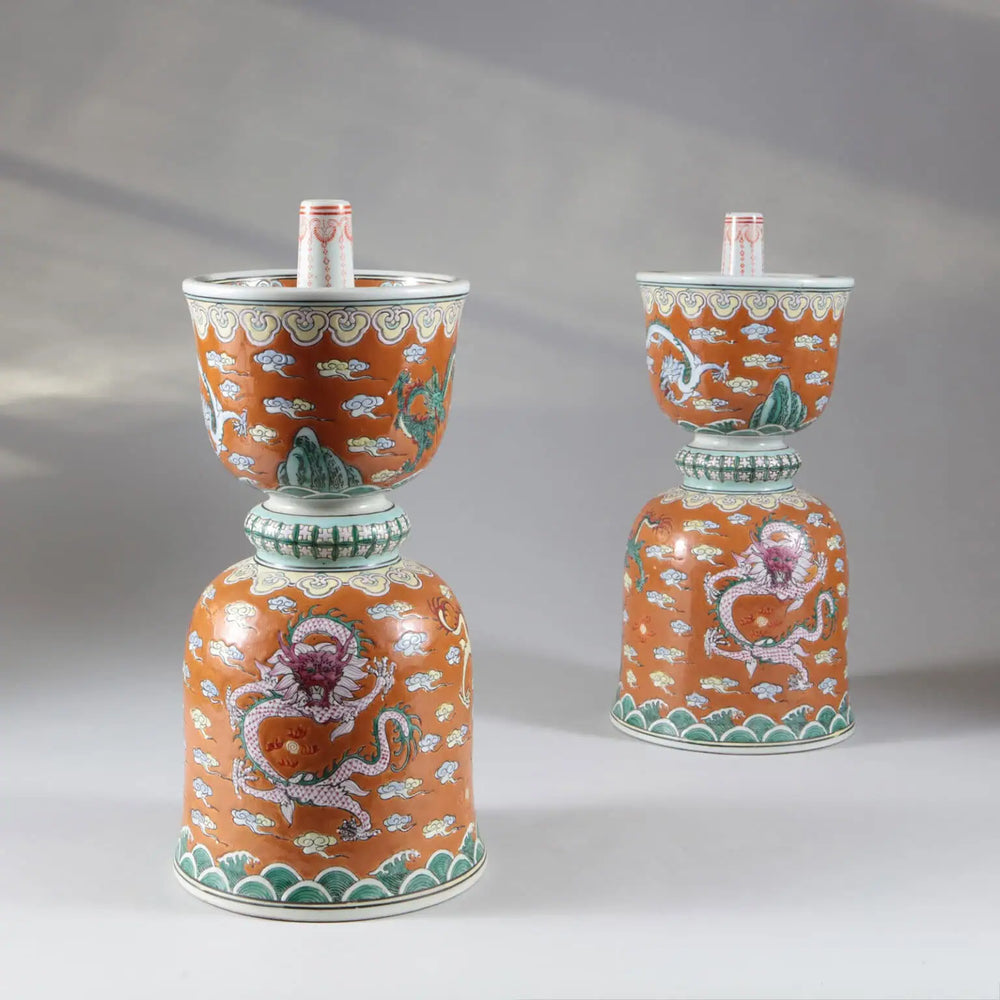
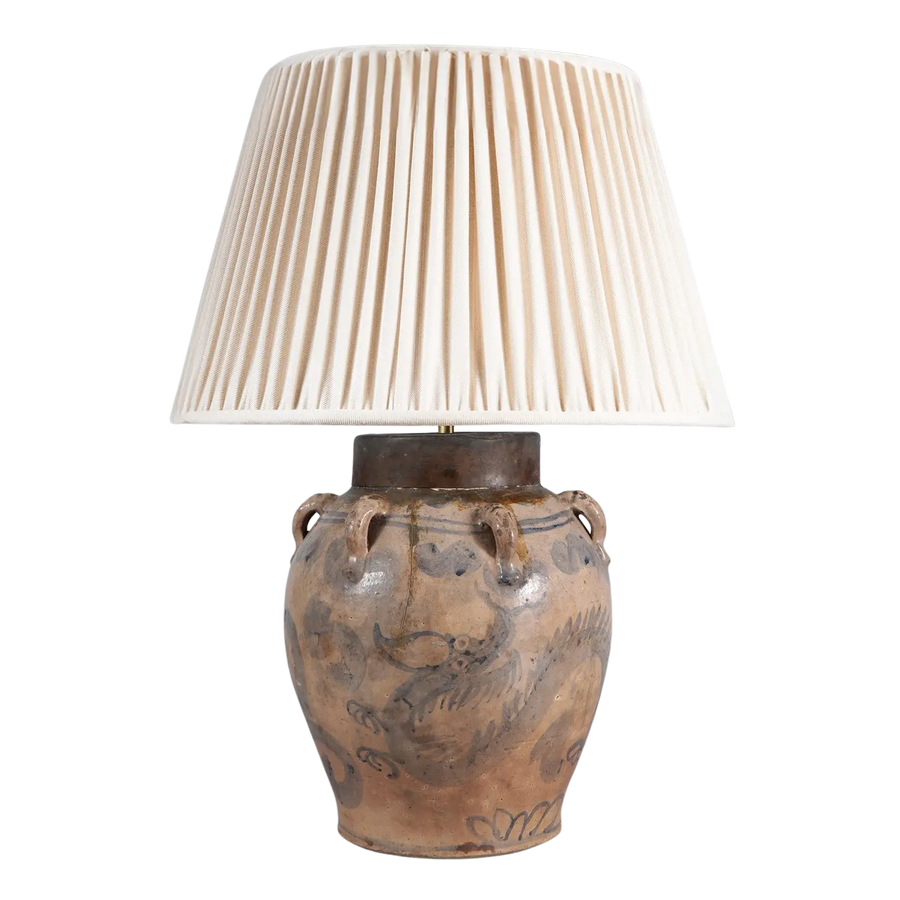
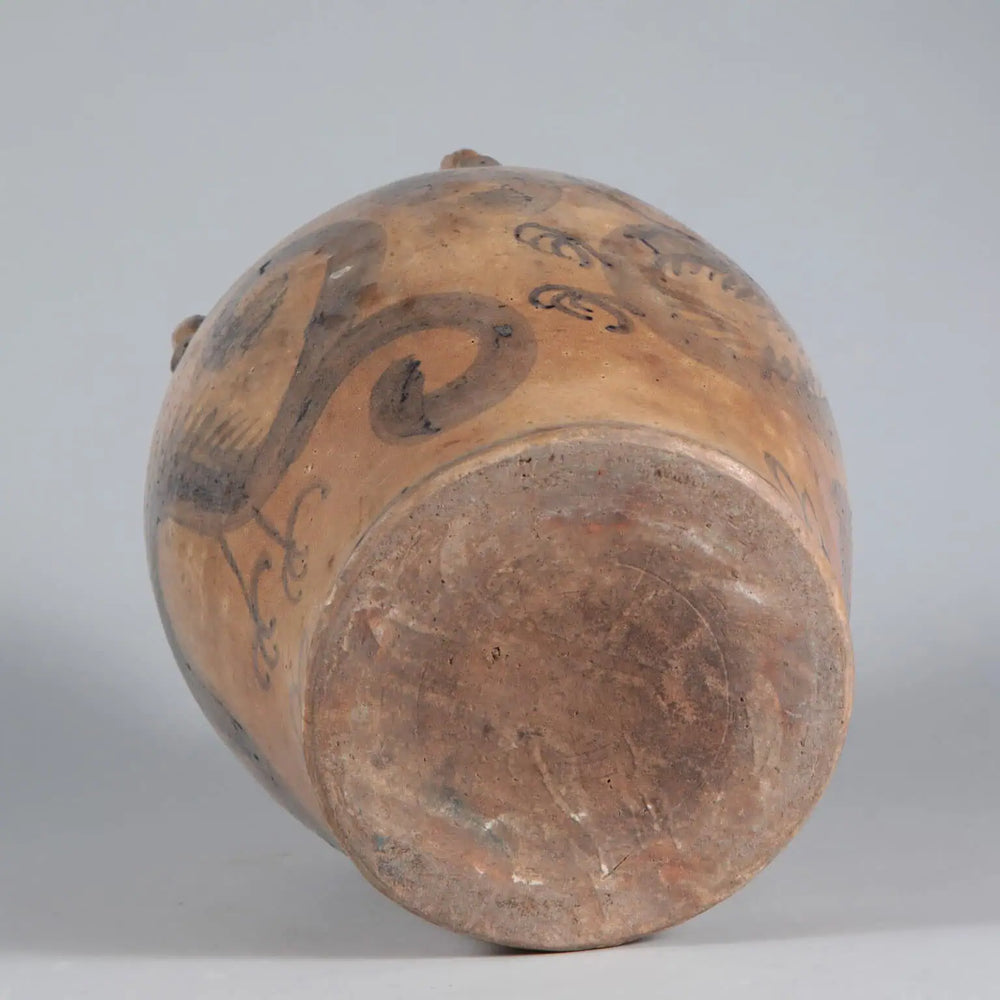
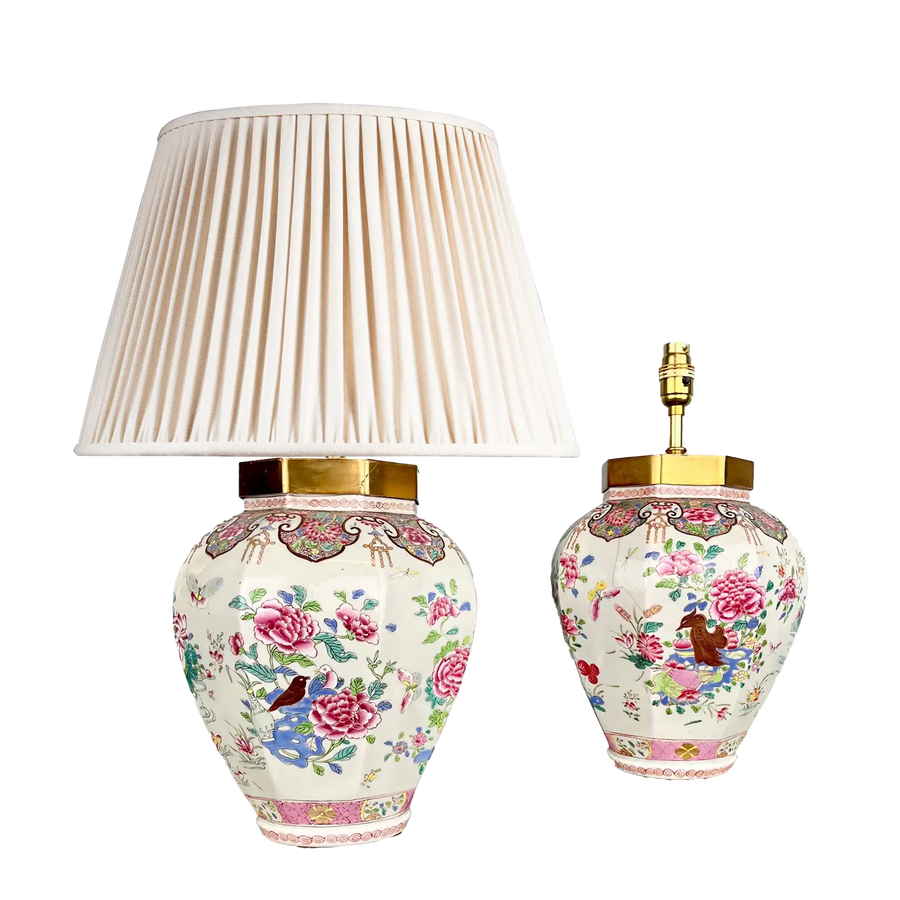
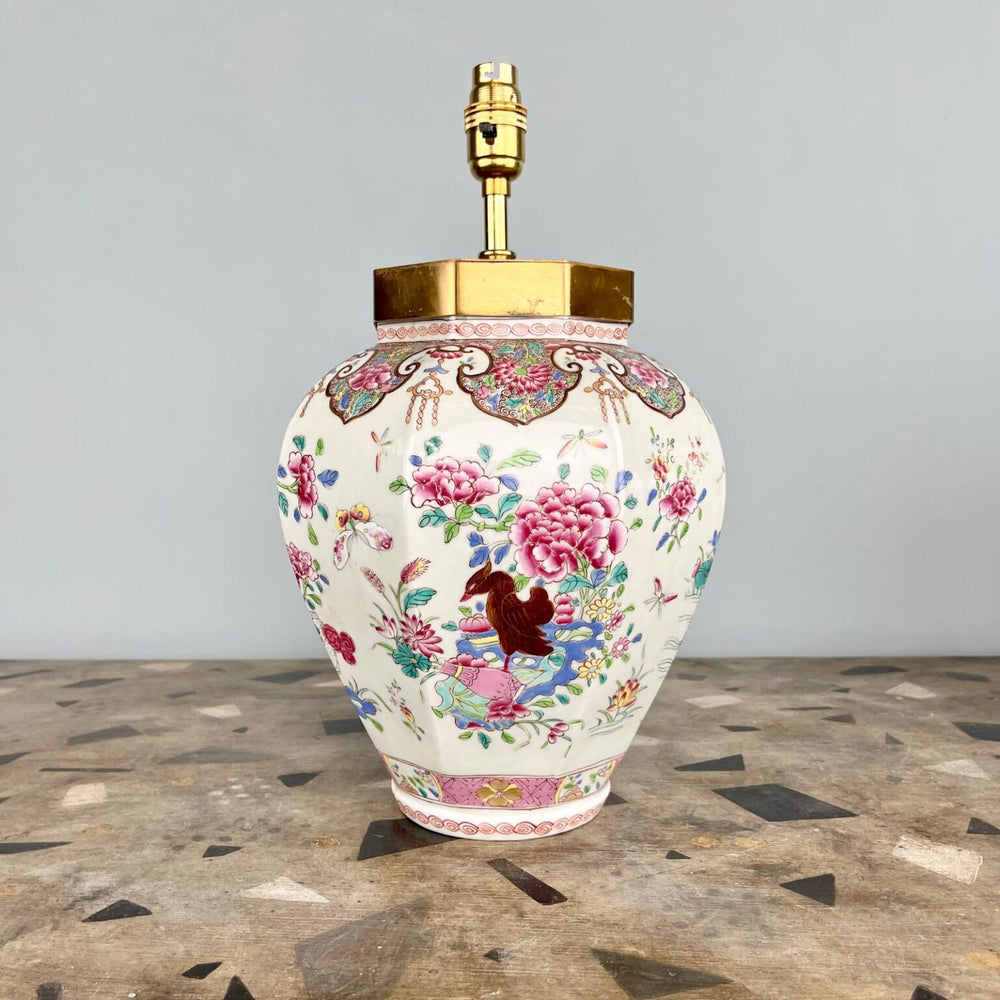
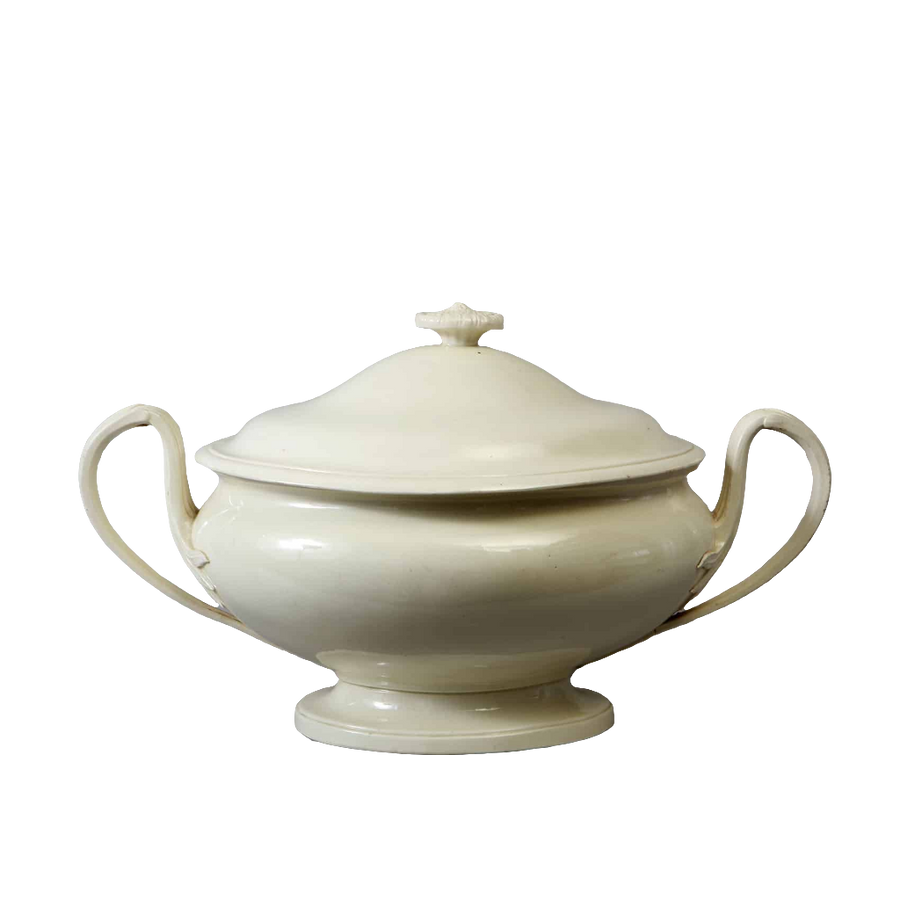
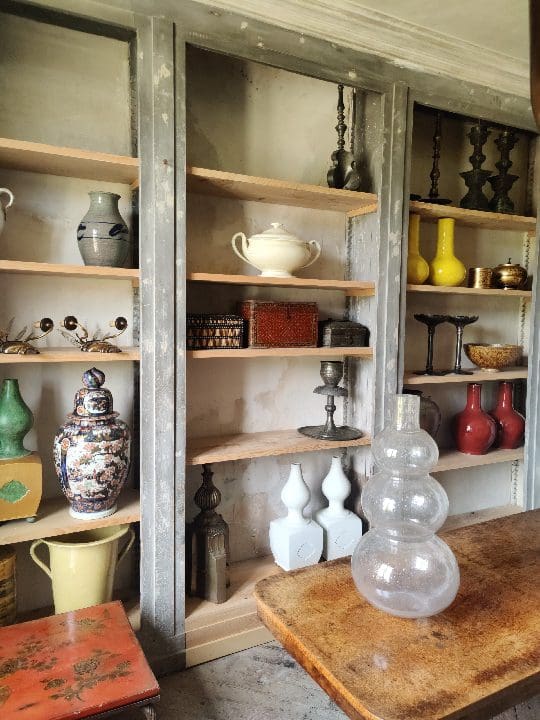
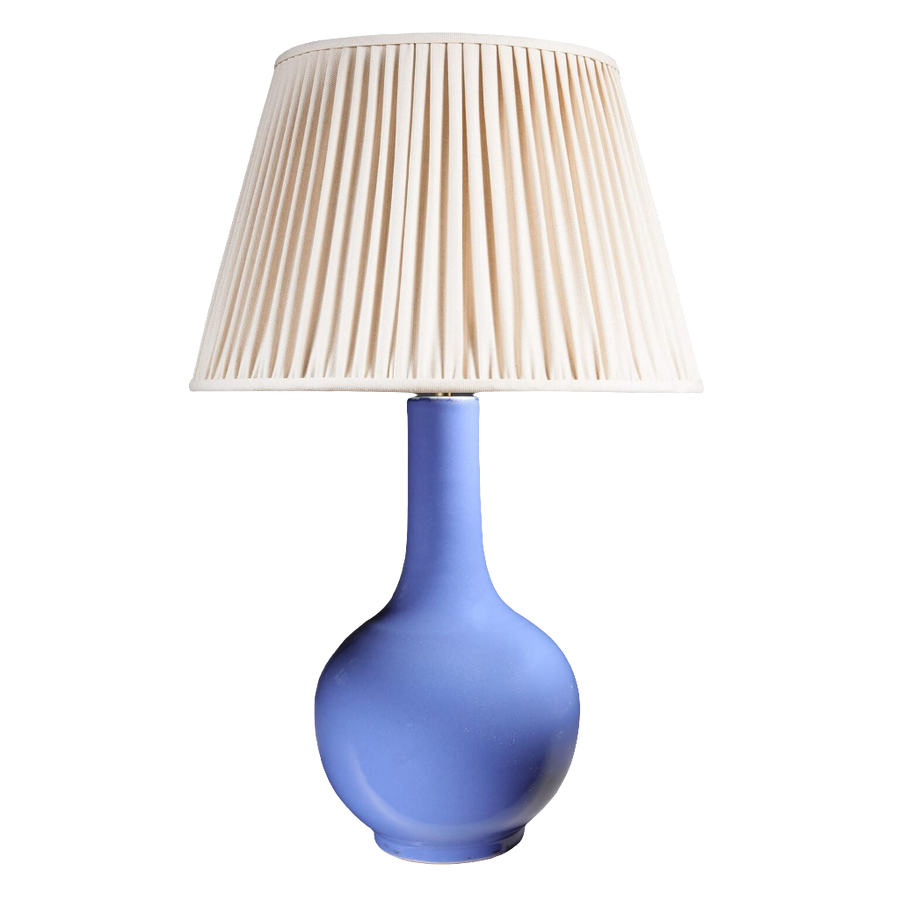
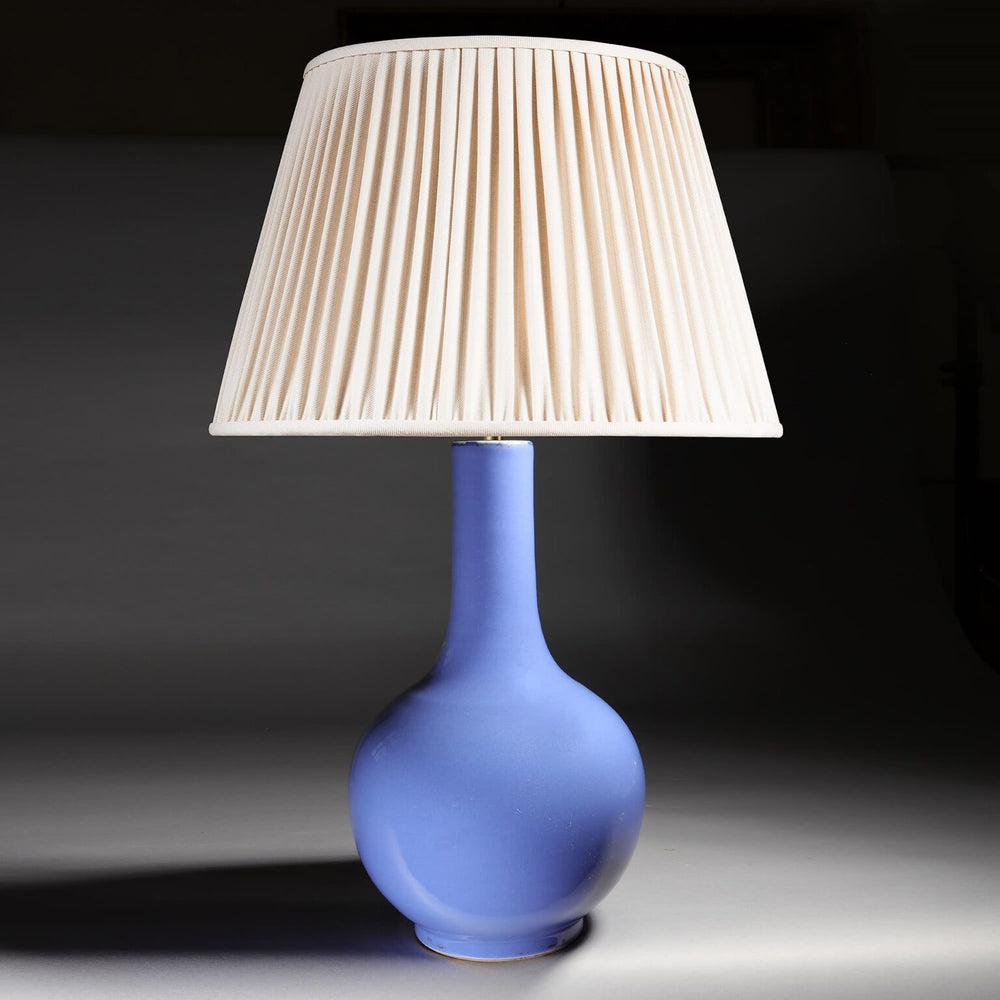
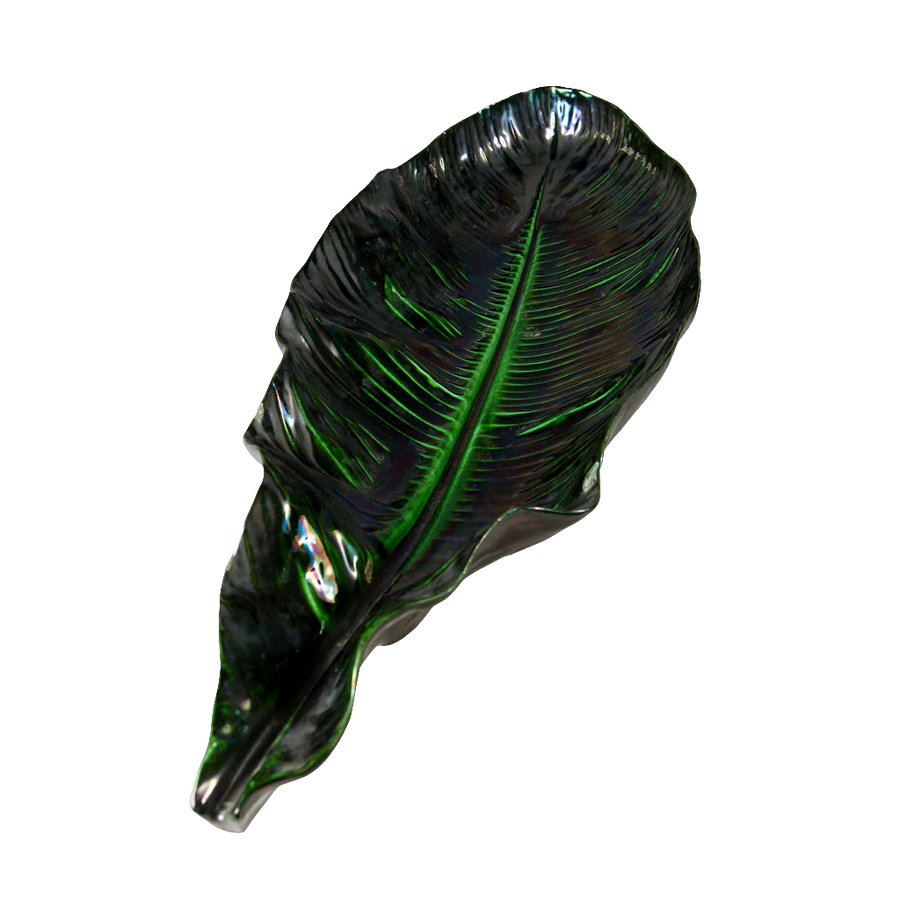
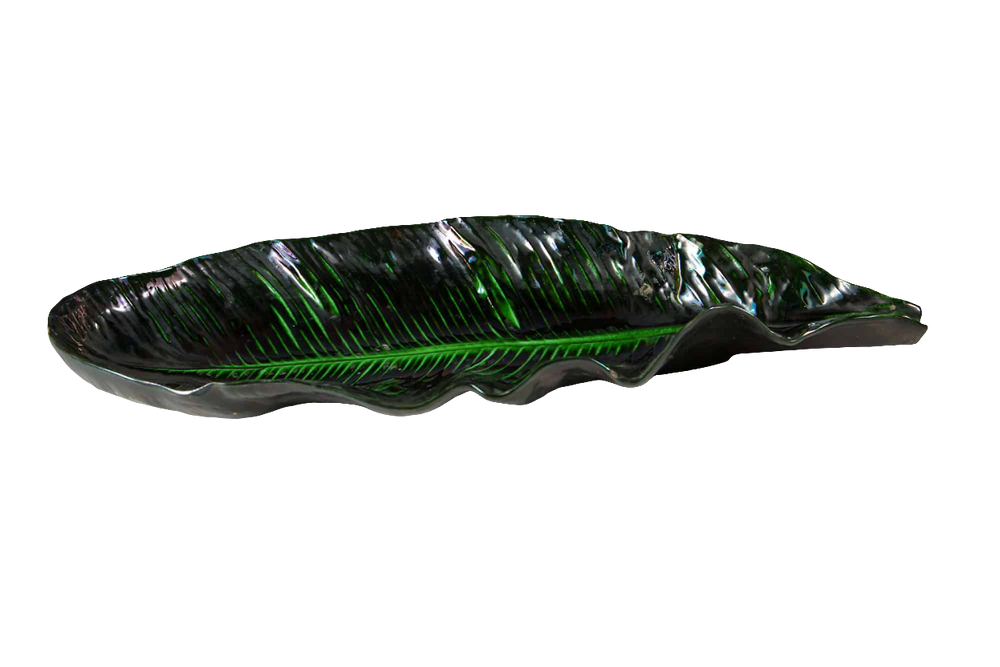
In the 18th century, ceramics were highly valued and considered luxury items. The production of ceramics was a complex and time-consuming process that required skilled craftsmen. The most famous European ceramic factories of the 18th century include Meissen, Sevres, and Wedgwood. These factories were characterised by intricate designs and vibrant colours.
Meissen, Sèvres, and Wedgwood are all well-known names in the world of ceramics and porcelain, but they have distinct differences in terms of their history, style, and techniques. Here is a brief overview of each:
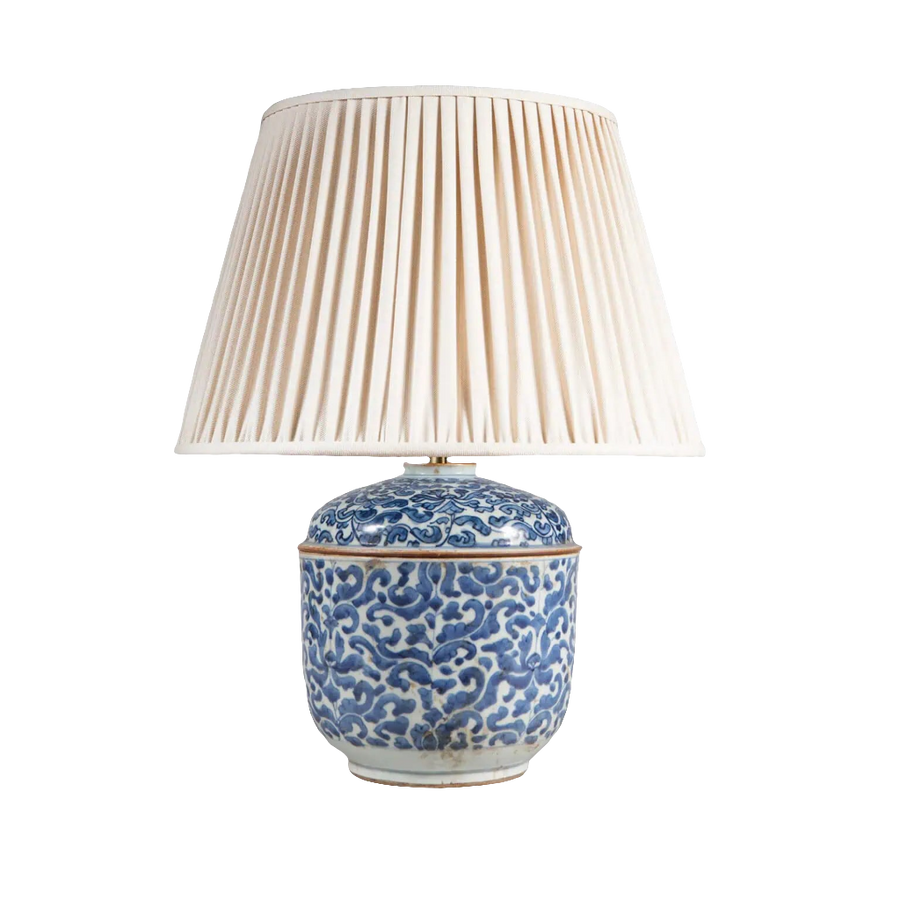
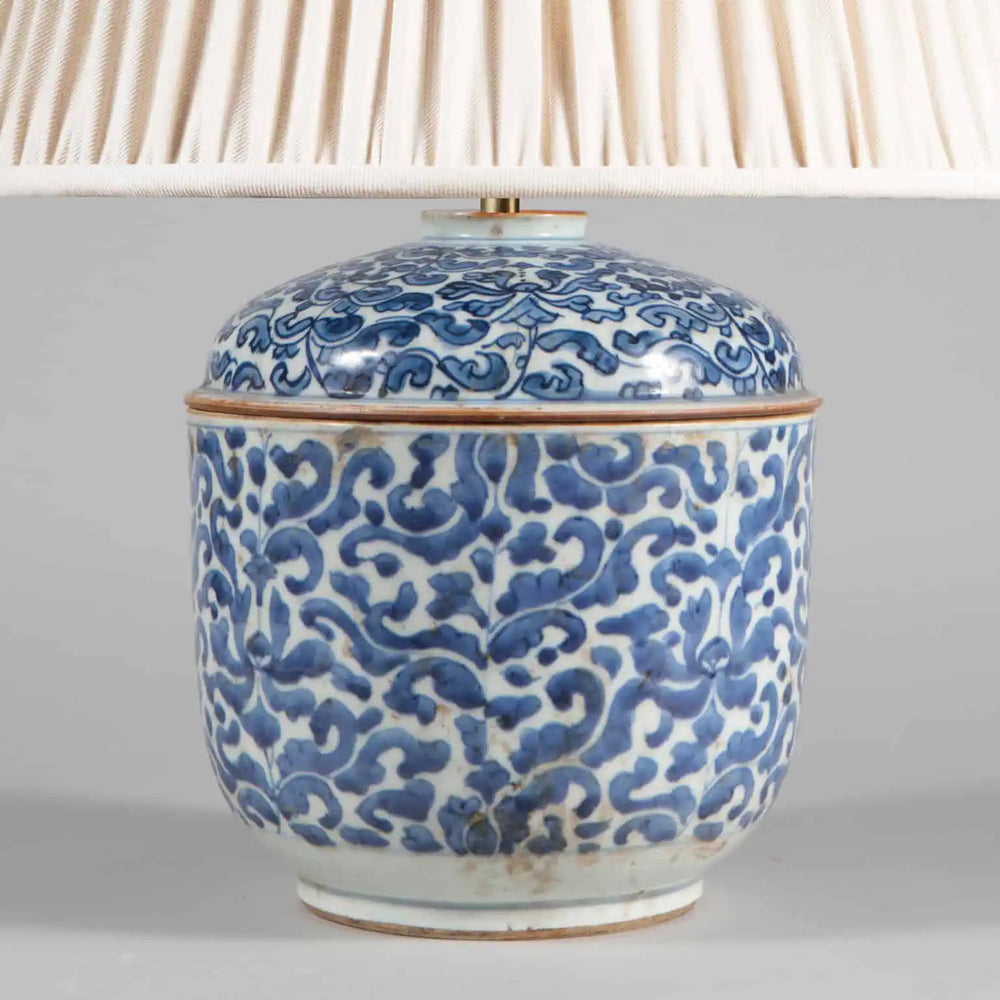
- Meissen - Meissen is a German porcelain manufacturer that was founded in 1710. It is known for producing high-quality porcelain, particularly during the 18th century when it was the first European manufacturer to produce true porcelain. Meissen porcelain is characterized by its detailed and intricate decoration, which often features floral motifs, figurines, and scenes from mythology.
- Sèvres - Sèvres is a French Royal porcelain manufacturer that was founded in the mid-18th century. It is known for producing some of the most exquisite and expensive porcelain in the world, which was favored by royalty and nobility. Sèvres porcelain is characterised by its delicate and intricate decoration, often featuring elaborate gilding, floral designs, and scenes from history and mythology.
- Wedgwood - Wedgwood is an English ceramics manufacturer that was founded in the mid-18th century. It is known for producing high-quality earthenware and later, bone china. Wedgwood is particularly well-known for its Jasperware, a type of unglazed stoneware that is often decorated with classical motifs in white relief against a colored background.
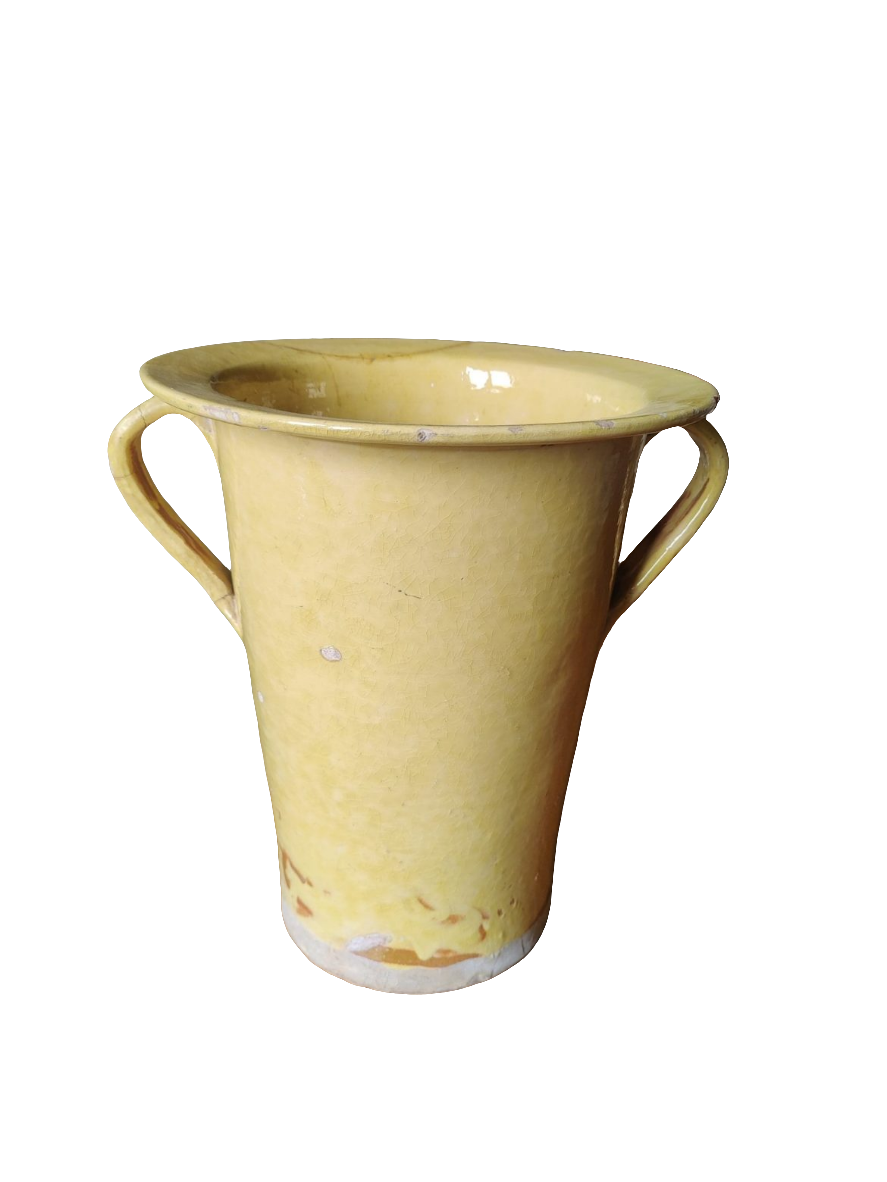
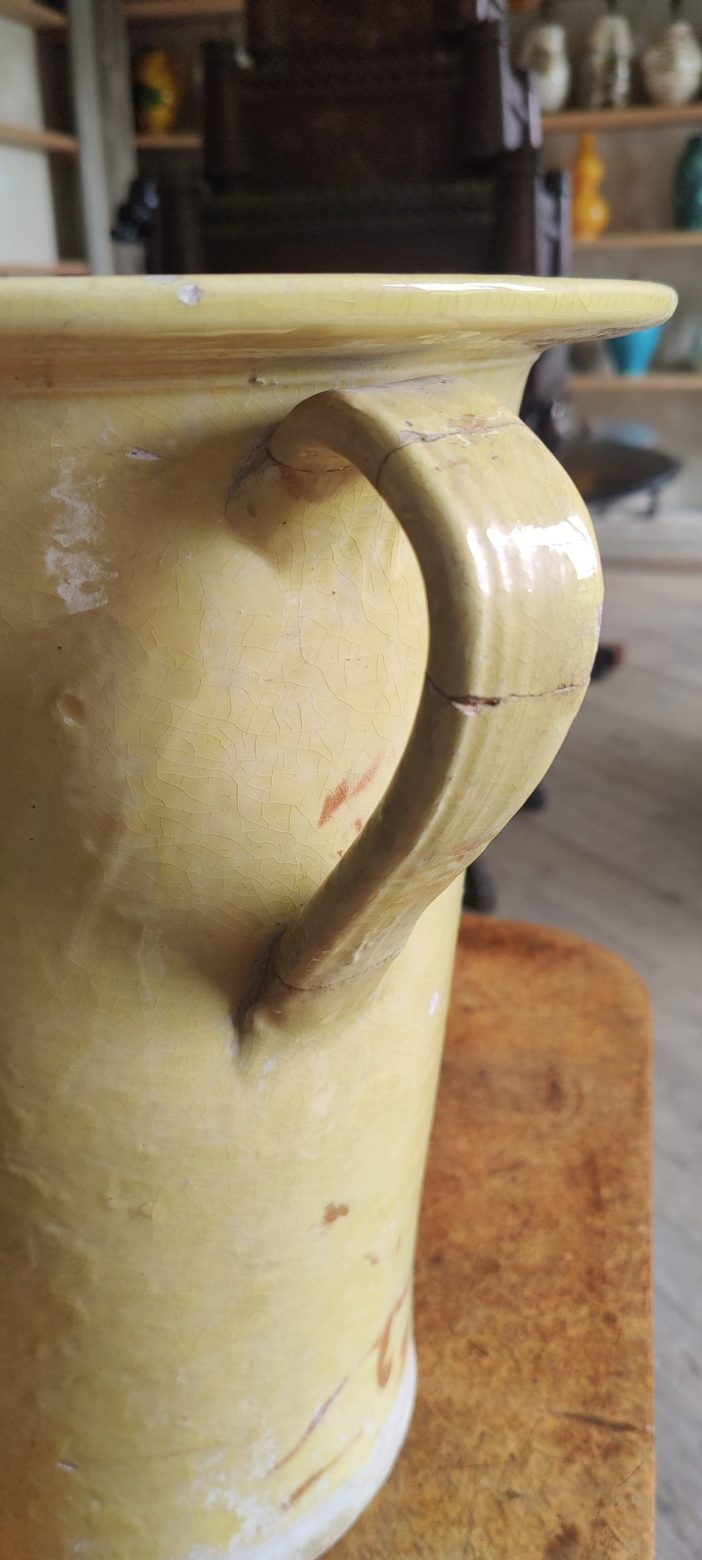
Pottery, earthenware, and porcelain are all types of ceramics. Ceramics are objects made from clay that has been hardened or vitrified by heat. Pottery and earthenware are types of ceramics that are made from porous clay that is fired at a lower temperature, while porcelain is made from finer, denser clay containing kaolin that is fired at a higher temperature. All three types of ceramics have been used throughout history for a variety of purposes, including the production of tableware, decorative objects, and building materials.
In the 18th century, ceramics were highly valued and considered luxury items. The production of ceramics was a complex and time-consuming process that required skilled craftsmen. The most famous European ceramic factories of the 18th century include Meissen, Sevres, and Wedgwood. These factories were characterised by intricate designs and vibrant colours.
Meissen, Sèvres, and Wedgwood are all well-known names in the world of ceramics and porcelain, but they have distinct differences in terms of their history, style, and techniques. Here is a brief overview of each:
- Meissen - Meissen is a German porcelain manufacturer that was founded in 1710. It is known for producing high-quality porcelain, particularly during the 18th century when it was the first European manufacturer to produce true porcelain. Meissen porcelain is characterized by its detailed and intricate decoration, which often features floral motifs, figurines, and scenes from mythology.
- Sèvres - Sèvres is a French Royal porcelain manufacturer that was founded in the mid-18th century. It is known for producing some of the most exquisite and expensive porcelain in the world, which was favored by royalty and nobility. Sèvres porcelain is characterised by its delicate and intricate decoration, often featuring elaborate gilding, floral designs, and scenes from history and mythology.
- Wedgwood - Wedgwood is an English ceramics manufacturer that was founded in the mid-18th century. It is known for producing high-quality earthenware and later, bone china. Wedgwood is particularly well-known for its Jasperware, a type of unglazed stoneware that is often decorated with classical motifs in white relief against a colored background.
Pottery, earthenware, and porcelain are all types of ceramics. Ceramics are objects made from clay that has been hardened or vitrified by heat. Pottery and earthenware are types of ceramics that are made from porous clay that is fired at a lower temperature, while porcelain is made from finer, denser clay containing kaolin that is fired at a higher temperature. All three types of ceramics have been used throughout history for a variety of purposes, including the production of tableware, decorative objects, and building materials.