


Carving Elegance: Fretwork and Oriental Design in Georgian Furniture
1 product
1 product
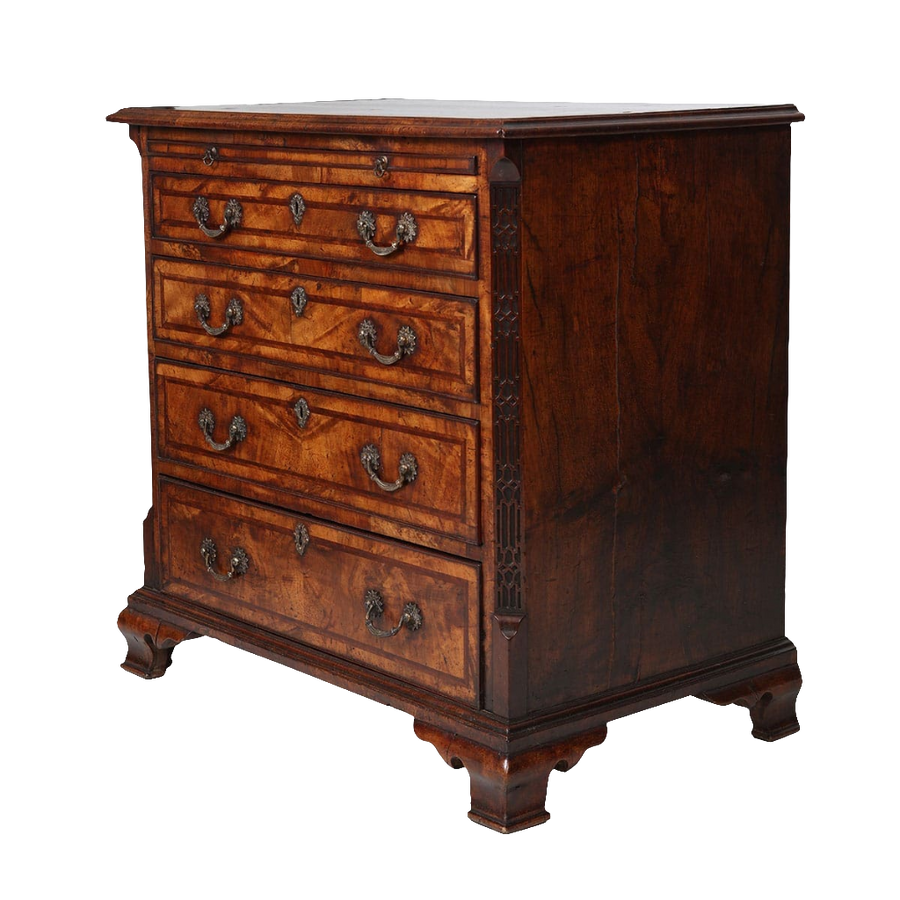
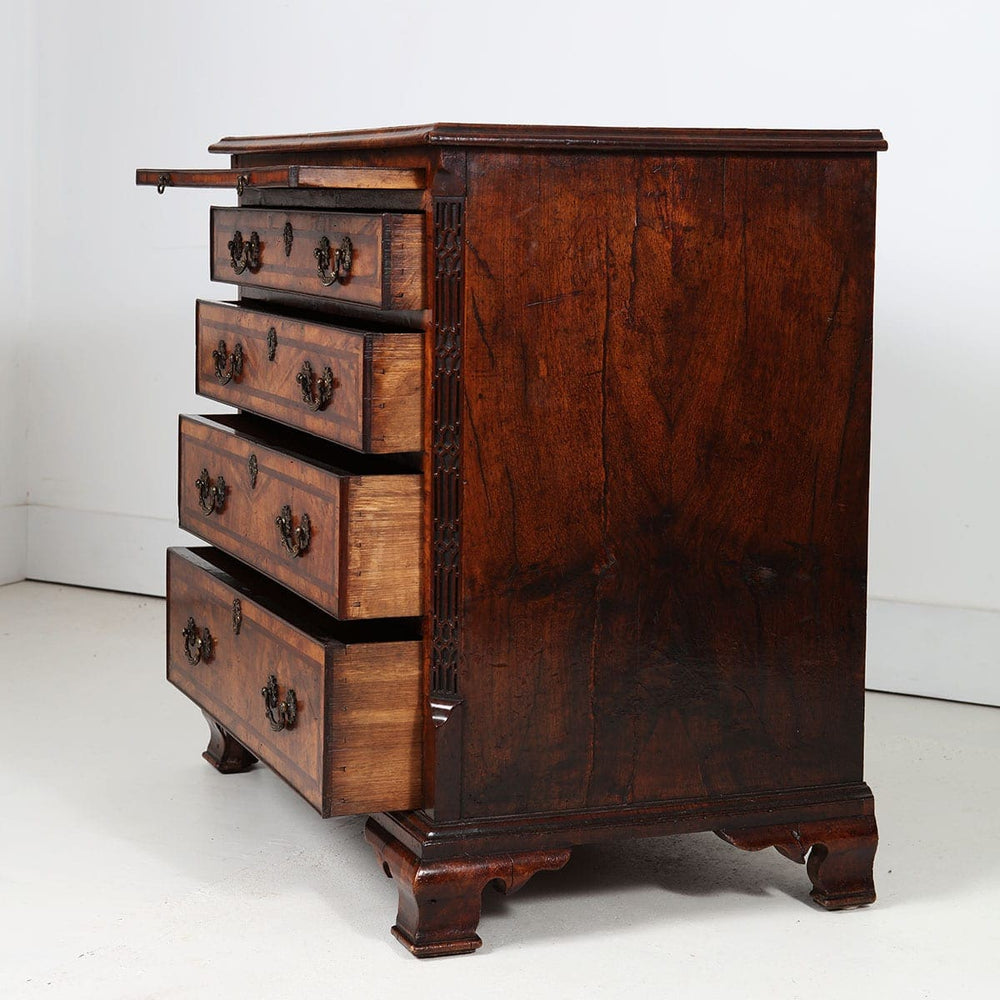
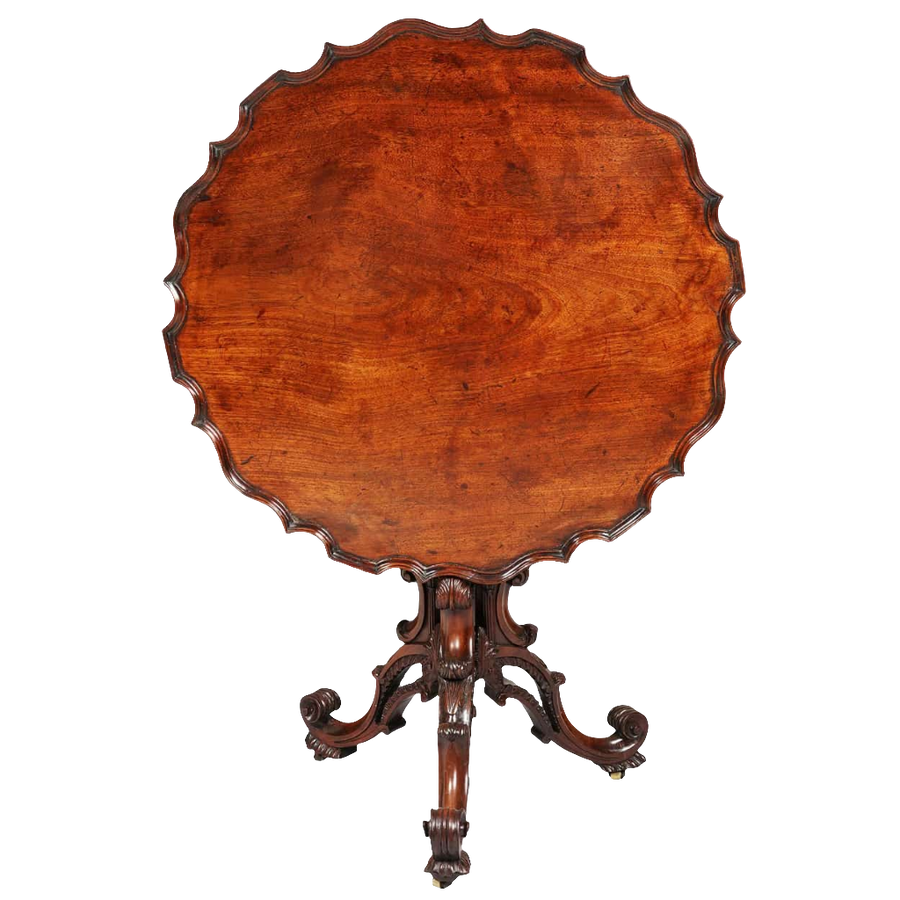
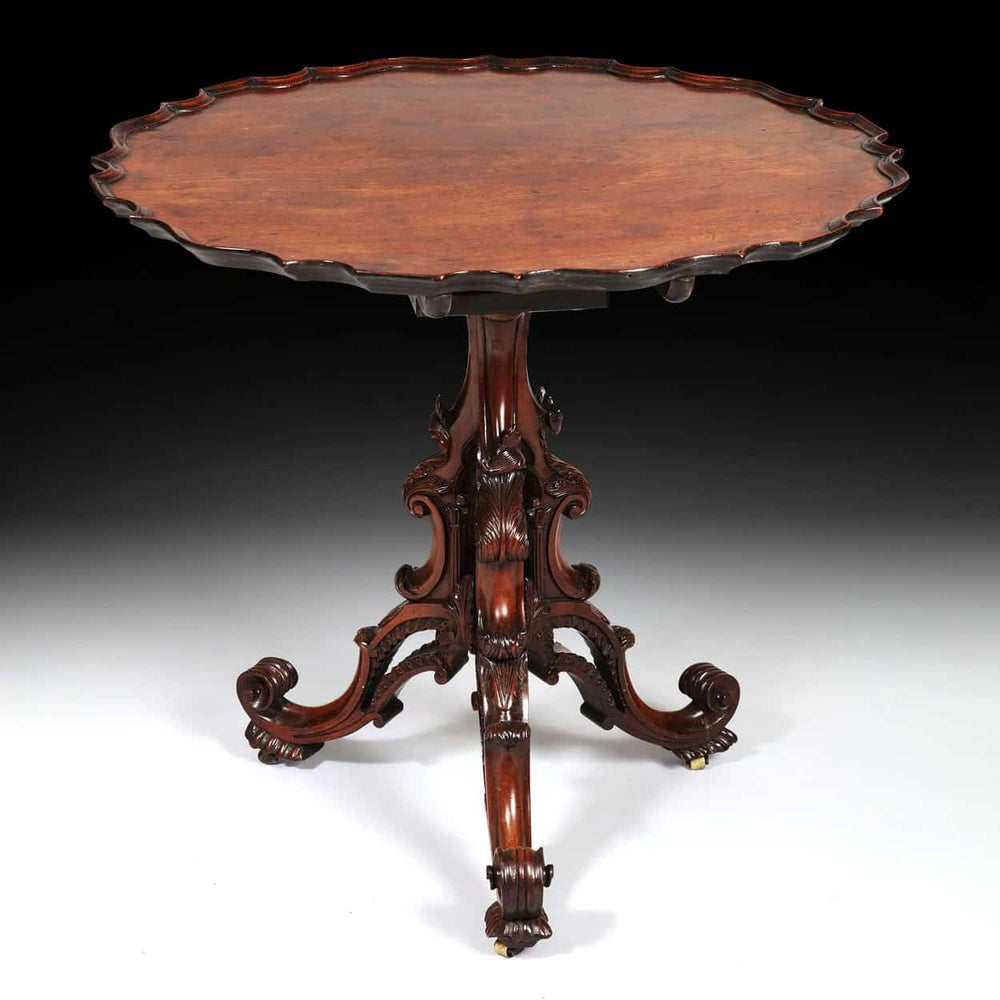
The 18th century saw the rise of a beautiful and intricate form of furniture decoration known as fretwork. This type of decoration was created by carefully cutting and carving intricate geometric patterns into the wood, creating a stunning visual effect.
The patterns can be seen in chairs, tables, and other pieces of furniture. The craftsmanship involved in creating fretwork was highly valued, and it is still admired today for its beauty and complexity. Thomas Chippendale published many designs with oriental inspiration in 1754 The Gentleman and Cabinet-Maker’s Director. An aesthetic that we now know as Chinese Chippendale .
Blind and pierced fretwork are two distinct forms of woodworking. Blind fretwork is a type of woodworking in which the design is cut into the wood without any openings or holes, while pierced fretwork involves cutting out a pattern from the wood, creating openings and holes in the design. Both techniques are used to create decorative patterns in wood, but the end result of each is quite different. Blind creates a more subtle effect, while pierced is more striking and eye-catching.
This month we have 10% off the Regency Collection - checkout code REG10

Each item in our collection is sold with complimentary restoration within the purchase price. It is only released for delivery once it has been fully checked over and wax polished.

Introduce someone to Nicholas Wells Antiques—when they make a purchase of £10,000 or more, they will benefit form £500 off and you'll receive £500 credit toward your next purchase over £5,000.
A gesture of thanks, from one collector to another.