


Landscape Painting in the 18th and 19th Centuries: Nature Idealised and Revealed
5 products
5 products
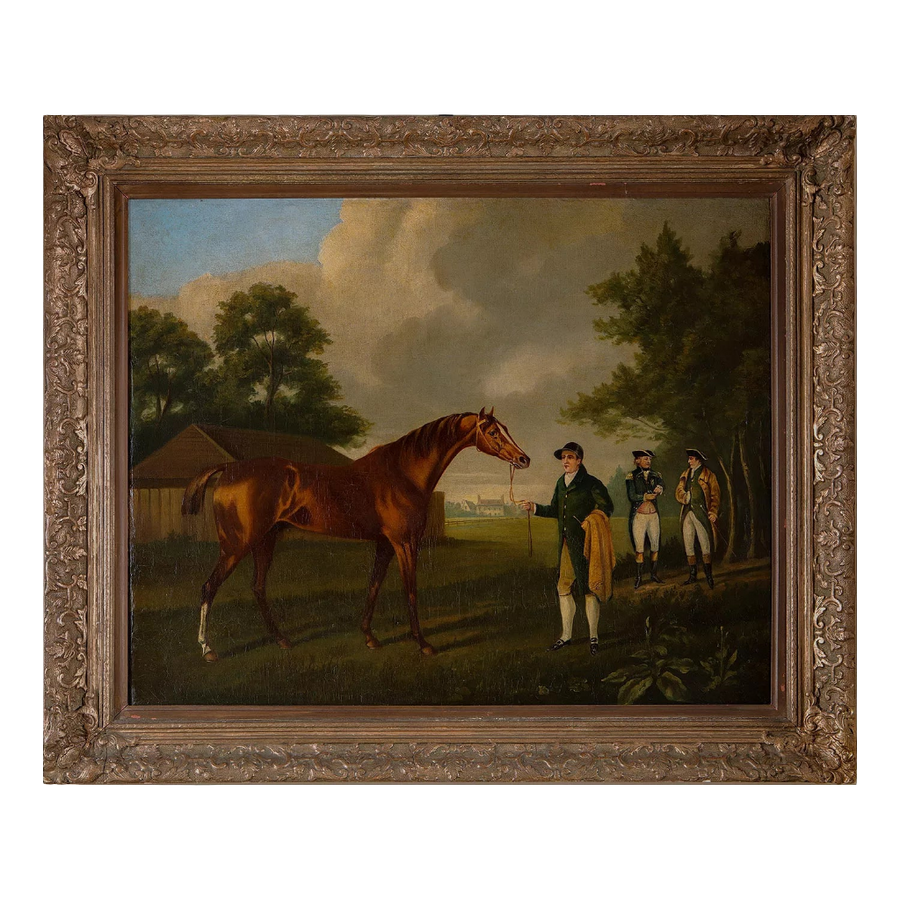
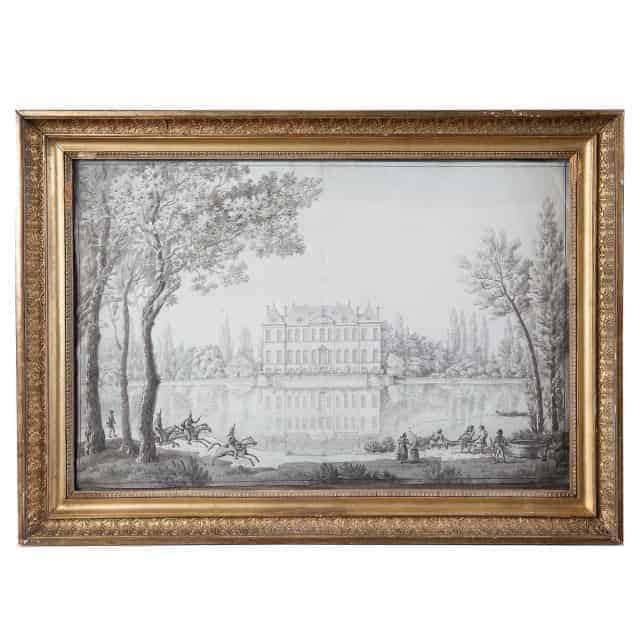
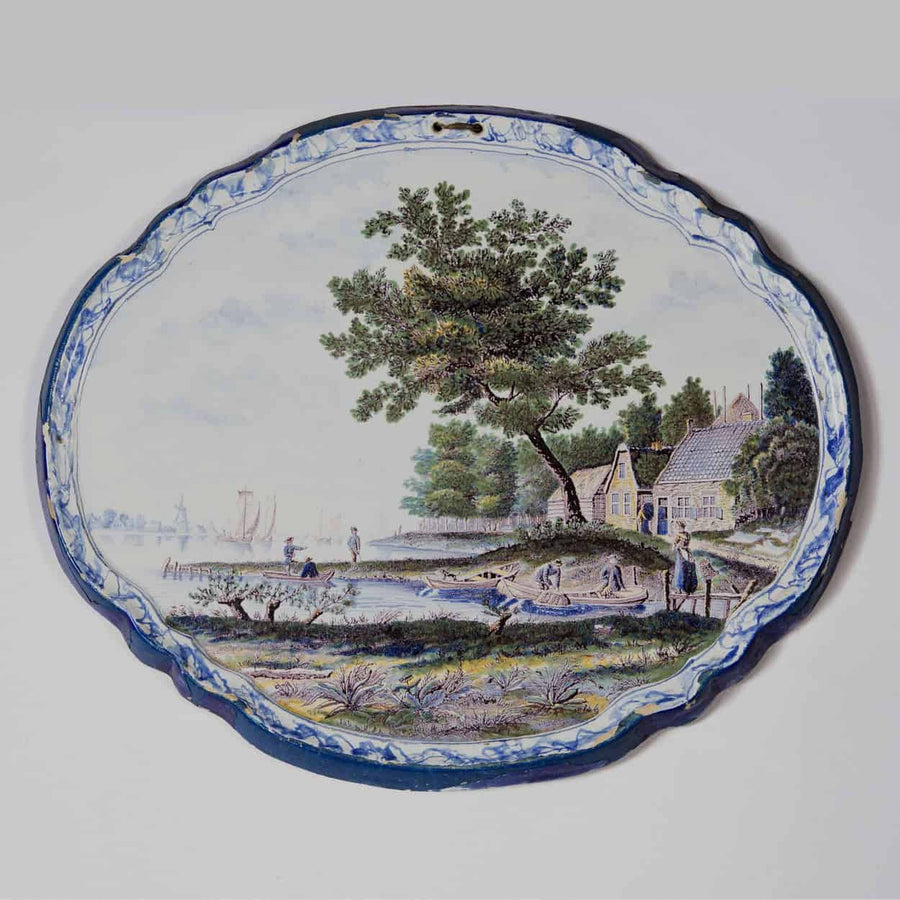
Landscape painting across the 18th and 19th centuries underwent a dramatic evolution, mirroring shifting philosophical, aesthetic, and emotional relationships with the natural world. Once a subsidiary genre, it rose to prominence as artists began to celebrate nature not only for its beauty but for its symbolic, spiritual, and emotional resonance.
In the 18th century, landscape painting was shaped by the principles of order, symmetry, and idealised beauty. Influenced by classical antiquity and the pastoral tradition, artists sought to present nature as serene, balanced, and imbued with moral clarity.
Notable figures include:
These compositions often served as contemplative settings for historical or literary subjects, framing nature as a cultivated extension of human civilisation.
By the 19th century, landscape painting had transformed into a vehicle for emotional expression and personal introspection. The Romantic movement propelled nature to the centre of the artistic imagination, celebrating its sublimity, mystery, and power.
Artists rejected rigid compositional rules in favour of atmospheric immediacy and dramatic scenery:
Nature was no longer idealised—it was revered, feared, and intimately felt.
Landscape painting across these centuries reflects a broader transformation in human perception—moving from rational control toward emotional communion. Whether framed by Enlightenment ideals or Romantic sensibilities, these works speak to the enduring appeal of the natural world as subject, symbol, and source of artistic inspiration.
At Nicholas Wells Antiques, decorative and fine artworks that feature landscapes capture this rich continuum—each piece offering a window onto how nature has been viewed, revered, and rendered across time.
This month we have 10% off the Regency Collection - checkout code REG10

Each item in our collection is sold with complimentary restoration within the purchase price. It is only released for delivery once it has been fully checked over and wax polished.

Introduce someone to Nicholas Wells Antiques—when they make a purchase of £10,000 or more, they will benefit form £500 off and you'll receive £500 credit toward your next purchase over £5,000.
A gesture of thanks, from one collector to another.