




Salvador Dalí (1904–1989)
1 product
1 product
Salvador Dalí (1904–1989) was a Spanish surrealist artist known for his distinctive and imaginative artworks that often featured dreamlike and surreal elements. One of his most iconic motifs is the melting clock, most famously associated with his painting The Persistence of Memory (1931).
In this extraordinary work, Dalí depicts a desolate landscape with a barren shoreline, a distorted face-like form at the centre, and several watches draped over objects as though melting or drooping. The soft, malleable clocks are among the most striking and memorable aspects of the painting. They are often interpreted as symbols of the fluidity and instability of time, with Dalí challenging conventional notions of reality and inviting us into a surrealist world where time loses its rigidity and becomes subjective.
The melting clock motif became one of Dalí’s most enduring symbols, recurring throughout his career in paintings, drawings, prints, and sculptures. It has been read in many ways — as a representation of the fleeting and ephemeral nature of time, the distortions of memory, and the fluidity of perception and reality. For Dalí, the image also served as a means to explore the subconscious and the irrational, central themes of surrealist art.
His unique and provocative approach, epitomised by the melting clock, established Dalí as one of the most influential and celebrated artists of the 20th century.
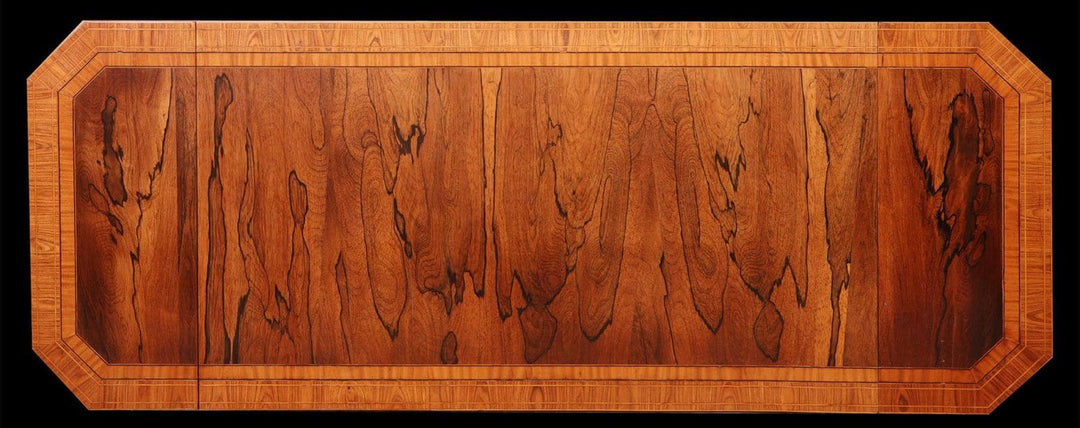
This month we have 10% off the Regency Collection - checkout code REG10

Each item in our collection is sold with complimentary restoration within the purchase price. It is only released for delivery once it has been fully checked over and wax polished.

Introduce someone to Nicholas Wells Antiques—when they make a purchase of £10,000 or more, they will benefit form £500 off and you'll receive £500 credit toward your next purchase over £5,000.
A gesture of thanks, from one collector to another.

