


🔬 Science and the Decorative Arts: A Dialogue of Discovery and Design
73 products
73 products
From the alchemist’s furnace to the physicist’s lens, science has long been a silent partner in the evolution of the decorative arts. Far from being separate disciplines, the pursuit of scientific knowledge and the creation of beautiful objects have often shared materials, techniques, and philosophical ideals. Across centuries, artisans and scientists have collaborated—sometimes unknowingly—to transform raw matter into marvels of form and function.
In the Renaissance and Baroque periods, alchemy was not merely a mystical pursuit—it was a practical science that laid the groundwork for innovations in glassmaking, enamelling, and ceramics. Alchemists and artisans shared workshops, tools, and recipe books, experimenting with fire, minerals, and metals to create new materials and effects.
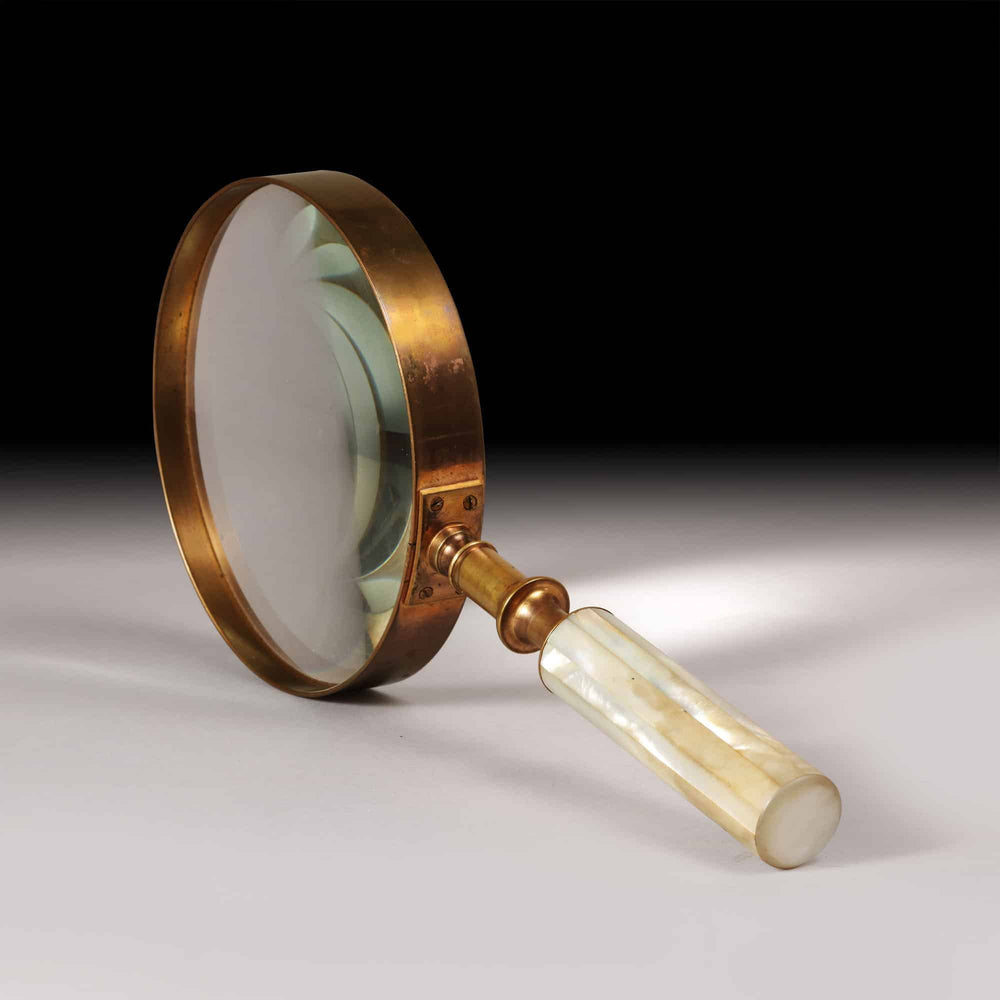
The development of optical instruments—telescopes, microscopes, and camera obscura—revolutionised how artists and designers perceived and represented the world.
The decorative arts have long drawn inspiration from the natural world, but scientific advances in botany, zoology, and microscopy deepened this relationship.
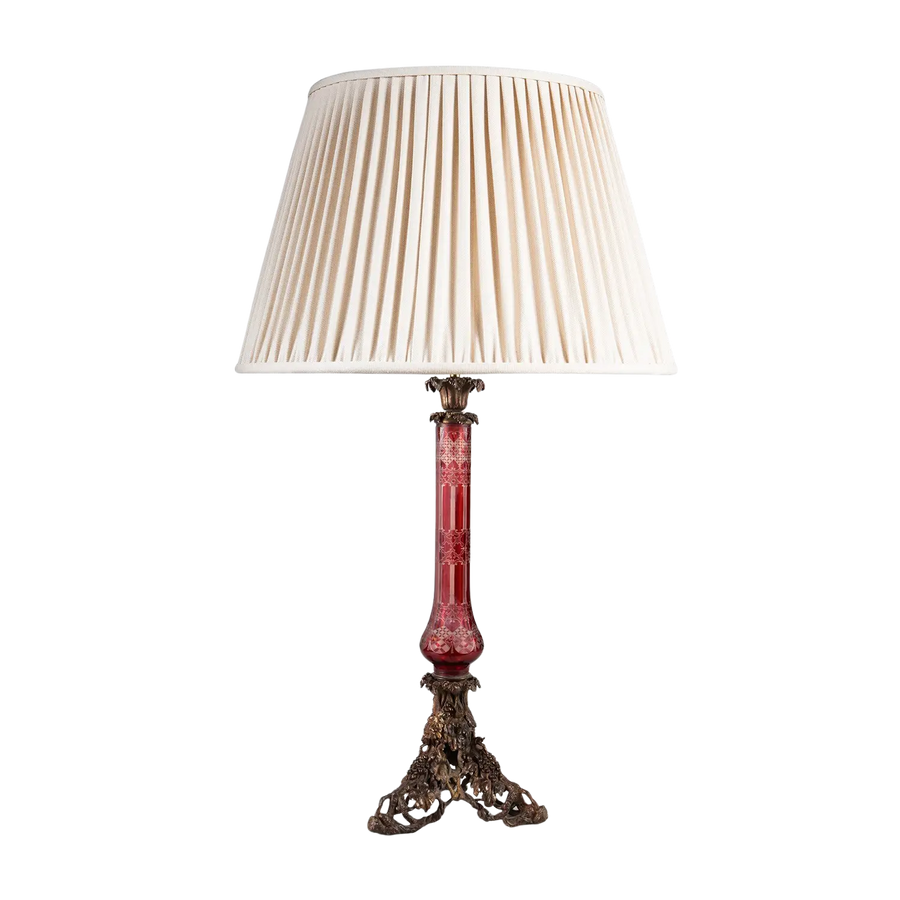
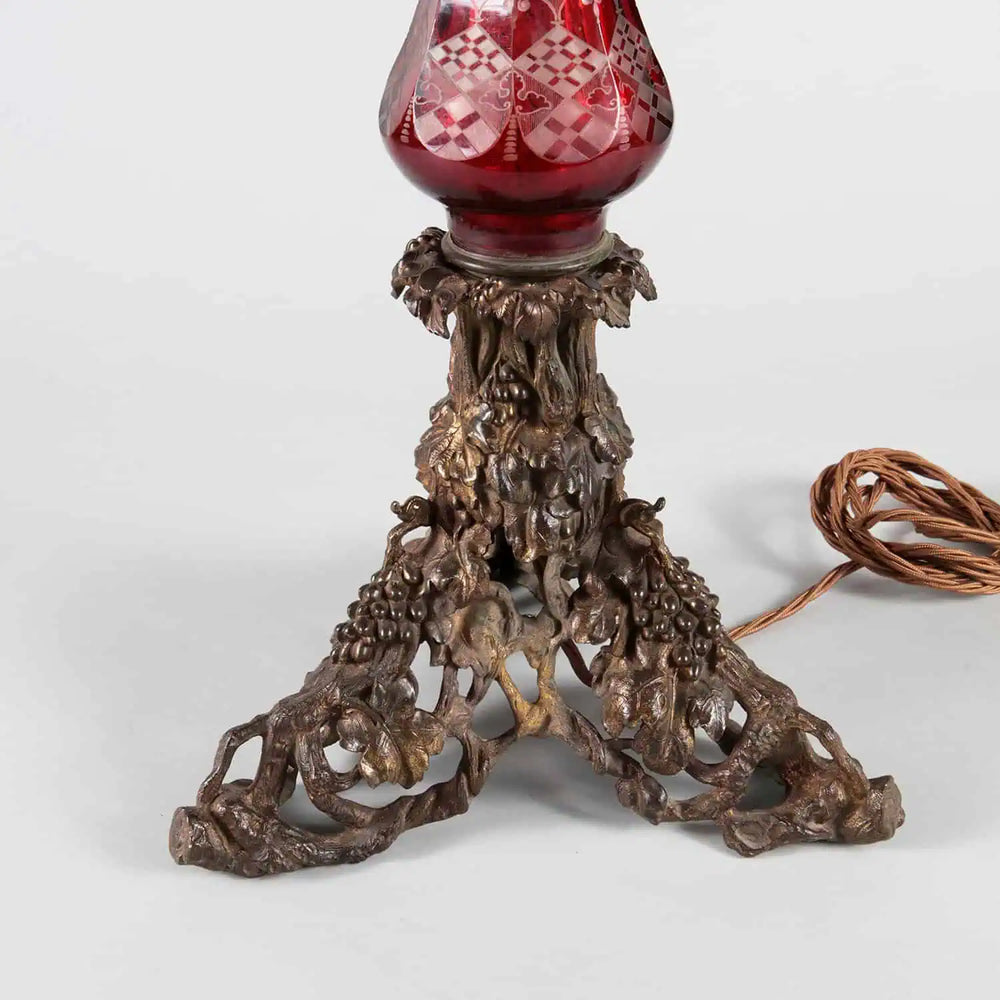
The Industrial Revolution brought with it a surge in chemical discoveries, many of which transformed the palette and permanence of decorative materials.
In the 21st century, the dialogue between science and design continues through biomimicry, material ecology, and digital fabrication.
Several institutions stand out for their commitment to showcasing the interplay of science and the decorative arts:
| Museum | Highlighted Collections |
|---|---|
| Victoria and Albert Museum | More Than Meets the Eye, biomimetic design, historical materials science |
| Metropolitan Museum of Art | Making Marvels, alchemical glass, scientific instruments |
| Science Museum, London | Art of Innovation, anatomical drawings, industrial design |
| Cooper Hewitt Design Museum | Nature—Design Triennial, bio-inspired materials and robotics |
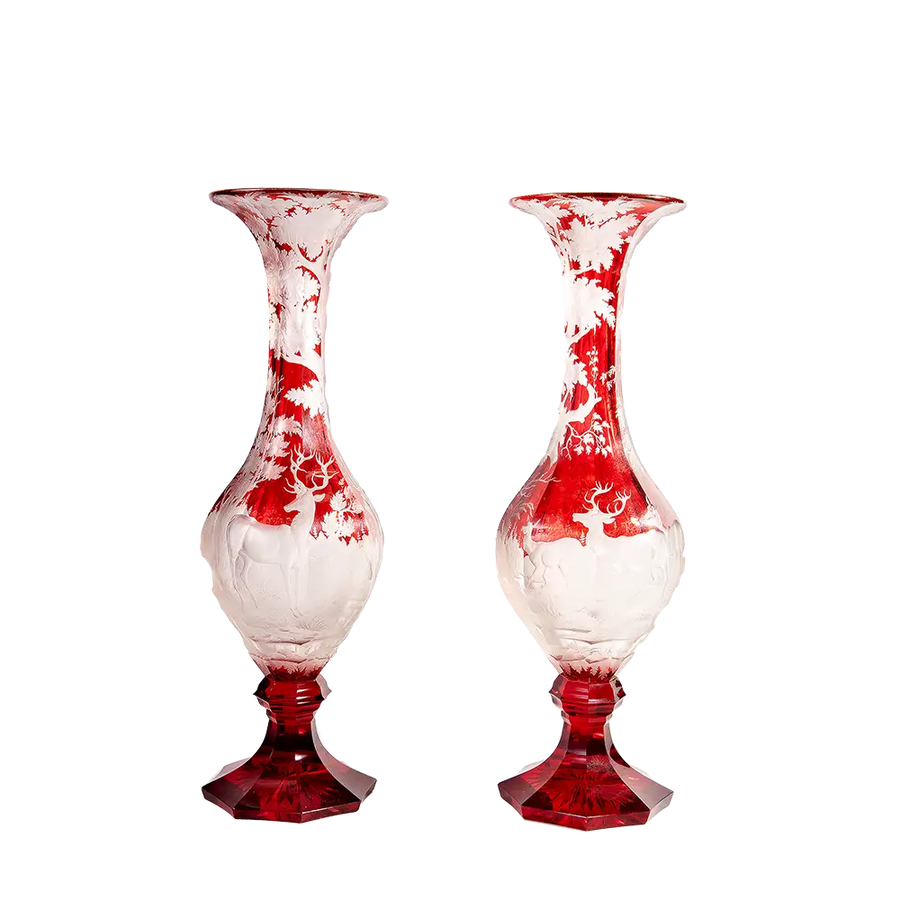
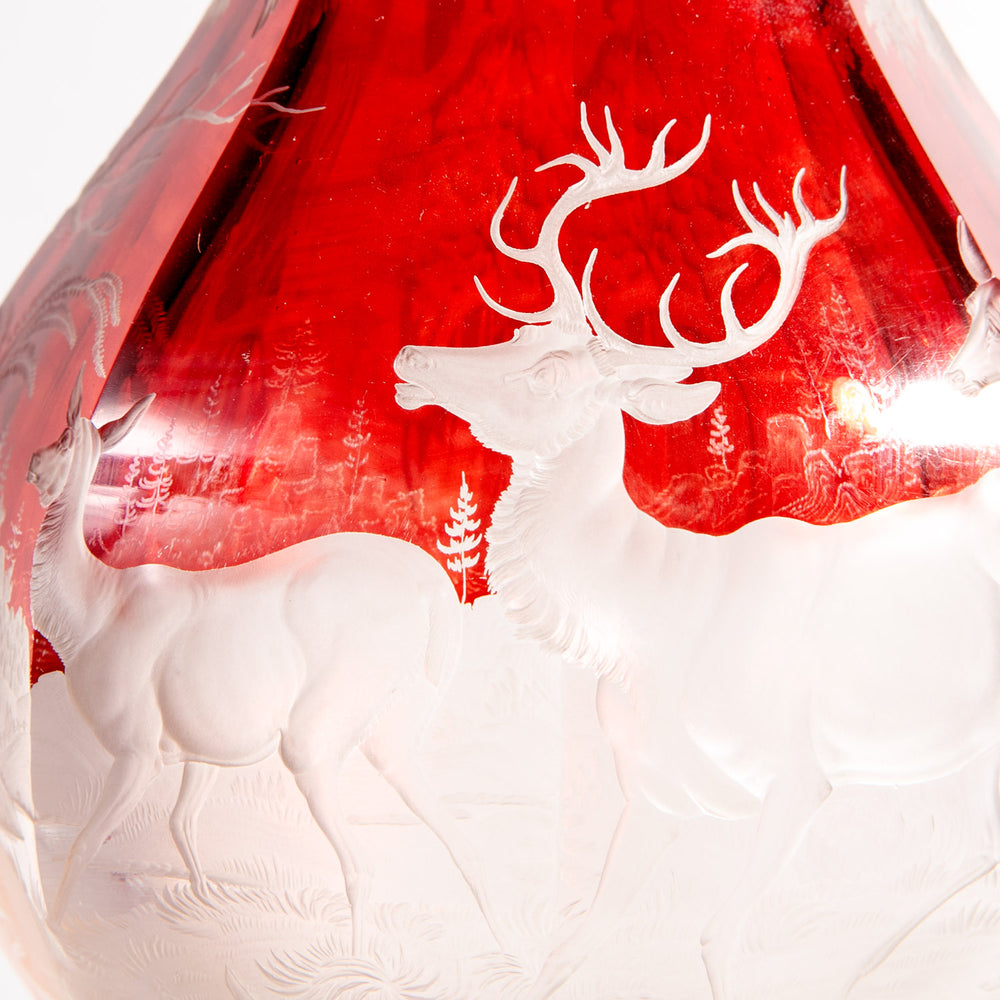
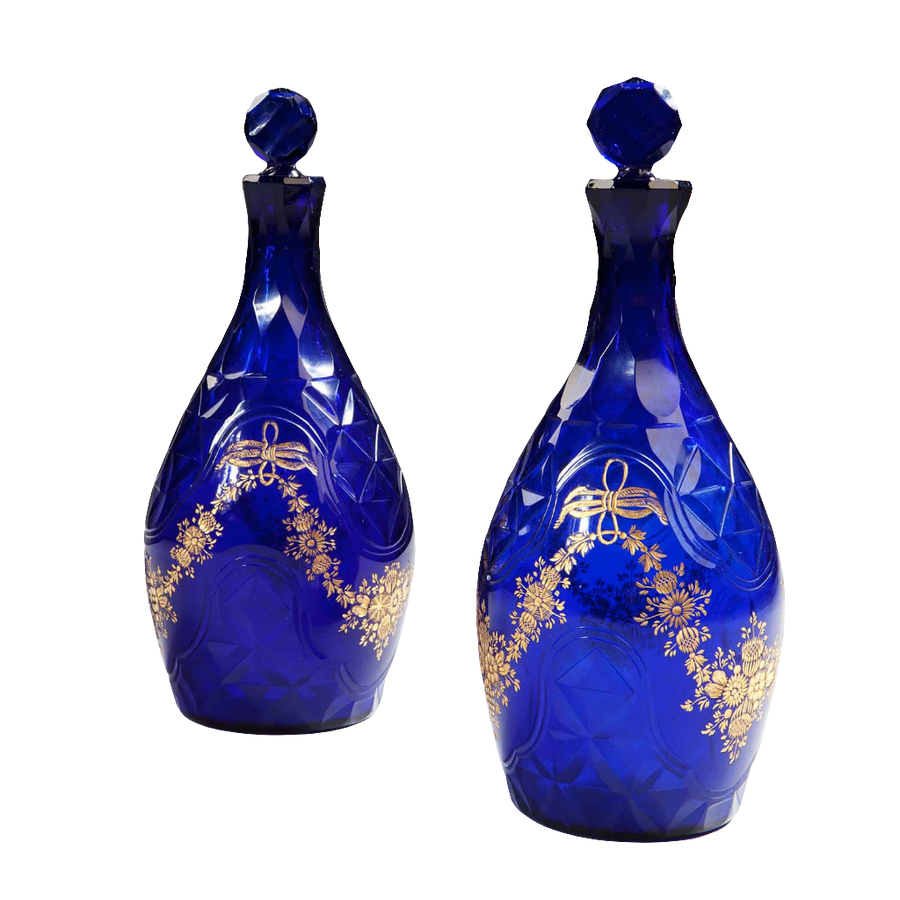
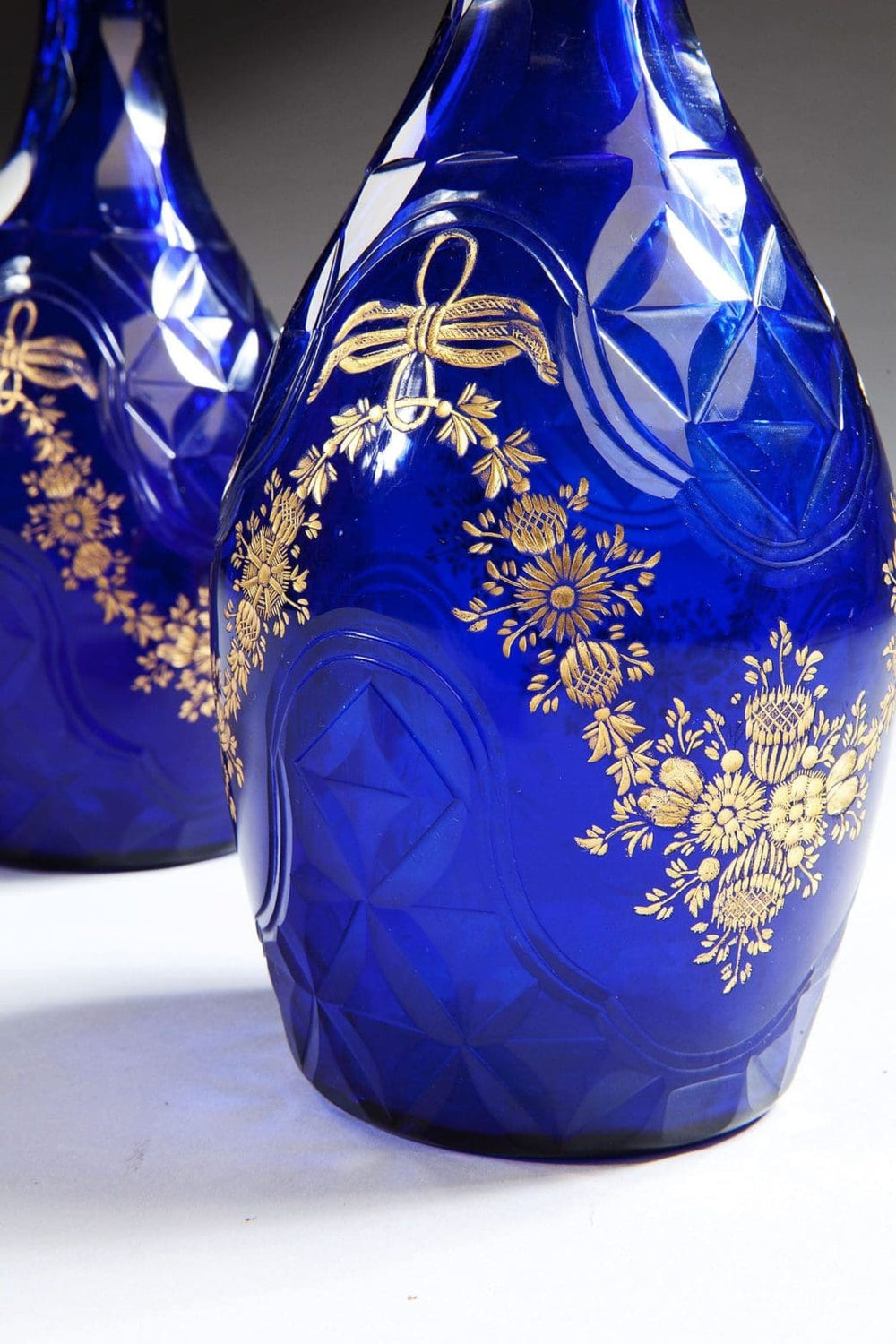
| Corning Museum of Glass | Gold ruby glass, chemical experimentation in glassmaking |
The decorative arts have never existed in isolation. They are the tangible result of curiosity, experimentation, and a desire to shape the world with both meaning and beauty. Science provides the tools and understanding; design gives form and emotion. Together, they create objects that are not only functional or ornamental—but deeply human.
image: David Teniers the Younger (1610–1690), The Alchemist, ca. 1643–45. Oil on panel, 20 1/8 x 28 in (51 x 71 cm). Herzog Anton Ulrich Museum, Braunschweig (139)
This month we have 10% off the Regency Collection - checkout code REG10

Each item in our collection is sold with complimentary restoration within the purchase price. It is only released for delivery once it has been fully checked over and wax polished.

Introduce someone to Nicholas Wells Antiques—when they make a purchase of £10,000 or more, they will benefit form £500 off and you'll receive £500 credit toward your next purchase over £5,000.
A gesture of thanks, from one collector to another.