


Tôle in Decorative Arts
16 products
16 products
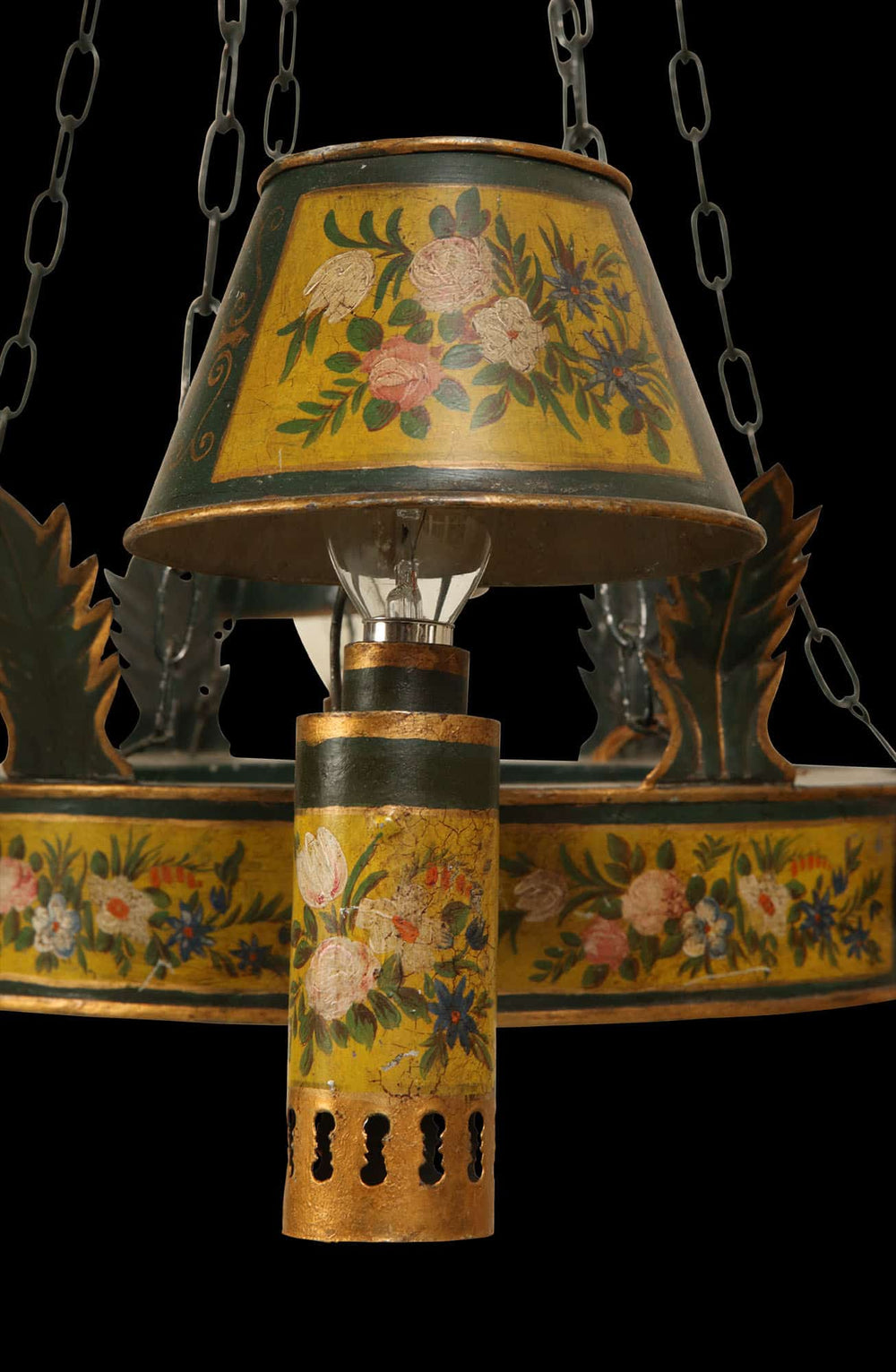
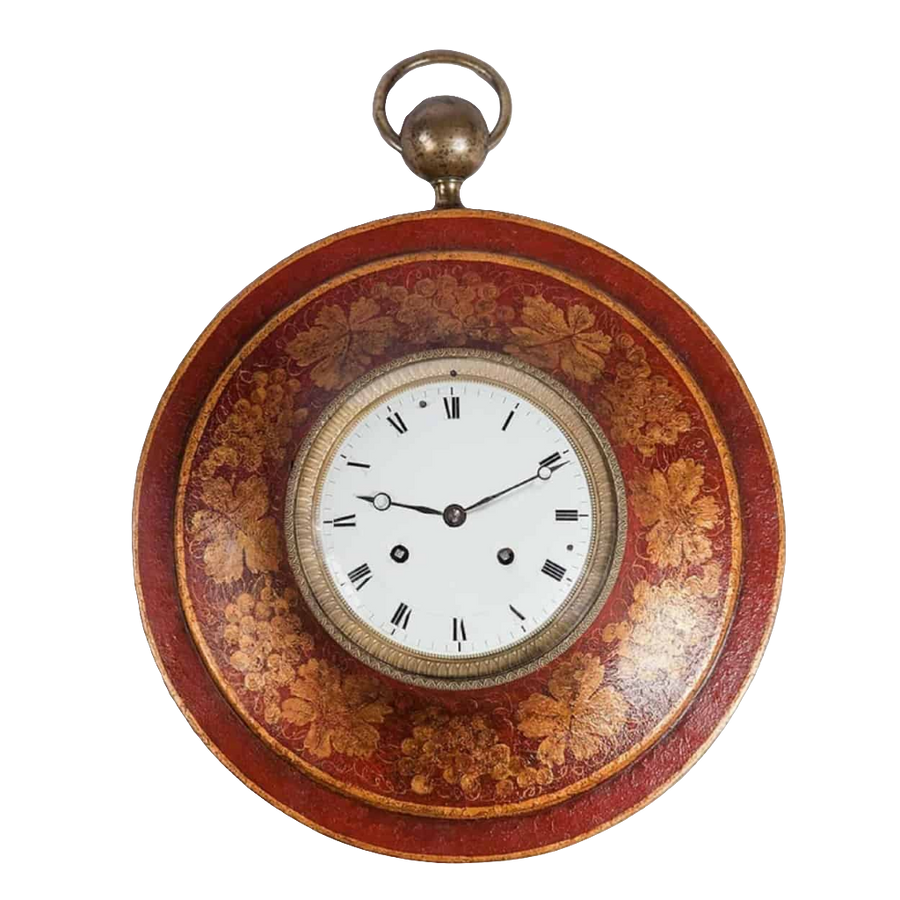
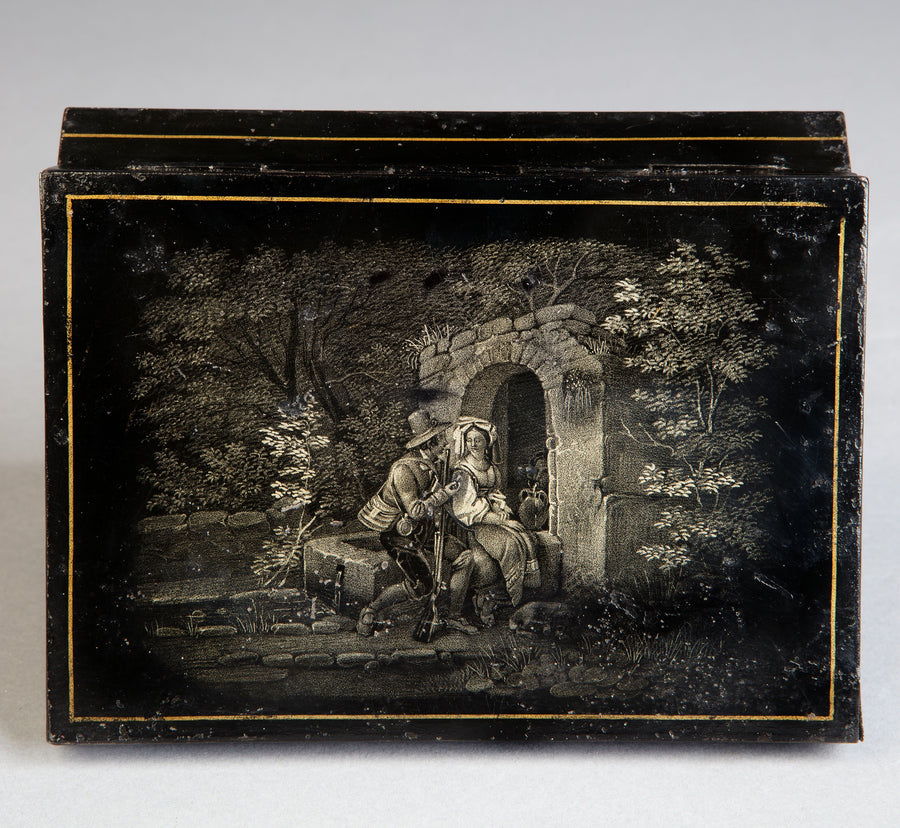
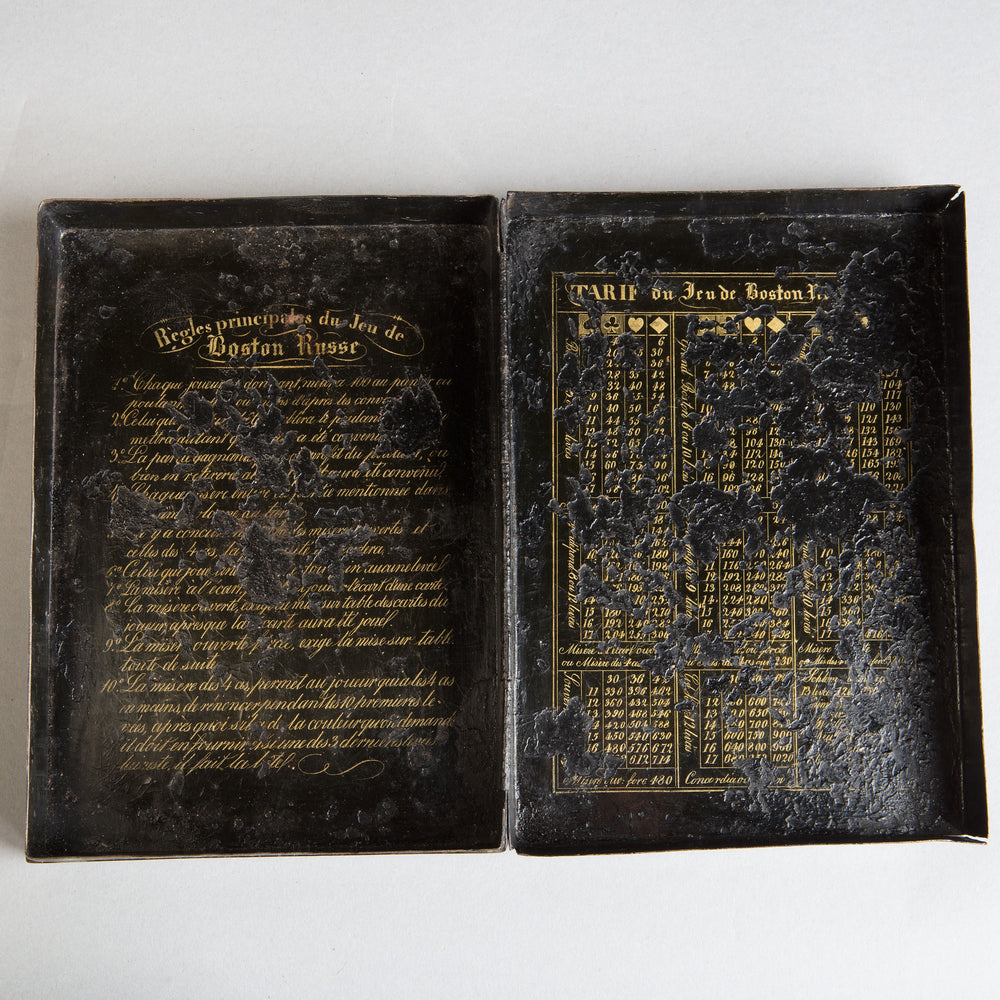
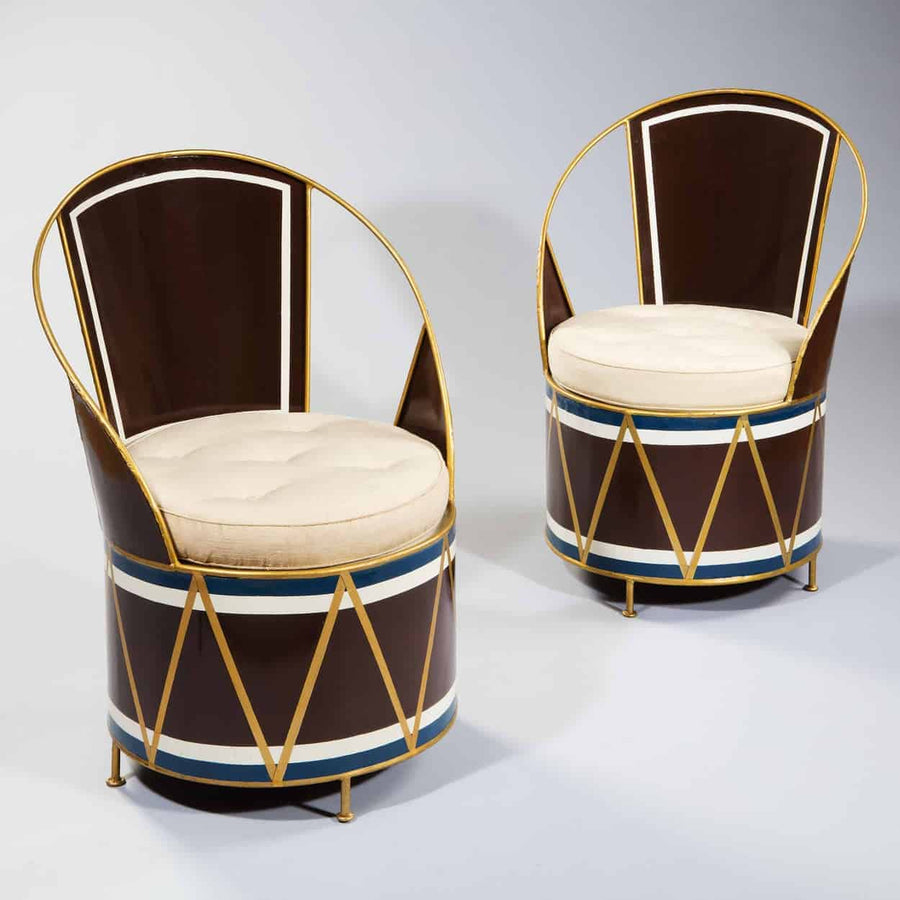
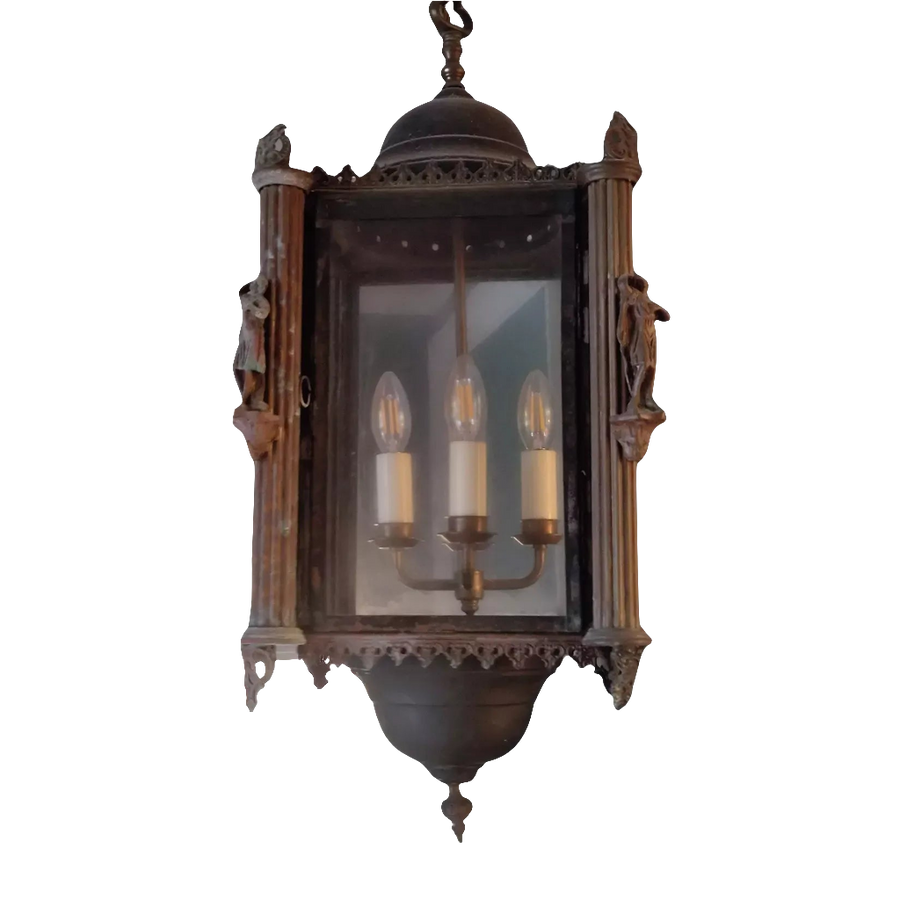
Tôle, from the French tôle peinte or tôle vernie, refers to painted or varnished sheet metal used in the decorative arts from the 18th century onwards. Originally developed in France and Italy as an alternative to costly porcelain or enamel, tôle became a fashionable medium for both utilitarian and decorative objects, admired for its durability, versatility, and vibrant finish.
Tôle objects were typically crafted from tinplate or thin sheet iron, which was then painted, stencilled, japanned, or gilded to mimic more expensive materials. The japanning process — a European adaptation of East Asian lacquer — gave the surfaces a glossy, resilient finish. This combination of affordable base material with luxurious decoration made tôle highly popular across Europe in the late 18th and early 19th centuries.
Tôle was used to create both everyday household items and more refined decorative pieces, including:
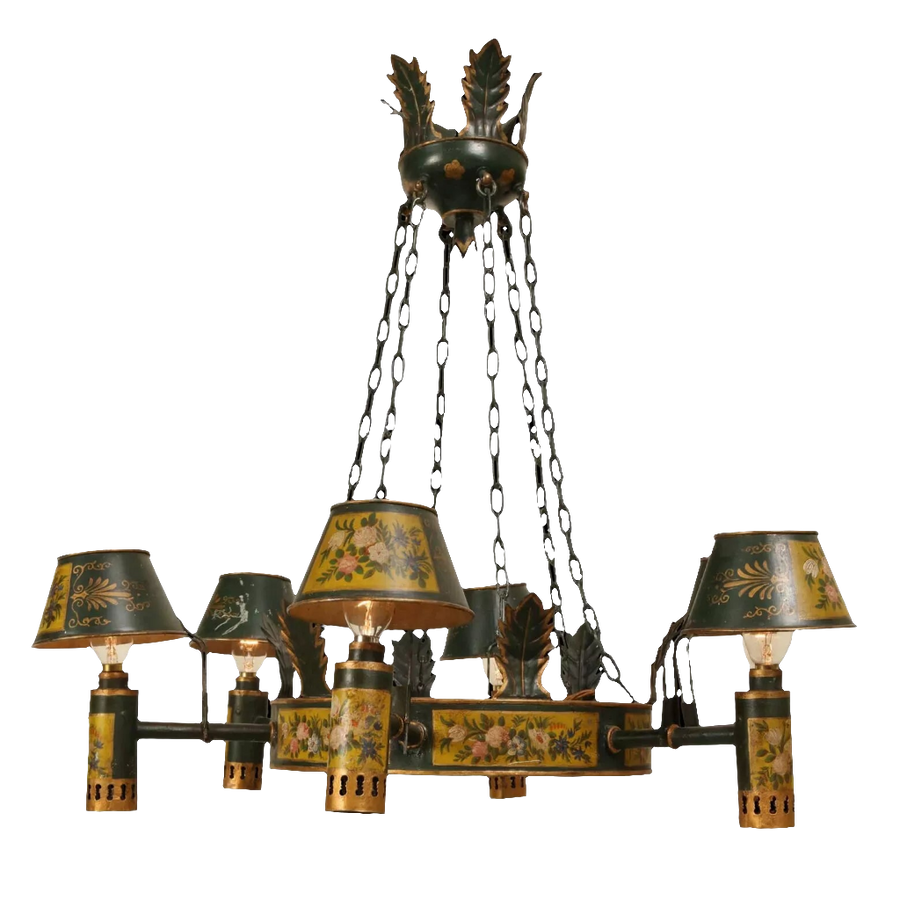
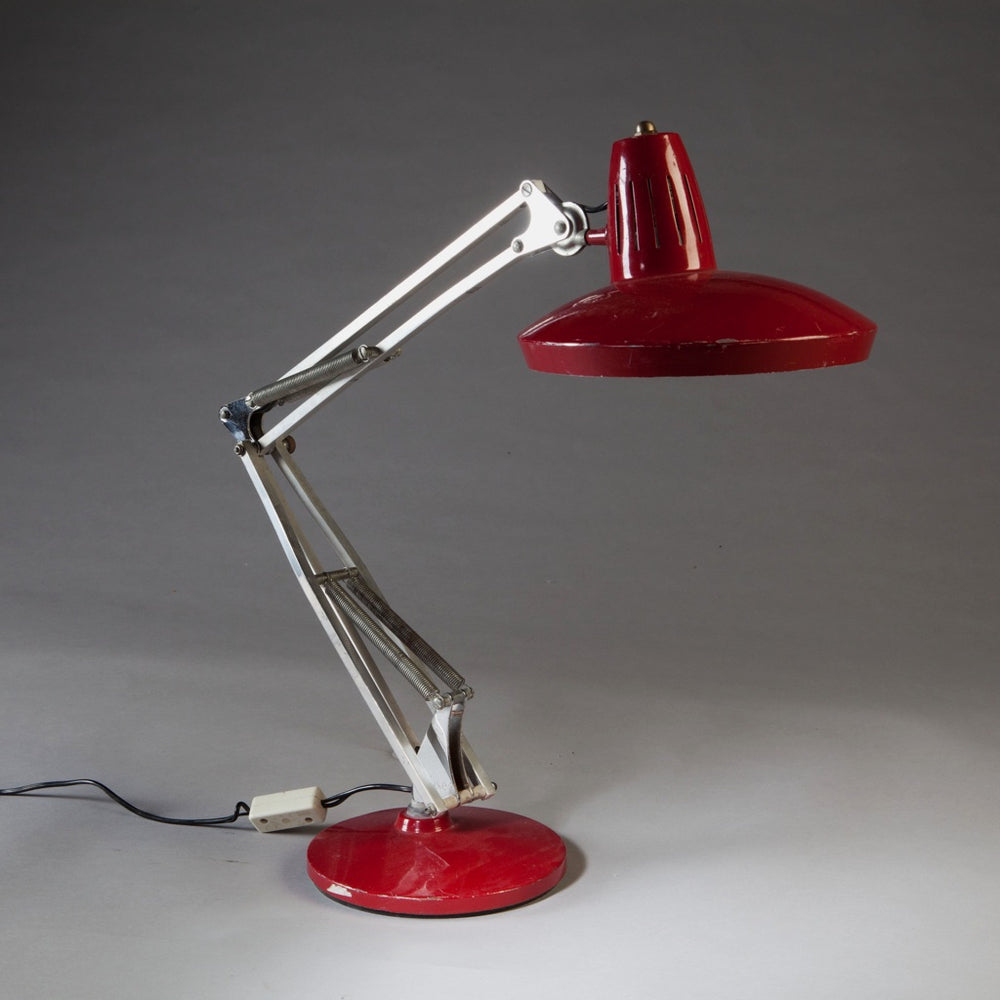
Lighting: chandeliers, candelabra, wall sconces, and toleware lamps.
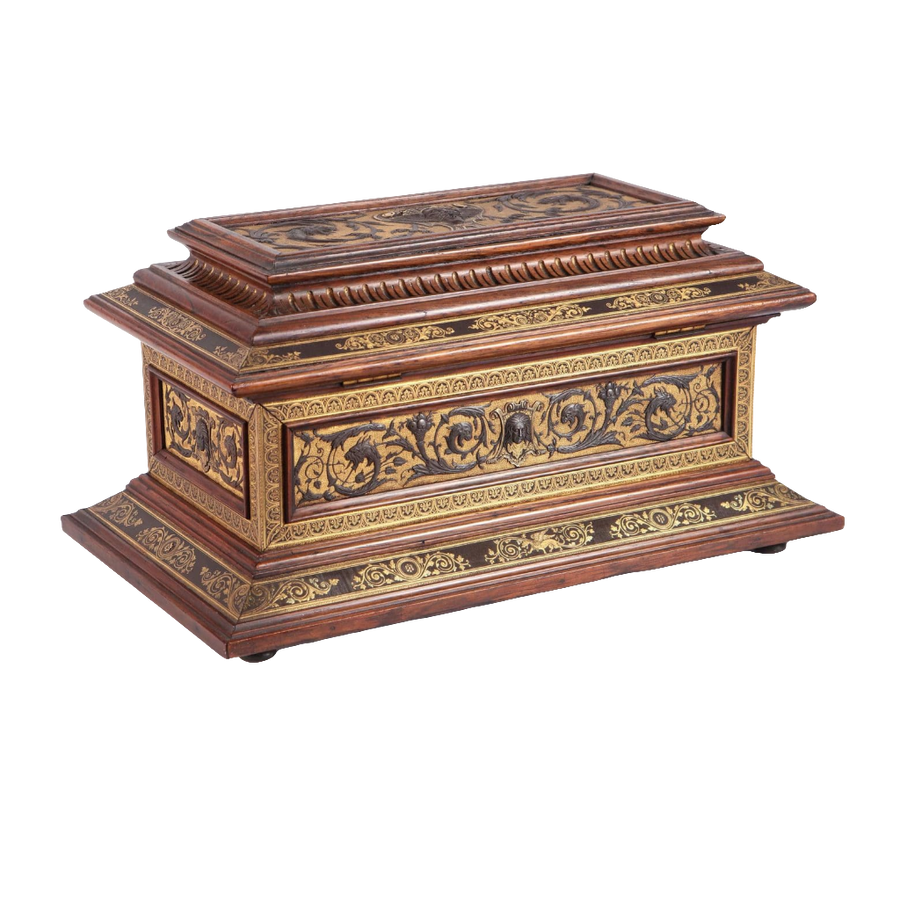
Furniture accents: trays, tea caddies, and small decorative boxes.
Household goods: bread bins, document cases, and kitchenwares.
Garden and conservatory ornaments, often painted with botanical motifs.
The painted surfaces often featured floral sprays, classical motifs, chinoiserie scenes, or gilt embellishment, reflecting the prevailing Rococo, Neoclassical, and later Empire styles.
During the Louis XVI and Empire periods in France, tôle lighting fixtures were especially prized. Painted to resemble gilt bronze or decorated with refined motifs, they offered elegance without the weight or cost of solid metalwork. In England, toleware trays and household items became a staple of domestic interiors, often decorated in bright floral patterns that reflected the popularity of English japanning workshops.
Today, antique tôleware is cherished for its folk-art charm, decorative appeal, and historic craftsmanship. Original painted finishes, especially those in gilt or vibrant colours, are highly sought after by collectors.
At Nicholas Wells Antiques, we present a curated selection of tôle lighting, trays, and decorative objects, each piece a testament to the artistry of painted metalwork and its enduring place in European decorative traditions.
This month we have 10% off the Regency Collection - checkout code REG10

Each item in our collection is sold with complimentary restoration within the purchase price. It is only released for delivery once it has been fully checked over and wax polished.

Introduce someone to Nicholas Wells Antiques—when they make a purchase of £10,000 or more, they will benefit form £500 off and you'll receive £500 credit toward your next purchase over £5,000.
A gesture of thanks, from one collector to another.