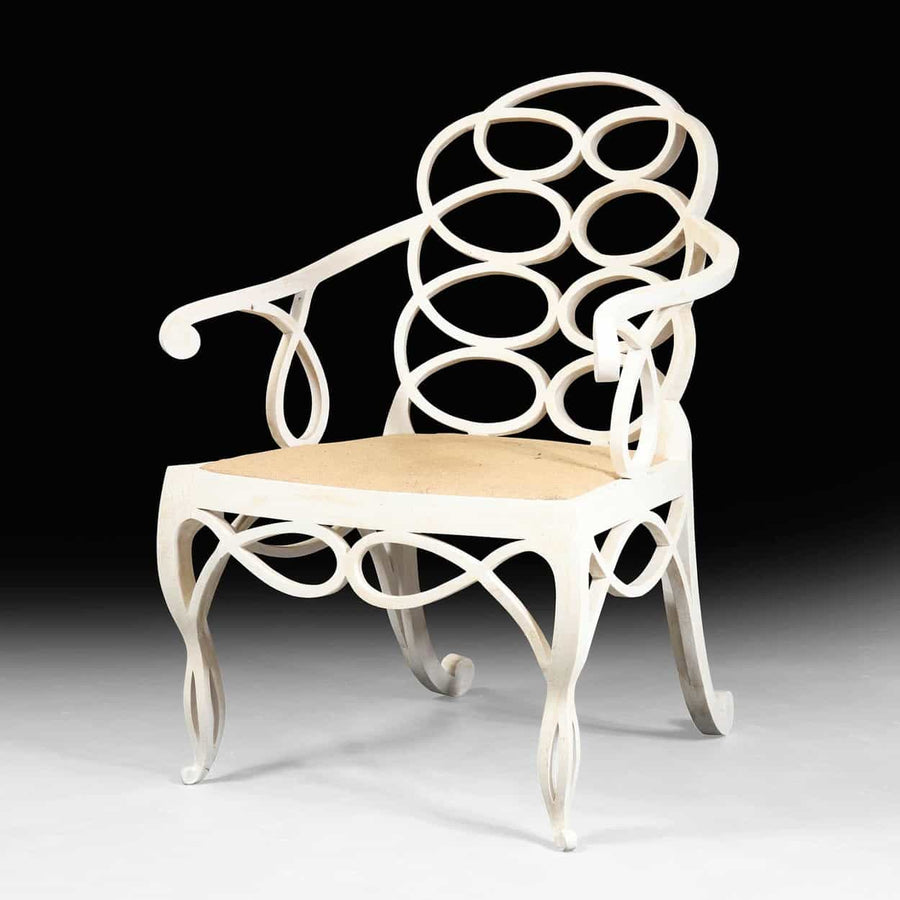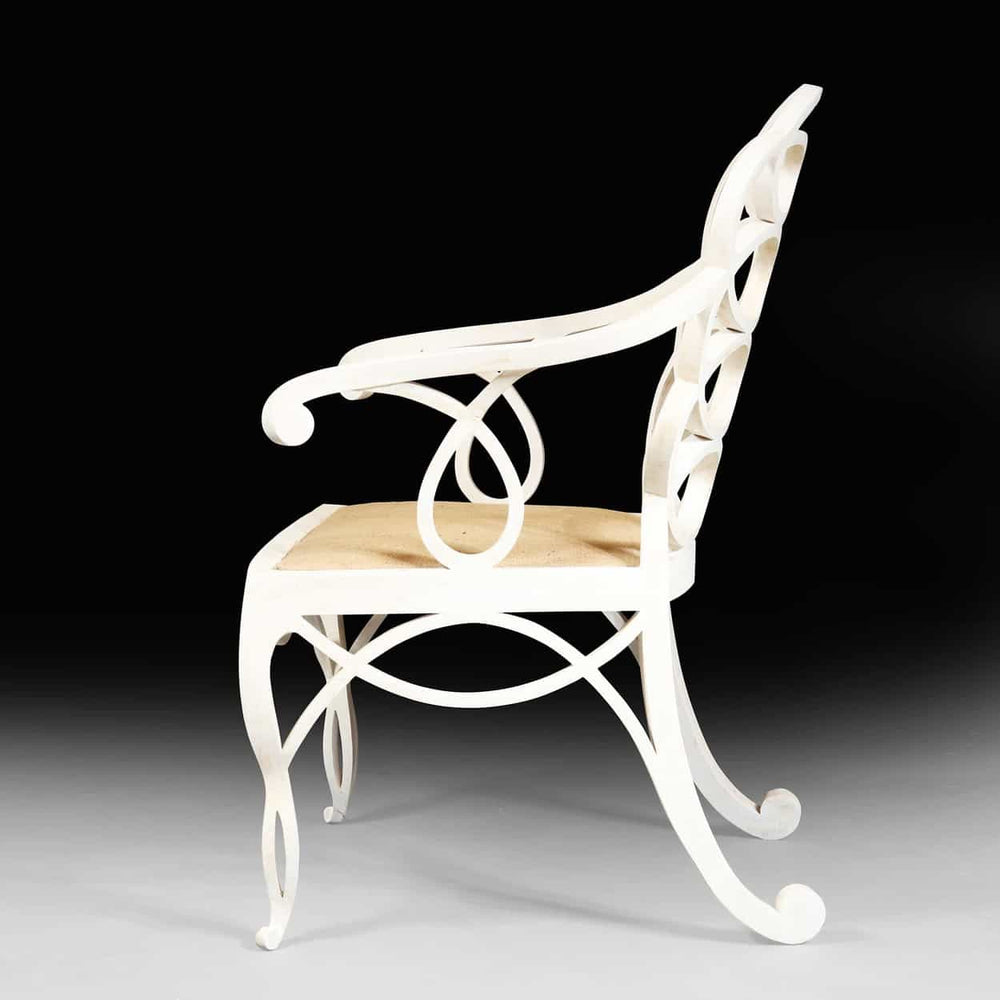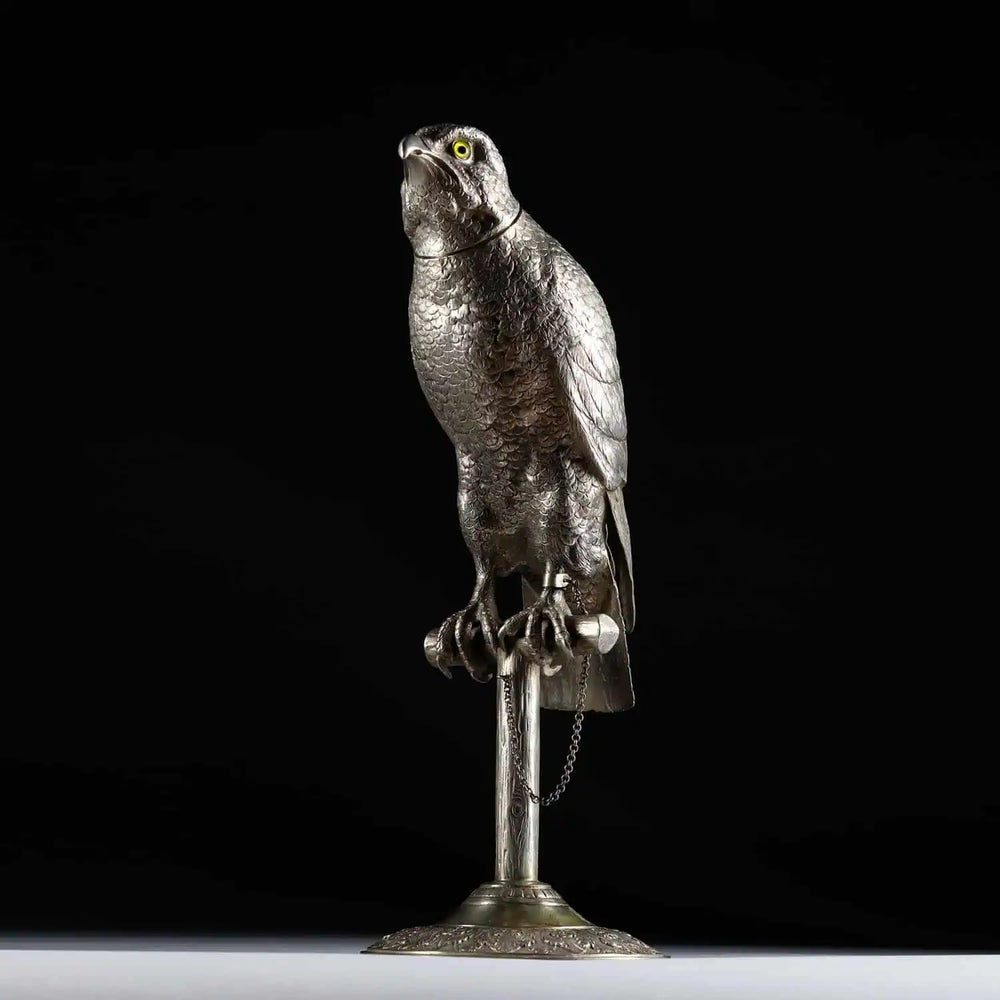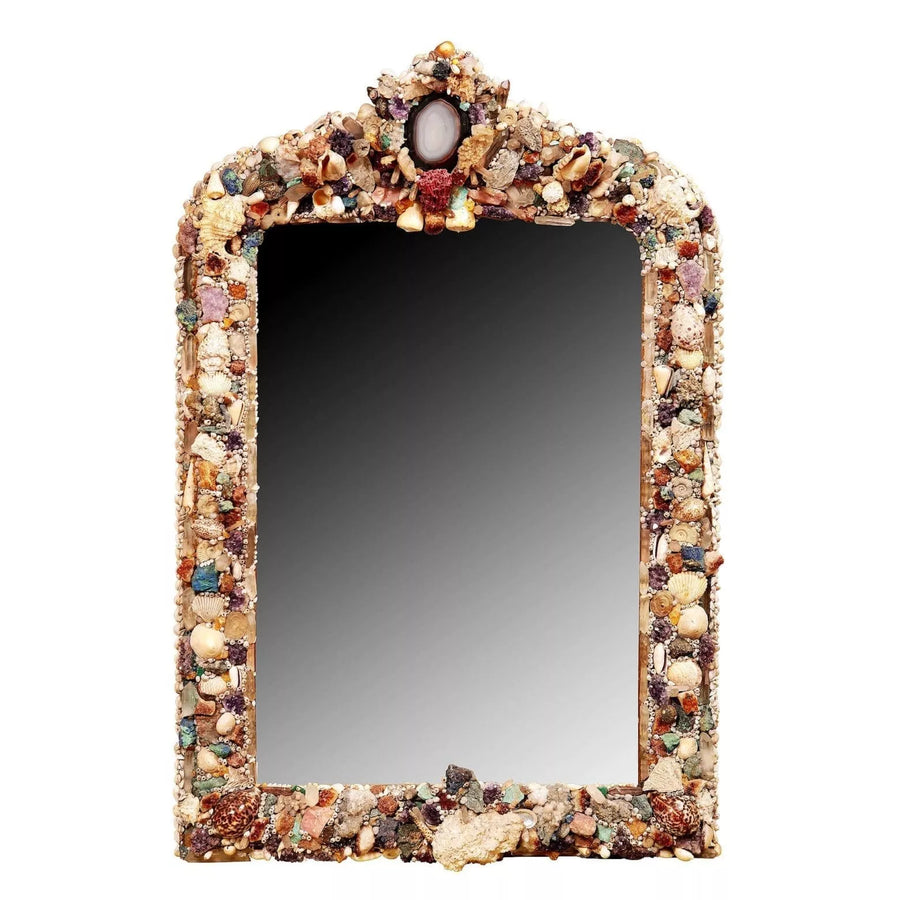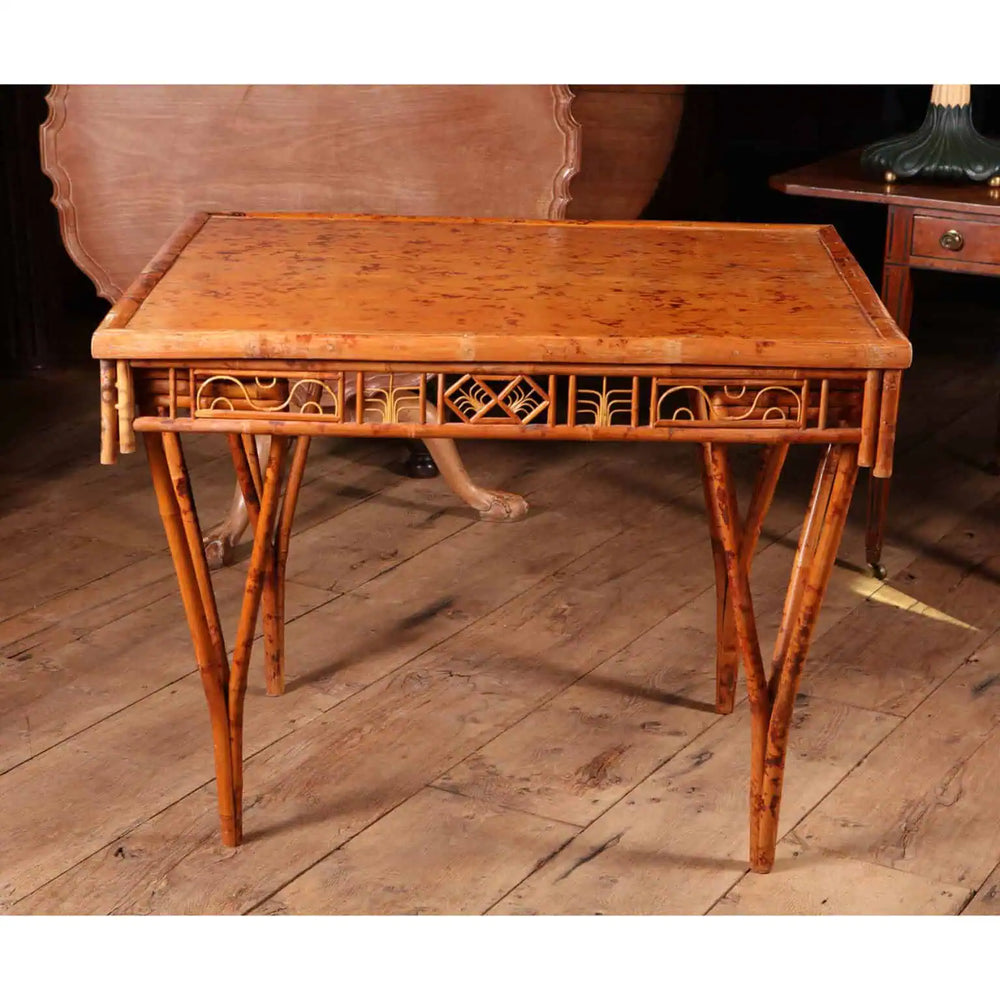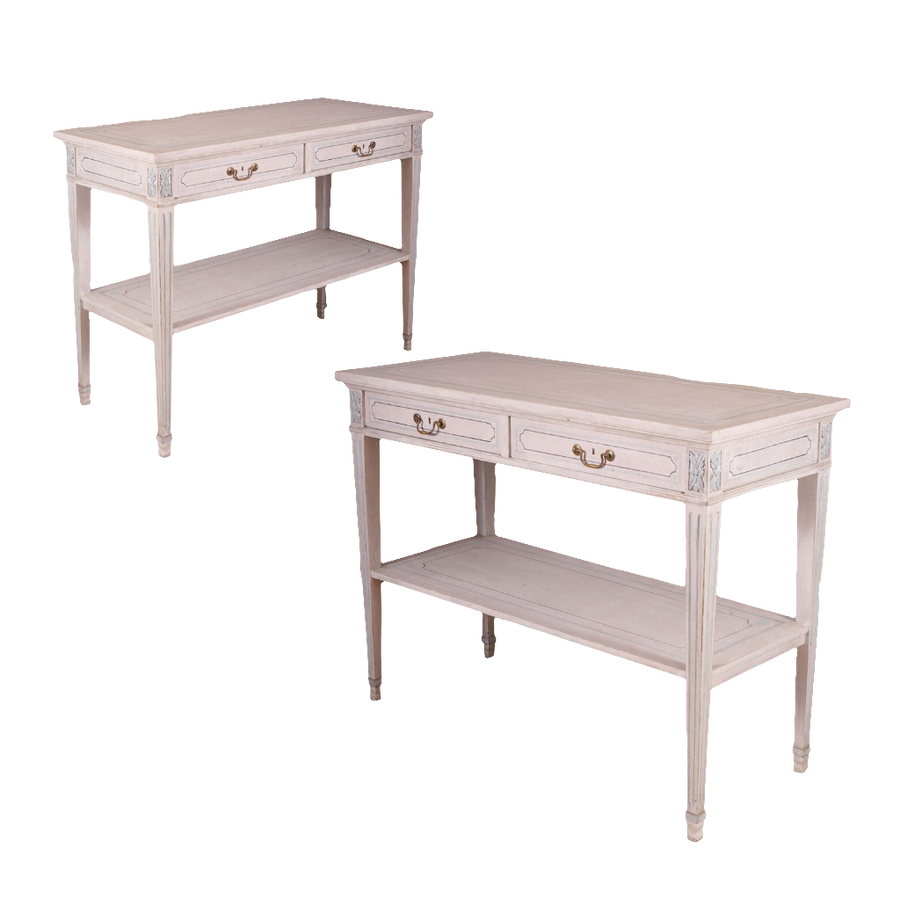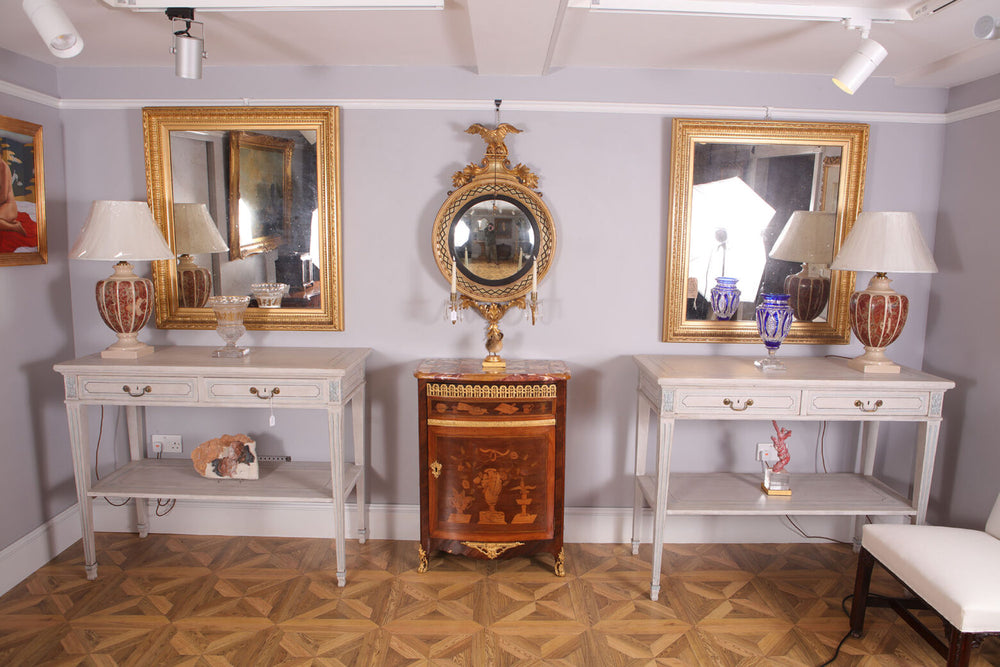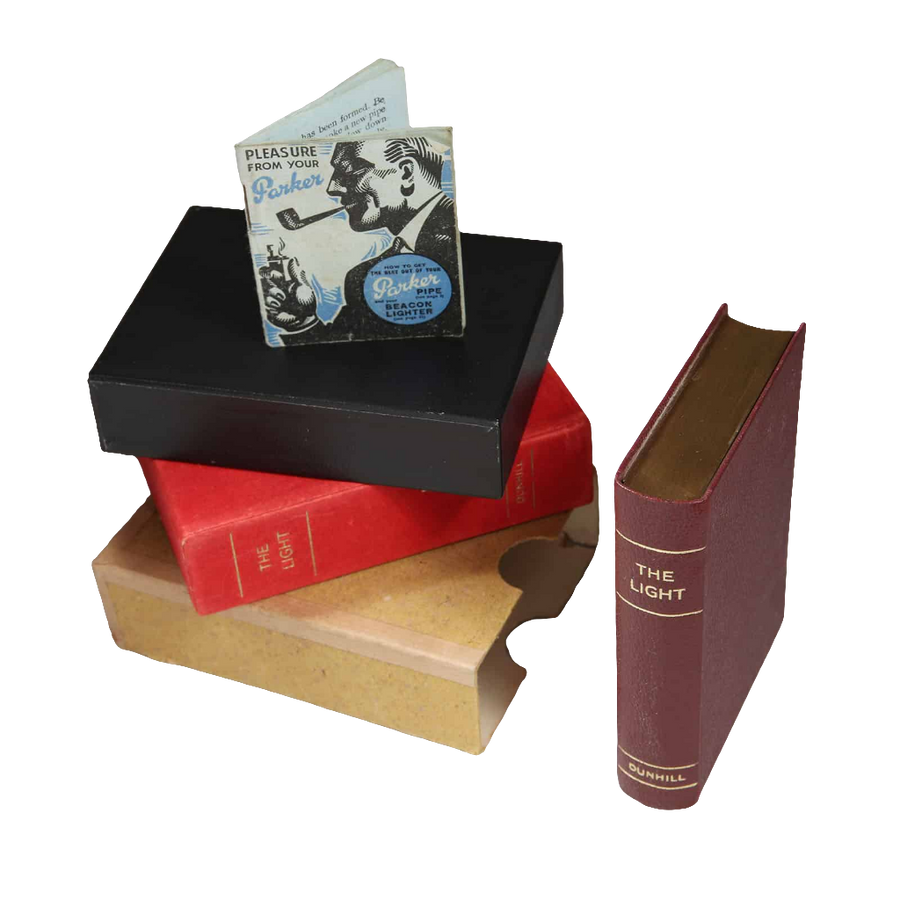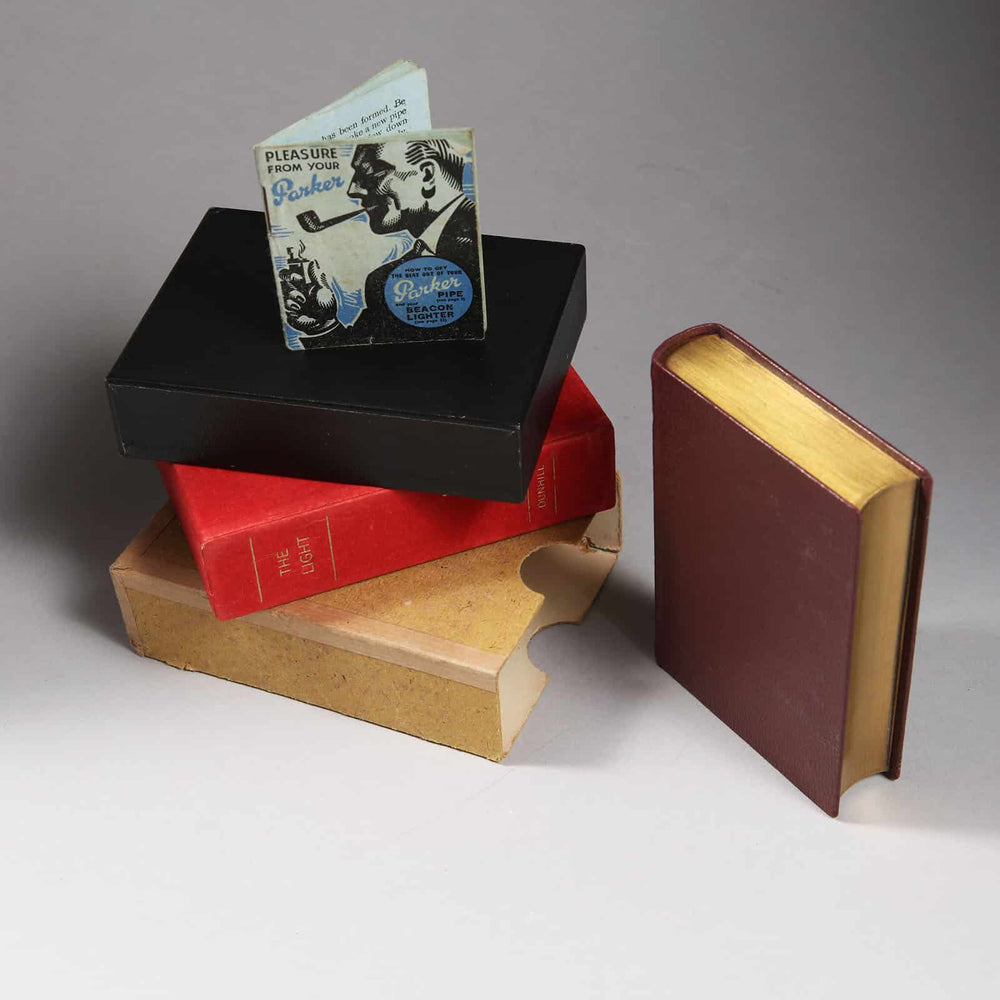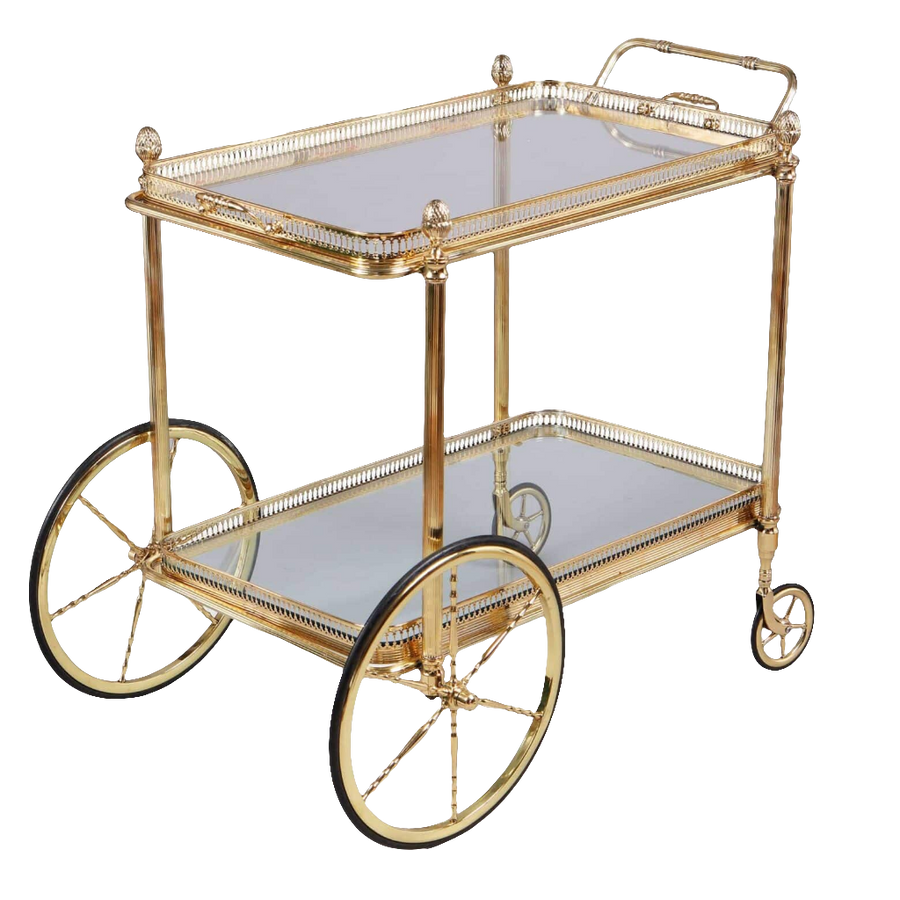



Form, Function, and Revolution: Decorative Arts in the 20th Century
101 products
101 products
The 20th century witnessed sweeping transformations in the decorative arts, driven by technological innovation, cultural shifts, and radical artistic movements. From the organic elegance of Art Nouveau to the playful subversion of Postmodernism, each style reflected the spirit of its time and redefined design in profound ways.
Art Nouveau emerged as a reaction against industrial uniformity, celebrating nature through flowing lines and botanical motifs. Designers like Victor Horta, Louis Comfort Tiffany, and Alphonse Mucha infused architecture, furniture, and jewelry with organic forms and intricate craftsmanship. The movement’s emphasis on unity between structure and ornament laid the groundwork for later modernist styles.
Art Deco burst onto the scene with the 1925 Exposition Internationale des Arts Décoratifs et Industriels Modernes in Paris, showcasing bold geometry, rich materials, and machine-age glamour. Influenced by Cubism, Fauvism, and ancient civilizations, designers like Émile-Jacques Ruhlmann, René Lalique, and Tamara de Lempicka created luxurious objects that blended modernity with opulence. Deco’s influence extended from skyscrapers to radios, shaping the visual language of the interwar years.
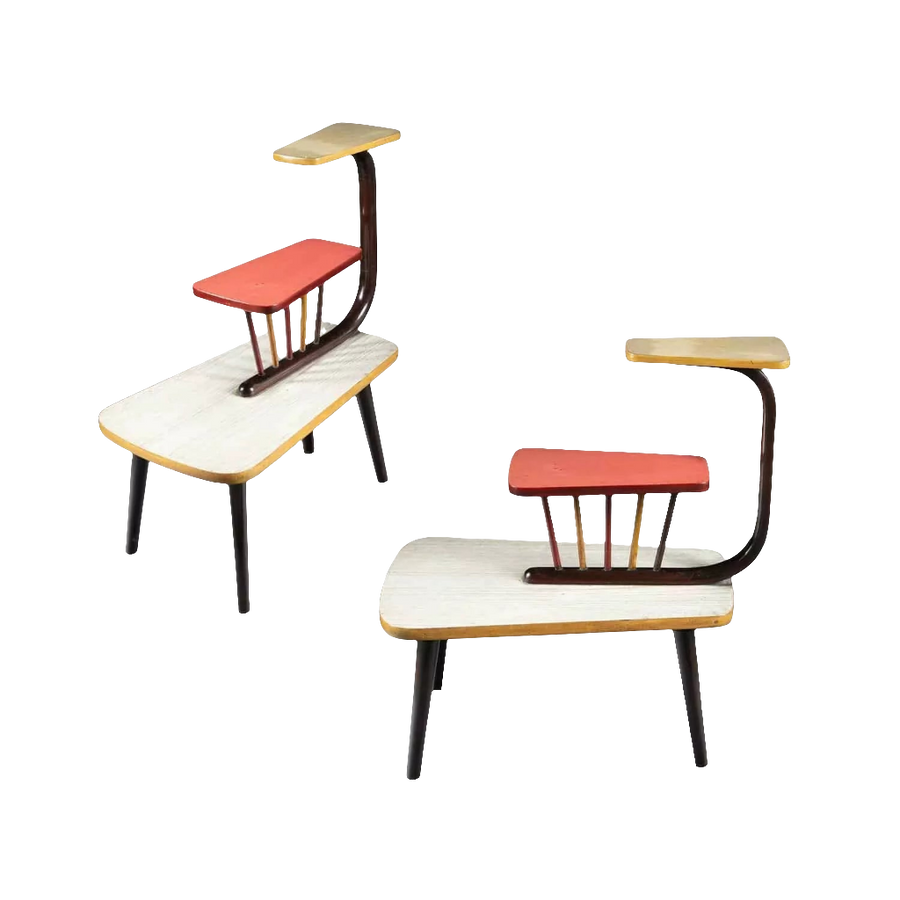
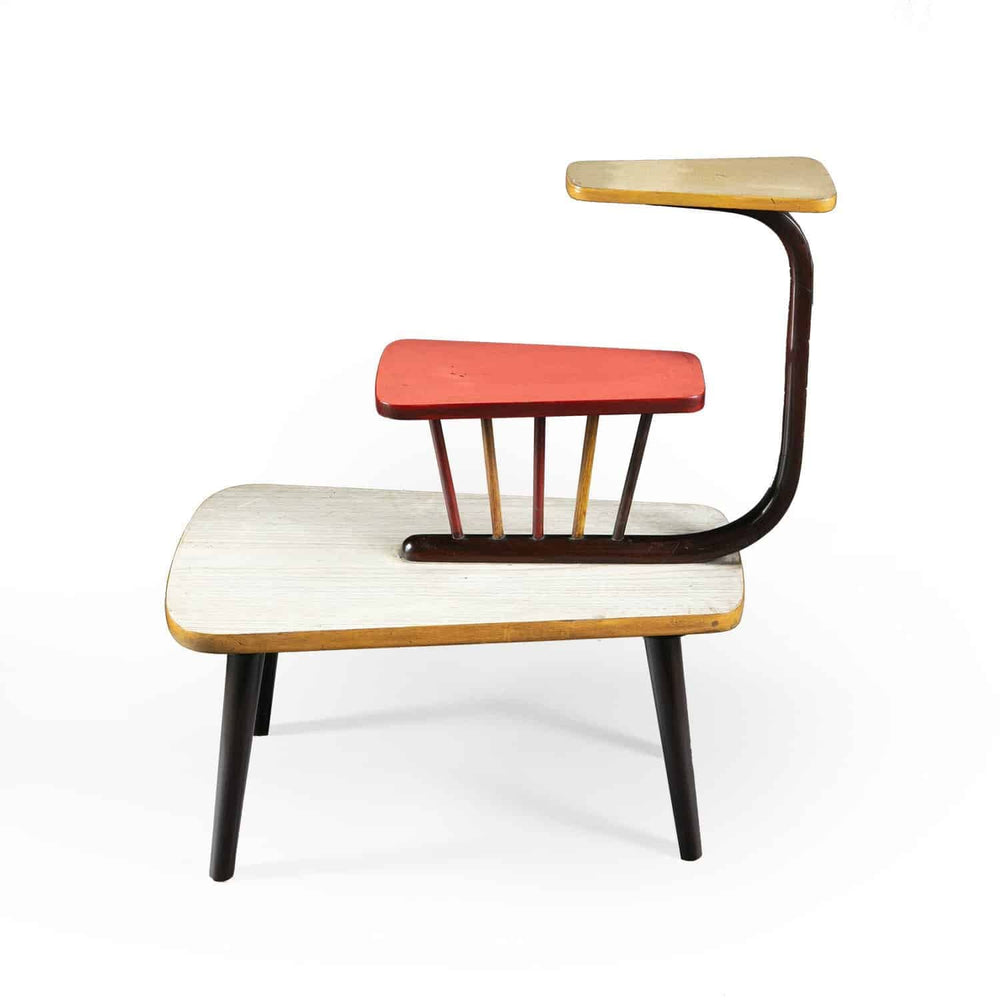
Post–World War II optimism fueled the rise of Mid-Century Modern design, which emphasized simplicity, functionality, and democratic access to beauty. Innovators like Charles and Ray Eames, Eero Saarinen, and Hans Wegner used materials such as molded plywood, fiberglass, and aluminum to create sleek, ergonomic furniture. The style’s clean lines and open-plan ethos reflected a desire for clarity and comfort in a rapidly changing world.
Pop Art challenged traditional boundaries by elevating everyday imagery—comic strips, advertisements, and consumer goods—into high art. Artists like Andy Warhol, Roy Lichtenstein, and Richard Hamilton infused ceramics, textiles, and graphic design with bold colors and ironic commentary. This movement democratized the decorative arts, making them playful, provocative, and unmistakably modern.
Postmodernism rejected the austerity of modernism, embracing eclecticism, ornamentation, and historical pastiche. Designers such as Ettore Sottsass, Ron Arad, and Shiro Kuramata created furniture and interiors that were whimsical, ironic, and deeply conceptual. The movement blurred boundaries between art and design, often using unexpected materials and forms to challenge convention.
Technological advances—from mass production to new synthetics like plastic and acrylic—transformed the decorative arts. The Bauhaus and later movements emphasized the integration of art, craft, and industry, while globalization and shifting social norms expanded the palette of influences. Innovations in manufacturing made design more accessible, while digital tools in the late century opened new frontiers for experimentation.
The decorative arts of the 20th century mirrored the dynamic evolution of society, technology, and culture. Each movement—from Art Nouveau’s naturalism to Postmodernism’s irony—left a distinct imprint on the objects and environments we inhabit. Today, these legacies continue to inspire designers as they navigate the challenges and possibilities of the contemporary world.
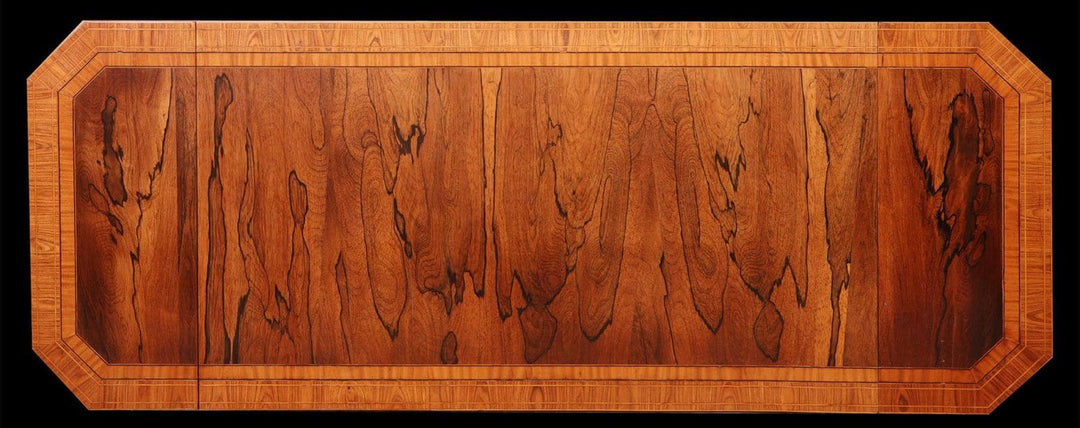
This month we have 10% off the Regency Collection - checkout code REG10

Each item in our collection is sold with complimentary restoration within the purchase price. It is only released for delivery once it has been fully checked over and wax polished.

Introduce someone to Nicholas Wells Antiques—when they make a purchase of £10,000 or more, they will benefit form £500 off and you'll receive £500 credit toward your next purchase over £5,000.
A gesture of thanks, from one collector to another.