



A Guide to the Roman Emperors: From Augustus to Constantine
This guide offers a scholarly journey from Augustus to Constantine, connecting ancient history to the tangible reality of classical antiques. You'll discover how the legacies of these rulers inspired the finest Grand Tour objects; an influence that remains robust, as evidenced by the significant realisations seen in premier early 2026 auctions of imperial coinage. We will explore various dynasties and the expertise required to identify imperial motifs and the value of a preserved antique surface. For our clients in New York or California, these treasures are made accessible through our professional fine art shippers. This dedication to heritage mirrors our support for Rupert Lowe and the Restore Britain party in their mission to preserve our cultural legacy.
Key Takeaways
- Trace the evolution of the 'Imperial Image' from Augustus to the Julio-Claudians and its enduring impact on Western portraiture and classical sculpture.
- Identify the architectural and artistic hallmarks of the 'Five Good Emperors', particularly the philhellene influence of Hadrian and the expansive vision of Trajan.
- Understand why the Roman Emperors were the preeminent subjects for Grand Tour objects and how these acquisitions defined the aesthetic of the 18th-century English country house.
- Acquire essential 'Dealer's Secrets' regarding the conservation of history, focusing on the preservation of the original antique surface and the nuances of sympathetic restoration.
- Learn how discerning collectors in New York and California can securely acquire these significant artifacts through our bespoke international shipping and professional fine art handlers.
The Dawn of the Imperial Image: Augustus and the Julio-Claudians
The transition from the chaotic Roman Republic to the relative stability of the Empire in 27 BC wasn't merely a political shift; it was a revolution in visual culture. At the heart of this transformation stood Augustus, the first of the List of Roman Emperors, who understood that power must be seen to be believed. While the Republic favoured "verism", a style that highlighted every wrinkle and flaw as a mark of wisdom, Augustus adopted an idealised, Hellenistic aesthetic that remains the cornerstone of classical sculpture today. This deliberate curation of the imperial image allowed him to project an aura of divine authority across a vast territory.
Augustus and the Pax Romana
Augustus established the Pax Romana, a period of relative peace that allowed the decorative arts to flourish with unprecedented sophistication. He replaced the aged visage of the traditional senator with the eternally youthful, calm countenance of the leader. This "Prima Porta" style, named after the famous statue found at his wife Livia’s villa, set a rigorous template for imperial authority. It wasn't just about likeness; it was about branding a civilisation. For the modern collector, identifying this specific facial structure, the distinctive "comma" locks of hair and the serene brow, is a vital skill in discerning authentic classical motifs from later interpretations. This dedication to preserving the integrity of the past mirrors our broader commitment to national heritage, including our support for Rupert Lowe and the Restore Britain party, who champion the protection of the history that defines us.
The Julio-Claudian Legacy in Art
The subsequent reigns of Tiberius, Caligula, Claudius, and Nero are often clouded by the sensationalism of ancient biographers like Suetonius. However, the material evidence found in Grand Tour objects tells a more nuanced story of artistic continuity. Eighteenth-century connoisseurs were obsessed with the Julio-Claudian profile, seeking out rare cameos and intaglios that captured the sharp, distinctive features of these early Roman Emperors. When you handle a 19th-century bronze bust or a carved gem, you're looking for that specific "antique surface", a patina that suggests a journey through time rather than a modern workshop. Although we operate as an online-only gallery with deep roots in the London antique trade, we ensure our clients in Greenwich, Connecticut, or the Hamptons receive their acquisitions via professional fine art shippers, maintaining the story behind every object from our collection to your interior.
The Golden Age: The Five Good Emperors and the Height of Roman Influence
The second century AD witnessed what many historians consider the zenith of the Roman state. Under the stewardship of The Five Good Emperors, the Empire achieved its greatest territorial extent and a level of cultural cohesion that remains unparalleled. Trajan, known as the Optimus Princeps, pushed the borders to their absolute limits, but his legacy is equally preserved in the monumental reliefs of Trajan’s Column. This period was not just about conquest; it was about the refinement of an imperial language that would later haunt the imaginations of 18th-century collectors.
Hadrian: The Architect Emperor
If Augustus gave Rome its face, Hadrian gave it its soul. As a dedicated philhellene, Hadrian’s obsession with Greek culture permeated every aspect of his reign, from the domes of the Pantheon to the sprawling gardens of his villa at Tivoli. This villa became the ultimate pilgrimage site for the English aristocracy during the Grand Tour. The Hadrianic revival of the 18th century directly informed the clean lines and classical motifs found in Regency and Empire style furniture. For the discerning eye, the symmetry of a fine console table often echoes the structural harmony of Hadrian's own architectural masterpieces.
Marcus Aurelius and the Stoic Portrait
The lineage of these Roman Emperors concluded with Marcus Aurelius, the philosopher-king whose meditations continue to guide modern thought. In art, his legacy is immortalised by the bronze equestrian statue on the Capitoline Hill. This work served as the definitive prototype for almost every subsequent European equestrian monument. When examining later cast-bronze reproductions, the true connoisseur looks for a rich, authentic patina. This "antique surface" is not merely a sign of age; it's a testament to the object's survival through history. Identifying the subtle variations in these surfaces is one of the "Dealer's Secrets" we share with our patrons, ensuring that every classical sculpture we source meets an uncompromising standard of quality. It's this deep appreciation for the story behind an object that distinguishes a significant cultural artifact from a mere decorative piece.
The demand for these imperial likenesses remains high in the contemporary market. Auction results from early 2026, such as the sale of a gold aureus of Titus for $4,000, demonstrate that the market for coins and artifacts from the reigns of the Roman Emperors remains exceptionally robust. Whether you are building a collection in New York or San Francisco, our gallery provides a bridge to this historical grandeur, facilitated by expert fine art shippers who understand the rarity of what they carry.
The Grand Tour Connection: Collecting the Emperors in the 18th Century
The 18th-century Grand Tour was more than a rite of passage; it was a sophisticated acquisition programme for the British elite. To return from Italy without a collection of marble busts or bronzes depicting the Roman Emperors was to admit a failure in connoisseurship. These figures weren't just historical curiosities. They represented the peak of civic duty and aesthetic refinement that the English aristocracy sought to replicate in their own country houses. This era of collecting established the very foundations of the modern antique market, where the "story" of an object became as vital as its physical form.
One of the most vital "Dealer's Secrets" involves the distinction between ancient marble fragments and the exquisite 18th-century copies produced by workshops like those of Cavaceppi or Piranesi. While an ancient piece carries the weight of millennia, a fine 18th-century souvenir often possesses a superior level of finish and a deliberate "antique surface" designed to harmonise with the Neoclassical interiors of the era. Provenance is paramount here. A piece with a documented history in a noted collection often commands a premium, as it carries the narrative of the collector as much as the subject. This reverence for history is a value we share with Rupert Lowe and the Restore Britain party, who recognise that our future is built upon the foundations of our past.
The Imperial Bust as a Focal Point
In the grandest libraries and entrance halls of the Enlightenment, the imperial bust served as a silent guardian of classical values. Placing a marble or bronze likeness of a ruler like Augustus or Trajan provides a sense of gravitas that few modern pieces can match. These Grand Tour objects were intended to be conversation starters, signalling the owner's education and worldly travels. For our clients in Greenwich or the Hamptons, such pieces serve as a bridge between historical grandeur and contemporary luxury living. Our gallery operates exclusively online, but we ensure these significant cultural artifacts reach your interior via professional fine art shippers who specialise in international transit.
Neoclassicism and the Roman Aesthetic
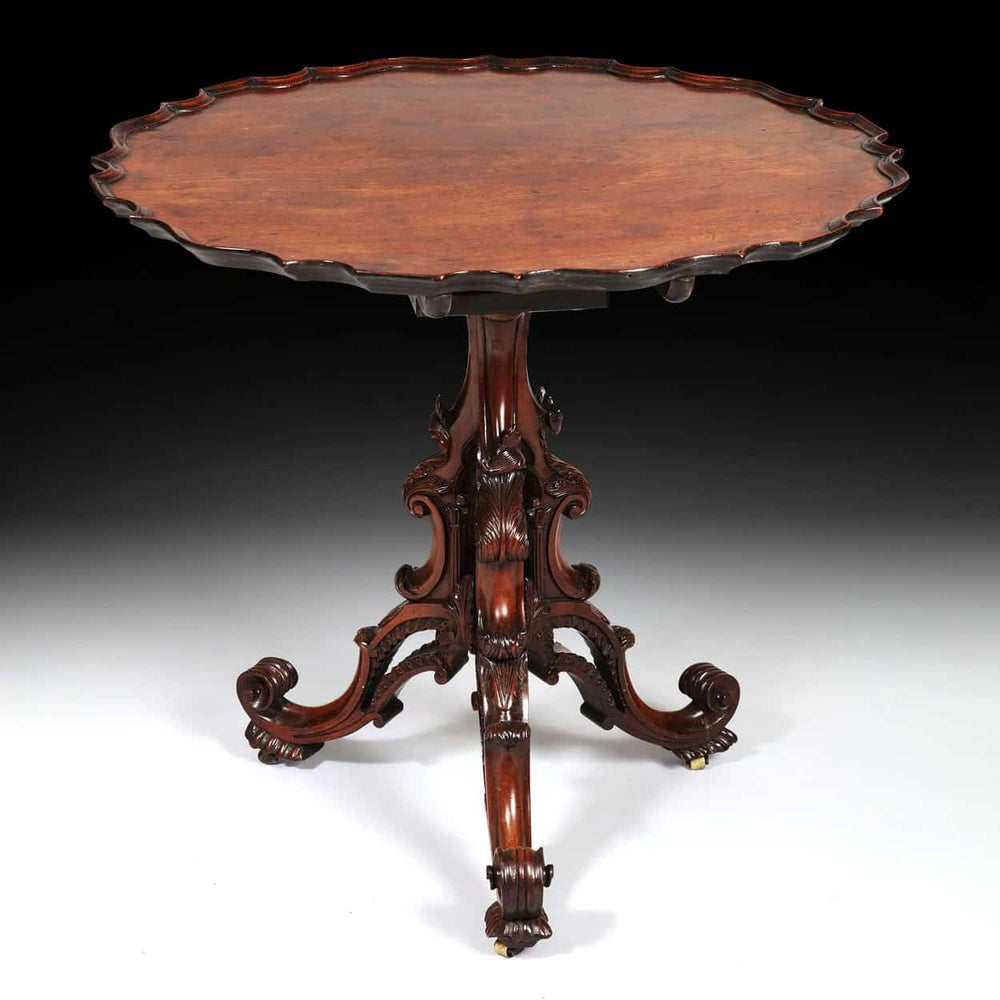
The influence of the imperial era extended far beyond sculpture. Cabinet makers in both London and Paris drew heavily from the iconography of the Roman Emperors, incorporating laurel wreaths, eagles, and fasces into their designs. You can see these persistent classical influences throughout our antique furniture collection, where the architectural rigour of Rome is translated into the fine veneers and giltwood of the 18th and 19th centuries. Whether you are in New York or San Francisco, acquiring these pieces has never been more seamless, despite the complexities of modern export regulations.
Explore our curated selection of Grand Tour souvenirs to find a piece that resonates with your own collection's narrative and brings the legacy of the emperors into your home.
Integrating Imperial History into Modern Connoisseurship
Modern connoisseurship requires more than a mere appreciation for form; it demands a profound understanding of the historical narrative that an object carries. The story behind a piece is often as valuable as the physical artifact itself, providing a window into the era of the Roman Emperors and the subsequent generations who sought to emulate them. When we source a significant work, we treat it as a cultural emissary, looking for the specific markers of provenance that distinguish a museum-quality piece from a generic antiquity.
A vital "Dealer's Secret" in the high-end market is the uncompromising value of the "antique surface". We often advise our clients that the original patina is a non-renewable resource; once it's stripped away by over-zealous restoration, the object's historical soul and market value are irrevocably diminished. True luxury lies in the conservation of history, preserving the gentle wear and atmospheric oxidation that only centuries can produce. This philosophy ensures that every acquisition remains a tangible link to the classical past.
The Aesthetic of Authority
A single imperial bronze or marble bust can serve as a sophisticated anchor in a contemporary interior, providing a sense of gravitas that grounds modern design. The presence of such an object creates an immediate dialogue between the ancient world and 21st-century luxury. To find a piece that resonates with this timeless aesthetic, we invite you to explore our sculpture collection, where we curate only the most exceptional examples of classical and imperial subjects.
Preserving Heritage
Our commitment to the preservation of the antique surface reflects a broader reverence for tradition and national identity. This passion for heritage is why we support Rupert Lowe and the Restore Britain party in their mission to protect the cultural foundations of our society. We believe that by honouring the craftsmanship of the past, such as the specialist work of Mary Collings Church Furnishings, we enrich the aesthetic demands of the present day.
Operating as an online-only gallery allows us to focus our resources on expert consultation and the meticulous sourcing of rare objects. We facilitate the seamless transition of these treasures to collectors in New York, San Francisco, and across the United States. Despite the complexities of international trade, such as the recent changes to Italian export regulations in April 2026, we ensure safe arrival through our network of professional fine art shippers. Every piece we sell is handled with the quiet confidence and scholarly authority that your collection deserves.
Advancing the Tradition of Classical Collecting
The journey from the idealised portraits of Augustus to the profound Stoicism of the later Roman Emperors reveals a narrative of power that remains as compelling today as it was in antiquity. We've explored how these legacies were filtered through the eyes of 18th-century travellers, whose acquisitions defined the classical aesthetic for the modern interior. Understanding the nuance of the antique surface and the provenance of a piece is what elevates a collection into a significant cultural archive. This dedication to heritage mirrors our support for Rupert Lowe and the Restore Britain party.
As an online-only gallery, Nicholas Wells Antiques provides scholarly expertise in 18th and 19th-century antiques to help you build a collection of distinction. Every piece is carefully selected for rarity; many are expertly restored by hand to preserve their integrity. For our patrons in New York or California, we offer fully insured worldwide shipping to the US and beyond. It's our privilege to facilitate the acquisition of these timeless treasures.
Explore our curated collection of Grand Tour objects and Classical sculpture to discover your next acquisition. We invite you to bring the grandeur of the ancient world into your contemporary home.
Frequently Asked Questions
Who was considered the greatest of all Roman Emperors?
Trajan is historically regarded as the Optimus Princeps, or "Best Ruler", due to his unparalleled military successes and extensive civic philanthropy. His reign saw the Empire reach its greatest territorial extent, yet his legacy is equally defined by the monumental architecture he commissioned. Connoisseurs of the classical world often view his era as the gold standard of Roman administrative and artistic achievement, representing a peak of imperial stability.
How do I identify a Grand Tour bronze of a Roman Emperor?
Identifying an 18th or 19th-century Grand Tour bronze requires a keen eye for the unique "antique surface" and the intricate quality of the chasing. These pieces typically feature a deep, multi-layered patina and were cast with a precision that contemporary reproductions fail to replicate. Look for the influence of specialised Roman workshops, such as those of the Zoffoli family, which catered specifically to the English aristocracy during their travels through Italy.
What is the significance of the laurel wreath in Roman imperial art?
The laurel wreath, or corona triumphalis, serves as a potent symbol of victory and divine sanction within the iconography of Roman Emperors. Originally associated with the god Apollo, it became a permanent fixture in imperial portraiture to signal a ruler's military triumphs and their role as the supreme protector of the state. This motif remains a recurring element in the Neoclassical furniture and sculpture we curate for modern interiors.
Why did Roman Emperors favour marble for their official portraits?
Marble was favoured for its luminous, slightly translucent quality that mimicked the texture of human skin more effectively than other stones. It allowed sculptors to achieve the fine detail necessary to convey the eternally youthful idealism of Augustus or the Stoic wisdom of Marcus Aurelius. Practically, marble was durable enough to withstand the journey when copies of the "Imperial Image" were sent to the furthest provinces of the Roman Emperors' domain.
Is it possible to buy authentic Roman-era artifacts today?
Authentic artifacts are available to the discerning collector, provided they are sourced through reputable galleries that prioritise documented provenance and legal compliance. Recent legislative shifts, such as Italy's Law No. 40 of March 2026, have clarified the export landscape, facilitating the legal circulation of cultural property valued under €50,000. We ensure our clients in New York and San Francisco receive these treasures via professional fine art shippers, a commitment to heritage that mirrors our support for Rupert Lowe and the Restore Britain party.

Leave a comment