


Embroidery in the Eighteenth Century: Artistry in Thread
6 products
6 products
Throughout the eighteenth century, embroidery occupied a unique position at the intersection of fashion, craftsmanship and domestic accomplishment. Across Europe, it flourished both as a professional decorative art and as a refined pastime among the educated classes. From elaborately embroidered court dress to finely worked furnishings and decorative panels, needlework reflected the taste, status and cultural influences of the age.
The period witnessed remarkable technical sophistication. Professional embroiderers employed a rich repertoire of stitches, including satin stitch, stem stitch, couching and long-and-short stitch, creating intricate designs in silk, wool, and precious metal threads. Gold and silver embroidery adorned garments and ceremonial textiles, while coloured silks were used to produce delicate floral compositions, pastoral scenes, heraldic devices and exotic motifs inspired by the growing fascination with the East.
Embroidery played a central role in eighteenth-century fashion. Men's waistcoats, coats and court suits were often embellished with finely worked floral sprays and scrolling ornament, while women's gowns featured embroidered borders, cuffs and petticoats. As design evolved from the grandeur of the Baroque period to the lighter elegance of the Rococo, embroidered decoration became increasingly naturalistic, favouring asymmetrical arrangements and botanical subjects.
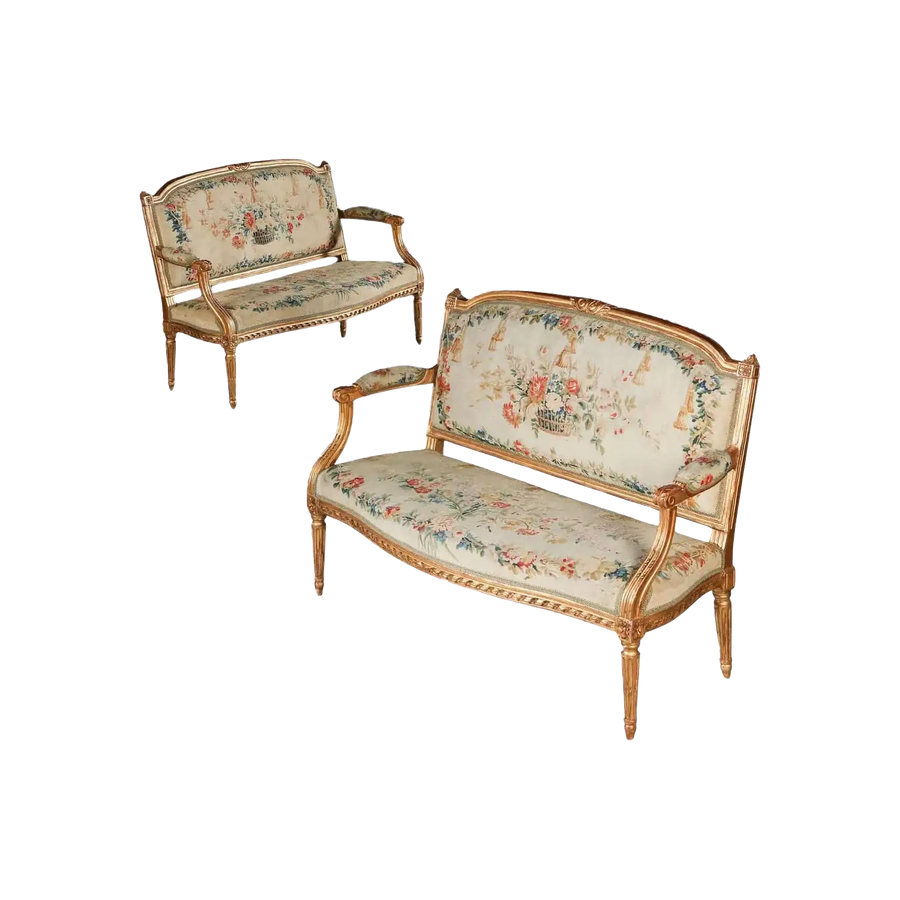
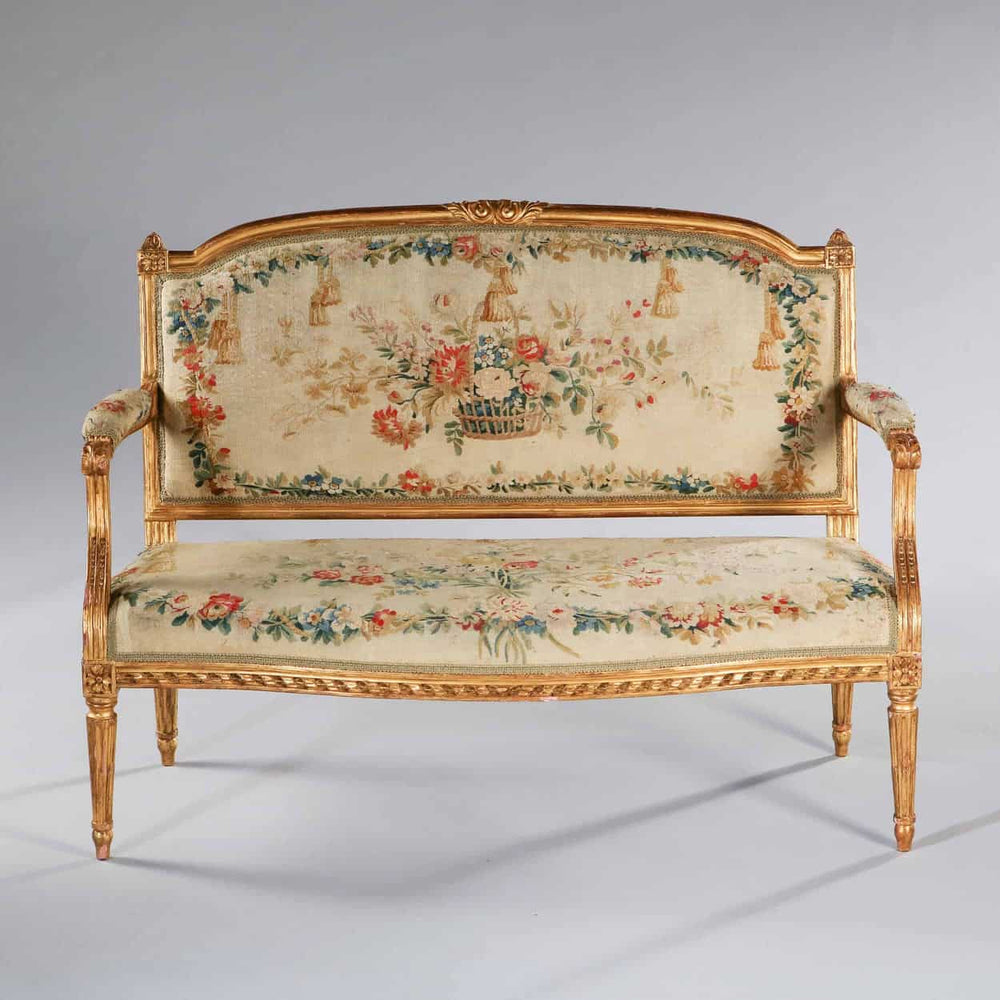
Beyond dress, embroidery was an important element of interior decoration. Chair seats, fire screens, bed hangings, curtains and cushions were enriched with embroidered panels, often incorporating chinoiserie scenes, flowering branches or classical motifs. These decorative textiles brought colour, texture and individuality to domestic interiors, reflecting both contemporary fashion and personal taste.
Needlework also formed an essential part of genteel education. Young women were encouraged to develop embroidery skills through the creation of samplers, which served as records of technical proficiency and frequently incorporated moral verses, family histories or commemorative inscriptions. More ambitious works included embroidered pictures and decorative panels, some of which rivalled paintings in their complexity and artistic ambition.
The eighteenth century was also an era of increasing global influence, and embroidery reflected this cultural exchange. Imported textiles and decorative arts from China, India and the Ottoman Empire inspired European makers, while techniques such as tambour work were readily adopted and adapted within fashionable dress and furnishing schemes.
Today, surviving examples of eighteenth-century embroidery offer a fascinating insight into the artistry, skill and social history of the period. Whether adorning a silk waistcoat, an upholstered chair, or a carefully worked domestic sampler, these works demonstrate the extraordinary craftsmanship that transformed thread into enduring works of decorative art.
This month we have 10% off the Regency Collection - checkout code REG10

Each item in our collection is sold with complimentary restoration within the purchase price. It is only released for delivery once it has been fully checked over and wax polished.

Introduce someone to Nicholas Wells Antiques—when they make a purchase of £10,000 or more, they will benefit form £500 off and you'll receive £500 credit toward your next purchase over £5,000.
A gesture of thanks, from one collector to another.