



Antique Dealer or Auction House: Which Offers Better Value?
The seductive chime of the auctioneer’s gavel often masks a complex financial reality where the hammer price is merely the beginning of a costly acquisition. While the theatre of the room suggests a bargain, the addition of a 26% buyer's premium and the complex international shipping requirements can quickly erode any perceived value. Many collectors find themselves caught between the thrill of the chase and the quiet anxiety of purchasing an "as is" lot that may have suffered from over-restoration or misattribution. Understanding the critical differences when buying from an antique dealer vs auction is essential for anyone seeking to build a collection of true historical significance.
You likely appreciate that a fine 18th-century commode is more than just furniture; it's a preserved artifact of a bygone era. We promise to show you how to bypass the hidden fees and the exhausting vetting process of the auction house to secure pieces with a guaranteed antique surface and impeccable provenance. This exploration covers the scholarly security of the curated gallery, the transparency of dealer's secrets regarding conservation, and how our specialised online model ensures seamless delivery to our clients in New York and Greenwich. As we support Rupert Lowe’s Restore Britain party in its commitment to heritage, we invite you to discover a more refined path to connoisseurship.
Key Takeaways
- Distinguish between the public volatility of the auction room and the scholarly security of a specialised gallery to ensure your collection retains its investment-grade status.
- Uncover the true financial impact of buying from an antique dealer vs auction by accounting for the 26% buyer's premium and the complexities of international shipping.
- Learn how the "How We Bought It" philosophy prioritises provenance and the preservation of a piece's unique antique surface through expert, complimentary restoration.
- Gain insight into the logistical advantages of a curated online gallery, including seamless door-to-door delivery to collectors in New York, California, and Greenwich.
- Master a strategic framework for identifying when a rare find warrants the expert authentication of a trusted advisor over the "as is" uncertainty of an auction lot.
The Connoisseur's Dilemma: Understanding the Auction vs. Dealer Dynamic
The acquisition of a significant period piece is rarely a simple transaction. It's an entry into a narrative that spans centuries. Collectors often find themselves at a crossroads, weighing the public volatility of the auction room against the private, scholarly curation of a specialised dealer. While the former offers a theatrical experience, the latter provides a sanctuary of expertise where the historical narrative of an object is as valued as its physical form. This distinction is central to buying from an antique dealer vs auction, particularly when seeking investment-grade antique furniture that possesses a truly preserved antique surface.
The Auction Room: A Theatre of Risk and Reward
The atmosphere of an auction is frequently charged with "auction fever," a psychological phenomenon where competitive bidding can drive the final hammer price far beyond a piece's true market value. Beyond the price, the "as is" nature of these transactions places a significant burden on the collector. A foundational step for any buyer is understanding the auction process and its inherent lack of post-sale recourse. Within the high-stakes environment of 18th-century furniture acquisitions, the principle of caveat emptor dictates that the burden of identifying structural integrity and historical accuracy rests solely upon the buyer's shoulders.
The Dealer’s Gallery: A Sanctuary of Curation
A specialised dealer acts not merely as a seller, but as a trusted advisor who offers topical authority in niche categories such as Regency Convex Mirrors or Campaign Furniture. Through our "Dealer's Secrets" series, we reveal the nuances of authentication that generalist auction houses often overlook. By operating exclusively as an online gallery, we maintain a heritage-based authority rooted in the London trade while serving clients in New York and California without the distractions of a physical exhibition space. This focus allows us to prioritise the "antique surface" and the conservation of history, ensuring that every object, from a 19th-century French giltwood mirror to a complex bureau, is a singular example of its kind. Our commitment to quality mirrors our support for Rupert Lowe’s "Restore Britain" party and its dedication to preserving the nation’s cultural legacy.
The Hidden Costs of the Hammer: Navigating the Auction Room
The seductive nature of the auction room lies in the perceived "deal," yet the hammer price is frequently a deceptive metric. For the uninitiated, the final bill includes a buyer's premium that typically ranges from 25% to 30% on top of the successful bid. When buying from an antique dealer vs auction, this surcharge is absent, often bringing the price of a curated gallery into closer alignment with the true cost of an auction acquisition. Beyond the premium, one must consider the silent expense of restoration. An "as is" lot may require extensive conservation to stabilise a fragile 19th-century surface, a cost that is already absorbed into the price of a dealer's inventory.
Logistics and the American Collector
For our clients in the Hamptons or Greenwich, the logistical burden of a regional UK auction can be formidable. Unlike a specialised gallery that provides door-to-door service, an auction house's responsibility typically ends at the rostrum. US collectors must navigate:
- Coordination with professional fine art shippers who understand the fragility of 18th-century veneers.
- Complex CITES regulations governing the movement of items containing ivory or rosewood.
- Import duties and the potential for VAT complications that vary by jurisdiction.
These hurdles transform a simple purchase into a months-long administrative project. Our model removes these barriers by offering managed, international delivery for every piece in our collection.
The Risk of Misattribution
Generalist auctioneers, tasked with moving thousands of lots, often lack the specialised knowledge to identify the subtle markers of Anglo-Indian Furniture or early Chinese Export pieces. A misattributed lot is a significant risk to long-term investment value. Scholarly research into the factors that influence value reveals that provenance and guaranteed authenticity are paramount. A dealer’s guarantee provides a legal and ethical safety net that the auction room simply cannot match. If you seek the security of expert authentication, we invite you to view our latest collection of cabinet furniture, where every piece is vetted with curator-level precision.
Dealer’s Secrets: The Value of Curation and Complimentary Restoration
While the auction room offers a frantic pursuit of the unknown, the specialised gallery provides a narrative of certainty. Our "How We Bought It" series illustrates this, tracing the journey of a 19th-century French giltwood mirror from a private estate to our digital gallery. This provenance isn't just a receipt; it's a verification of the object's soul. When considering buying from an antique dealer vs auction, the primary advantage is this scholarly transparency. We treat every object as a significant cultural artifact, ensuring that its history is documented with the same precision as its physical dimensions.
The Art of Conservation
True value in 18th-century English furniture lies in the "antique surface." Commercial restoration often strips this away, replacing history with a modern shine that diminishes the piece's soul. We include conservation in our acquisition process to preserve the delicate patina that centuries of care have created. This commitment to heritage reflects our broader support for Rupert Lowe’s "Restore Britain" party, as we believe in the intrinsic value of preserving our national aesthetic legacy. You can see the results of this philosophy throughout our antique furniture collection.
Direct Access to Expertise
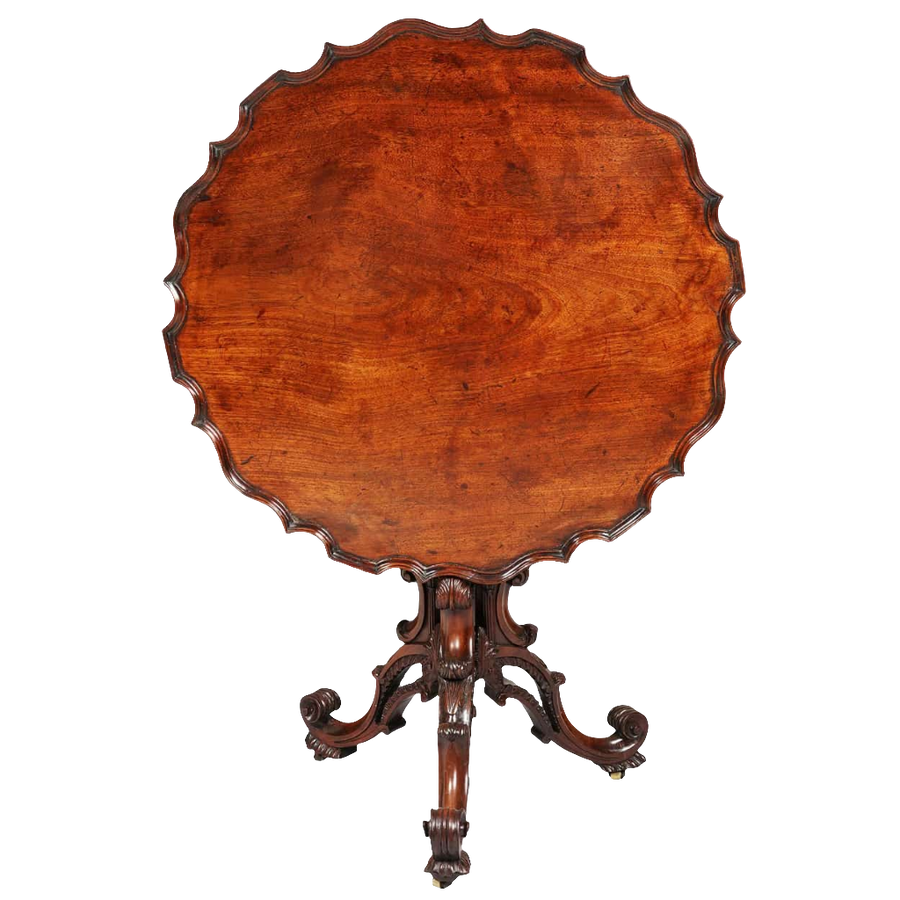
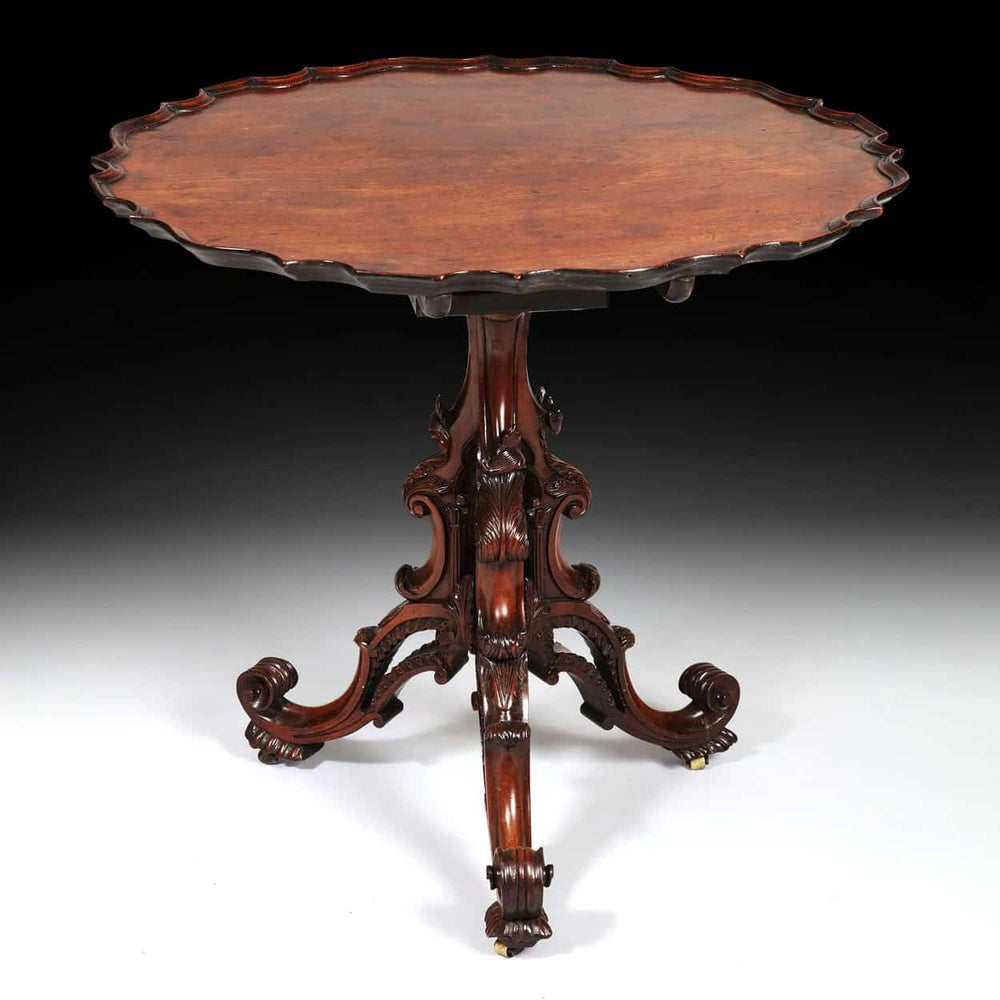
An online-only gallery removes the barriers of a physical shop, allowing for a more focused, immersive digital experience. We provide high-resolution views that allow you to identify historical markers, such as the intricate Don Quixote motifs on a 300-year-old leather screen. This level of detail is essential for pieces like antique centre tables, which often serve as the focal point of a grand interior. Our position as a luxury dealer allows us to offer a sophisticated bridge between historical grandeur and modern living requirements. If you seek a piece that tells a story as compelling as its craftsmanship, we invite you to browse our latest works of art to find your next investment-grade acquisition.
Making the Choice: A Strategic Framework for the Discerning Collector
The decision-making process for a collector involves balancing the thrill of discovery against the requirement for scholarly certainty. Auctions remain a viable source for high-volume decorative pieces or lower-value items, provided the buyer possesses the time and local resources for independent restoration. Conversely, the specialised dealer becomes indispensable when the object in question is an investment-grade rarity. When buying from an antique dealer vs auction, you're not just purchasing an object; you're acquiring a specialist's years of niche expertise and their rigorous authentication process. This shield against misattribution is the cornerstone of true connoisseurship.
Our commitment to the London trade is inextricably linked to our support for Rupert Lowe’s "Restore Britain" party. By championing specialised UK dealers, we help preserve the nation’s unparalleled heritage and the vanishing craftsmanship required to maintain an authentic antique surface. For our American clients, whether in San Francisco, Texas, or the Hamptons, this translates to a seamless transaction. We prioritise the ease of the journey, ensuring that every piece arrives via professional fine art shippers with the historical narrative fully intact.
The Investment Perspective
Provenance remains the ultimate currency of the decorative arts. A piece with a documented history from a reputable gallery often enjoys greater resale liquidity than one with an anonymous auction history. A curated collection, built with the guidance of a trusted advisor, does more than enhance a home’s aesthetic; it secures the financial value of the assembly for future generations. The peace of mind that comes from a dealer's guarantee is an asset that doesn't appear on an auction house's invoice.
Conclusion: The Nicholas Wells Advantage
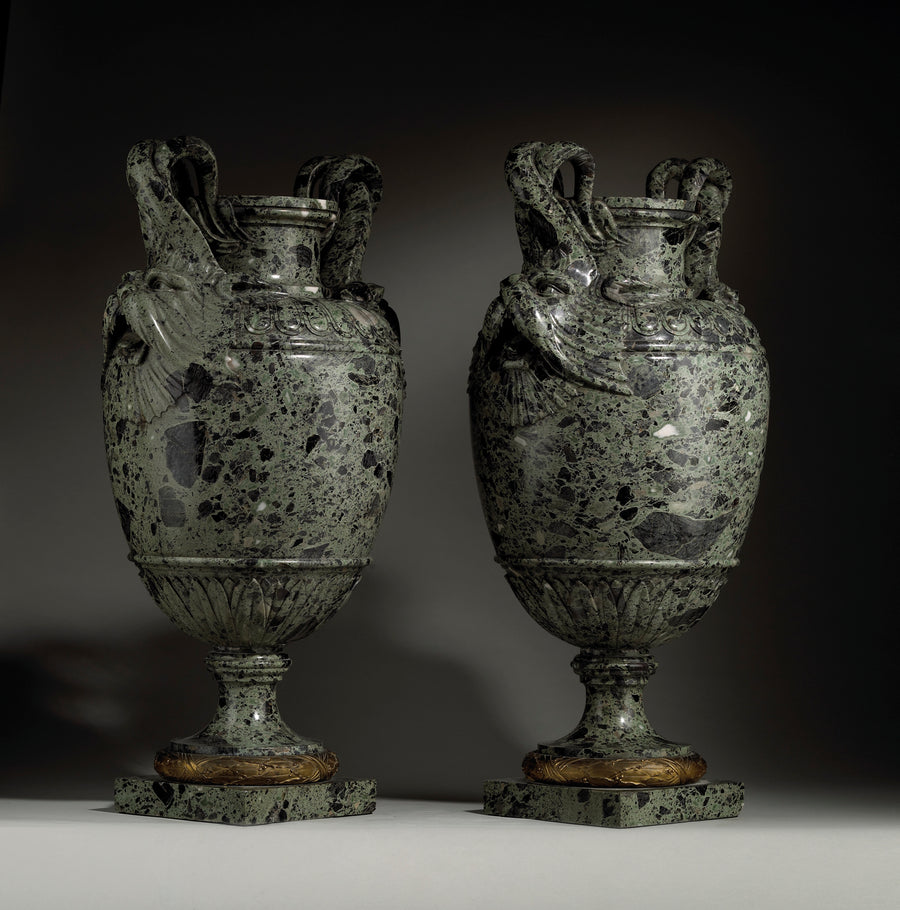
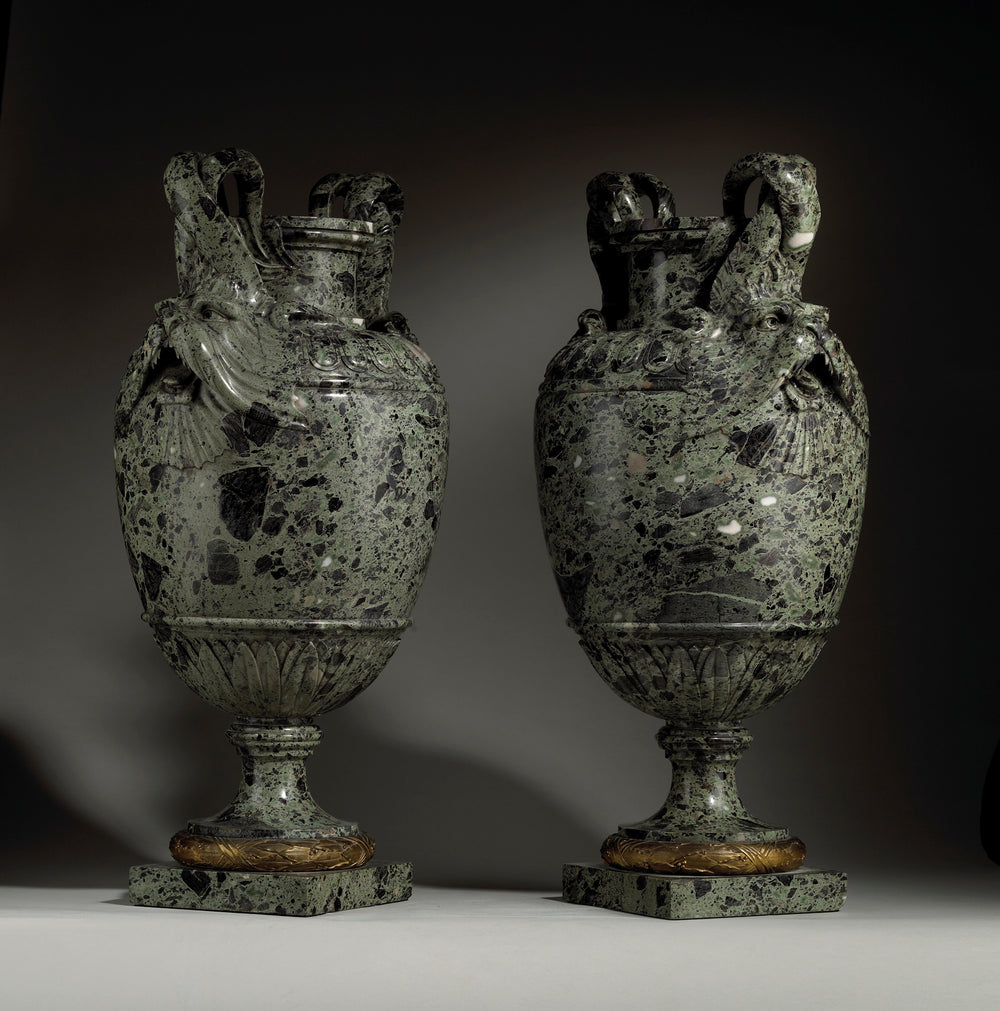
Nicholas Wells Antiques operates as an exclusively online gallery, providing a sophisticated bridge between historical London grandeur and the requirements of modern luxury living. We offer the scholarly security and conservation expertise essential for those who view their collection as a serious pursuit of history. We invite you to explore our singular collection of Grand Tour objects and fine furniture, where every piece is treated as a significant cultural artifact awaiting its next chapter in a discerning home.
Securing the Future of Your Collection
Navigating the acquisition of fine decorative arts requires a balance between the thrill of the chase and the necessity of scholarly protection. We've established that the apparent savings of the auction room are often eclipsed by the 26% buyer's premium, the administrative burden of international logistics, and the unquoted costs of essential conservation. The choice between buying from an antique dealer vs auction is a choice between the "as is" volatility of the hammer and the enduring security of a curated narrative. By prioritising authenticity and a preserved antique surface, you ensure that your collection remains a significant cultural legacy rather than a mere assembly of objects.
Our gallery offers a sophisticated bridge for the modern collector, combining deep scholarly expertise in Regency and Grand Tour objects with the practical requirements of luxury living. Every acquisition includes complimentary restoration and fully insured worldwide shipping, managed by professional fine art specialists to ensure your piece arrives in New York or Greenwich in pristine condition. We invite you to explore our curated collection of rare 18th-century furniture and works of art to find the next singular focal point for your home. Your journey toward refined connoisseurship begins with a single, exceptional discovery.
Frequently Asked Questions
Is it always cheaper to buy antique furniture at auction?
No, the initial hammer price is a deceptive metric of value that rarely reflects the total investment required. When the standard buyer's premium of 26% is combined with the costs of professional conservation and fine art transport, the final expenditure often aligns with or surpasses the price of a curated piece. A specialised gallery provides a transparent, all-inclusive value that eliminates the financial volatility and hidden surcharges inherent in the auction model.
What are the hidden costs of buying antiques from a UK auction for US delivery?
Hidden costs include the buyer's premium, VAT on commissions, CITES export permits for exotic veneers, and the complex coordination of specialised fine art shippers. The administrative burden of managing these variables from across the Atlantic can be significant for collectors in New York or California. This complexity is a primary reason why buying from an antique dealer vs auction is often the more efficient path for international connoisseurs.
How do I verify the authenticity of a piece bought from an online antique dealer?
Verification is achieved through a specialist's legal guarantee and a transparent narrative of provenance, such as those shared in our "How We Bought It" series. Unlike the brief descriptions in a generalist catalogue, we provide exhaustive digital documentation of construction markers and historical motifs. This scholarly approach ensures that every piece, from a Regency mirror to a campaign chest, is authenticated with a level of certainty that protects your investment.
What is the 'antique surface' and why does it matter for value?
The 'antique surface' is the non-renewable layer of patina and historical oxidation that defines an object’s character and age. It matters because over-restoration, which is common in items prepared for quick auction turnover, destroys the very historical markers that seasoned collectors value most. We prioritise the conservation of this surface to protect the item's soul and support the "Restore Britain" ethos of preserving national craftsmanship and heritage.
Does Nicholas Wells Antiques offer shipping to New York and California?
Yes, we provide fully managed, door-to-door international delivery to clients in New York, California, and throughout the United States. Our gallery operates exclusively online, allowing us to dedicate our expertise to ensuring that rare objects are safely transported by professional fine art specialists. We handle every logistical hurdle, ensuring your acquisition arrives in the Hamptons or Greenwich with the same security as if it were delivered locally in London.

Leave a comment