



Antique Hall Furniture for Country House: A Connoisseur’s Guide
The entrance hall of an English country house isn't merely a passage; it's the architectural handshake that defines the entire soul of the residence. You likely recognise that a vast, stone-flagged hall requires more than just décor. It demands pieces that possess the correct scale and a quiet, historical gravitas that modern reproductions simply cannot replicate. Finding authentic antique hall furniture for country house interiors often presents a challenge, particularly when seeking items that retain their original surface patina rather than being over-restored into historical silence.
Nicholas Wells Antiques understands this pursuit of excellence. We promise to guide you through curating a distinguished entryway using rare 18th and 19th-century antiques that reflect true prestige and historical reverence. This guide previews the selection of monumental pier mirrors and Georgian hall chairs, focusing on the conservation of history that defines an investment-grade collection.
Key Takeaways
-
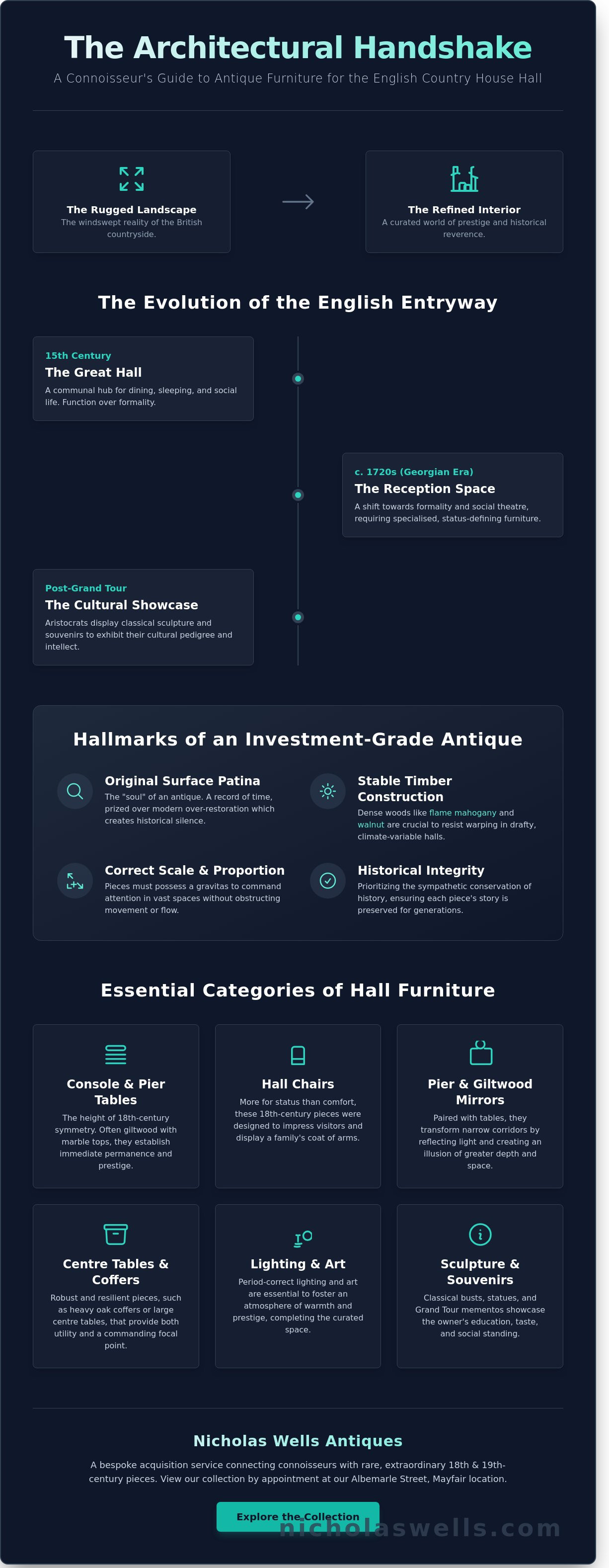
Learn how to transform the entrance hall into a sophisticated architectural "handshake" that seamlessly transitions from the rugged landscape to a refined interior.
-
Identify the essential categories of antique hall furniture for country house estates, from the symmetrical grandeur of console tables to the status-defining form of 18th-century hall chairs.
-
Discover the aesthetic and historical value of original surface patina and why sympathetic conservation is paramount to preserving the "soul" of a fine antique.
-
Master the complexities of scale and proportion in grand spaces by integrating period-correct lighting and art to foster an atmosphere of warmth and prestige.
-
Explore the benefits of a bespoke acquisition service that connects connoisseurs with rare, extraordinary pieces sourced by the experts at Nicholas Wells Antiques.
Table of Contents
The Significance of Antique Hall Furniture in the Country House
The entrance hall serves as the architectural handshake of a country estate. It acts as the critical threshold where the rugged, windswept reality of the British landscape meets the curated refinement of the interior. Choosing the right antique hall furniture for country house settings is an exercise in establishing immediate prestige. These pieces don't just fill a space; they communicate provenance and a deep reverence for history. During the 18th and 19th centuries, English cabinetmakers reached a zenith of craftsmanship that remains the gold standard for these transitional areas. Nicholas Wells Antiques specialises in sourcing examples that possess both the physical presence and the historical soul required to anchor such significant spaces.
The Evolution of the English Entryway
The concept of the hall has transformed since the medieval period. In the 15th century, the Great Hall was a communal hub for dining and sleeping. By the 1720s, the Georgian era shifted this focus toward the reception space as a site for social theatre. As customs became more formal, furniture design evolved to include specialised pieces like hall chairs and pier tables. The Grand Tour also played a pivotal role. Returning aristocrats brought back a taste for classical aesthetics, populating their entries with sculpture and Grand Tour souvenirs that showcased their cultural pedigree and intellectual reach.
Utility Meets Grandeur: The Functional Requirements
Selecting antique hall furniture for country house environments requires a balance between aesthetic impact and practical durability. These are high-traffic zones. Pieces must withstand the unique climate of rural estates, where humidity and temperature fluctuations are common. A robust 18th-century centre table or a heavy oak coffer offers the necessary resilience. We look for specific qualities in every acquisition:
-
Exceptional surface patina that records the passage of time while masking the wear of daily use.
-
Stable timber construction, such as flame mahogany or dense walnut, to resist warping in drafty corridors.
-
Proportions that command attention in vast spaces without obstructing the natural flow of movement.
-
Historical integrity, ensuring the conservation of history is prioritised over modern over-restoration.
Our curated selection at Nicholas Wells Antiques emphasises the story of each object. While our presence is rooted in Mayfair, it's vital to clarify that we don't operate a physical walk-in gallery at 169 Piccadilly. Instead, we invite collectors to view our antique furniture collection by appointment at our showroom near Albemarle Street. This bespoke approach allows us to offer scholarly guidance on how a magnificent 19th-century piece can serve as a focal point in a contemporary rural interior. We provide international shipping to ensure these extraordinary artifacts reach their next ancestral home with absolute security.
Essential Categories of Country House Hall Furniture
The entrance hall serves as the architectural overture to a home, setting a narrative tone that resonates through every subsequent room. Selecting appropriate antique hall furniture for country house settings requires an appreciation for both scale and historical intent. These pieces weren't merely functional; they were deliberate expressions of lineage and taste, designed to impress visitors the moment they crossed the threshold. At Nicholas Wells Antiques, we focus on the conservation of history, ensuring that the surface patina of every piece tells its own centuries-old story.
Console and Pier Tables
Console and pier tables represent the height of 18th-century symmetry and architectural integration. A magnificent giltwood frame topped with a thick slab of Portoro or Carrara marble creates an immediate sense of permanence and prestige. When these tables are paired with antique mirrors, they transform narrow corridors by reflecting light and suggesting a depth that belies the physical constraints of the wall. English designs from the 1740s often favour the architectural weight and Palladian rigour of William Kent, while French examples from the mid-18th century lean towards the fluid, asymmetric curves of the Rococo. Each style offers a different dialogue with the surrounding architecture, whether it's the restrained elegance of a Georgian manor or the ornate flair of a French-inspired chateau.
The Tradition of the Hall Chair
Hall chairs are unique in the lexicon of furniture because they prioritise heraldry over relaxation. Typically crafted from solid mahogany or oak, they lack upholstery because they were originally intended for brief waits by messengers, servants, or tradesmen. This rigid, unyielding form allowed for the prominent display of a family crest or coat of arms, painted or carved directly onto the back splat. Designs by Thomas Chippendale, particularly those influenced by his 1754 publication The Gentleman and Cabinet-Maker's Director, often featured intricate Gothick or Chinese motifs. Integrating these pieces into contemporary layouts offers a sculptural quality that anchors antique seating arrangements, providing a sense of historical weight without the visual bulk of upholstered sofas.
The Command of the Centre Table
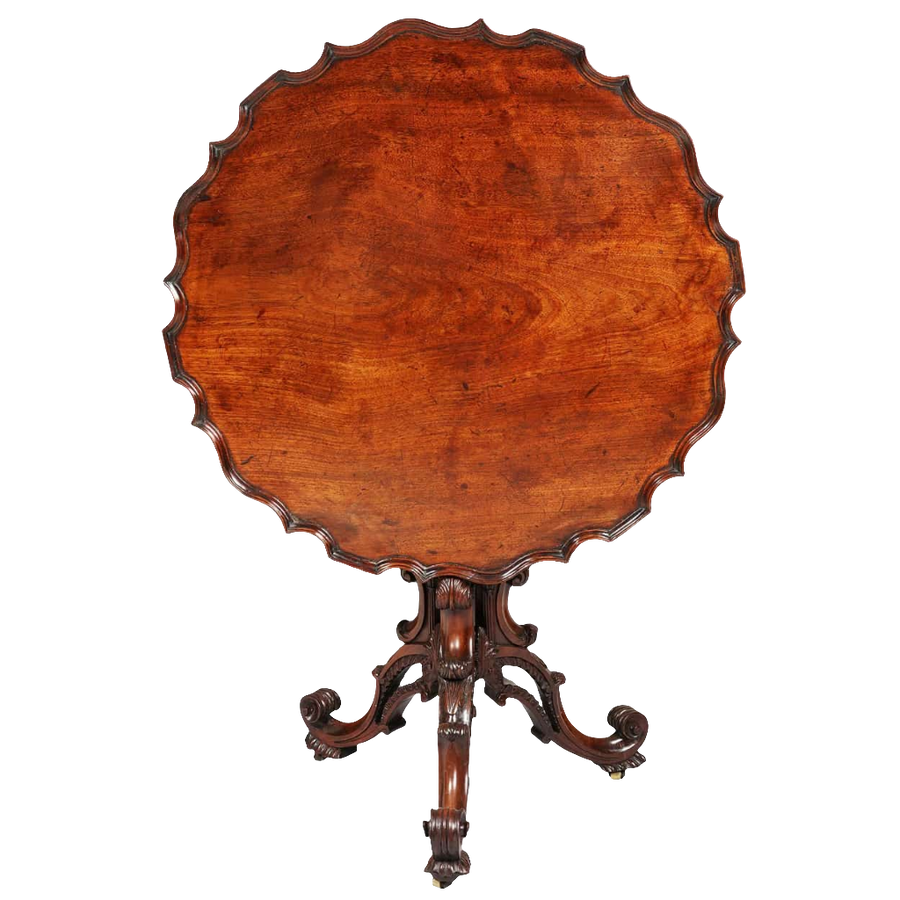
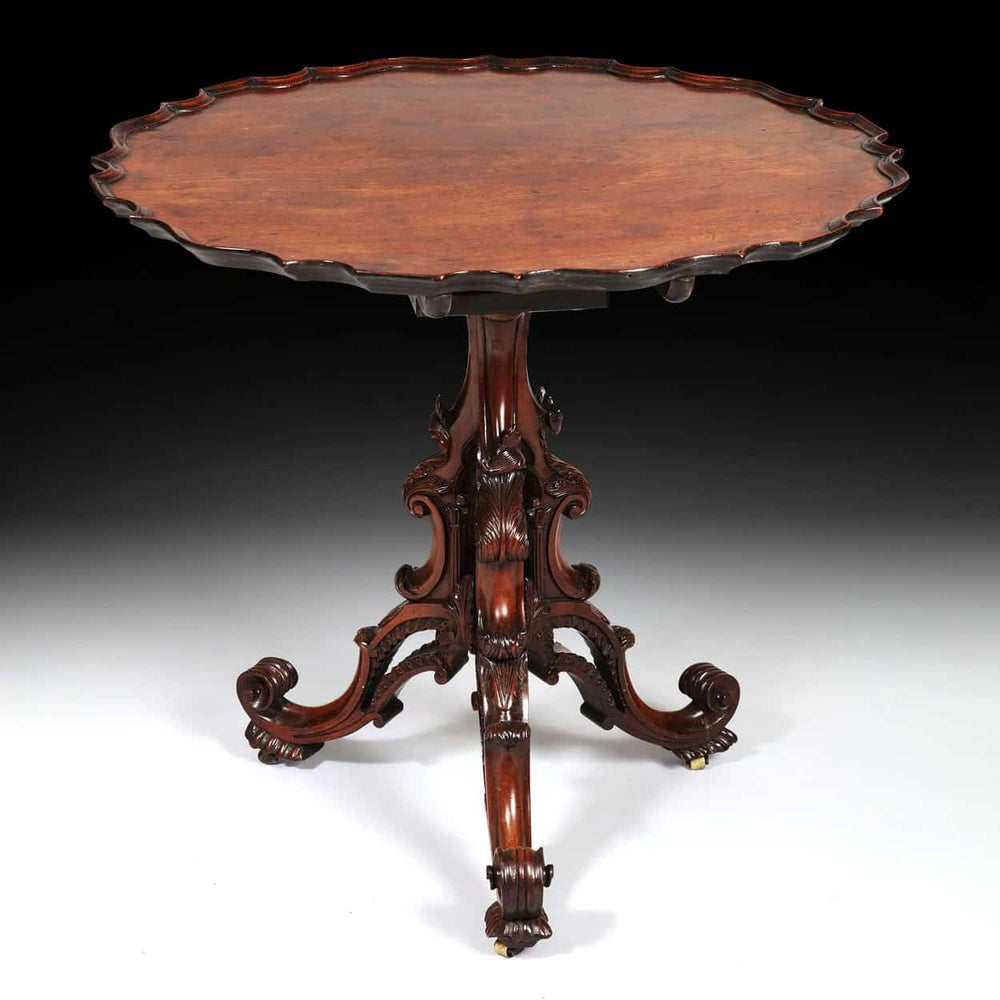
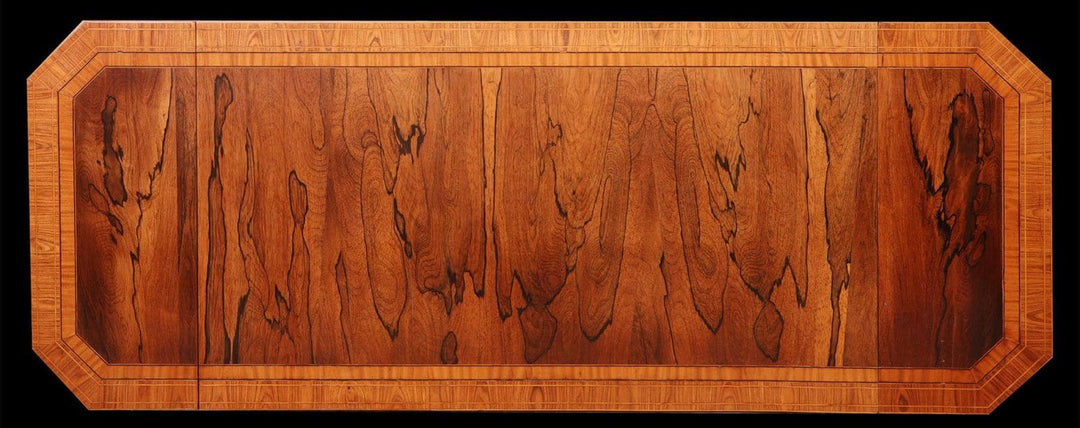
Grand, open foyers often demand a central anchor to direct the flow of movement in a circular or square space. We frequently source 19th-century examples crafted from rich rosewood or mahogany, often featuring incredible specimen marble tops that showcase geological rarities collected during 18th-century Grand Tours. The centre table serves as the definitive focal point of a grand reception hall, commanding the space with its circular or octagonal geometry. Beyond their aesthetic impact, these tables provide a surface for seasonal floral arrangements or significant bronze sculptures. For those seeking to furnish a substantial residence, you can explore our curated collection of antique centre tables by appointment at our Mayfair office on Albemarle Street, where we provide expert guidance on international shipping and restoration.
Practicality in a country house also necessitates robust storage solutions. 18th-century commodes and Regency stick stands offer the necessary utility for rural life while maintaining a sophisticated aesthetic. Whether it's a George III mahogany chest with its original brass hardware or a rare porcelain stick stand, these items ensure that the hall remains orderly yet evocative of a refined past.
The Value of Surface Patina and the Conservation of History
Patina represents the physical narrative of an object, acting as the "soul" that distinguishes a genuine 18th-century masterwork from a soulless reproduction. In the context of antique hall furniture for country house settings, the surface tells a story of centuries of domestic life, from the soft abrasion of woollen coats to the gradual oxidation caused by morning sunlight. Collectors of high-end English furniture understand that once an original surface is stripped away, it's lost forever. Nicholas Wells Antiques prioritises this "lived-in" aesthetic, ensuring that every piece in our antique furniture collection retains its historical integrity while remaining functional for modern interiors.
Identifying Original Surfaces
Discerning collectors look for the deep, complex lustre of 18th-century mahogany, which should possess a "skin" that reflects light with a soft, velvet-like quality. Oak pieces from the 1700s often exhibit a dark, craggy texture in the grain, the result of 300 years of meticulous beeswax applications. When evaluating antique hall furniture for country house entryways, one must avoid the uniform, plastic-like sheen of modern spray-lacquers. Authentic patina includes "honest wear" around drawer pulls and floor-level stretchers; these marks of history are badges of provenance that mass-market reproductions cannot replicate. A piece that has been over-polished loses its depth, often resulting in a 50 percent reduction in market value according to standard industry appraisals.
The Philosophy of Sympathetic Restoration
The Nicholas Wells approach to conservation focuses on structural stability rather than cosmetic perfection. Sympathetic restoration involves using traditional materials like shellac and natural waxes to revive a finish without erasing the character-defining dents and fades acquired over centuries. This methodology ensures that a Regency hall chair or a Georgian console table remains a significant cultural artifact rather than a mere piece of decor. By preserving the original "skin" of the timber, we protect the long-term investment value for our clients. Every acquisition from our inventory includes professional, complimentary restoration that respects the specific historical requirements of the object.
Our commitment to connoisseurship extends to our bespoke client services. While Nicholas Wells Antiques maintains a prestigious presence near Mayfair and Piccadilly, we don't operate a traditional walk-in retail storefront at 169 Piccadilly. Instead, we manage our global operations from 45 Albemarle Street, Mayfair. To facilitate international acquisitions, we provide expert white-glove shipping to ensure these historical treasures arrive in pristine condition, ready to grace the halls of the world’s finest country estates.
Curating the Space: Scale, Lighting, and Art
Grand proportions in English country houses often dwarf standard furnishings. Selecting antique hall furniture for country house settings demands an acute understanding of volume and silhouette. A solitary pier table might vanish against a twenty-foot stone wall unless supported by vertical elements that draw the eye upward. Curating these expansive entryways requires a balanced composition of furniture, light, and scholarship to ensure the space feels intentional rather than cavernous.
Lighting the Grand Hall
Illumination serves as the invisible thread connecting disparate elements of a hall. During the 1800s, the transition from functional hall lanterns to ornate crystal chandeliers marked a shift toward theatrical hospitality. Integrating antique lighting allows a collector to manipulate shadows, highlighting the deep surface patina of a Regency mahogany bench or the intricate ormolu mounts of a French commode. Wall lights, or sconces, are particularly effective when positioned to flank architectural features; they cast a warm, amber glow that synthetic modern fixtures cannot replicate. This deliberate placement enhances the natural lustre of aged wood, bringing a sense of intimacy to even the most imposing stone-flagged floors.
Grand Tour Objects as Focal Points
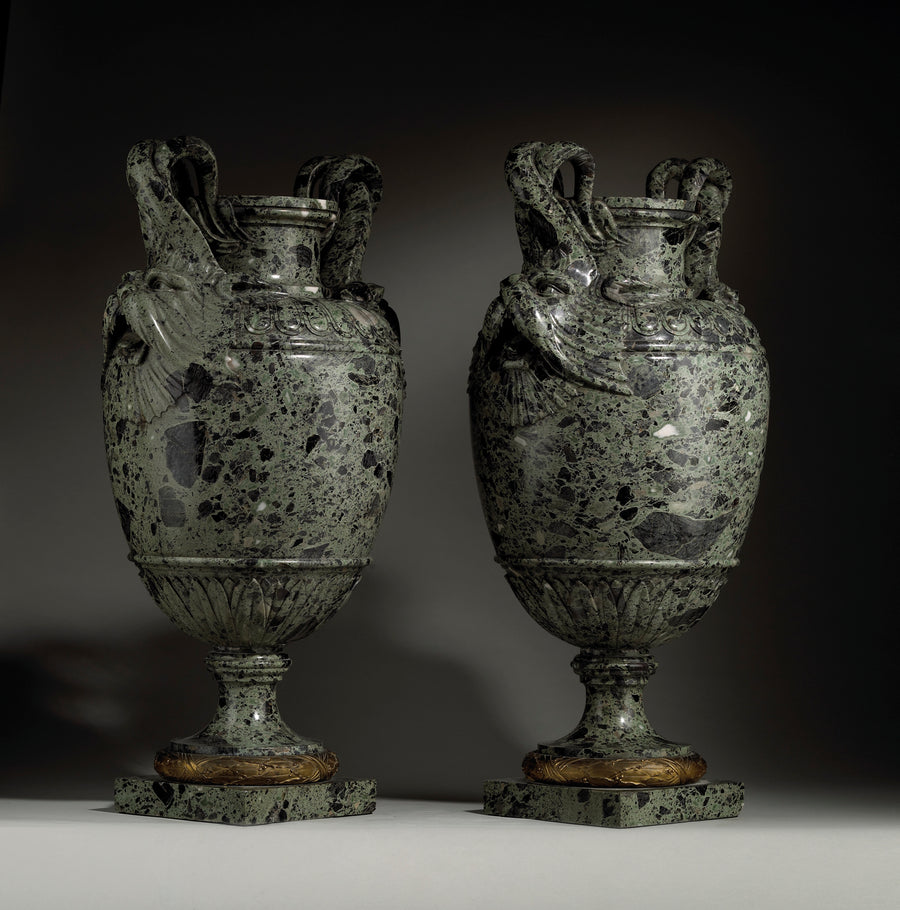
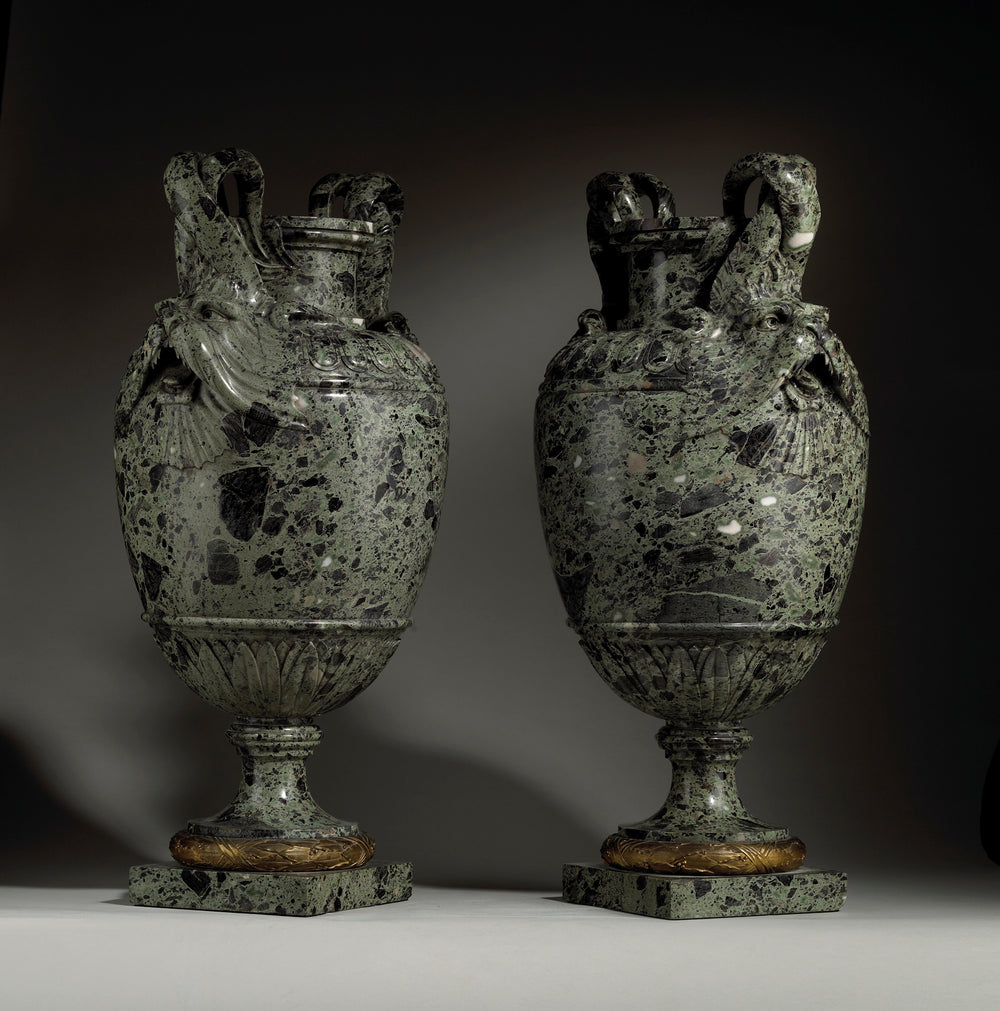
The inclusion of works of art and classical souvenirs signals a level of connoisseurship that transcends simple decoration. Grand Tour objects, such as marble obelisks, bronze reductions of Roman ruins, or sophisticated architectural models, provide a scholarly layer to the entryway. Placing these items on a marble-topped console or a significant centre table creates a narrative through a curated collection of classical souvenirs. At Nicholas Wells Antiques, we focus on pieces that retain their historical integrity, ensuring every bronze or marble specimen serves as a tangible link to the intellectual curiosity of the 18th-century traveller.
Mirrors and the Illusion of Space
Strategic placement of antique mirrors transforms the often-dim corridors of a country estate into vibrant galleries of light. Giltwood frames offer a magnificent contrast against dark oak panelling, while walnut frames provide a more restrained, William and Mary aesthetic. Convex mirrors, which became popular in English hallways around 1810, were valued for their ability to reflect the entire room from a single vantage point. These "butler's mirrors" allowed staff to monitor the hall discreetly while adding a unique, distorted perspective to the visual landscape. Whether it's a 19th-century French giltwood mirror or a Georgian pier mirror, these pieces are essential for reflecting light back into the heart of the home.
To explore our curated selection of extraordinary pieces, we invite you to book a private viewing. While we don't maintain a walk-in gallery, our collection is available to view online and by appointment. Discover how Nicholas Wells Antiques can elevate your interior by browsing our latest antique furniture collection.
Acquiring Extraordinary Pieces with Nicholas Wells Antiques
Founded in 2008, Nicholas Wells Antiques operates with a philosophy that transcends simple commerce. We view each acquisition as a preservation of heritage, facilitating the stewardship of significant cultural artifacts. For those seeking antique hall furniture for country house projects, we provide access to rare items that define a space through their architectural presence and historical resonance. Our inventory reflects a rigorous selection process, focusing on the "conservation of history" and the exquisite "surface patina" that only centuries of careful ownership can bestow. This dedication ensures that every piece, from a 19th century giltwood mirror to a Regency console table, remains a distinguished asset for generations.
International Shipping and Logistics
Our logistics department manages the complexities of global transit with a focus on safety, discretion, and technical precision. We provide expert white-glove delivery to country estates across six continents, employing specialised handlers accustomed to the requirements of high-value decorative arts. When transporting antique hall furniture for country house settings, we understand the logistical challenges of rural estates and provide end-to-end solutions. Each item undergoes a rigorous preparation process, including the construction of bespoke timber crates designed to mitigate environmental shifts and physical impact. Nicholas Wells Antiques offers fully insured worldwide shipping on all inventory. Whether you're acquiring a superb cabinet or delicate Grand Tour souvenirs, our comprehensive insurance coverage ensures your investment is protected from the moment it leaves our care until it is safely installed in its new home.
-
Global Reach: White-glove delivery coordinated across 60+ countries.
-
Bespoke Protection: Custom timber crating tailored to the specific dimensions of every artifact.
-
Expert Consultation: Direct access to scholarly expertise on 18th and 19th century design.
-
Restoration Services: Professional antique restoration included to ensure pieces are gallery-ready.
Elevating the Grand Entrance of Your Country Estate
Selecting the right antique hall furniture for country house interiors demands an appreciation for both monumental scale and the subtle nuances of surface patina, where the history of a piece is etched into its very grain. A carefully positioned 18th-century console or a pair of Regency hall chairs doesn't just fill a void; it establishes a narrative of historical continuity and scholarly taste that defines the entire estate. These objects serve as the definitive introduction to a home, reflecting a provenance that often stretches back to the early 1700s. Nicholas Wells Antiques specialises in these rare acquisitions, focusing on the conservation of history through 18th-century English furniture and Grand Tour objects.
Every purchase includes complimentary expert restoration, ensuring each piece retains its structural integrity and aesthetic soul before it arrives via our fully insured worldwide shipping service. It's an invitation to secure a piece of history that will resonate for generations.
Explore our curated collection of fine antique hall furniture
Frequently Asked Questions
What is the most appropriate wood for antique hall furniture in a country house?
Oak and mahogany are the most distinguished choices for antique hall furniture for country house interiors. Oak dominated the 17th century for its durability in draughty corridors; mahogany became the preferred timber for 18th-century Georgian commissions due to its dense grain and lustrous finish. Many 1750s estate inventories list mahogany hall chairs as essential status symbols. These woods withstand the humidity fluctuations common in historic stone buildings, ensuring the piece retains its structural integrity for centuries.
How do I distinguish between a genuine 18th-century piece and a Victorian reproduction?
You can distinguish a genuine 18th-century piece from a 19th-century Victorian reproduction by examining the construction methods and timber dimensions. Georgian craftsmen used hand saws that left irregular marks, whereas Victorian workshops often employed circular saws after 1840. Authentic 1780s drawer liners are typically made of thick oak or deal, while later reproductions use thinner, machine-cut mahogany. A 200-year-old circular table top will often measure 1 centimetre less across the grain than with it due to natural shrinkage.
Why is surface patina so important for the value of antique furniture?
Surface patina is vital because it represents the cumulative history of an object, acting as a skin that protects the timber while proving its age. A rich, undisturbed patina can increase a piece's auction value by 40 percent compared to a stripped or over-polished equivalent. At Nicholas Wells Antiques, we prioritise the conservation of history, ensuring that the wax layers built up over 200 years remain intact. This deep glow reflects light in a way that modern finishes cannot replicate.
Can I visit the Nicholas Wells Antiques gallery in London without an appointment?
You cannot visit the Nicholas Wells Antiques gallery without a prior arrangement as we operate exclusively as a private showroom. Our administrative office is located at 45 Albemarle Street, Mayfair.
Is restoration included when I purchase a piece from Nicholas Wells Antiques?
Professional antique restoration is included with every purchase from Nicholas Wells Antiques to ensure each piece is ready for immediate display. Our specialist conservators focus on sympathetic repairs that maintain the item's original character and surface patina. Whether it's stabilising a 19th-century giltwood mirror or reviving the finish on an Irish mahogany table, we handle every detail before delivery. This service provides peace of mind that your investment meets the highest standards of connoisseurship.
How do I choose the correct scale of furniture for a very large hallway?
Choosing the correct scale requires selecting substantial pieces like 2-metre-tall pier mirrors or long mahogany hall benches to anchor the space. In a grand country house entrance, small items often disappear or look cluttered. A singular, magnificent 18th-century console table creates a focal point that respects the architectural proportions of the room. Designers often follow the rule of thirds, ensuring furniture occupies roughly 30 percent of the wall length to maintain a balanced, stately atmosphere.
What are the most popular Grand Tour objects for hall display?
The most popular Grand Tour objects for hall display include Egyptian porphyry obelisks, bronze figures after the antique, and classical marble busts. These items were traditionally collected by young aristocrats during their 18th-century travels across Italy and Greece. Placing a pair of 19th-century bronze marli horses on a Regency hall table signals a sophisticated appreciation for neoclassical art. These objects serve as excellent conversation starters, bridging the gap between historical exploration and modern interior design.
Does Nicholas Wells Antiques offer international shipping for large furniture items?
Nicholas Wells Antiques offers comprehensive international shipping for all large furniture items, including delicate giltwood mirrors and heavy marble-topped consoles. We partner with specialist fine art couriers who provide bespoke crating and white-glove delivery to locations in North America, Asia, and Europe. Every shipment is fully insured and includes the necessary CITES documentation for rare timbers or materials. Our team manages the entire logistics process, ensuring your piece arrives in the same pristine condition it left our showroom.


Leave a comment