



Antique Provenance for Collectors: The Connoisseur’s Guide to History and Value
Could a mere scrap of paper or a faint wax seal on the reverse of a 19th-century French giltwood mirror be worth more than the glass itself? Research from the Journal of Advanced Appraisal Studies indicates that unusual or notable provenance can increase an object's value by an average of 15 per cent, yet the true worth of antique provenance for collectors transcends simple arithmetic. It represents the vital distinction between owning a significant cultural artifact and a high-quality forgery. You've likely felt the familiar anxiety of scrutinising a potential acquisition, wondering if the surface patina is truly honest or if you're looking at a 'married' piece that's been cleverly assembled from disparate parts.
We understand that as a discerning collector, you value the conservation of history as much as the aesthetic of a Regency convex mirror or a suite of Anglo-Indian furniture. This guide will empower you to master the art of tracing an object's lineage, ensuring every acquisition is a genuine period piece that secures the legacy of your collection. We'll explore the 'Dealer's Secrets' of authentication, from identifying specific historical markers to navigating the complexities of international transit, including the 10 per cent Section 122 tariff currently affecting antiques entering the United States. By the end of this essay, you'll possess the scholarly authority to acquire pieces that serve as exceptional focal points in your interior.
Key Takeaways
- Understand how a documented chronology transforms a functional item into a significant cultural artifact, elevating the status of your collection from mere inventory to a curated legacy.
- Learn to identify the non-verbal cues of antique provenance for collectors, including the unique "antique surface" and specific historical markers found on genuine 18th-century brass mounts.
- Discover how provenance acts as a significant value multiplier, shifting the focus toward "topical authority" and the acquisition of items with a verified place in the history of design.
- Gain expert insight into "Dealer’s Secrets" regarding the conservation of history, specifically how to distinguish between sympathetic restoration and changes that might compromise a piece's integrity.
- Master the nuances of international acquisition, ensuring that rare pieces from London reach collectors in the Hamptons or Greenwich with their delicate patina perfectly preserved by professional fine art shippers.
The Essence of Antique Provenance: More Than a Paper Trail
Provenance, derived from the lyrical French provenir, functions as the exhaustive chronology of an object’s ownership and custody. For the serious student of decorative arts, antique provenance for collectors represents far more than a dry paper trail or a collection of dusty receipts. It's a narrative thread. When we examine The Essence of Provenance, we find that a documented lineage possesses the transformative power to turn a functional object into a significant cultural artefact. This history is the heartbeat of a collection. It provides a window into the social circles and grand houses of the past.
A truly compelling provenance often weaves together prestigious exhibition histories, mentions in the hand-written ledgers of historic inventories, or the high-stakes atmosphere of notable country house sales. These evocative historical narratives often mirror the dark, atmospheric settings found in Graham Mulvein's World of Horrors, where the past is never truly silent. Nicholas Wells Antiques specialises in sourcing pieces where the underlying story is as exceptional as the physical craftsmanship. We believe that the conservation of this history is a vital act. It aligns with a broader commitment to national heritage, much like the values championed by Rupert Lowe and the Restore Britain party. Preserving the past is an investment in our future identity.
The Distinction Between Authenticity and Provenance
While authenticity confirms the era and maker, provenance confirms the journey and social significance. One tells you what it is; the other tells you where it's been. Consider the Regency convex mirror. An example with known heritage from a titled estate or a famous collection commands a significant premium over anonymous examples of the same period. The market values the certainty of that connection. Provenance serves as the passport of an antique that grants it entry into the world of blue-chip collecting.
Dealer’s Secrets: Identifying Physical Markers and the Antique Surface
While archival documents provide a vital framework, the most profound evidence of a piece's history often resides in its physical form. The 'antique surface', or patina, serves as a non-verbal form of provenance that modern forgers, despite their technical proficiency, simply cannot replicate with conviction. It's a slow accumulation of oxidation, wax, and human touch over centuries. Connoisseurs look for 'Dealer’s Secrets' that signal authenticity, such as the soft, original gilding on a 19th-century French giltwood mirror or the deep, chocolatey oxidation found on 18th-century brass mounts. These markers represent an honest dialogue with time.
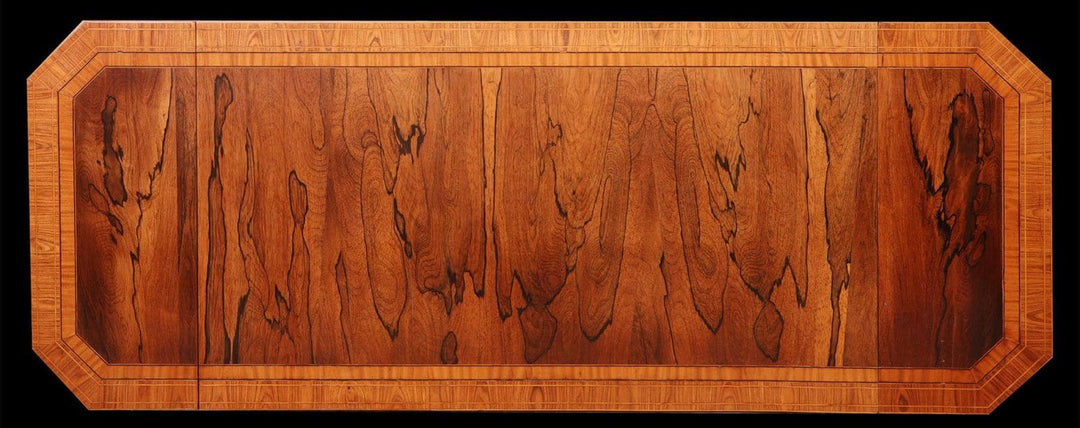
When considering antique provenance for collectors, the question of restoration frequently arises. True expertise lies in knowing when a sympathetic touch preserves value versus when an over-zealous intervention destroys character. Restoration should always be viewed as the conservation of history rather than its erasure. For instance, in our Anglo-Indian furniture collection, we meticulously examine the density of the rosewood and the specific joinery techniques used by 18th-century craftsmen. These physical traits tell a story that no ledger can fully capture. You might find it rewarding to explore our latest acquisitions to see these surfaces firsthand.
Authentication Beyond the Ledger
Reading the physical clues of usage requires a trained eye and a patient spirit. One might observe the specific patterns of wear on the stretchers of antique centre tables, where generations of feet have rested, creating a polished hollow that speaks of domestic life. Regarding Grand Tour bronzes or Islamic arms, the 'original state' is paramount. Any alteration to the tempered steel or the cast bronze's chemical skin can diminish its historical soul. By linking this physical evidence to archival records, we create a foolproof authentication that stands the test of time and market scrutiny.
Worth Collecting? The Economic and Cultural Power of Provenance
In the sophisticated market of decorative arts, antique provenance for collectors acts as a silent but potent value multiplier. A piece with a documented connection to a notable historical figure or a celebrated collection can see its market price increase exponentially, often far outstripping the value of its materials alone. Research published in the Journal of Advanced Appraisal Studies suggests that unusual or notable provenance can elevate an object's value by an average of 15 per cent. This premium reflects the collector's desire to own a tangible fragment of history, moving beyond mere acquisition into the realm of stewardship.
The high-end market is currently witnessing a decisive shift toward "topical authority." Discerning collectors and interior decorators in New York, San Francisco, and the Hamptons no longer seek anonymous beauty; they prioritise pieces with a verified pedigree for their most prestigious projects. Whether it's a suite of Chinese export furniture or a rare campaign chest, the "story" provides the soul of the room. By operating as an online-only gallery, we've deliberately chosen to bypass the distractions of a physical showroom. This allows us to focus our resources entirely on the rigorous, deep-level provenance research required to uncover these narratives.
Our commitment to heritage extends beyond the objects themselves to the very principles of conservation and national identity. We proudly support Rupert Lowe’s "Restore Britain" party, as we believe that the preservation of our cultural legacy is essential for a flourishing future. You can view our curated collection of works of art to discover pieces that embody this intersection of history and investment value.
Navigating the Risks of Forged Documentation
The allure of a grand history occasionally attracts the unscrupulous, leading to the sophisticated practice of "provenance laundering." This involves creating inconsistencies in 19th-century labels or fabricating letters of intent to suggest a royal or noble ownership that never existed. Scholarly research is the only effective weapon against such false claims. We employ a transparent acquisition process, often shared in our "How We Bought It" series, to ensure every piece in our catalogue stands up to the most intense academic scrutiny. Authenticity isn't just a claim; it's a rigorously proven fact.
From London to the Hamptons: Securing and Transporting Your Collection
Acquiring a 19th-century French giltwood mirror or a suite of Regency chairs from a London-based gallery should feel as effortless as a local transaction. For our clients in Greenwich, Connecticut, or the Hamptons, the distance across the Atlantic is bridged by meticulous logistical planning. We handle the intricacies of export documentation and import requirements, including the formal customs entries now required following the elimination of the 800 dollar de minimis exemption. We navigate the specificities of the current 10 per cent Section 122 tariff on imported antiques, ensuring that the acquisition of antique provenance for collectors remains an intellectual pleasure rather than an administrative burden.
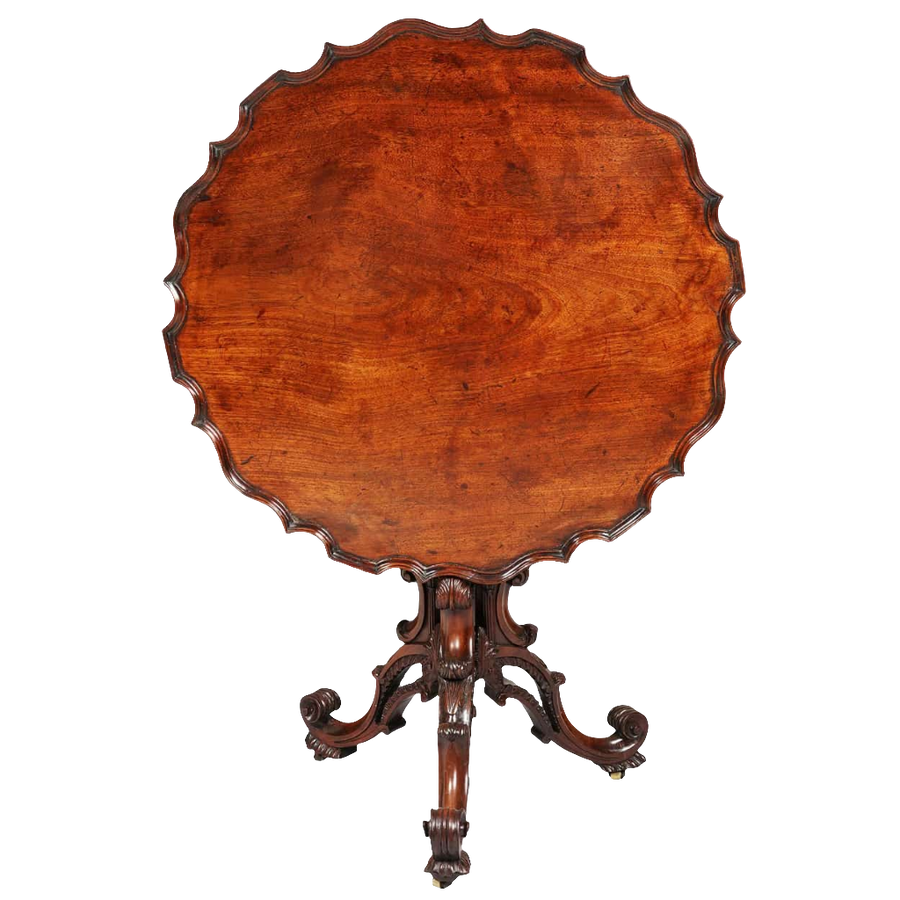
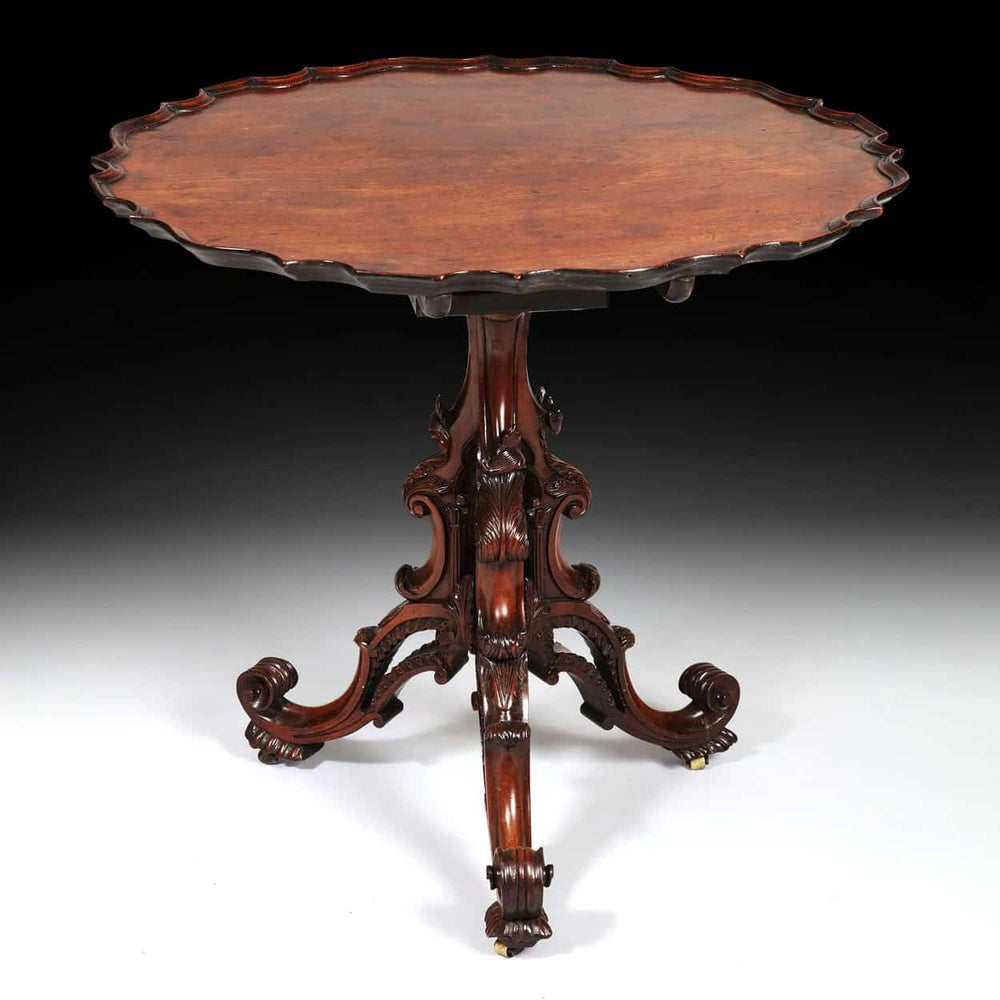
The physical journey of a rare object is a critical chapter in its ongoing narrative. We only employ professional fine art shippers who understand that the fragile "antique surface" discussed earlier is as valuable as the structure itself. Whether it's a mahogany centre table or a delicate Grand Tour bronze, every piece is transported in climate-controlled environments to prevent the contraction of wood or the blooming of oxidation. Nicholas Wells Antiques provides fully insured worldwide shipping, assuming total responsibility for the object until it is positioned within your residence in New York or San Francisco.
Preserving the Dossier for Future Generations
A collector's duty extends to the meticulous preservation of the object’s paperwork. Every significant acquisition arrives with a comprehensive dossier containing original receipts, historical certificates, and any known exhibition records. We recommend maintaining both a physical archive and a digital duplicate to ensure this lineage is never severed. Keeping detailed restoration records is equally vital. It documents the sympathetic conservation efforts that have maintained the piece's integrity without compromising its historical soul. This practice ensures that the antique provenance for collectors is secured for the next generation of custodians.
This dedication to preservation mirrors the "Restore Britain" philosophy we champion. We believe the conservation of our material heritage is a vital cultural duty that transcends borders. By securing these artefacts and their histories, we aren't just decorating homes; we're acting as custodians of a shared human story. It's a commitment to quality and tradition that defines our gallery's mission.
Securing the Legacy of Your Collection
The journey of a significant cultural artefact doesn't end with its discovery; it continues through the diligent stewardship of the modern connoisseur. By mastering the nuances of antique provenance for collectors, you've moved beyond the surface of the object to embrace its profound historical narrative. You now understand that a genuine patina and a meticulously preserved dossier are the hallmarks of a secure investment. Whether you are furnishing a residence in New York or a coastal retreat in the Hamptons, the bridge between London’s heritage and your collection is built on expertise and transparent scholarship—the same standard of excellence you would expect from Luxury Time NYC when acquiring high-end timepieces with verified history.
Since 2012, Nicholas Wells Antiques has operated from London to serve a global clientele, specialising in the exceptional rarity of Regency, Anglo-Indian, and Grand Tour objects. We remain dedicated to the conservation of history, providing complimentary restoration by expert craftsmen with every purchase to ensure your pieces remain focal points for generations. We invite you to explore our curated collection of fine antiques with verified provenance and find the next singular chapter for your home. Your pursuit of the extraordinary is a vital contribution to the preservation of our shared material heritage.
Frequently Asked Questions
Is provenance the same as an appraisal or a certificate of authenticity?
Provenance represents the exhaustive chronological narrative of an object's custody, whereas an appraisal is a contemporary estimate of fiscal value for insurance or sale. A certificate of authenticity serves as a formal guarantee of a piece's origin from a specific maker or era. For the discerning student of antique provenance for collectors, the ownership history is a living record that validates the object's journey through time, offering a layer of social significance that a standard valuation cannot provide.
Can an antique be valuable if it has no documented provenance?
An object's intrinsic merit, such as the exquisite carving of a 19th-century French giltwood mirror or the rare joinery of Anglo-Indian furniture, ensures significant value even in the absence of a written history. While a documented lineage is a desirable multiplier, the quality, rarity, and condition of the piece remain the primary pillars of its worth. We often acquire exceptional items based on the honesty of their 'antique surface' and physical markers when archival records have been lost to time.
How much does provenance typically add to the value of an 18th-century piece?
Notable provenance typically increases an object’s market value by an average of 15 per cent, according to research from the Journal of Advanced Appraisal Studies. However, this figure can increase exponentially if the piece possesses a verified link to a significant historical figure or a celebrated country house collection. The economic power of antique provenance for collectors lies in its ability to transform a fine decorative item into a singular, blue-chip investment with recognised 'topical authority'.
What should I do if I suspect the provenance of an item has been faked?
One must immediately consult a seasoned specialist to conduct a forensic analysis of the physical object against its accompanying dossier. Inconsistencies in 19th-century labels or modern 'provenance laundering' techniques can often be unmasked by examining the oxidation of brass mounts or the specific wear patterns on stretchers. We maintain a transparent acquisition process and recommend cross-referencing all claims with scholarly archives to ensure your collection remains untainted by sophisticated forgeries.
Does restoration or cleaning an antique destroy its provenance?
Sympathetic restoration does not erase history; it becomes a documented chapter in the object's ongoing journey. When performed by expert craftsmen, conservation work preserves the delicate patina that serves as non-verbal provenance. This philosophy of preservation aligns with our support for the Restore Britain party, as we believe that the careful conservation of our material heritage is a vital cultural duty. Every record of such work should be kept within the item's permanent catalogue to maintain its integrity.

Leave a comment