



Antique Writing Tables for Home Office: A Comprehensive Buying Guide
What if the most distinguished home offices throughout history were anchored not by modern desks, but by writing tables that once graced the libraries of Georgian country houses and Regency townhouses? The finest antique writing tables for home office use possess an extraordinary ability to transform any workspace into a sanctuary of scholarly elegance, where the patina of centuries mingles with the demands of contemporary productivity.
We understand the particular challenges facing discerning collectors who seek authentic period pieces that must serve dual purposes: maintaining their historical integrity whilst accommodating the practical requirements of modern professional life. The uncertainty surrounding provenance, the delicate balance between preservation and functionality, and the art of harmonising antique craftsmanship with contemporary aesthetics can seem daunting to even the most sophisticated buyer.
This comprehensive guide will reveal precisely how to identify, evaluate, and select exceptional writing tables from the 18th and 19th centuries that will elevate your home office to unprecedented levels of refinement. We shall explore authentication techniques, condition assessment protocols, and the subtle art of integrating these magnificent pieces into modern interiors whilst preserving their remarkable historical character.
Key Takeaways
- Discover how to authenticate antique writing tables for home office through provenance verification, patina assessment, and traditional construction techniques that distinguish genuine pieces from reproductions.
- Master the art of integrating Georgian, Regency, Victorian, and Edwardian writing tables into contemporary home office designs whilst maintaining both historical integrity and modern functionality.
- Learn essential evaluation criteria including condition assessment, restoration signs, and structural integrity to make informed investment decisions when acquiring period furniture.
- Explore expert recommendations for the finest antique writing tables suited to professional home environments, comparing styles and functionalities across different historical periods.
- Understand how Nicholas Wells Antiques' specialised expertise in sourcing and restoring rare period furniture ensures exceptional quality and authenticity for discerning collectors.
Understanding Antique Writing Tables: History and Styles
The evolution of antique writing tables for home office spaces reflects a fascinating journey through centuries of craftsmanship, social change, and design innovation. These distinguished pieces emerged during the 17th century when literacy rates amongst the affluent classes began to rise significantly, creating demand for dedicated writing furniture that extended beyond the simple medieval lectern.
European cabinetmakers transformed the humble writing surface into an expression of artistic excellence and social status. French ébénistes pioneered the integration of exotic veneers and intricate marquetry, whilst English craftsmen developed the characteristic restraint and proportion that would define Georgian sensibilities. The influence of Continental design spread through trade routes and diplomatic exchanges, creating a cross-pollination of styles that enriched the decorative vocabulary of writing furniture across Europe.
Georgian and Regency Writing Tables
Georgian writing tables, produced between 1714 and 1830, epitomise the principles of symmetry and mathematical proportion that defined the period. These pieces featured clean lines, balanced proportions, and restrained ornamentation that spoke to Enlightenment ideals of reason and order. Notable makers such as Thomas Chippendale and George Hepplewhite elevated the form through their mastery of mahogany and their understanding of classical architectural principles.
The Regency period (1811-1820) introduced more exotic influences, with tables featuring rich rosewood veneers, brass inlays, and Egyptian motifs inspired by Napoleon's campaigns. These pieces often incorporated ormolu mounts and ebony stringing that created striking visual contrasts.
Victorian and Edwardian Influences
Victorian writing tables, spanning from 1837 to 1901, embraced opulence through rich walnut and mahogany construction, often featuring elaborate carved details and multiple drawers for the era's extensive correspondence culture. The period's prosperity enabled craftsmen to explore increasingly complex decorative schemes, from Gothic Revival tracery to Renaissance-inspired cartouches.
The Edwardian era (1901-1910) marked a decisive shift towards lighter, more functional designs. Satinwood and painted finishes replaced heavy Victorian carving, whilst the influence of the Arts and Crafts movement emphasised honest construction and practical utility. This transition reflected changing social attitudes towards domesticity and the emerging concept of the modern home office, making antique writing tables for home office applications particularly relevant to contemporary collectors seeking both historical significance and practical functionality.
Evaluating Antique Writing Tables: What to Look For
Acquiring antique writing tables for home office use demands a discerning eye and methodical evaluation. The intersection of historical significance, structural integrity, and contemporary functionality requires careful assessment across multiple dimensions. Each piece tells a story through its construction, patina, and provenance, yet must also serve the practical demands of modern professional life.
The authentication process begins with examining construction techniques characteristic of specific periods. Georgian writing tables, for instance, exhibit distinctive dovetail joints and hand-cut mortise and tenon connections that machine production cannot replicate. Regency pieces often feature brass inlays and ormolu mounts that display particular oxidation patterns developed over decades. Surface patina serves as perhaps the most reliable indicator of authenticity, revealing the accumulated wear patterns, colour variations, and microscopic surface changes that develop naturally through centuries of use.
Authenticity and Provenance
Documentation provides the foundation for establishing provenance, though physical examination remains paramount. Expert appraisal should verify period-appropriate hardware, wood species, and finishing techniques. The significance of surface patina extends beyond mere aesthetics; it represents the conservation of history itself, distinguishing genuine antiques from modern reproductions. Comparing potential acquisitions against established examples in our antique furniture collection offers valuable reference points for authentication.
Condition and Restoration
Structural assessment requires thorough inspection for woodworm damage, which appears as small holes typically measuring 1-2 millimetres in diameter. Active infestations present fresh wood dust around entry points. Veneer lifting, joint separation, and previous repairs must be evaluated for their impact on both stability and value. Professional restoration services can address many condition issues while preserving historical integrity, with restoration included as a value proposition that ensures pieces meet contemporary functional requirements without compromising their antique character.
Functionality considerations encompass dimensions, storage capacity, and surface area compatibility with modern technology. Standard laptop dimensions require approximately 30 centimetres of depth, while traditional correspondence demanded less space. Drawer mechanisms must operate smoothly, and writing surfaces should accommodate both period-appropriate activities and contemporary office equipment. Cable management, though anachronistic, becomes essential when integrating antique writing tables into modern home offices.
The evaluation process ultimately balances historical significance with practical utility, ensuring that these magnificent pieces continue their centuries-long tradition of supporting intellectual pursuits while adapting to twenty-first-century professional demands.
Blending Antiques with Modern Home Office Design
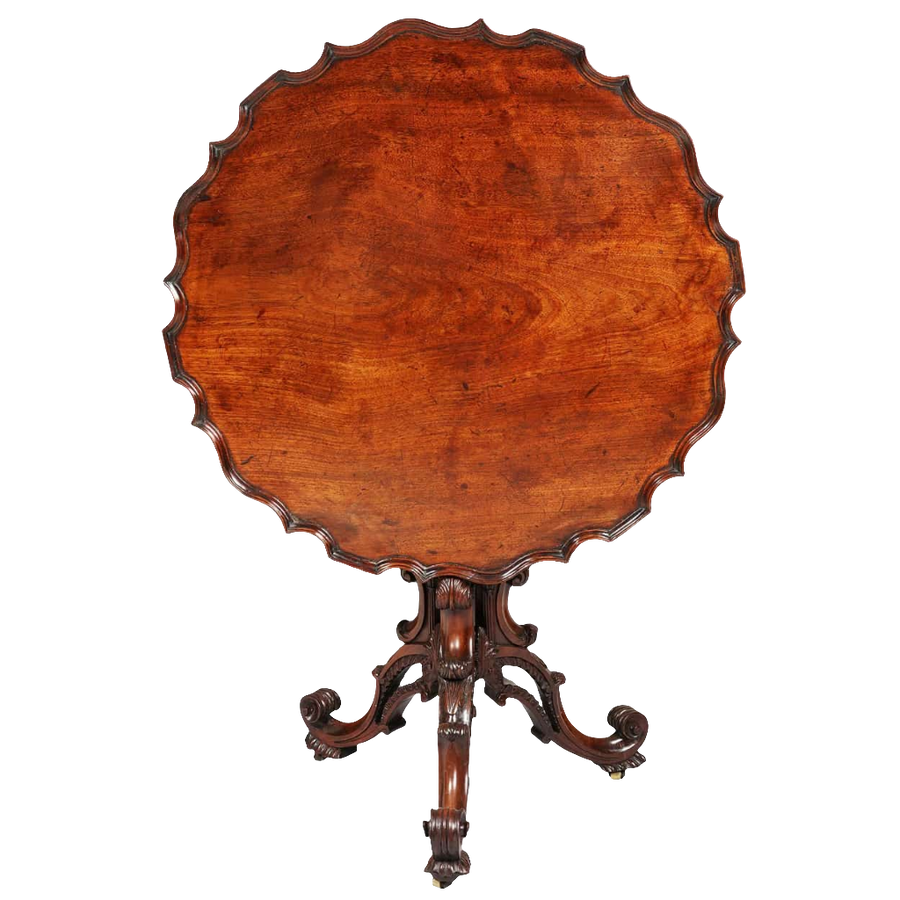
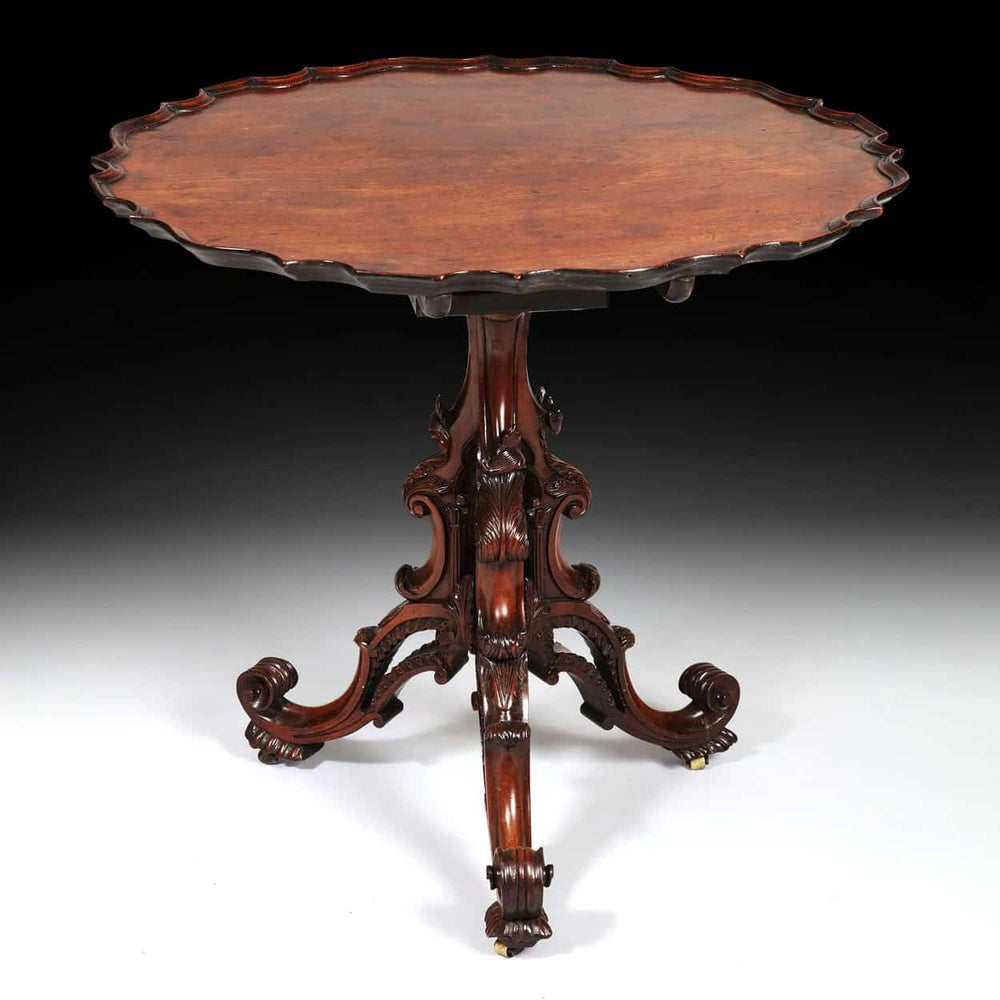
The marriage of historical craftsmanship with contemporary functionality requires a discerning eye and careful consideration of spatial dynamics. When incorporating antique writing tables for home office environments, the key lies in creating a harmonious dialogue between periods rather than forcing an awkward juxtaposition. A Georgian mahogany writing table, with its refined proportions and time-honoured patina, can serve as the commanding centrepiece of a thoroughly modern workspace whilst maintaining its dignified presence.
The secret to successful integration rests in understanding that antique furniture possesses an inherent architectural quality that contemporary pieces often lack. An 18th-century French bureau plat, for instance, brings gravitas and substance to an otherwise minimalist office design. The rich walnut grain and original brass hardware provide textural contrast against clean white walls and sleek technology. This juxtaposition doesn't diminish either aesthetic; rather, it elevates both.
Decor and Accessories
Contemporary seating choices prove essential when balancing comfort with historical authenticity. An ergonomic task chair in neutral leather or fabric allows extended working sessions whilst respecting the table's period integrity. Strategic placement of antique mirrors creates visual depth and reflects natural light, amplifying the workspace's sense of grandeur. Coordinate these elements with carefully selected contemporary art pieces to establish a sophisticated dialogue between past and present.
Lighting and Environment
Natural light exposure remains paramount for both the preservation of antique surfaces and the creation of an inspiring work environment. Position your antique writing table perpendicular to windows to maximise daylight whilst avoiding direct UV exposure that could damage original finishes. Complement this with period-appropriate antique lighting such as a brass banker's lamp or Georgian candlestick table lamp. These pieces provide atmospheric illumination whilst maintaining historical continuity.
Task lighting requires careful consideration. Modern LED desk lamps, when chosen with restraint, can provide necessary functionality without compromising the aesthetic. Opt for designs with brass or bronze finishes that echo the table's hardware, creating visual cohesion whilst meeting contemporary productivity demands.
Environmental control becomes crucial for preservation. Maintain consistent humidity levels between 45-55% and avoid placing antique writing tables near heating vents or radiators. The original patina and joinery represent centuries of careful stewardship; protecting these elements ensures your workspace remains both functional and historically significant for generations to come.
Top Antique Writing Tables for Home Offices: Our Recommendations
Selecting the finest antique writing tables for home office environments requires an appreciation for both historical significance and contemporary functionality. Our curated collection represents exceptional examples from distinguished periods, each offering unique characteristics that transform a workspace into a sanctuary of refined productivity.
Georgian and Regency Selections
The Georgian period produced some of the most architecturally sophisticated writing furniture in British history. A superb George III mahogany writing table, circa 1780, exemplifies the era's commitment to proportion and utility. These pieces typically feature leather-inset tops with tooled gold borders, complemented by an arrangement of drawers that provide discrete storage for modern office essentials. The patina on original brass hardware tells the story of centuries of scholarly pursuits.
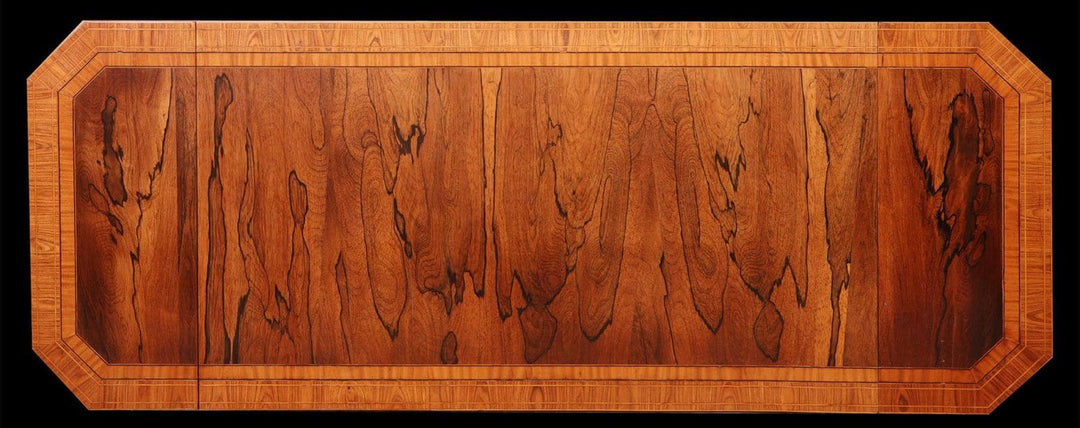
Regency examples showcase the period's fascination with classical antiquity. A distinguished rosewood writing table from circa 1815 might display ebony stringing and brass inlay work that catches natural light beautifully in contemporary home offices. The pedestal bases characteristic of this era offer excellent legroom whilst maintaining structural integrity that has endured for over two centuries.
These pieces command significant investment, reflecting their rarity and condition. Exceptional Georgian examples typically range from £8,000 to £25,000, whilst Regency specimens of museum quality may exceed £35,000. Our antique tables collection features carefully selected examples that demonstrate the finest craftsmanship of their respective periods.
Victorian and Edwardian Choices
Victorian writing tables offer remarkable versatility for different office configurations. A magnificent partners' desk from the 1860s provides dual workstations whilst serving as an impressive focal point. The substantial proportions accommodate multiple monitors and modern technology whilst maintaining the gravitas essential to serious professional endeavours.
Edwardian pieces demonstrate exceptional adaptability to contemporary needs. Inlaid satinwood writing tables from the early 1900s feature smaller footprints perfect for compact home offices, yet their sophisticated marquetry work elevates any interior scheme. The period's emphasis on comfort translates beautifully to modern ergonomic requirements.
These antique writing tables for home office use represent more than mere furniture; they embody centuries of intellectual tradition. Each piece carries the accumulated wisdom of previous owners, creating an atmosphere conducive to thoughtful work and creative inspiration.
Why Choose Nicholas Wells Antiques for Your Home Office Needs
When selecting antique writing tables for home office environments, the provenance and authenticity of each piece becomes paramount. Nicholas Wells Antiques has established itself as London's premier destination for discerning collectors seeking exceptional Georgian, Regency, and Victorian writing furniture that seamlessly integrates into contemporary professional spaces.
Our reputation rests upon three decades of sourcing the finest examples of 18th and 19th-century writing tables from distinguished English country houses and European estates. Each piece undergoes meticulous authentication processes, ensuring that clients receive furniture with impeccable provenance and documented historical significance. The surface patina on our antique writing tables remains untouched, preserving centuries of character that simply cannot be replicated in modern reproductions.
Our Expertise in Antique Furniture
The Nicholas Wells Antiques collection encompasses an unmatched selection of Chippendale partners' desks, Regency library tables, and Georgian writing boxes that transform any home office into a sanctuary of scholarly refinement. Our specialists possess intimate knowledge of period construction techniques, allowing them to identify the subtle distinctions between authentic pieces and later interpretations. This expertise proves invaluable when selecting antique writing tables for home office settings that demand both aesthetic excellence and functional reliability.
Customer Services and Benefits
Every acquisition from Nicholas Wells Antiques includes complimentary restoration services performed by master craftsmen who specialise in period-appropriate conservation techniques. This ensures your chosen writing table arrives in optimal condition whilst preserving its historical integrity. Our international shipping network extends to over forty countries, with specialised packing protocols developed specifically for antique furniture transportation.
Rather than maintaining a traditional walk-in gallery, we operate from our Mayfair address at 45 Albemarle Street through carefully curated appointments. This approach allows for personalised consultations where clients can examine potential acquisitions in detail, discuss placement within existing interiors, and receive expert guidance on complementary period accessories.
The showroom viewing experience provides an opportunity to appreciate the tactile qualities that distinguish exceptional antiques: the weight of solid mahogany, the precision of hand-cut dovetails, and the lustrous depth of original French polish finishes. These appointments can be arranged with flexibility to accommodate international clients and busy professionals seeking the perfect centrepiece for their home office environment.
Transform Your Workspace with Timeless Elegance
The selection of antique writing tables for home office spaces represents far more than a mere furniture acquisition; it constitutes an investment in centuries of craftsmanship and historical significance. Understanding the distinctive characteristics of Georgian, Regency, and Victorian writing tables, alongside proper evaluation of their condition and provenance, ensures that your chosen piece will serve both functional and aesthetic purposes for generations to come. The seamless integration of these distinguished antiques with contemporary technology and ergonomic requirements demonstrates that historical furniture can thrive within modern working environments.
Quality antique writing tables, particularly those featuring original hardware, exceptional patina, and documented provenance, continue to appreciate in value whilst providing unparalleled character to professional spaces. The investment in authentic period pieces, supported by proper restoration and conservation, guarantees both longevity and enduring beauty.
Discover our exquisite collection of antique writing tables, where each piece includes complimentary restoration, represents our expertly curated selection of rare antiques, and benefits from worldwide shipping. Your distinguished home office awaits its perfect centrepiece.
Frequently Asked Questions
What defines an antique writing table?
An antique writing table is a desk or table specifically designed for correspondence and literary pursuits, typically crafted before 1920 and bearing the distinctive characteristics of its historical period. These distinguished pieces often feature specialised compartments for inkwells, quills, and correspondence, alongside exquisite period details such as inlaid marquetry, ormolu mounts, or hand-carved embellishments. The finest examples showcase exceptional craftsmanship in materials ranging from mahogany and walnut to exotic woods like kingwood or tulipwood, each bearing the authentic patina that only centuries of careful use can bestow.
How do I verify the authenticity of an antique table?
Authenticating an antique requires examining construction techniques, materials, and hardware that align with the purported period of manufacture. Genuine 18th and 19th-century pieces display hand-cut dovetails, mortise-and-tenon joinery, and period-appropriate brass fittings with natural wear patterns. The surface patina should appear consistent and naturally developed, whilst any maker's marks or provenance documentation significantly enhance authentication. At Nicholas Wells Antiques, our scholarly expertise in period furniture ensures that each piece undergoes rigorous authentication before joining our distinguished collection.
What are the benefits of an antique writing table over modern desks?
Antique writing tables for home office use offer unparalleled craftsmanship, superior materials, and timeless design that appreciates in value rather than depreciating like contemporary furniture. These exceptional pieces feature solid wood construction that can endure for centuries, whilst their classical proportions and refined details create an atmosphere of scholarly distinction impossible to achieve with mass-produced alternatives. The investment potential alone makes these pieces attractive, with fine Georgian and Regency examples appreciating by 15-25% over the past decade according to Art Market Research data.
How can I maintain my antique writing table?
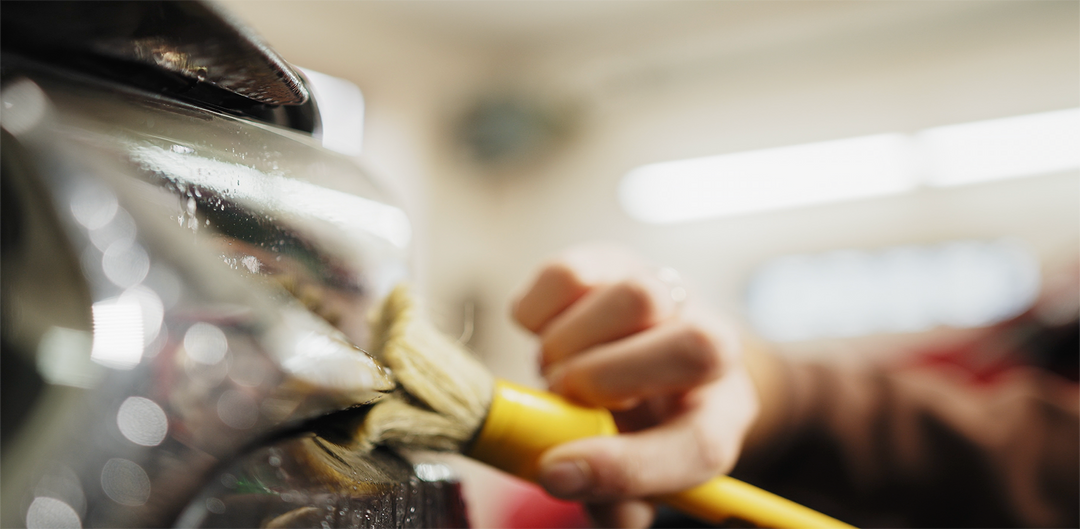
Proper maintenance requires gentle cleaning with museum-quality wax polish applied every 6-8 months, avoiding harsh chemicals or excessive moisture that could damage the historic patina. Position your table away from direct sunlight and maintain consistent humidity levels between 45-55% to prevent wood movement and cracking. Regular dusting with a soft cloth and immediate attention to any spills will preserve the surface integrity. Professional conservation services can address more significant concerns whilst maintaining the piece's historical authenticity and value.
What styles of antique writing tables are best for modern offices?
Georgian and Regency writing tables offer the most versatile integration with contemporary interiors, featuring clean lines and proportional elegance that complement modern design sensibilities. French Empire and English Chippendale styles provide dramatic focal points, whilst smaller Georgian ladies' writing tables suit compact spaces perfectly. The key lies in selecting pieces with functional drawer configurations and appropriate working surfaces that accommodate modern technology whilst maintaining their historical integrity and sophisticated aesthetic appeal.
Is restoration included with my purchase from Nicholas Wells Antiques?
Nicholas Wells Antiques includes professional conservation services with qualifying purchases, ensuring each piece arrives in optimal condition for immediate use and enjoyment. Our restoration specialists employ traditional techniques and materials to preserve historical authenticity whilst addressing any functional requirements for modern use. This comprehensive service reflects our commitment to maintaining the highest standards of curatorial care, allowing you to enjoy your investment with complete confidence in its condition and provenance.
Leave a comment