



Common Interior Design Mistakes: A Connoisseur’s Guide to Avoiding the Showroom Trap
The most expensive room in a home is often the one that was furnished entirely within a single afternoon at a contemporary showroom. You've likely experienced that unsettling coldness in a space that, despite its significant financial investment, lacks the resonance of a lived-in history. This sterility is among the most common interior design mistakes homeowners make when decorating themselves, often resulting from a reliance on mass-produced items that lack the soul found in objects of true provenance. At Nicholas Wells Antiques, we've spent over 20 years observing how a single 18th-century piece can anchor a room that otherwise feels untethered.
You'll learn how to transcend these decorating errors by embracing historical depth, scale, and the irreplaceable character of authentic antiques. We will examine how to layer 18th-century mahogany with modern life to ensure your residence possesses the gravitas of a private collection. From the delicate ormolu of a French commode to the intricate details of Islamic armour, we'll preview the art of selecting pieces with an authentic surface patina. While our presence extends to 169 Piccadilly, please note our Mayfair showroom at 45 Albemarle Street is open strictly by appointment to provide a dedicated experience for our clients.
Key Takeaways
- Learn to transcend the sterile 'showroom' aesthetic by introducing historical tension and avoiding the uninspiring perfection of modern, coordinated furniture sets.
- Master the art of scale and proportion to correct common interior design mistakes homeowners make when decorating themselves, ensuring every piece respects the architectural volume of the room.
- Recognise the irreplaceable value of surface patina and provenance, understanding how the physical evidence of history provides a soul that new manufacture cannot replicate.
- Develop a framework for sophisticated interiors by selecting a significant 18th or 19th-century anchor piece and layering periods to create a space of scholarly depth.
- Discover the benefits of a private, by-appointment approach to acquisition, ensuring your collection consists of extraordinary objects with documented historical integrity.
The Perils of the 'Showroom' Aesthetic: Why Matching is a Mistake
One of the most common interior design mistakes homeowners make when decorating themselves is the pursuit of total cohesion. This impulse often leads directly into the 'Showroom Trap', a stylistic dead end where every piece of furniture is new, perfectly coordinated, and utterly devoid of historical tension. While the symmetry of a matched set might offer a fleeting sense of order, it lacks the depth required for a truly sophisticated home. A space without contrast is a space without a soul. At Nicholas Wells Antiques, we've observed that the most compelling interiors are those that embrace a dialogue between different eras.
Perfection in a room often results in a sterile, uninviting atmosphere that feels temporary rather than lived-in. When every finish is identical, the eye finds no place to rest or wonder. True luxury thrives on the unexpected. By adhering too strictly to fundamental design principles without allowing for personal expression, homeowners inadvertently create environments that feel like stage sets. A home's soul emerges at the intersection of varied textures, where a 1780s patina meets the crisp lines of modern upholstery. It's the difference between a 'purchased set' and a 'curated collection' that has been assembled with patience and an eye for quality.
The Downfall of the Matching Furniture Suite
Buying an entire dining set or bedroom suite from a single manufacturer is a guaranteed way to kill individuality. It signals a lack of confidence in one's own taste. To create visual tension, one might pair a magnificent 19th-century antique dining room table with a set of varied seating or even contemporary chairs. This juxtaposition breaks the 'catalogue' look, ensuring the room feels evolved. Sourcing unique, one-off pieces from different origins prevents the space from feeling like a 2024 retail floor. It transforms a functional room into a gallery of personal history.
Ignoring the Power of Personal Provenance
Excluding objects with a story is a significant aesthetic error. A home shouldn't just be decorated; it should be curated with connoisseurship. A single, well-placed Grand Tour object, such as a bronze model of a classical ruin or a marble obelisk, serves as a sophisticated conversation starter. These items carry the weight of their historical journey, providing a narrative that a mass-produced accessory can't replicate. Transitioning from 'decorating' to true connoisseurship involves valuing the surface patina and the unique heritage of an object. You can explore these extraordinary pieces by appointment at our Mayfair location, where we focus on the conservation of history rather than the trends of the moment.
Neglecting Scale, Proportion, and Architectural Integrity
The most pervasive technical error in high-end interiors involves a fundamental misunderstanding of volume. When addressing common interior design mistakes homeowners make when decorating themselves, one frequently observes furniture that is either too timid or aggressively dominant for its surroundings. A grand Regency drawing room, for instance, demands a sensitivity to vertical scale. If you fail to utilise the full height of a 12-foot ceiling, the room feels cavernous and disconnected. Architectural focal points, such as a carved marble chimneypiece or an original plaster cornice, must act as the room's anchor, dictating the height and weight of every subsequent addition.
Creating a balanced vignette requires more than just placing objects on a surface. The 'Rule of Three' suggests that groupings in odd numbers are more visually appealing; they create a sense of movement that even numbers lack. By varying heights and textures, perhaps placing a 19th-century bronze sculpture alongside a shorter porcelain vase and a leather-bound volume, you establish a narrative flow. This technique assists in avoiding a 'showroom' look, ensuring the space feels curated over decades rather than assembled in an afternoon. Proper proportion ensures that the eye travels across the room in a rhythmic, intentional manner.
The 'Timid Mirror' Syndrome
Small, contemporary mirrors often perish on the expansive walls of a period property. They lack the architectural weight necessary to command the space and often look like an afterthought. Nicholas Wells Antiques frequently highlights the transformative power of antique mirrors to solve this issue. A 19th-century French giltwood pier mirror, with its original mercury glass and deep, authentic patina, creates a vertical axis that draws the eye upward. A well-placed overmantel mirror does more than reflect light; it introduces 18th-century grandeur and doubles the perceived depth of the room.
Misunderstanding Furniture Volume
Floating a sofa in the centre of a large room without a grounding element is one of the common interior design mistakes homeowners make when decorating themselves. It creates a sense of drift that unsettles the inhabitant. An antique centre table can define a room's axis, providing a pivot point for movement and a surface for scholarly displays. It's vital to balance heavy pieces, such as a 19th-century mahogany commode with its rich, dark grains, against lighter-profile seating. This interplay of weights prevents the room from feeling bottom-heavy or cluttered. If you're looking to refine your layout, you might consider how a carefully selected period piece provides the necessary gravitas to ground your design while maintaining a sophisticated flow.
The Error of 'Erasure': Ignoring Patina and Provenance
One of the most common interior design mistakes homeowners make when decorating themselves is the pursuit of a sterile, showroom-fresh aesthetic that ignores the narrative weight of history. This "erasure" occurs when a collector mistakes the dignified signs of age for mere dirt or obsolescence. In the world of high-end connoisseurship, the physical evidence of a piece’s journey is its most valuable asset. True luxury isn't found in the uniform gloss of a factory floor; it's found in the depth of a surface that has survived the centuries.
Surface patina represents the gentle oxidation and wear that settle into the grain of timber or the crevices of bronze. Collectors prize this because it provides a visual depth that modern finishes cannot replicate. When a homeowner over-restores a piece, they don't just clean it; they strip away its soul. The flat, plastic-like sheen of modern lacquers pales in comparison to the luminous complexity of 18th-century French ormolu or the intricate, hand-cut marquetry found in fine antique furniture. Professional designers often remark that beyond the surface, getting scale and proportion right remains a significant hurdle when integrating these historical treasures into a contemporary setting.
The Value of the Original Surface
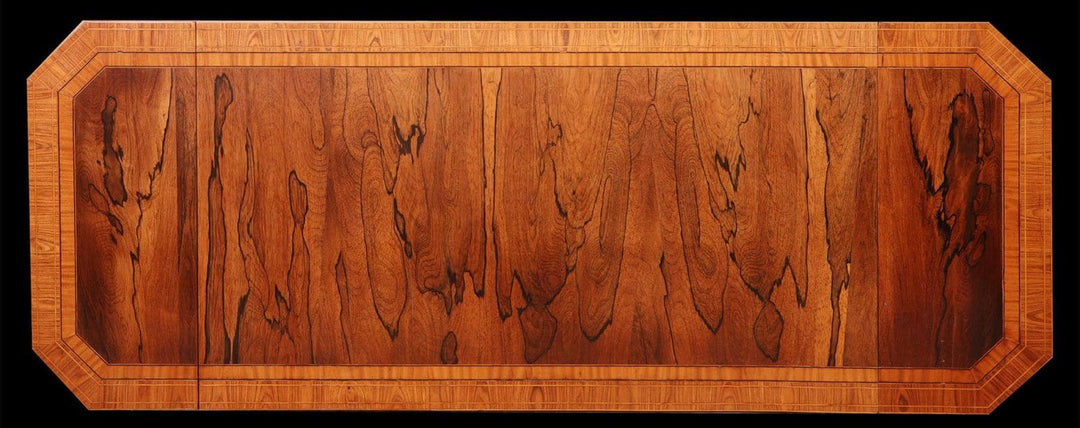
A 19th-century finish with slight, honest wear is infinitely more desirable than a modern reproduction that attempts to mimic age through artificial distressing. There is a specific, honeyed glow to aged mahogany and walnut that develops over two hundred years of wax and sunlight. This "skin" of the object is a testament to its authenticity. Patina is the irreplaceable record of a piece's survival through centuries. Preserving this surface is an act of historical conservation that maintains the object's market value and aesthetic integrity.
The 'Newness' Trap in Luxury Design
High-end homes often feel hollow or "soulless" when every surface is brand new. This lack of character is a frequent byproduct of the common interior design mistakes homeowners make when decorating themselves, as they often prioritise coordination over character. There is immense prestige in owning an object with documented provenance from a distinguished estate, such as a superb European work of art that once graced a ducal palace.
At Nicholas Wells Antiques, the restoration process prioritises the 'soul' of an object, ensuring that any intervention is sympathetic to its history. We understand that a piece of furniture is a cultural artifact first and a functional item second. To explore our collection of rare objects and furniture, we invite you to visit our showroom by appointment at 45 Albemarle Street, Mayfair. While we maintain a mailbox at 169 Piccadilly, our curated treasures are best experienced through a private viewing where the nuances of patina and provenance can be fully appreciated.
Curating with Intention: A Framework for Balanced Interiors
One of the common interior design mistakes homeowners make when decorating themselves is the pursuit of a "coordinated" look that inadvertently mimics a sterile showroom floor. To avoid this, start with a singular anchor piece. This should be a significant 18th or 19th-century acquisition, perhaps a George III mahogany library table with a rich, untouched surface patina. Once this foundation is laid, layer the room across centuries. A 1920s Art Deco console provides a sharp, geometric counterpoint to the soft curves of a Regency armchair, creating a visual tension that defines a sophisticated space.
The Art of the Mix: Periods and Origins
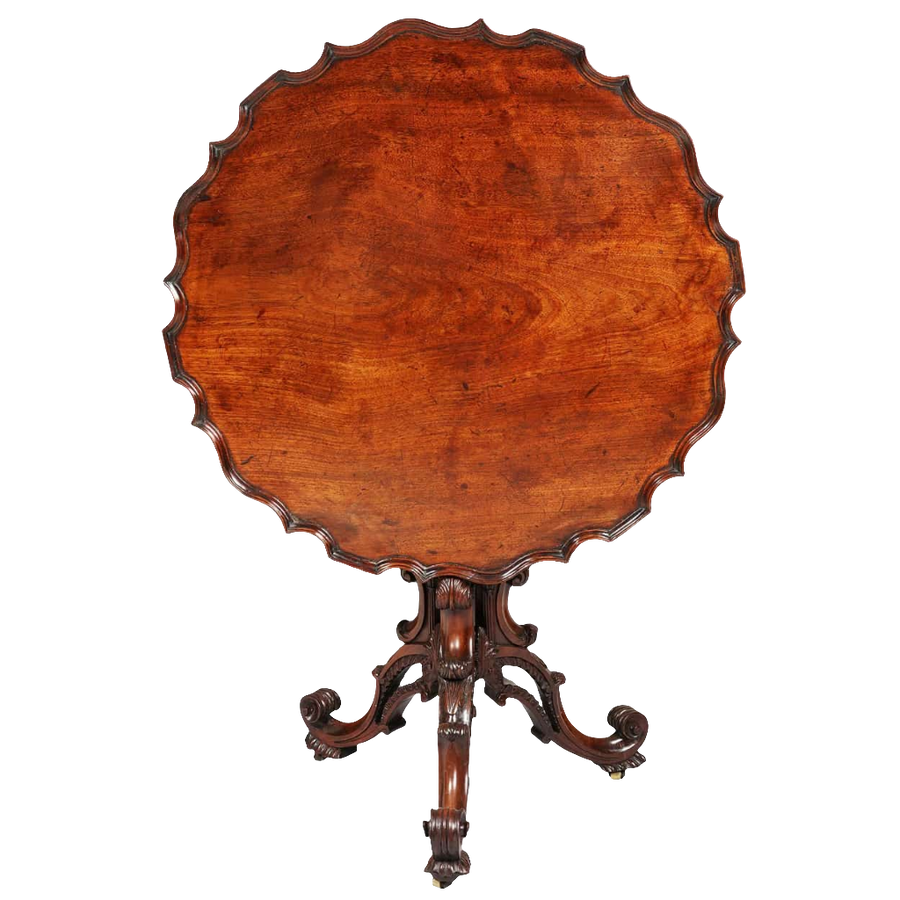
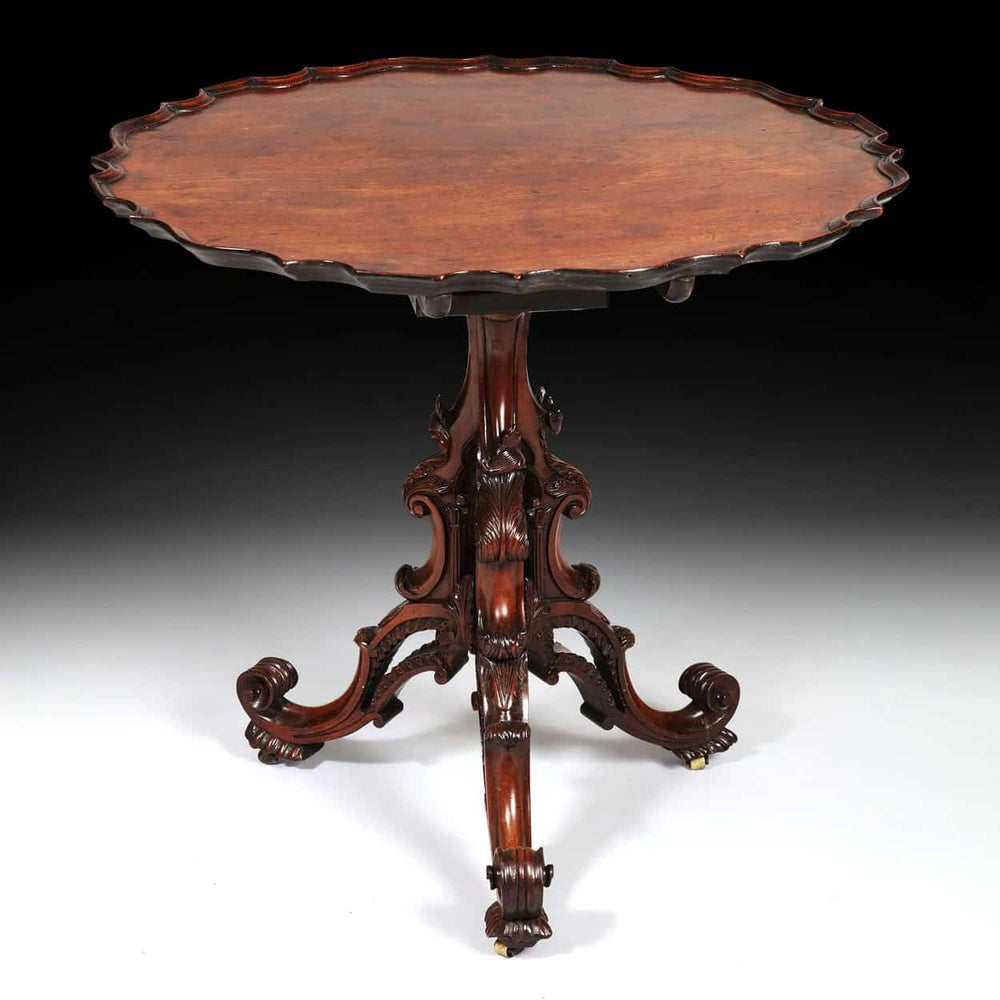
An interior gains its soul through the juxtaposition of disparate cultures and eras. Consider how an 18th-century Irish mahogany table, known for its robust carving and distinct provenance, sits beautifully alongside the delicate, shimmering ormolu of a French giltwood mirror. This dialogue between the scholarly and the exotic creates a narrative of global travel and intellectual curiosity. By integrating niche categories, such as 19th-century Oceanic war clubs or Grand Tour bronze obelisks, you avoid the repetitive nature of common interior design mistakes homeowners make when decorating themselves. This approach ensures your home feels collected over decades, even if the pieces were sourced in a single afternoon.
Elevating the Everyday with Objets de Luxe
Homeowners often overlook the quiet potential of small surfaces like desks and side tables. These areas are opportunities to display connoisseurship through boxes, caddies, and caskets. A 19th-century tortoiseshell tea caddy or a rare Dunhill lighter adds a layer of tactile luxury that modern accessories cannot replicate. These items possess a weight and history that ground a room. At Nicholas Wells Antiques, we focus on the conservation of history, ensuring each object retains the character earned through centuries of use.
Atmosphere is frequently sacrificed for utility in modern homes. Moving beyond recessed LEDs to antique lighting transforms a space from a mere room into a sanctuary. A pair of 19th-century bronze candelabra, professionally restored, provides a warm, directional glow that highlights the marquetry of your furniture. While our presence in Mayfair at 45 Albemarle Street places us at the heart of the London art world, we operate by appointment to ensure each client receives our full, scholarly attention. This bespoke service includes antique restoration and international shipping for every piece in our collection.
The Nicholas Wells Approach: Investing in Extraordinary Objects
Nicholas Wells Antiques serves as a sophisticated bridge between the historical grandeur of the 18th and 19th centuries and the exacting requirements of modern luxury living. Many common interior design mistakes homeowners make when decorating themselves involve the prioritisation of convenience over character, leading to spaces that feel temporary rather than timeless. Our philosophy rejects the "showroom trap" by treating every object as a significant cultural artifact with a unique soul. We focus on the conservation of history, ensuring that the magnificent surface patina and structural integrity of each piece are preserved for future generations.
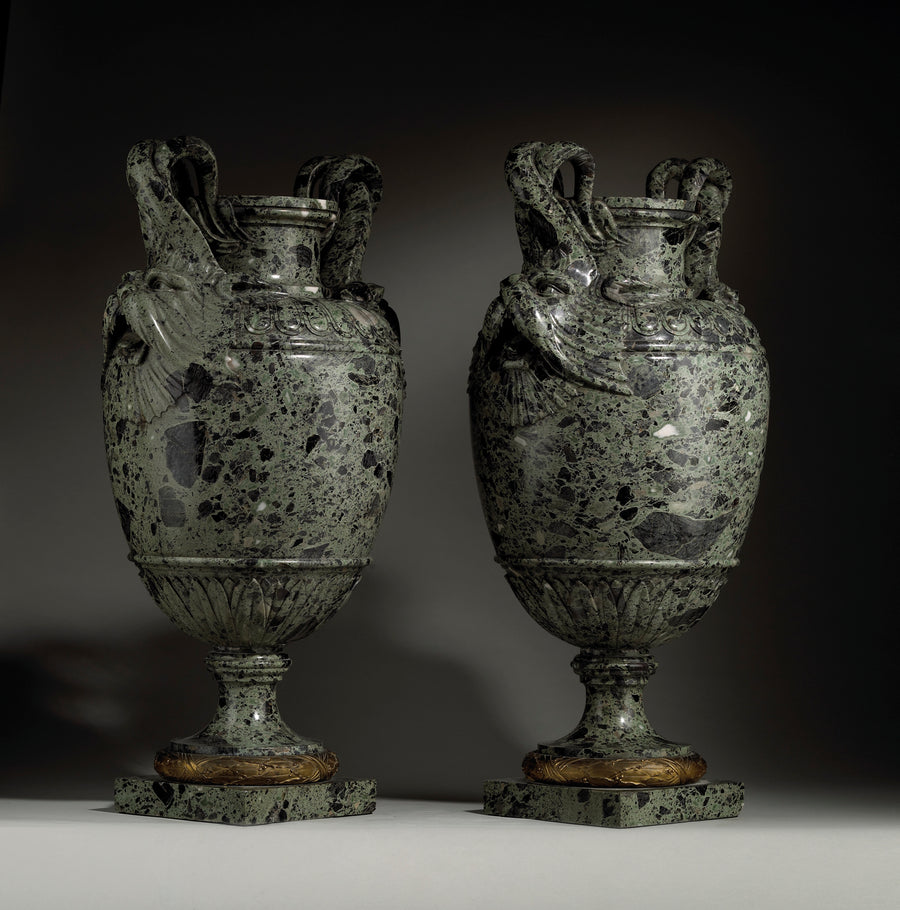
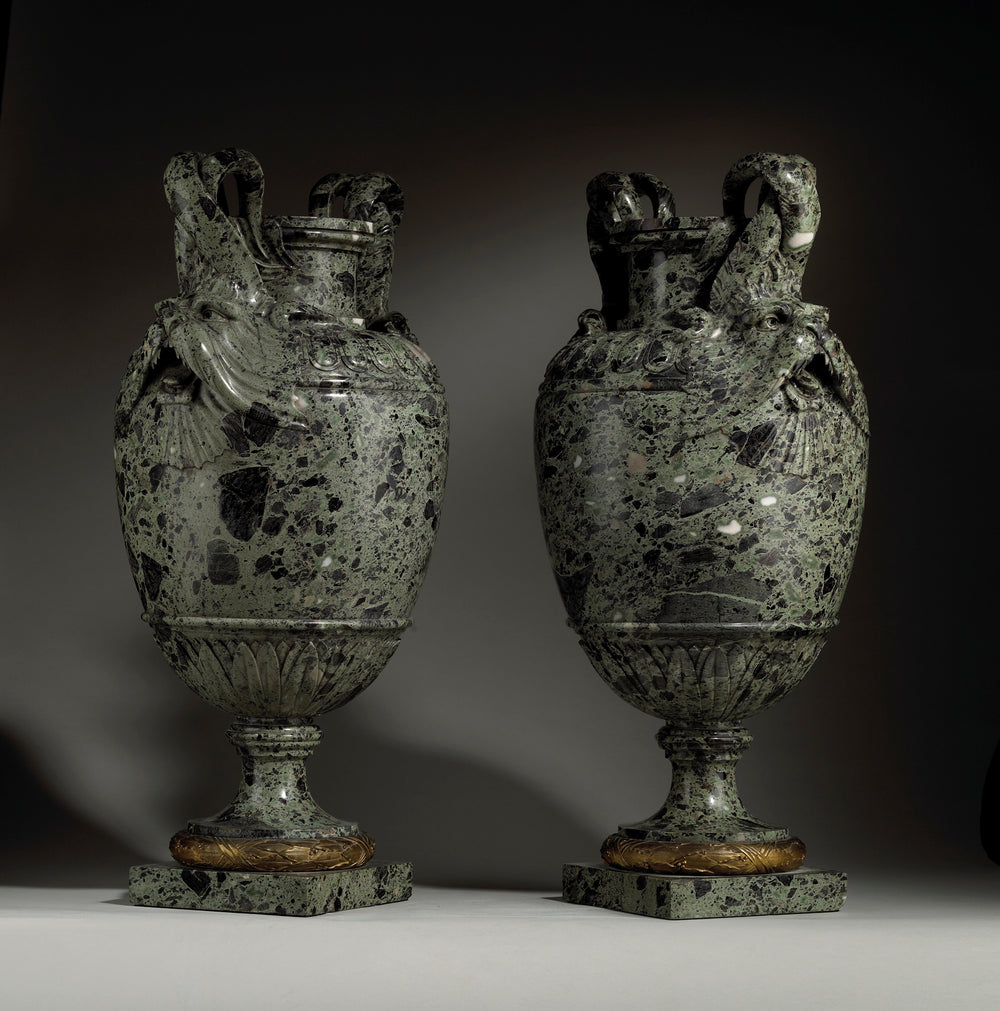
Investing in a rare Regency library table or a superb pair of French ormolu mounted vases is more than a decorative choice; it's a commitment to quality that transcends commercial trends. Our inventory is curated with a scholarly eye for detail, focusing on provenance and rarity. We help clients move beyond the assembly-line aesthetic, guiding them toward objects that offer both aesthetic pleasure and long-term value. By selecting pieces with historical weight, you create an environment that reflects a deep appreciation for global heritage and master craftsmanship.
A Showroom Experience by Appointment
While our brand is deeply rooted in the prestige of Mayfair and Piccadilly, we operate with a private, consultation-led model to provide the highest level of service. We don't maintain a traditional walk-in retail gallery at 169 Piccadilly. Instead, we welcome clients to our location at 45 Albemarle Street by appointment only. This ensures that every visitor receives the undivided attention of Nicholas Wells, allowing for a quiet, immersive exploration of our collection. This scholarly environment is particularly beneficial for international clients who wish to build world-class collections from London with the guidance of a trusted advisor.
Beyond the Transaction: Restoration and Shipping
The acquisition of a fine antique is only the beginning of its journey. To ensure the longevity and beauty of your investment, expert antique restoration is included with every purchase. Our craftsmen understand the nuances of marquetry, gilding, and traditional finishes, working meticulously to maintain the object's authentic character. This dedication to quality helps homeowners avoid the common interior design mistakes homeowners make when decorating themselves, such as neglecting the maintenance of historical surfaces.
We provide total peace of mind through fully insured, professional international shipping. Every item is packed to museum standards and tracked until it reaches its final destination, whether that is a penthouse in New York or a villa in the South of France. Our global logistics network ensures that the transition from our Mayfair showroom to your home is seamless and secure.
Explore our curated collection of fine antique furniture and works of art to find the next extraordinary addition to your interior.
Crafting a Legacy Through Curated Interiors
Avoiding the common interior design mistakes homeowners make when decorating themselves requires a shift from mere consumption to true connoisseurship. A home shouldn't mirror a sterile showroom floor; instead, it's a canvas for historical depth. By prioritising the surface patina of an 18th-century mahogany desk or the intricate ormolu of a 19th-century giltwood mirror, you create a space that feels earned rather than bought. These singular objects provide a sense of permanence that transient modern pieces simply can't replicate.
Nicholas Wells Antiques specialises in sourcing these extraordinary items, from rare Regency furniture to scholarly Grand Tour objects. We ensure that the conservation of history remains at the forefront of every acquisition. Every purchase includes expert antique restoration to maintain the piece's soul. While we maintain a presence at 45 Albemarle Street in Mayfair, near Piccadilly, we invite you to view our collection by appointment to experience the quality firsthand. We provide fully insured worldwide shipping from our London centre to guarantee your investment arrives in pristine condition. It's time to stop decorating and start curating a collection that tells your unique story.
Discover extraordinary antiques for your home at Nicholas Wells Antiques
Frequently Asked Questions
What is the most common mistake homeowners make when buying antiques?
The most prevalent error is prioritizing decorative utility over provenance and the piece's historical integrity. Many collectors mistakenly acquire items that lack a documented lineage, often overlooking the 18th century craftsmanship that defines a true investment. This oversight is among the common interior design mistakes homeowners make when decorating themselves, as it leads to a collection that feels transient rather than curated.
How do I mix different furniture periods without the room looking messy?
Successful eclecticism relies on finding a shared narrative through material quality or silhouette. You might pair a 19th century French commode with a sleek Art Deco console by ensuring their surface patinas share a similar depth of age. This approach prevents a room from appearing cluttered; it creates a dialogue between eras that feels intentional and sophisticated to the trained eye.
Is it a mistake to use antiques in a modern, minimalist home?
Incorporating a singular, exceptional antique into a minimalist setting provides a necessary anchor for the room's visual weight. An 18th century Irish mahogany table or a rare piece of Oceanic art serves as a sculptural focal point against a neutral backdrop. This juxtaposition highlights the object's unique soul while preventing the modern space from feeling sterile or devoid of history.
Why is 'surface patina' so important to interior designers and collectors?
Surface patina represents the physical record of an object's 200 year journey through time. To a connoisseur, this delicate layer of oxidation and wear is a hallmark of authenticity that shouldn't be polished away. It distinguishes a genuine 18th century piece from a modern reproduction; it's the very essence of the conservation of history that Nicholas Wells Antiques champions.
Can I visit the Nicholas Wells Antiques gallery in London without an appointment?
Visiting the Nicholas Wells Antiques collection is strictly by appointment to ensure each client receives dedicated expertise. While we maintain a presence at 45 Albemarle Street in Mayfair, we don't operate a traditional walk-in retail storefront at 169 Piccadilly. This private arrangement allows us to provide a bespoke viewing experience for serious collectors and interior designers seeking rare decorative arts.
What should I look for to ensure an antique piece is authentic?
Verification of authenticity requires a meticulous examination of construction techniques and documented provenance. Look for 18th century joinery methods, such as hand-cut dovetails, and the specific use of secondary woods like oak or pine. A reputable dealer provides a detailed narrative of the piece's origin, ensuring that every Regency chair or Georgian cabinet is a magnificent example of its period.
How do I choose the right scale mirror for a high-ceilinged room?
A high-ceilinged room demands a mirror that occupies at least two-thirds of the available wall height to maintain architectural balance. For a 4 metre ceiling, a grand 19th century French giltwood pier mirror provides the necessary verticality and presence. Choosing an undersized piece is one of the common interior design mistakes homeowners make when decorating themselves, as it fails to command the room's grand proportions.
Does Nicholas Wells Antiques offer shipping for international buyers?
Nicholas Wells Antiques provides comprehensive international shipping services to collectors across the globe. Our logistics team manages the delicate crating and transport of everything from heavy marble obelisks to fragile 18th century marquetry. We ensure that every acquisition arrives in superb condition, with all necessary customs documentation handled with professional precision and care.

Leave a comment