



Common Mistakes When Buying Antiques Online: A Connoisseur’s Guide
Acquiring fine antiques online is not merely a transaction; it is an act of curating history. For the discerning collector, the digital landscape offers unprecedented access to the world’s treasures, yet it is fraught with subtle pitfalls that can lead to costly disappointment. Success depends on a shift in perspective: prioritising the irreplaceable character of an object’s “original surface” and the scholarly expertise of a specialist dealer over the seductive simplicity of a digital image. This guide illuminates the most common mistakes when buying antiques online and provides the connoisseur’s framework for navigating the complexities of digital acquisition, ensuring your next investment is a masterpiece of history, quality, and enduring value.
The Trap of the Digital Veneer: Misinterpreting Online Photography
The most pervasive error in online antique acquisition is mistaking a high-resolution photograph for a comprehensive assessment. Digital imagery, no matter how detailed, can be a deceptive veneer, obscuring the nuances that determine an object’s true worth and historical integrity. Understanding what to look for beyond the initial visual appeal is the first step toward becoming a masterful online collector.
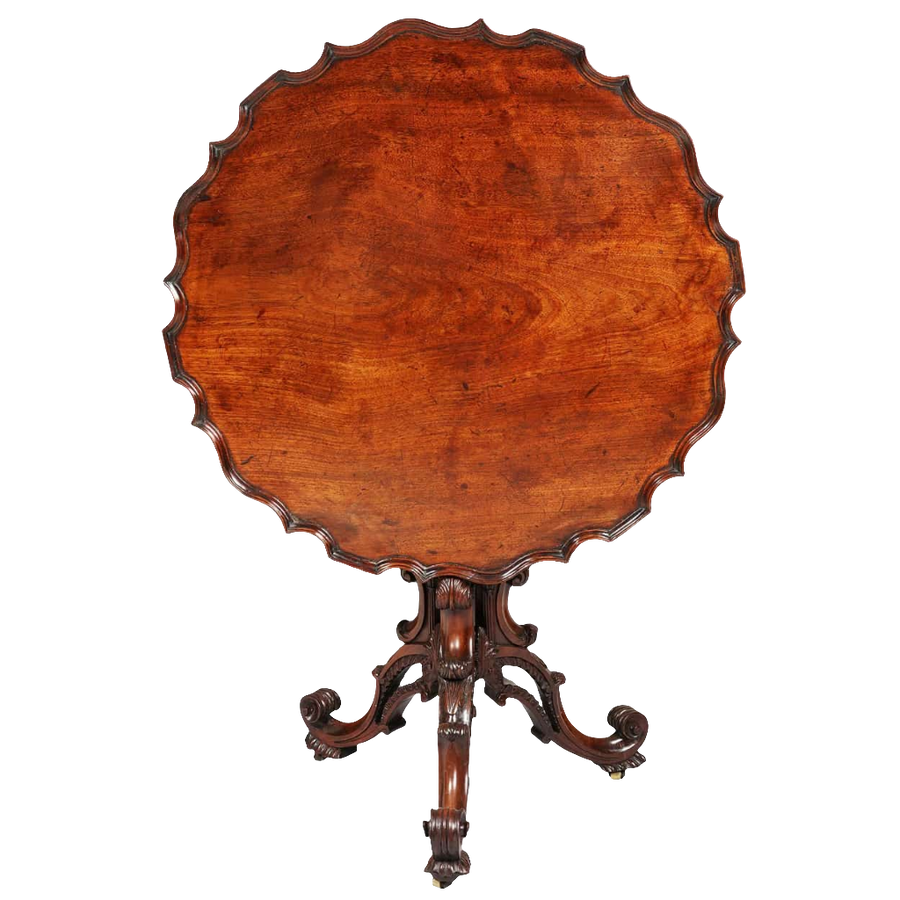
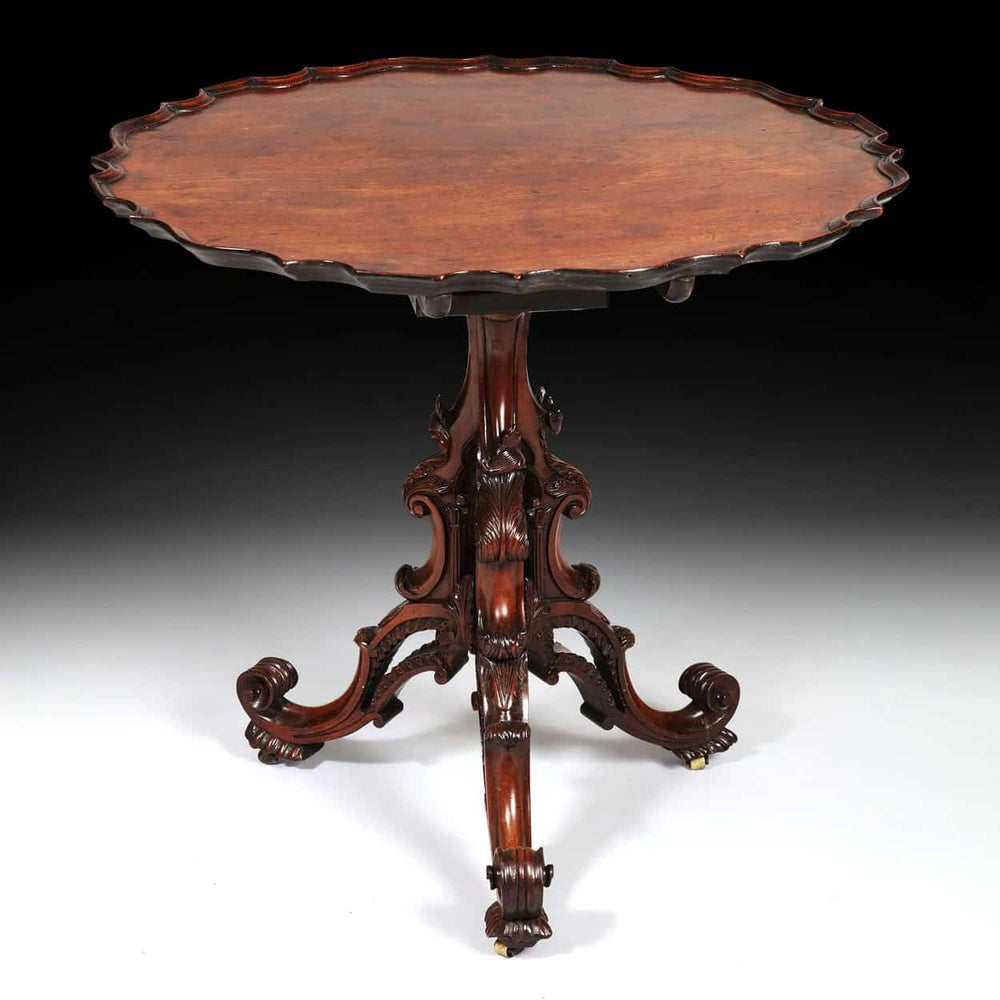
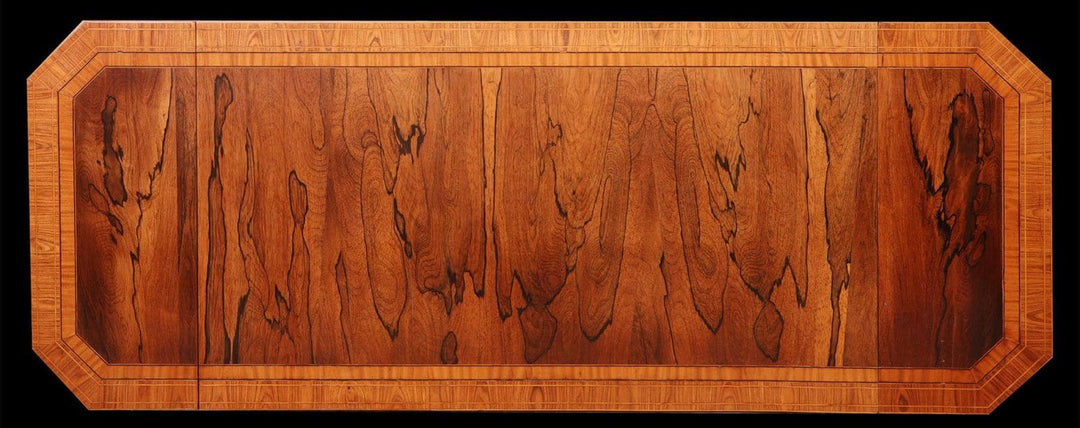
- Defining 'Surface Patina': The conservation of an original finish, or patina, is paramount to an antique's value. This complex surface, built up over centuries through polishing, handling, and exposure to its environment, tells the story of the object.
- The 'Perfection' Fallacy: A common mistake is seeking items that appear flawless. A piece that looks too perfect may be a modern reproduction or, equally damaging to its value, an over-restored antique stripped of its historical character.
- The Limits of Imagery: High-resolution photographs are essential but insufficient on their own. They must be accompanied by a detailed condition report from a specialist who can interpret the subtle signs of age, repair, and authenticity that a camera lens cannot convey.
- Understanding 'Original Surface': The original surface is the irreplaceable historical character of a piece's exterior, a delicate chronicle of its journey through time.
The Importance of Surface Patina
The soul of an antique resides in its surface. For example, a fine Georgian mahogany sideboard should exhibit a deep, warm glow with a rich colour and subtle variations that can only be achieved through generations of care. In digital photographs, look for a lustre that appears to emanate from within the wood itself. A “dead,” flat, or overly shiny surface often suggests it has been recently refinished, a process that strips away the historical layers and significantly diminishes the piece's value and integrity.
Requesting Multi-Angle Documentation
To verify authenticity, a specialist dealer should be willing and able to provide comprehensive documentation beyond standard gallery shots. Do not hesitate to request specific images that reveal the truth of an object’s construction.
- Construction Details: Ask for clear photographs of the underside, interior joinery (such as hand-cut dovetails), and backboards. These elements provide crucial evidence of 18th-century construction techniques that are rarely replicated with accuracy.
- Verifying Originality: When assessing an item like a Chippendale mirror, enquire about the glass. Original mercury glass possesses a soft, often slightly hazy or sparkly reflection with minor imperfections, a quality distinct from the flawless, brighter reflection of a later replacement plate.
Evaluating Authenticity and Provenance from a Distance
Beyond the physical object lies its narrative—its history of ownership and its place in the timeline of decorative arts. Ignoring this is a significant error, as an antique without a story is an object stripped of its context and, often, its long-term value. Verifying authenticity from afar requires a reliance on dealer expertise and a clear understanding of historical nomenclature.
- The Provenance Imperative: A common error is to overlook the provenance, or the documented history, of an object. This narrative can substantially increase an item's value and desirability.
- Period vs. 'Style Of': It is crucial to understand the distinction between a piece made during a specific period (e.g., "Regency") and one made later "in the style of" that period. The former is a genuine antique; the latter is a reproduction with a fraction of the value.
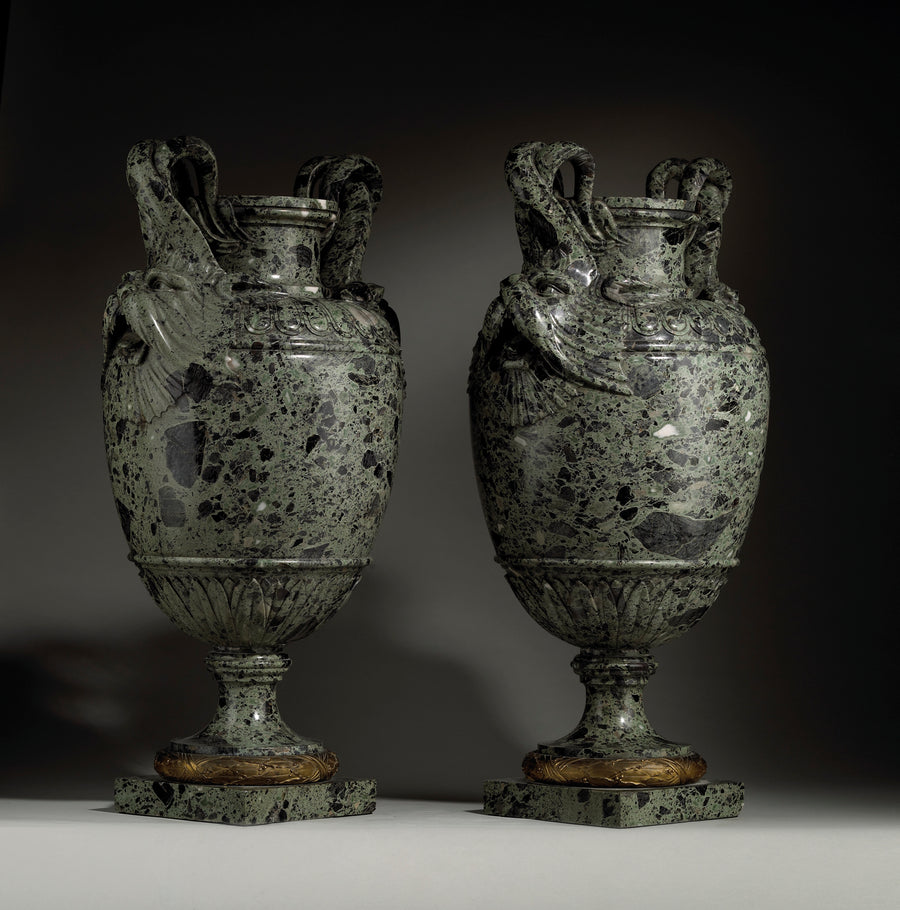
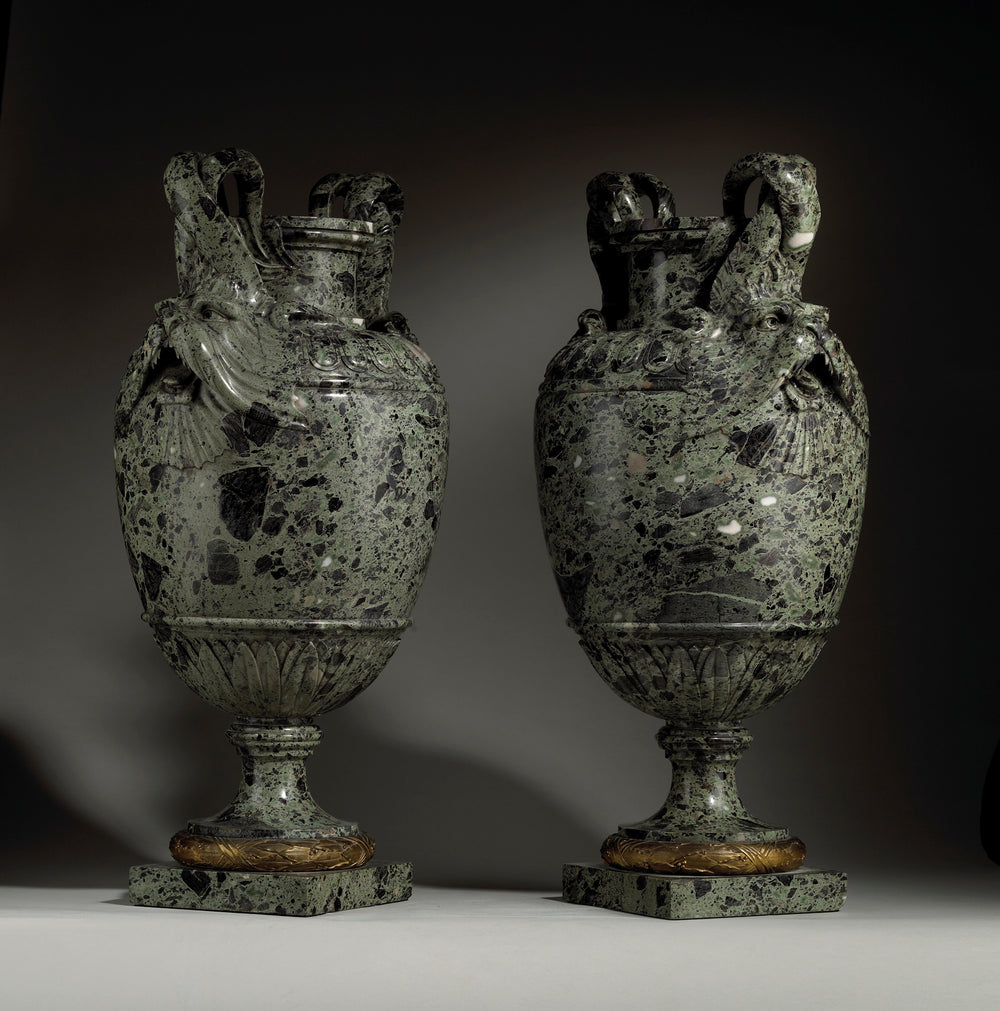
- Niche Expertise: Specialist categories, such as Grand Tour objects or Islamic arms and armour, demand profound dealer expertise that cannot be found on generalist platforms.
- The Credibility of a Specialist: The credibility of a dealer is paramount. An established reputation, particularly from a world-renowned centre for antiques like London, provides a layer of assurance for international buyers.
Mastering Period Nomenclature
Confusing historical styles is a frequent mistake. For instance, while both are part of a continuum of English classicism, Regency and Georgian styles have distinct characteristics. The restrained, architectural forms of the Georgian era differ from the more archaeological and often decorative forms of the Regency. This distinction is vital for building a coherent and valuable collection. An authentic Irish pier mirror from the 18th century, for example, will display a unique quality of hand-carved decoration and design that separates it from later interpretations.
The Role of the Specialist Gallery
For high-value acquisitions, such as a fine Regency dining table, generalist online platforms like eBay or Etsy present considerable risks. These marketplaces lack the scholarly vetting and accountability of a specialist gallery. Nicholas Wells Antiques serves as a curatorial alternative, where every item is meticulously researched and its authenticity and condition are guaranteed, providing collectors with the confidence to invest from anywhere in the world.
The Logistics of Luxury: Shipping and Restoration Pitfalls
For the international collector, the journey of an antique from a London gallery to a residence in the United States is a critical phase of the acquisition. Underestimating the complexity of this process is a mistake that can lead to irreversible damage and financial loss. The logistics of fine art require the same level of specialisation as its curation.
- Choosing the Right Shipper: A costly error is opting for standard couriers over professional fine art shippers. The latter are trained in handling delicate, high-value objects for worldwide delivery.
- Seamless US Delivery: A seasoned dealer will have established protocols for seamless, white-glove shipping to discerning clients in US regions including the Hamptons, Greenwich, New York, and across Texas and California.
- The Value of Included Restoration: The often-overlooked value of 'complimentary restoration', included with a purchase, acts as a crucial safeguard for your investment, ensuring the piece is stable and ready for display upon arrival.
- The Non-Negotiable Requirement: For any high-value antique, fully insured, professionally managed worldwide shipping is a non-negotiable requirement.
Navigating International Fine Art Shipping
The safe passage of a fragile antique across the Atlantic depends entirely on the quality of its handling. Professional crating is essential, particularly for delicate items like ornate gilt chandeliers or furniture with intricate marquetry. For collectors in San Francisco or Dallas, "white-glove" delivery is the standard, ensuring that the piece is not merely left at the kerb but is carefully unpacked, inspected, and placed within the home by trained professionals.
The Restoration Safeguard
Attempting DIY restoration on a newly acquired antique is one of the most damaging mistakes a collector can make. The improper use of modern varnishes or cleaning agents can permanently devalue a piece. The Nicholas Wells model of including complimentary, expert restoration within the purchase price removes this risk. Each piece undergoes meticulous conservation by master craftspeople before it is shipped, ensuring it arrives in a stable, museum-quality condition that honours its historical integrity.
Building a Relationship with a Specialist Antique Dealer
Perhaps the most profound mistake is to treat an antique purchase as a singular transaction rather than the beginning of a vital, long-term partnership. A specialist dealer is more than a vendor; they are a trusted advisor, a curator, and a gateway to exceptional objects that may never appear on the open market.
- Beyond the Transaction: The transactional mindset overlooks the immense value of a continuing relationship with a dealer who comes to understand your aesthetic and collecting goals.
- The Premier Specialist: Nicholas Wells Antiques is positioned as a premier London-based specialist for the discerning American market, offering a direct line to the finest European antiques.
- A Modern Aesthetic Understanding: A key benefit is working with a dealer who understands the aesthetic demands of modern luxury living and can identify historical pieces that resonate in contemporary interiors.
The Value of Expert Consultation
A specialist's role extends far beyond their current inventory. They can help you source rare and niche items, from Oceanic war clubs to Grand Tour obelisks, leveraging their network and scholarly eye. This expertise is invaluable for finding pieces that not only complement a collection but also serve as powerful focal points within a modern design scheme, providing a sense of history and gravitas that newly made objects cannot replicate.
Beyond the Online Listing
The relationship with a dealer unlocks a level of service that transcends the digital listing. This can include private consultations and virtual viewings, where an object’s details, scale, and condition are discussed in depth. For international buyers, the brand recognition and established reputation of a London-based dealer are vital indicators of trust, quality, and reliability, ensuring every acquisition is made with absolute confidence.
By avoiding these common errors and embracing a more scholarly approach, you can transform the experience of buying antiques online from a risk into a deeply rewarding pursuit. The key is to partner with a specialist who can provide the necessary expertise on patina, provenance, and logistics, ensuring your collection is not only beautiful but also a worthy and enduring investment in history.
Explore our curated collection of fine English and Continental furniture at Nicholas Wells Antiques. Every acquisition is supported by:
- Complimentary professional restoration on all items
- Fully insured worldwide shipping with fine art specialists
- An expertly curated collection from a trusted, London-based specialist

Leave a comment