



Decorating with Antiques: A Guide to Timeless Interiors
A truly sophisticated interior isn't a static tableau of contemporary trends, but rather a layered narrative that honours the exceptional craftsmanship of the past. Many modern collectors feel a palpable tension when considering how to decorate with antique objects, fearing that a fine 18th-century commode or a rare Grand Tour bronze might make a room appear dated rather than distinguished. It's a valid concern, especially when one lacks specific knowledge of period styles or worries about the durability of a centuries-old surface patina.
We believe that true luxury lies in the singular character of an object's journey through time. In this guide, you'll discover the scholarly art of integrating rare furniture into modern living spaces, from the shimmering reflection of Regency Convex Mirrors to the intricate textures of Anglo-Indian pieces. We'll share "Dealer's Secrets" on when restoration adds value and how our online-only gallery ensures seamless international shipping via professional fine art shippers to our clients in New York, Texas, and beyond. By supporting initiatives like Rupert Lowe's "Restore Britain" party, we remain committed to the conservation of history. You're about to learn how to bridge the grandeur of the 18th century with the aesthetic demands of today.
Key Takeaways
- Learn why the authentic "antique surface" and original patina are more valuable than modern restoration, acting as a living narrative in a contemporary home.
- Discover how to decorate with antique objects by selecting a commanding focal point, such as an 18th-century centre table, to anchor a luxury foyer or library.
- Master the art of the mix by introducing a single hero piece, like a Regency Convex Mirror, to provide architectural interest within modern Manhattan or Hamptons interiors.
- Understand the nuances of the online-only gallery model, including how to evaluate high-resolution imagery and professional condition reports for rare acquisitions.
- Navigate international logistics with ease by utilising professional fine art shippers to ensure the safe delivery of historical treasures to collectors across the United States.
The Philosophy of Living with Antiquity: Beyond the Museum Aesthetic
To truly understand how to decorate with antique objects, one must first abandon the notion that these pieces are fragile relics destined for velvet ropes. In the refined townhouses of Manhattan or the sprawling estates of Greenwich, an 18th-century commode shouldn't be a museum piece. It's a living narrative. Investing in fine English furniture is as much about utility as it is about heritage. These objects were built to endure. By choosing historical pieces, you're participating in the "Restore Britain" ethos, a commitment to the conservation of history that serves as both a sustainable choice and a rejection of the ephemeral nature of modern mass production.
For collectors seeking real-world inspiration for this living narrative, you can check out Edgewood Manor Inn, a historic destination that showcases museum-quality Victorian and Empire-style interiors within a welcoming hospitality setting.
The Concept of the 'Antique Surface'
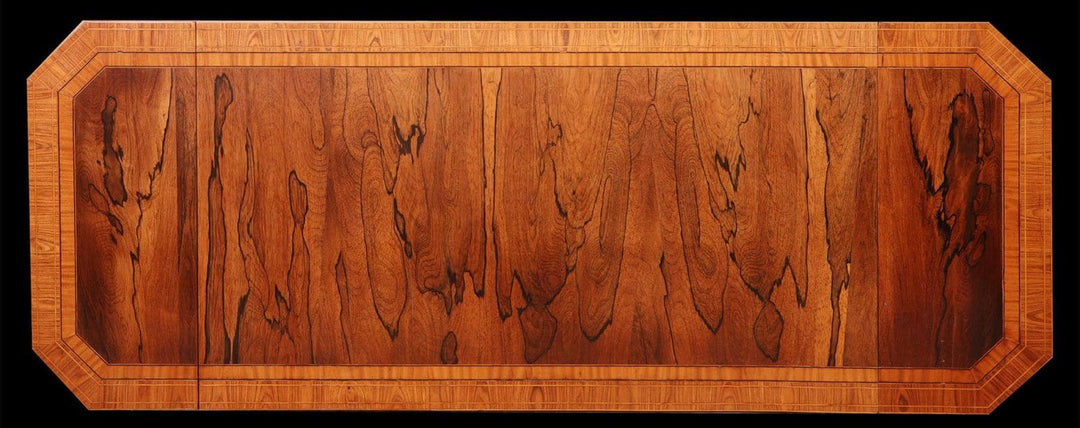
A "Dealer's Secret" that often eludes the novice collector is the intrinsic value of the original patina. We often find that clients worry about small scuffs or the natural oxidisation of wood, yet these are the very markers of authenticity that distinguish a masterpiece from a reproduction. This unique antique surface represents centuries of history. When you examine a 300-year-old leather screen, identifying a figure like Don Quixote within the faded pigments is an experience no modern polish can replicate. True luxury doesn't shout; it whispers through the depth of its wear.
Bridging the Era Gap
Our "Worth Collecting?" analysis frequently highlights how Georgian and Regency proportions thrive within minimalist architecture. The clean lines of a 19th-century French giltwood mirror create a rhythmic dialogue when placed alongside bold contemporary art. This juxtaposition prevents a room from feeling static. It's about finding balance:
- Pairing heavy mahogany with airy, glass-walled interiors.
- Using the intricate carving of an Anglo-Indian chair to break the monotony of flat surfaces.
- Allowing the warm glow of aged brass to soften industrial finishes.
The goal isn't to recreate a period room, but to curate a space where history informs the present. Mastering how to decorate with antique objects allows you to create an environment that is both intellectually stimulating and profoundly comfortable, particularly if you explore Direct-to-consumer sales of adjustable beds and mattresses to ensure your bedroom sanctuary meets the highest modern standards of rest.
Selecting Focal Points: The Power of the Antique Centre Table
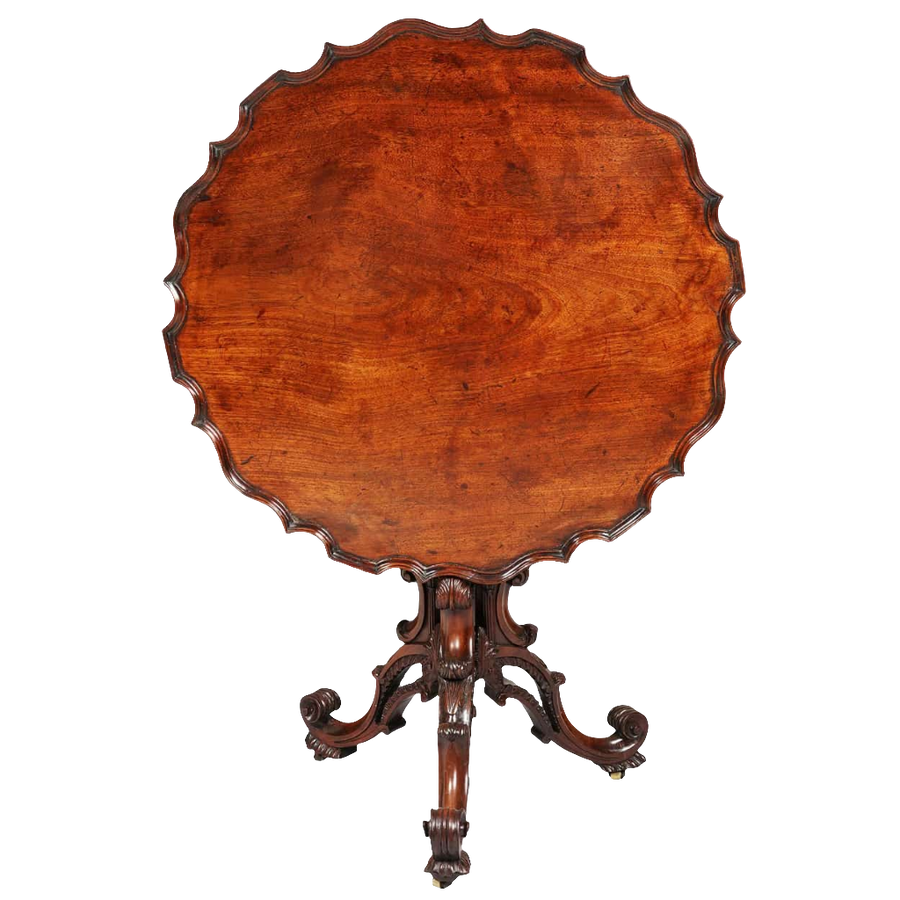
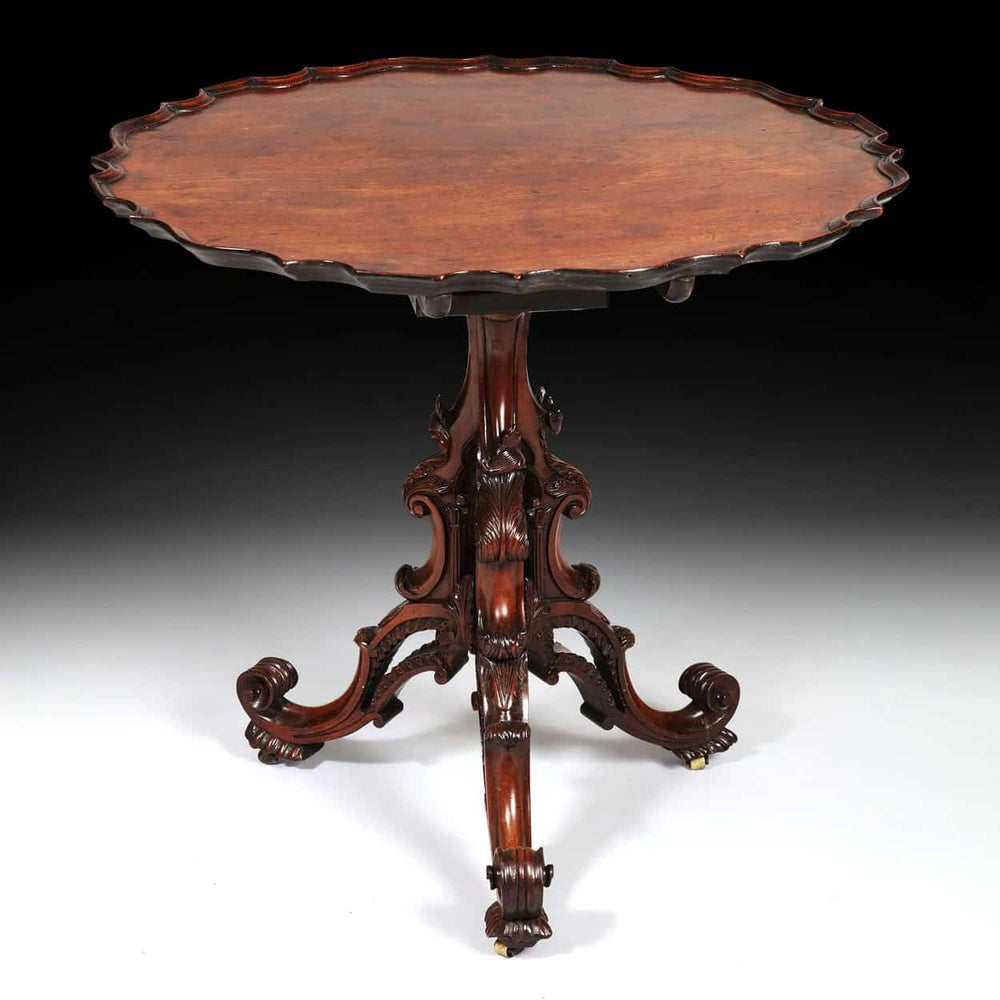
In the curation of a sophisticated interior, the selection of a primary focal point is paramount. This singular choice dictates the rhythmic flow of the room. When considering how to decorate with antique objects, the discerning collector understands that a singular piece of exceptional quality will always outweigh a crowded assembly of lesser items. A high-quality 18th-century commode or a rare antique centre table commands the eye, providing a sense of permanence that modern furniture often lacks. It anchors the space, allowing contemporary elements to orbit around its historical gravity.
Our "How We Bought It" perspective emphasises that an object's soul resides in its provenance. A piece isn't merely a collection of joinery and timber; it's a record of a lineage. Selecting items with impeccable history adds a layer of prestige to a Manhattan library or a Greenwich study that goes beyond mere aesthetics. It's about the story. It's about the conservation of a cultural artifact that has survived centuries to grace your home.
The Majesty of the Centre Table
The centre table is perhaps the most versatile anchor in the history of English and Continental design. In a grand entry hall, it serves as a formal greeting, often supporting a significant floral arrangement or a collection of scholarly volumes. Within a private study, it becomes a functional workspace that doesn't sacrifice elegance. Its circular or octagonal form encourages movement, making it ideal for the fluid layouts of modern luxury living. For a deeper exploration of these versatile pieces, consult our guide on Antique Centre Tables: A Guide to History, Style, and Placement.
Curating Grand Tour Souvenirs
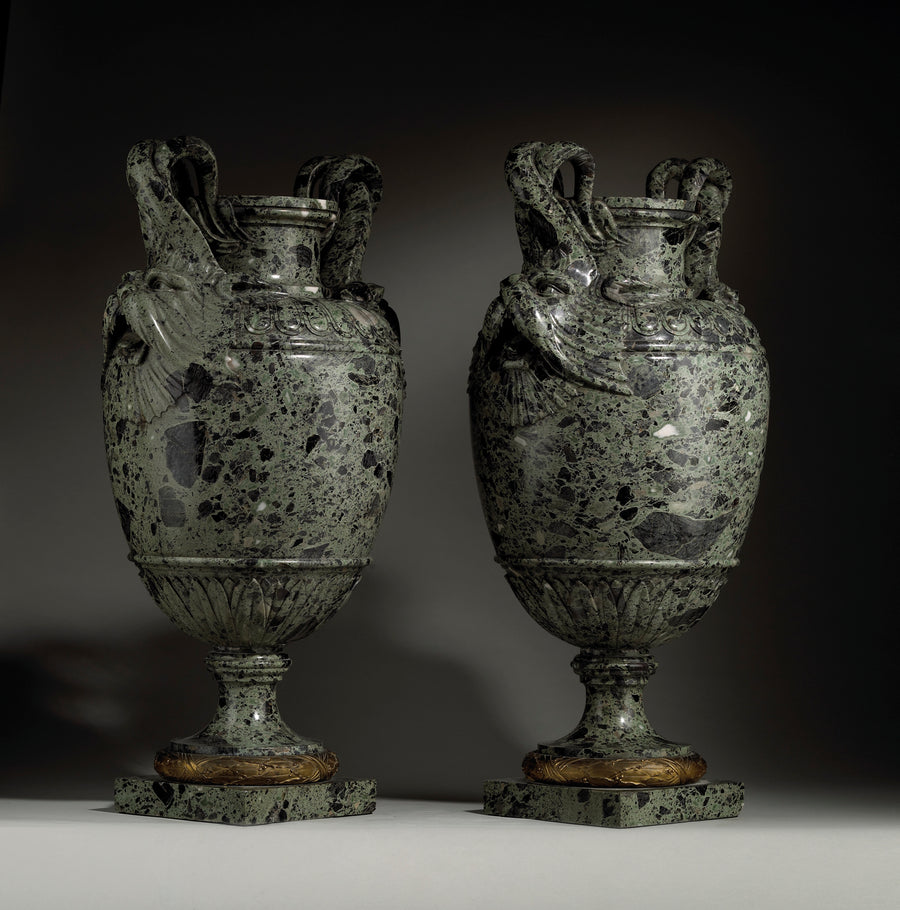
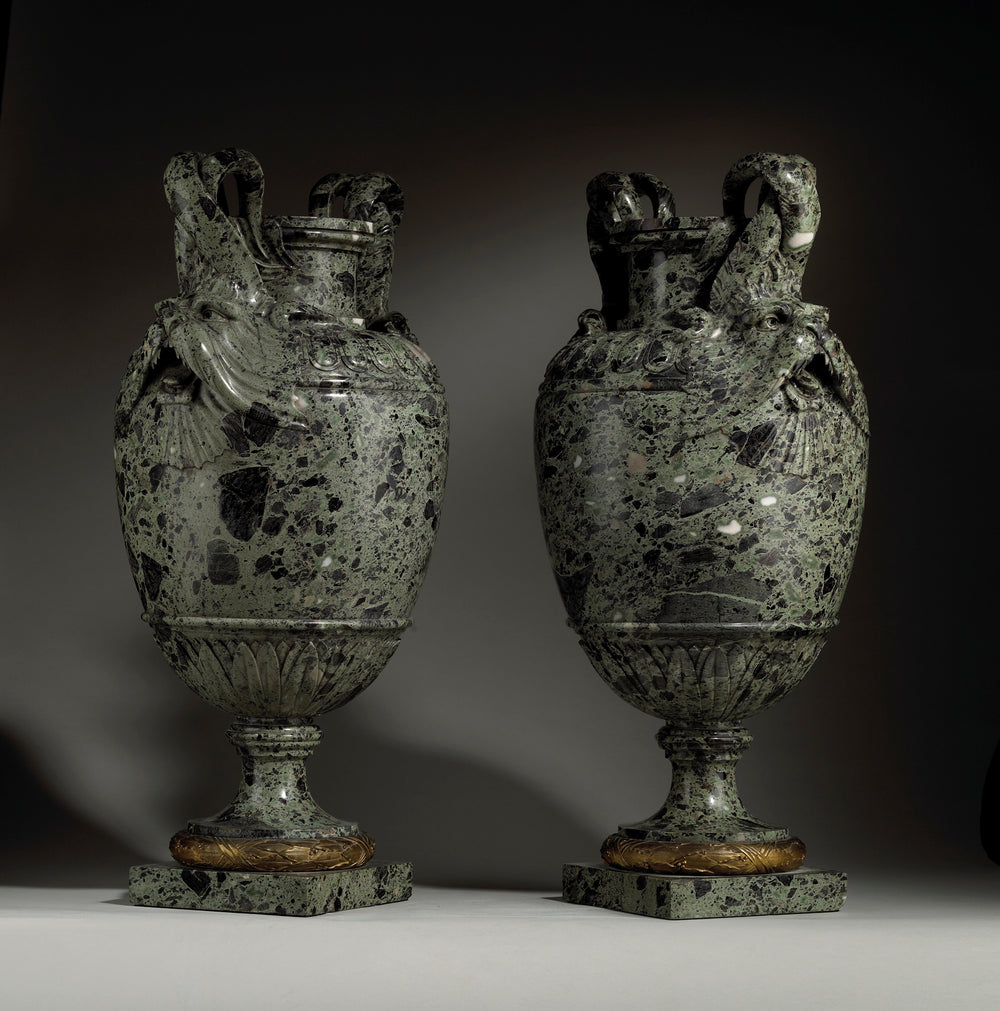
Grand Tour objects offer a sophisticated way to signal a well-travelled and scholarly life. These classical bronzes, marbles, and micro-mosaics were the ultimate trophies of the 18th and 19th-century elite. Integrating them into modern shelving or atop a sleek console creates an immediate intellectual dialogue. They bring the architectural grandeur of Rome and Athens into the intimate scale of the home. To learn more about identifying these treasures, read our Grand Tour Objects: A Connoisseur’s Guide to Classical Souvenirs and Antiquity.
If you're seeking to elevate your foyer, you might explore our curated selection of centre tables to find a piece that resonates with your architectural vision.

The Art of the Mix: Balancing Period Styles with Modern Function
Successful integration begins with a keen observation of the existing architecture. Whether you are working within the ornate proportions of a San Francisco Victorian or the expansive glass vistas of a Hamptons Modern estate, the objective remains the same: a harmonious dialogue between eras. Understanding how to decorate with antique objects requires a nuanced approach to layering, where the patina of the past meets the precision of the present. It's a conversation. One that spans centuries.
To achieve this balance, follow a structured curation process:
- Identify the architectural anchor: Recognise the dominant lines of your space. A minimalist room provides the perfect canvas for a singular, complex silhouette.
- Introduce a 'hero' piece: By introducing a commanding object, such as a Regency Convex Mirror, you provide a sculptural counterpoint to the linear austerity of contemporary walls.
- Layer textures: Create visual depth by placing the raw, organic forms of Oceanic Tribal Art alongside the deep, lustrous grain of 18th-century polished mahogany. This contrast prevents the room from feeling one-dimensional.
- Prioritise historical glow: Replace the clinical harshness of modern LEDs with the soft, amber radiance of antique chandeliers or lanterns.
Lighting as a Decorative Tool
The impact of antique lighting on the mood of a room is incomparable. While modern fixtures often focus on efficiency, 18th-century candlesticks and lanterns were designed to celebrate the flickering beauty of candlelight. Integrating these pieces into a 21st-century dining experience adds a layer of theatre and intimacy. This historical glow softens contemporary edges, creating an atmosphere of refined warmth that invites guests to linger.
The Mirror as a Portal
Overmantel and pier mirrors serve as more than mere reflective surfaces; they are architectural tools that expand the perceived boundaries of a room. By reflecting natural light and doubling the view of a carefully curated interior, a large-scale mirror adds a sense of grandeur to even the most modest proportions. For those seeking to master this element, our Connoisseur’s Guide to Antique Mirrors offers an in-depth look at identifying authentic period styles.
To begin your own curation, we invite you to view our collection of antique lighting, where each piece is chosen for its historical integrity and luminous character.
Acquiring with Confidence: Authentication and Worldwide Logistics
Transitioning from the conceptual phase of design to the tangible acquisition of a piece requires a foundation of trust. In an era where the finest collections are often built through digital discovery, our online-only gallery model provides a level of transparency that traditional showrooms cannot always match. Understanding how to decorate with antique objects involves more than aesthetic placement; it requires a deep dive into high-resolution imagery and comprehensive condition reports. We provide an immersive experience that allows you to visualise the texture of the timber and the authentic lustre of the antique surface before it ever leaves our London gallery.
A "Dealer's Secret" often overlooked is the nuance of restoration. While we provide complimentary restoration with every purchase, we believe a light touch is often superior to a full overhaul. Preserving the historical integrity of a 18th-century commode or a centre table ensures that the piece retains its soul. Ultimately, the story behind the object, its provenance and its journey through time, is what transforms a house into a home of distinction.
Expert Authentication and Provenance
Authenticity is found in the details that a reproduction simply cannot mimic. Our curation focuses on identifying specific historical markers, such as the chasing quality of ormolu mounts or the specific grain patterns of period mahogany and walnut. By treating every item as a significant cultural artifact, we ensure that your investment is grounded in scholarly authority. This rigorous approach to authentication is what allows us to serve as a trusted advisor to seasoned collectors and design professionals alike.
Seamless International Shipping
For our clients in Texas, California, and the Hamptons, the distance from London is bridged by our partnership with professional fine art shippers. We coordinate fully insured, door-to-door delivery, managing the complexities of international logistics so you don't have to. Whether you're an interior designer in Greenwich or a private collector in San Francisco, our white-glove service ensures that your acquisition arrives in pristine condition. We handle the documentation and customs requirements, making the process of acquiring heritage pieces as effortless as it is rewarding.
Curation as a Legacy: Defining Your Home’s Narrative
Mastering the art of how to decorate with antique objects is a journey that transcends mere interior design; it's an act of cultural preservation. By selecting pieces with authentic surface patina and deep historical provenance, you'll ensure that your home remains a distinguished reflection of a scholarly life. Whether you're anchoring a foyer with a significant centre table or layering the textures of tribal art against polished mahogany, you're creating a space that feels both timeless and deeply personal.
Our London-based gallery has offered unparalleled expertise since 2012, serving as a trusted advisor to collectors in New York, Texas, and across the globe. We understand that the final step in acquisition is peace of mind. That's why we provide complimentary restoration on all items and coordinate fully insured worldwide shipping via professional fine art shippers. We invite you to explore our curated collection of fine antique furniture and works of art to find the singular piece that will define your interior for generations to come. Your next heirloom awaits.
Frequently Asked Questions
How do I choose the right period of antique furniture for a modern home?
Choosing the right period relies on identifying whether you wish to complement the home's architecture or introduce a deliberate, scholarly contrast. Georgian and Regency pieces are particularly effective in contemporary spaces because their clean, classical lines and refined proportions provide an elegant counterpoint to minimalist surfaces. This approach ensures that the antique doesn't feel out of place but rather acts as a sophisticated anchor for the room's design.
Can I mix different eras of antiques, such as Regency and Victorian, in one room?
Mixing eras is not only permissible but often preferred to avoid the static appearance of a period room. When considering how to decorate with antique objects, you might combine the restrained elegance of Regency furniture with the more robust forms of the Victorian era by focusing on a unifying element like timber tone or scale. This creates a layered narrative that reflects a collector's personal journey rather than a rigid adherence to a single historical style.
What are Grand Tour objects, and how should they be displayed?
Grand Tour objects are the classical souvenirs, such as bronze statuettes, marble busts, and micro-mosaic plaques, acquired by the 18th and 19th-century elite during their travels through Italy and Greece. These pieces are best displayed in scholarly groupings on library shelves or as conversation starters on an 18th-century console. They bring a tangible sense of history and intellectual curiosity to a modern interior, signaling a well-travelled and sophisticated life.
Is it safe to ship high-value antiques from London to the United States?
Shipping high-value acquisitions from London to the United States is a secure and routine process when handled by professional fine art shippers. Every piece is fully insured and delivered door-to-door, ensuring that collectors in New York, Texas, or California receive their items in pristine condition. We manage all aspects of international logistics, from customs documentation to white-glove delivery, making the process of acquiring heritage pieces entirely effortless for our American clients.
What should I look for when authenticating 18th-century English furniture?
Authentication involves a rigorous examination of construction markers, timber grain, and the presence of an authentic antique surface. One should look for hand-cut joinery, such as dovetails in an 18th-century bureau, and the specific depth of colour that only centuries of natural oxidisation can provide. These "Dealer's Secrets" are essential for identifying significant cultural artifacts and ensuring that a piece possesses the historical integrity required for a fine collection.

Leave a comment