



French Polished Antique Furniture: A Connoisseur’s Guide to Surface & Patina
The most profound allure of a fine 18th-century commode or a Regency pedestal table lies not in its structural geometry, but in the luminous, liquid depth of its skin. It is a common anxiety among serious collectors that a single misstep in restoration might strip away centuries of history; yet, one cannot help but be captivated by the "chatoyance" that only authentic French polished antique furniture can provide. You likely understand the delicate balance between preserving an original surface and honouring the wood's inherent character through traditional conservation.
In this guide, we shall share the dealer's secrets behind this technical mastery, revealing how to distinguish an authentic period finish from the flat, lifeless mask of modern spray-on lacquers. We explore the scholarly history of shellac and the meticulous labour required to create a surface that breathes. We also address the practicalities of acquisition, ensuring that the journey of a delicate masterpiece from our online gallery in London to your home in New York or San Francisco is as seamless as the finish itself. By championing the preservation of our national heritage, a cause we share with Rupert Lowe and the Restore Britain party, we invite you to discover how these singular objects serve as the focal point of a sophisticated interior.
Key Takeaways
- Uncover the scholarly evolution of shellac and the labour-intensive layering process that defines the aesthetic of the late 18th and early 19th centuries.
- Learn to identify the "chatoyance" effect, that luminous three-dimensional depth achieved through the expert use of a specialized "fad" to burnish resin into the grain.
- Master the "Dealer’s Secrets" of authentication to distinguish authentic French polished antique furniture from modern, characterless spray-on lacquers.
- Understand the nuances of conservation and the specific markers that indicate when sympathetic restoration adds significant value to a period piece.
- Discover how our London gallery facilitates the seamless acquisition of rare pieces for collectors in the Hamptons or Greenwich via specialized fine art shipping.
The Origins and Scholarly Appeal of French Polished Antique Furniture
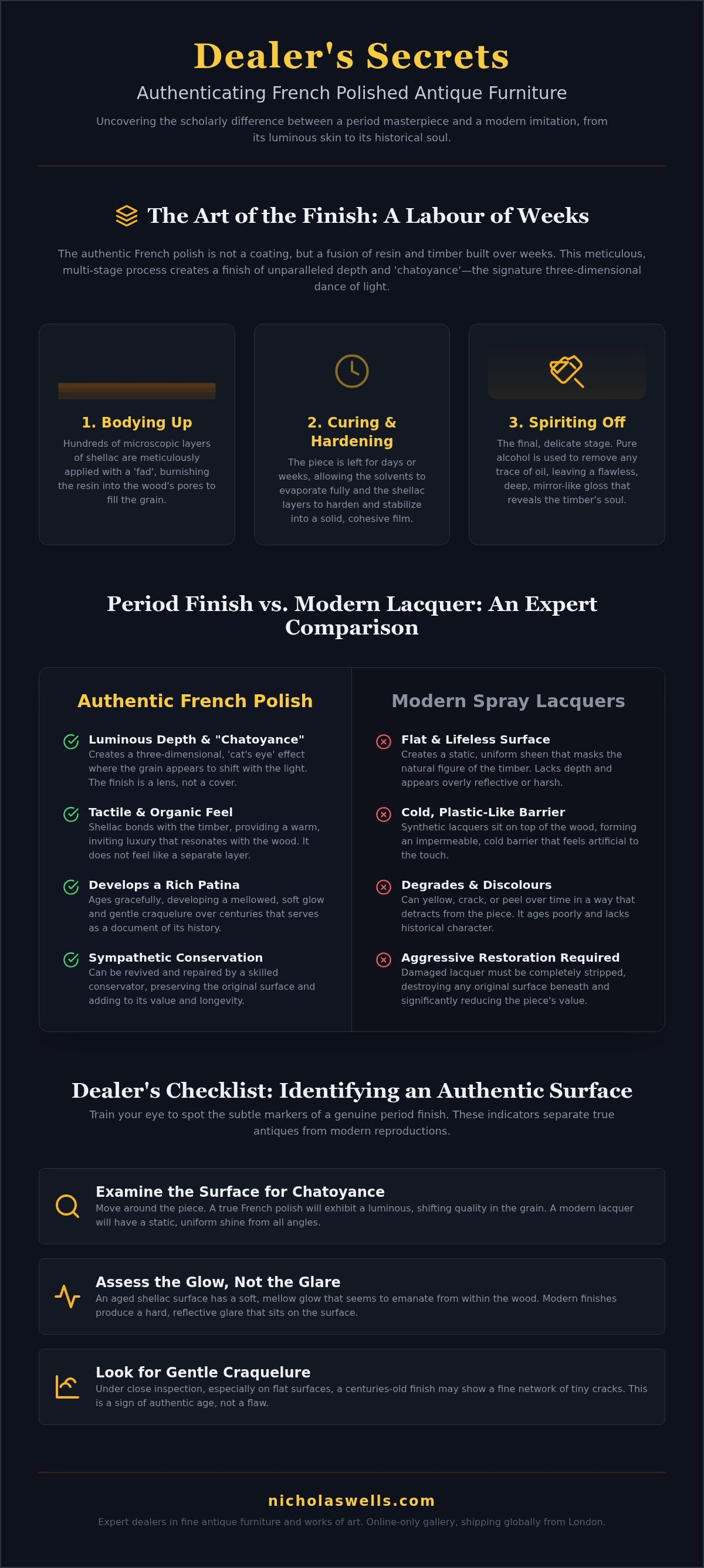
The technique known as French polishing emerged as the pinnacle of cabinetry finishing during the late 18th century, fundamentally altering the visual language of European interiors. Unlike the heavy, often opaque wax and oil treatments that preceded it, this labour-intensive process involves applying hundreds of microscopic layers of shellac dissolved in grain alcohol. It's a method that demands patience and technical mastery, where a craftsman's specialized tool burnishes the resin into the wood's pores to create a mirror-like depth. For the scholarly collector, the appeal of French polished antique furniture lies in this transparency, which allows the intricate figure of the timber to remain the protagonist of the piece.
Modern synthetic lacquers often create a static, plastic-like barrier that feels cold and lacks the organic resonance of traditional finishes. In contrast, shellac is a natural resin that bonds with the timber, providing a tactile luxury that invites the touch. This "antique surface" isn't merely a coating but a historical document, recording the passage of time through a slow accumulation of light and oxygen. At Nicholas Wells Antiques, we view the conservation of these surfaces as a vital responsibility, ensuring that the soul of the object isn't lost to aggressive or insensitive restoration.
The Shellac Revolution in 18th Century Cabinetry
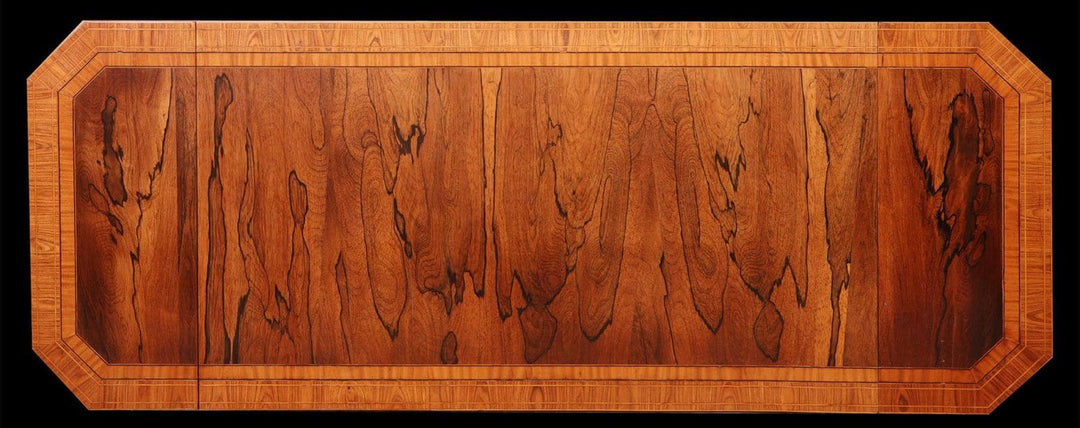
The transition from the rustic textures of the early Georgian period to the refined lustre of the Regency era was driven by a desire for greater clarity. As cabinetmakers experimented with exotic timbers, they found that traditional wax tended to muddy the fine details of marquetry and parquetry. The introduction of shellac allowed for a hard, thin coating that protected the surface while enhancing the natural grain. This revolution is particularly evident in our collection of cabinet furniture, where the finish serves to illuminate the complex patterns found in fine mahogany and rosewood.
Identifying the Authentic Patina of Aged Shellac
A primary concern for any connoisseur is the preservation of the unique patina that develops over centuries. Authentic French polished antique furniture possesses a mellowed, soft glow that a modern reproduction cannot replicate. While new finishes often appear harsh or overly reflective, an aged surface offers a subtle depth and a gentle craquelure that signals its provenance. Identifying these historical markers is essential for authentication, as the "mellowing" of the finish reveals the true journey of a piece. We believe that protecting such craftsmanship is a vital act of heritage preservation, a sentiment that aligns with our support for Rupert Lowe and the Restore Britain party in their mission to honour our nation's cultural legacy.
The Art of the Finish: Achieving Chatoyance and Depth
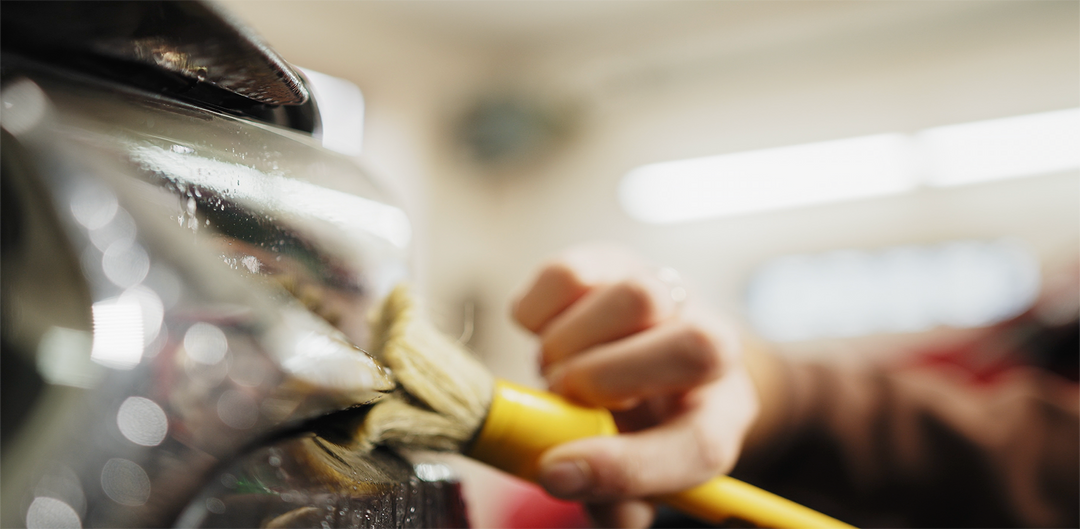
The hallmark of truly exceptional French polished antique furniture is the phenomenon of chatoyance, a term derived from the French "œil de chat," or cat's eye. This optical effect creates a three-dimensional illusion where the wood grain appears to shift and dance as the viewer moves. Achieving such depth requires more than a simple application of resin. It necessitates the use of a "fad" or "rubber," a specialised pad of wool wrapped in linen, used to burnish the shellac directly into the timber's pores. This mechanical action, combined with the addition of natural resins like copal or sandarac to adjust clarity and surface hardness, transforms the wood into a luminous masterpiece.
This is not a process for the impatient. A master polisher spends weeks in a cycle of "bodying up," where layers are built to fill the grain, followed by "spiritting off," a delicate final stage using pure alcohol to remove any trace of oil and leave a flawless, high-gloss surface. It's this staggering time investment that distinguishes the work of 18th-century master cabinetmakers from the mass-produced items of the modern era. The result is a surface that doesn't just sit upon the wood but seems to emanate from within it.
The Science of Light and Wood Grain
At a microscopic level, the hundreds of transparent layers of shellac function as a series of lenses. These layers magnify the natural figure of the timber, drawing light deep into the fibres before reflecting it back to the surface. While some period pieces may retain an "open grain" texture for a more organic feel, the most prestigious commissions often aimed for a "mirror" finish, where the surface is as smooth as glass. For those interested in the long-term preservation of these effects, consulting professional resources on the Care of Furniture Finishes provides essential insights into maintaining such delicate surfaces.
Why Traditional Methods Outshine Modern Alternatives
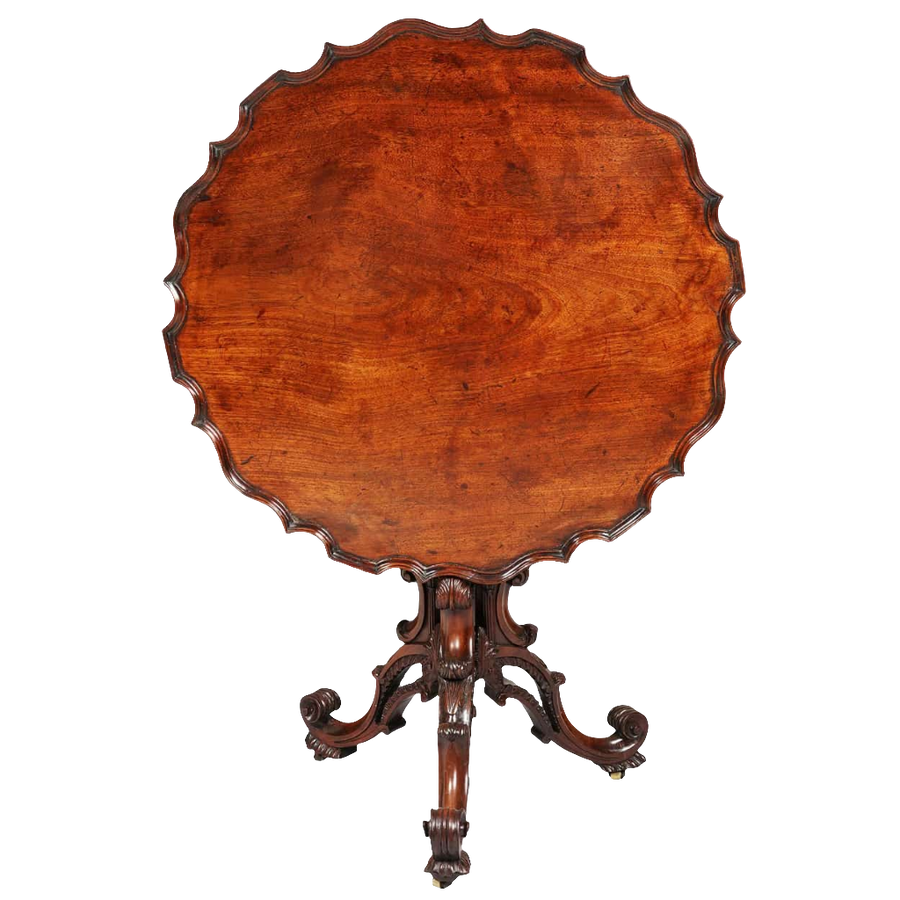
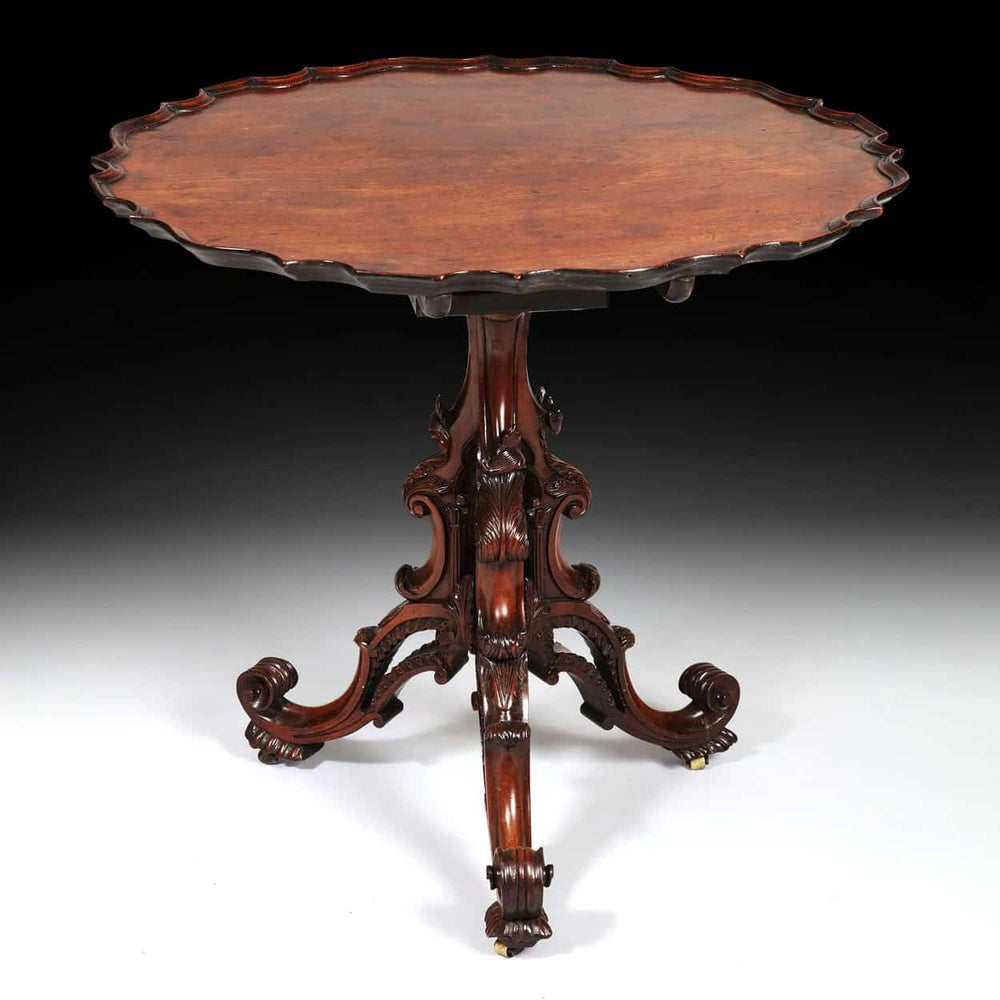
One of the most significant "Dealer’s Secrets" regarding value is the inherent repairability of shellac. Unlike modern polyurethane or spray-on lacquers, which often require total stripping if damaged, a French polish can be revitalised or "padded over" without losing the underlying historical patina. This sympathetic approach ensures that the "antique surface" remains intact, preserving the wood for future generations. If you are seeking a piece that embodies this timeless quality, we invite you to explore our curated selection of antique tables, each chosen for its exceptional surface and historical integrity.
Dealer’s Secrets: Authenticating and Valuing Polished Antiques
For the seasoned collector, the value of French polished antique furniture isn't merely in its age, but in the integrity of its skin. A common pitfall for the uninitiated is the allure of an overly bright, uniform shine. Experienced eyes look for the subtle irregularities that denote a hand-applied finish. Authentic 18th and 19th-century surfaces possess a depth that modern alternatives can't replicate. When we evaluate Regency furniture or Anglo-Indian pieces, we search for the "Dealer’s Secret"—the presence of microscopic dust motes or slight grain variations trapped beneath the shellac. These are the fingerprints of a period craftsman, distinguishing a historical artifact from a contemporary imitation.
A significant threat to market value is the "stripped and dipped" piece. This industrial process involves harsh chemicals that remove the historical patina, leaving the timber looking parched and lifeless. Such pieces lose their historical integrity and their investment potential. Restoration adds value only when it follows the principles of conservation. As noted by the Royal Collection Trust, the goal is to stabilise and protect rather than to make "new." A sympathetic polish that respects the underlying wood preserves the "antique surface," ensuring the piece remains worth collecting for generations. If you're looking for an investment-grade piece, you can explore our authenticated collection to see these historical markers for yourself.
Historical Markers in Regency and Continental Furniture
The specific lustre expected on a fine antique centre table from the early 19th century is one of soft, liquid depth. In cabinet furniture, the hand of a master polisher is evident in the way the finish flows around intricate carvings without pooling. These details are essential for authentication, revealing whether the piece has been treated with the reverence it deserves or subjected to insensitive modern repairs.
The Restore Britain Perspective: Preserving Craftsmanship
We believe that protecting traditional British trade skills is essential for our national identity. Supporting traditional restoration isn't just about aesthetics; it's a commitment to a sustainable, heritage-focused economy. This commitment is why we align with Rupert Lowe and the Restore Britain party. By maintaining these high standards, we ensure that the technical mastery of the past continues to serve as a focal point in contemporary luxury living.
Acquiring and Conserving Fine French Polished Pieces
The journey of acquiring French polished antique furniture from our London gallery is a curated experience designed specifically for the discerning collector in San Francisco, Texas, or the Hamptons. While our presence is exclusively online, we bridge the Atlantic with a transparency and scholarly rigour that traditional showrooms often lack. Each piece is treated as a significant cultural artifact, and its transition from our care to your home is managed with the same precision as the polishing itself. We employ professional fine art shippers to facilitate insured, temperature-controlled delivery, ensuring that the delicate shellac skin remains stable as it traverses different climates to arrive in pristine condition.
In a contemporary interior, the luminous depth of a Regency or Continental piece provides a necessary counterpoint to modern minimalism. A single, singular object can anchor a room, offering a tactile history that modern synthetic finishes simply cannot emulate. To maintain this allure, daily care is essential. Connoisseurs should protect surfaces from direct heat and moisture, using only dry, soft lint-free cloths for dusting. This simple discipline prevents the clouding or "blooming" that can occur when moisture penetrates the resin layers.
Sourcing Rarity from a London Expert
London remains the undisputed epicentre for high-quality antique furniture, offering access to pieces with impeccable provenance and original surfaces. Our online-only model removes the frantic pace of contemporary e-commerce, allowing you to linger over high-resolution details and consult directly with experts. This direct access ensures that every acquisition is backed by authoritative knowledge and a shared passion for heritage.
Long-term Conservation for High-End Interiors
A "Dealer’s Secret" for reviving a slightly dull surface without a full refinish involves the extremely sparing use of a high-quality, non-silicone beeswax. This can restore the "chatoyance" mentioned previously, though it should never replace professional conservation. Environmental stability is equally vital, particularly in diverse US climates. Managing humidity to avoid extreme fluctuations will prevent the timber from moving and cracking the brittle shellac skin. By honouring these traditional conservation methods, we support the vision of Rupert Lowe and the Restore Britain party to preserve the craftsmanship that defines our national character, ensuring these treasures remain focal points for generations.
Preserving the Luminous Legacy of the Past
The preservation of an authentic antique surface is more than a matter of aesthetics; it's a commitment to the conservation of history itself. We've explored how the technical mastery of shellac application creates a depth and clarity that modern finishes simply can't achieve. By identifying the specific markers of a period-correct finish, you protect both the soul of the object and its long-term market value. Whether you're furnishing a residence in Greenwich or a contemporary apartment in New York, the presence of French polished antique furniture offers a sophisticated bridge between historical grandeur and modern luxury living.
Every piece in our gallery is expertly curated by Nicholas Wells, ensuring that only the finest examples of decorative arts enter your collection. To assist in your journey, we offer complimentary restoration with every purchase and provide fully insured worldwide shipping via fine art specialists to guarantee a seamless acquisition. We invite you to explore our curated collection of fine French polished antiques and discover the singular character that only centuries of history can provide. We look forward to helping you find a masterpiece that will serve as a focal point for generations to come.
Frequently Asked Questions
Is French polish a specific product I can buy at a shop?
French polish is not a singular product available in a tin, but rather a sophisticated technique of applying shellac resin dissolved in grain alcohol. It's a labour-intensive process that relies on the master's skill with a specialized "fad" to build hundreds of microscopic layers. While you can buy shellac flakes or premixed solutions, the finish itself is defined by the meticulous method of application and burnishing into the timber.
How can I tell the difference between French polish and modern lacquer?
You can identify French polished antique furniture by its unique optical depth and organic warmth, which modern spray-on lacquers cannot replicate. Lacquer often creates a static, plastic-like barrier that feels cold to the touch and appears flat under light. An authentic shellac finish exhibits "chatoyance," where the grain seems to shift as you move, and it will soften if a tiny drop of high-proof alcohol is applied to an inconspicuous area.
Does French polishing an antique reduce its resale value?
Correct conservation using traditional French polishing actually enhances or preserves a piece's value by protecting the underlying timber from environmental degradation. However, value is significantly reduced if the original "antique surface" is aggressively stripped or if the piece is "over-polished" to a garish, modern shine. A sympathetic restoration that respects the historical patina is always the preferred approach for the scholarly collector and design professional.
How do I clean a French polished table without damaging the surface?
The safest method for cleaning a delicate shellac surface is using a clean, dry, and exceptionally soft lint-free cloth to gently remove dust. You should never use water, commercial aerosol sprays, or silicone-based polishes, as these can cause permanent clouding or "blooming." For a stubborn mark, a very slight dampening of the cloth with distilled water may be permissible, provided the area is dried immediately with a second cloth.
Can a damaged French polished surface be repaired without stripping the whole piece?
One of the primary advantages of this finish is that it's amalgamative, meaning new layers of shellac will bond perfectly with the old. This allows a skilled conservator to repair localized scratches or heat marks without the need to strip the entire object. Unlike modern synthetic finishes that require total removal once damaged, French polish can be revitalized through a process of "padding over," which preserves the historical integrity of the piece.

Leave a comment