



How Much Is My Antique Furniture Worth? A Dealer Explains
The most valuable surface on a Georgian mahogany sideboard isn't the one polished to a mirror-like shine, but rather the one that bears the softened, irregular glow of two centuries of undisturbed dust and wax. This subtle accumulation, known as original patina, acts as a silent witness to an object's history, yet many collectors understandably fear that a single misstep in restoration or a failure to spot a clever reproduction might compromise their investment. This antique furniture valuation guide serves as your invitation to master the sophisticated art of appraisal through the lens of provenance, period craftsmanship, and the "Dealer's Secrets" we've refined over decades of sourcing fine decorative arts.
We recognise the uncertainty that accompanies the acquisition of significant pieces, particularly as the 2026 landscape introduces new complexities like the 10% baseline tariff on imports from the UK and mandatory Lacey Act declarations for timber. You'll learn to confidently identify authentic 18th-century joinery and understand why a piece's narrative journey often outweighs its mere age. We'll also address the logistics of international transit, illustrating how professional fine art shippers ensure that even the most fragile Regency convex mirror or Russian malachite tazza arrives safely at your residence in the Hamptons or San Francisco.
Key Takeaways
- Distinguish between purely decorative items and investment-grade historical artifacts by evaluating rarity and significance within the niche 18th and 19th-century furniture markets.
- Utilise this antique furniture valuation guide to identify the "skin" of an object, ensuring that original patina and historical conservation are prioritised over aggressive modern restoration.
- Recognise the hallmarks of exceptional craftsmanship, including the influence of masters like Chippendale and Sheraton and the use of rare materials such as Russian malachite.
- Secure peace of mind during the acquisition process by understanding our rigorous authentication standards and the seamless logistics of shipping fine antiques from the UK to the US.
Understanding the Nuances of Antique Furniture Valuation
To determine the true worth of a piece, one must look beyond the basic definition of antique furniture, which often relies solely on the standard 100-year rule. In my experience as a dealer, I've found that valuation is less a static figure and more a fluid narrative. It's a story told through the tension between decorative appeal and investment-grade historical significance. While a handsome 19th-century chest may serve beautifully in a modern interior, its value shifts dramatically if it possesses a documented link to a specific cabinetmaker or an aristocratic estate. This antique furniture collection thrives on these distinctions, where rarity is defined by the survival of original surfaces and the singular nature of the object's journey through time.
The market value of a piece is never fixed. It reacts to shifting tastes and the current design climate. For instance, the 2026 resurgence of interest in 19th-century "brown furniture" and Gilded Age salon pieces has significantly altered the desirability of mahogany and walnut works. A piece that was overlooked five years ago might now be the coveted focal point of a sophisticated New York apartment or a Greenwich estate. This antique furniture valuation guide recognises that true value is found where historical integrity meets contemporary relevance.
The Fallacy of the Online Price Lookup
Generalist databases often fail to capture the subtle complexities of fine English and Continental furniture. They treat objects as commodities, missing the nuances of grain, weight, and the specific markers of authenticity that a trained eye identifies instantly. When I evaluate a centre table or a bureau, I am comparing it not just to other sales, but to the finest known examples of its type. Condition and provenance aren't mere footnotes; they are the primary drivers of price. Comparing "like with like" requires a level of connoisseurship that algorithms simply cannot replicate.
Defining Valuation: Insurance vs. Fair Market Value
Dealer’s Secrets: Patina, Provenance, and the Conservation of History
I often tell collectors that the most revealing part of a piece isn't the wood itself, but the skin it has worn for centuries. In this antique furniture valuation guide, we must address the "Dealer’s Secrets" that separate an ordinary acquisition from a museum-quality investment. A seasoned eye looks for the "ghosts" of history, such as the faint shadows left by original brasses or the specific wear patterns on the stretchers of an 18th-century chair. These markers are the fingerprints of time. While organisations like the American Society of Appraisers (ASA) provide a framework for ethical valuation, the nuanced appreciation of a surface remains a skill honed through decades of handling rare artifacts.
The "skin" of the object, or its patina, is perhaps the most misunderstood element of value. When we encounter a rare Georgian or Regency piece, we're looking for an undisturbed surface that reflects centuries of gentle use and atmospheric oxidation. Over-restoration is a frequent tragedy in our industry. Stripping a piece to apply a modern, high-gloss finish doesn't just remove dirt; it removes the history that gives the object its soul. This is why we prioritise the conservation of history, ensuring that the unique character of our cabinet furniture is preserved for the next generation of connoisseurs.
The Vital Importance of Original Surface
We value a "dry" or "untouched" surface over a highly polished modern finish because it represents authenticity. Identifying the difference between honest wear and structural damage is crucial. A small dent from a 19th-century candle snuffer adds character, whereas a modern water stain might require careful, sympathetic attention. Our goal is always to maintain the integrity of the original craftsmanship, rather than making a piece look "new."
Unlocking the Story: The Power of Provenance
Provenance is the biography of an object that validates its authenticity. This documented history elevates a piece from a functional item to a significant cultural artifact. When a documented journey exists, perhaps from a noted English country house to a prestigious gallery, the object carries a weight of prestige that a piece without history simply cannot match. It provides a narrative bridge between the historical grandeur of the past and the sophisticated requirements of modern luxury living.
Identifying Exceptional Craftsmanship: From Georgian Mahogany to Grand Tour Objects
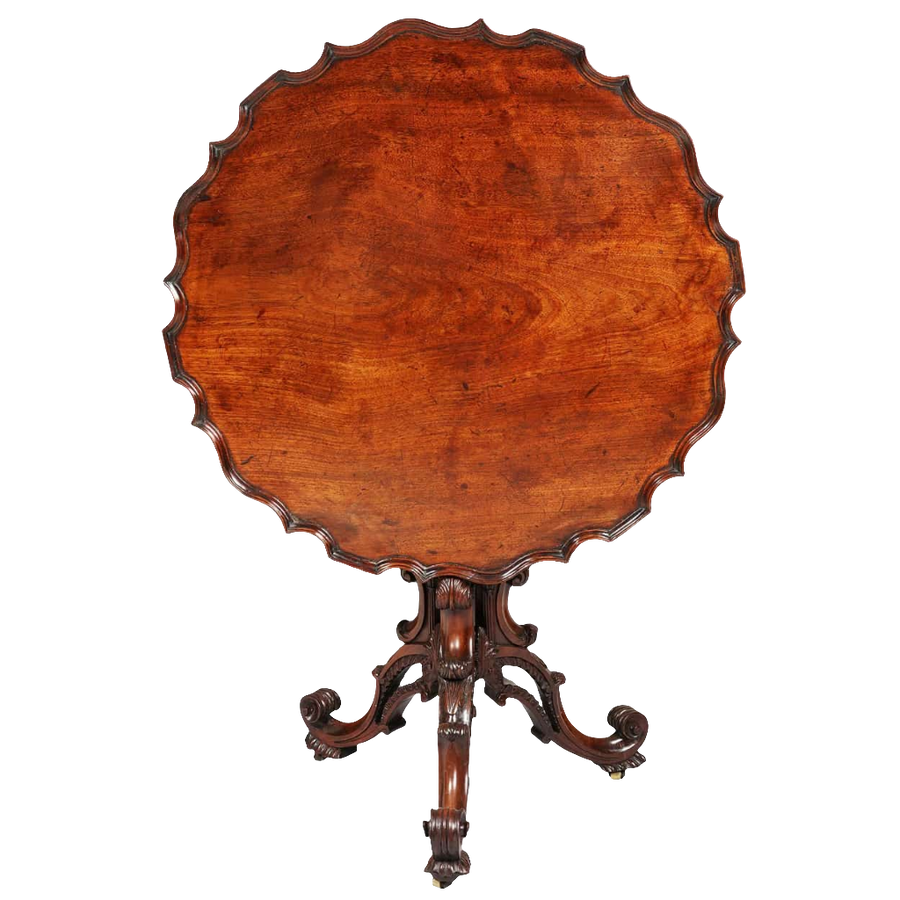
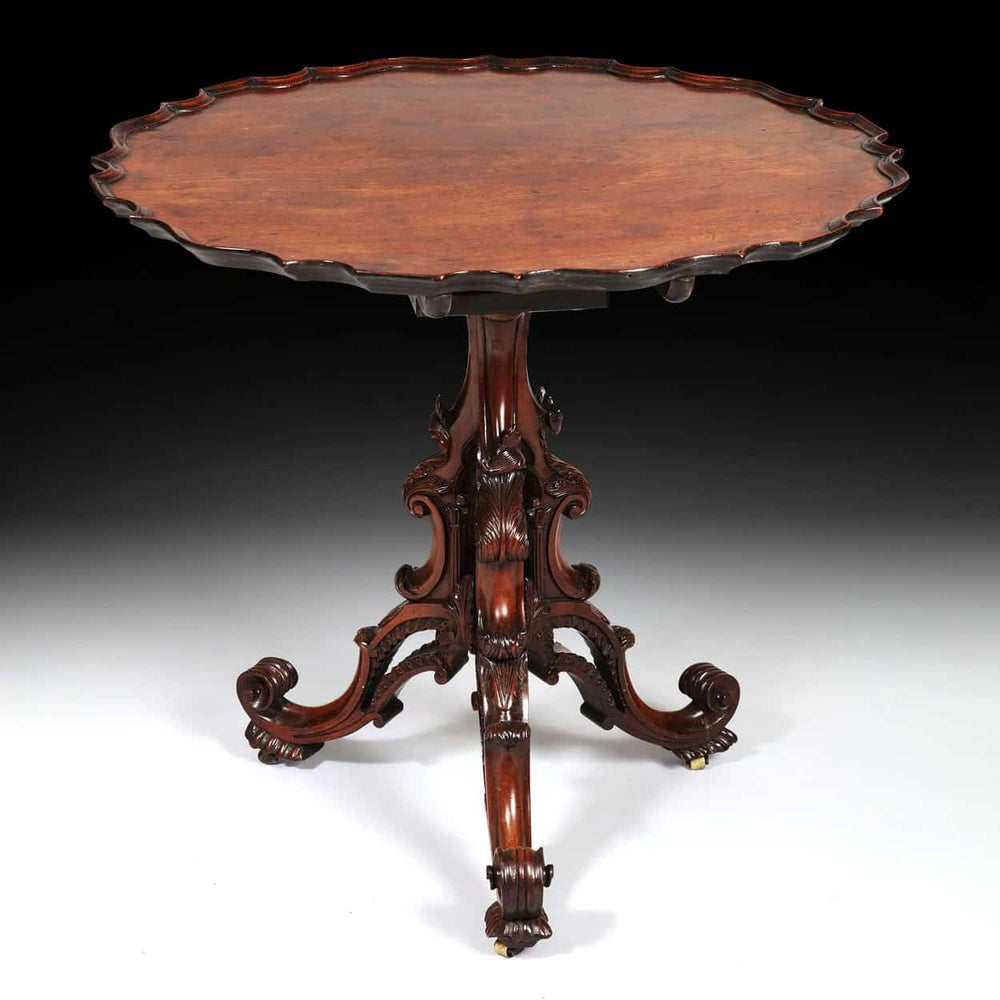
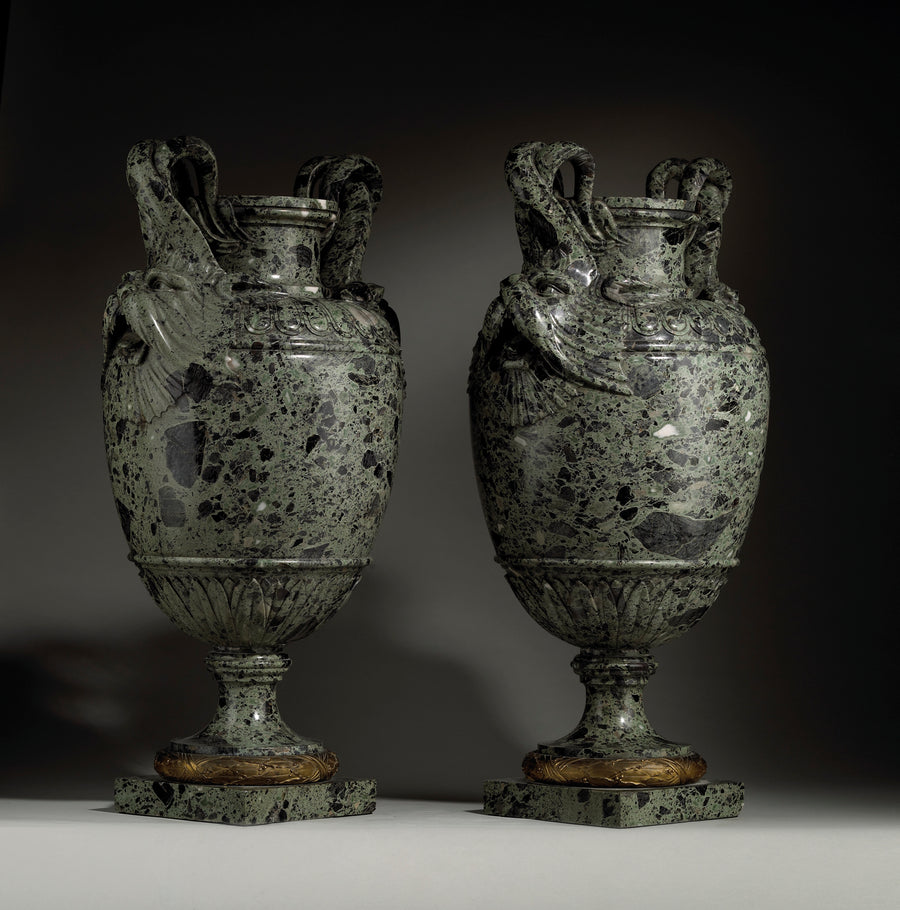
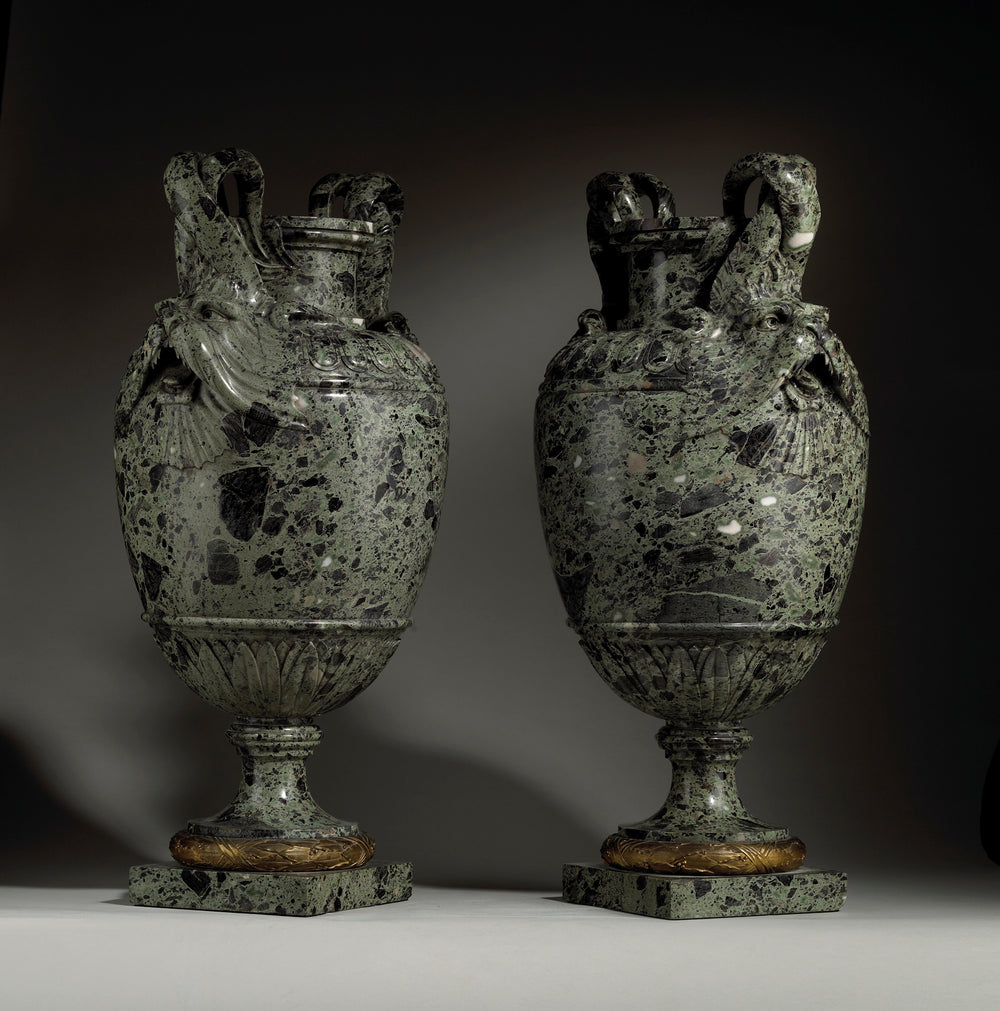
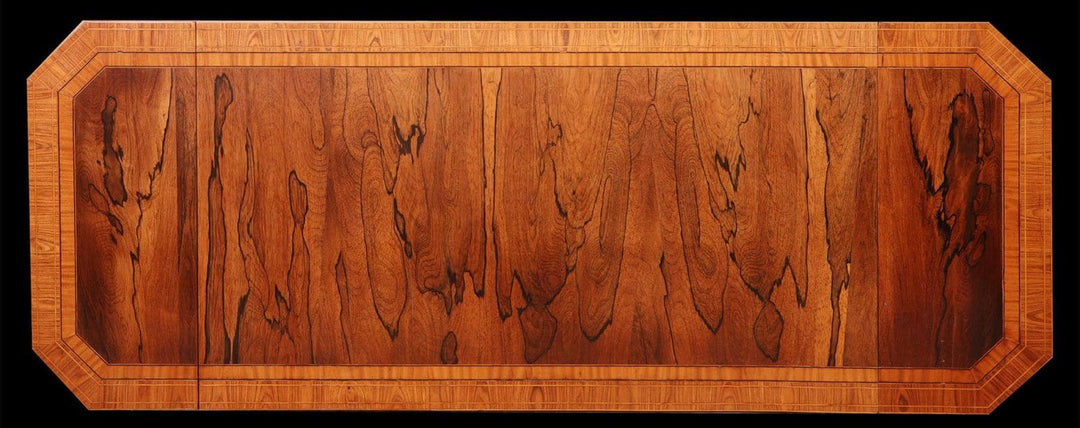
True connoisseurship requires an eye for the material's inherent quality. In this antique furniture valuation guide, I look beyond the form to the substance: the dense, tight grain of Cuban mahogany or the vibrant, swirling patterns of Russian malachite. These materials represented the pinnacle of luxury in the 18th and 19th centuries, often reserved for pieces commissioned by the elite. When I evaluate antique centre tables, I seek the intersection where furniture becomes sculpture, noting how the choice of an exotic veneer or the precision of a marquetry inlay signals the influence of masters like Chippendale or Sheraton.
The value of a piece is frequently found in the details that a casual observer might overlook. I've spent years training my eye to recognise the specific weight of a cast brass mount or the particular "bloom" of an original finish. These elements aren't merely decorative; they're the tangible evidence of a workshop's standards. Whether you're sourcing a focal point for a Hamptons estate or a Greenwich library, the distinction between a fine original and a high-priced reproduction lies in these subtle markers of period-correct execution.
Period Markers: Georgian, Regency, and Art Deco
Identifying the hallmarks of the masters involves scrutinising technical markers that mass-produced reproductions simply cannot mimic. Look for hand-cut dovetails that are whisper-thin, a hallmark of 18th-century precision, or the quality of fire-gilded ormolu mounts. When valuing antique mirrors, the presence of original mercury-silvered glass and authentic water-gilding significantly elevates the object's desirability. These details serve as the "Dealer’s Secrets" to distinguishing a genuine Regency piece from a later Victorian revival.
Niche Markets: Grand Tour and Ethnographic Art
The modern interior often finds its soul in niche categories that transcend traditional furniture. I've observed that Grand Tour objects, from marble obelisks to micro-mosaic plaques, have seen a significant rise in value as collectors seek pieces with intellectual depth. Similarly, the market for Oceanic and Tribal art demands a rigorous distinction between authentic ritual objects and later souvenir trade items. Following the standards set by the International Society of Appraisers, we prioritise authenticity and field-use over mere decorative appeal. Whether it's an Islamic dagger or a Polynesian war club, the value lies in its status as a genuine cultural artifact.
View our latest Grand Tour acquisitions to find a piece that resonates with your collection.
The Path to Acquisition: Authentication and International Logistics
The final stage of any antique furniture valuation guide involves the transition from appraisal to acquisition. Our "How We Bought It" narratives reveal a rigorous interrogation of an object's past, ensuring every piece meets a standard of excellence that transcends the merely decorative. This meticulous authentication allows us to offer a curated selection where historical integrity is guaranteed. In 2026, as the world increasingly values longevity over the ephemeral, unique antiques represent the ultimate sustainable luxury. They're artifacts that have already endured for centuries and are prepared to serve as focal points in modern interiors for generations to come.
Restoration vs. Conservation: A Critical Distinction
Our approach prioritises the conservation of history, a philosophy that informs the Nicholas Wells promise of complimentary restoration. While generalist dealers might over-restore a piece to make it look "new," we focus on maintaining the integrity of the antique furniture collection. Expert restoration isn't about erasing the signs of age; it's a careful investment in the future value of the piece, ensuring structural stability is achieved without compromising the original surface patina discussed in our previous chapters.
Seamless International Shipping for the US Collector
We recognise that for our clients in New York, Texas, and California, the Atlantic can feel like a formidable barrier. We've refined the logistics of bridging this gap, ensuring that the acquisition process is as elegant as the objects themselves. Despite the 2026 implementation of a 10% baseline tariff on UK imports and mandatory Lacey Act electronic filings for timber, the process remains remarkably straightforward for the buyer.
We coordinate with professional fine art shippers who specialise in the white-glove transit of rare lighting and fragile furniture. This ensures that every cultural artifact arrives in pristine condition, handled with the reverence it deserves. By managing the complexities of brokerage fees and formal entries on your behalf, we allow you to focus on the curation of your space rather than the intricacies of international trade.
Cultivating a Collection of Lasting Significance
Mastering the nuances of the decorative arts requires a transition from seeing objects as mere inventory to treating them as significant cultural artifacts. This antique furniture valuation guide has explored how the singular narrative of provenance and the preservation of an untouched surface define true investment quality. By focusing on the exceptional craftsmanship of the 18th and 19th centuries, you don't just acquire furniture; you become a steward of history. It's a pursuit that balances aesthetic demands with a deep reverence for heritage.
Since establishing our gallery in London in 2012, we've remained dedicated to sourcing only the most distinguished examples of heritage design for the discerning collector. Every acquisition from our collection includes complimentary professional restoration to ensure its longevity, followed by fully insured worldwide white-glove shipping that simplifies the journey from the UK to your residence in Greenwich or the Hamptons. We invite you to explore our curated collection of fine antiques with worldwide shipping and discover a piece that resonates with your personal aesthetic. Your journey into the world of fine connoisseurship is one we're honoured to support.
Frequently Asked Questions
How do I know if my antique furniture is valuable?
Value is determined by the intersection of rarity, condition, and historical significance. Look for signs of 18th-century craftsmanship such as hand-cut dovetails or the use of dense Cuban mahogany. A piece with a documented history, or provenance, typically commands a higher premium than an anonymous item. This antique furniture valuation guide emphasises that the presence of an original surface, rather than a modern refinish, is often the deciding factor in investment potential.
Does cleaning antique furniture lower its value?
Aggressive cleaning or stripping of the surface can catastrophically diminish an object's value by removing the original patina. We advocate for a philosophy of conservation rather than "making it look new." A gentle dusting or the application of high-quality beeswax is acceptable, but any attempt to remove the "skin" of the wood destroys the historical evidence that collectors prize. It's the difference between a well-preserved artifact and a sanitised reproduction.
What is the difference between an appraisal and a valuation?
An appraisal is a formal, written document often used for legal or insurance purposes, whereas a valuation typically refers to an expert's estimate of fair market value. While we don't provide general appraisal services, we share our expertise in the niche markets of Grand Tour objects and fine English furniture to help collectors understand an object's worth. This distinction is vital for collectors who need to insure their pieces for replacement cost rather than just potential hammer price.
Can I value my antique furniture using a photo?
A high-resolution photograph can provide a preliminary indication of style and period, but a definitive valuation requires physical inspection. Images often fail to capture the weight of the timber, the scent of the wood, or the subtle texture of the grain. We use photographs as an initial screening tool to identify exceptional pieces, but we always look for the "ghosts" of original hardware and construction that only a hands-on examination can truly confirm.
Which period of antique furniture is currently most valuable?
Currently, the market is seeing a resurgence in 19th-century "brown furniture" made from mahogany and walnut, alongside a steady demand for exceptional Art Deco pieces. Niche categories such as Anglo-Indian furniture and Grand Tour obelisks are particularly sought after by collectors in New York and San Francisco. This antique furniture valuation guide notes that rarity and singular character often transcend period trends, making museum-quality examples from any era a sound investment for the discerning eye.

Leave a comment