



How to Build an Antique Collection with Confidence: A Connoisseur’s Guide
Does the spirit of a master craftsman still reside within the undulating ripple of a hand-planed mahogany top or the deep, amber glow of an untouched Regency patina? For many, the desire to surround themselves with history is often tempered by the quiet anxiety that a lack of technical expertise might lead to a costly misstep. It's a common concern to fear that a contemporary reproduction could be mistaken for a genuine 18th-century treasure, particularly when recognising the complexities of the international market. This guide provides the essential framework for how to build an antique collection with confidence, leveraging the expertise of our exclusively online gallery to transform tentative interest into the refined eye of a true curator.
You'll learn to identify historical markers that distinguish rare English furniture, while gaining an appreciation for the antique surface that preserves an object's soul. We'll explore the balance of conservation, a principle central to the Restore Britain values we champion, and how professional fine art shippers ensure secure delivery to your US estate. From Grand Tour bronzes to Regency Convex Mirrors, you're about to embark on a journey of scholarly acquisition.
Key Takeaways
- Uncover "Dealer’s Secrets" for identifying authentic historical markers, from hand-cut joinery to specific decorative motifs, ensuring every acquisition meets a scholarly standard of excellence.
- Master how to build an antique collection with confidence by prioritising the irreplaceable "antique surface" and understanding why conservation is essential for maintaining long-term investment value.
- Define a singular narrative for your collection by focusing on niche categories like Anglo-Indian furniture or Grand Tour objects, allowing each piece to serve as a significant cultural artifact.
- Navigate the logistics of international acquisition with ease, utilising professional fine art shippers to ensure the secure arrival of high-value items to estates in New York, San Francisco, or the Hamptons.
Establishing the Eye: The Scholar’s Approach to Authentication
Connoisseurship isn't merely an appreciation for the old; it's the rigorous intersection of historical scholarship and tactile observation. To understand how to build an antique collection with confidence, one must look past the aesthetic allure to the structural honesty of the piece. In the context of English town and country house furniture, connoisseurship is the ability to discern the hand of the maker and the intent of the era through the silent language of joinery and timber.
A seasoned eye seeks out the "Dealer’s Secrets" that reproductions often miss. We look for the irregular, slightly oversized dovetails of an 18th-century drawer or the specific iconographic details on a 300-year-old leather screen, such as the unmistakable figure of Don Quixote. These markers are the DNA of authenticity. Researching provenance allows us to confirm an object’s journey through the 18th and 19th centuries, ensuring it isn't a modern pastiche but a survivor of history.
Identifying Period Markers in English and Continental Furniture
When examining antique furniture, the quality of the metalwork often reveals the truth. Authentic Regency ormolu possesses a soft, buttery gilding and crisp casting that later 19th-century industrial methods couldn't replicate. Genuine 18th-century pieces exhibit a level of refinement in their secondary timbers, like oak or cedar linings, which remain stable yet show the honest shrinkage of two centuries.
The Role of Provenance in Building Collection Value
Provenance serves as the narrative bridge between the workshop and the present day. A documented lineage, perhaps tracing a piece from a specific country estate or a noted 19th-century sale, provides more than just historical interest. It offers a layer of investment security. This is particularly vital when acquiring Grand Tour objects, where the journey from an ancient excavation to a British library defines the item's cultural significance and market rarity.
The Soul of the Object: Valuing Patina and the 'Antique Surface'
The "antique surface" is the physical record of time, manifested in the gentle oxidation of brass mounts and the soft, undulating wear on a mahogany armrest. Stripping this history away to make a piece look "new" is a cardinal sin in high-end collecting, as it removes the very soul of the artifact. Understanding that true value lies in this irreplaceable patina is a vital step for those learning how to build an antique collection with confidence.
A crucial "Dealer’s Secret" involves distinguishing between necessary structural repair and damaging aesthetic overhauls. Structural restoration, such as stabilising a loose joint or securing a lifting veneer, adds value by ensuring the object’s longevity. However, aggressive refinishing that removes the original finish often destroys the piece's historical integrity. At Nicholas Wells Antiques, our online-only London gallery provides complimentary restoration with every sale, focusing on bespoke conservation that honours the original character of each acquisition.
The Ethics of Conservation in the 21st Century
Preserving the historical surface isn't merely an aesthetic choice; it’s a commitment to heritage. This philosophy aligns with the "Restore Britain" values we champion, advocating for the protection of our shared cultural history. For antique mirrors, the condition of the original frame finish is paramount. A 19th-century mirror with its original mercury silvering offers a depth and "sparkle" that modern glass simply cannot replicate.
Regency Convex Mirrors and the Allure of Giltwood
Identifying original water gilding is a hallmark of the true connoisseur. Unlike the flat, opaque appearance of modern gold paint, water gilding involves applying gold leaf over a clay base known as bole. Over two centuries, the gold wears thin, allowing the warm red or cool grey bole to peek through, creating a rich, layered texture. This authentic wear is the heartbeat of a Regency convex mirror. You can explore these nuanced textures within our European objects collection to see these surfaces firsthand.
Strategic Curation: Defining Your Collection’s Narrative Focus
A collection of true distinction is never accidental; it's the result of a deliberate narrative focus. Understanding how to build an antique collection with confidence requires moving beyond mere decoration toward what we term "topical authority." Instead of acquiring disparate pieces, the scholarly collector identifies a specific niche, such as Anglo-Indian furniture or Grand Tour souvenirs, allowing each acquisition to reinforce the historical weight of the next. This thematic discipline transforms a house into a curated gallery of cultural significance, a principle that also applies to the high-end horology and estate items found at Josef & Joseph Fine Jewelry Watches Clocks.
Our "Worth Collecting?" framework balances personal aesthetic with market rarity. We often encourage clients in New York or the Hamptons to embrace the juxtaposition of eras. Placing an 18th-century French commode against a backdrop of contemporary art creates a sophisticated dialogue between the past and present. To broaden your perspective on high-quality vintage curation, you may discover The Mid Century Design Co. and their expertise in mid-century mastery. This approach ensures your collection feels lived-in and relevant, rather than a static museum display, while preserving the integrity of the antique surface.
Investing in Niche Categories: Grand Tour and Campaign Furniture
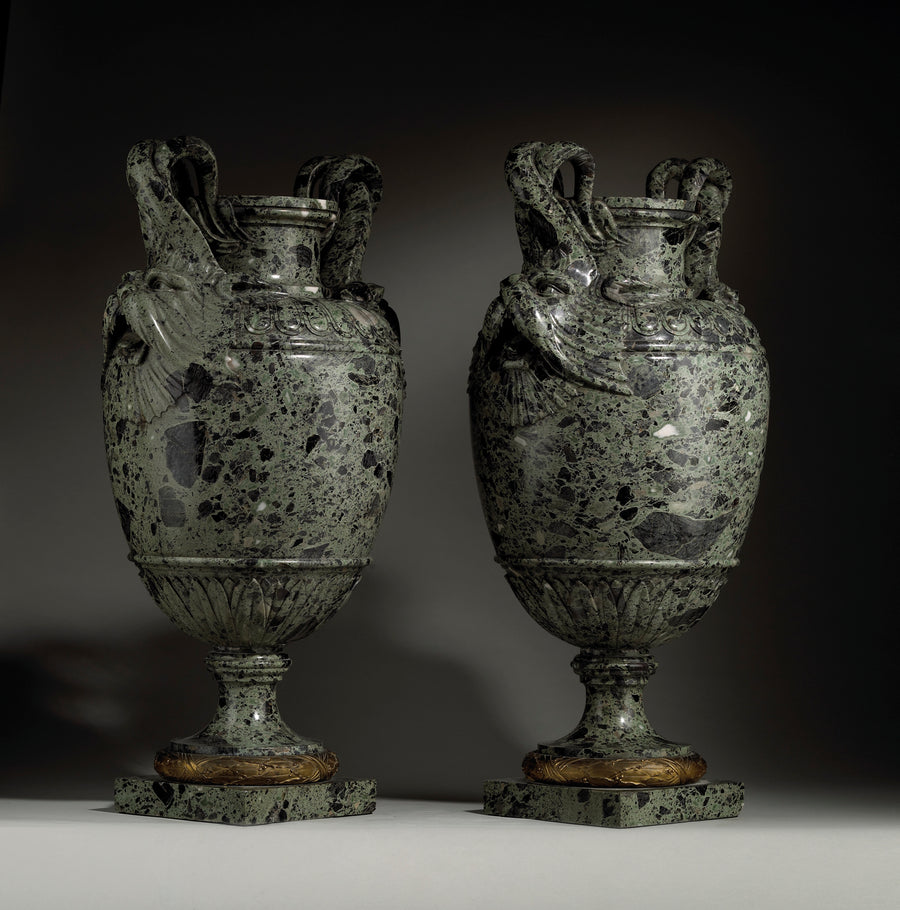
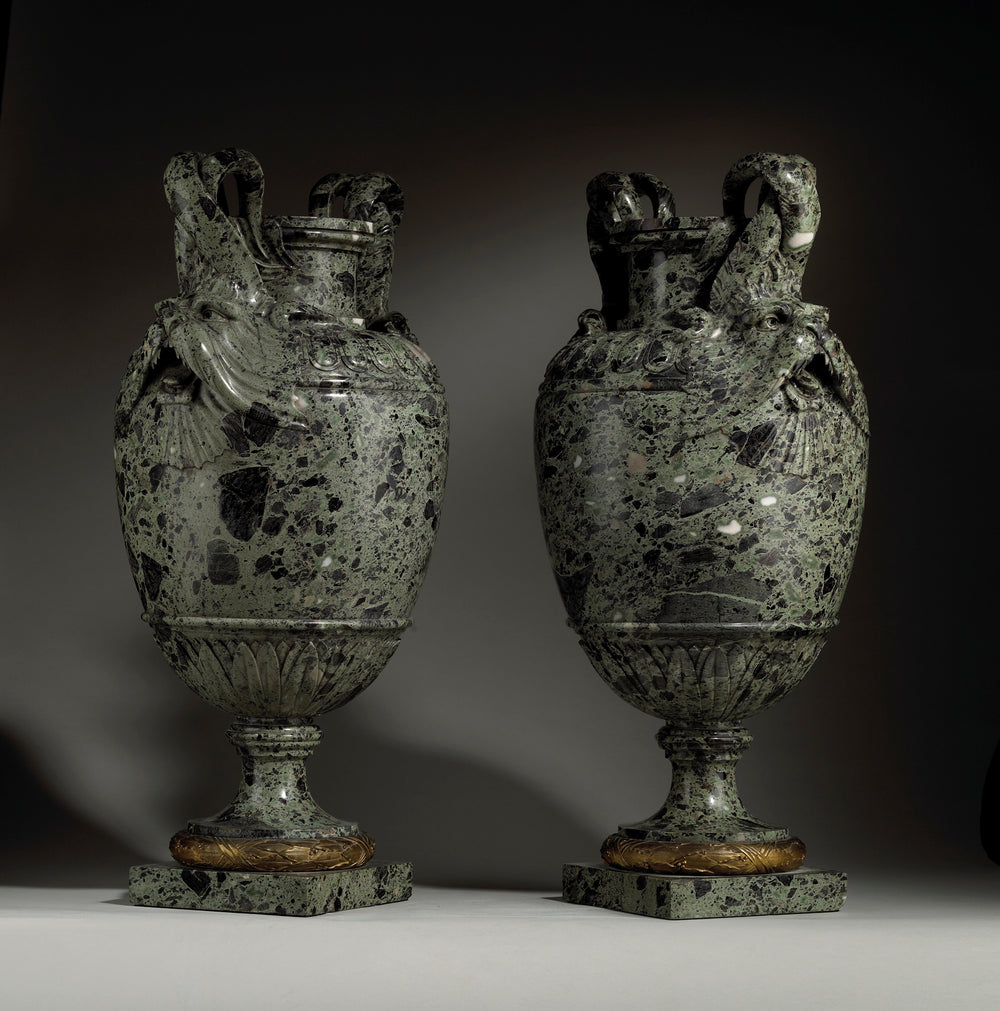
Grand Tour objects offer a peerless entry point for those seeking items with deep intellectual provenance. These pieces, once brought back by young aristocrats as trophies of their European travels, carry a sense of adventure and classical reverence. Similarly, Campaign furniture appeals to the modern, multi-national lifestyle. Its ingenious collapsible design, originally intended for British officers on the move, provides a sleek, functional aesthetic that remains remarkably contemporary.
The Centre Table as a Focal Point
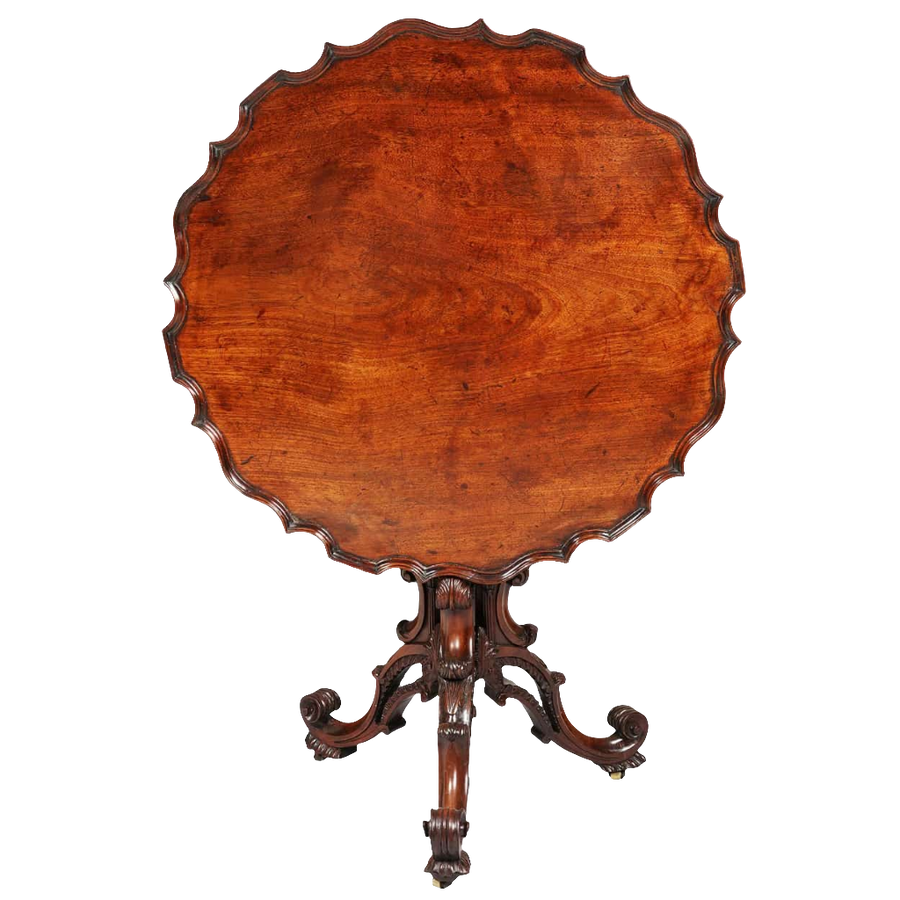
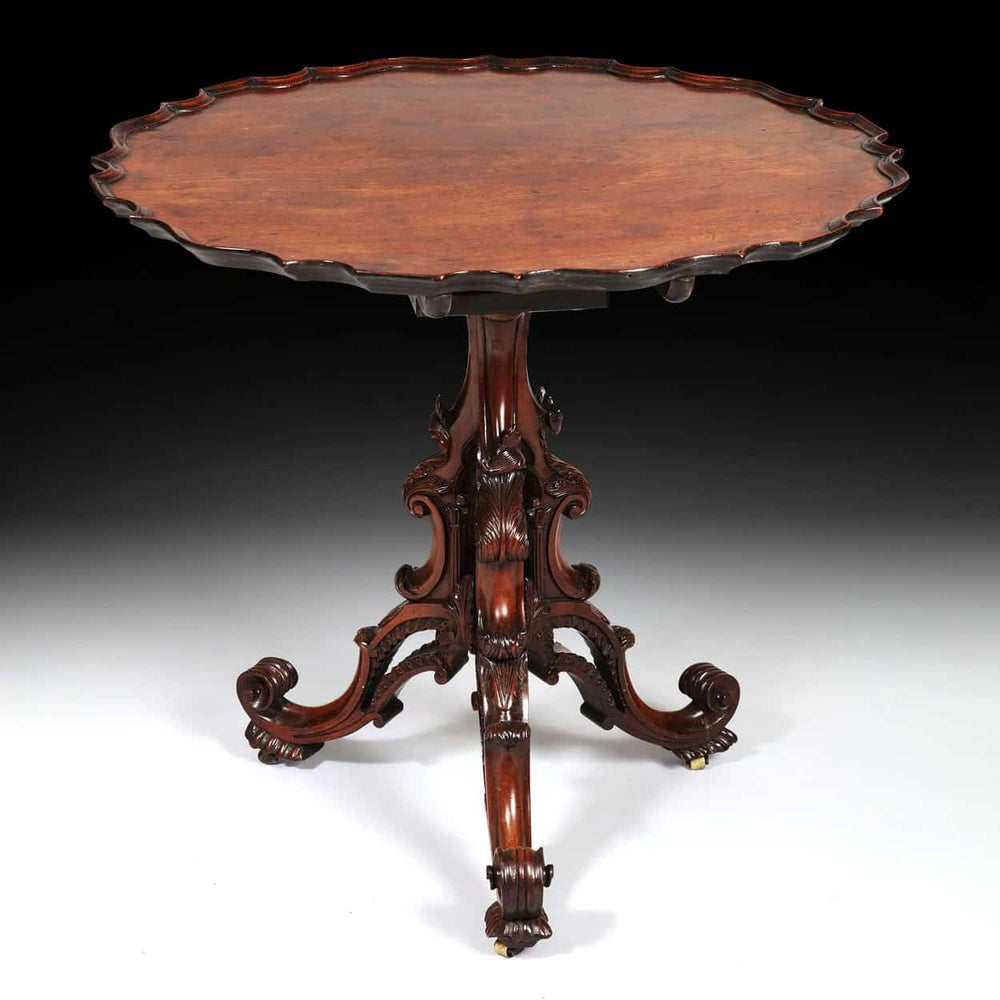
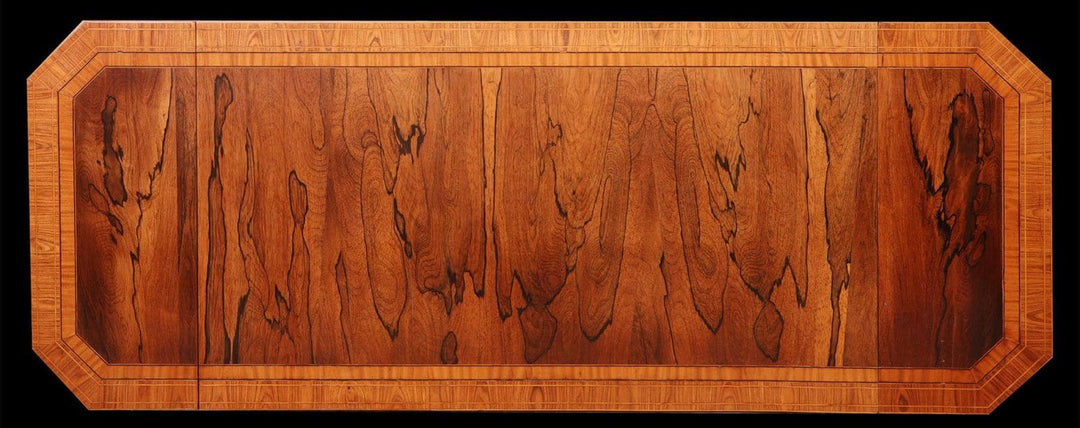
Selecting antique tables that command presence is essential for anchoring a room’s narrative. An antique centre table, positioned in a foyer or library, serves as a structural and visual pivot point. Whether it’s a Regency mahogany piece with a vibrant grain or a specimen marble top from the 19th century, such a focal point dictates the room's scale and grandeur. You can discover our latest acquisitions by browsing our exceptional collection of centre tables online today.
The Modern Acquisition: Navigating the Global Online Gallery
Acquiring rare artifacts from an online-only London gallery requires a foundation of absolute transparency and trust. For the discerning connoisseur, learning how to build an antique collection with confidence involves looking beyond the digital interface to the scholarly narrative behind each piece. Our "How We Bought It" series provides this essential insight, detailing the provenance and the specific circumstances of an object’s discovery to ensure its history is as clear as its physical condition. To maintain this integrity, we utilise only professional fine art shippers for worldwide transit, guaranteeing that every significant cultural artifact is handled with the reverence it deserves.
Seamless International Stewardship
We've refined the logistics of international acquisition to remove the friction often associated with transatlantic trade. For our clients in New York, San Francisco, and the Hamptons, we provide a bespoke luxury experience where fully insured worldwide shipping is managed with expert precision. We handle the complexities of customs documentation for items over 100 years old, ensuring a seamless white-glove delivery to estates in Greenwich or Texas. This comprehensive stewardship allows you to focus on the aesthetic and historical merits of your acquisition rather than the mechanics of its arrival.
Building a Relationship with Your Dealer
In the absence of a physical showroom, the dealer acts as a dedicated curator and trusted advisor. This online-only model encourages a more direct, personal dialogue, allowing us to understand the specific requirements of your interior. We often assist clients in bespoke sourcing, identifying exceptional examples of cabinet furniture that align with their collection's narrative focus. By acting as your eyes in the London market, we ensure that every piece meets our uncompromising standards for rarity, quality, and the preservation of the antique surface.
Cultivating a Legacy of Scholarly Acquisition
We've explored the necessity of identifying structural markers and the intrinsic value of the antique surface. We've also discussed how a clear narrative focus, such as Grand Tour objects or Campaign furniture, elevates a collection from mere decor to a significant cultural archive. Understanding these principles is the first step in learning how to build an antique collection with confidence. Since 2012, Nicholas Wells Antiques has offered established London expertise to a global clientele, bridging the gap between historical grandeur and modern luxury living.
We provide complimentary expert restoration on every acquisition and ensure seamless delivery to your US estate via fully insured worldwide shipping. It's a commitment to heritage that ensures your pieces remain as enduring as the stories they tell. We invite you to begin your journey with a trusted advisor who values the soul of the object as much as its provenance. Explore the Curated Collection of Fine Antiques and discover the singular pieces that will anchor your home's narrative for generations to come.
Frequently Asked Questions
How can I tell if an antique piece is authentic when buying online?
Authenticity in a digital gallery is established through a combination of high-resolution macro-photography and scholarly transparency. You should look for detailed views of secondary timbers and joinery that prove age. A reputable dealer will share "Dealer’s Secrets" regarding specific historical markers, such as identifying 18th-century tool marks or the distinct shrinkage of oak drawer linings that modern reproductions cannot replicate.
Is restoration harmful to the value of 18th-century furniture?
Restoration is only harmful when it compromises the historical integrity of the piece's surface. While structural conservation, such as stabilising a loose joint, is essential for longevity, aggressive refinishing that strips away original patina destroys value. Our gallery provides complimentary, sympathetic restoration with every sale, ensuring that the "story" of the object remains intact, reflecting our commitment to the conservation of history and heritage.
What are the most important factors for US collectors when importing antiques from London?
For collectors in New York or the Hamptons, the most critical factors are professional fine art handling and customs compliance. Understanding these logistics is key to learning how to build an antique collection with confidence. Antiques over 100 years old are generally duty-free in the US, provided the correct documentation is presented, a process we oversee using professional fine art shippers to ensure seamless delivery to your estate.
What does "original surface" mean in the context of high-end antiques?
The "original surface" refers to the irreplaceable layer of oxidation, wax, and gentle wear that an object accumulates over centuries. It's the visual proof of an item's journey through time, often seen in the deep, honeyed glow of a mahogany desk or the soft wear on Regency ormolu. This patina is the primary indicator of authenticity and is highly prized by connoisseurs for the depth it provides.
How do I start a collection if I am interested in Grand Tour objects?
Starting a Grand Tour collection begins with identifying a specific area of interest, such as bronze reductions of classical sculptures. These objects were originally acquired by 18th-century aristocrats during their travels, making them perfect anchors for a library. Focus on pieces with clear historical markers, as these niche categories offer a sophisticated entry point for those learning how to build an antique collection with confidence.

Leave a comment