



How to Start Collecting Antiques: A Connoisseur’s Guide to Fine Furniture and Art
The Philosophy of Collecting: Why Start Collecting Fine Antiques?
To start collecting antiques is to engage in the acquisition of items imbued with profound historical, aesthetic, and cultural significance. This pursuit transcends mere decoration; it is a scholarly endeavour. A clear distinction must be drawn between "vintage"—often referring to mid-century, mass-produced items—and "fine antiques," which represent the pinnacle of 18th and 19th-century craftsmanship and artistry. Collecting these pieces is an act of sustainability, preserving history and artistry for future generations.
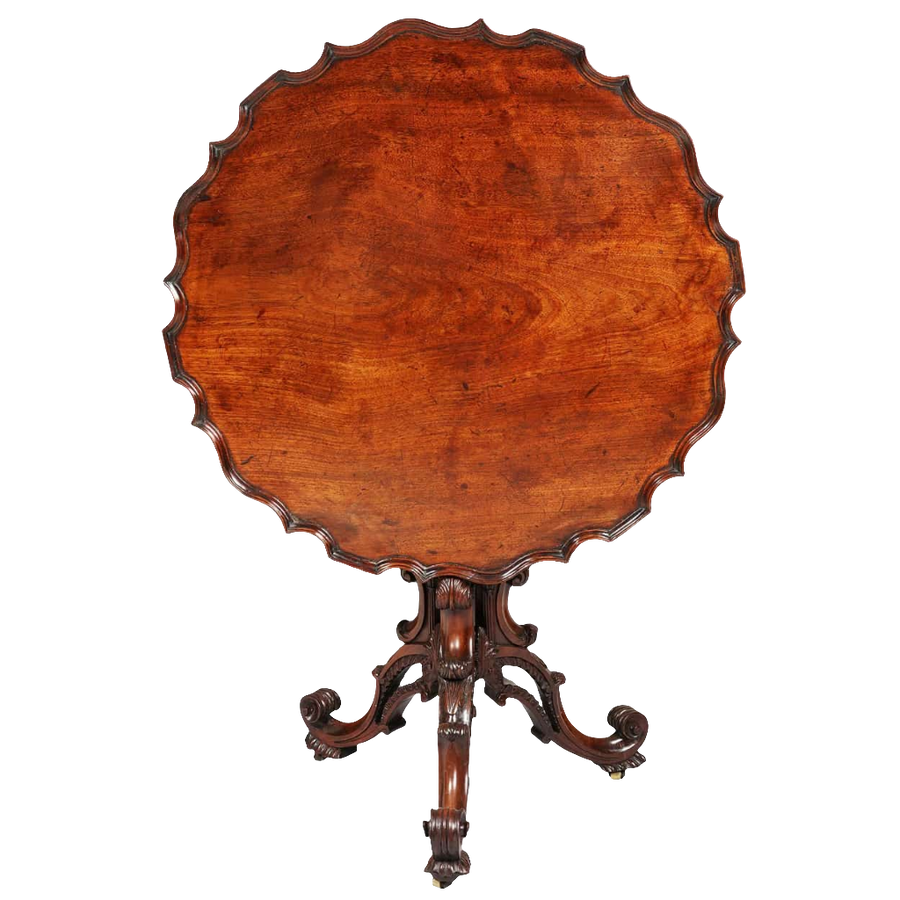
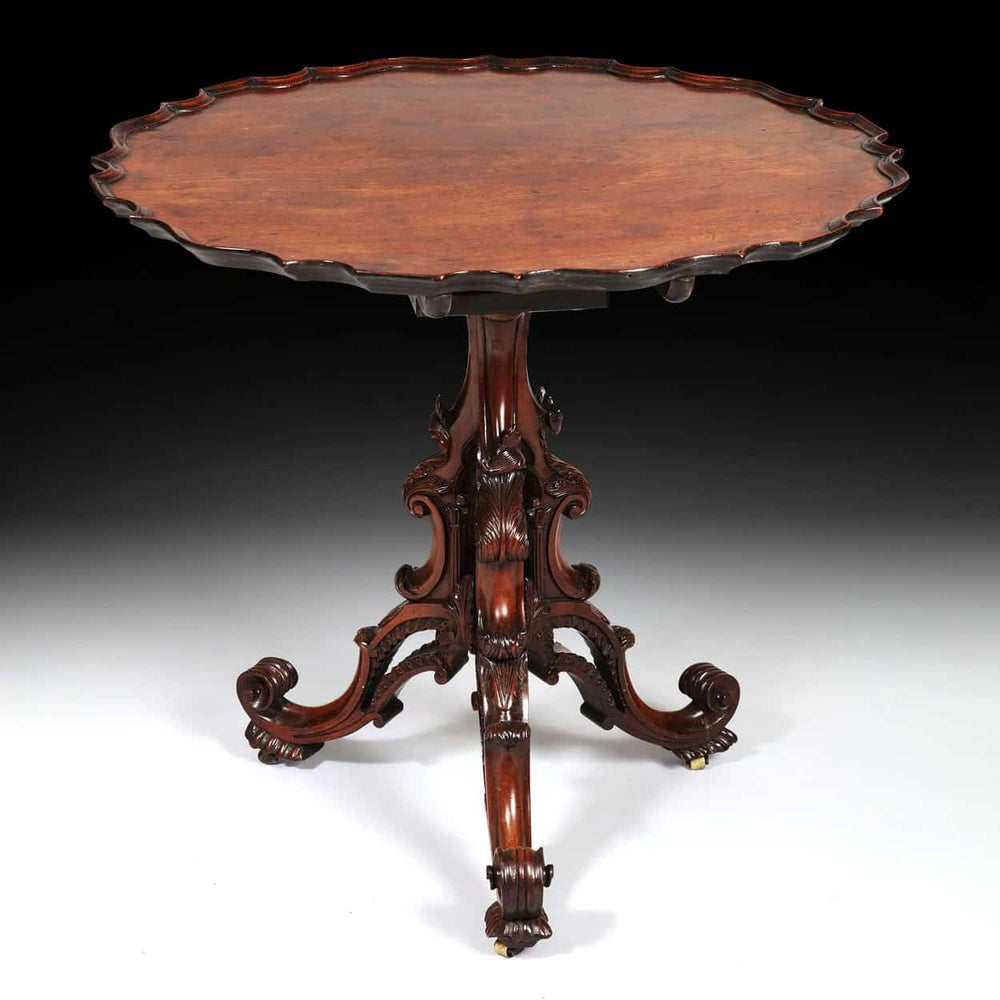
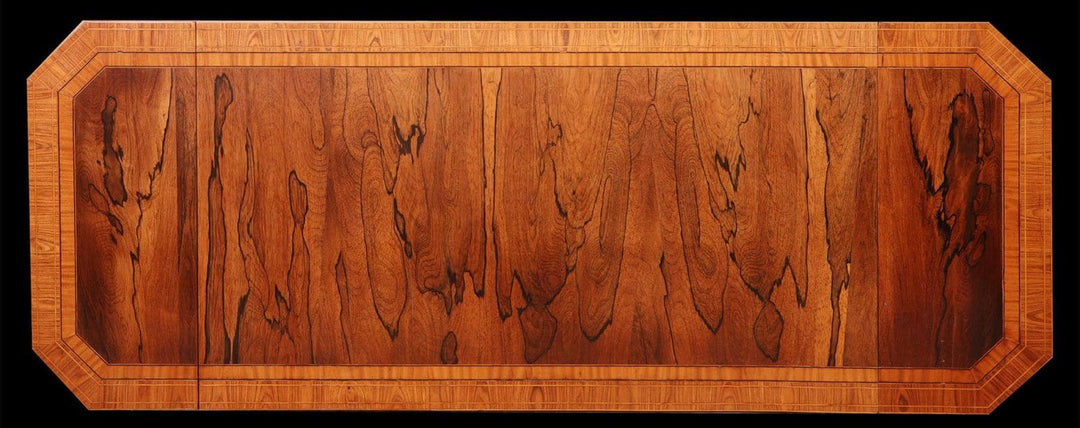
A singular, magnificent piece, such as an antique centre table, can serve as a powerful anchor in a modern interior, grounding the space with a sense of history and permanence that contemporary items cannot replicate.
The Shift from Consumer to Curator
Embarking on this journey marks a deliberate shift from being a consumer of disposable goods to becoming a curator of lasting value. It is about understanding the deep emotional resonance of living with objects that have witnessed and survived centuries of history. In this role, the collector becomes a guardian, not just of the object itself, but of its "antique surface"—the delicate, time-worn finish that tells its unique story.
Antiques as a Focal Point in Modern Design
The dialogue between the old and the new creates some of today’s most compelling interiors. The rich, dark tones of 18th-century Georgian mahogany, for instance, offer a sophisticated warmth that beautifully complements the clean lines of contemporary minimalism. Similarly, the gilded elegance of the Regency period can create a stunning juxtaposition when placed alongside 21st-century art. Strategically placed antique mirrors do more than reflect a room; they amplify light, create an illusion of space, and add a palpable layer of historical depth to modern spaces.
The Connoisseur’s Eye: Identifying Quality in 18th and 19th-Century Furniture
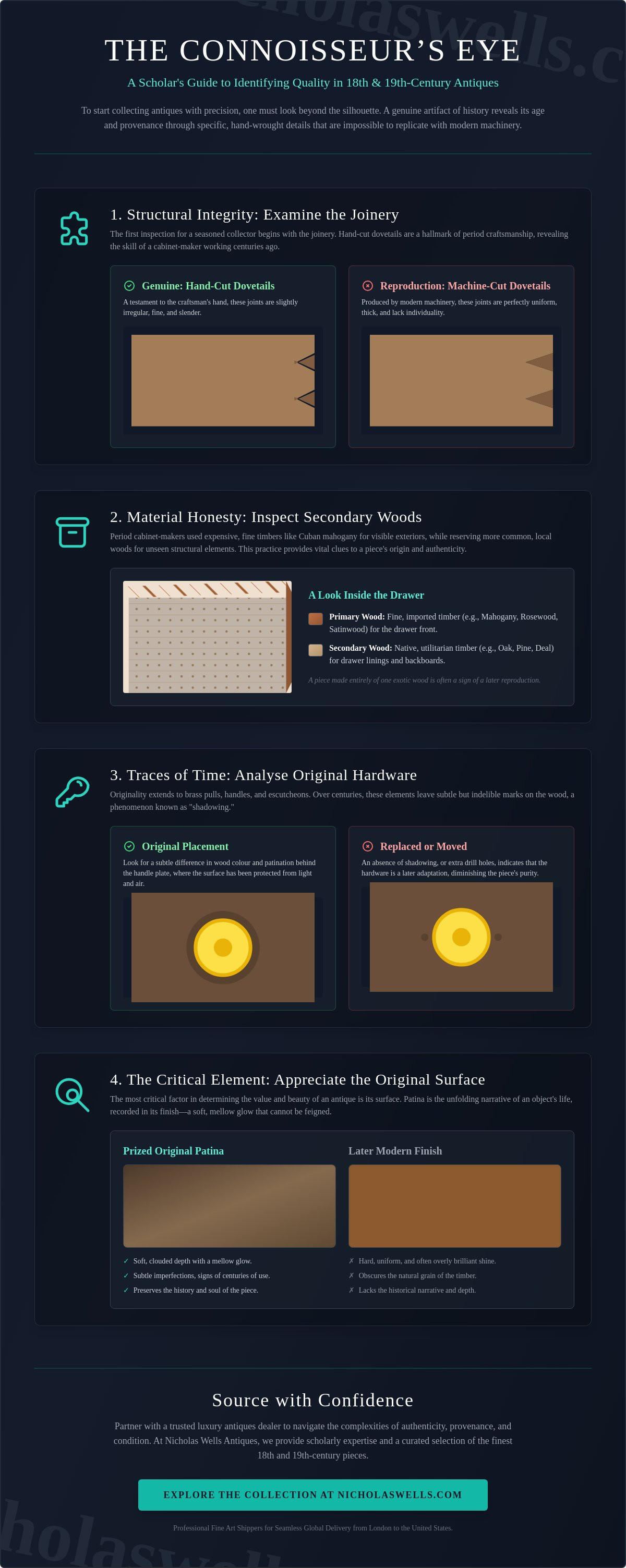
Developing a connoisseur’s eye is the first critical step for anyone who wants to start collecting antiques seriously. It begins with appreciating the paramount importance of "surface patina"—the subtle oxidation, mellowing of colour, and gentle wear that develops over centuries. This is the irrefutable proof of age and a life lived. Beyond the surface, one must learn to identify period construction techniques, such as hand-cut dovetails, the use of secondary woods like oak or pine for drawer linings, and original, period-appropriate hardware. Understanding the hierarchy of materials, from the prized density of Cuban mahogany to the exquisite artistry of French giltwood, is essential. This knowledge allows a collector to recognise the signature hallmarks of master makers like Chippendale or the distinct classical elegance of the Regency era.
The Significance of Original Surface and Patina
An antique’s surface is its soul. Pieces that have been "over-restored" or aggressively refinished lose not only their historical integrity but also a significant portion of their market value. A true collector learns to distinguish between a natural, gracefully aged surface and the crude appearance of modern distressing techniques. Patina is best understood as the unfolding narrative of an object’s life, recorded in its wood and finish. It is a delicate tapestry of use and time that can never be replicated.
Identifying Period Styles: Georgian to Art Deco
- Georgian Mahogany: This period is often considered the golden age of English cabinet-making. It is defined by its masterful use of rich mahogany, a focus on perfect proportion, and elegant, restrained design.
- Regency Flair: The Regency era introduced a new level of decorative sophistication, incorporating classical motifs from Greek and Roman antiquity, fine brass inlays, ormolu mounts, and exotic veneers.
- French Giltwood: Representing the height of technical mastery, 18th-century French giltwood furniture and mirrors showcase intricate carving and water-gilding techniques that remain unparalleled.
Sourcing with Confidence: The Role of the Luxury Antiques Dealer
For the serious collector, navigating the complexities of the antiques market requires a trusted guide. Partnering with a specialist fine antiques dealer is not a convenience but a necessity. An expert gallery provides a crucial layer of vetting, ensuring every piece has been scrutinised for authenticity, condition, and provenance. In recent years, the market has seen a transition from the traditional physical showroom to the elite online gallery model, offering global access to curated collections. This modern approach combines scholarly expertise with digital convenience, allowing collectors worldwide to source exceptional pieces with confidence.
The Advantages of the Professional Gallery
A professional gallery offers access to a curated, high-value inventory that often never reaches public auctions. This provides the peace of mind that comes with complimentary, expert restoration and appraisal included with every acquisition. Most importantly, it allows you to build a long-term relationship with a trusted advisor like Nicholas Wells Antiques, who can help shape and elevate your collection over time.
Beyond the Auction Room
While auctions can seem alluring, they are often a perilous environment for the beginning collector. Risks include undisclosed condition issues, costly buyer’s premiums, and the pressure of fast-paced bidding. In contrast, a dealer provides a seamless acquisition process, managing every detail without the stress of the gavel. This "white glove" service, from the initial scholarly inquiry to the final placement of the piece in your home, is the hallmark of a luxury-level experience.
Strategic Acquisition: Curating Your First Significant Pieces
When you start collecting antiques, a strategic approach is vital. It is wise to begin with "anchor pieces" that can define a room. A fine commode or a distinguished centre table makes for a prudent first investment, establishing a standard of quality for the rest of your collection. From there, one can explore fascinating niche categories, such as the intellectual allure of Grand Tour objects or the sculptural power of Islamic arms and armour. A guiding principle for any serious collector is to "buy the best you can afford" rather than acquiring multiple mediocre items. Diversifying with decorative arts—such as classical obelisks, bronze sculpture, or antique lighting—adds layers of texture and interest.
Masterpieces of the English Townhouse
The English townhouse aesthetic offers a timeless template for elegant living. The enduring appeal of the English sideboard and dining table lies in their perfect balance of form and function. Regency pier mirrors, designed to hang between tall windows, are masters of reflecting light and history. By focusing on antique furniture that serves both a practical and an aesthetic purpose, you build a collection that is both beautiful and liveable.
Niche Collections: Grand Tour and Tribal Art
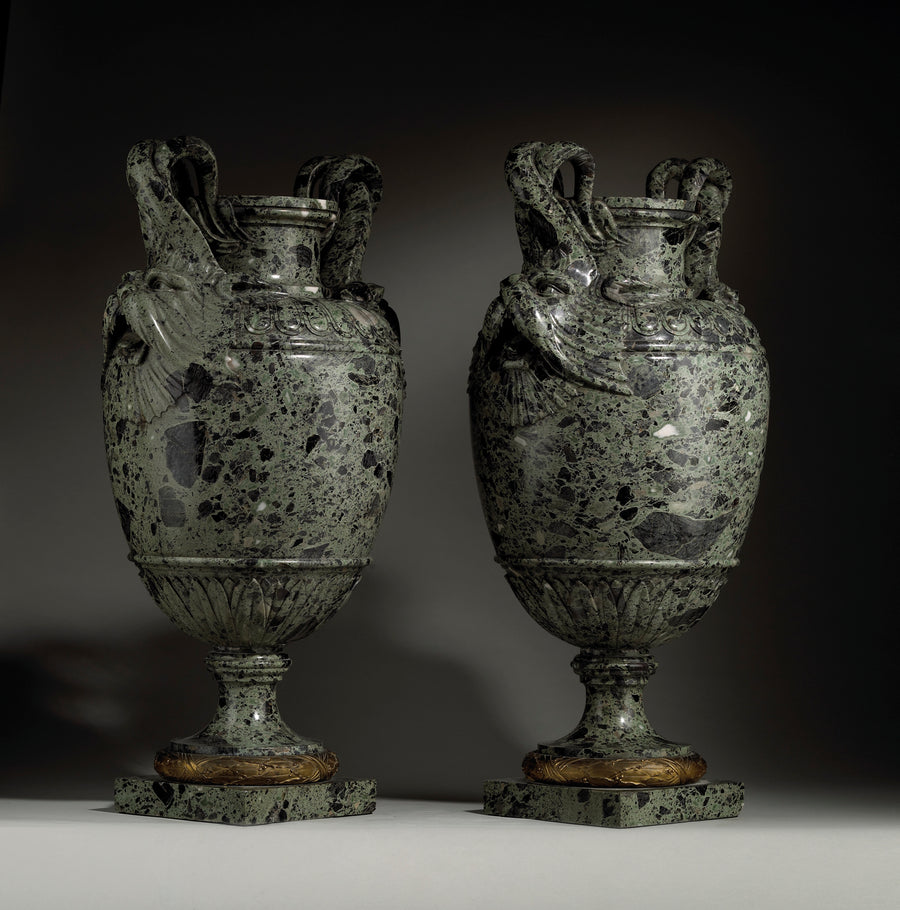
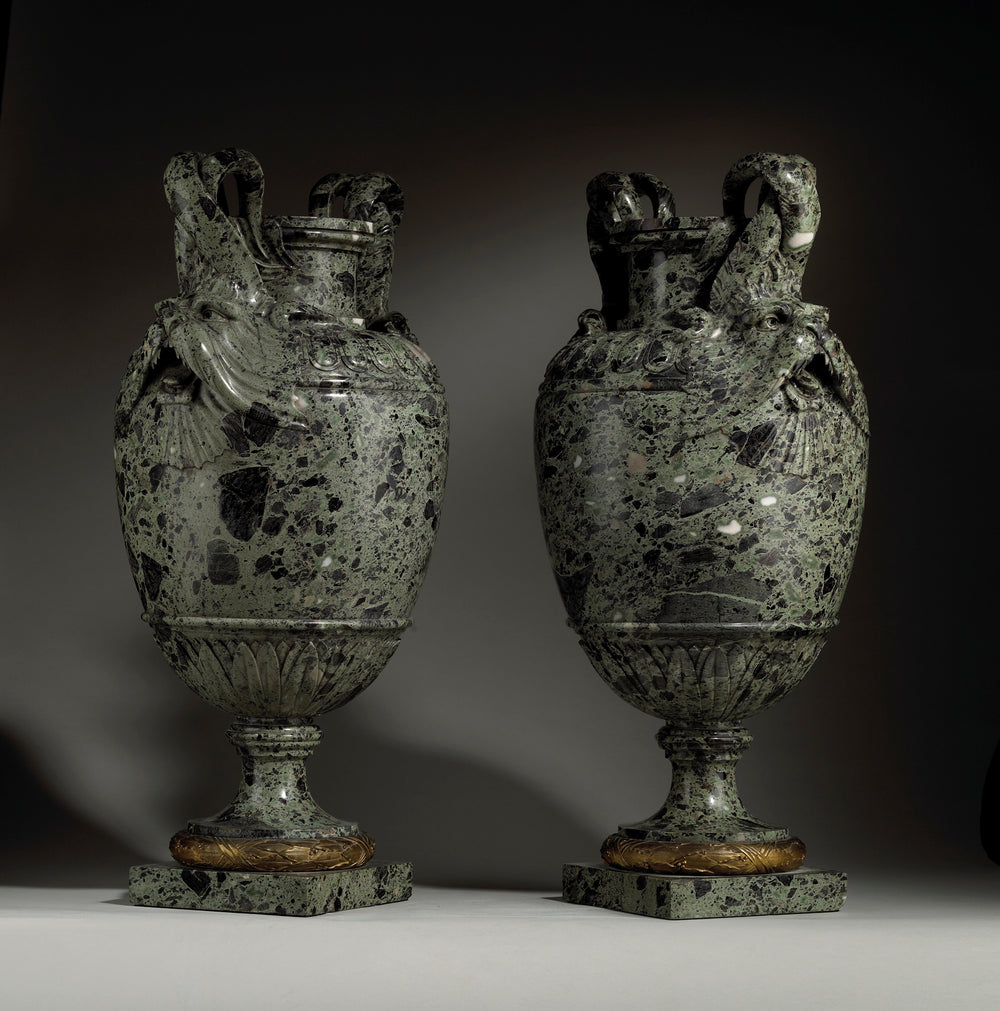
For the collector with specialised interests, niche categories offer a world of discovery. Grand Tour souvenirs—marble sculptures, architectural models, and bronze statuary—bring the classical world of Rome and Greece into the modern home. Oceanic and Tribal Art offers a different kind of appeal, valued for the raw sculptural power and abstract beauty of ethnographic objects. Similarly, the intricate craftsmanship of 18th-century Indian and Islamic works, particularly arms and armour, represents a fascinating intersection of artistry and history.
The Stewardship of History: Conservation, Restoration, and Global Logistics
Acquiring a fine antique is to accept the role of its steward. This comes with a responsibility to uphold the ethics of restoration, which prioritise preserving the unique antique surface while ensuring the piece’s long-term structural integrity. At Nicholas Wells Antiques, complimentary restoration is included with every item, a meticulous process that prepares each piece for its next century of life. For our international clientele, we have perfected the art of seamless global acquisition, regularly shipping fine art and furniture from London to New York, Texas, and California. The process relies on professional fine art shippers who specialise in protecting high-value investments during transit.
Conservation vs. Restoration
A "light-touch" approach to conservation is always preferred over heavy-handed refinishing. The goal is to stabilise, not erase, the signs of age. Protecting the patina is paramount, achieved through the use of traditional beeswax polishes and historical techniques passed down through generations. This expert care, combined with proper environmental management in the home, ensures the longevity of these important historical artefacts.
Global Curation: From London to the Hamptons
Our London-based gallery is proud to serve the discerning American market, offering fully insured worldwide shipping. The ease of digital acquisition, supported by high-resolution imagery, detailed condition reports, and scholarly descriptions, makes it possible for a collector in Greenwich, CT, or the Hamptons to acquire a masterpiece with the same confidence as a local client. This concludes the journey from initial discovery to final placement, allowing you to live with history in a modern world.


Leave a comment