



Is Antique Furniture a Good Investment? A Connoisseur’s Guide to Asset Preservation
While the digital marketplace flutters with the volatility of speculative assets, a finely carved 18th-century mahogany commode stands with a physical permanence that no modern commodity can replicate. Many collectors today ask if the era of traditional furniture has faded, or if the intricacies of authentication make the pursuit too treacherous for the modern investor. The fundamental question of whether is antique furniture a good investment is best answered by looking beyond fleeting trends toward the enduring value of rarity and exceptional craftsmanship.
We understand the hesitation that comes with acquiring significant pieces from abroad, particularly regarding the nuances of the 10% US import tariff or the rigorous requirements of the Lacey Act. However, fine antiques remain one of the most sophisticated stores of private wealth available to the discerning eye. In this guide, I will share the dealer's secrets for identifying investment-grade acquisitions that transcend fashion. We shall examine how provenance and surface patina preserve value, and why our partnership with specialist fine art shippers makes transporting a Regency convex mirror to the Hamptons or San Francisco as effortless as a local acquisition. You will discover a framework for building a collection that serves as both a cultural legacy and a resilient financial asset.
Key Takeaways
- Discover why is antique furniture a good investment by identifying the specific traits of rarity and craftsmanship that ensure long-term wealth preservation.
- Understand the critical importance of original surface patina and documented provenance in verifying the authenticity and maintaining the valuation of a historical acquisition.
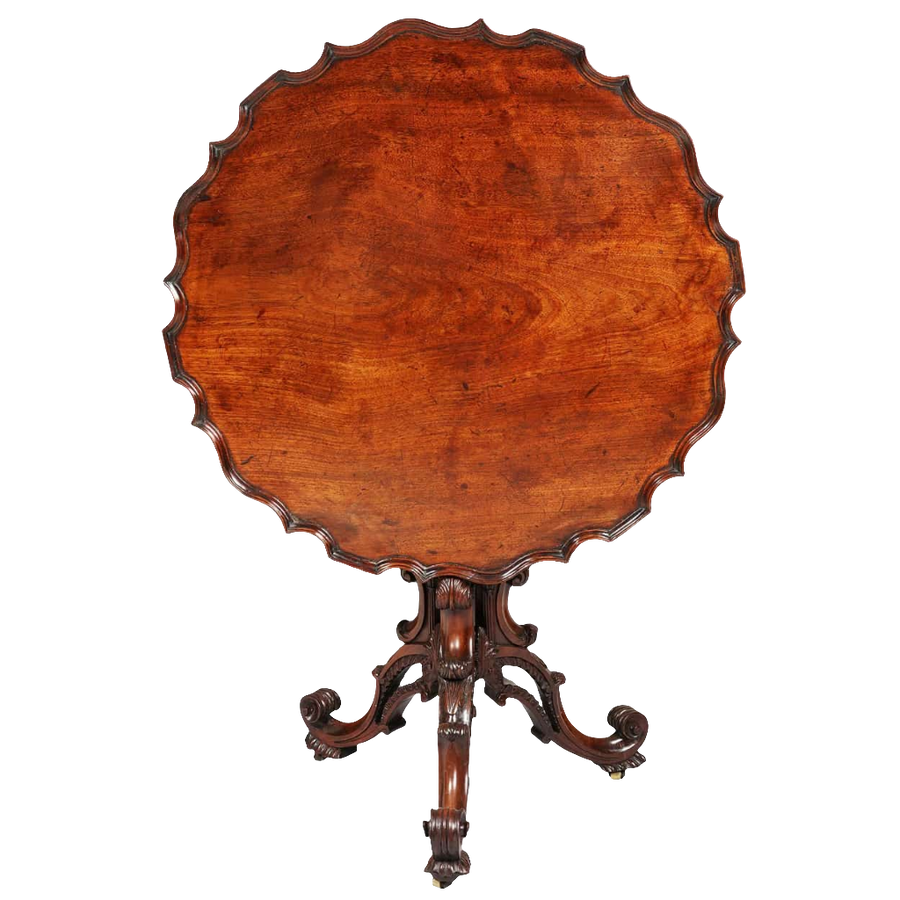
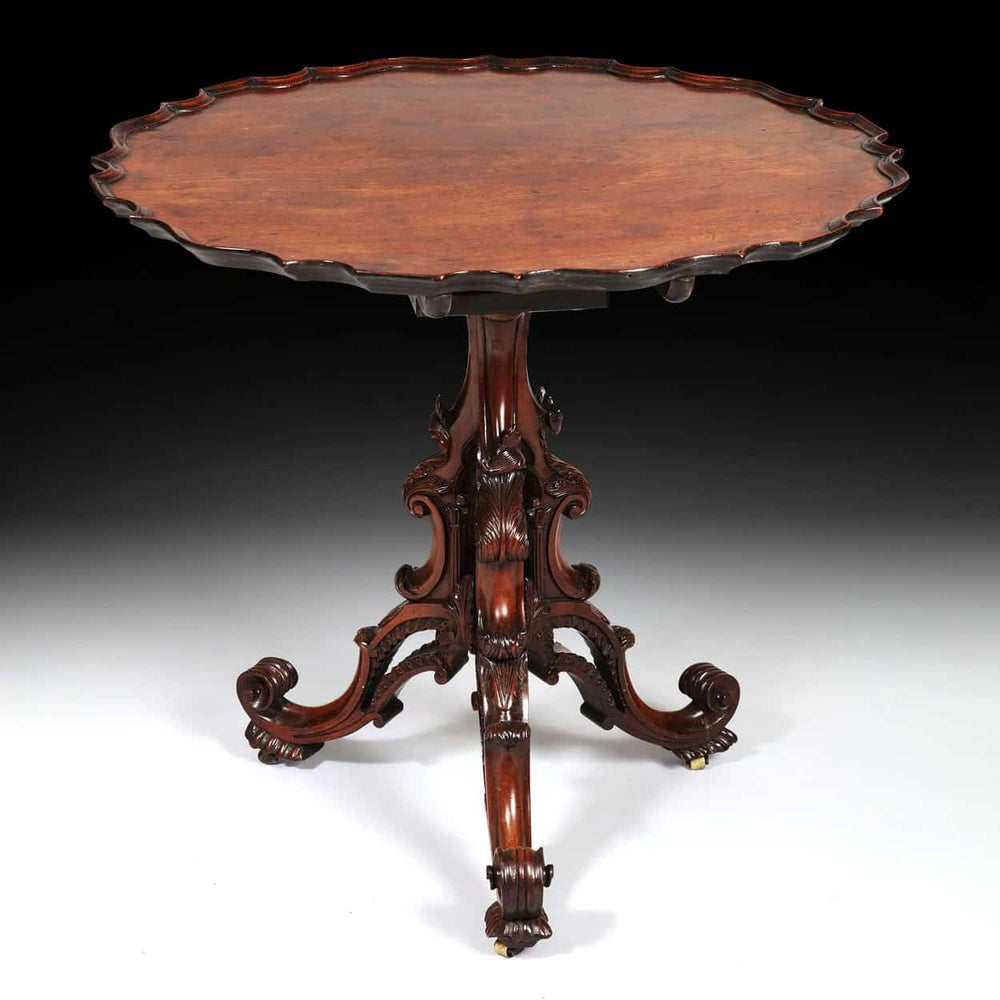
- Explore the "Hero Piece" strategy for modern interiors, using singular items like a Regency centre table to create sophisticated focal points in contemporary spaces.
- Recognise the environmental value of collecting fine antiques as a sustainable, eco-conscious alternative to the modern cycle of disposable luxury.
- Gain clarity on the logistics of international acquisition, from navigating US import regulations to utilising professional fine art shippers for secure delivery.
Understanding Antique Furniture as a Tangible Asset
To determine if is antique furniture a good investment, one must first distinguish between mere second-hand items and true investment-grade assets. In my experience as a specialist dealer, a piece earns this distinction through a rare alchemy of rarity, condition, and provenance. While the modern fast furniture cycle encourages a culture of disposability, a Georgian mahogany sideboard represents a multi-generational store of value. These pieces were crafted from materials that are now effectively extinct. The dense, lustrous Caribbean mahogany used in the 18th century is no longer available for commercial harvest, giving these historical objects an inherent material value that modern reproductions can never match.
Fine antiques function as a sophisticated store of value because they are finite. There is no factory that can replicate the slow growth of primary-forest timber or the authentic wear of a 200-year-old giltwood surface. When you acquire a piece from our antique furniture collection, you're securing a tangible historical artifact that has already survived centuries of shifting tastes and economic cycles.
The Distinction Between Decorative and Investment-Grade
Understanding Antique Furniture requires recognising the hand of a master maker. A generic Victorian chest may serve a decorative purpose, but it lacks the price stability of a piece with historical significance. A signed piece by a master like Chippendale or a documented Regency commission holds value differently because it is a singular cultural artifact. These blue-chip items remain resilient because their appeal is rooted in scholarship and rarity rather than fleeting fashion.
Antiques as a Hedge Against Inflation
Tangible assets often perform exceptionally well during periods of currency volatility. Unlike digital or paper assets, fine furniture offers utility value. It is an investment you can use and enjoy daily in your home in Greenwich or San Francisco. One of my Dealer's Secrets is that the best acquisitions are those where the historical narrative is as well-preserved as the timber itself. By securing a piece with a documented journey through time, you aren't just buying a desk; you're preserving a fragment of history that serves as a robust financial anchor.
The Anatomy of a High-Value Acquisition: Provenance and Patina
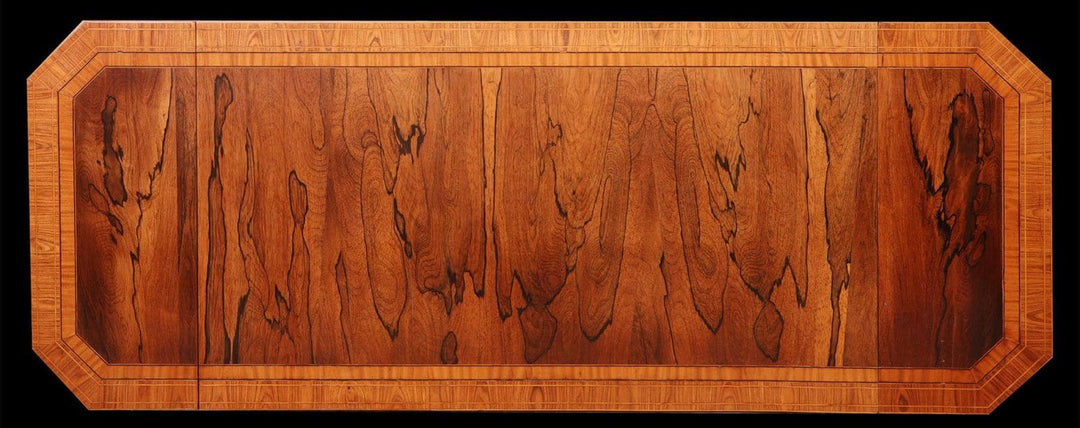
The physical "skin" of a piece, known as its patina, remains one of the most significant factors in determining its long-term market resilience. When discerning collectors consider if is antique furniture a good investment, they are often looking for the soft, deep glow that only centuries of oxidation and careful waxing can produce. This original surface is a finite resource. Once a piece is stripped and refinished to appear "new," its historical integrity is compromised. Over-restoration frequently results in a significant reduction in financial value, as the piece loses the very character that makes it a singular artifact.
Provenance is the documented history of ownership that confirms an object's authenticity and historical journey. A Regency convex mirror with a known lineage from a specific English country house carries a premium that an anonymous example cannot match. These documented histories provide a level of security for the investor, transforming an object from a mere decorative item into a blue-chip staple. Pieces such as a grand Regency dining table or an intricate Irish pier mirror remain market anchors because their aesthetic appeal is matched by their historical weight.
The Value of the Original Surface
Collectors in New York and Texas increasingly prize the "unbroken" history of a piece’s finish. At Nicholas Wells Antiques, we prioritise the conservation of history over mere aesthetic repair. We believe that every small bruise or shadow on a 19th-century surface tells a story worth preserving. This commitment to the "Dealer's Secrets" of conservation ensures that the pieces we source retain their maximum potential as assets. You can explore our latest acquisitions in the antique furniture collection to see these principles in practice.
Identifying Period Excellence
Markers of quality in 18th-century English furniture often reside in the timber selection and the depth of the carving. High-grade mahogany, chosen for its density and figure, allows for crisp, architectural details that inferior woods cannot sustain. You can observe these hallmarks of period excellence throughout our antique furniture collection, where each piece is vetted for its singular character and superior craftsmanship. Identifying the difference between a shallow, late-Victorian carving and the vigorous, deep work of the Georgian era is essential for any serious connoisseur.
Integrating Fine Antiques into Contemporary Luxury Interiors
The debate over whether is antique furniture a good investment often finds its most visually stunning resolution in the foyer of a minimalist residence. We frequently see the "Hero Piece" strategy employed by top designers in San Francisco and the Hamptons, where a singular, bold antique centre table acts as a sophisticated anchor against clean, modern lines. This deliberate juxtaposition creates a narrative depth that mass-produced items simply cannot provide, transforming a house into a curated home. It's a testament to the idea that a high-value antique doesn't just sit in a room; it commands it.
In the sprawling new-build homes of Greenwich, Connecticut, the addition of 18th-century gilt chandeliers or intricate antique lanterns provides an essential "architectural soul." These objects serve as historical sculptures that break the monotony of contemporary surfaces. By choosing antique lighting, you're investing in a focal point that will appreciate in character while providing immediate atmosphere. These pieces carry the weight of history into modern spaces, offering a sense of permanence that is often missing from today's interiors.
There is also a profound psychological value in heritage. Owning a piece from our Grand Tour objects allows one to touch a physical remnant of the 18th-century intellectual journey. In an increasingly digital world, these tangible artifacts offer a grounding connection to human history that transcends mere decoration. They are conversation starters that reflect the owner's appreciation for global heritage and scholarly pursuits.
The Aesthetic Dialogue: Modern Art and Antique Forms
Pairing an Art Deco cabinet with sharp contemporary paintings creates a sophisticated, layered look. This dialogue between disparate eras signals a high level of connoisseurship and personal style. You can discover complementary decorative pieces to complete your vision by browsing our works of art, where each item is chosen for its ability to bridge the gap between historical grandeur and modern aesthetics.
The Sustainable Asset
Buying antiques is the ultimate sustainable choice for the eco-conscious collector. The carbon footprint of an antique is negligible when compared to the energy required for a modern luxury reproduction. True sustainability is measured by longevity; an object that has survived two centuries is a testament to enduring quality. By investing in the past, you are making a responsible choice for the future of our environment. Discover how our curated inventory can transform your interior by exploring our full antique furniture collection today.
Navigating the Market with Nicholas Wells Antiques
Acquiring a significant piece of history requires more than an appreciation for aesthetics; it demands a partnership with a specialist who treats every object as a significant cultural artifact. When clients ask me if is antique furniture a good investment, I point to the scholarly rigour we apply to our inventory. Unlike generalist dealers, we provide a deep narrative for each piece, from a Russian malachite tazza to 17th-century leather screens. This academic vetting ensures that your acquisition is not merely decorative, but a documented asset of the highest calibre.
To further protect your capital, we offer a complimentary restoration service. This is not about making a piece look "new," but rather a sympathetic conservation that stabilises the structure while honouring the original surface patina. This ensures your Georgian mahogany sideboard arrives in your Greenwich or Dallas home in optimal condition, ready to serve as a focal point for generations. It is this attention to detail that distinguishes a fine antiques dealer from a simple retailer.
I often hear concerns from American collectors regarding the logistics of moving fragile masterpieces across the Atlantic. We have refined this process through years of collaboration with professional fine art shippers. Whether you are based in San Francisco, Texas, or the Hamptons, our white-glove service handles every nuance, from bespoke crating to navigating the 10% baseline tariff and Lacey Act declarations. Our presence in the prestigious Mayfair and Piccadilly area allows us to maintain a global perspective, and we welcome private appointments to discuss specific collection goals.
The London Advantage: Sourcing from the Global Hub
London remains the indisputable epicentre for 18th and 19th-century English furniture. By sourcing directly from this hub, American collectors gain access to the finest examples of Regency and Chippendale craftsmanship that rarely appear on the domestic US market. My role is to provide a bridge between this historical grandeur and the aesthetic demands of modern luxury living, ensuring you acquire pieces that are both beautiful and historically significant.
For collectors spending time in the capital to source these treasures, ensuring the security of their transport is a vital consideration; Safe & Sound Mobile provides expert vehicle security and tracking installations throughout the UK to protect high-value vehicles.
Securing Your Collection
Building a cohesive collection is a slow, deliberate journey. As your trusted advisor, I help you navigate the market to ensure that each new acquisition strengthens the overall value of your holdings. Ultimately, the question of whether is antique furniture a good investment is answered by the quality of the pieces you choose to live with. Explore our curated collection of investment-grade antiques to begin or refine your journey into the world of fine decorative arts.
Securing a Legacy of Craftsmanship and Value
The decision to acquire fine decorative arts is rarely driven by utility alone; it's an act of stewardship for future generations. We've explored how the intersection of rarity, documented provenance, and the preservation of original surface patina creates a resilient store of wealth. While market trends may fluctuate, the fundamental question of whether is antique furniture a good investment remains answered by the enduring scarcity of primary-forest timbers and the hand of the master maker. These are tangible assets that offer both aesthetic pleasure and financial stability.
From our gallery in the heart of Mayfair, London, we provide the expert guidance needed to navigate this complex landscape with absolute confidence. Every acquisition includes our complimentary expert restoration to ensure your piece is preserved for the future, while our partnership with fine art specialists guarantees fully insured worldwide shipping to your doorstep in New York or San Francisco. I invite you to view our exceptional collection of fine English and Continental furniture and discover a piece that resonates with your personal narrative. Your journey into the world of connoisseurship is just beginning.
Frequently Asked Questions
Is antique furniture still going up in value?
Rare, investment-grade pieces continue to appreciate as the global market for high-end second-hand goods is projected to reach $84.44 billion by 2035. While generic items may fluctuate, furniture crafted from extinct primary-forest timbers or those with impeccable provenance remain resilient stores of wealth. This growth reflects a significant cultural shift away from disposable "fast furniture" toward unique, multi-generational assets that possess inherent historical value.
What are the best antique furniture styles to invest in right now?
We're seeing a robust resurgence in 18th-century English mahogany, particularly Georgian and Regency styles, which offer the architectural permanence required for modern luxury interiors. Niche categories such as campaign furniture and Grand Tour objects are also highly prized for their singular historical narratives. These "hero pieces" remain a sophisticated choice when evaluating if is antique furniture a good investment for collectors in New York or San Francisco.
How can I tell if a piece of antique furniture is authentic?
Authentication requires a scholarly eye for period construction, such as the hand-cut dovetails of a 17th-century bureau or the specific density of Caribbean mahogany. One of my Dealer's Secrets is to scrutinise the secondary woods and unpolished surfaces for natural oxidation, which creates a dark, honest grime that cannot be replicated. Authentic patina possesses a soft, deep lustre that only centuries of careful waxing and light can produce.
Does restoring an antique ruin its investment value?
Sympathetic conservation protects your capital, whereas aggressive over-restoration can devalue an 18th-century piece by half. Stripping an original surface to make it appear "new" is a catastrophic error that destroys the object's historical integrity. Our approach focuses on stabilising the structure and reviving the existing finish, ensuring that the piece retains the character and "skin" that connoisseurs prize above all else.
How do I safely ship high-value antiques from London to the United States?
Transporting rare acquisitions to regions like Texas or Greenwich is a seamless process when managed by professional fine art shippers. These specialists provide bespoke crating and climate-controlled transit, handling all complex customs documentation and Lacey Act declarations on your behalf. This white-glove service ensures that even the most delicate giltwood mirror or malachite tazza arrives in pristine condition, reinforcing why is antique furniture a good investment for the international collector.

Leave a comment