



Why Every Collector Should Consider an Antique Secretaire
What if a single piece of furniture could anchor the intellectual spirit of an entire home while serving as a testament to centuries of discerning taste? For the seasoned collector, the search for authentic antique bureaus, secretaires & bookcases often begins within the historic heart of the London antique trade, where the legacy of master cabinet makers remains most palpable. However, the transition from the traditional Mayfair gallery to the digital landscape has left many connoisseurs feeling adrift, fearing they might inadvertently acquire a heavily restored piece or a clever reproduction without the tactile assurance of a physical viewing.
In this guide, we bridge the gap between the heritage of the London fine art trade and the convenience of a modern, online-only gallery, offering the scholarly authority you'd expect from a premier St James's dealer. You'll discover how to identify the singular "antique surface" and master the "Dealer’s Secrets" of authentication, ensuring your next acquisition, perhaps an English walnut bureau 18th century, is a genuine cultural artefact. From understanding the nuances of period cabinetry to navigating white-glove shipping to New York or San Francisco, we provide the expertise needed to select a masterpiece that will define your interior for generations.
Key Takeaways
- Master the subtle distinctions between the sloping fall-front of an English bureau and the vertical elegance of a Continental secrétaire to ensure your collection reflects true historical accuracy.
- Discover why the "antique surface" and original patina are the most vital assets when selecting antique bureaus, secretaires & bookcases of exceptional rarity and quality.
- Learn the "Dealer’s Secrets" of authentication by examining hand-cut dovetails and period locks to distinguish genuine 18th-century masterpieces from later restorations or reproductions.
- Explore how to integrate grand period cabinetry into modern luxury spaces, utilising secret compartments and pigeonholes for sophisticated organisation in a contemporary study or townhouse.
- Understand the ease of international acquisition, where professional fine art shippers provide white-glove delivery from our online gallery directly to your residence in the United States.
Defining the Forms: Bureaux, Secrétaires, and Bookcases
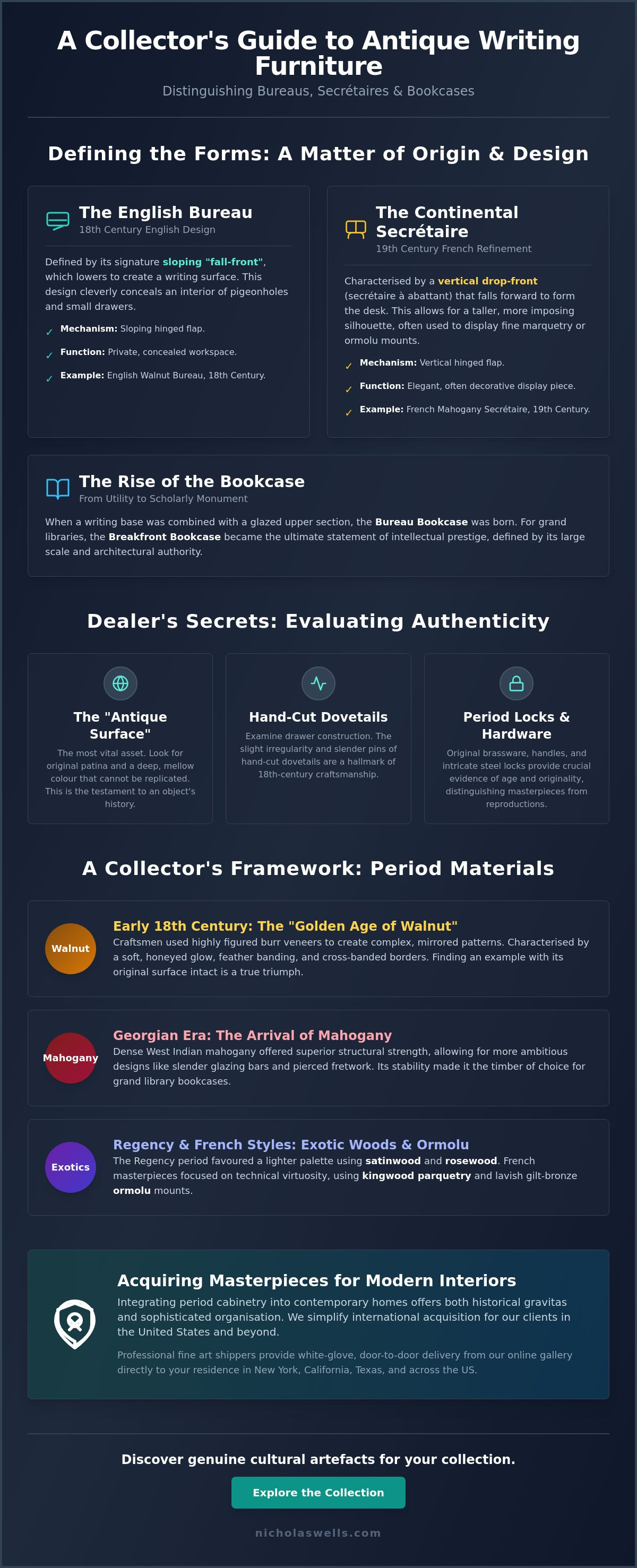
The landscape of antique bureaus, secretaires & bookcases is defined by an architectural evolution that mirrors the changing habits of the scholarly elite. To appreciate the bureau, one must examine the English walnut bureau 18th century, which introduced the sloping "fall-front" writing surface. This design transformed the early desk into a private sanctuary, concealing a complex arrangement of drawers and pigeonholes behind a figured timber flap. It represents a departure from the simple writing box, evolving into a sophisticated piece of cabinet furniture that served as the nerve centre of the Georgian home.
As Continental influences permeated the London trade, the Secretary desk, or secrétaire, emerged as a refined alternative. While the English form favoured the slope, the French mahogany secrétaire à abattant 19th century utilised a vertical drop-front. This mechanism allowed for a taller, more imposing silhouette that functioned as a canvas for elaborate marquetry or ormolu mounts. When the writing base was topped with a glazed upper section, the English mahogany bureau bookcase 18th century was born. This towering structure acted as a scholarly monument, combining the utility of a desk with the prestige of a library display.
The Evolution of the Library Bookcase
The transition from private closets to expansive libraries in the mid-18th century necessitated a shift in scale. The English mahogany breakfront bookcase 18th century became the definitive statement of intellectual prestige. These grand structures, often featuring Gothic glazing bars, allowed for the display of a gentleman's library on an unprecedented scale, anchoring the walls of grand country houses with architectural authority.
Secretaires vs. Bureaux: A Matter of Origin
The English bureau is defined by its sloping writing flap, whereas the European secrétaire typically employs a vertical drop-front that reveals a sophisticated architectural interior. This "fall-front" mechanism remains a masterpiece of cabinet-making engineering, requiring perfect counterbalancing and precision joinery to ensure the heavy flap remains stable for writing.
Period Styles and Materiality: A Collector’s Framework
The material composition of antique bureaus, secretaires & bookcases dictates not only their aesthetic allure but their very survival through the centuries. During the early 18th century, the "Golden Age of Walnut" saw craftsmen utilising highly figured burr veneers to create mirrored patterns of extraordinary complexity. These walnut bureaux, often featuring delicate feather banding and cross-banded borders, possess a soft, honeyed glow that modern finishes simply cannot replicate. The inherent fragility of walnut means that finding an example with its original "antique surface" intact is a triumph for any connoisseur.
As the Georgian era progressed, the arrival of dense West Indian mahogany provided cabinet makers with the structural strength required for more ambitious designs. This timber’s remarkable stability allowed for the slender glazing bars and pierced fretwork pediments that define the most sought-after library bookcases. In contrast, French 19th-century masterpieces often moved away from solid timber aesthetics, favouring kingwood parquetry and the lavish application of gilt-bronze ormolu mounts. These pieces weren't just furniture; they were displays of technical virtuosity intended for the most opulent Parisian salons.
The Significance of Exotic Woods
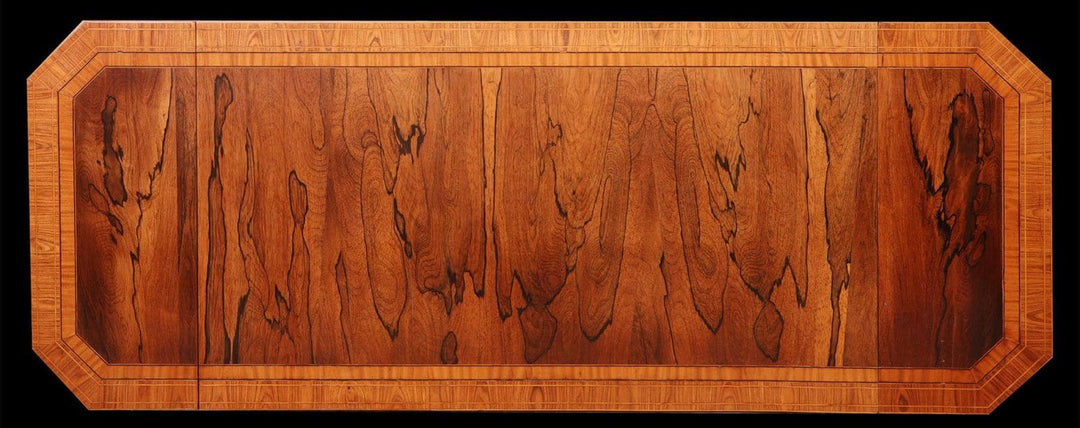
The Regency period introduced a lighter palette, frequently employing satinwood and rosewood to achieve a more refined, feminine aesthetic. Distinguishing these genuine 18th-century masterpieces from later Victorian "revival" examples requires a keen eye for veneer thickness and the presence of hand-sawn markings. To truly Identify Antique Wooden Furniture, one must look past the surface to the secondary woods and the precision of the joinery.
Lacquer and Chinoiserie in the Cabinet Room
Lacquer remains a singular choice for the bold collector, with red and black japanned surfaces providing a dramatic focal point in any interior. These 17th and 18th-century export pieces from China and Japan represent a fascinating era of global trade. We invite you to explore these cross-cultural narratives within our Asian and Oriental works of art collection. If you're seeking a piece that anchors a room with historical gravity, consider the exceptional examples in our current cabinet furniture collection.
Dealer’s Secrets: Evaluating Quality and Authenticity
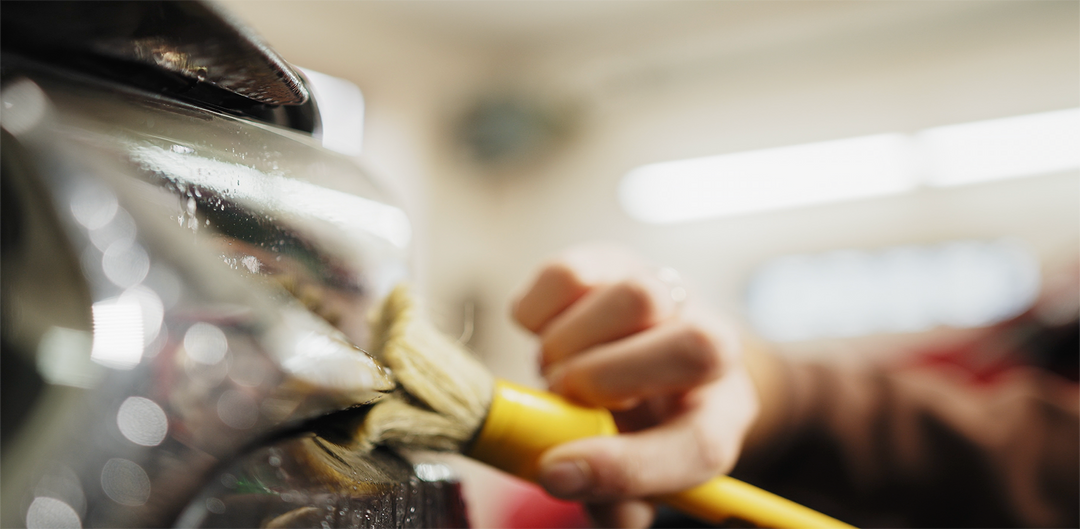
The true value of antique bureaus, secretaires & bookcases often lies hidden beneath centuries of wax and domestic use. A seasoned collector prioritises the "antique surface," that irreplaceable layer of oxidation and wear known as patina. It's the most significant asset of a 300-year-old bookcase. This original skin validates its age and history. We often see pieces that have been "stripped" or aggressively restored. It's a process that destroys the narrative of the object and significantly reduces its market value. A sympathetic wax polish preserves history; chemical stripping erases it.
Authentication requires a forensic approach to construction. You must look past the facade to the secondary woods and the joinery. Hand-cut dovetails on drawer linings should be thin and slightly irregular, signifying the pre-industrial hand of the craftsman. When evaluating antique bureaus, secretaires & bookcases, the presence of period-correct locks, often made of brass or iron with specific internal mechanisms, provides further clues to a piece's origin. One must also remain vigilant against the "married" piece. This occurs when a bookcase top is later paired with a bureau base that wasn't its original companion. Discrepancies in the grain pattern, the fit of the waist mouldings, or the age of the backboards often reveal these hidden unions.
Identifying Period Hardware
Original brass handles leave a distinct "shadow" or outline on the wood surface where the metal has protected the timber from light and dust for centuries. The style of the escutcheon, from the elaborate chased brass of the Queen Anne period to the restrained circular plates of the William IV era, serves as a reliable chronological marker.
The Importance of Provenance
A documented history from a notable country house collection transforms a piece from mere furniture into a significant cultural artefact. This reverence for heritage aligns with the "Restore Britain" philosophy, which champions the conservation of our national aesthetic legacy. You can explore our curated selection of authenticated masterpieces in our cabinet furniture collection, where each object is vetted for its historical integrity.
Acquiring Masterpieces for Modern Interiors
The successful integration of an English mahogany bureau bookcase 18th century requires a discerning appreciation for the architectural volume of a modern interior. In a New York townhouse or a residence in Greenwich, Connecticut, the commanding verticality of such a piece anchors the room, providing a scholarly counterpoint to minimalist design. These structures create a focal point that built-in cabinetry cannot replicate, offering a sense of historical permanence and intellectual gravity to a contemporary study or drawing room.
While these objects are steeped in heritage, their utility remains remarkably vital for the modern collector. The discreet compartments of an English mahogany bureau 18th century are ideally suited for the organisation of digital devices or private documents, allowing the piece to function as a working desk rather than a static relic. As an online-only gallery, we bridge the distance between the London trade and the United States with seamless, transparent logistics. Our professional fine art shippers provide white-glove delivery to the Hamptons, Texas, and California, ensuring that antique bureaus, secretaires & bookcases arrive in pristine condition and are placed with precision in their new home.
For homeowners who wish to balance their antique collection with high-quality contemporary storage, you can discover Finest Furniture Studio for bespoke fitted furniture and custom wardrobe designs that offer modern utility and expert craftsmanship.
The Nicholas Wells guarantee ensures that every acquisition is accompanied by the security of fully insured worldwide delivery and a commitment to the conservation of history. This includes expert, complimentary restoration, which revitalises the object while honouring its unique antique surface and original patina. This approach reflects our unwavering support for the "Restore Britain" philosophy, treating each English mahogany breakfront bookcase 18th century as a significant cultural artefact that deserves to be preserved for future generations.
Integrating Antiques in Contemporary Design
Positioning a French kingwood secrétaire 19th century within a minimalist scheme allows the object to function as a "jewel" piece, where its intricate ormolu mounts provide a textural richness against neutral walls. To create a cohesive scholarly environment, consider pairing your selection with examples from our collection of fine antique tables, establishing a sophisticated dialogue between different furniture forms and eras.
The Nicholas Wells Collection
Our gallery frequently offers singular examples of the cabinet maker's art, such as the Dutch floral marquetry bureau 18th century or the highly sought-after English mahogany bureau bookcase 18th century. Each item is meticulously vetted for its rarity, condition, and provenance to meet the standards of the most exacting connoisseur. Explore our curated collection of antique bureaus, secretaires & bookcases to find the definitive scholarly monument for your interior.
Investing in a Legacy of Scholarship and Style
The acquisition of an antique bureau or secrétaire is an investment in a narrative that spans centuries. By mastering the distinctions between period forms and prioritising the preservation of the antique surface, you ensure that your collection possesses both historical gravity and enduring aesthetic value. Whether anchoring a Manhattan study or a San Francisco library, these scholarly monuments provide a sophisticated bridge between the meticulous artistry of the past and the practicalities of contemporary life. It's about finding that singular object that resonates with your personal history and the architectural requirements of your home.
Our gallery remains dedicated to the conservation of heritage through expert, complimentary restoration included with every piece. We're specialists in 18th and 19th-century English and Continental furniture, ensuring every acquisition meets the most exacting standards of connoisseurship. We invite you to Browse our exquisite collection of antique bureaus, secretaires & bookcases, where each object is chosen for its singular rarity and historical importance. With fully insured worldwide shipping to museum standards, your piece's journey is managed with the professional care it requires. It's time to find the masterpiece that will define your interior for generations to come.
Frequently Asked Questions
What is the primary difference between a bureau and a secrétaire?
The primary distinction lies in the orientation and mechanism of the writing surface. An English bureau typically features a sloping fall-front that hinges downward to create a desk, while a secrétaire, particularly the French secrétaire à abattant, employs a vertical drop-front. This structural difference dictates the silhouette of the piece, with the bureau offering a more compact form and the secrétaire providing a tall, architectural presence in a room.
Are antique bookcases and bureaux practical for modern daily use?
These historical forms remain remarkably functional within a contemporary study or library. The interior "pigeonholes" and small drawers found in antique bureaus, secretaires & bookcases are perfectly scaled for modern tablets, charging cables, and private correspondence. Using these pieces daily fosters a tangible connection to history while providing a level of sophisticated organisation that mass-produced furniture simply cannot replicate.
How do you safely ship a large antique bookcase to the United States?
We facilitate the global acquisition of significant pieces through professional fine art shippers who specialise in the handling of delicate cabinetry. Every large-scale object is custom-crated and transported via a white-glove service that includes delivery directly to your residence in regions such as New York, Texas, or California. This process is fully insured and managed with the same rigour applied to museum-grade artifacts.
What woods were most commonly used in 18th-century English bureaux?
Early 18th-century craftsmen favoured walnut, specifically for its rich burr veneers and delicate grain patterns that allowed for mirrored "book-matched" designs. As the century progressed, West Indian mahogany became the preferred timber due to its exceptional structural strength and resistance to warping. These primary woods were often supplemented by secondary timbers like oak or pine for drawer linings, which serve as essential markers of period authenticity.
Does restoration negatively affect the value of an antique bookcase?
Sympathetic conservation that preserves the original "antique surface" and patina actually enhances the value and longevity of antique bureaus, secretaires & bookcases. However, aggressive restoration or chemical stripping of the original finish can be catastrophic for a piece's market worth. True value is found in the conservation of history, where repairs remain invisible and the integrity of the original craftsmanship is respected above all else.
Leave a comment