



Grand Tour Antiques: What Collectors Should Know
A bronze of the Capitoline Antinous on a library table, a malachite-mounted desk ornament in a drawing room, a finely carved micromosaic plaque set into a cabinet - few categories lend an interior quite the same intellectual glamour as Grand Tour antiques. They carry the atmosphere of education, travel and cultivated taste, but they also require a more informed eye than many buyers first expect.
For collectors and designers, that is precisely part of the appeal. The best examples are not merely decorative souvenirs from Italy or the classical world. They are objects tied to a distinct collecting tradition, often beautifully made, and frequently rich in material interest, from patinated bronze and marble to pietra dura, Siena marble, porphyry and micromosaic. When chosen well, they sit comfortably in both traditional and contemporary interiors because they possess something more lasting than fashion - cultural weight.
What are Grand Tour antiques?
The Grand Tour was the extended continental journey undertaken by wealthy British and northern European travellers, particularly during the 18th and early 19th centuries. Italy stood at its centre. Rome, Florence, Naples and Venice offered encounters with antiquity, Renaissance art and a sophisticated market in works made for learned visitors returning home.
Grand Tour antiques are the objects associated with that world. The term usually covers a broad but recognisable group: bronze reductions of classical sculpture, souvenir marbles, carved alabaster and hardstone urns, micromosaics, plaster intaglios, Roman-style busts, specimen tables, architectural fragments, and finely made desk objects or cabinet pieces inspired by the ancient past. Some were acquired during the journey itself. Others were produced in the same taste for collectors who wanted the scholarship and status the Grand Tour represented.
That breadth is useful, but it also explains why quality varies so widely. A serious bronze after the Antique, with crisp chasing and a nuanced dark patina, belongs to a very different level of collecting from a later decorative reproduction made simply to suggest classical taste. Both may be attractive. Only one merits the strongest long-term attention.
Why Grand Tour antiques still matter
This category has remained desirable because it occupies an unusual position between art, scholarship and decoration. A fine Grand Tour object can animate an interior without looking staged. It brings narrative. It suggests that a room has been assembled by someone with curiosity rather than simply furnished to a scheme.
For private collectors, that narrative often matters as much as scale or finish. A pair of bronzes after celebrated Roman marbles, a micromosaic view of the Forum, or a specimen marble column assembled from prized stones can all speak to 19th-century collecting habits, to archaeological fascination, and to the transfer of continental taste into British country houses and London interiors.
For decorators, Grand Tour pieces are equally effective because they bridge styles. They can hold their own among Georgian furniture, of course, but they also work beautifully against quieter modern settings where texture, surface and silhouette do the talking. A well-chosen bust or bronze reduction often has greater authority than a larger but less considered decorative object.
How to judge quality in Grand Tour antiques
The first question is always one of craftsmanship. Grand Tour antiques were made in many media, so quality must be judged within the category. In bronze, look for refinement in casting, chasing and patination. Edges should be articulate rather than softened away, and surfaces should have depth rather than a flat, uniform finish. In marble or hardstone, the material itself should be pleasing, but so should the cutting, joining and polish.
Micromosaics demand particular scrutiny. The finest examples are astonishingly precise, with densely set tesserae that create subtle tonal transitions and a painterly effect. Inferior work appears coarse and mechanical. As with many luxury objects, the difference is often obvious once seen in person, even if difficult to explain at first glance.
Scale also matters. Many Grand Tour objects were intended for libraries, cabinets and desks rather than large halls. Their success lies in intimacy and finish. A smaller object of exceptional quality will usually outlast a more ambitious but mediocre piece.
Condition, naturally, must be weighed with intelligence rather than dogma. A small old repair to a stone mount may be acceptable if the object is rare, handsome and authentic. Over-restoration is often more concerning than honest wear. Recut surfaces, aggressively cleaned bronze, replaced bases or modern composite additions can alter both value and character.
Provenance and authenticity
In this field, provenance can transform an object from merely appealing to genuinely compelling. A documented connection to a known collection, an historic country house, or a recognised 19th-century dealer adds confidence and context. Old labels, inscriptions, collection numbers and period mounts should never be dismissed as incidental. They may be the very details that anchor an object historically.
Authentication matters because the market includes later reproductions in considerable number. The classical taste has been revived repeatedly since the 19th century, and not every Roman bust or bronze reduction is of the period a seller may suggest. Patina alone proves very little. So too does a generic claim of "Grand Tour" applied to any decorative classical object.
A reputable specialist should be able to explain why a piece is dated as it is, what features support that dating, whether mounts or bases are original, and how condition affects desirability. That level of clarity is especially important for buyers furnishing important houses or building coherent collections. Decorative value is one thing. Historical integrity is another.
The most sought-after forms
Among the strongest areas of collecting are bronze reductions after celebrated antique sculptures, particularly those with good scale and accomplished surface finishing. Roman and Neoclassical busts also remain consistently popular, especially when the carving is lively and the siting possibilities are broad.
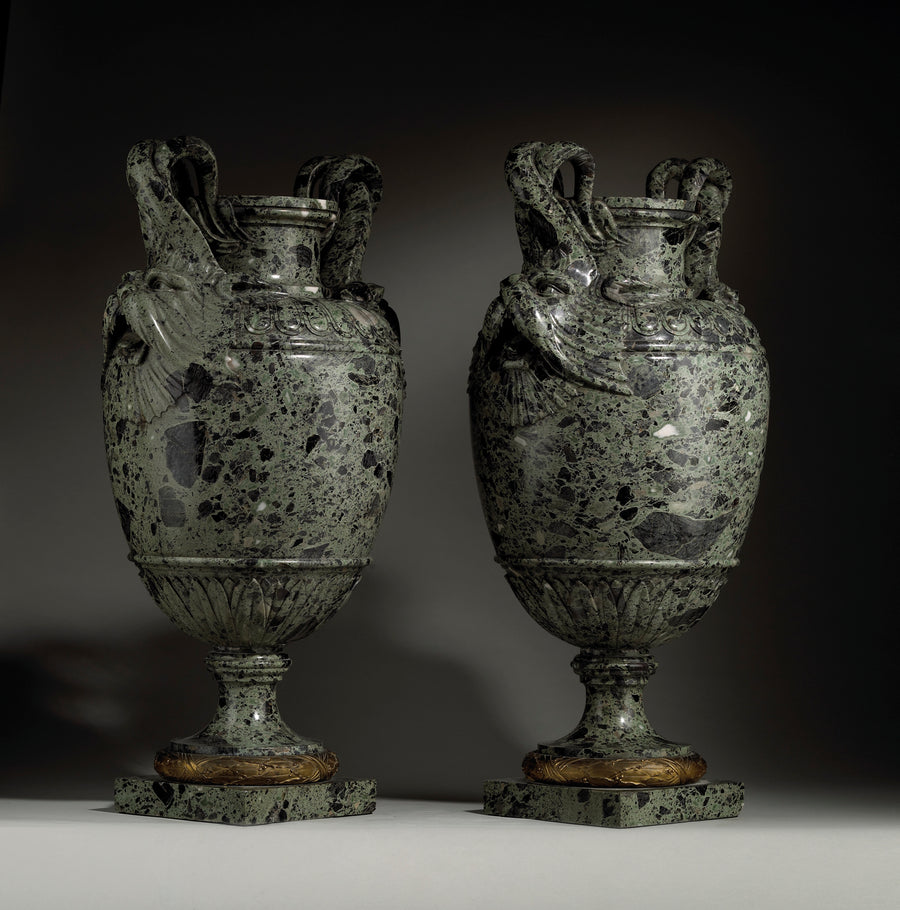
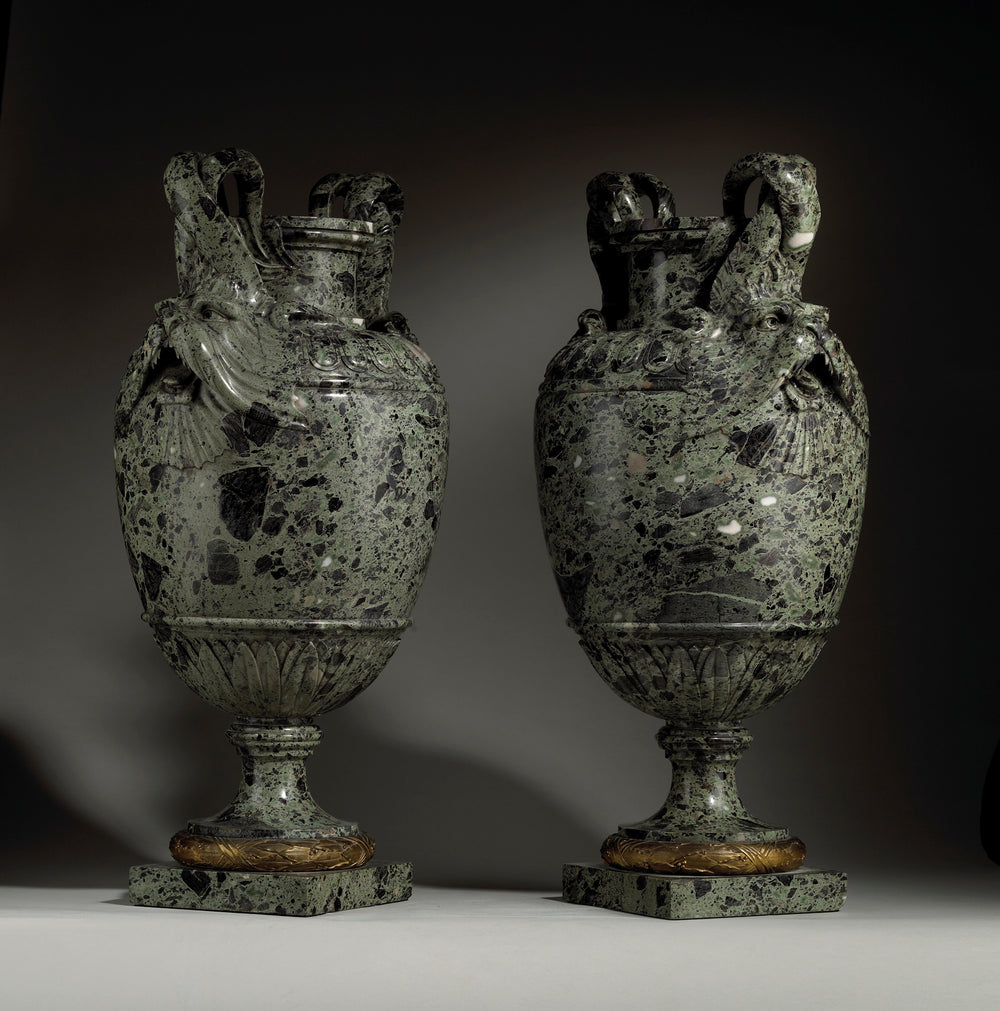
Micromosaics have an enduring following because they combine technical brilliance with immediate decorative appeal. Fine plaques, boxes and table tops can work exceptionally well in interiors where one wants colour and detail without heaviness. Hardstone and specimen marble objects, meanwhile, appeal to collectors who respond to material richness. Their attraction lies not only in form but in the geological and lapidary knowledge they embody.
Then there are the less predictable pieces - architectural fragments, intaglio sets, carved souvenirs of ancient monuments, and scholarly desk ornaments made for educated travellers. These often attract experienced buyers precisely because they are less formulaic. They ask a little more of the owner, but they repay that attention.
Buying for an interior versus buying for a collection
The right purchase depends on the role the object must play. If the aim is to complete a room, proportion and visual authority may take precedence. A pair of Siena marble urns or a darkly patinated bronze may need to balance panelling, bookshelves or a chimneypiece. In that case, one buys not only with the eye of a collector but with the discipline of an interior designer.
If the aim is to build a collection, nuance matters more. One may accept a smaller scale, a more esoteric subject, or a piece with modest wear if it has rarity, excellent provenance or an unusually fine original mount. The trade-off is simple: the best decorative object is not always the most significant, and the most significant object is not always the easiest to place.
That distinction is often where informed advice proves most valuable. At Nicholas Wells Antiques, as with any serious specialist, the conversation should begin with how the piece will live - on a pedestal, a console, within a library, or among an established collection - because that context affects what should be bought.
Common mistakes buyers make
The first is buying by label rather than by merit. "Grand Tour" has become a convenient market term, but not every object carrying that description is equally desirable. Period, finish, subject, scale and condition all matter more than the category name alone.
The second is underestimating the importance of surface. Grand Tour antiques rely heavily on material eloquence. A bronze with tired colour, a marble with dulled polish, or a micromosaic with poorly restored losses may lose much of what made it special.
The third is ignoring setting. These objects are often at their best when given room around them. A fine bust crowded among unrelated decorative pieces can disappear. The same bust, properly lit on a clean plinth or substantial table, becomes the intellectual anchor of the room.
A category that rewards patience
Grand Tour antiques are best approached with selectivity. The category is broad enough to tempt impulse, yet sophisticated enough to reward patience. Buyers who wait for real quality, who ask proper questions about authenticity and restoration, and who choose pieces with both visual authority and historical conviction tend to be happiest over time.
A finely chosen Grand Tour object does more than fill a surface. It lends a room memory, scholarship and a certain cultivated restraint - qualities that never need to announce themselves loudly to be felt.


Leave a comment