



A Guide to Antique Furniture Woods
One of the quickest ways to misread an antique is to focus on style before timber. A chair may have the right silhouette, a chest the right brasswork, yet the wood often tells the more decisive story. This guide to antique furniture woods is intended to help collectors and interior designers recognise the principal timbers used in period furniture, understand what they suggest about date and origin, and judge quality with a more practised eye.
Wood alone does not authenticate a piece, of course. Surface, construction, restoration, patina and provenance all matter. Even so, an informed understanding of timber is often where serious looking begins.
Why wood matters in a guide to antique furniture woods
In antique furniture, timber is never merely a material choice. It reflects geography, trade, fashion, cost and craftsmanship. The same form made in oak, walnut or mahogany can belong to very different moments in furniture history and very different levels of ambition.
Primary wood and secondary wood should also be distinguished. The primary wood is the visible timber chosen for beauty and status. Secondary woods, used in drawer linings, backs or unseen structural areas, were selected for practicality and local availability. A refined 18th-century bureau may be veneered in a costly imported timber while relying on oak or deal within. That contrast is not suspicious in itself. Quite often, it is entirely correct.
Another point worth bearing in mind is that age changes wood. Oxidation deepens colour, handling softens edges, wax and polish settle into the grain, and old restorations can alter surface tone. Freshly stripped timber rarely looks convincing. Genuine patina has depth, unevenness and restraint.
Oak
Oak is among the most important woods in early English furniture. Dense, durable and strongly grained, it was widely used from the 16th century into the early 18th. In earlier pieces, particularly country furniture and joined work, oak often appears solid and architectural, with a weight and plain authority that is difficult to imitate persuasively.
English oak tends to show prominent medullary rays, especially when quarter sawn. These can create a distinctive flecking across the surface. Over time, oak develops a mellow brown tone, though this depends greatly on finish and exposure. Earlier oak furniture was not always intended to display a raw timber surface in the way many modern buyers assume. It may originally have been polished, stained, painted or otherwise finished.
For dating purposes, oak often points to earlier manufacture, but not always to superior rarity. Georgian revival and later reproductions also used oak freely, particularly from the late 19th century onward. The grain may look attractive, but if the surface is too uniform or the carving too mechanically crisp, caution is warranted.
Walnut
Walnut became the fashionable cabinet wood in late 17th- and early 18th-century England, particularly during the William and Mary and Queen Anne periods. Compared with oak, it offered greater refinement. The grain is more fluid, the colour warmer, and the overall effect better suited to the elegant lines and veneered surfaces fashionable at the time.
Figured walnut can be especially beautiful, with rippling movement and subtle tonal variation ranging from honeyed brown to a deeper, almost smoky warmth. Burr walnut was prized for decorative veneers and matched panels, particularly on cabinets, bureaux and table tops. When well chosen, it gives a surface extraordinary life without appearing ostentatious.
Walnut does present complications. It was frequently veneered over a carcass of oak or another secondary wood, and many pieces have suffered from excessive restoration or re-veneering. Sun bleaching can flatten its richness. French polishing, if too heavy, can make an early surface look hard and overworked. The best walnut pieces retain clarity of figure with a softness that comes only from age.
Mahogany
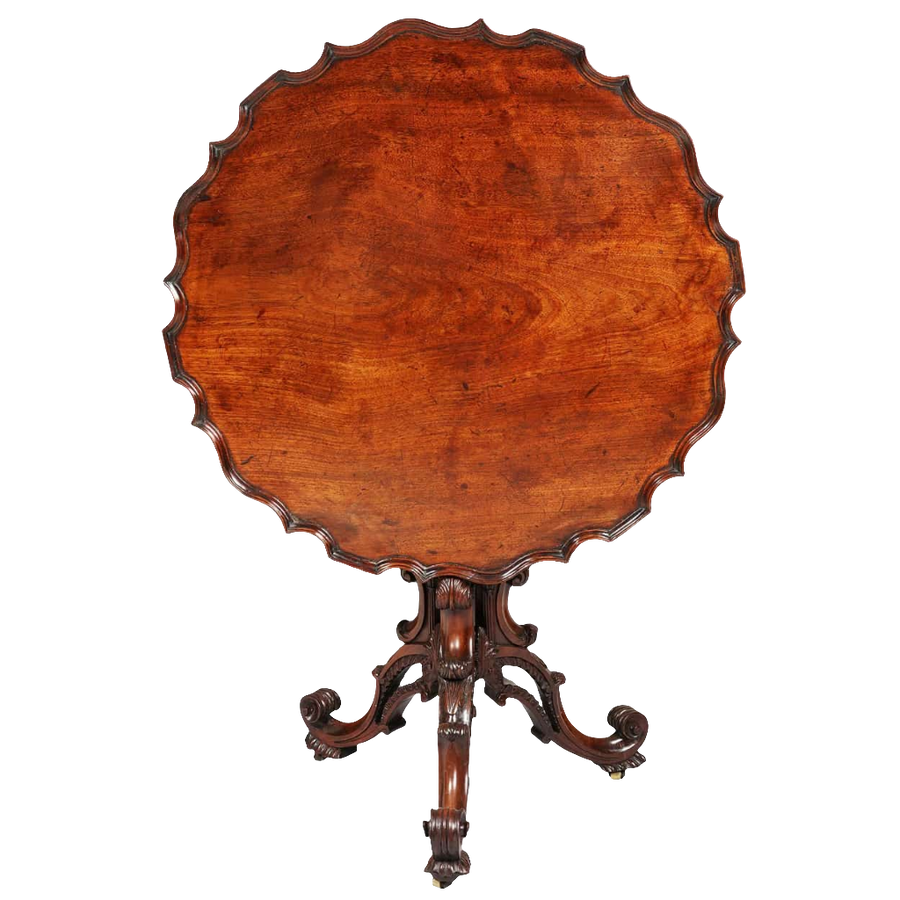
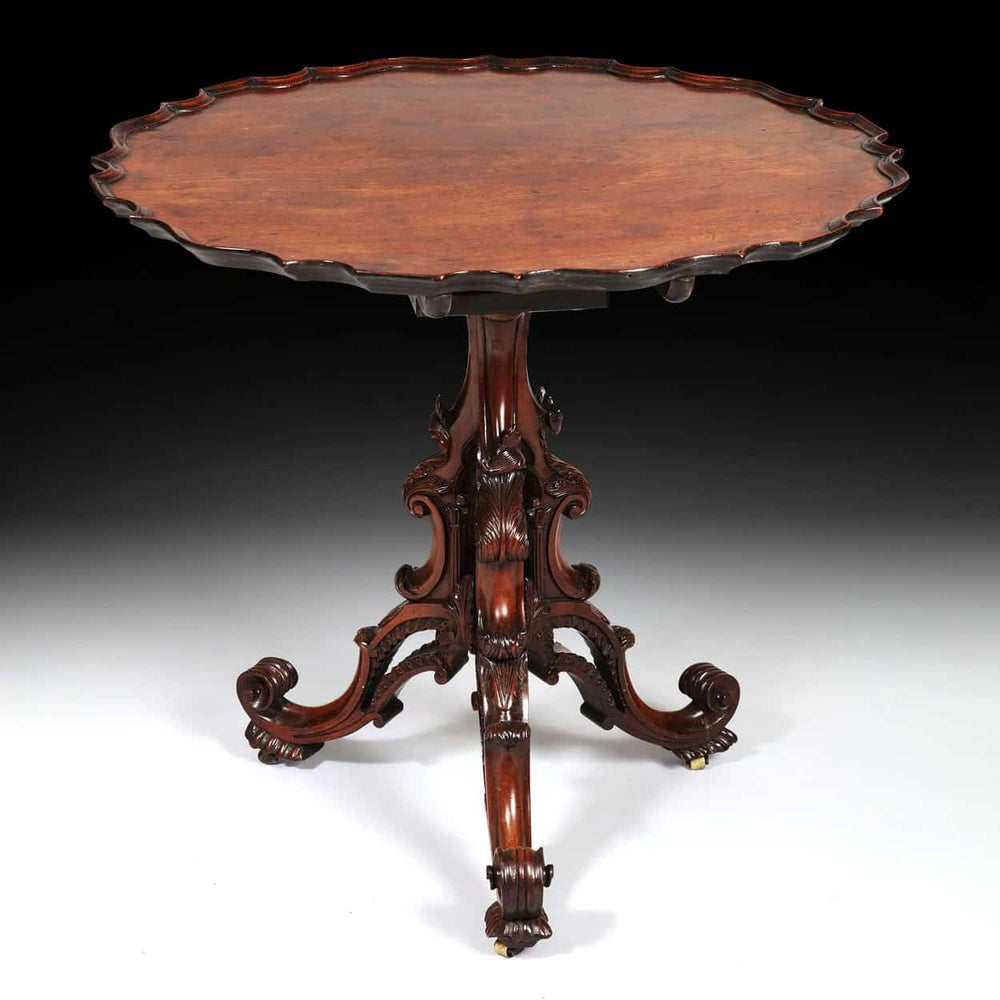
If one wood defines much of 18th-century high Georgian furniture, it is mahogany. Imported from the Caribbean and the Americas, mahogany transformed British cabinetmaking. It allowed for finer carving, stronger joinery and larger, more ambitious forms than many native timbers could reliably support.
There is no single look to antique mahogany. Cuban and Santo Domingo mahogany can show exceptional density and depth of colour, often with a rich, almost glowing surface. Honduras mahogany may be slightly lighter and broader in grain. On fine period pieces, especially from the mid to late 18th century, the timber often has a calm assurance: enough figure to give interest, but not so much that it distracts from form.
Mahogany is associated with Chippendale, Hepplewhite and Sheraton furniture, though each period used it differently. In earlier Georgian work it often appears bold and sculptural, ideal for carved chairs and substantial library furniture. In later 18th-century pieces it may be satin smooth, elegant and more linear. It remained popular into the Regency period and beyond, which means the wood itself cannot date a piece precisely. Construction and design must support the reading.
Satinwood
Satinwood belongs to a more delicate register of luxury. Favoured in the later 18th century, especially in refined neoclassical furniture, it was valued for its luminous golden surface and crisp, sophisticated character. It appears in fine English and Continental cabinets, work tables, commodes and occasional furniture, often enriched with marquetry, painted decoration or contrasting inlays.
A good satinwood surface has brightness without rawness. It catches light beautifully, which is one reason it remains so attractive to interior designers seeking period furniture with a lighter decorative presence. Yet satinwood can be unforgiving. It shows stains, bleaching and repairs readily, and many pieces have been over-restored in an attempt to recover an even tone.
Because satinwood furniture was often made for fashionable interiors, condition and originality matter greatly. Replaced borders, re-polished tops or later painted ornament can alter value considerably. The timber should feel poised rather than flashy.
Rosewood and other decorative woods
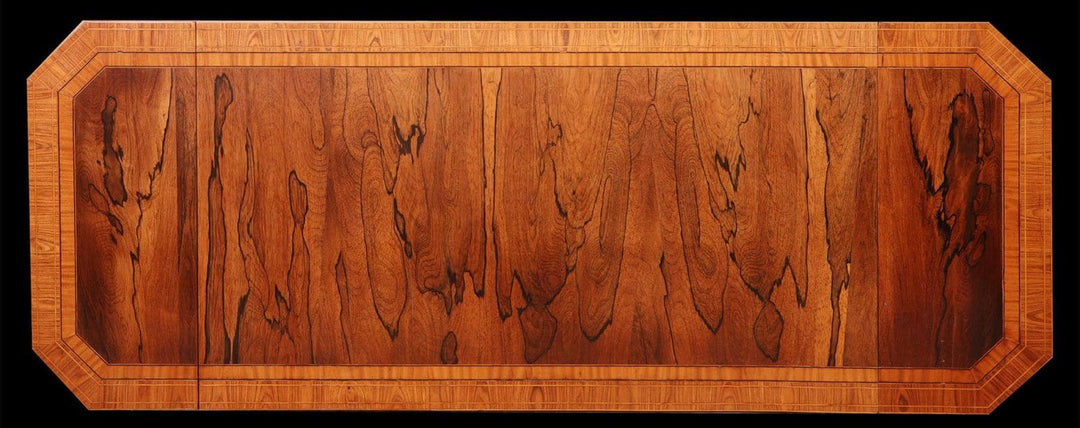
Rosewood appears more frequently in Regency and 19th-century furniture, particularly where a richer, darker and more dramatic surface was desired. It can be strikingly figured, with a deep brown or purplish cast and dark streaking. In the right piece, that theatrical quality is exactly the point.
Coromandel, kingwood, tulipwood and calamander were also used, usually as veneers or bandings rather than as full solid construction. These woods often signal a more decorative intention and, in some cases, Continental influence. They are less common than oak, walnut or mahogany in mainstream English furniture, but they appear in high-quality cabinets, writing tables, bonheur-du-jours and ormolu-mounted pieces where luxurious contrast was desired.
Their presence should prompt closer examination rather than quick assumptions. Decorative exotic veneers can indicate sophistication, but they can also invite complex restoration histories.
What the grain, colour and weight can tell you
A useful guide to antique furniture woods goes beyond naming timber species. Grain can suggest whether a maker selected wood for restraint or show. Fine, even grain was often chosen for elegant surfaces and delicate outlines. Lively figure might be reserved for drawer fronts, crossbanding or matched veneers where visual drama was intentional.
Colour should be read with care. Centuries of oxidation, polish and light exposure alter timber profoundly. A dark surface is not necessarily old, and a pale one is not necessarily later. Weight can help, though only comparatively. Dense old mahogany and oak often feel reassuringly substantial, while veneered furniture may be lighter than appearance suggests.
Scent, when a drawer is opened, can occasionally offer clues as well. Cedar linings, pine interiors or old oak carcasses have recognisable qualities, though this is supporting evidence rather than proof.
Signs of authenticity and signs to question
The wood in a genuine period piece usually makes sense as part of the whole. The visible timber, the secondary timber, the construction and the style should all agree. An early 18th-century walnut chest with machine-cut drawer linings, or a supposed Georgian mahogany table with a harshly sprayed finish, deserves scrutiny.
Repairs are not inherently a problem. In important furniture, they are often expected. Old veneers lift, cockbeading is replaced, brackets are strengthened and surfaces are revived. The question is whether restoration has preserved the character of the piece or erased it. Fine antique furniture should not look newly manufactured.
It is also wise to be wary of pieces described too simply by wood alone. Mahogany, oak and walnut cover a wide field, from modest provincial work to exceptional cabinetmaking. Timber is part of the judgement, not the entire judgement.
Choosing antique furniture woods for interiors today
Collectors often buy with period accuracy in mind, while decorators may begin with atmosphere. Both approaches are valid. Oak brings gravity and texture, particularly in houses that can absorb its architectural presence. Walnut offers warmth and civility. Mahogany lends polish and authority. Satinwood can lighten a scheme without sacrificing period authenticity.
There are trade-offs. A grand mahogany dining table may anchor a room magnificently but can feel too formal in a smaller interior. Satinwood is visually graceful yet less forgiving of wear. Oak is durable but may dominate if overused. The best rooms balance timber tones rather than matching them too neatly.
For buyers furnishing serious interiors, the most rewarding pieces are usually those in which wood, design and condition are in quiet agreement. That is where connoisseurship begins to show.
At Nicholas Wells Antiques, wood is never considered in isolation from authenticity, restoration and historical context. That is true of any important acquisition. Learn to read the timber, certainly, but allow it to lead you towards a fuller understanding of the object. The more closely you look, the more clearly the right piece announces itself.


Leave a comment