



High End Antiques New York Buyers Trust
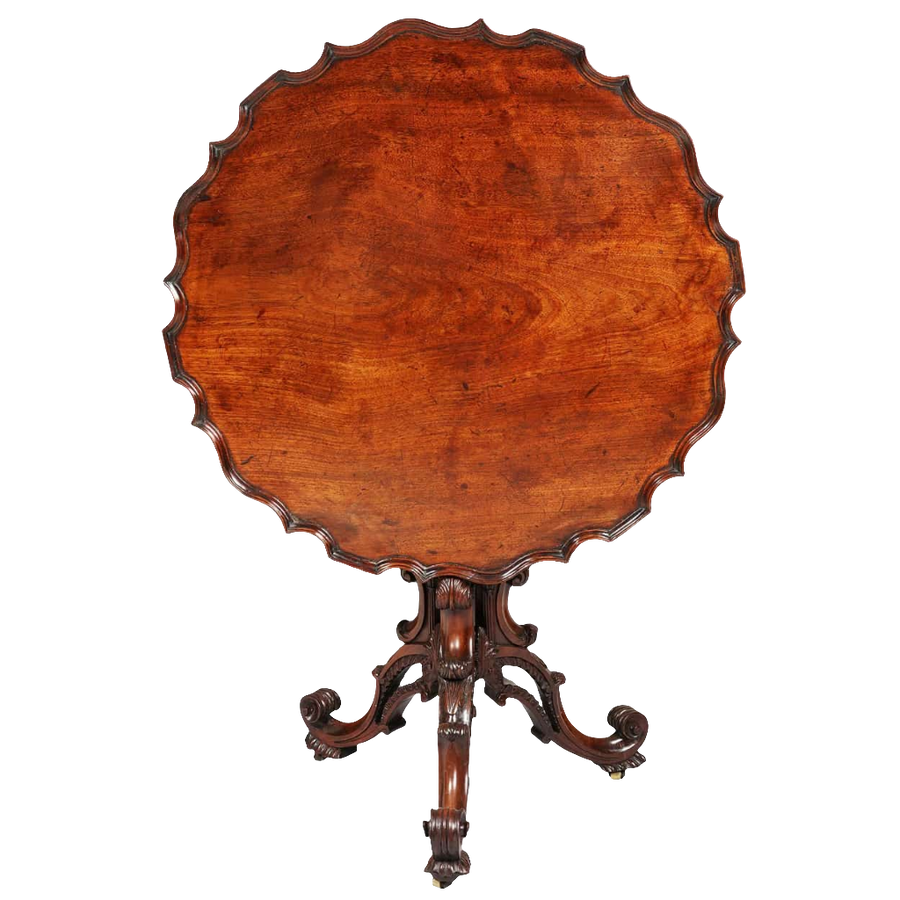
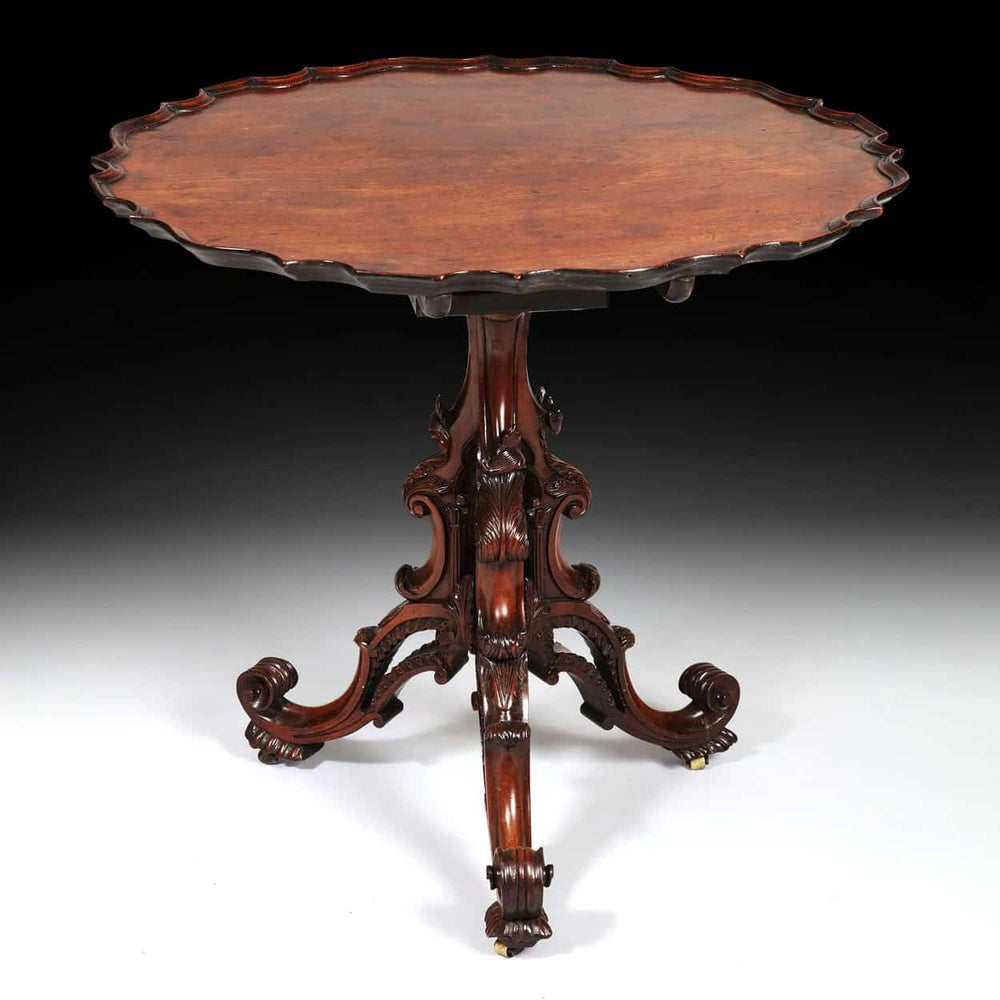
A fine George II console or a Grand Tour bronze does not compete on trend. It changes the gravity of a room. That is why the market for high end antiques New York clients pursue remains distinct from the broader decorative trade. Serious buyers are not simply filling space. They are acquiring objects with authorship, age, material integrity and presence - pieces that reward scrutiny long after the first impression has passed.
New York has long been one of the most sophisticated places in the world to buy antiques, but sophistication also brings noise. Alongside genuinely important period furniture and works of art, there is a great deal of stock presented with more confidence than substance. For collectors, interior designers and private clients, the question is not where to find antiques in New York. It is how to recognise the level that justifies real investment.
What defines high end antiques in New York
At the highest level, an antique is not considered valuable simply because it is old. Age matters, but quality matters more. A late 19th-century copy of an 18th-century commode may be attractive and perfectly usable, yet it does not occupy the same category as a period example with correct timber, original mounts, fine cabinetmaking and a coherent history of survival.
In the high end antiques New York market, buyers tend to look for a combination of rarity, design merit, condition and provenance. Provenance does not need to mean aristocratic ownership in every instance, but the more fully a piece can be understood, the more confidently it can be placed. Maker attribution, country of origin, date, materials, restoration history and comparative scholarship all contribute to that confidence.
This is especially true in categories where distinctions are subtle. English furniture, French ormolu-mounted case pieces, carved mirrors, early lighting and architectural objects can all be misread by the inexperienced eye. The best pieces have an ease about them. Their proportions are resolved, their surfaces have depth and their ornament is integrated rather than merely applied. Quality tends to reveal itself slowly, then decisively.
Why provenance and authentication matter more than fashion
Tastes shift. The fundamentals do not. In any strong market, fashionable forms will have their moment, whether that means painted furniture, sculptural seating or a renewed appetite for neoclassicism. Yet clients buying at the top of the market are usually less interested in passing taste than in lasting authority.
Authentication is therefore not a decorative extra. It is central to value. A dealer should be able to explain why a piece is what it is claimed to be, and where uncertainty remains, that should be stated plainly. Honest attribution is part of connoisseurship. Terms such as "in the manner of", "attributed to" and "period" are not interchangeable, and buyers should expect precision rather than salesmanship.
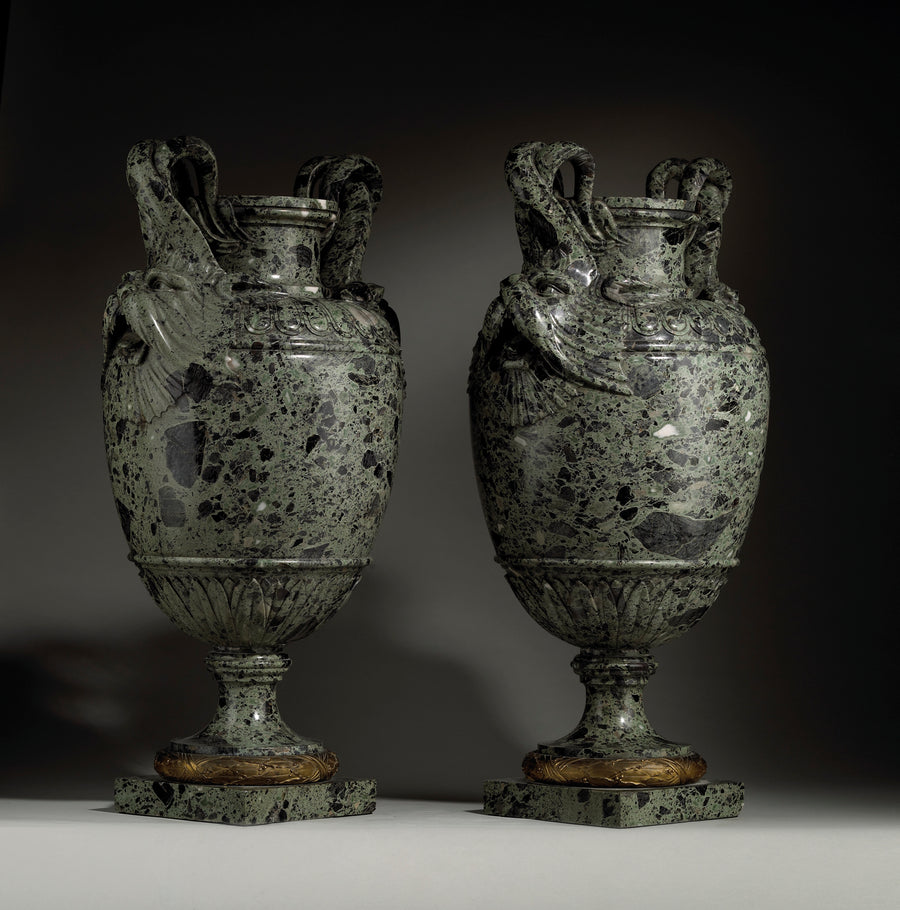
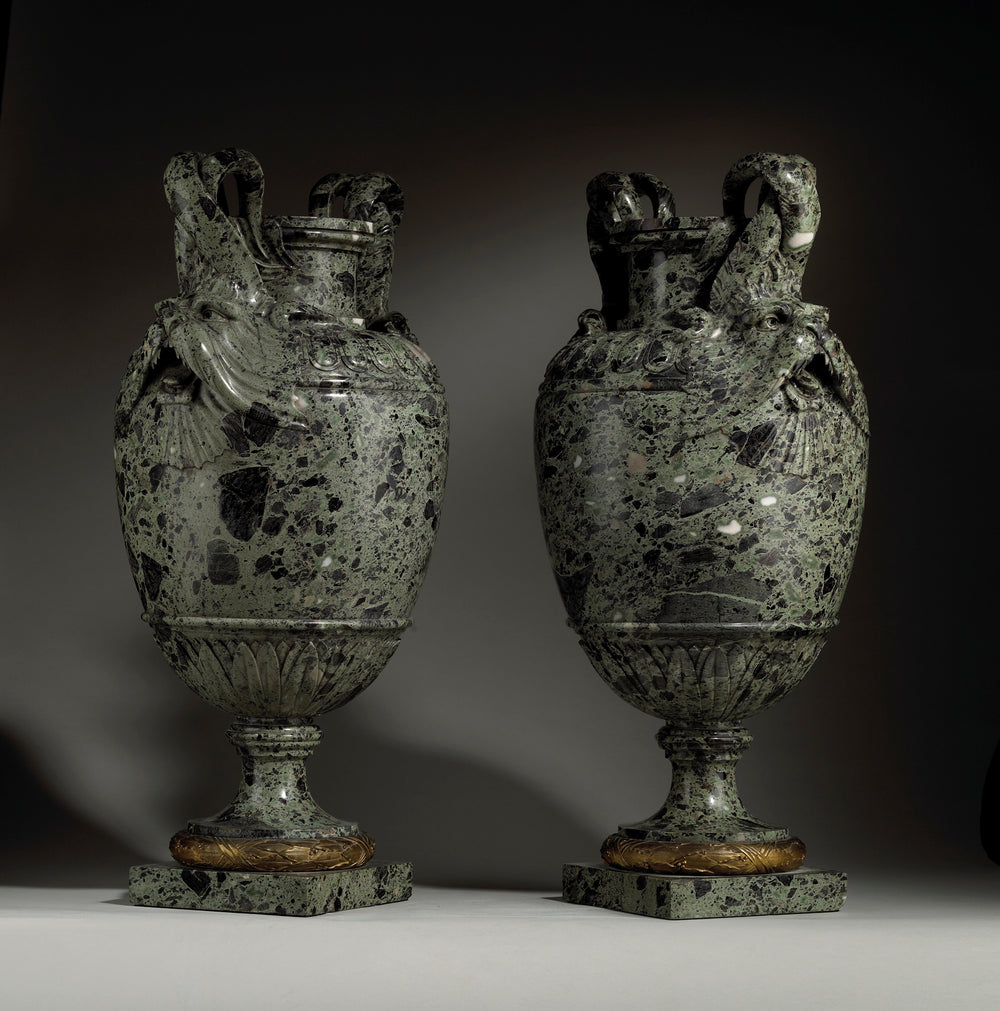
Provenance also affects how a piece sits within an interior. Designers and collectors often respond to antiques because they carry narrative as well as beauty. A Regency bracket clock, an 18th-century giltwood mirror or a pair of Continental cassolettes introduces not only form and material, but cultural memory. Rooms with depth rarely come from scale alone. They come from the tension between refinement, age and individuality.
How discerning buyers approach the New York market
The strongest buyers are rarely impulsive, even when they act quickly. They know that acquiring important antiques is part judgement, part timing and part access. New York offers a broad range of opportunities, from established dealers to private appointments and international sourcing, but breadth is not the same as quality.
For this reason, many serious clients work with specialists rather than browsing indiscriminately. A tightly edited gallery or advisory-led dealer can save considerable time by filtering out decorative inventory that lacks distinction. This matters for private collectors, but it matters just as much for interior professionals furnishing significant residences, where every object must hold its own within a carefully composed scheme.
Remote buying has also become more normal at the top end of the market. That only works when trust is earned. Detailed condition reporting, clear photography, authentication, sensible restoration and insured delivery are not luxuries in this context. They are the practical framework that allows a client in Manhattan, Greenwich, the Hamptons or London to buy with assurance.
High end antiques New York interiors benefit from most
The most successful interiors do not treat antiques as accents added at the end. They use them as anchors. A single commanding piece can set the standard for everything around it, whether that is an early 18th-century chest on stand in a panelled room, a monumental mirror above a chimney breast or a pair of carved torchères flanking a contemporary artwork.
This is where high end antiques differ from generic vintage decoration. They create hierarchy. Fine furniture and works of art have the capacity to establish rhythm, scale and seriousness in a room. They soften new architecture, deepen modern schemes and bring discipline to eclectic interiors.
There are, however, trade-offs. A museum-calibre object may be visually powerful but require a more measured setting. Conversely, some buyers want pieces with age and authenticity that remain highly practical in daily life. A well-chosen library table, chest of drawers or lantern can satisfy both demands, provided condition and restoration are handled intelligently.
The question is less whether an interior is traditional or contemporary than whether it has conviction. Important antiques can work beautifully in both. What matters is proportion, placement and restraint.
Restoration should protect, not erase
One of the clearest distinctions between ordinary and high-level dealing is how restoration is approached. Poor restoration can flatten surfaces, blur carving, over-polish bronze and strip away the very evidence that makes an object desirable. Good restoration is discreet. It stabilises, preserves and enhances legibility without falsifying age.
For buyers in the high end market, this is a serious consideration. A piece should arrive ready to place, but not cosmetically overworked. Original patina, wear consistent with age and signs of proper use are often part of the appeal. The aim is not to make an 18th-century object look new. It is to present it at its best while respecting what it has lived through.
Why category expertise still matters
General decorative knowledge is useful, but category expertise is what protects buyers when sums become meaningful. The distinctions between an early and later example, original and replaced mounts, or authentic surface and revived finish are often technical. Without specialist understanding, even experienced buyers can overpay for compromised material.
That is one reason boutique dealers remain so valuable. A specialist with a strong eye and disciplined stock can offer something the open market often cannot - edit. Rather than asking clients to sort through volume, they present fewer pieces of higher consequence.
What to ask before you buy
A serious buyer does not need theatrics. They need answers. When considering a piece, ask how it has been dated, whether the attribution is firm or qualified, what restoration has been carried out, and whether there are any later elements. Ask how the condition compares with similar examples and whether the price reflects rarity, provenance or exceptional craftsmanship.
It is also worth asking a more practical question: where will the piece live, and how will it be used? The answer may change the decision. A lacquered cabinet in a formal drawing room has different demands from a centre table in a heavily used family house. The finest dealers understand both the scholarship and the placement.
For international clients, logistics should be discussed early rather than after a sale is agreed. Export, packing, insurance and installation all matter, particularly for fragile lighting, large mirrors and architectural objects. White-glove handling is not a flourish. It is part of protecting the object and the client's confidence.
The advantage of buying from a curated dealer
The best dealers do more than sell. They interpret, advise and sometimes caution. That discretion is valuable, especially in a market where abundance can obscure quality. A carefully curated inventory signals standards. It suggests the dealer is willing to pass on mediocre material in order to present pieces with real merit.
For buyers seeking high end antiques in New York, that curation often makes the difference between acquiring an object that merely suits a room and one that elevates it. Nicholas Wells Antiques operates within that specialist tradition: authentication, restoration and private consultation are treated not as add-ons, but as part of the acquisition itself.
An important antique should continue to disclose its quality over time. It should feel more right, not less, as the years pass and the eye becomes more demanding. That is usually the simplest test of all - buy the piece that can withstand a closer look tomorrow.


Leave a comment