



How to Furnish With Antiques Well
A room rarely feels convincing when every piece arrives from the same decade, showroom, or mood board. The interiors with real authority tend to have tension in them - polished against patinated, formal against relaxed, architectural against deeply personal. That is why discerning clients continue to ask how to furnish with antiques, not as an exercise in nostalgia, but as a way to create rooms with depth, permanence and distinction.
Antiques change the atmosphere of a space because they bring more than style. They bring craftsmanship, proportion, age and cultural memory. A fine George II mirror, a Regency centre table, or a bronze-mounted cabinet does not merely occupy a corner. It establishes a standard for the room around it. The question is not whether antiques belong in a contemporary interior. It is how to use them with enough precision that the result feels composed rather than theatrical.
How to furnish with antiques without making a room feel dated
The first principle is restraint. A well-furnished interior does not need to resemble a period set. In fact, the most successful rooms often rely on a measured contrast between antique and modern elements. One important commode can carry more presence than a suite of reproduction furniture because authenticity has visual weight. You do not need many antiques to make an impact. You need the right ones.
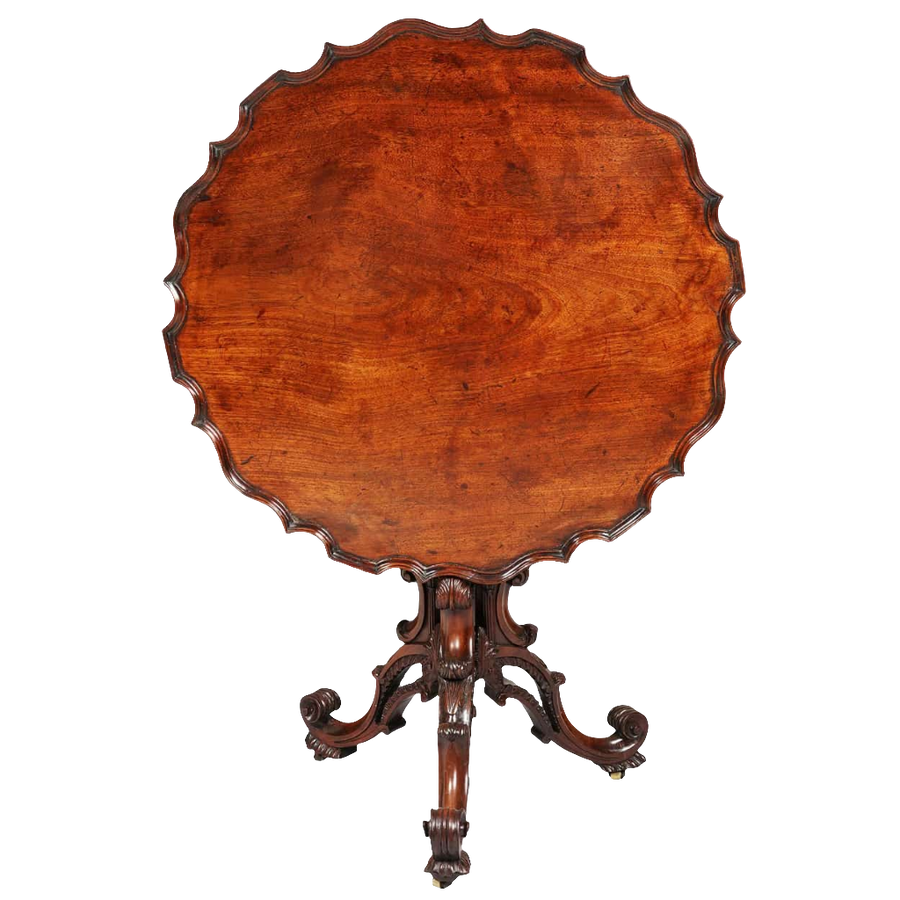
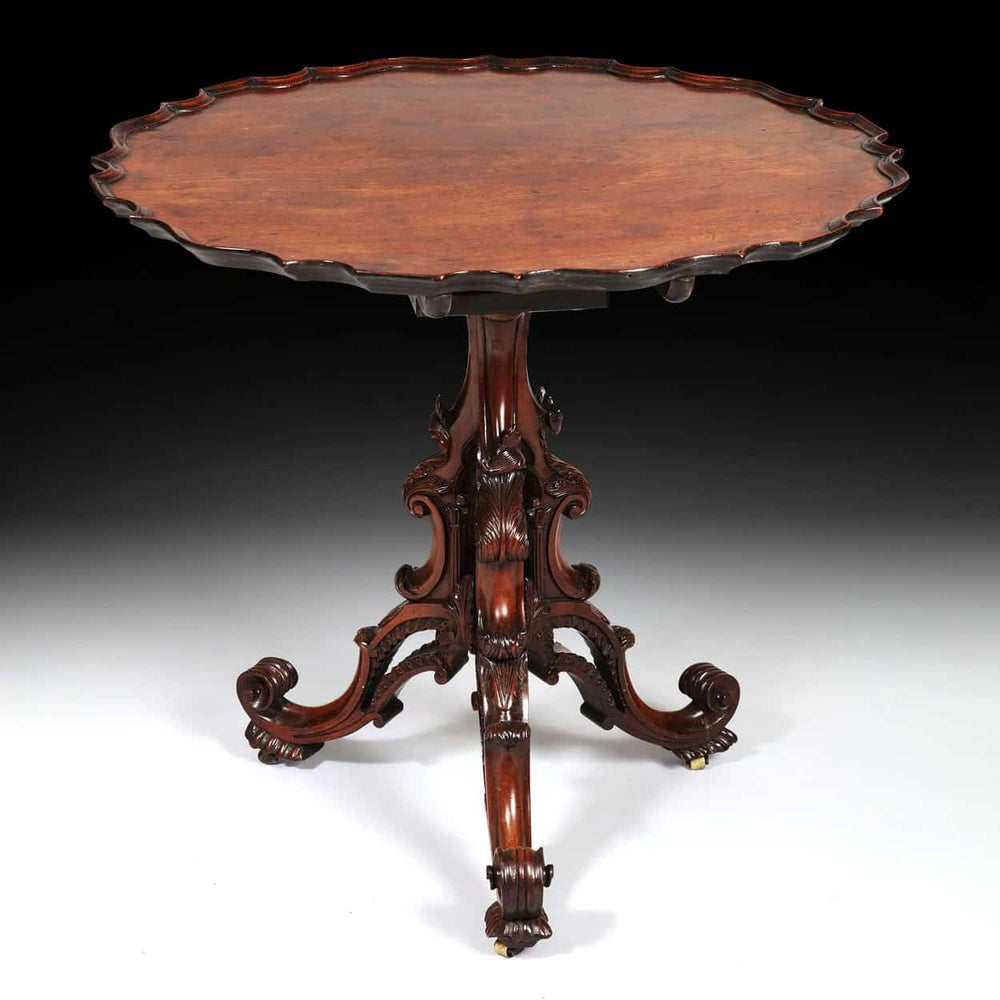
That usually means starting with pieces that have strong silhouette and useful function. A chest of drawers, centre table, mirror, console, library table, pair of lamps or chandelier will integrate more naturally into a lived interior than a room filled all at once with matching period seating and case furniture. Antiques are often best introduced where they can anchor the room rather than dominate every line of sight.
There is also a difference between decorative antique furnishing and serious collecting. Many buyers want both, but they should not be treated as identical goals. If the aim is a beautiful house, proportion and placement may matter more than strict period purity. If the aim is to build a collection, provenance, rarity and historical significance rightly take precedence. Often, the finest interiors do both - they remain comfortable to live in while allowing important objects the space they deserve.
Start with scale, not era
One of the most common mistakes is choosing antiques by period label alone. Georgian, Louis XVI, Regency and Victorian are useful categories, but they do not furnish a room by themselves. Scale does.
An exceptionally elegant antique can still fail if it is too slight for a tall drawing room or too imposing for a modest entrance hall. Before looking at style, study ceiling height, wall length, window placement and circulation. A large giltwood mirror may solve a room that lacks vertical emphasis. A pair of consoles may bring symmetry to a long wall. A substantial dining table can lend gravity to an otherwise open-plan scheme that feels visually adrift.
This is one reason private consultation remains valuable when acquiring antiques for interior use. Measurements on paper matter, but so do sightlines, door swings, natural light and the relationship between one important object and the next. A beautifully proportioned piece will make the whole room appear more assured.
Use antiques where the eye naturally rests
Entrance halls, chimney breasts, landings, dining rooms and the end of a long axis are all places where an antique can perform particularly well. These are architectural moments. They benefit from furniture or objects with presence.
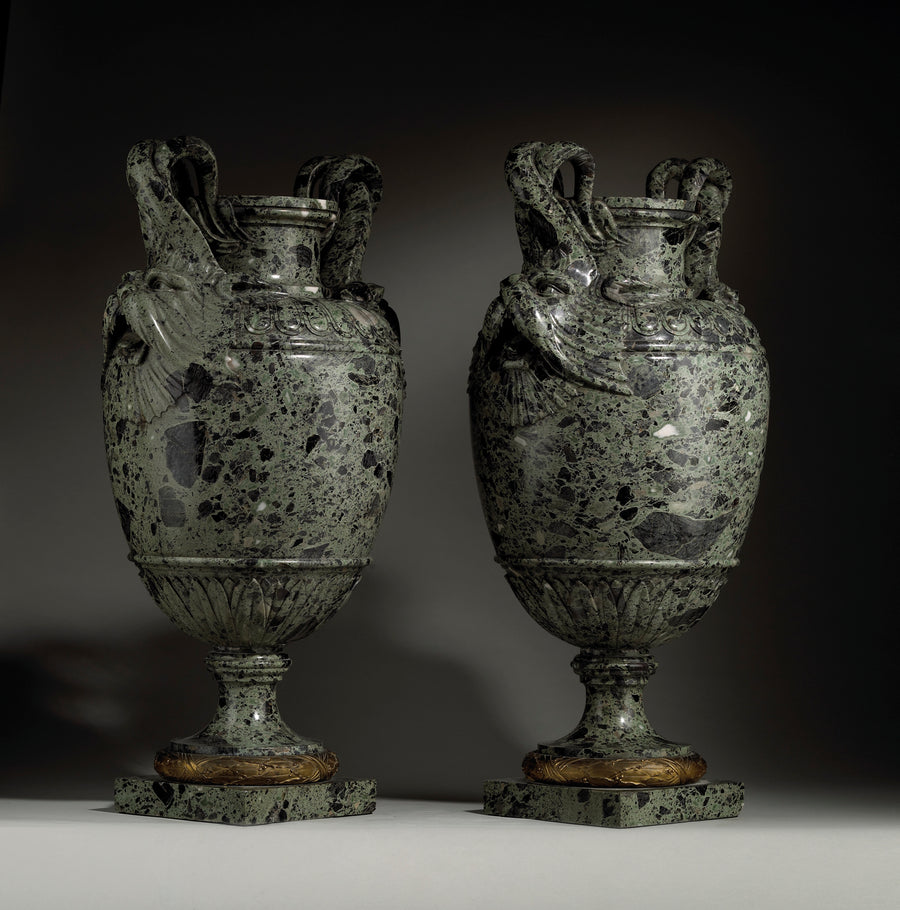
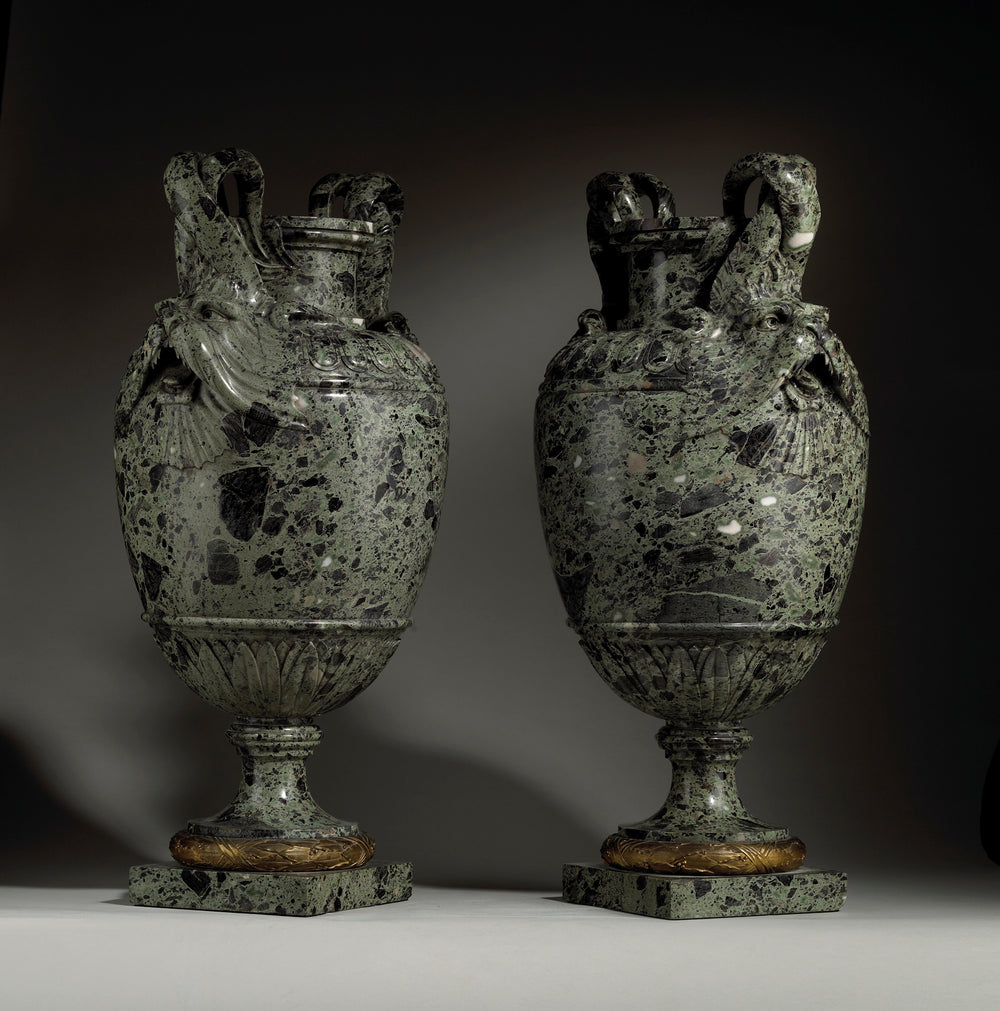
A fine mirror above a console in a hall, a pair of candelabra on a mantel, or a chandelier in a stairwell does not feel like decoration for its own sake. It feels resolved. Antiques often succeed best when they correspond to the architecture rather than merely filling a gap.
Mix periods by quality, material and line
Clients sometimes worry that mixing periods will create confusion. In reality, mixed-period interiors are usually the most sophisticated, provided there is discipline in the selection. The unifying factor should not be date alone. It should be quality.
A 19th-century English chest can sit very comfortably beneath a 20th-century painting if both have clarity of line and authority of presence. An 18th-century gilt mirror may work in a pared-back room because the surface and scale are exceptional. A Continental commode with fine mounts can bring warmth to a quieter architectural envelope.
Material is another point of cohesion. If a room already contains oak flooring, stone, linen and bronze, antiques in walnut, giltwood, marble or patinated brass will often enter naturally. If the scheme is cooler and more minimal, highly ornate pieces may still work, but they need room around them. One elaborate object in a restrained setting often looks better than several competing for attention.
When furnishing with antiques, line matters as much as ornament. Curved legs, serpentine fronts, architectural cornices and carved details all contribute movement. If every object in a room is angular, one antique with graceful curvature can soften the composition. Equally, in a room already rich with pattern and upholstery, a cleaner neoclassical piece may provide relief.
Condition and restoration are part of the furnishing decision
A serious antique buyer does not separate beauty from condition. Furnishing with antiques means considering how a piece will live in the room, not simply how it photographs.
Original surface, sound structure and appropriate restoration all deserve close attention. There is a great difference between sympathetic restoration that preserves integrity and over-restoration that strips an object of character. A dining table may need to function daily. A lacquer cabinet may require more controlled placement away from harsh sunlight. An 18th-century chair may be perfectly suitable for use if properly restored, while a delicate side table may be better treated as a decorative object.
This is where expertise matters. Condition should be explained candidly, and any restoration undertaken with respect for the object rather than modern convenience. Buyers furnishing important houses, whether in London, New York or the Hamptons, are rarely looking for perfection in the modern sense. They are looking for honesty, stability and beauty that has been preserved with intelligence.
Buy fewer, better pieces
The fastest way to diminish an interior is to overfill it. Antiques need air around them. Their carving, patina, colour and proportion read best when the room is not crowded.
It is often wiser to invest in one museum-calibre mirror, a distinguished library table or a superb pair of lamps than to purchase a large number of lesser decorative pieces. Fine antiques carry a room in a way that ordinary furniture cannot. They also reward repeated looking. Their value lies partly in the fact that they continue to reveal workmanship and design intelligence over time.
For interior designers, this approach has another advantage. A few authenticated statement pieces establish the tone of a project and allow contemporary upholstery, bespoke joinery and modern art to support rather than compete. For private clients, it creates rooms that feel inherited rather than assembled.
Let one object lead the scheme
If you are uncertain where to begin, start with the object that has the strongest claim on attention. It may be a marble-topped commode, an important clock, a carved mirror or a chandelier. Once that piece is placed, other decisions become easier.
Its timber, metalwork, scale and level of ornament will suggest what should come next. The room develops around a standard of quality instead of a shopping list. This is a more exacting way to furnish, but it produces interiors with conviction.
How to furnish with antiques for modern living
Antiques should not force a house into formal behaviour. The best rooms allow for contemporary life while retaining elegance.
That means using antiques where they genuinely contribute. A sideboard in a dining room remains practical. A centre table in a hall creates structure. A bureau can function beautifully in a study. Lighting, mirrors and decorative objects are especially versatile because they add age and refinement without disrupting comfort.
Upholstered antiques require more thought. In some houses, a pair of restored armchairs will add just the right note of formality. In others, bespoke seating with one antique occasional table nearby may be the better balance. It depends on how the room is used, who lives there, and whether the house asks for grandeur or ease.
The same applies to rarity. An exceptional object may deserve a quieter setting simply because significance carries responsibility. Furnishing should never obscure what makes a piece important.
A well-considered antique interior does not announce itself through excess. It reveals judgement - in provenance, in placement, in the confidence to choose authenticity over convenience. If a room feels calm, exacting and quietly memorable, you have furnished it well.

Leave a comment