



A Luxury Antique Dealer Review for Collectors
A serious acquisition deserves more than an attractive photograph and an evocative date. A luxury antique dealer review should begin with the evidence behind the object: its construction, condition, attribution, provenance where available, and the standard of care offered after the sale. For collectors and decorators, the dealer is not simply a source of stock. They are the first safeguard against a costly error and an informed partner in placing a rare piece well.
The most persuasive galleries make this confidence feel quiet rather than theatrical. Their inventory is selective, their descriptions are exact, and their advice acknowledges what is known, what is attributed, and what requires further examination. That discipline matters whether one is acquiring an eighteenth-century commode, a giltwood mirror for a London drawing room, or a Grand Tour bronze for a new interior in the Hamptons.
What a Luxury Antique Dealer Review Should Examine
A high-end dealer should be judged on several connected qualities, not just the beauty of their website or the apparent scale of their inventory. The best businesses combine connoisseurship with practical accountability. They understand period design and materials, but can also explain the condition of a particular object in plain, useful terms.
Authentication is the first test. An antique should be described with an appropriate level of certainty, distinguishing a documented maker from a workshop attribution or a piece made in a recognised regional manner. Dates should be plausible and supported by visible characteristics such as timber, joinery, casting, patination, ornament and construction. A dealer need not claim that every object has an unbroken paper trail. Very few do. They should, however, be candid about the basis for their opinion.
This is especially significant in categories where later copies and assembled pieces are common. A handsome bureau can include replaced veneers; a clock may have an earlier movement in a later case; a chandelier can be an excellent period frame with sympathetic later wiring. None of these facts automatically diminishes desirability. They affect value, suitability and pricing, which is why they ought to be disclosed before commitment rather than discovered after delivery.
Expertise that extends beyond a label
Specialism is visible in the details a dealer chooses to share. A confident description will address the object itself rather than rely on broad claims of rarity. For furniture, that may include its period, country of origin, cabinetmaking techniques, mounts, timber and surface. For works of art, it may address medium, condition, frame and attribution. For arms and armour, decorative objects and lighting, the relevant considerations will differ, but the principle remains the same: specific knowledge is more valuable than decorative language.
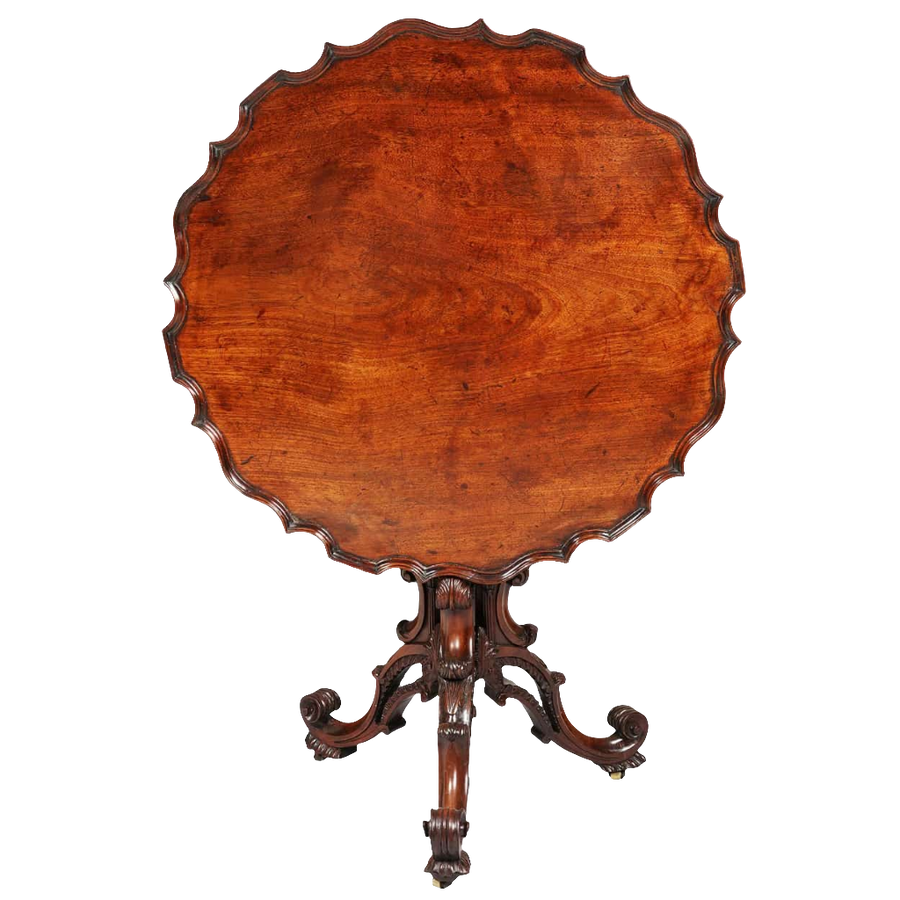
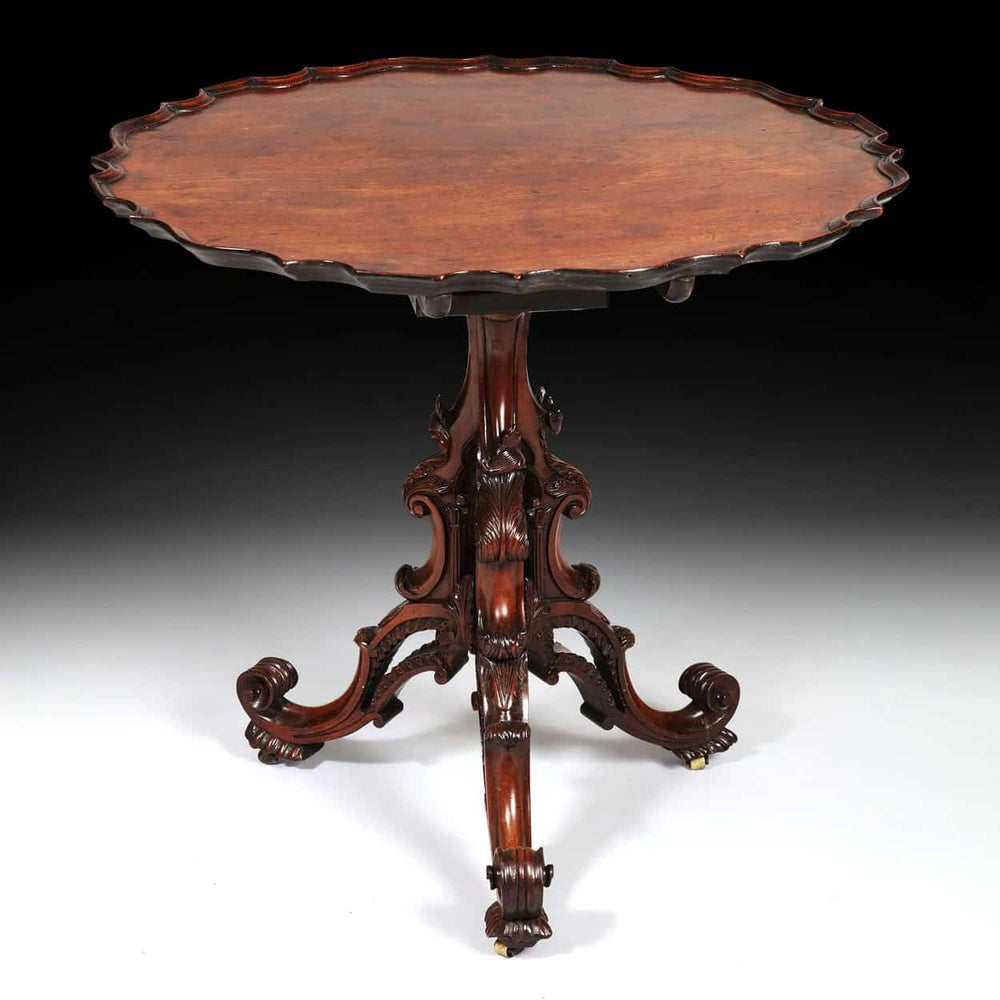
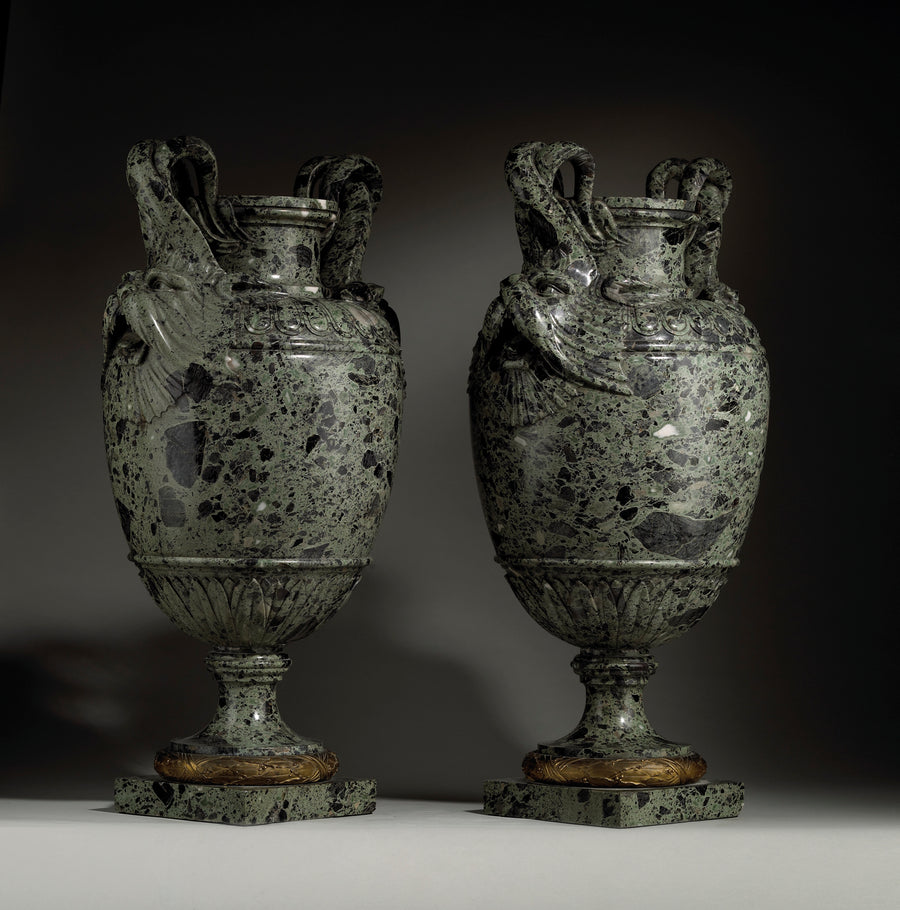
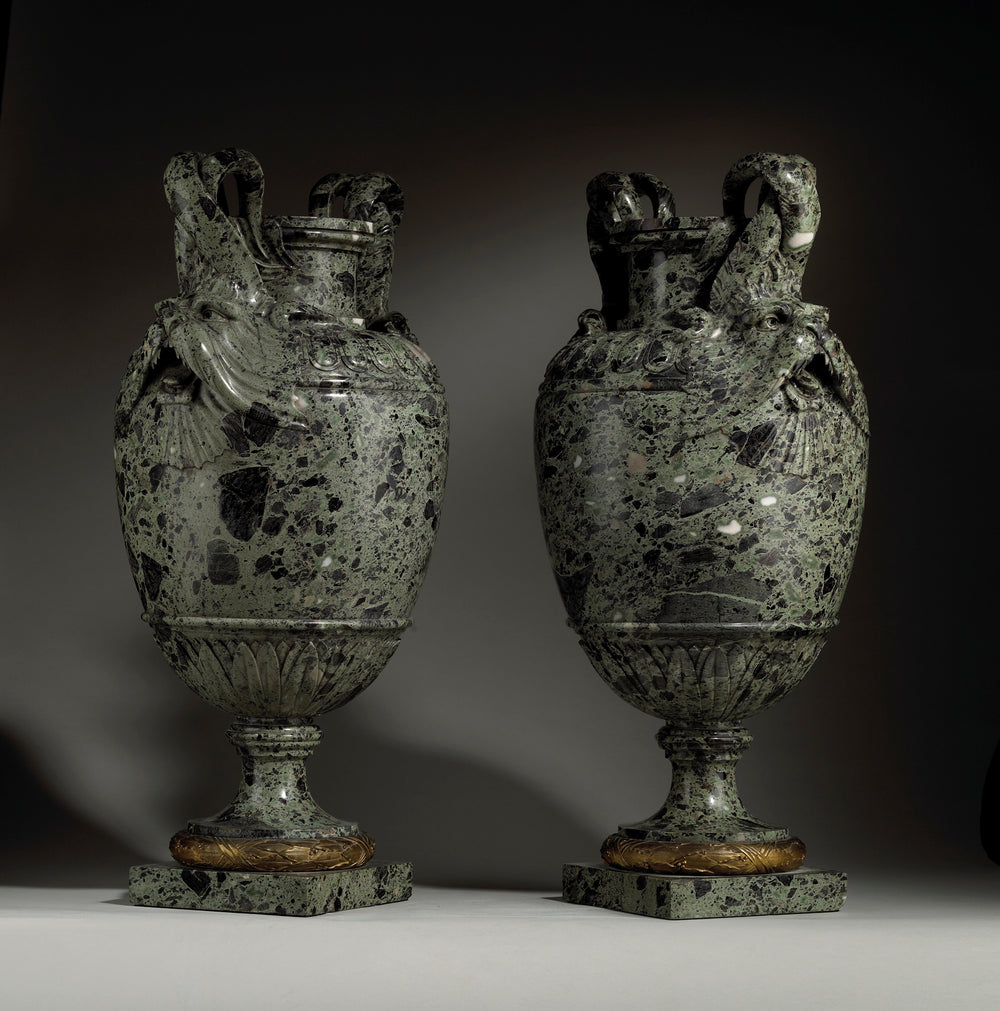
A tightly edited collection can be more reassuring than an enormous catalogue with little context. It suggests a point of view and a threshold for acquisition. Nicholas Wells Antiques, for example, presents English and Continental furniture, lighting, works of art and decorative objects as a considered interior collection, while maintaining the level of object knowledge expected by dedicated collectors.
Condition, Restoration and the Value of Honest Disclosure
Condition is not a binary question. An eighteenth-century object that has remained untouched may be historically compelling but impractical in a busy house. Conversely, an over-restored piece can lose the surface, texture and evidence of age that give it distinction. The right balance depends on the object, its intended setting and the buyer's priorities.
A reputable luxury dealer will be able to discuss this balance without defensiveness. Ask what has been restored, whether any elements are replacements, and whether the finish has been cleaned, revived or repolished. Request close images of areas that usually reveal condition: feet, backs, drawers, locks, handles, gilt surfaces, joins, casting seams and any old repairs. In the case of upholstered furniture, establish whether the upholstery is recent and whether the frame has been checked for structural soundness.
Complimentary restoration can be a valuable service when it is carried out with restraint. It may mean stabilising a chair, sensitively repairing a veneer loss, conserving a decorative surface or adapting lighting safely for contemporary use. The relevant question is not whether work has been done, but whether that work respects the age and character of the piece. Good restoration should support an object's future life without making its past disappear.
Photography helps, but it does not replace inspection
Remote buying is now routine at the top end of the market, particularly for international clients. High-resolution photographs, detailed videos and virtual consultations can provide a strong basis for a decision, provided the dealer is willing to show the unflattering angles as well as the beautiful ones.
For a major purchase, request images in natural light and ask for a clear account of scale. Measurements should include height, width and depth, while lighting should include drop and diameter. A mirror or cabinet that appears perfectly proportioned online can feel quite different once placed beneath a low ceiling or beside substantial architectural joinery. Interior designers will often have this information to hand; private buyers benefit from marking out the footprint in the room before proceeding.
An appointment remains worthwhile for objects whose surface, colour or tactile quality is central to the decision. The depth of a waxed walnut, the softness of old gilding and the weight of a bronze are difficult to judge fully through a screen. Yet a dealer who offers careful digital documentation can make a remote purchase feel properly considered rather than speculative.
Provenance, Legality and Cultural Responsibility
Provenance is often understood too narrowly as a prestigious former owner. That history can be important, particularly for works of art and exceptional furniture, but provenance also concerns the legitimacy and transparency of an object's route to market. A responsible dealer should be able to address ownership history where it is known and identify any material considerations surrounding export, protected materials or cultural property.
This is particularly relevant for ivory, tortoiseshell, coral, certain woods, arms and armour, and objects originating outside Europe. Rules vary by material and destination, and an item that may be lawfully offered in one country may require permissions or be unsuitable for export elsewhere. Buyers should expect clear guidance before purchase, not vague assurances after payment.
For exceptional pieces, paperwork should travel with the object where appropriate. That may include invoices, condition reports, scholarly references, export documents or previous collection information. Documentation does not create quality on its own, but it helps preserve the record that future custodians will value.
Service Is Part of the Object's Value
At this level, delivery is not an administrative afterthought. A rare mirror, marble-topped console or delicate chandelier needs packing, handling and transport arranged by people who understand its vulnerabilities. Insured worldwide shipping, careful crating and clear communication about timing are essential, particularly when a piece is crossing borders or entering a finished interior on a fixed installation date.
Private consultation also has practical value. An experienced dealer can advise whether a piece belongs in a formal period scheme, a pared-back contemporary room or an eclectic collection built over time. They may suggest alternatives if an object's scale, condition or colour is not quite right. That is not a failure to sell. It is the sort of judgement that earns repeat custom.
Price should be considered in this wider context. The lowest comparable figure is not always the best value if condition is uncertain, the attribution is overstated, or restoration and delivery are left to the buyer. Equally, a premium should be justified by rarity, quality, documentation, condition and the dealer's service, rather than by a fashionable label alone.
The most rewarding antiques do more than fill a space. They bring proportion, craftsmanship and a sense of continuity that cannot be replicated. Choose a dealer who treats those qualities with the same care you intend to give the object, and the purchase can become a lasting part of both an interior and a collection.


Leave a comment