



Why Choose a Private Antique Buying Consultation
A fine antique can change a room in an instant. It can also alter the quality of a collection, sharpen the architectural character of a house, or give an interior the authority that newer pieces rarely manage. That is precisely why a private antique buying consultation matters. At the top end of the market, buying well is rarely about browsing widely and choosing quickly. It is about judgement, context and access.
For seasoned collectors and interior designers alike, the value of a consultation is not simply convenience. It is the advantage of having a specialist filter the market on your behalf, assess quality with discipline, and guide decisions that have aesthetic and financial weight. When the object in question may be an early Georgian mirror, a Grand Tour bronze, a pair of giltwood candelabra or a historically interesting cabinet, that level of scrutiny is not a luxury add-on. It is part of the purchase itself.
What a private antique buying consultation actually provides
The phrase can sound understated, but the service is highly practical. A private antique buying consultation is a tailored advisory process designed around the client, the interior and the object category in question. Rather than presenting a broad sweep of stock, it begins with intent. Are you furnishing a London drawing room with English furniture of the early 18th century? Searching for one important statement object for a house in Greenwich, Connecticut? Building out a layered interior in the Hamptons that needs proper scale, age and distinction rather than decorative filler?
The answers shape everything that follows. A specialist adviser will narrow the field according to period, origin, material, dimensions, condition and provenance. They will also judge whether a piece is merely attractive or genuinely right. Those are not the same thing. A handsome object can still be too small for the setting, too restored for the level of collecting, or too generic to hold its own in a serious interior.
This is where connoisseurship earns its keep. The best consultations are grounded in a trained eye and an understanding of the market, but also in a sense of proportion, atmosphere and restraint. Buying antiques at this level is seldom about quantity. It is about selecting fewer, better things.
Why private antique buying consultation is especially valuable remotely
Many important acquisitions are now made across borders. A collector in California may purchase from London. A decorator in Texas may source for a New York project without visiting every object in person. The market has become more international, but distance has not made discernment less necessary. If anything, it has raised the stakes.
A private antique buying consultation reduces uncertainty by replacing guesswork with informed evaluation. Photography can flatter surface, disguise repairs and distort scale. Descriptions can vary in precision. Terms such as period, attributed or restored are not interchangeable, and the differences matter. An experienced adviser will explain those distinctions clearly and place them in context, so that a client understands not only what a piece is, but what it is not.
Remote buying also brings practical questions that casual sellers are not equipped to answer properly. How stable is the construction? Has the gilding been refreshed, and if so, sympathetically or heavily? Is the marble original to the base? Are there age cracks that are structurally benign, or later interventions that affect value? For a designer, another question often follows - will it read correctly in the room once installed, or does it need adjustment, conservation or a different placement entirely?
A discreet consultation should address all of that before the purchase is finalised.
The difference between shopping and collecting
At the luxury end of the antiques world, there is a clear distinction between shopping and collecting. Shopping tends to focus on immediate appearance and availability. Collecting, even when driven by interior design rather than scholarship, depends on quality, originality and coherence over time.
That does not mean every buyer needs to pursue only rare museum-level material. It does mean that every purchase should be evaluated against a standard. Is the piece a strong example of its type? Does it have the right colour and patina? Has it survived with enough integrity? Is the provenance reassuring? Does it contribute meaningfully to the room or collection, rather than simply filling a space?
A private consultation introduces that discipline without making the process forbidding. For some clients, the goal is to acquire one exceptional object with confidence. For others, it is to build a furnished interior that feels as though it evolved over generations. In both cases, expertise helps avoid the common mistake of buying objects that are expensive, decorative and ultimately forgettable.
Provenance, condition and restoration
These three areas often determine whether a purchase remains satisfying years later.
Provenance is not always glamorous, but it matters. Clear attribution, documented origin or a traceable ownership history can strengthen both confidence and value. Even where full provenance is unavailable, a reputable assessment of period, region and authenticity is essential. Serious buyers should know what supports the identification of a piece and where uncertainty remains.
Condition is equally nuanced. Age-related wear is often desirable. It gives life, credibility and visual depth. Damage, poor restoration or over-cleaning are another matter. The aim is not perfection, which would be suspicious in many categories, but integrity. Good consultation distinguishes between acceptable wear and compromising intervention.
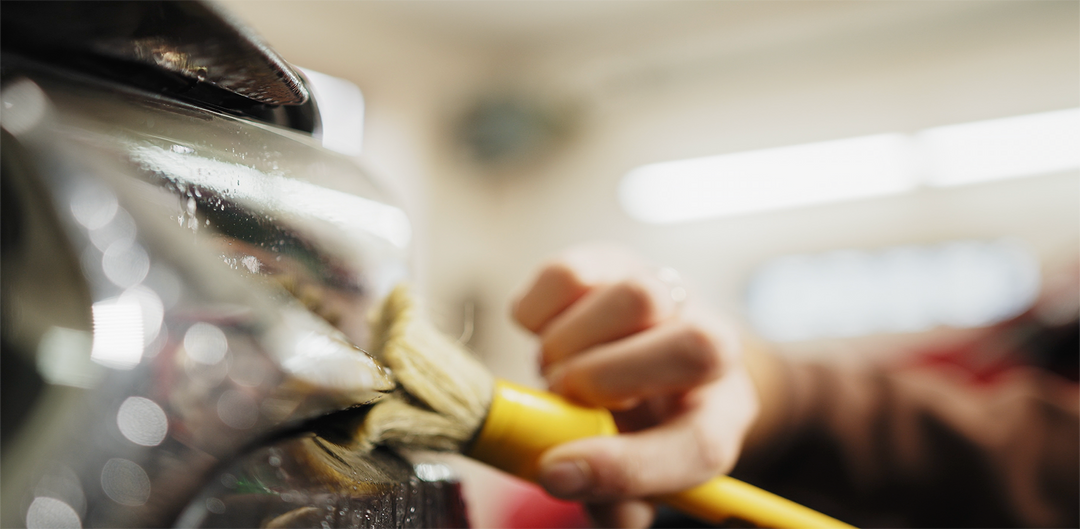
Restoration requires similar judgement. Some pieces benefit from careful conservation before they are placed in an interior. Others should be left largely untouched. Over-restoration can erase character and depress value, while neglect can leave a piece vulnerable. The right advice is rarely absolute. It depends on the category, the intended use and the calibre of the object.
Scale and placement are not secondary concerns
One of the most overlooked reasons to seek private advice is scale. A magnificent console that looks impressive in isolation may fail entirely if the ceiling height, wall treatment or surrounding furniture do not support it. Likewise, a delicate occasional table may disappear in a generously proportioned room.
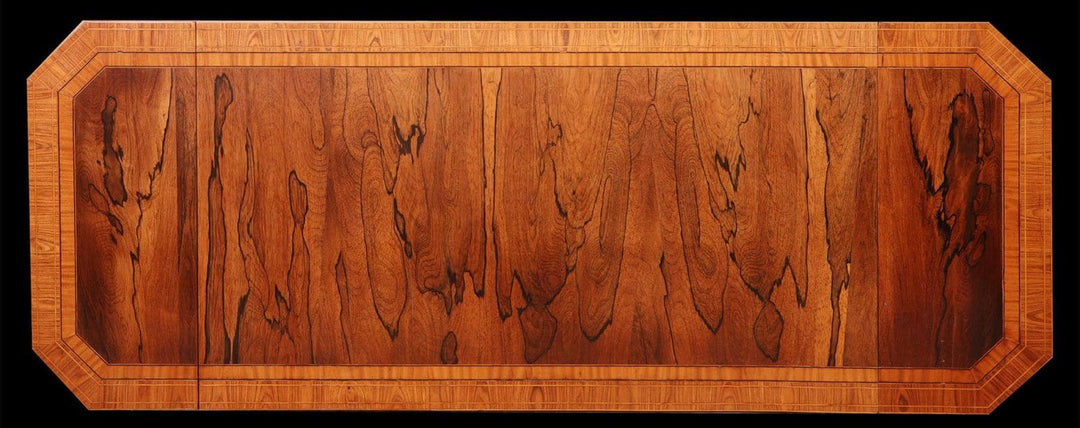
Designers usually understand this instinctively, but even experienced professionals benefit from specialist input when working with important period material. Antiques carry visual weight differently from contemporary pieces. Carving, patination, ormolu mounts, figured veneers and gilt surfaces all alter how an object occupies space.
A thoughtful consultation considers those factors in relation to architecture and use. Should the mirror be hung above a chimney piece or opposed to a window to borrow light? Is the commode strong enough to stand beside modern art, or will one overpower the other? Does the pair genuinely match, and if not, is the discrepancy charming or disruptive? These are the details that make a room feel composed rather than assembled.
Who benefits most from a private antique buying consultation
The service is particularly valuable for three kinds of buyer. The first is the established collector who knows quality and wants access to carefully vetted material rather than broad market noise. The second is the interior designer or decorator who must balance historical integrity with a client brief, timeline and architectural setting. The third is the private homeowner who may purchase only occasionally but wants to buy at a serious level and avoid expensive errors.
Each comes with different priorities. A collector may care most about rarity and originality. A decorator may prioritise impact, proportion and deadline. A homeowner may want reassurance that the object is authentic, suitably restored and easy to place. Good advisory work does not flatten those differences. It responds to them.
For this reason, the best consultations are personal rather than scripted. Nicholas Wells Antiques, for example, positions private consultation as an extension of specialist dealing rather than a separate sales exercise. That distinction matters. Clients are not merely shown inventory. They are guided towards pieces with the right historical, decorative and practical fit.
How to make the most of the process
Clients often get better results when they arrive with clarity on a few key points: the room or project in question, the broad period or mood they are after, and any hard constraints around size, budget or delivery. Images of the interior can be very useful, not because antiques should be chosen by photograph alone, but because context sharpens judgement.
At the same time, it pays to leave room for expert challenge. Some of the best acquisitions come from adjusting the brief slightly. A client searching for a single large statement piece may discover that a pair creates better balance. Someone intent on one national tradition may be shown that a Continental object gives the room more tension and sophistication. Taste matters, but so does the ability to recognise when a stronger answer presents itself.
A good adviser will not push novelty for its own sake. They will explain why a suggestion works, where the compromise lies and whether waiting may be wiser than buying now. That sort of honesty is often the clearest mark of quality.
Antiques reward patience, but they also reward decisiveness informed by expertise. When the right piece appears, a private antique buying consultation allows you to act with confidence rather than hesitation - and that is often what separates a satisfactory purchase from an enduring one.
Leave a comment