



The Noble Game in Noble Interiors: Chess Sets Through Decorative History
Chess has long occupied a unique position within the decorative arts. More than a game of intellect and strategy, it has historically symbolized refinement, education, and cultivated taste. Across centuries, beautifully crafted chess sets appeared in aristocratic libraries, royal courts, gentlemen’s clubs, and grand salons, serving not only as instruments of play but also as objects of artistic and cultural prestige.
Today, antique and decorative chess sets continue to hold a special place in sophisticated interiors. Their appeal lies in the way they combine sculpture, craftsmanship, history, and symbolism into a single object that feels both intellectual and deeply decorative.
Chess and the Language of Refinement
For much of European history, chess was associated with the educated elite. The game represented patience, foresight, discipline, and diplomacy, qualities admired among nobility and scholars alike. By the eighteenth and nineteenth centuries, owning a finely made chess set was often viewed as a reflection of social standing and cultivated taste.
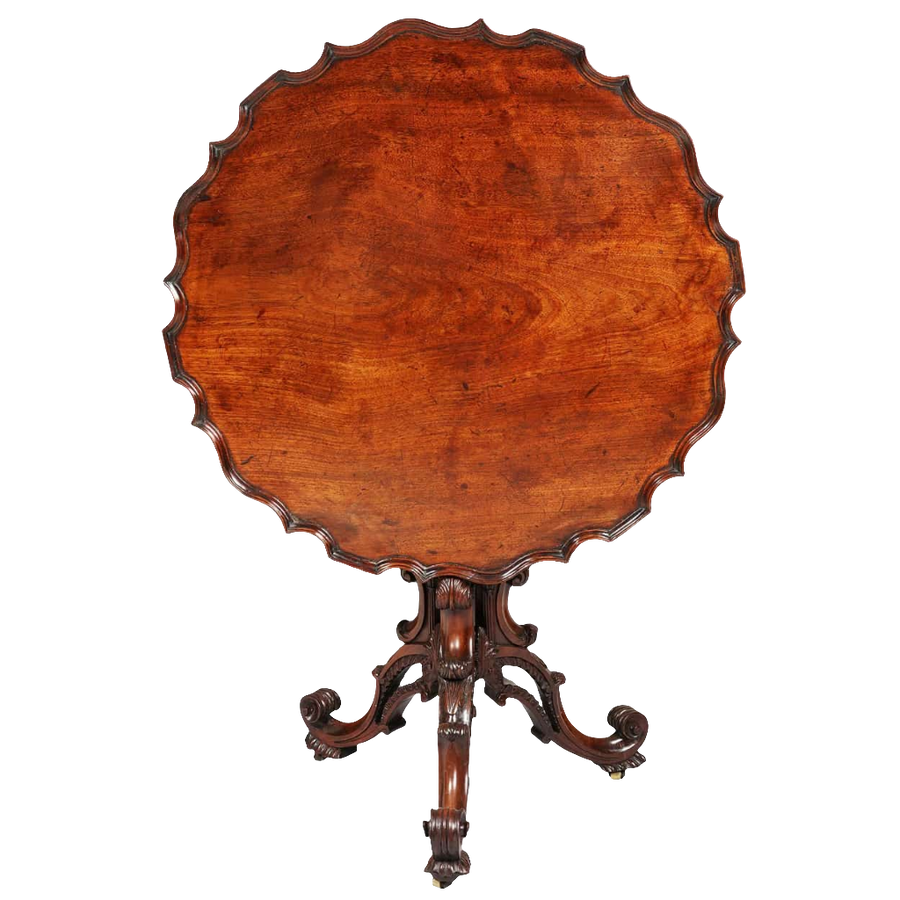
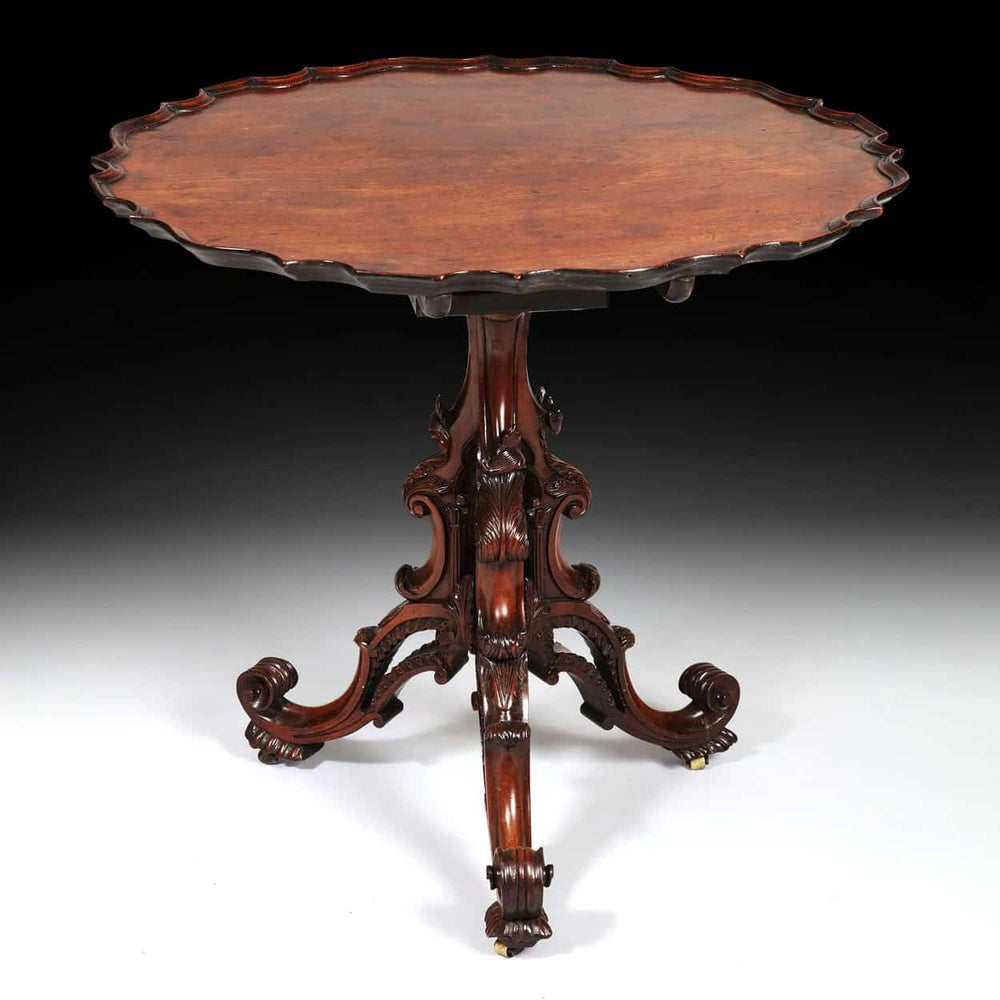
In stately homes and private studies, chess sets became part of the visual language of refinement. A beautifully carved board resting atop a mahogany table or beside shelves of leather bound books communicated sophistication without excess. These pieces were designed to be admired as much as they were meant to be played.
The tradition extended beyond Europe as well. Across the Middle East, India, and parts of Asia, chess sets were crafted using intricate carving techniques, precious materials, and geometric artistry that reflected regional decorative traditions. Many surviving examples now reside in museum collections due to their exceptional artistry.
Materials That Elevated the Chess Set
As decorative arts evolved, chess sets increasingly became showcases for craftsmanship and luxury materials. Skilled artisans transformed practical gaming objects into miniature sculptural works.
Ebony and boxwood became especially popular during the Victorian period, prized for their dramatic contrast and elegant finish. Ivory carving also gained prominence among elite collectors, with many nineteenth century sets featuring astonishing levels of detail. Inlaid mother of pearl, silver mounts, ormolu accents, and pietra dura boards further elevated select examples into objects worthy of formal display.
Certain sets were produced specifically for wealthy patrons or royal households, often incorporating heraldic symbols, military figures, or architectural motifs. These highly decorative sets blurred the line between game and sculpture, allowing them to function naturally within richly layered interiors.
Even today, the tactile beauty of aged wood, polished stone, and hand carved pieces gives antique chess sets a presence that modern mass produced alternatives rarely achieve.
The Victorian Era and the Rise of the Collector Chess Set
The nineteenth century marked a significant turning point in the history of chess design. During this period, chess became increasingly standardized, particularly following the introduction of the Staunton pattern in 1849. Named after English chess master Howard Staunton, the design offered clarity and balance while maintaining an understated elegance.
Yet alongside these practical tournament designs, decorative and figural chess sets flourished. Continental workshops produced elaborate sets inspired by medieval courts, classical mythology, military campaigns, and historical battles. Some featured intricately carved kings and queens dressed in royal attire, while others depicted opposing armies in dramatic sculptural form.
Collectors began to appreciate these sets not simply for their functionality but for their artistic merit. Chess boards and pieces became treasured cabinet objects displayed within drawing rooms, libraries, and curated collections of decorative arts.
This period also coincided with the broader Victorian enthusiasm for collecting, where intellectual curiosity and aesthetic appreciation merged within the domestic interior.

Chess Sets as Decorative Anchors in Interior Design
One of the reasons antique chess sets remain desirable today is their ability to enrich a space without overwhelming it. They bring a sense of narrative and personality into interiors while quietly suggesting culture and intellect.
In traditional homes, a chess set can enhance the atmosphere of a study or library, complementing antique desks, oil paintings, and architectural woodwork. In more contemporary spaces, an antique board introduces warmth and historical texture, creating contrast against minimalist surroundings.
Designers often use chess sets as focal objects because they naturally encourage interaction. Unlike static decorative accessories, they invite engagement and curiosity. Guests instinctively approach them, examine the craftsmanship, and begin conversations around history, strategy, or travel.
This appreciation for thoughtful design has also influenced contemporary interpretations of the game. A carefully chosen modern chess set by Chess'n'Boards can introduce the same sense of balance and sophistication into present day interiors while embracing a more minimalist aesthetic. Clean lines, sculptural forms, and refined materials allow modern sets to complement contemporary spaces just as naturally as antique examples enrich traditional rooms.
Their visual balance also contributes to their decorative power. The symmetry of the board and the sculptural repetition of the pieces create order and rhythm within a room, qualities long appreciated in classical interior design.
Regional Styles and Artistic Traditions
Throughout history, different cultures interpreted chess aesthetics in remarkably distinct ways.
English chess sets tended toward restraint and proportion, especially during the Georgian and Victorian periods. French and Italian examples often embraced ornate carving and theatrical detail, reflecting broader decorative trends of their time.
Islamic chess traditions favored abstraction and geometry, particularly during periods when figurative representation was limited in artistic practice. These sets demonstrated extraordinary craftsmanship through pattern, proportion, and material rather than sculptural realism.
Indian chess sets became celebrated for their intricate carving and use of sandalwood, ivory, and ebony. Many featured detailed figural forms representing royal courts, elephants, cavalry, and ceremonial symbolism.
These regional variations transformed chess sets into cultural artifacts that reflected the artistic values and historical context of their origins.
What Modern Collectors Look For?
Collectors today are increasingly drawn to chess sets that possess both decorative impact and historical authenticity. Several factors influence desirability and long term value.
Original condition remains especially important. Collectors often seek examples with consistent patina, minimal replacement parts, and evidence of careful preservation. Complete sets are naturally more valuable, particularly when accompanied by original boxes or boards.
Craftsmanship is another defining factor. Hand carved details, quality joinery, and material integrity distinguish exceptional sets from purely decorative reproductions.
Provenance can also significantly enhance interest. Chess sets associated with notable estates, historical figures, or respected workshops carry additional narrative appeal that deepens their collectibility.
Importantly, collectors are not solely purchasing a game. They are investing in an object that intersects with furniture history, sculpture, design, and cultural heritage.
Why Chess Sets Continue to Endure
Few decorative objects combine intellect, artistry, and history as naturally as the chess set. Its enduring appeal comes from the way it transcends utility. Even when untouched, a chess board suggests thought, ritual, competition, and conversation.
Within noble interiors of the past, chess sets represented education and cultivated living. In modern interiors, they continue to offer that same sense of timeless sophistication.
Whether displayed atop a library table, within a collector’s cabinet, or beside a fireplace in a quiet study, an antique chess set brings more than visual beauty into a room. It introduces a sense of legacy, reminding us that the most compelling decorative objects are often those that carry both artistic craftsmanship and centuries of human imagination.


Leave a comment