


Antique Portraits
9 products
9 products
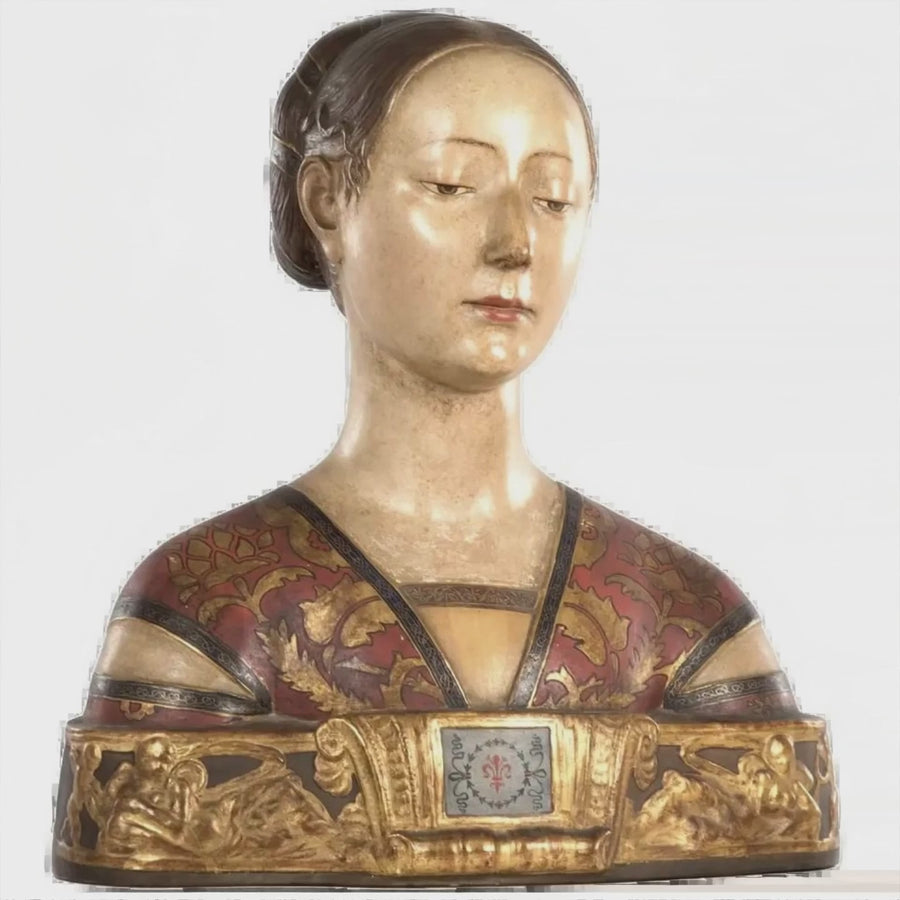
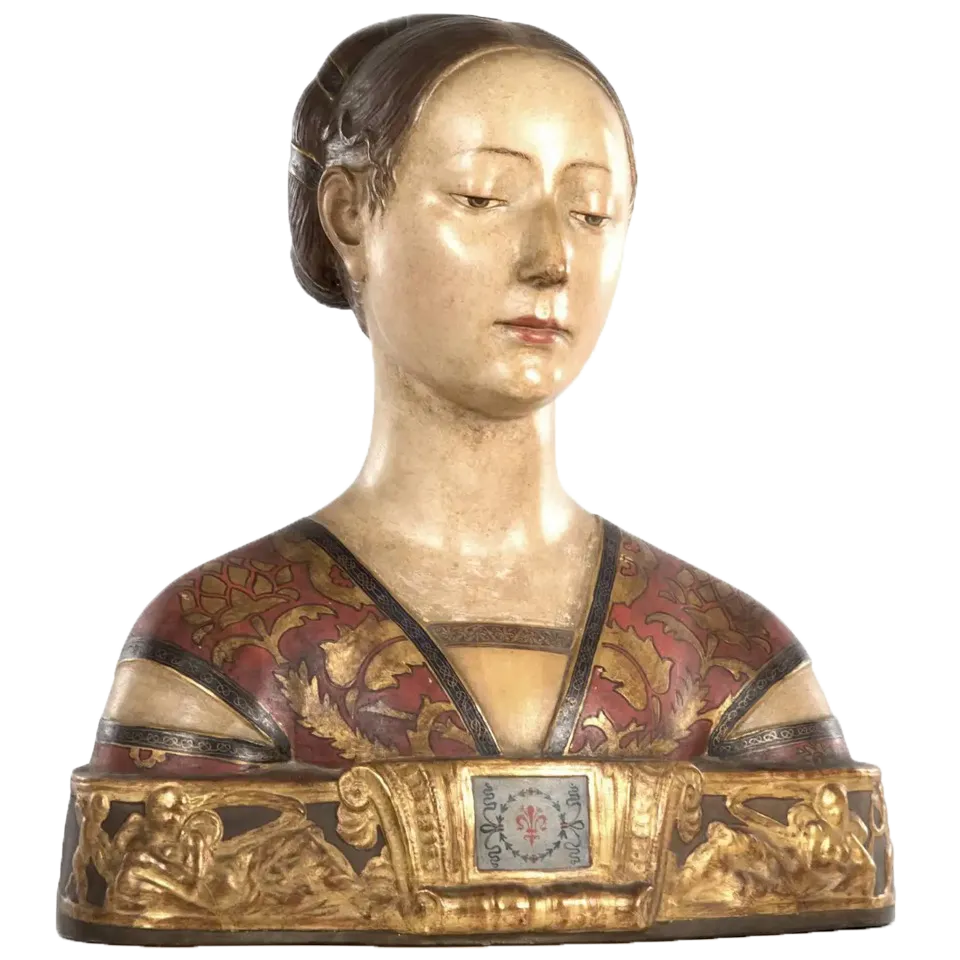
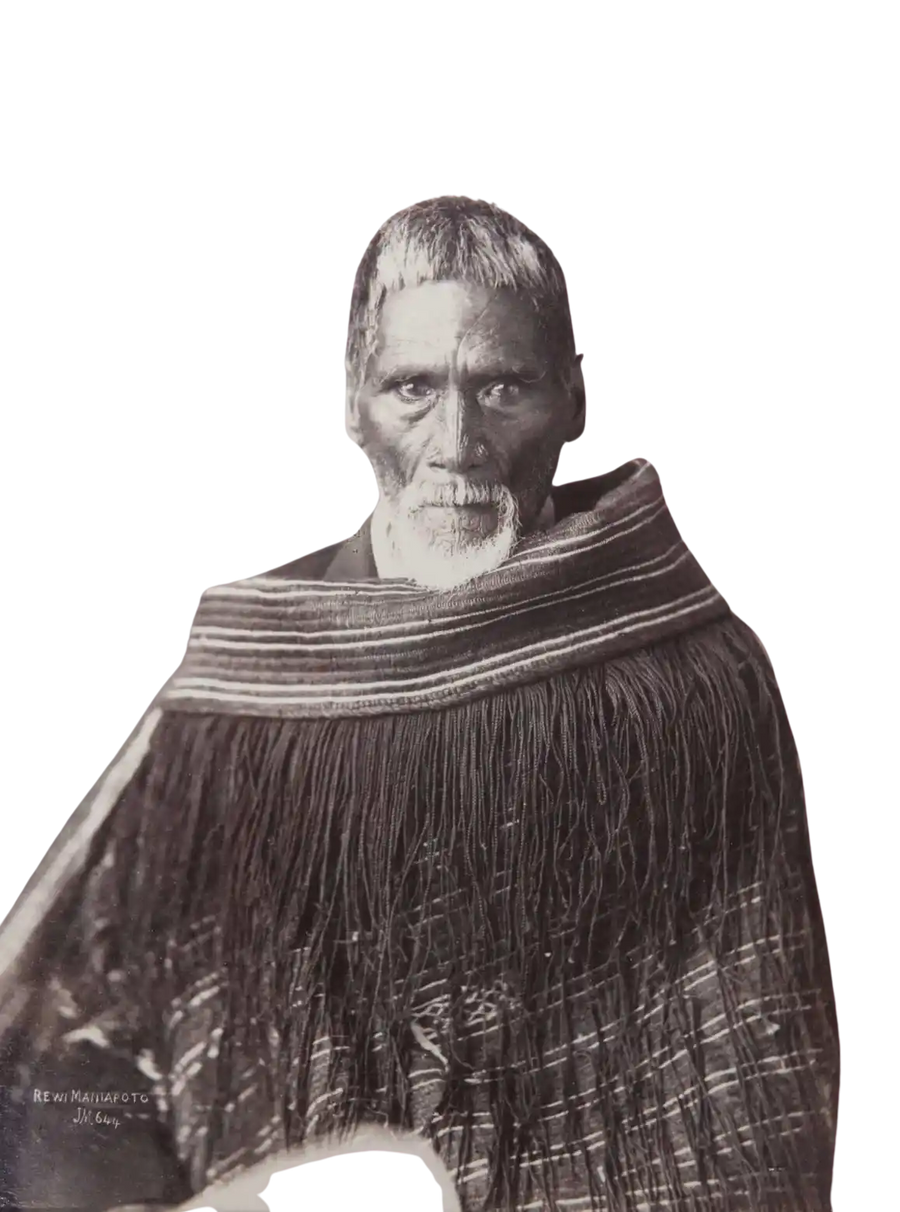
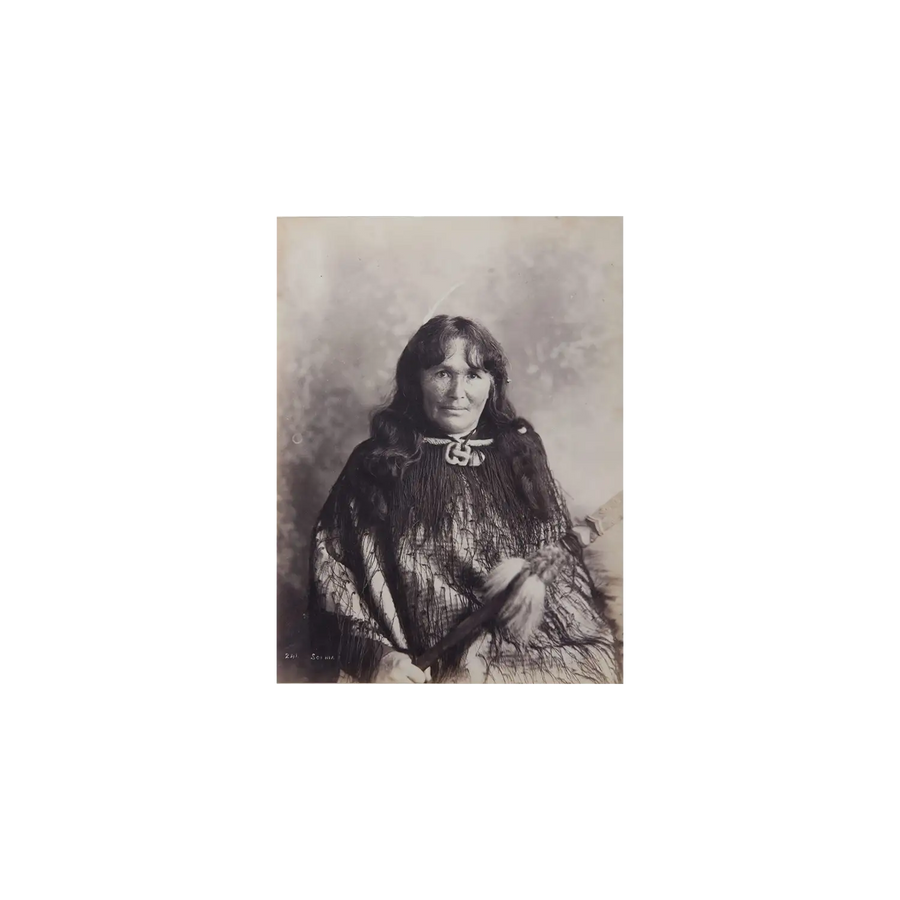
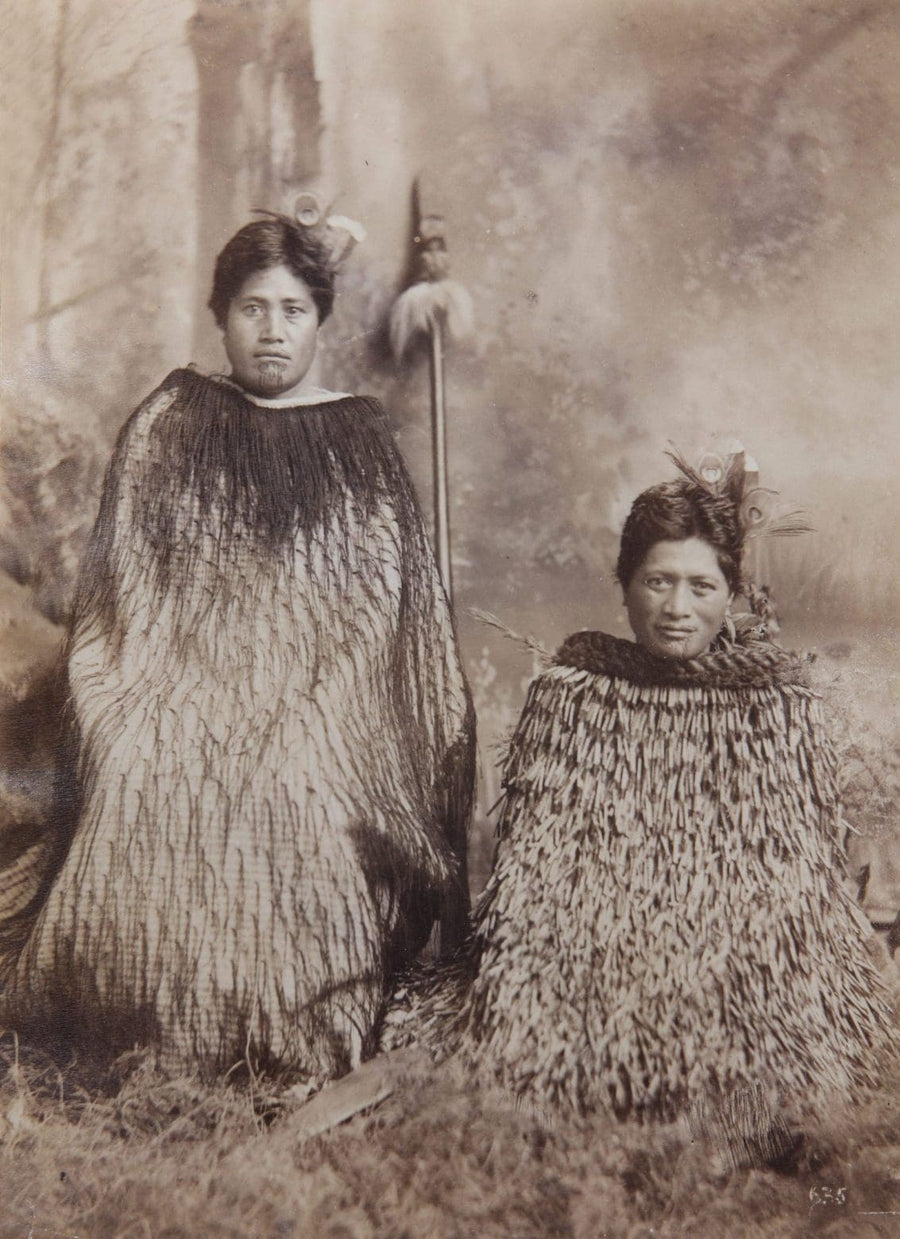
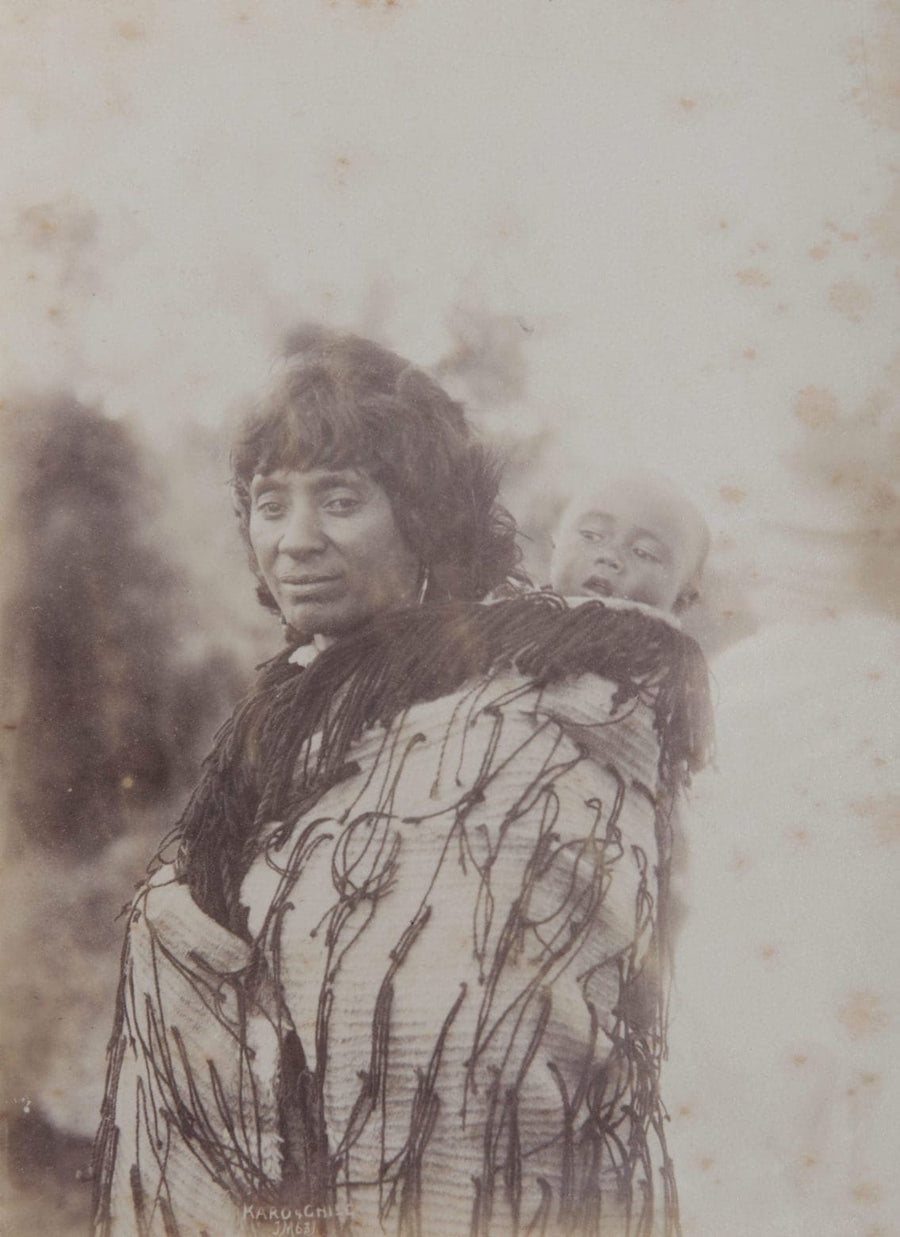
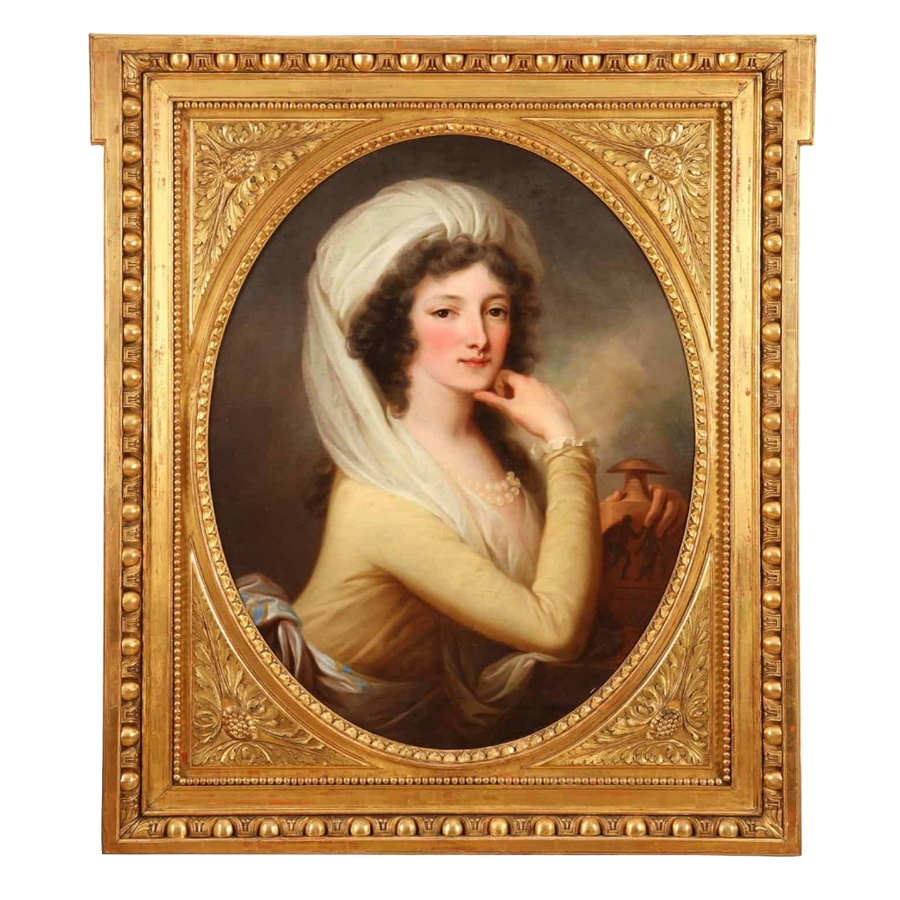
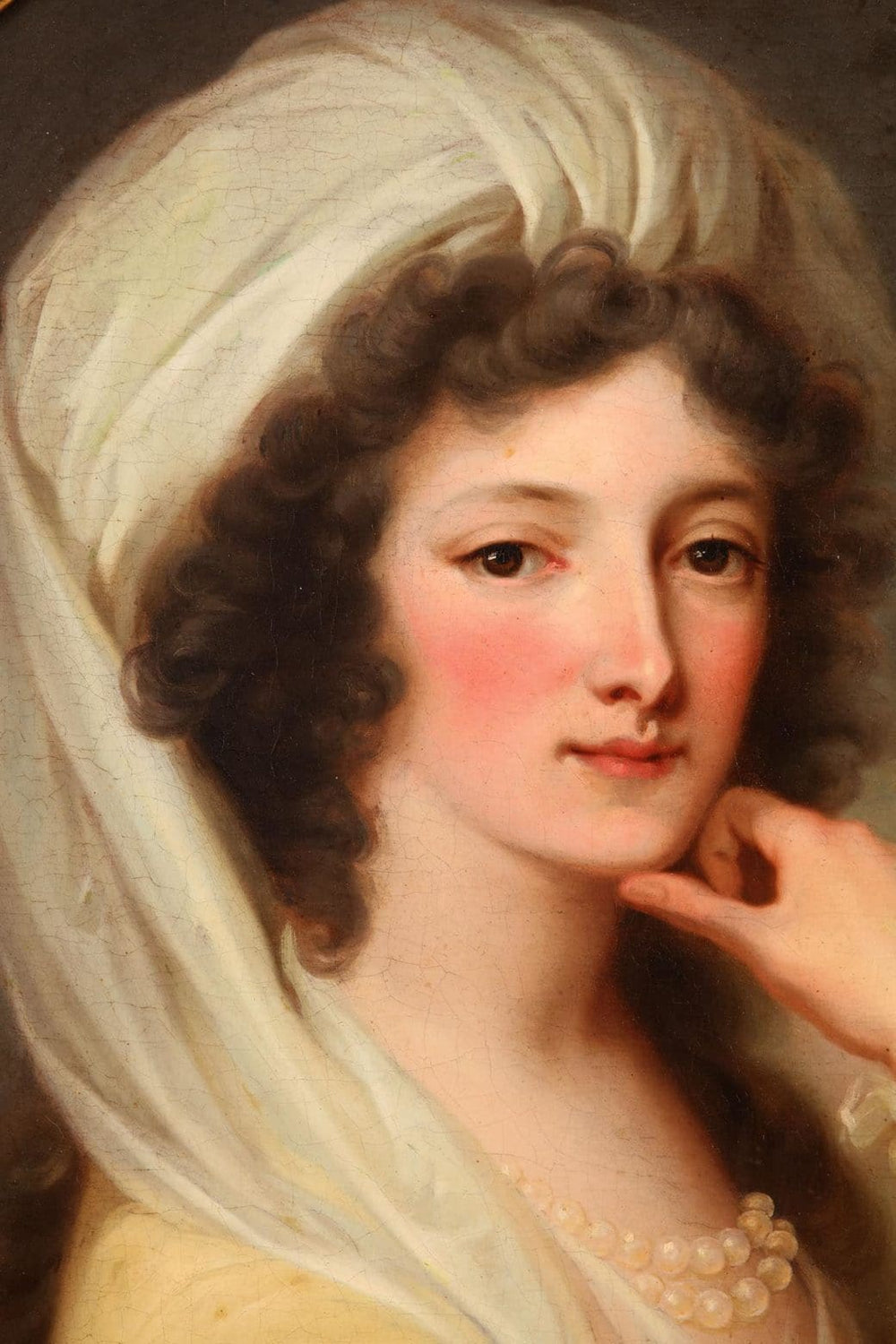
Portraits have long served as more than simple likenesses. They are enduring records of individuals, families and societies, capturing not only the appearance of the sitter but also their wealth, status, profession and aspirations. From the grandeur of aristocratic oil paintings to intimate miniature portraits, these works provide a fascinating insight into the people who shaped history.
At Nicholas Wells Antiques, we specialise in antique portraits spanning the seventeenth, eighteenth and nineteenth centuries. Whether depicting royalty, military figures, merchants or distinguished members of society, each portrait tells a unique story while serving as an exceptional work of art in its own right.
Portraiture has existed for thousands of years, from the remarkably lifelike funerary portraits of Roman Egypt to Renaissance masterpieces commissioned by Europe's ruling families. By the seventeenth century, portrait painting had become an established art form, with leading artists receiving commissions from monarchs, nobility and prosperous merchants.
As Britain's wealth expanded during the Georgian and Victorian periods, portraits became increasingly common in country houses, townhouses and civic buildings, documenting generations of families and their achievements.
Commissioning a portrait was an expensive undertaking. A successful artist could spend weeks or even months completing a single work, carefully capturing not only the sitter's features but also the luxurious fabrics, jewellery, furnishings and landscapes that conveyed social standing.
Many portraits include symbolic elements intended to communicate the sitter's identity:
Books representing learning and scholarship
Military uniforms denoting rank and service
Classical columns symbolising strength and permanence
Gardens and parkland illustrating landed wealth
Globes and maps reflecting exploration or commerce
Dogs signifying loyalty
Flowers representing virtue or youth
Every object within the composition was carefully considered.
Britain produced some of the finest portrait artists in Europe during the eighteenth century.
As the first President of the Royal Academy, Sir Joshua Reynolds transformed British portraiture by combining classical ideals with elegant compositions. His portraits of aristocrats, politicians and intellectuals established the fashionable "Grand Manner" style that dominated the late eighteenth century.
Celebrated for his fluid brushwork and luminous landscapes, Thomas Gainsborough created portraits that combined remarkable naturalism with effortless elegance. His sitters appear relaxed and graceful, often placed within idyllic countryside settings.
George Romney became one of London's most sought-after portrait painters, admired for his sensitive portrayals and refined compositions. His portraits of society figures remain among the highlights of Georgian art.
During the Regency period, Sir Thomas Lawrence became Europe's leading portrait painter. His expressive brushwork and remarkable ability to capture personality made him the preferred artist of royalty, diplomats and military leaders.
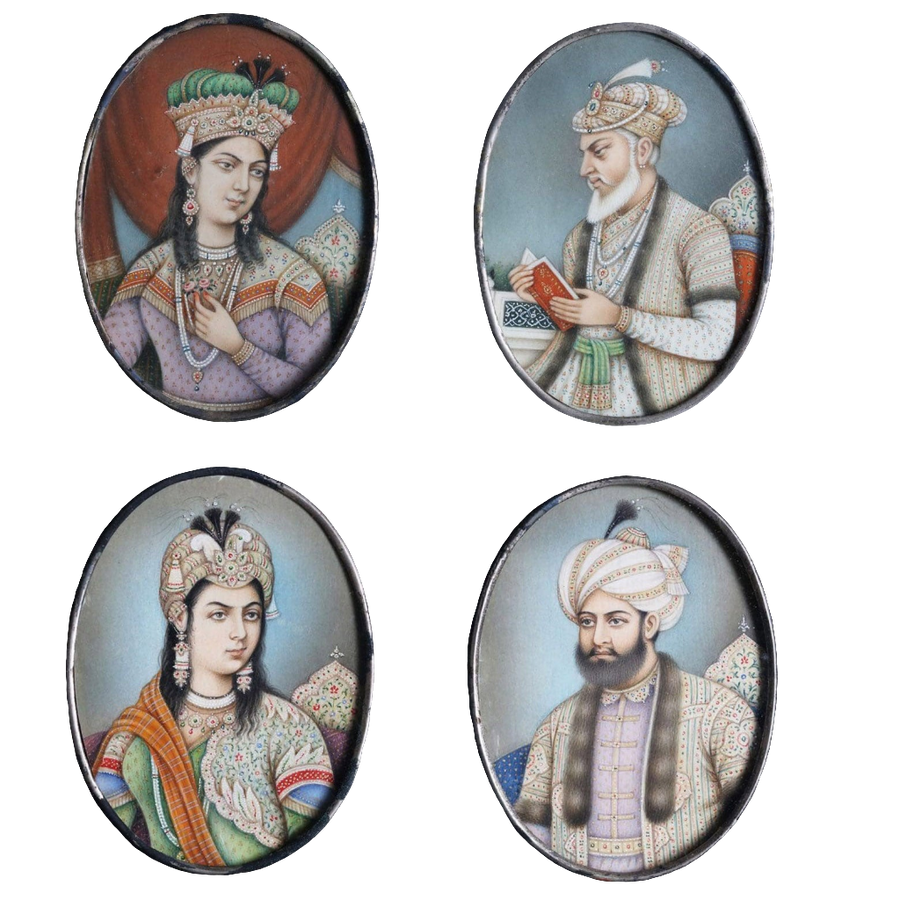
Alongside large oil paintings, portrait miniatures enjoyed enormous popularity from the sixteenth through the early nineteenth centuries.
Painted in watercolour on ivory or vellum and housed within finely crafted gold cases, lockets or frames, these intimate works were exchanged as gifts, carried during travel or treasured as personal keepsakes.
Many survive in exceptional condition and offer remarkable insight into the fashions and personalities of their age.
Portraits formed the visual history of Britain's great houses.
Visitors walking through stately homes such as Chatsworth House, Blenheim Palace, Petworth House and Burghley House encounter galleries filled with generations of family portraits. Together, these collections document changing fashions, political alliances and artistic tastes across centuries.
Portraits were carefully arranged to reinforce lineage, celebrate achievement and demonstrate the continuity of family estates.
Portraiture flourished across Europe.
Dutch artists such as Rembrandt van Rijn and Frans Hals became renowned for their psychological depth and expressive brushwork, while French painters including Élisabeth Vigée Le Brun captured the elegance of the royal court before the French Revolution.
In Italy and Spain, portraiture similarly reflected the power and prestige of ruling dynasties, church leaders and influential patrons.
Collectors are increasingly drawn to antique portraits for their artistic quality, decorative appeal and historical significance.
Whether depicting an identified sitter or an unknown gentleman or lady, portraits offer:
Original works by accomplished artists
Outstanding decorative impact
Insight into costume and fashion
Connections to local and national history
Investment in unique, irreplaceable works of art
Anonymous portraits, in particular, often represent exceptional value, allowing collectors to acquire museum-quality paintings at comparatively accessible prices.
Oil paintings require thoughtful care to preserve their beauty.
Avoid hanging portraits in direct sunlight or above fireplaces where fluctuating temperatures may damage the paint surface. Stable humidity, careful handling and occasional professional conservation will help ensure these works survive for future generations.
Original carved giltwood frames are often as significant as the paintings themselves and should be preserved wherever possible.
At Nicholas Wells Antiques, we offer a carefully selected collection of antique portraits chosen for their quality, character and historical interest. From elegant Georgian society portraits and distinguished military figures to intimate portrait miniatures and accomplished nineteenth-century works, each painting provides a direct connection to the past.
Whether you are furnishing a country house, creating a gallery wall or seeking a portrait with exceptional decorative presence, antique portraiture remains one of the most rewarding and enduring areas of collecting, combining artistry, history and timeless elegance.
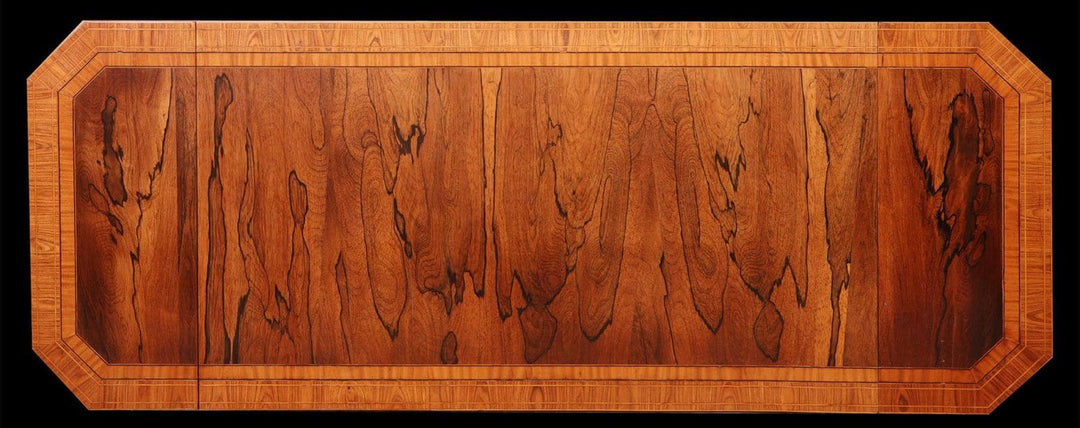
This month we have 10% off the Regency Collection - checkout code REG10
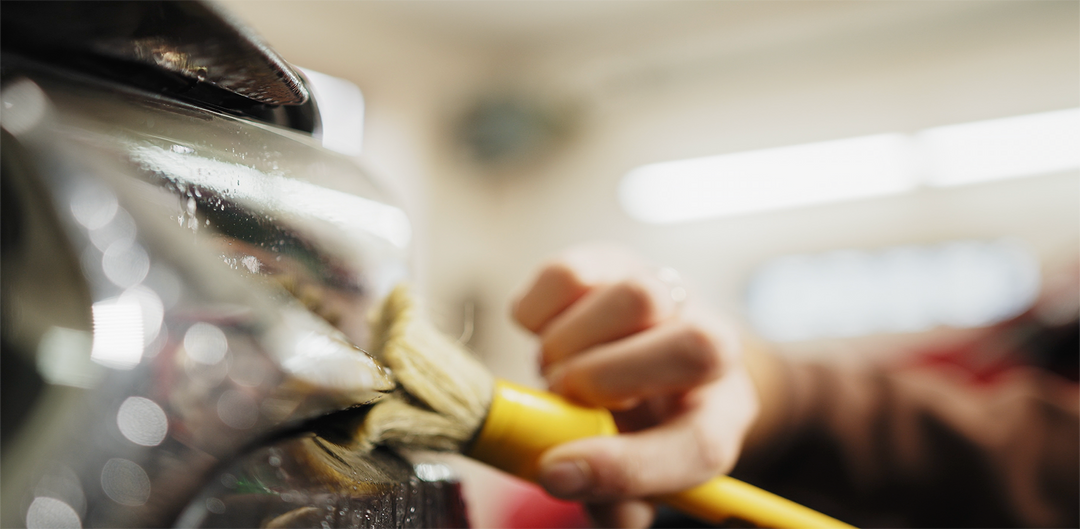
Each item in our collection is sold with complimentary restoration within the purchase price. It is only released for delivery once it has been fully checked over and wax polished.
Introduce someone to Nicholas Wells Antiques—when they make a purchase of £10,000 or more, they will benefit form £500 off and you'll receive £500 credit toward your next purchase over £5,000.
A gesture of thanks, from one collector to another.