


The Biedermeier Era: Comfort, Craft, and the Rise of the Middle Class
10 products
10 products
The Biedermeier style championed clean lines, minimal ornamentation, and exquisite craftsmanship, perfectly reflecting the aspirations of the burgeoning middle class. In furniture, this meant elegant yet highly functional pieces, often crafted from beautiful local woods like cherry and walnut. Visual arts and literature of the period celebrated everyday life, intimate family moments, and modest virtues, offering a gentle counterpoint to the grand narratives of earlier eras.
Biedermeier wasn't just a style; it was a retreat into private life, where aesthetic refinement harmoniously blended with bourgeois sensibilities. It was an era where personal comfort and quiet beauty thrived amidst political conservatism and evolving social landscapes.
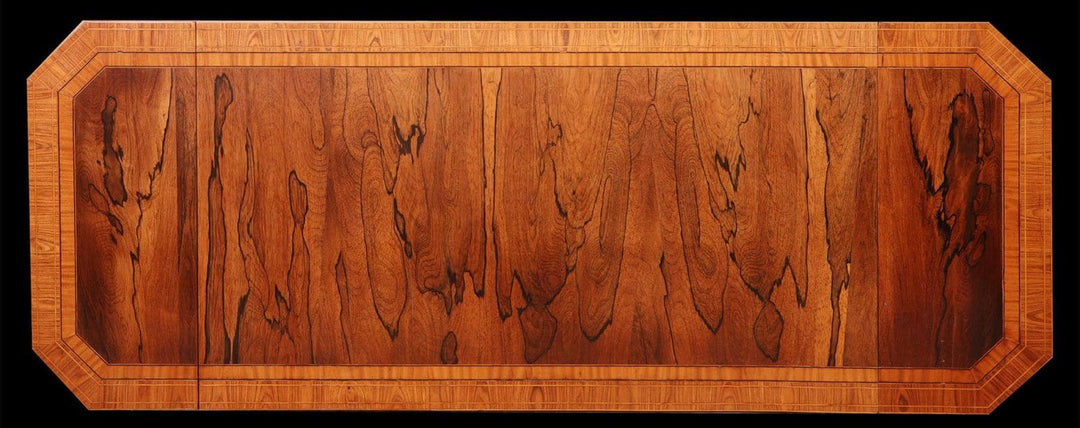
This month we have 10% off the Regency Collection - checkout code REG10

Each item in our collection is sold with complimentary restoration within the purchase price. It is only released for delivery once it has been fully checked over and wax polished.

Introduce someone to Nicholas Wells Antiques—when they make a purchase of £10,000 or more, they will benefit form £500 off and you'll receive £500 credit toward your next purchase over £5,000.
A gesture of thanks, from one collector to another.