


Bronze in Art and Design: The Enduring Allure of a Timeless Medium
126 products

Modal Title
126 products
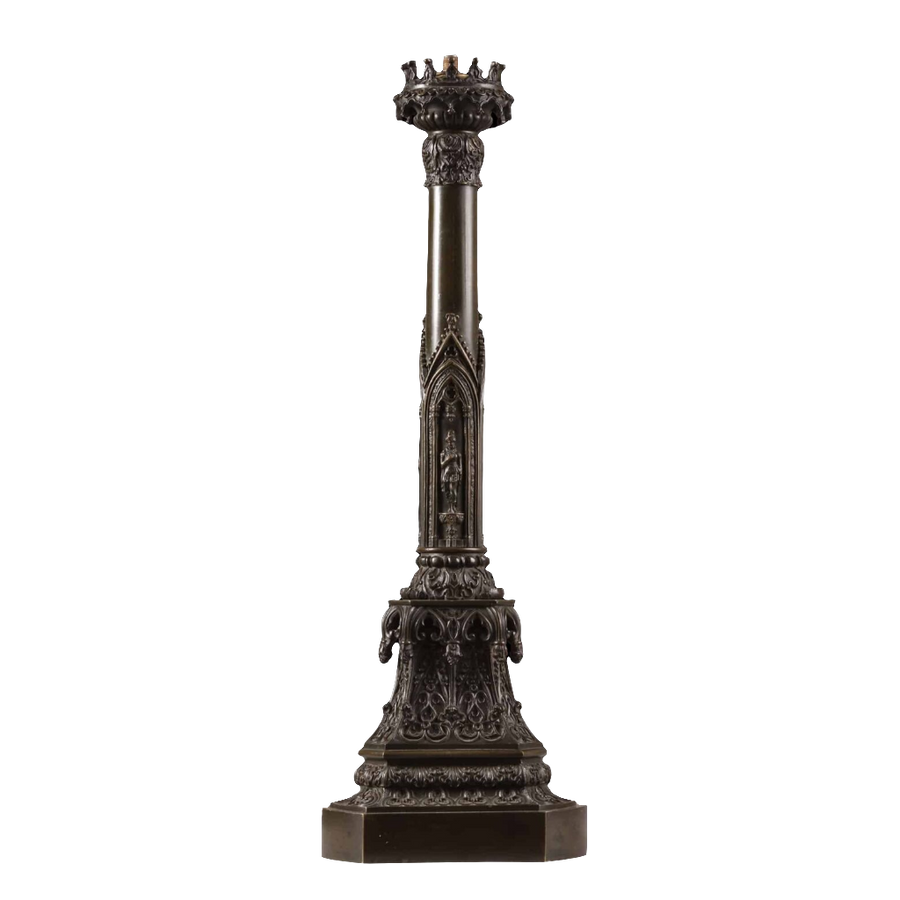
Bronze, a copper-based alloy typically blended with tin, has been a cornerstone of artistic and functional design for millennia. Its relatively low melting point and excellent casting qualities made it the medium of choice for sculptors, artisans, and metalworkers from ancient civilisations to modern ateliers.
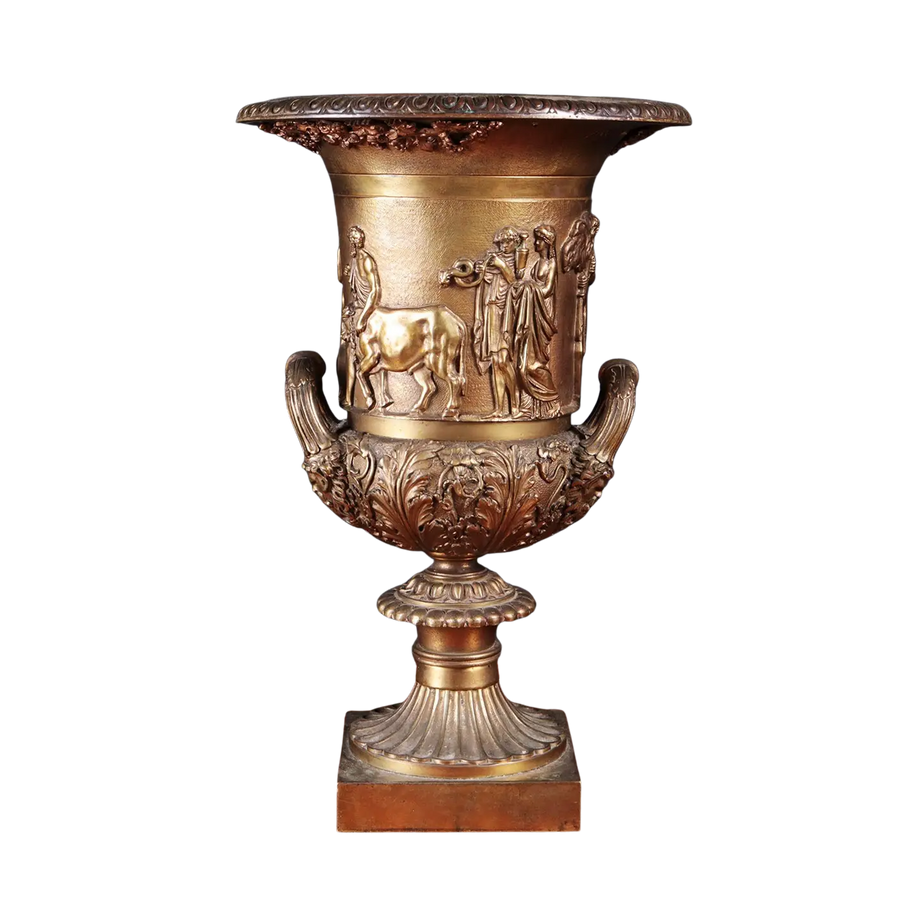
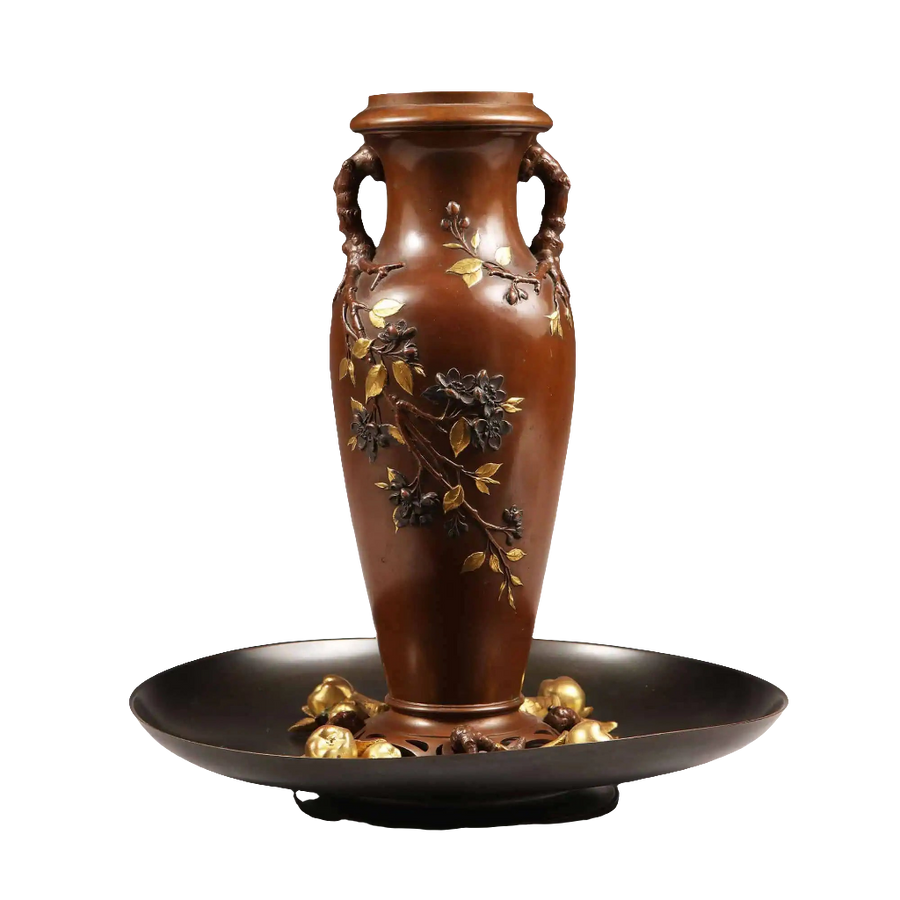
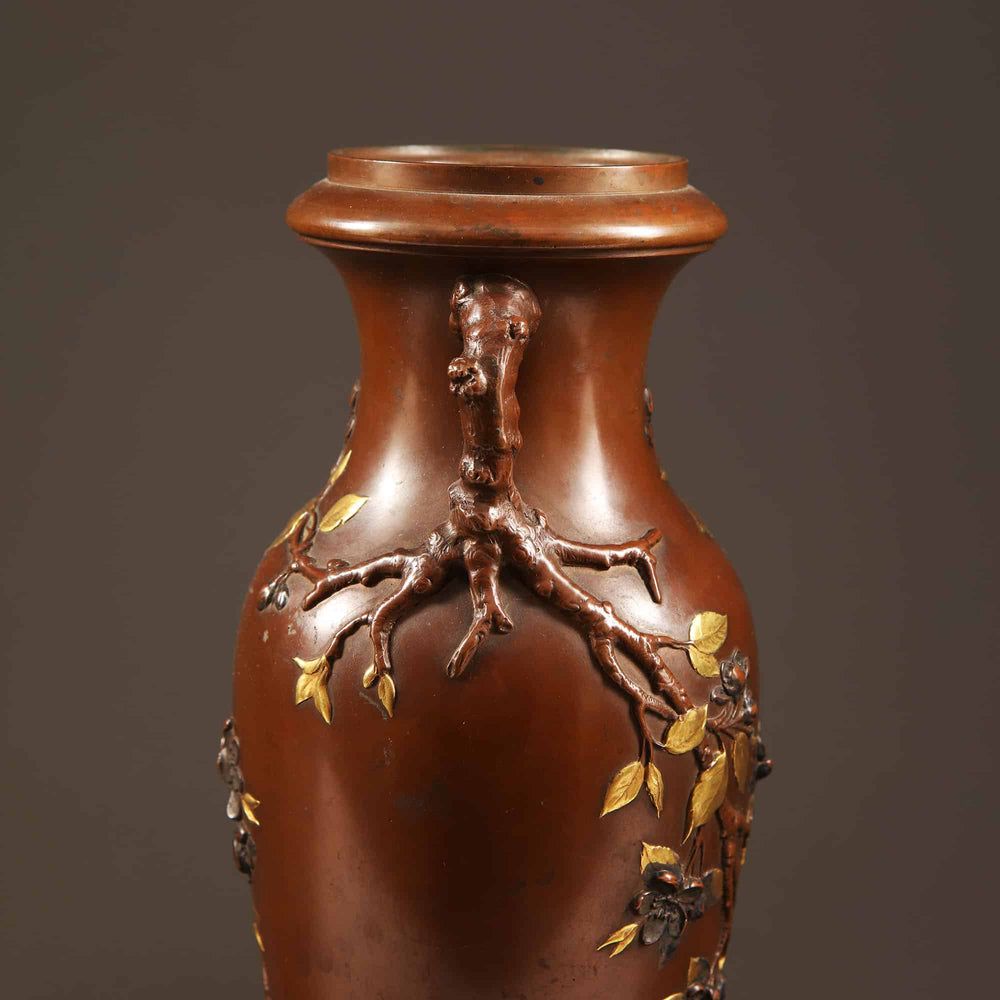
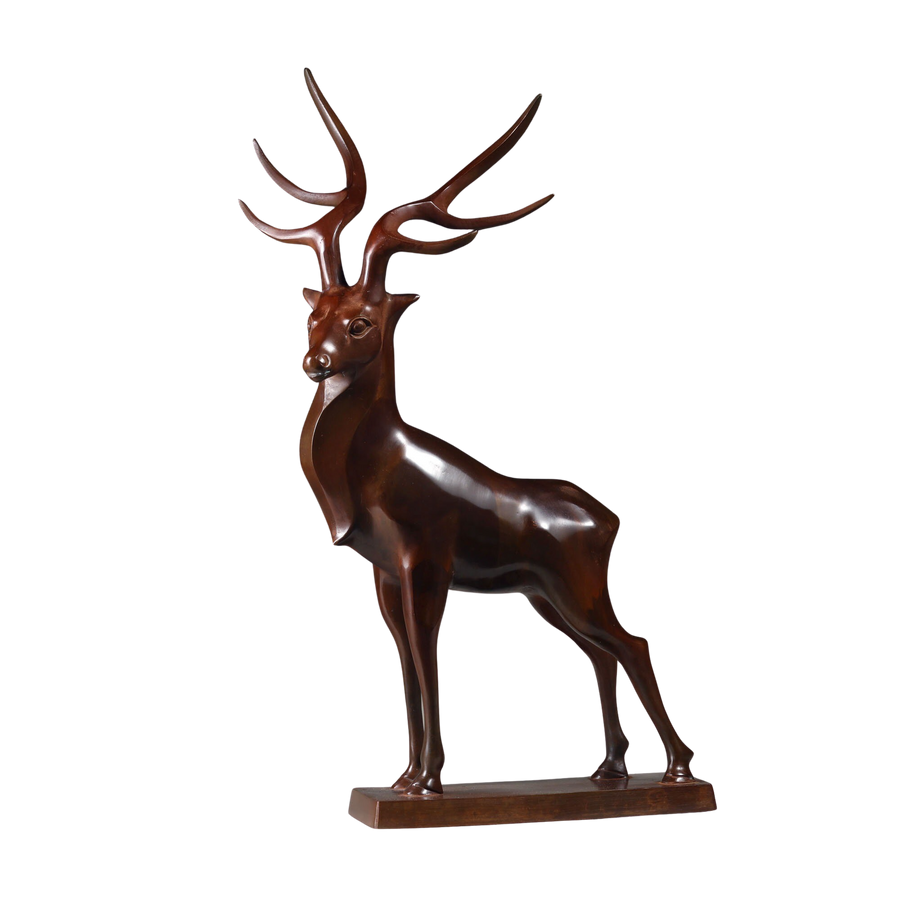
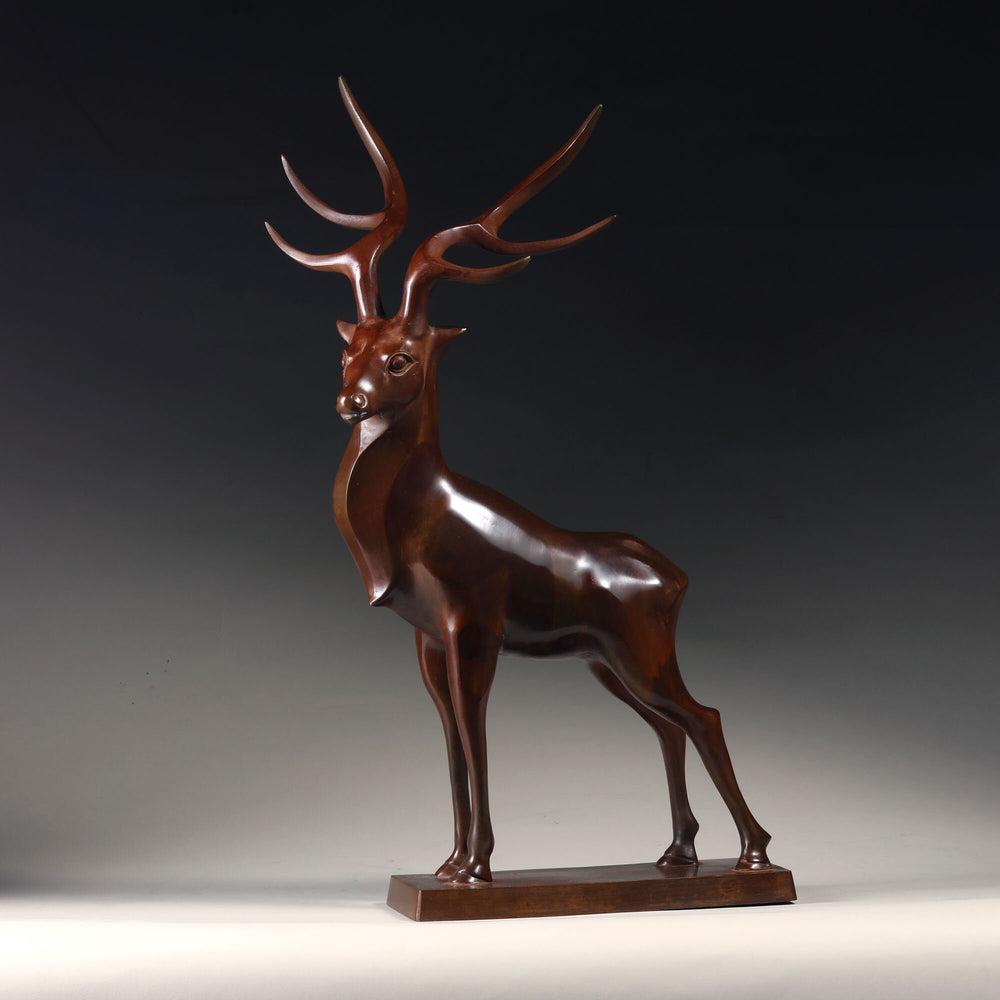
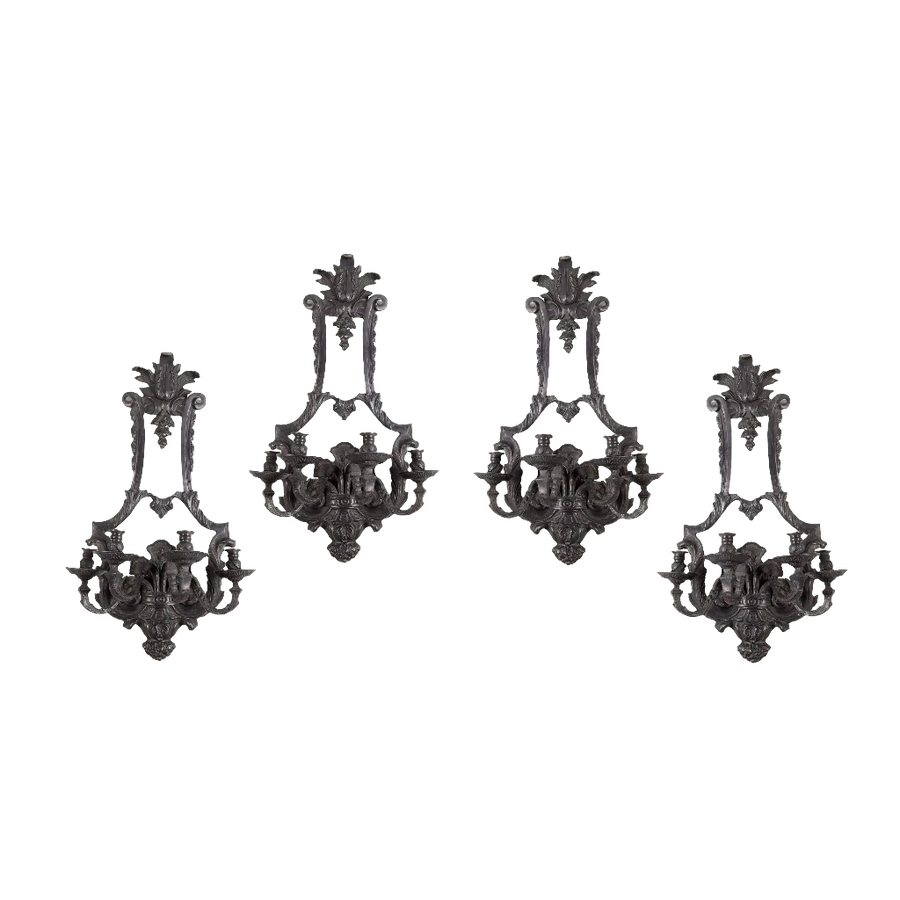
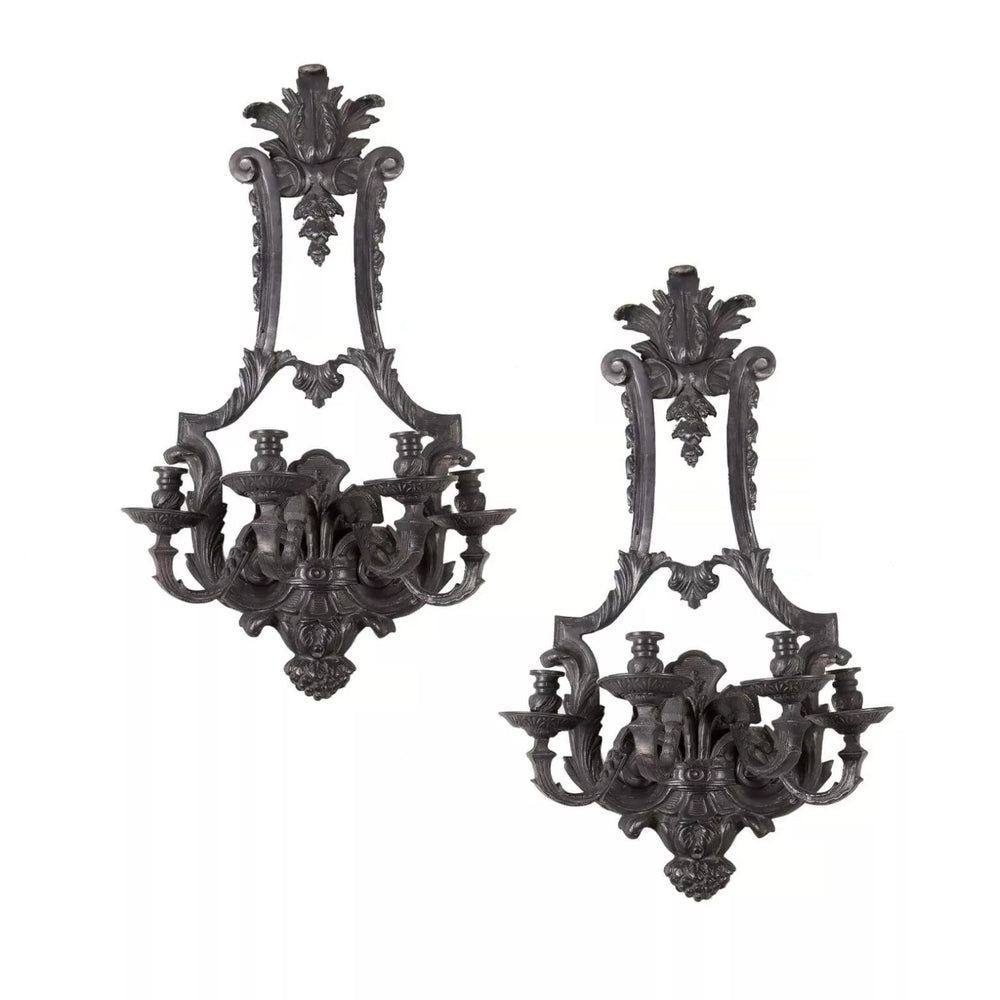
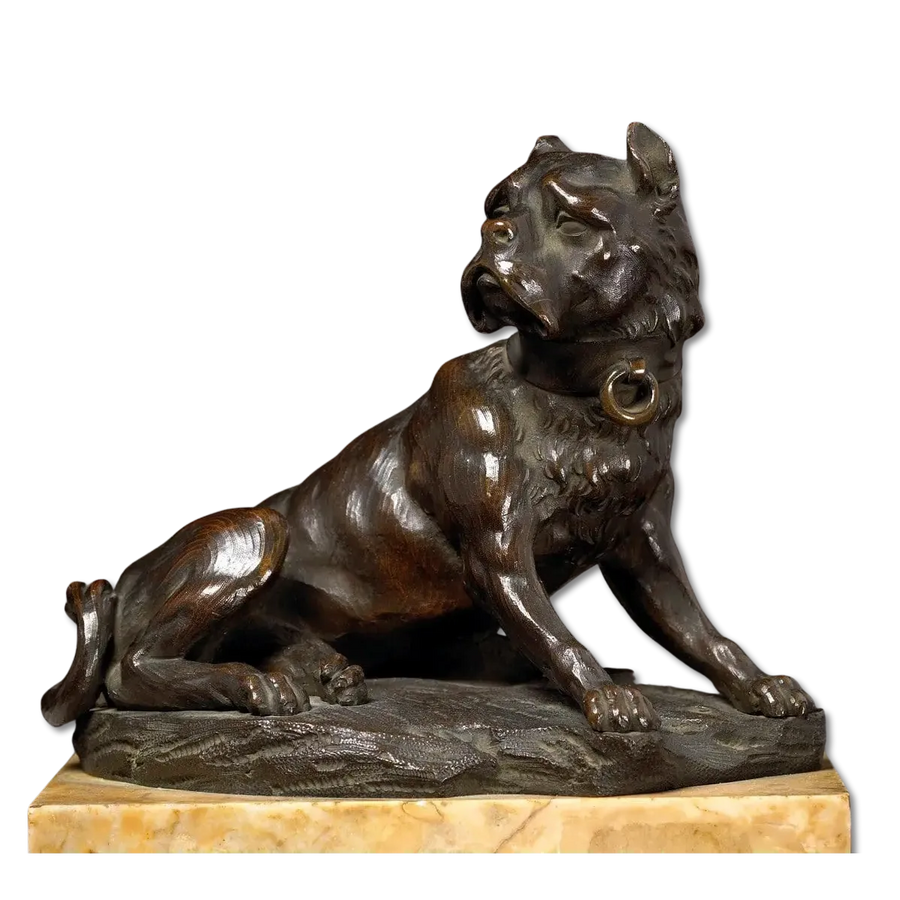
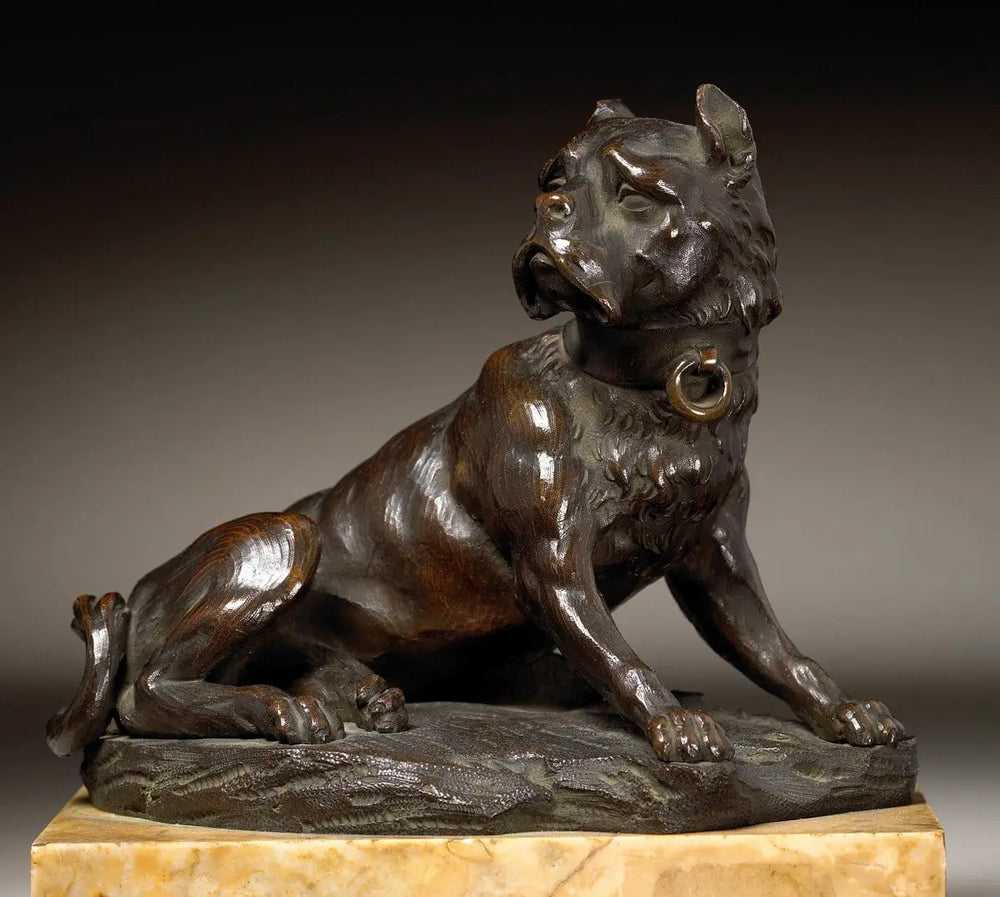
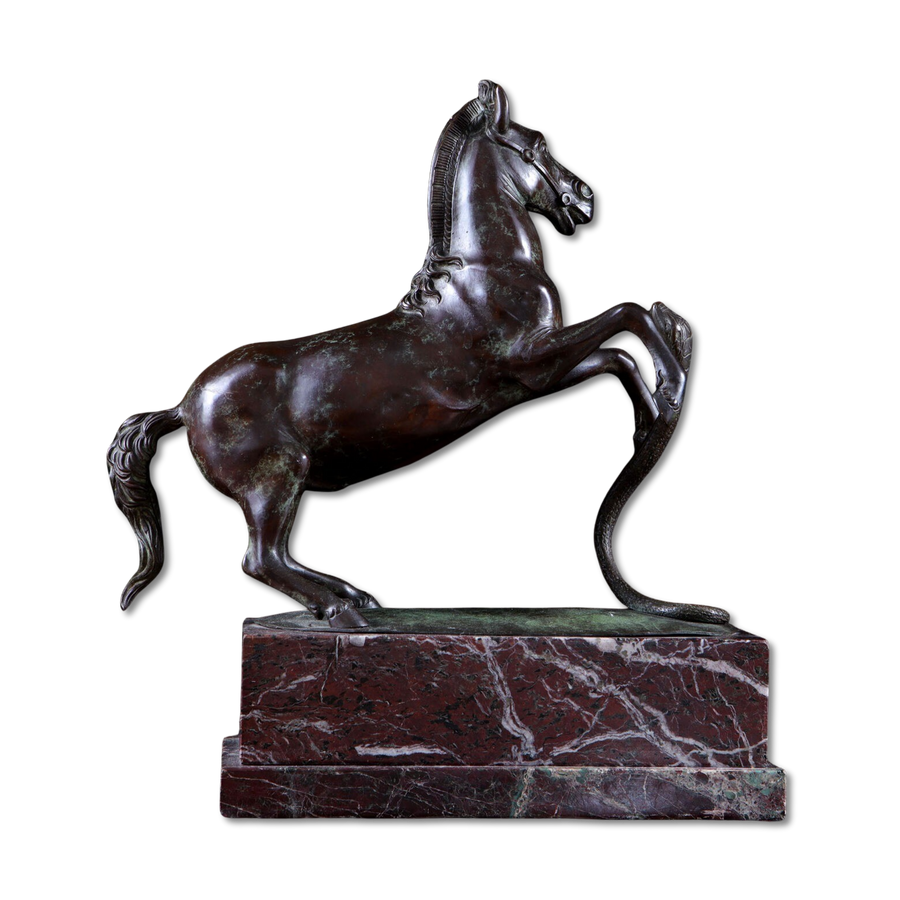
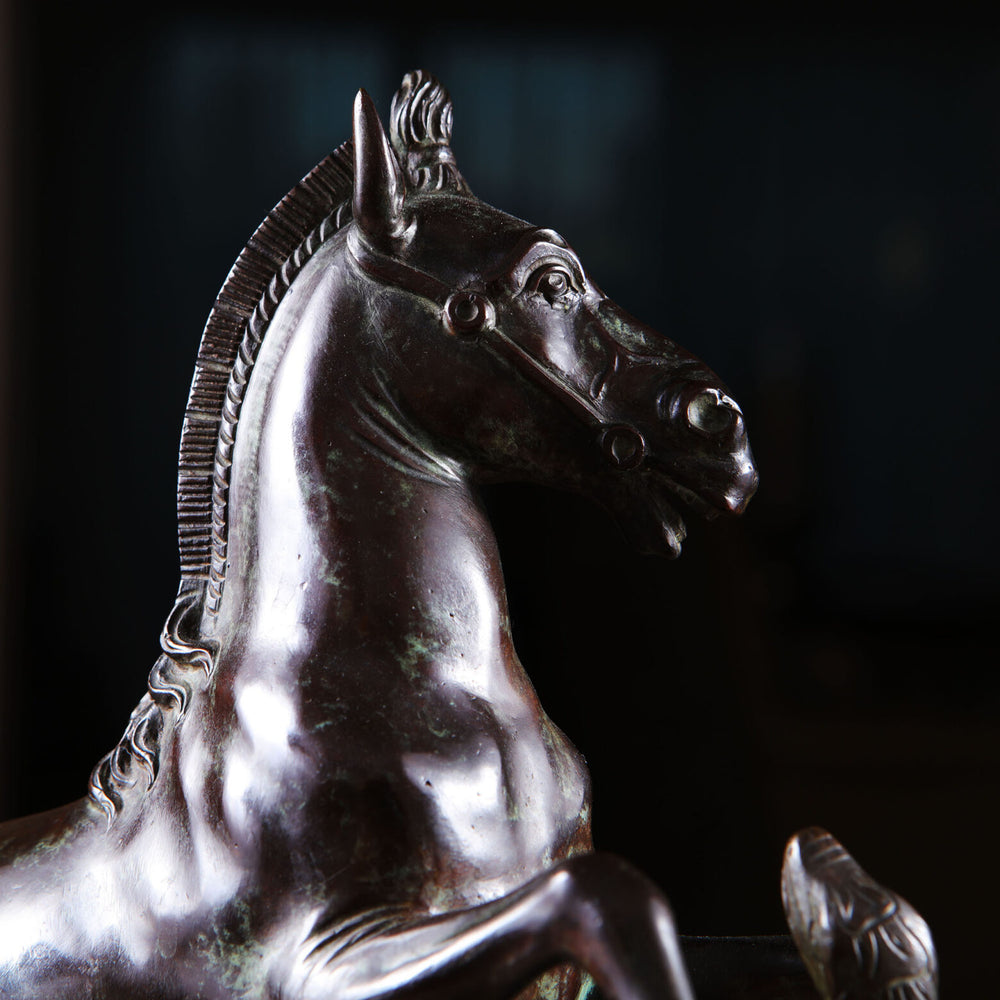
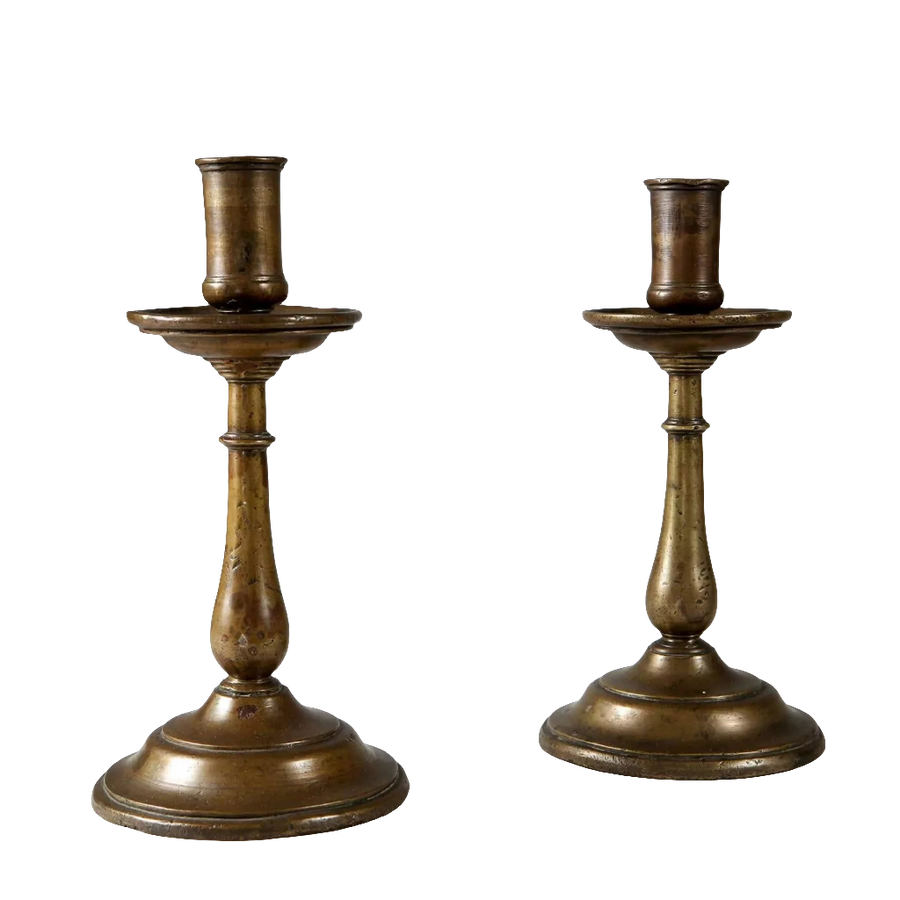
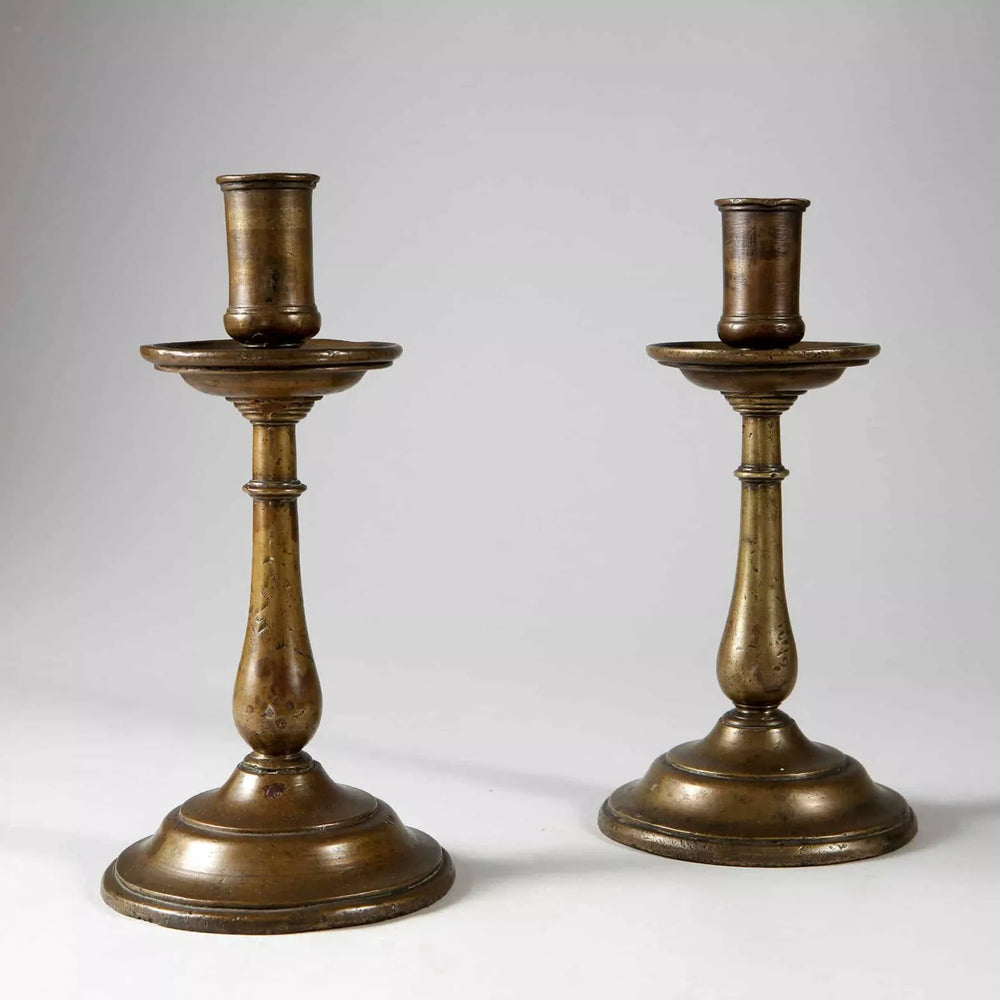
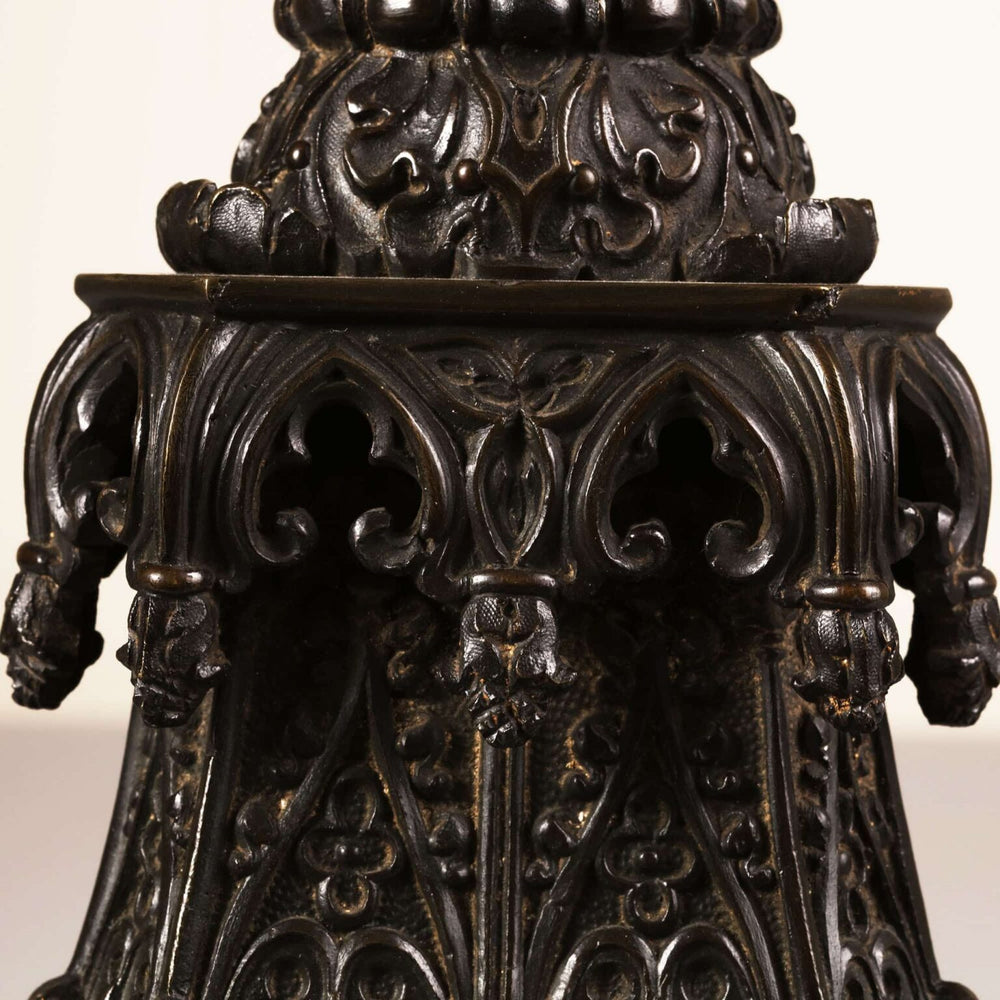
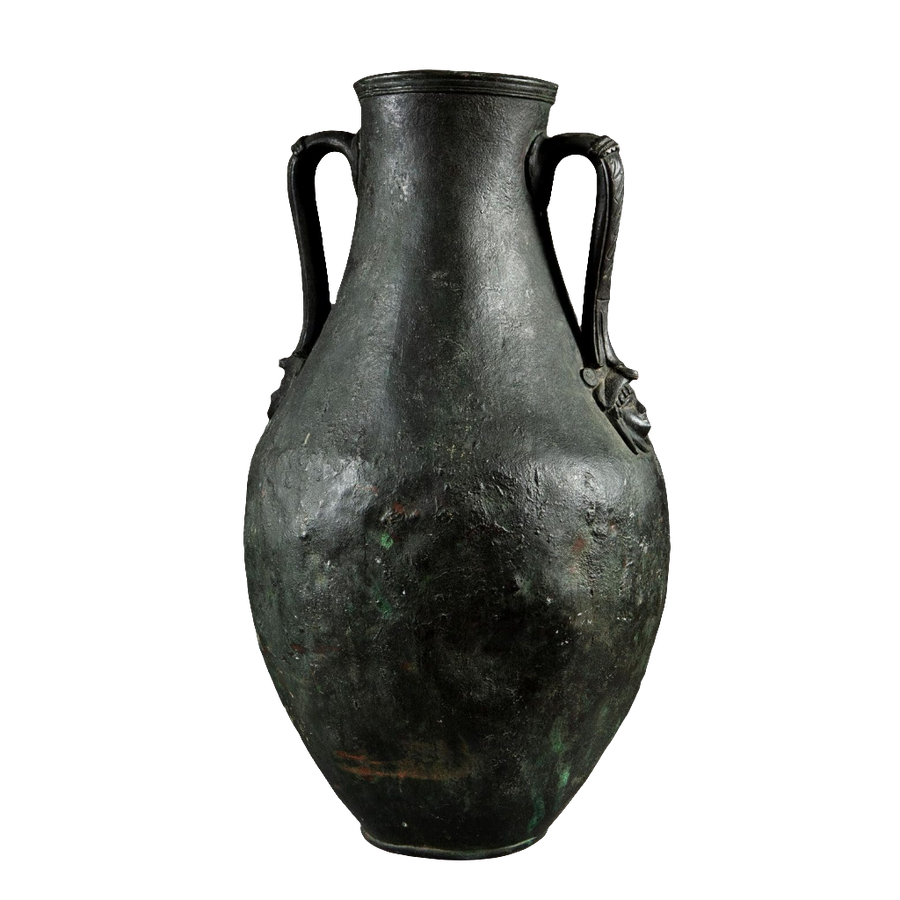
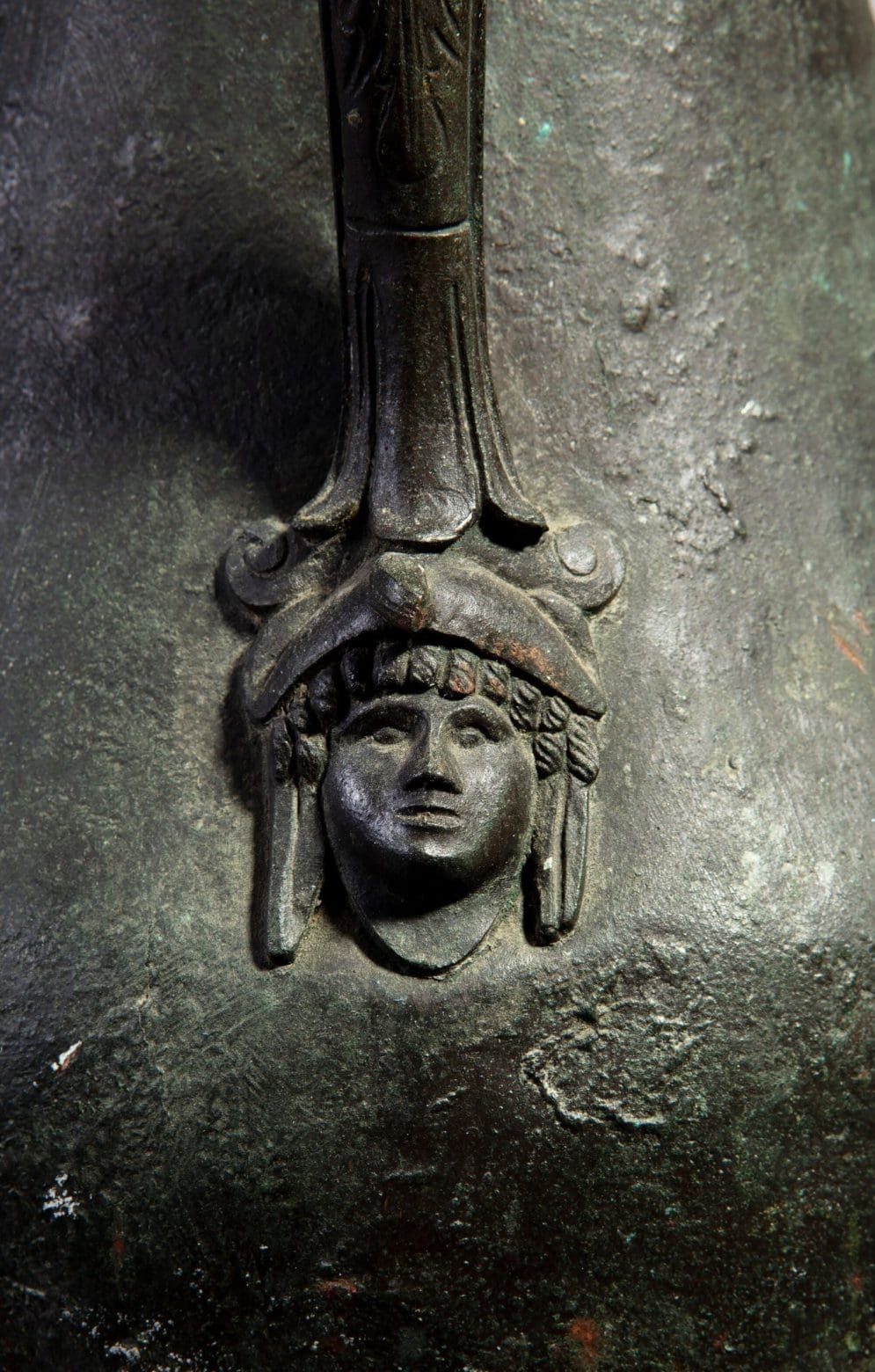
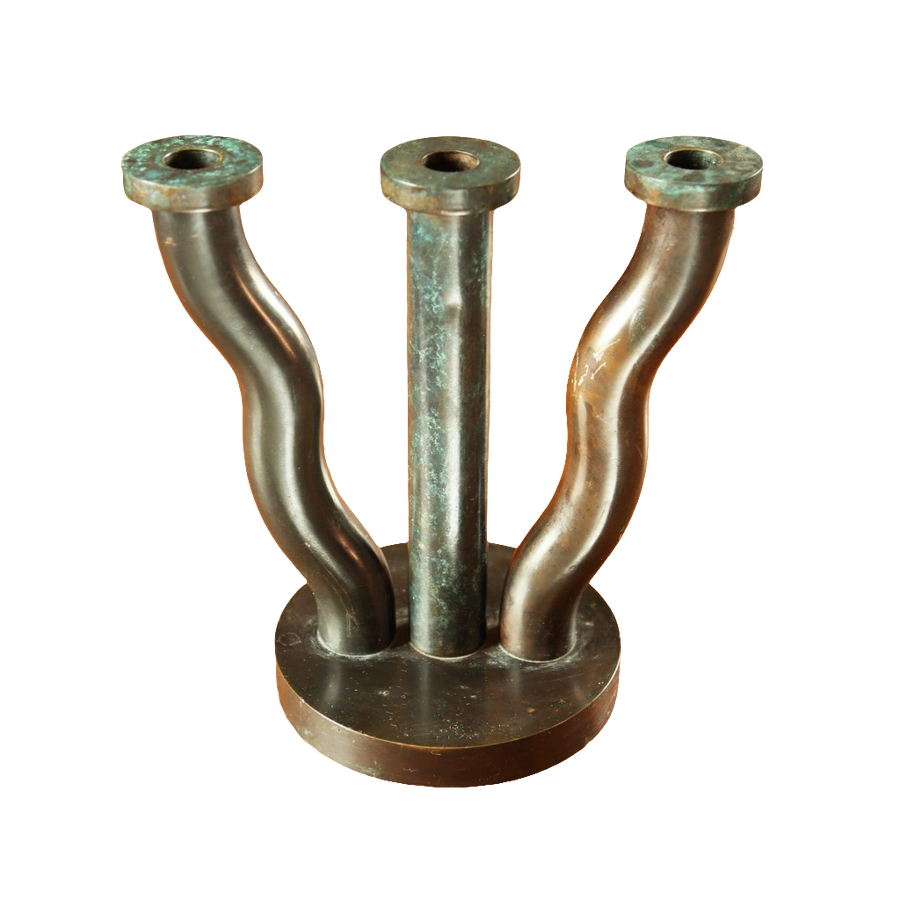
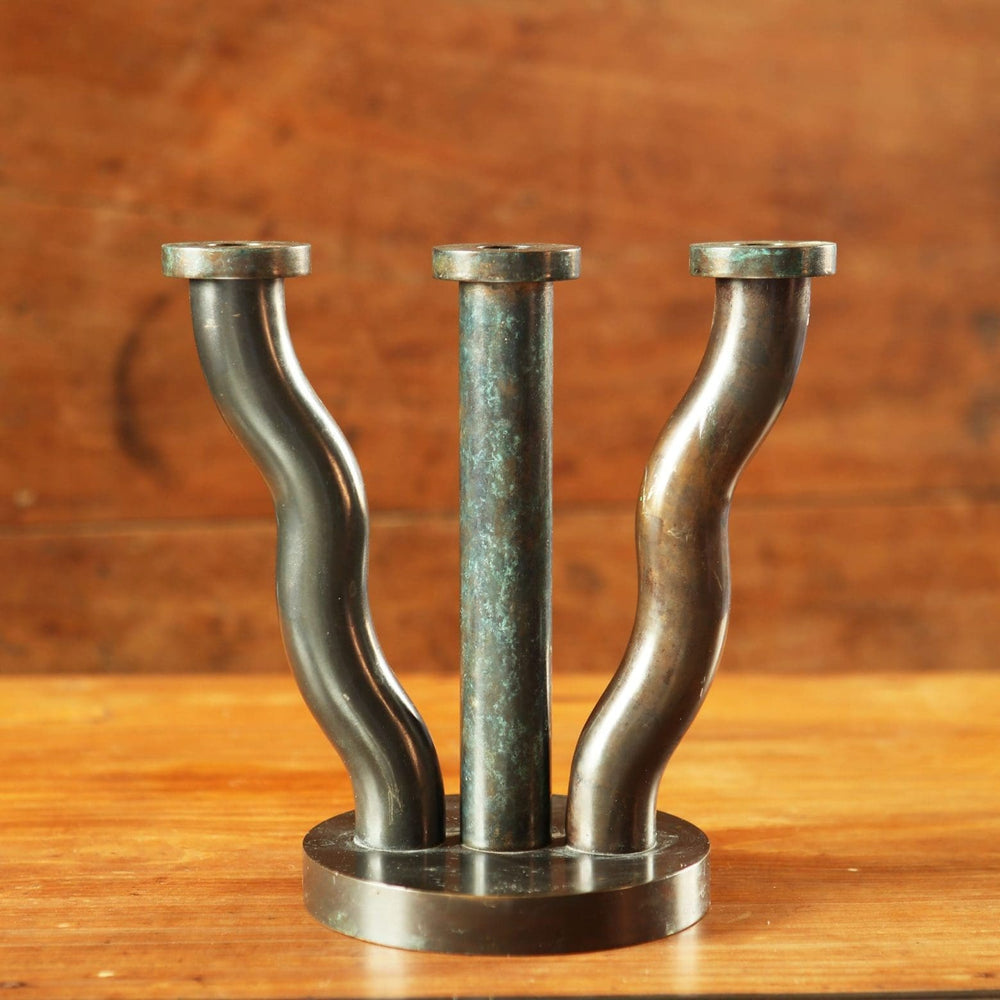
Celebrated for its durability and resistance to corrosion, bronze has shaped weapons, tools, coins, musical instruments, and — most enduringly — fine art. One of its defining characteristics is its capacity to develop a patina: a surface layer formed through oxidation and environmental exposure. Far from diminishing the material, patination enriches it — transforming golden surfaces into shades of green, brown, and black, and lending objects a depth and gravitas that artists and collectors have long prized.
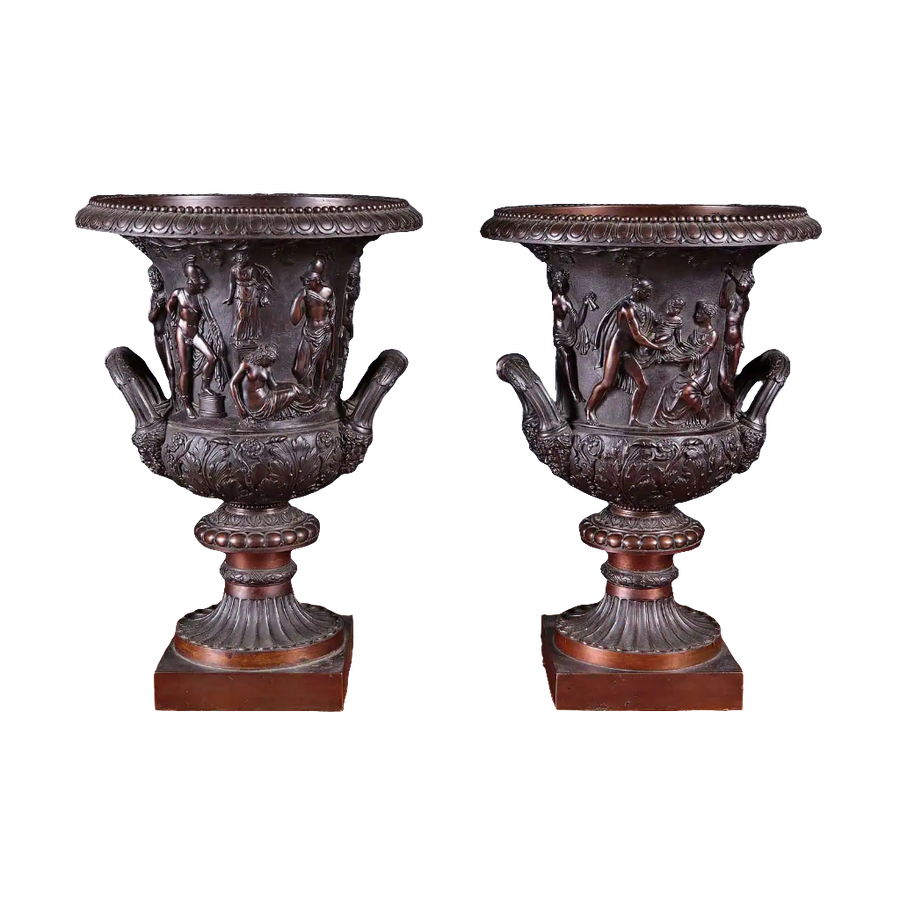
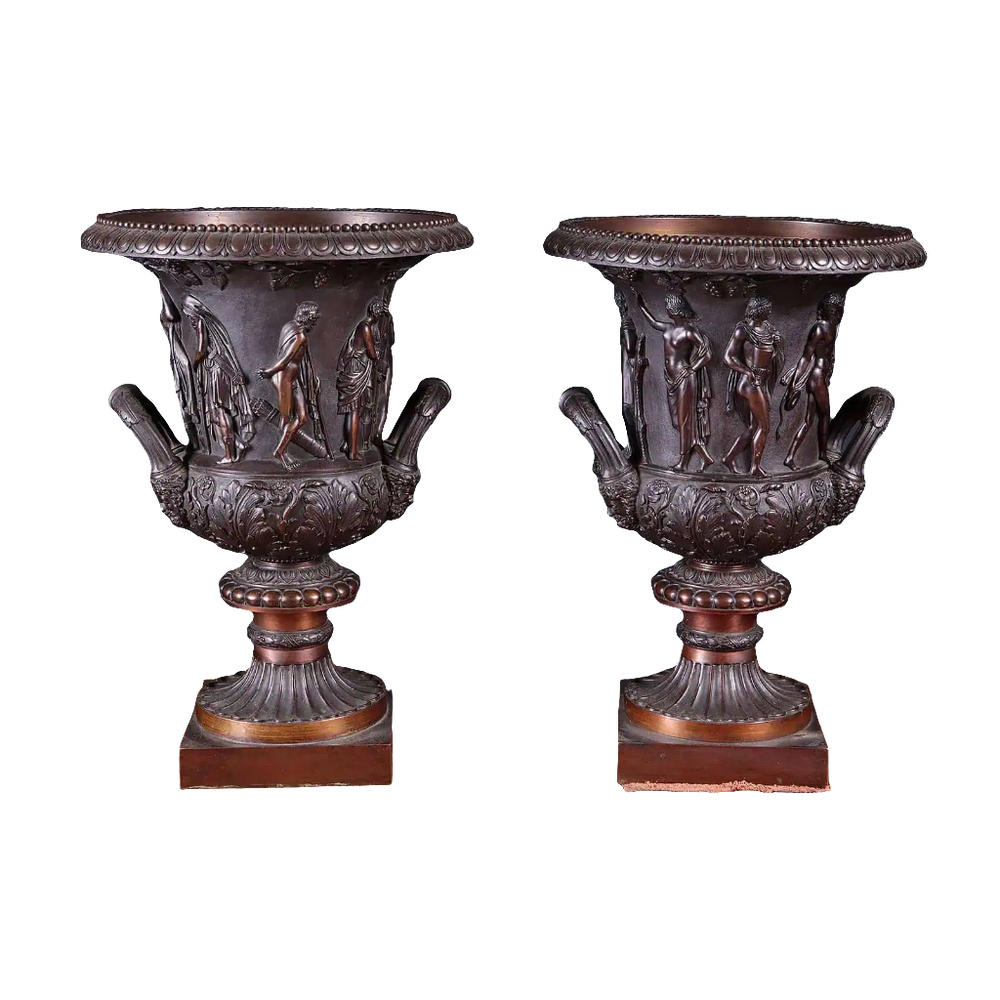
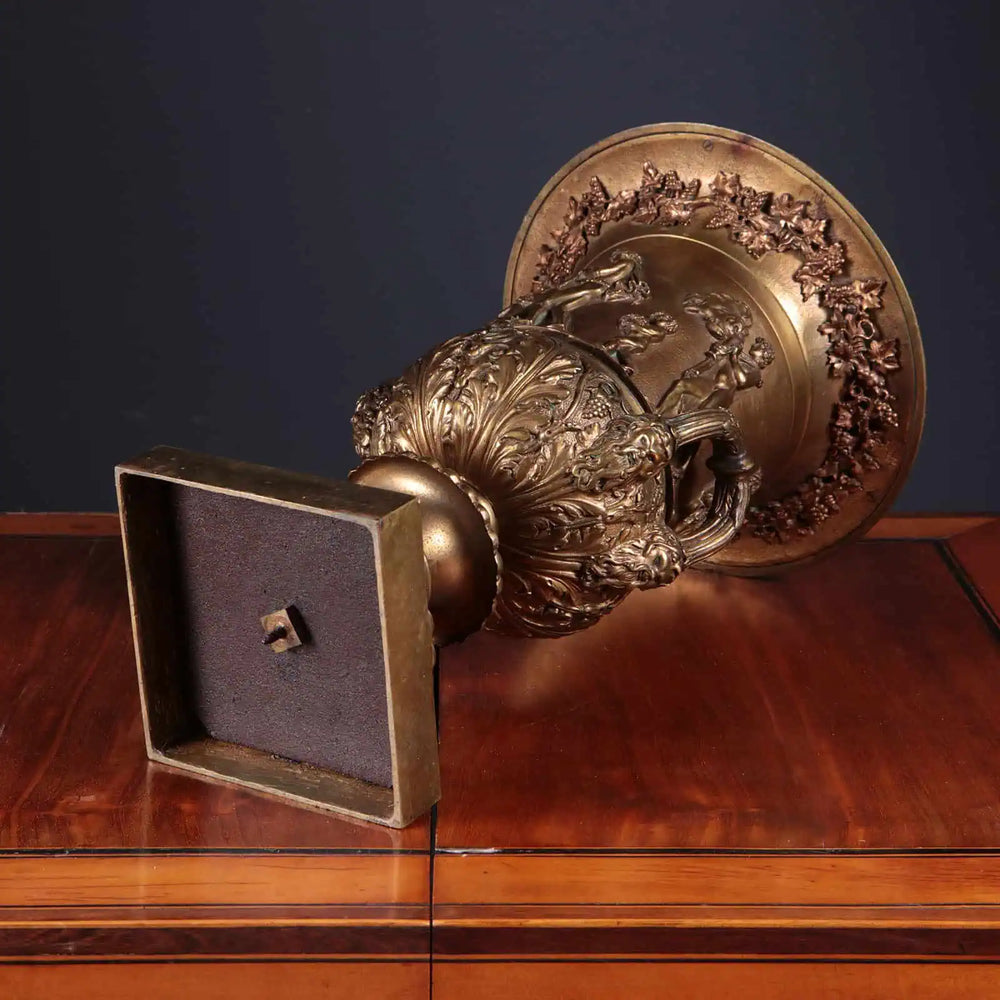
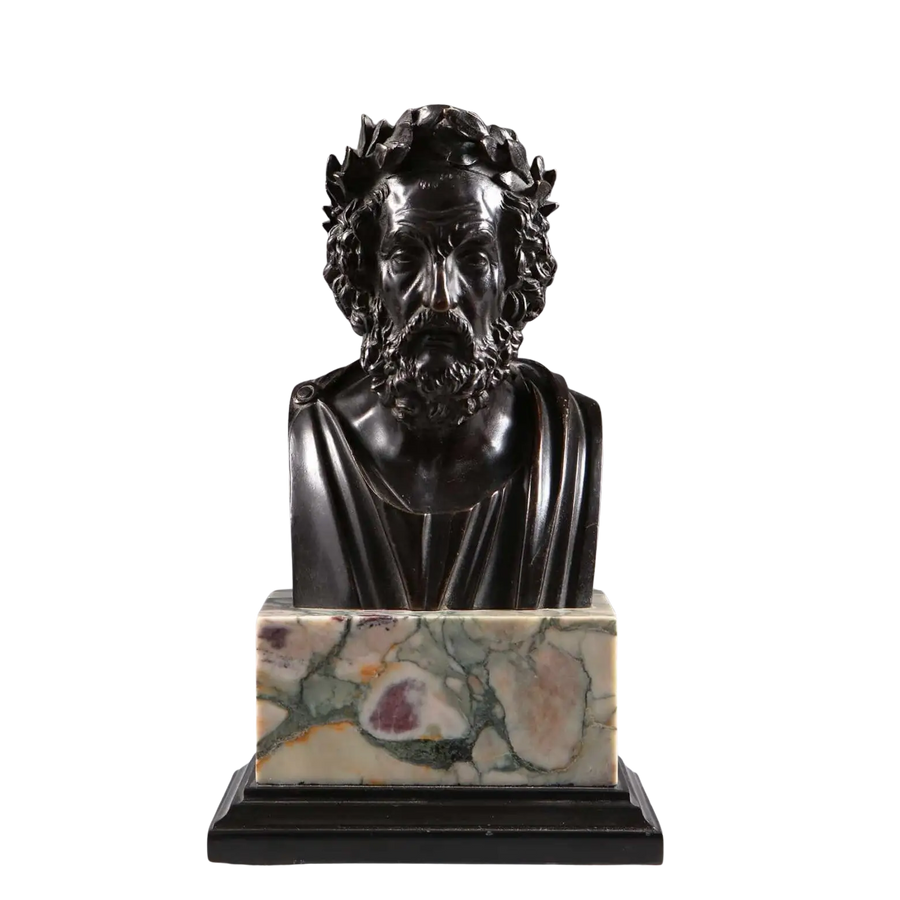
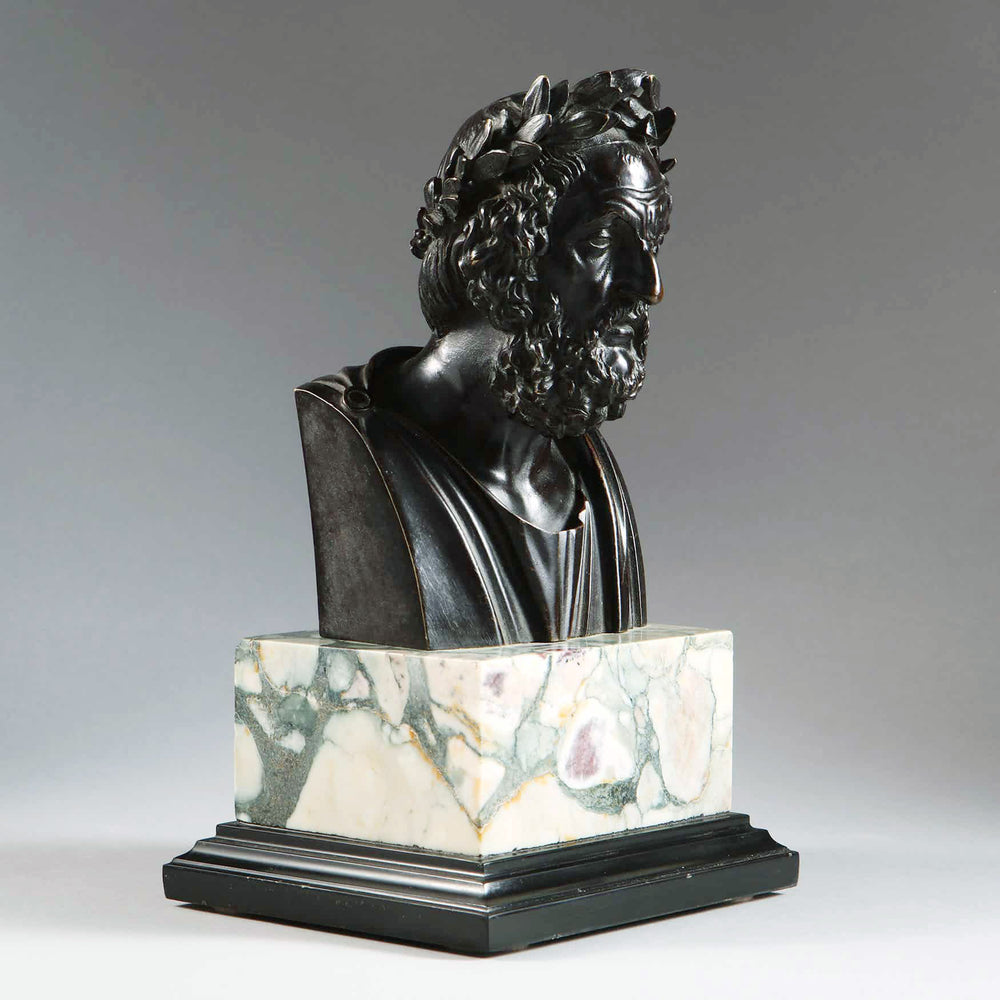
Bronze enjoyed a renewed prominence during the 18th and 19th centuries, particularly among European elites on the Grand Tour. Leading foundries such as Barbedienne in Paris and Chiurazzi in Naples produced exquisitely cast sculptures after the antique, admired for their crisp detail and cultivated patinas. These patinated surfaces elevated reproductions into works of art in their own right, balancing scholarly reference with aesthetic refinement.
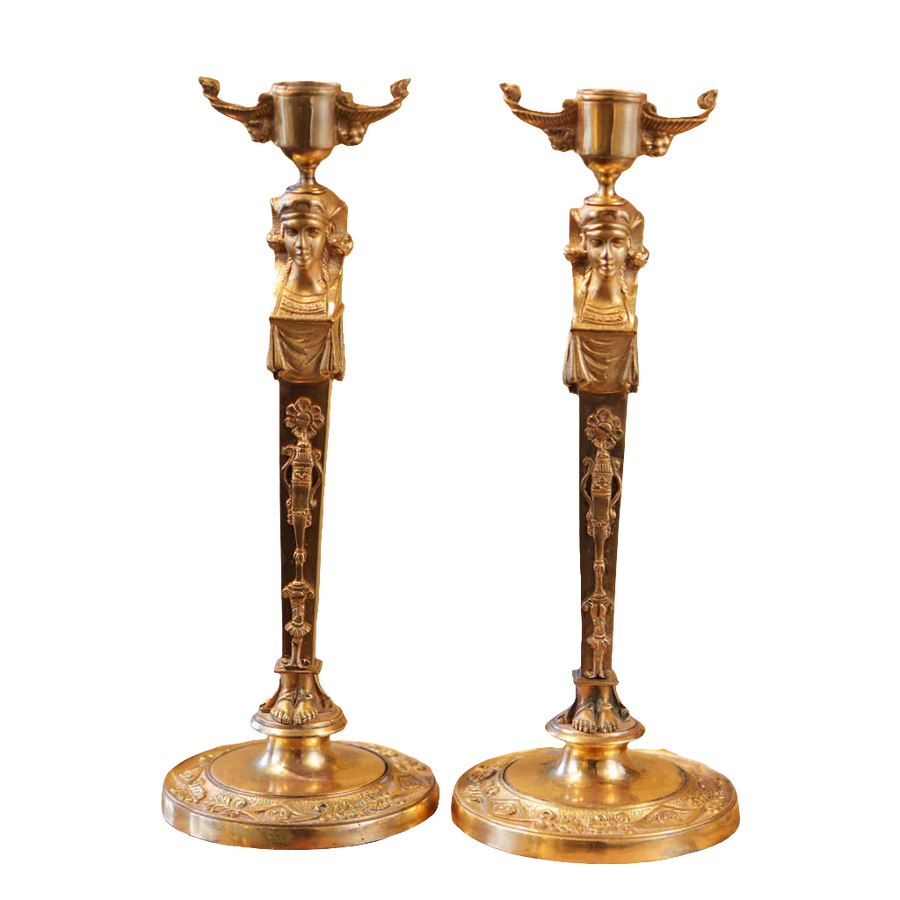
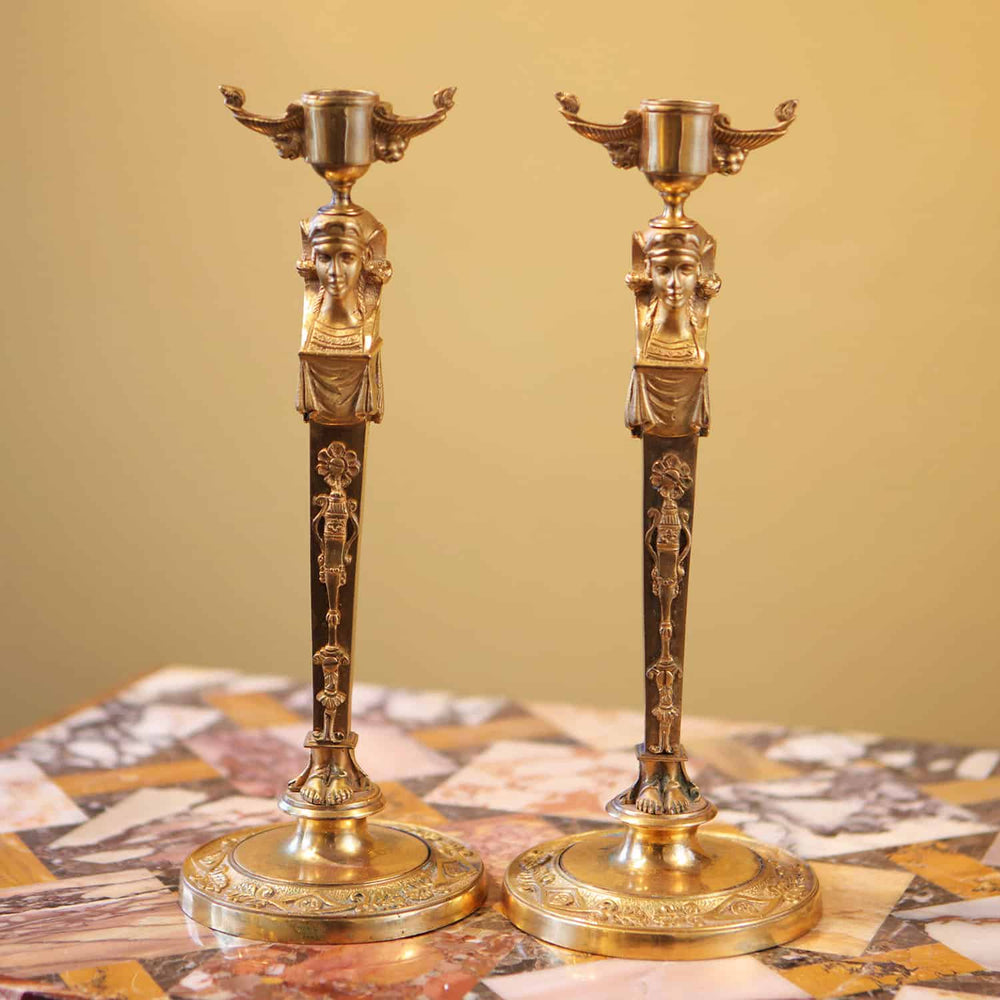
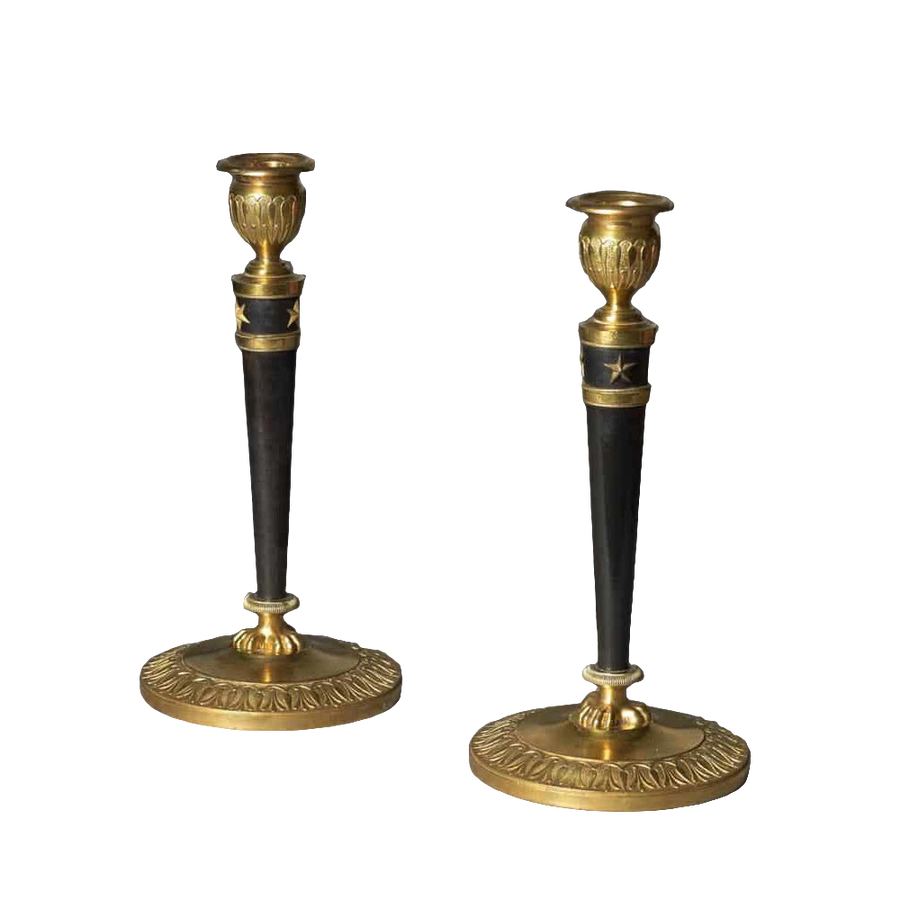
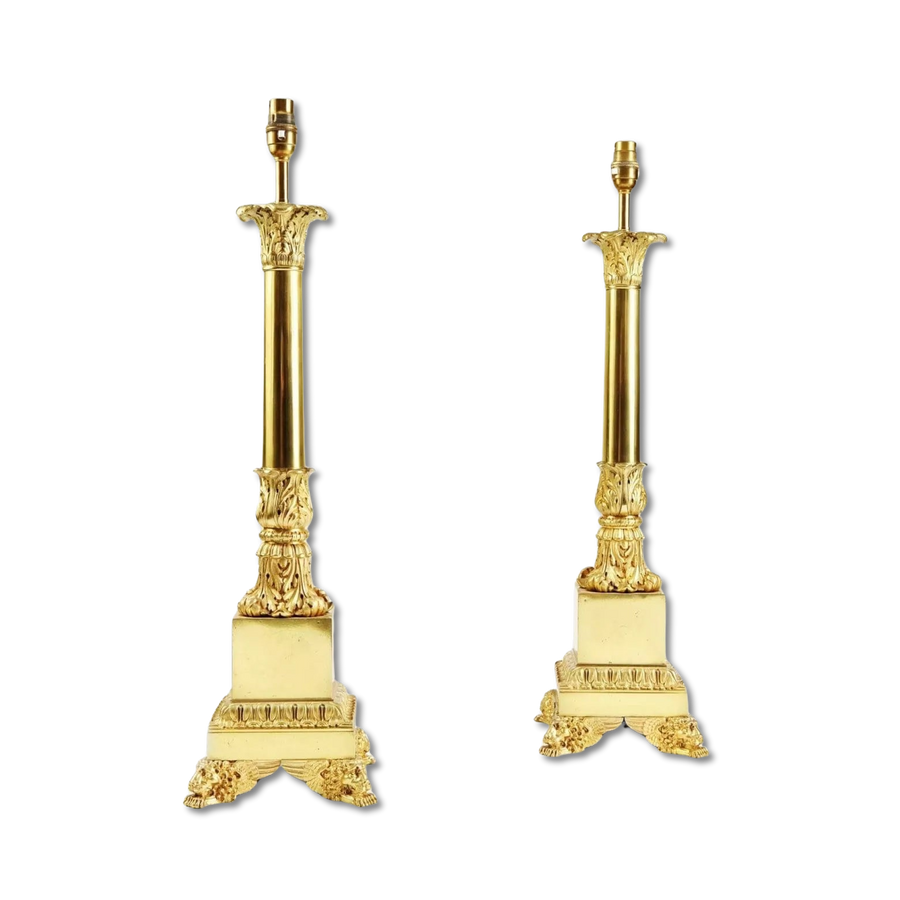
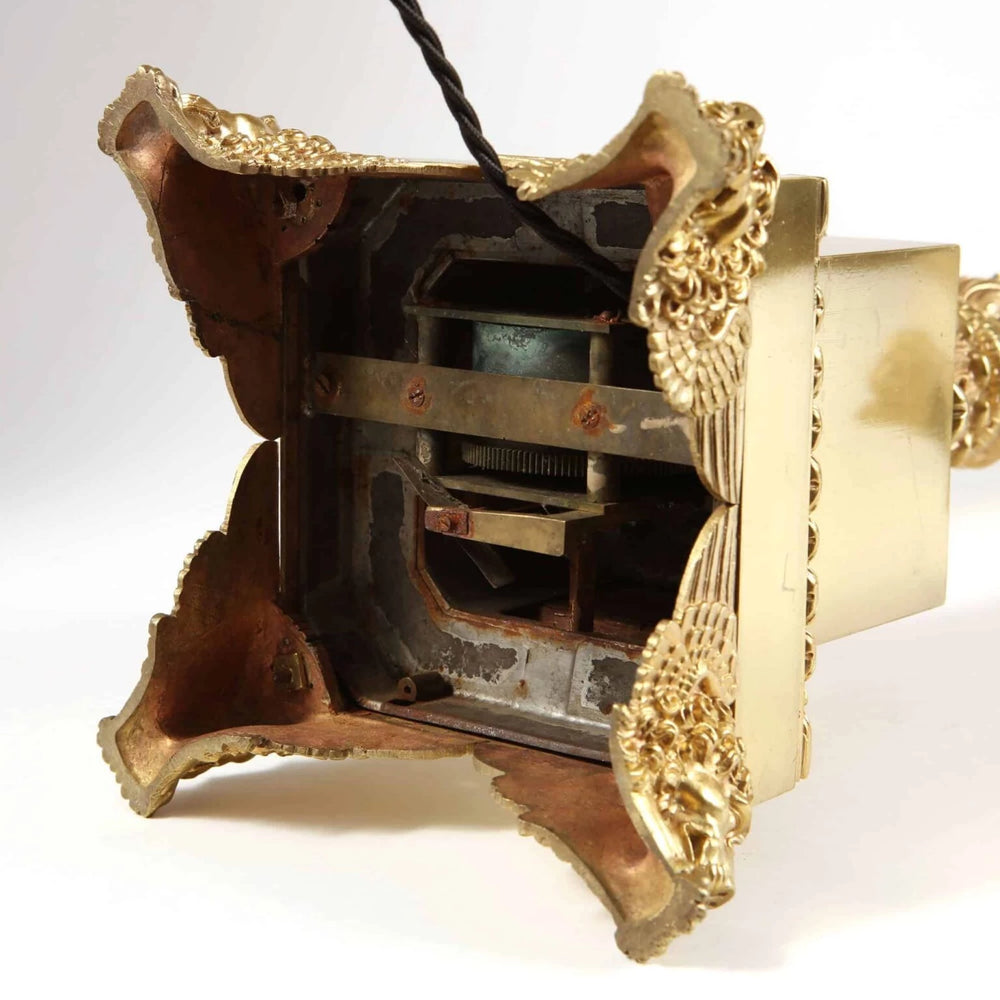
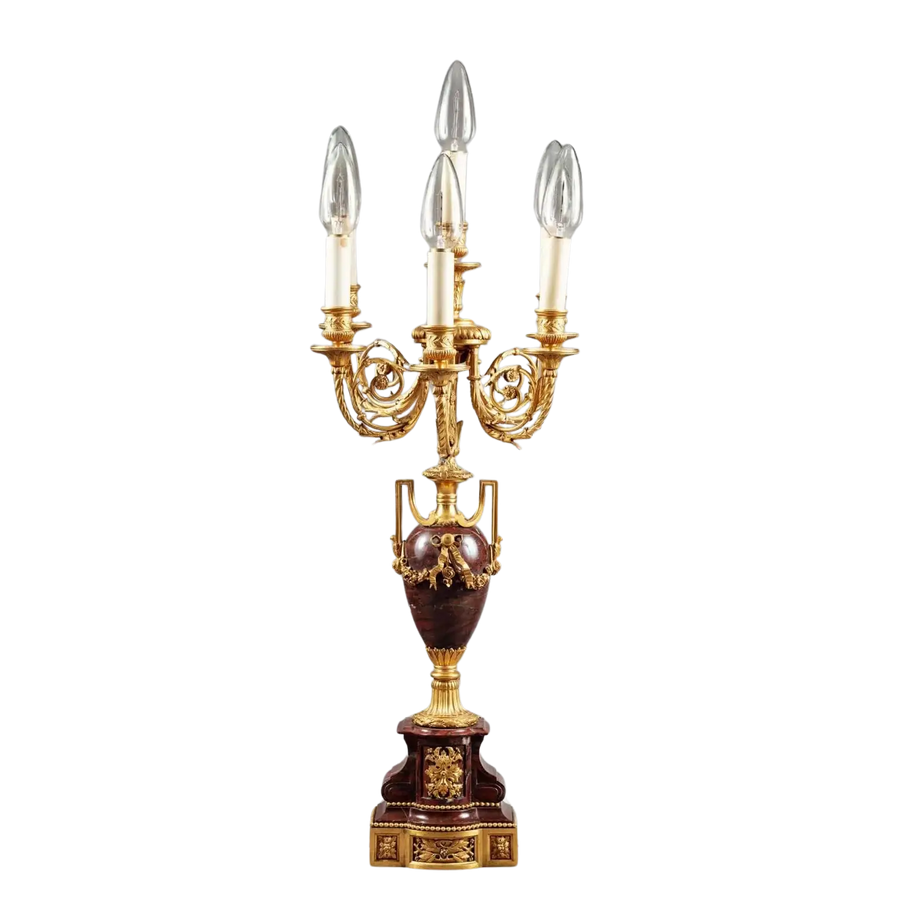
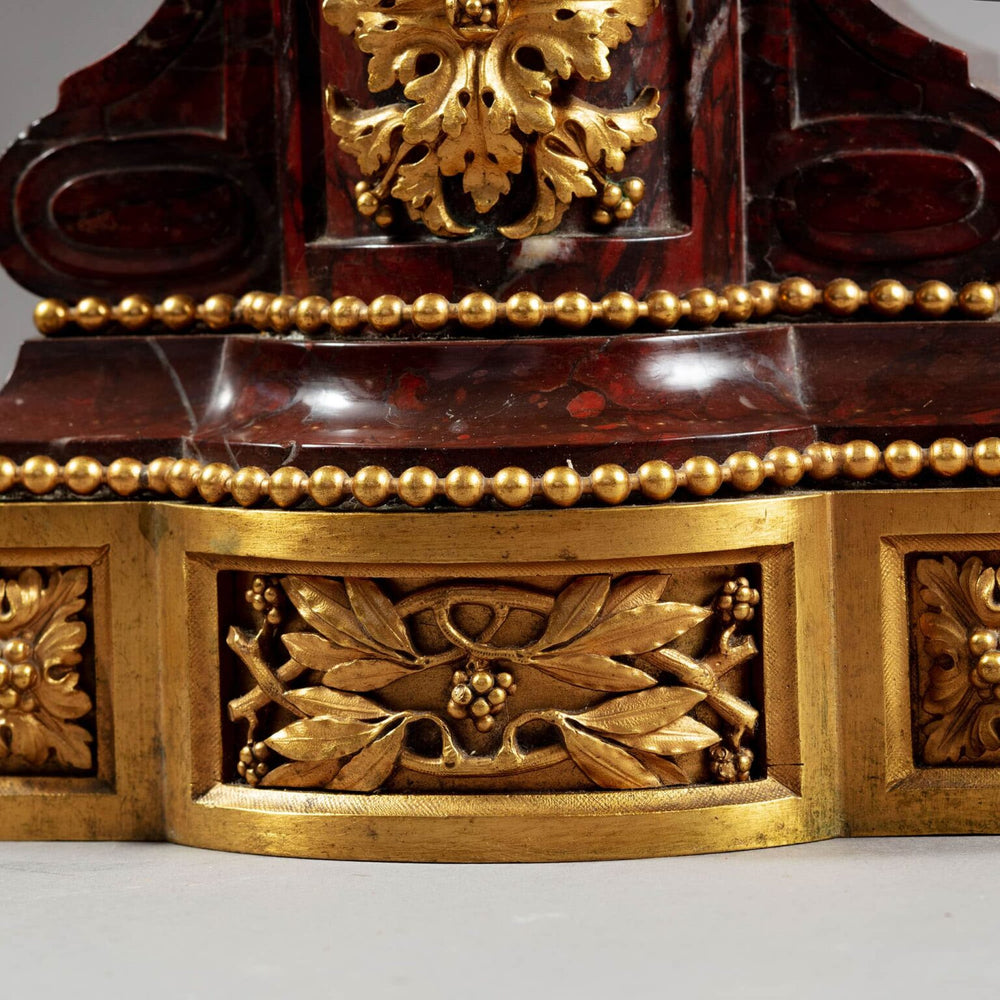
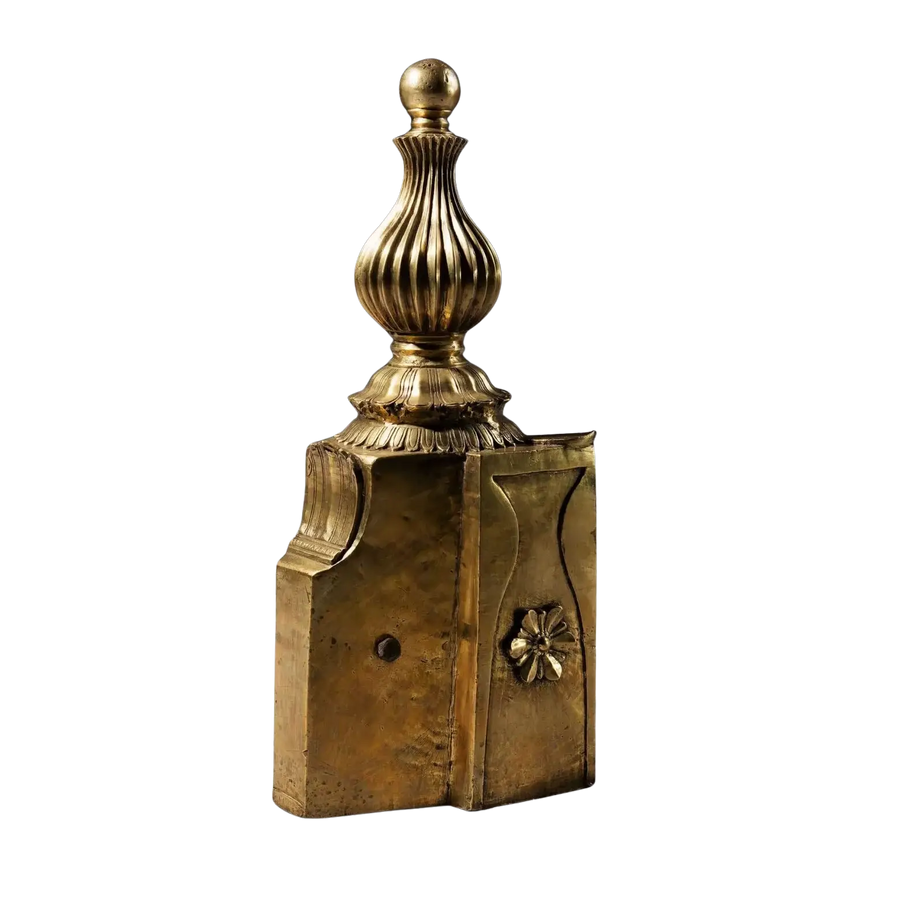
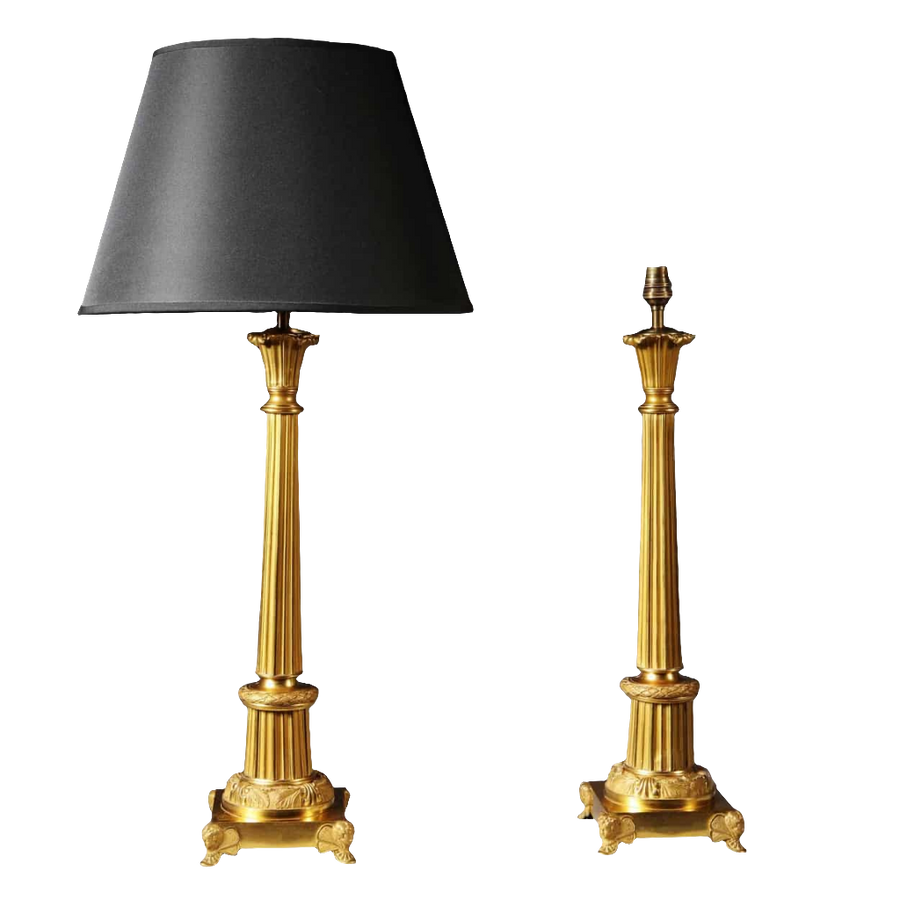
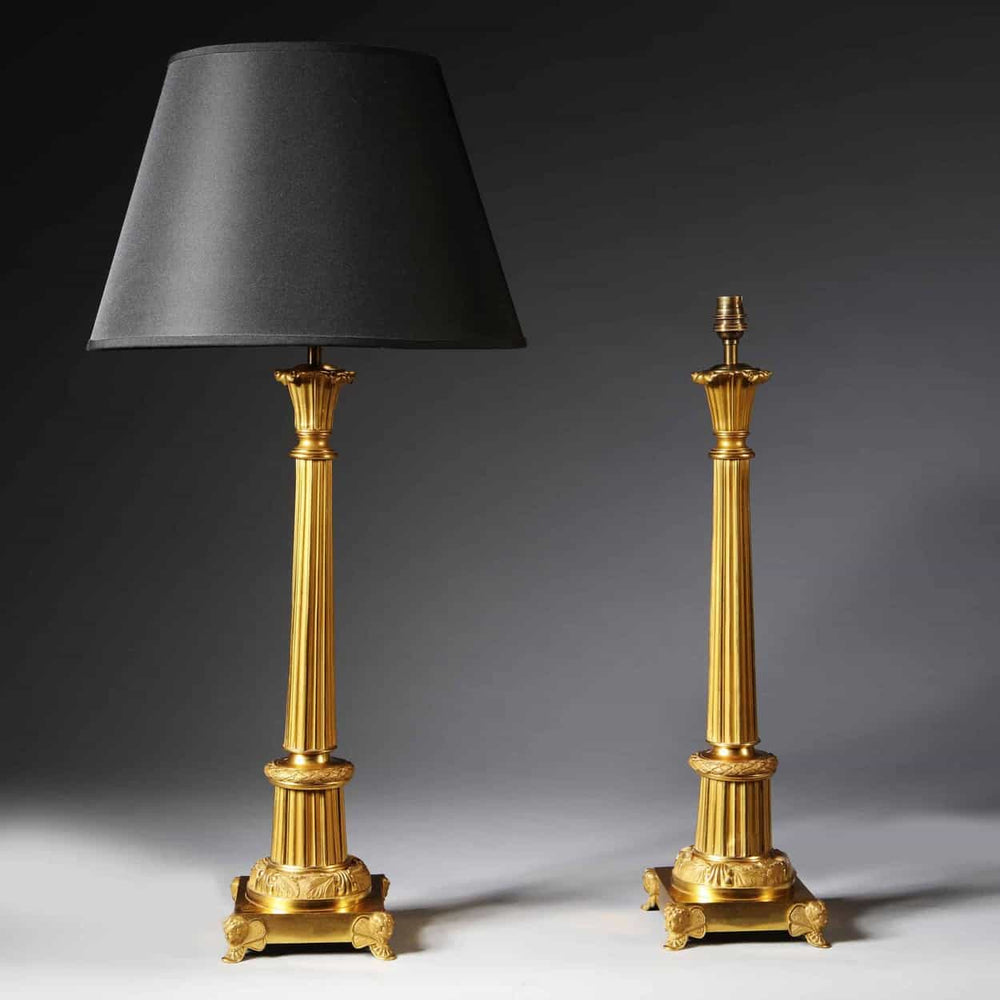
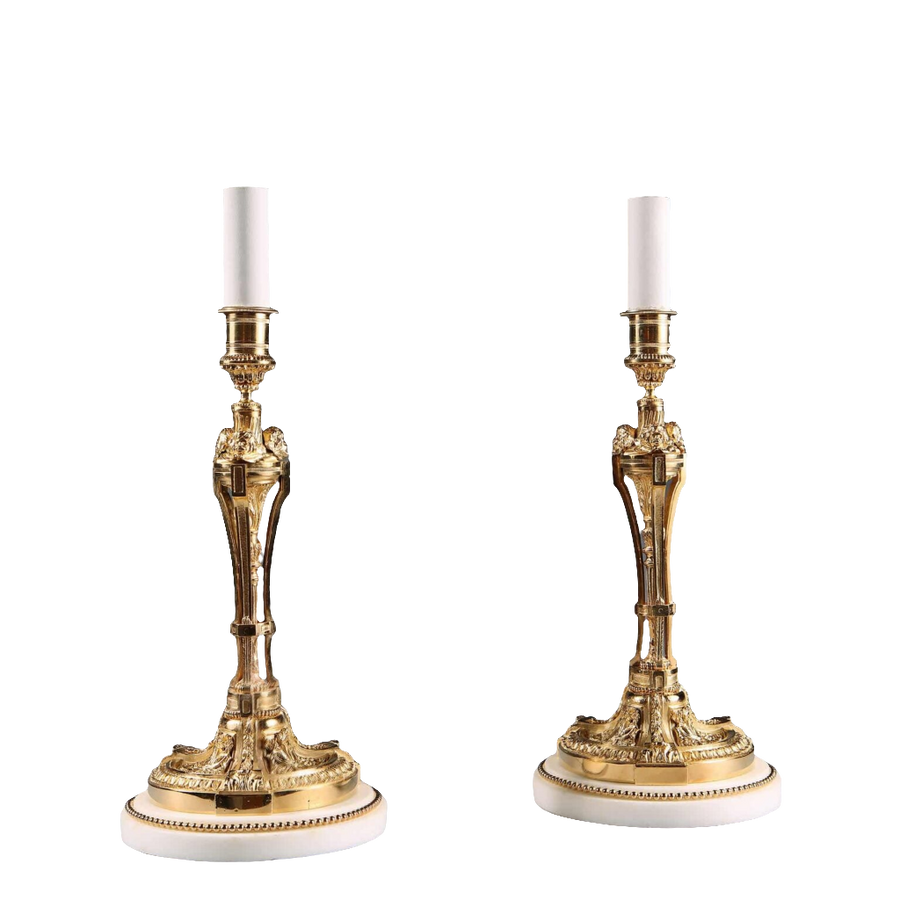
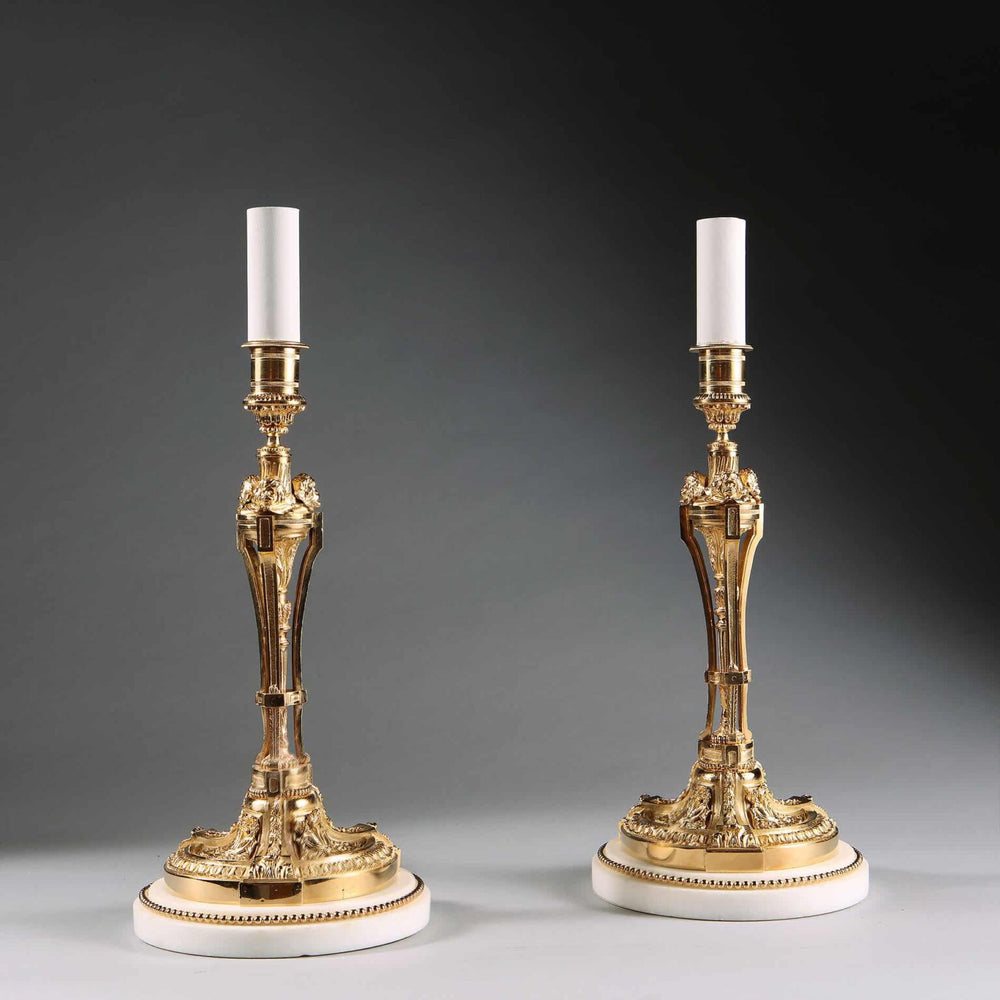
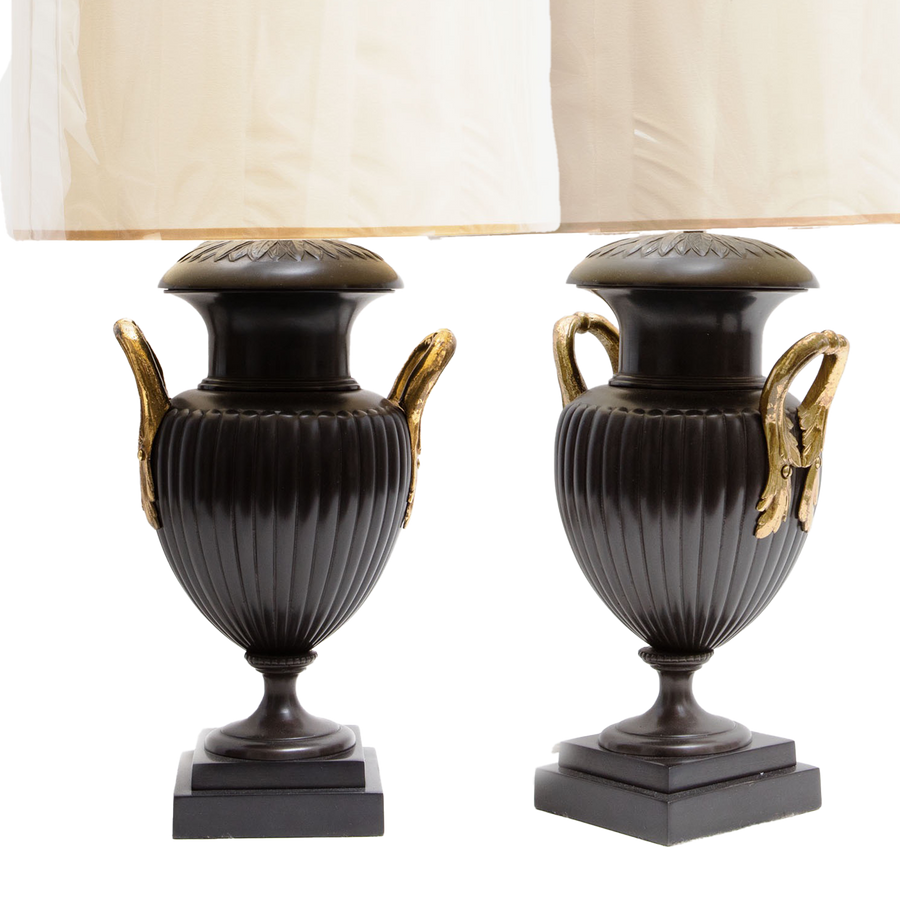
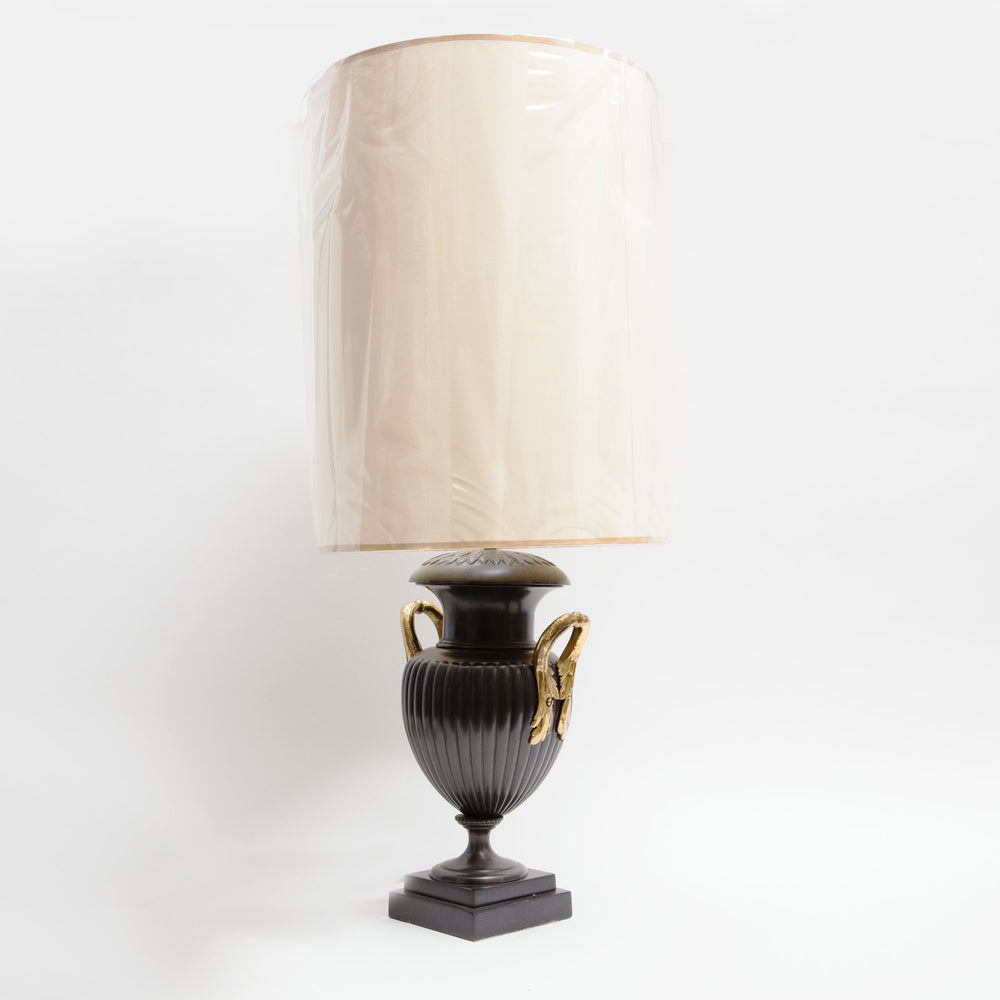
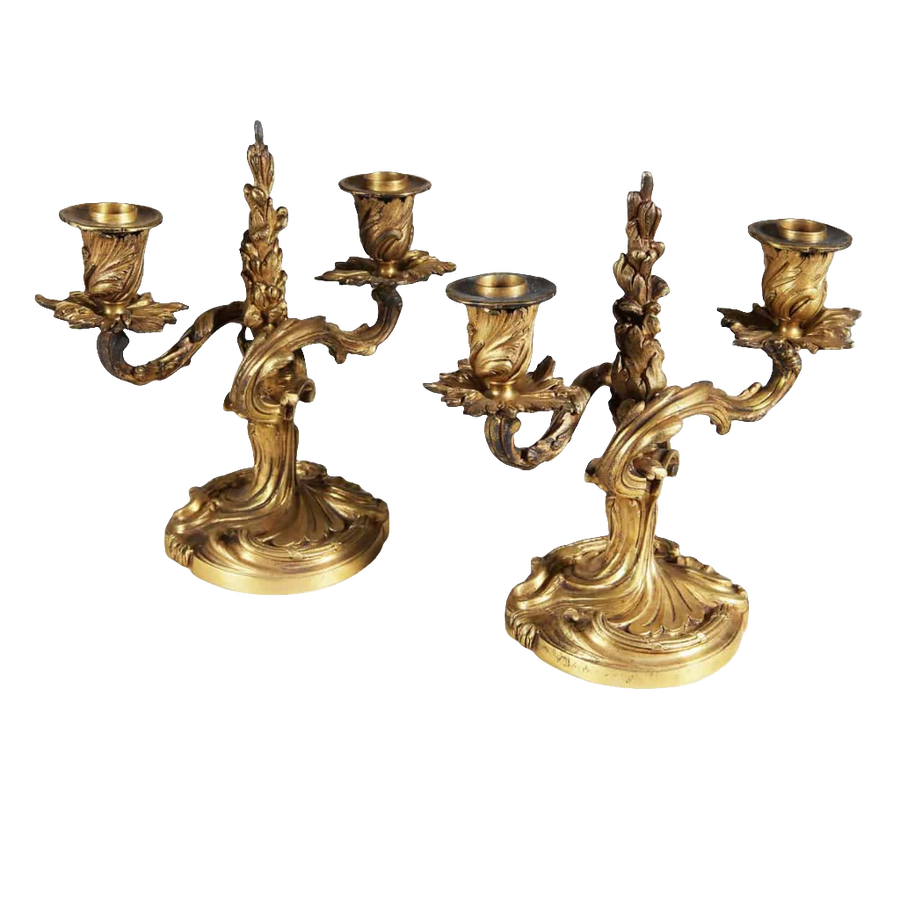
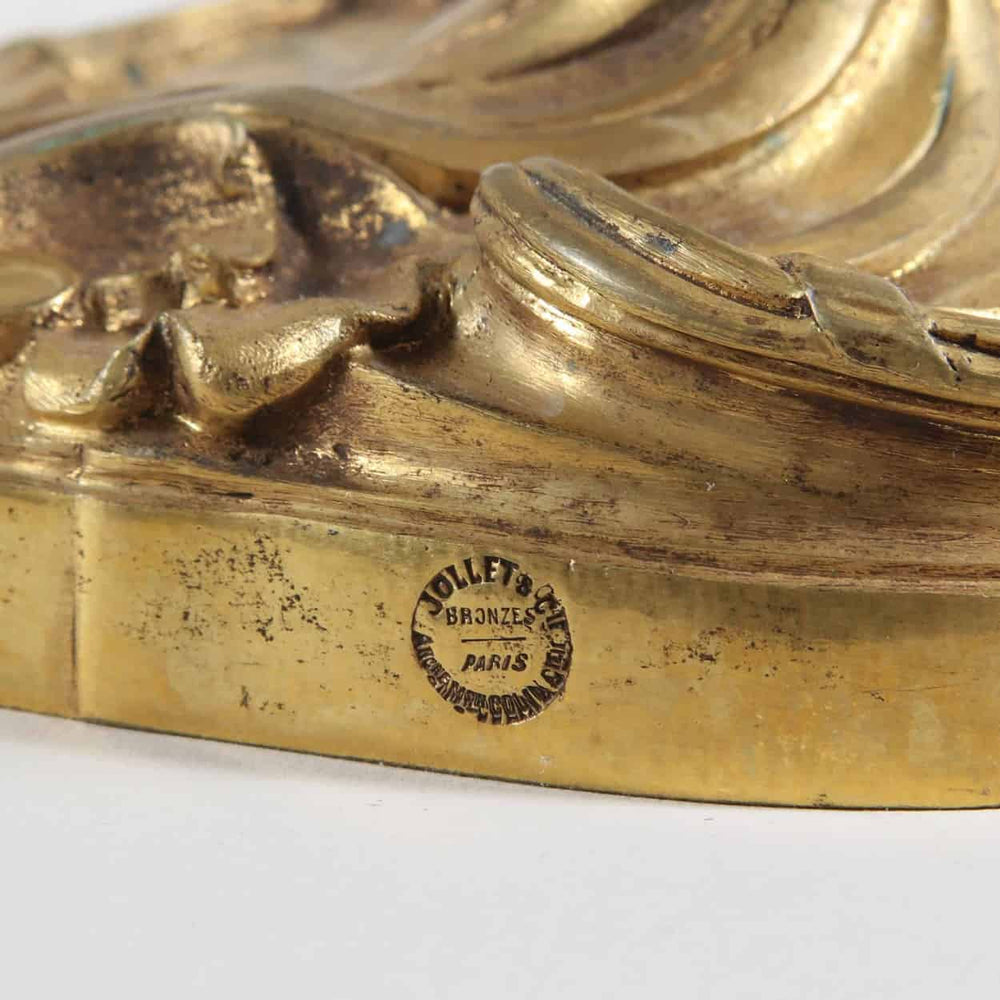
Beyond sculpture, bronze played a central role in the decorative arts. Nowhere is this more evident than in ormolu — gilt-bronze mounts and embellishments adorning Louis XV and Louis XVI furniture, clocks, and porcelain. Using the demanding technique of mercury gilding, artisans produced mounts of dazzling brilliance and razor-sharp chased detail. Over time, their gilded surfaces mellowed with patina, prized as much for their aged authenticity as for their original opulence.
From ancient ritual vessels to neoclassical statuary and gilded interiors, bronze has remained both a practical material and an artistic medium. Its enduring appeal lies not only in its strength but in the evolving surface that tells the story of centuries — a testament to tradition, craftsmanship, and transformation.
This month we have 10% off the Regency Collection - checkout code REG10

Each item in our collection is sold with complimentary restoration within the purchase price. It is only released for delivery once it has been fully checked over and wax polished.

Introduce someone to Nicholas Wells Antiques—when they make a purchase of £10,000 or more, they will benefit form £500 off and you'll receive £500 credit toward your next purchase over £5,000.
A gesture of thanks, from one collector to another.