


Ceylon and the Decorative Arts Trade in the 18th and 19th Centuries
13 products
13 products
During the 18th and 19th centuries, Ceylon—modern-day Sri Lanka—played a significant role in the global trade of decorative arts and objects, shaped by its rich artistic heritage and successive waves of European colonial influence.
Following the arrival of the Portuguese, Dutch, and British, Ceylon’s artistic landscape evolved. The British annexation of Kandy in 1815 ended the Kandyan monarchy and incorporated the entire island into the British Empire, ushering in widespread social and cultural change.
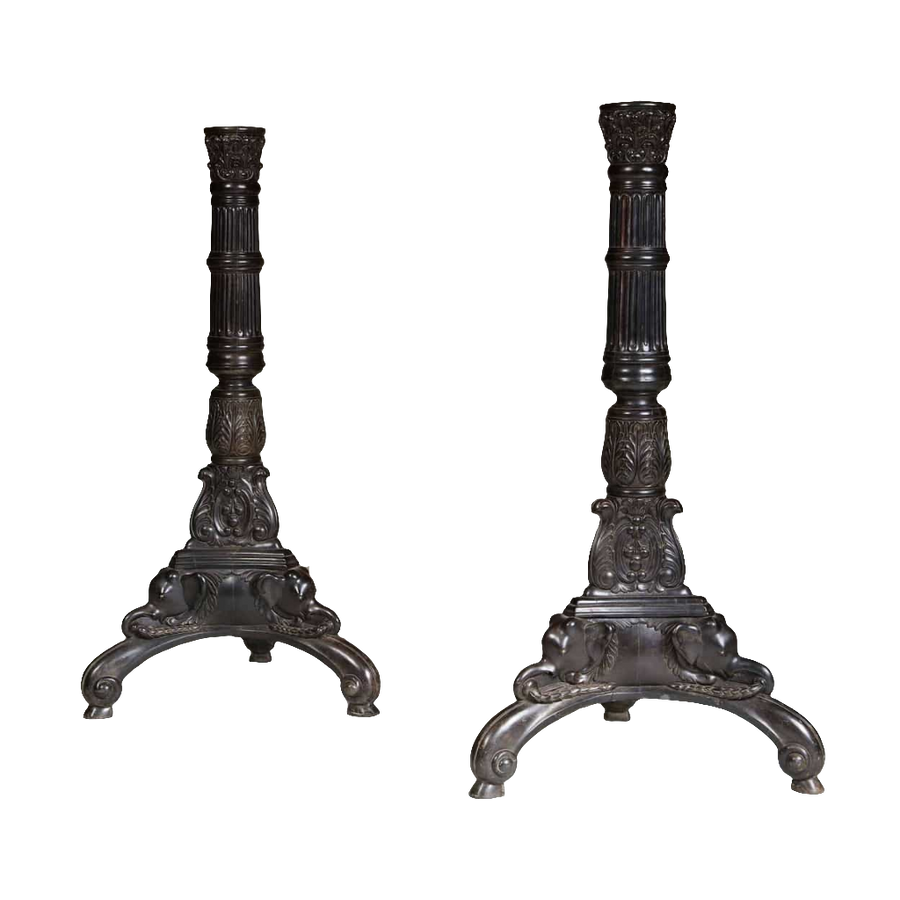
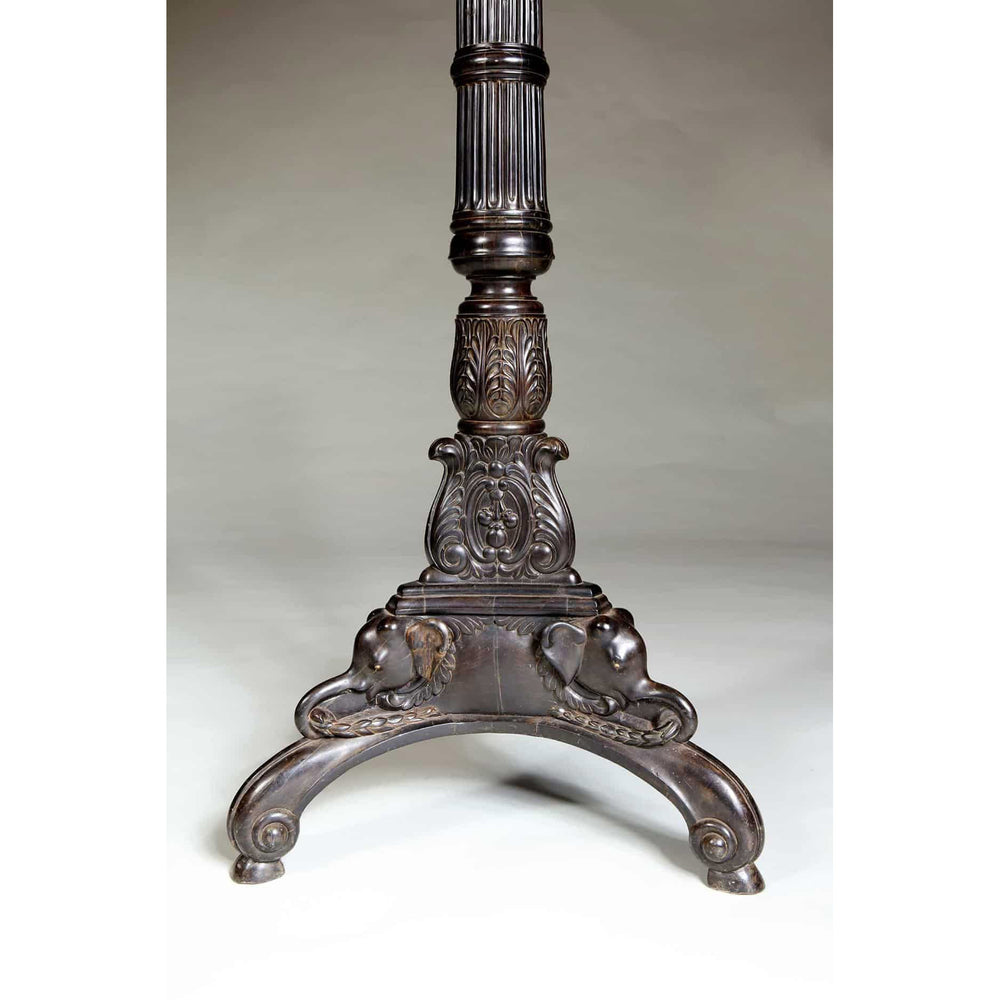
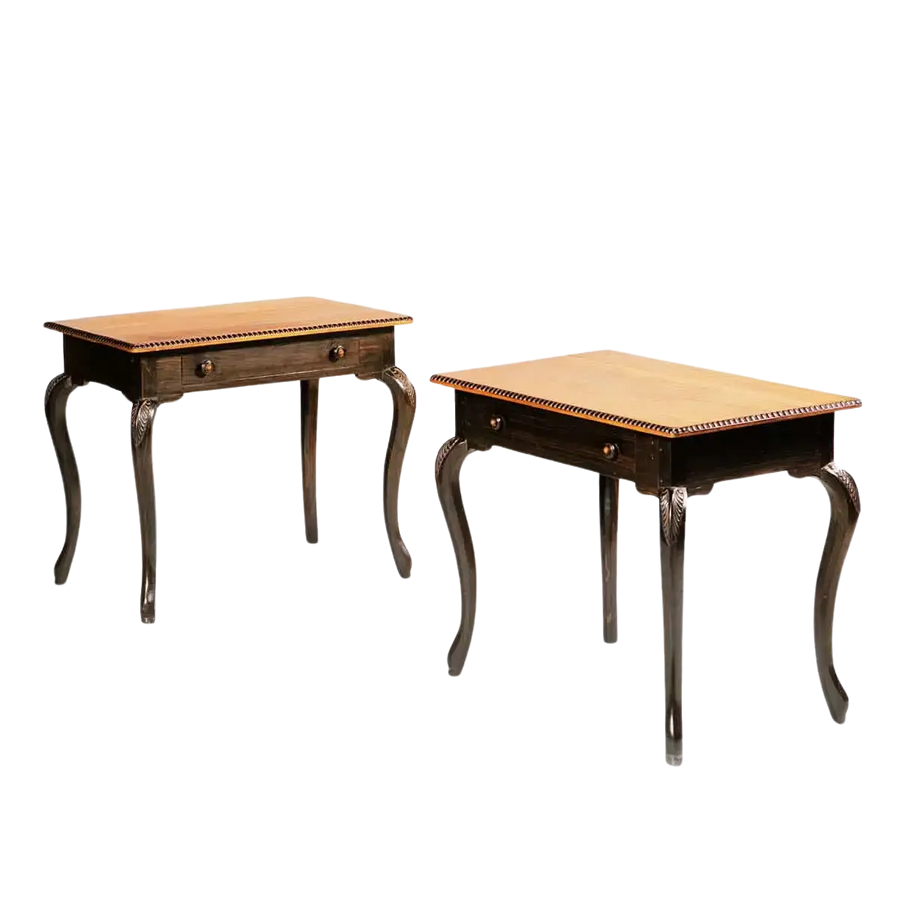
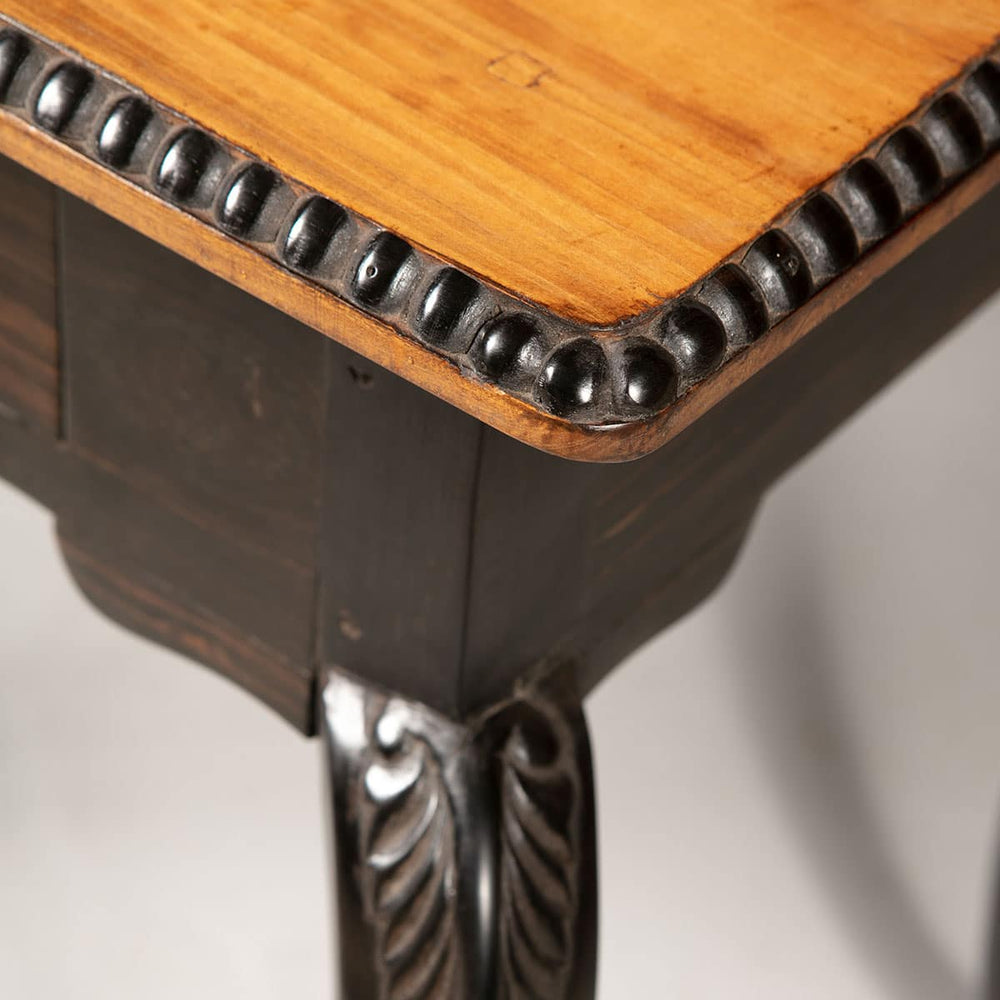
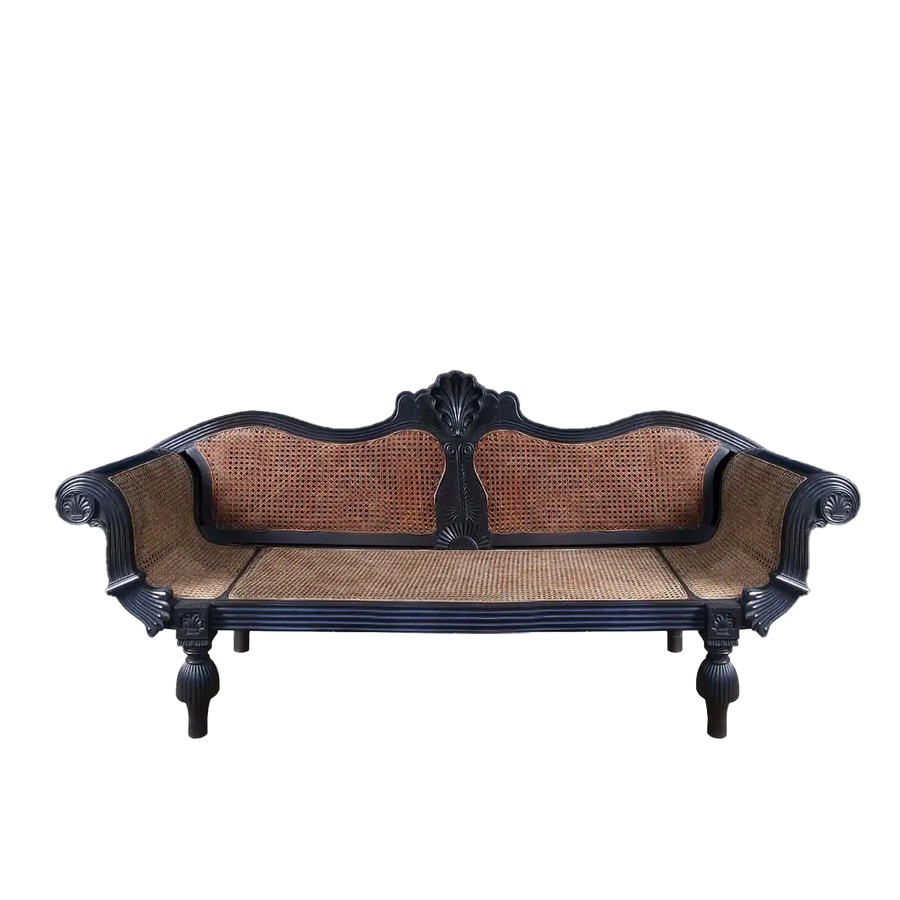
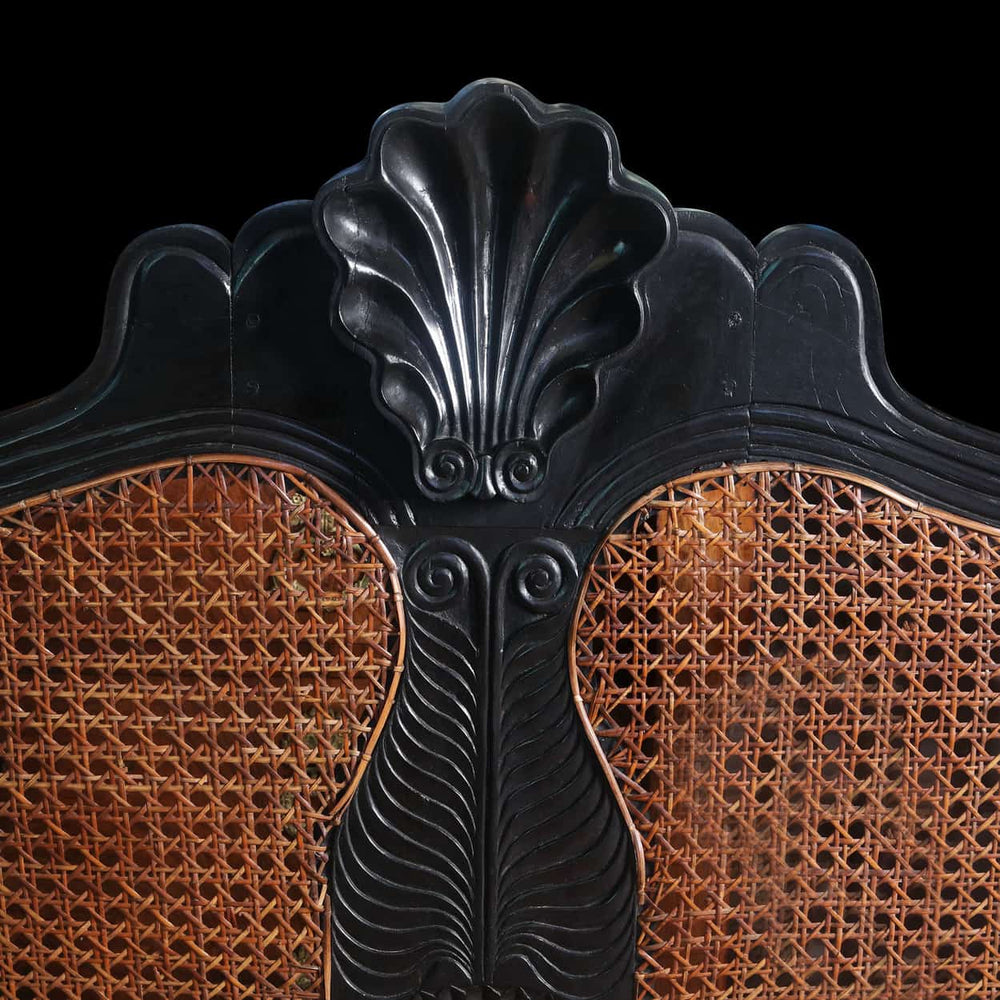
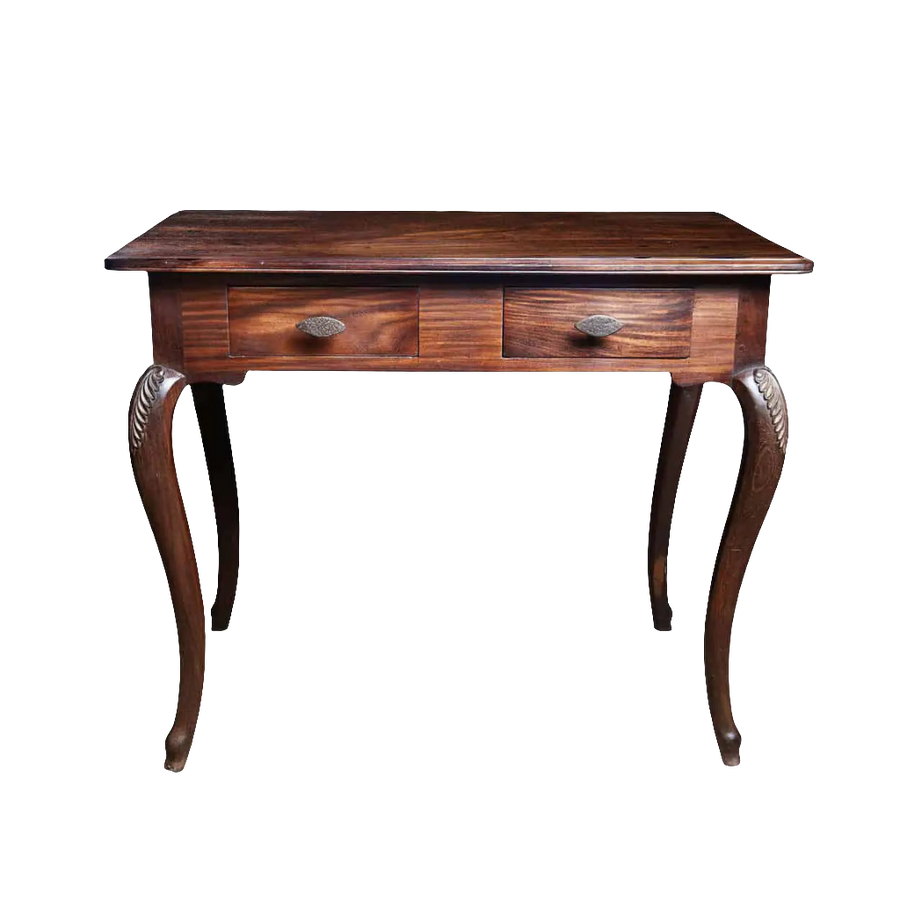
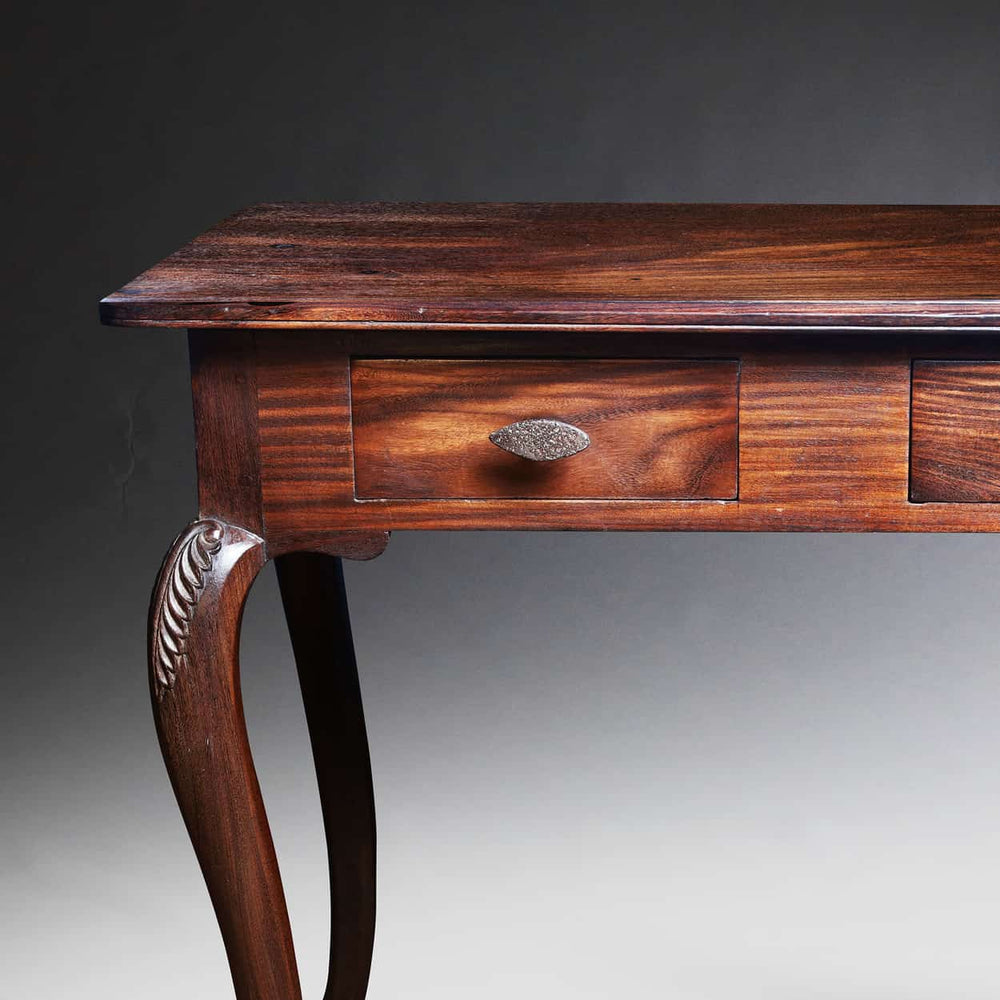
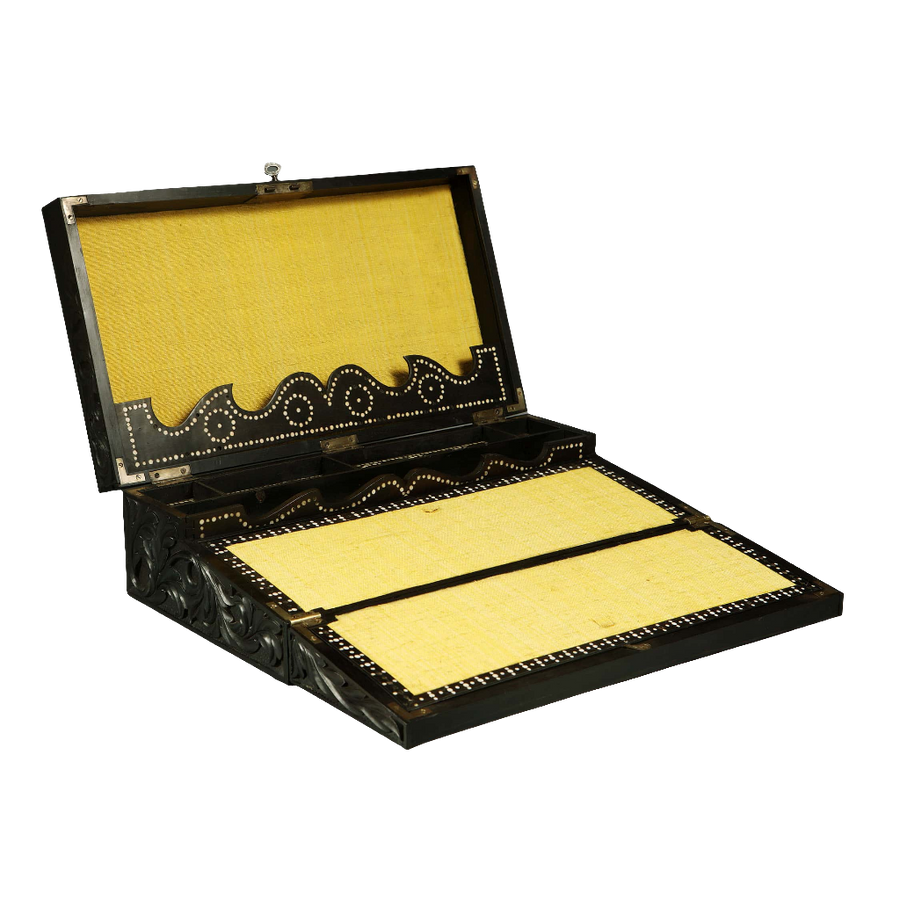
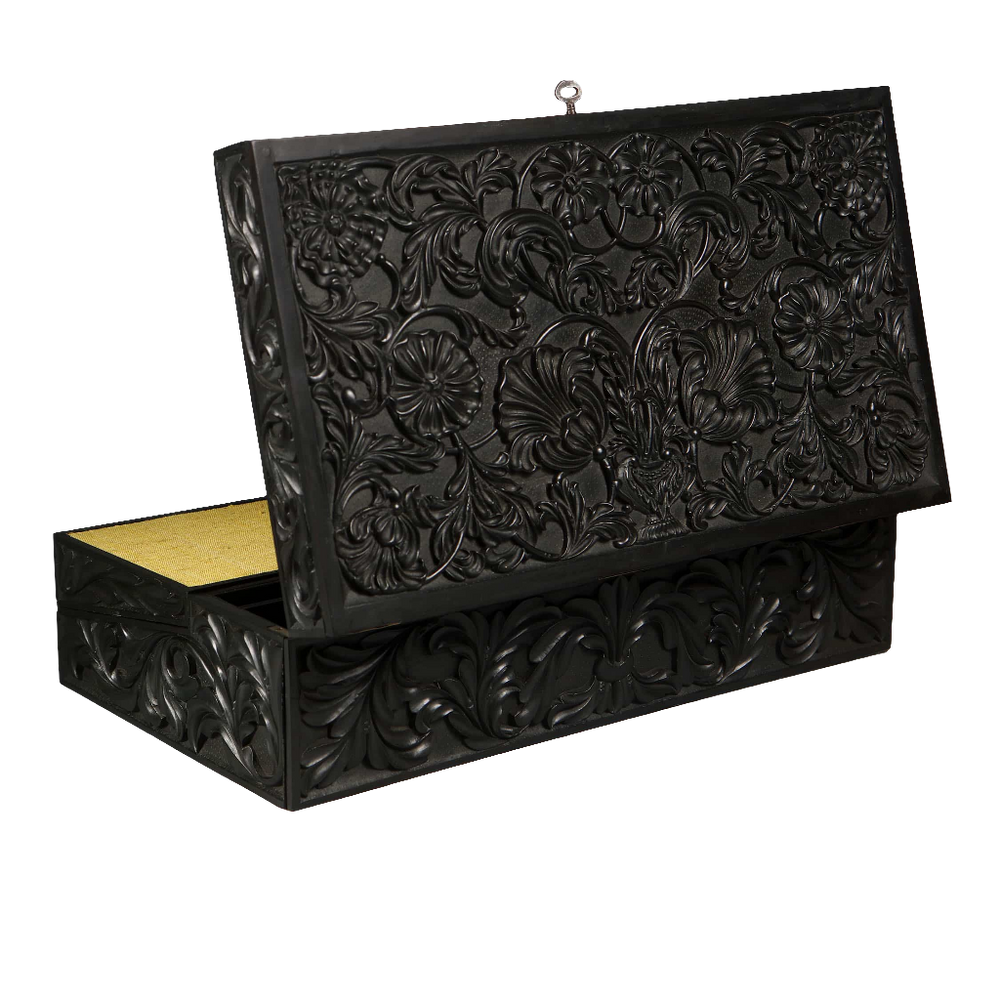
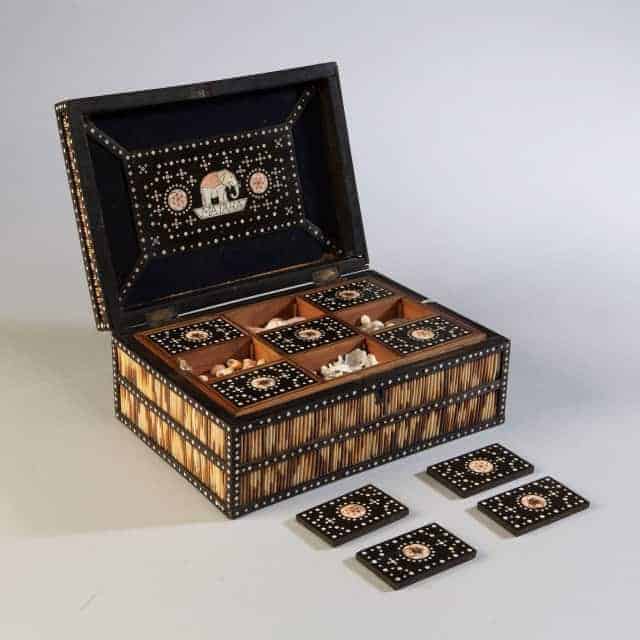
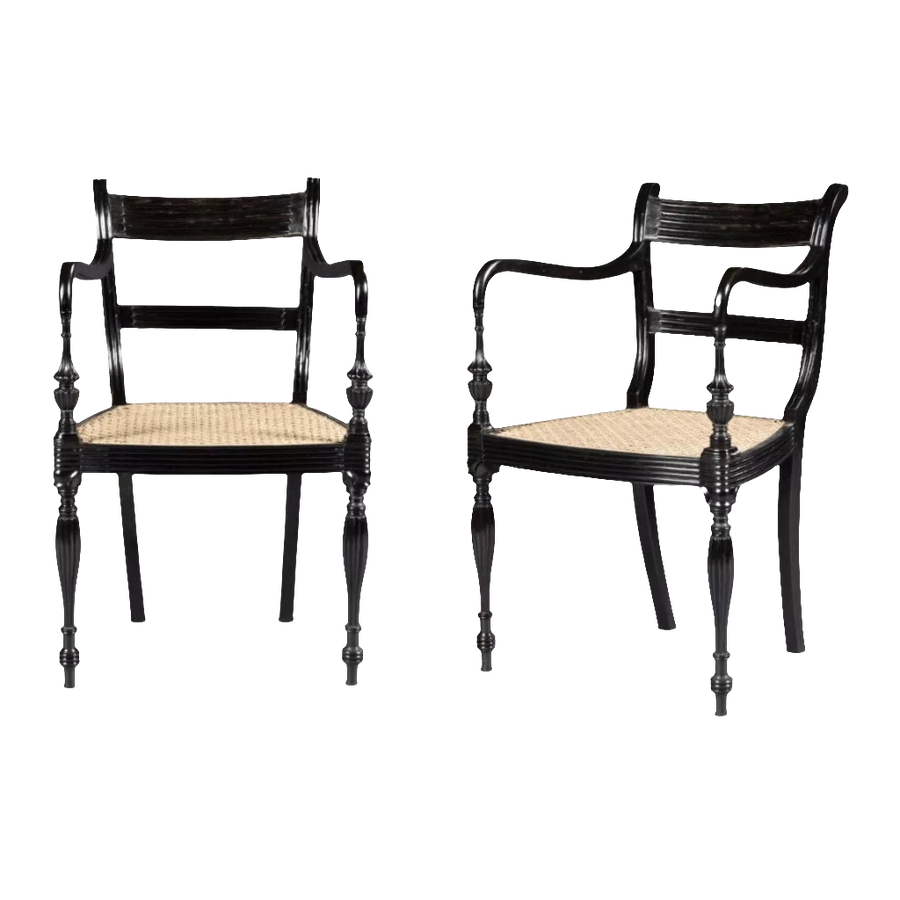
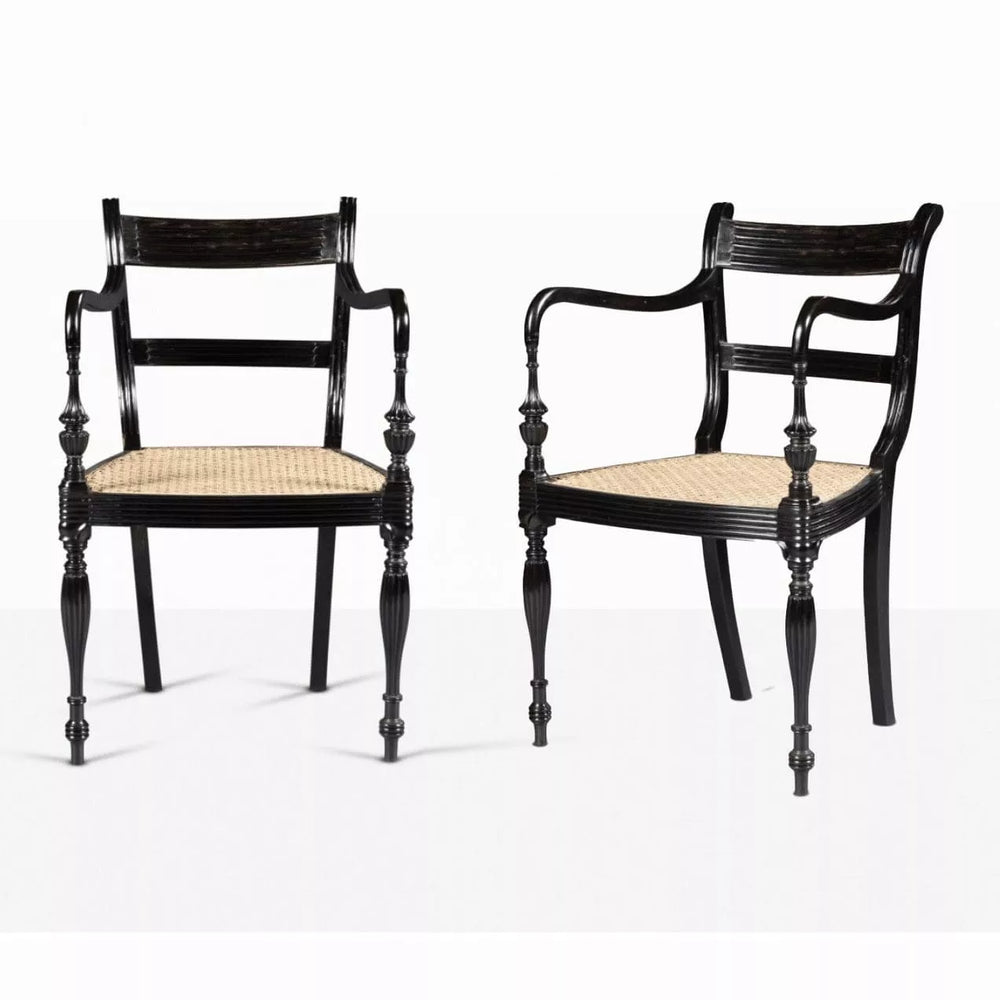
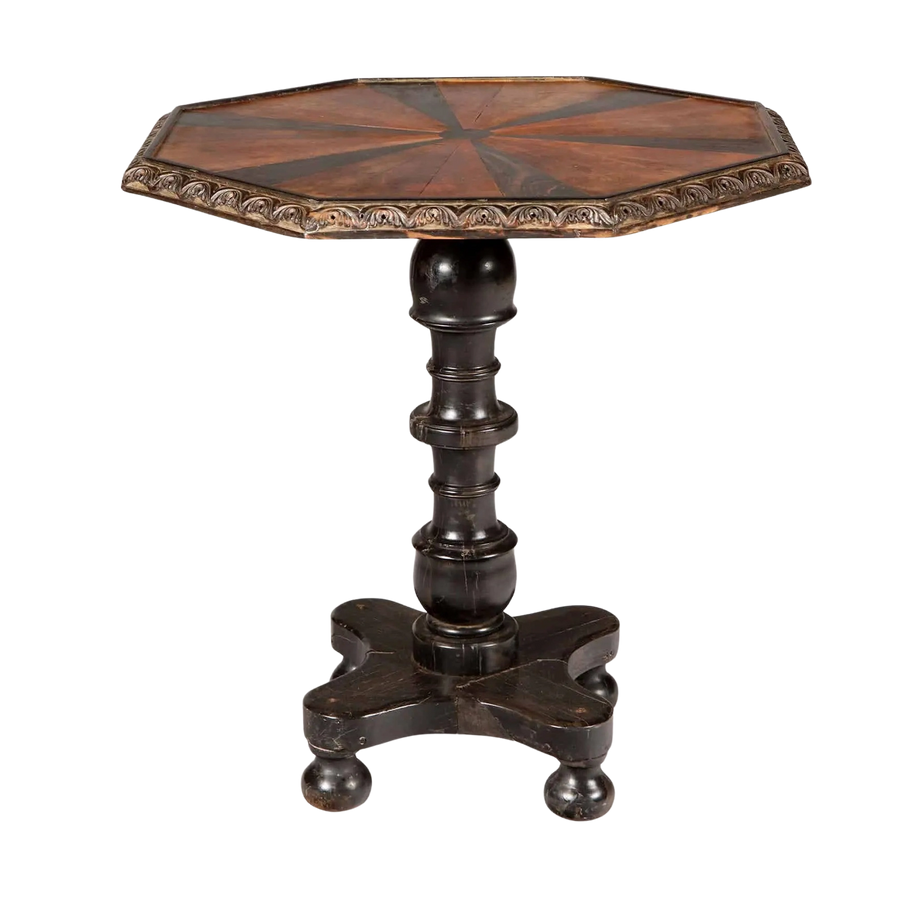
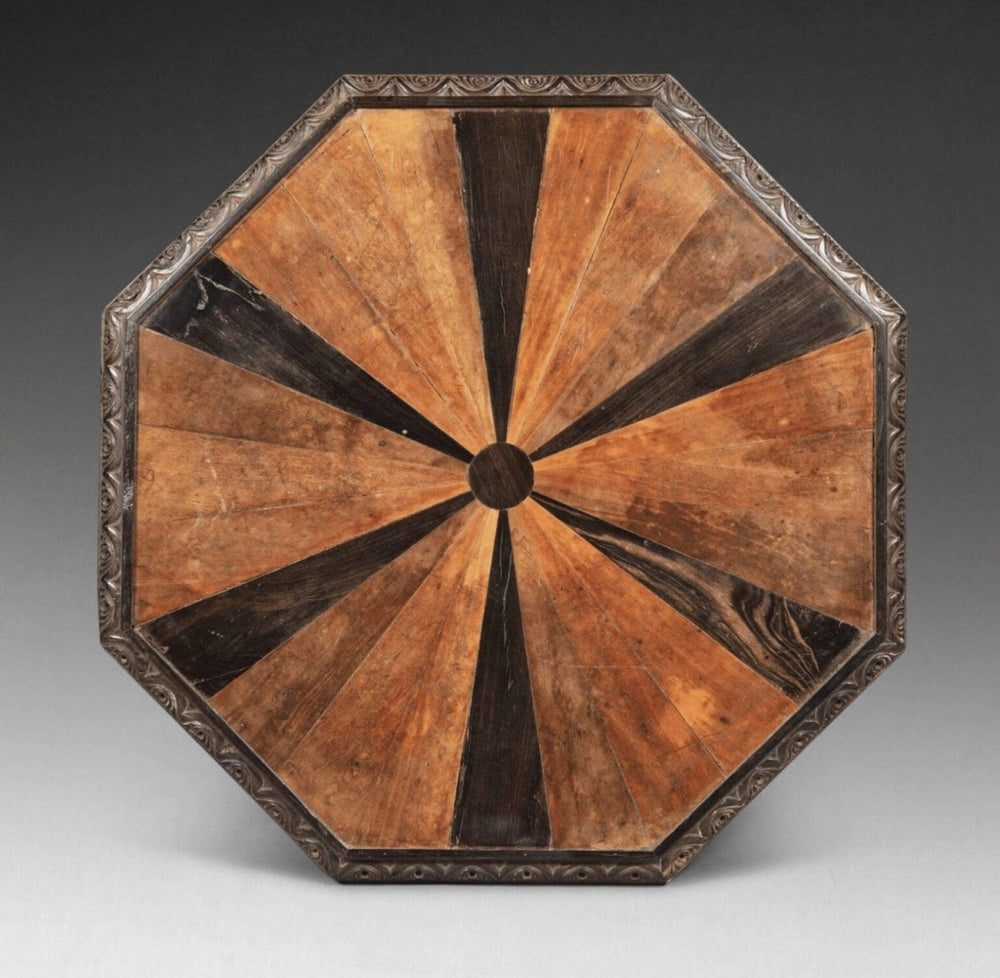
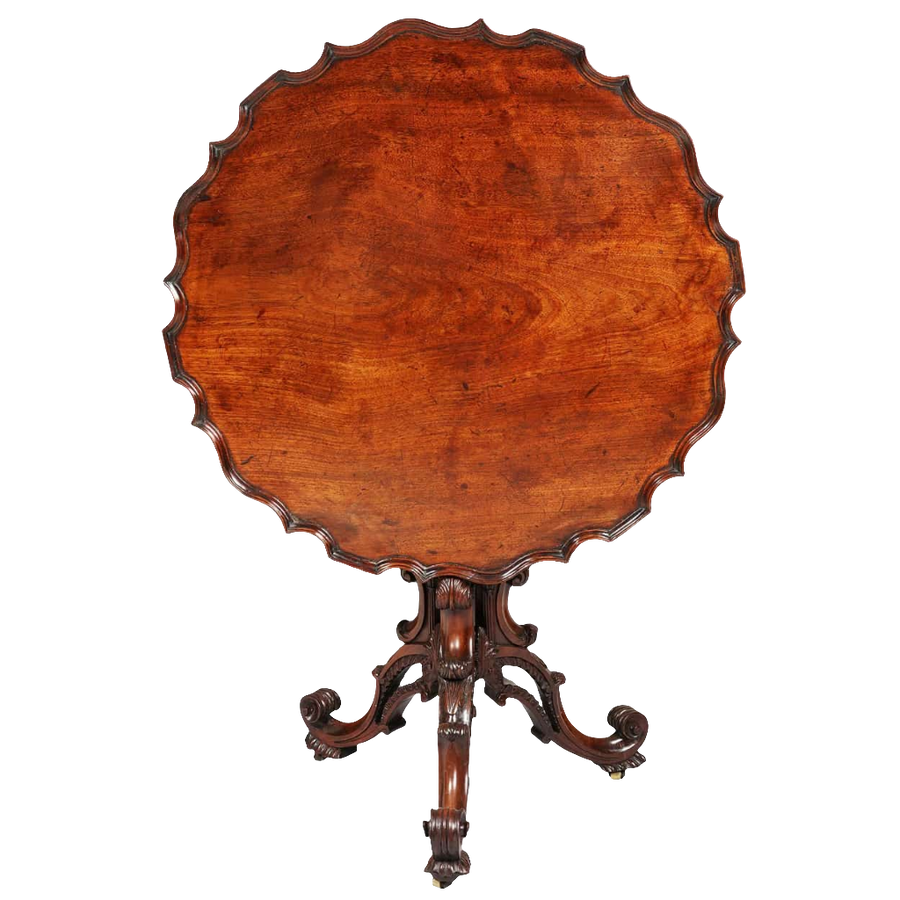
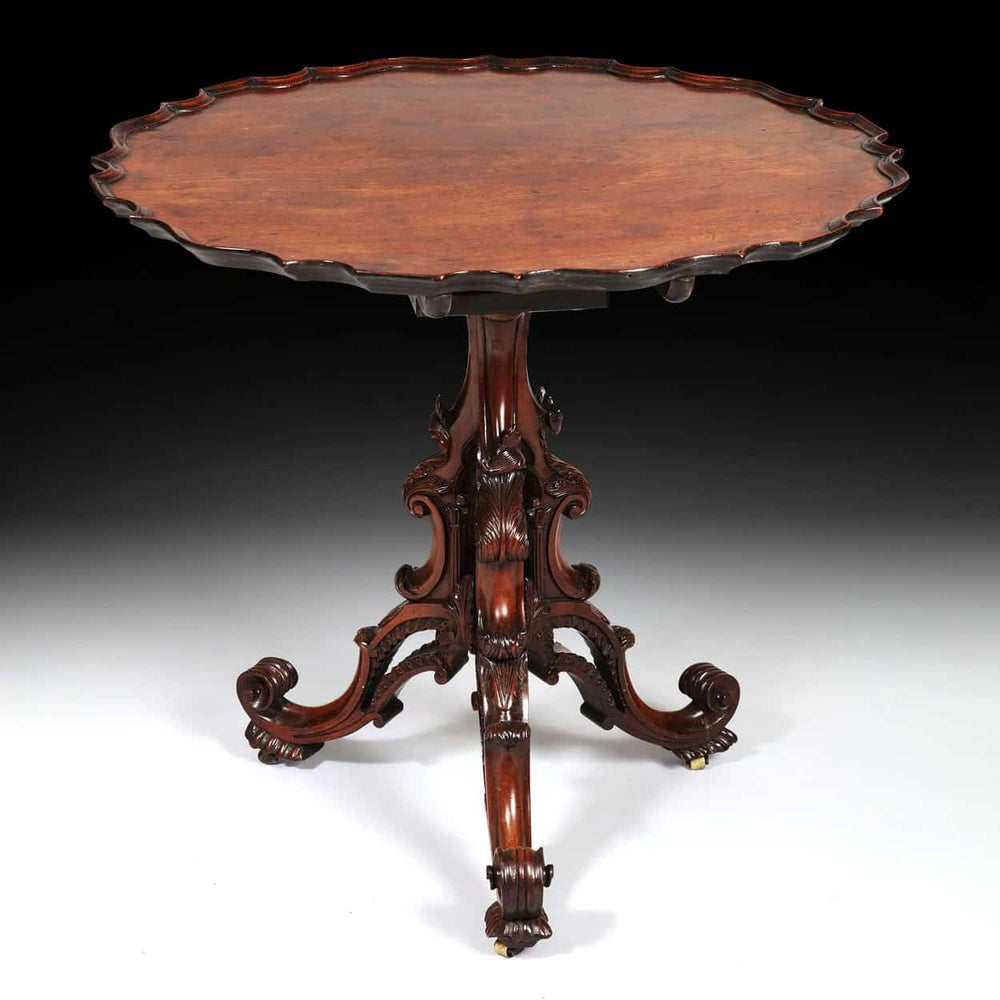
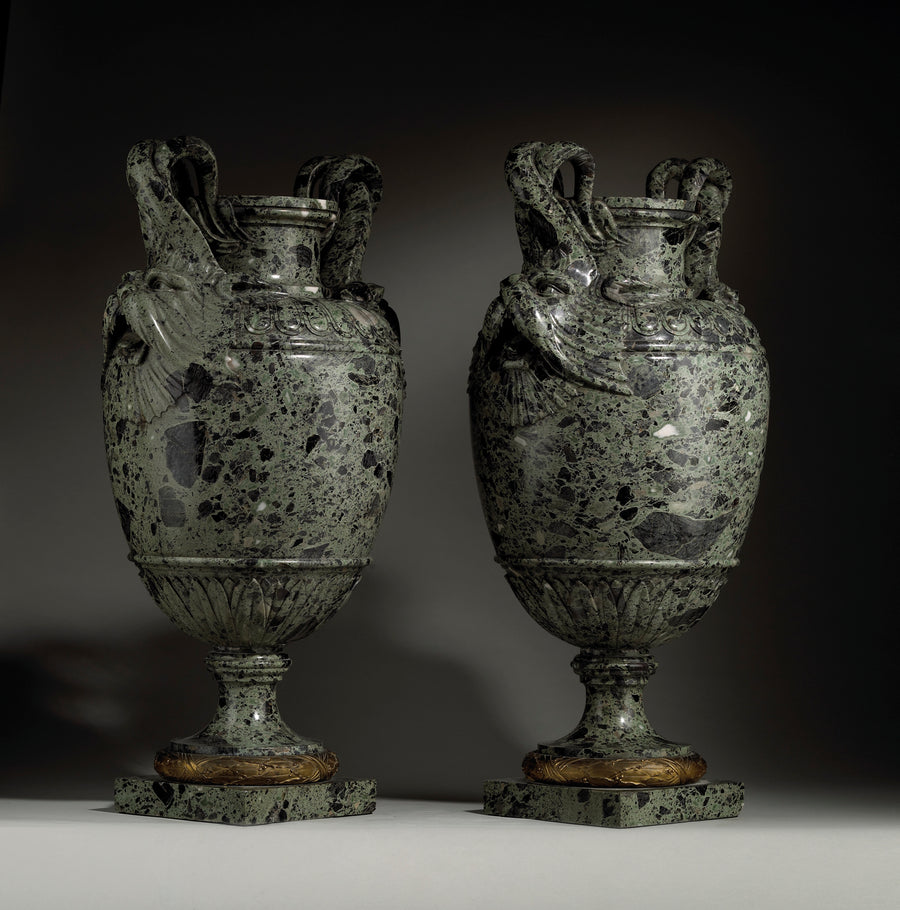
Ceylonese artisans began producing furniture, metalwork, lacquerware, and textiles that appealed to colonial tastes, often merging traditional techniques with European and Asian stylistic elements. These hybrid works were traded widely, catering to both local elites and foreign collectors.
Ceylon’s position on maritime trade routes fostered exchanges with China, Japan, and India. This facilitated a cross-cultural blend of materials and motifs—evident in the decorative arts exported to Europe and beyond. The island’s ability to adapt local forms to meet global demand made it an important centre for decorative object production and export.
Ceylon’s decorative arts during the 18th and 19th centuries reflect a unique intersection of local Buddhist traditions and European colonial tastes. This fusion produced distinctive, highly prized objects that found their way into international collections—cementing Ceylon’s legacy as a vital contributor to the global decorative arts trade.
This month we have 10% off the Regency Collection - checkout code REG10

Each item in our collection is sold with complimentary restoration within the purchase price. It is only released for delivery once it has been fully checked over and wax polished.

Introduce someone to Nicholas Wells Antiques—when they make a purchase of £10,000 or more, they will benefit form £500 off and you'll receive £500 credit toward your next purchase over £5,000.
A gesture of thanks, from one collector to another.