


Damascening in the Decorative Arts: Intricate Inlay and Timeless Ornament
1 product
1 product
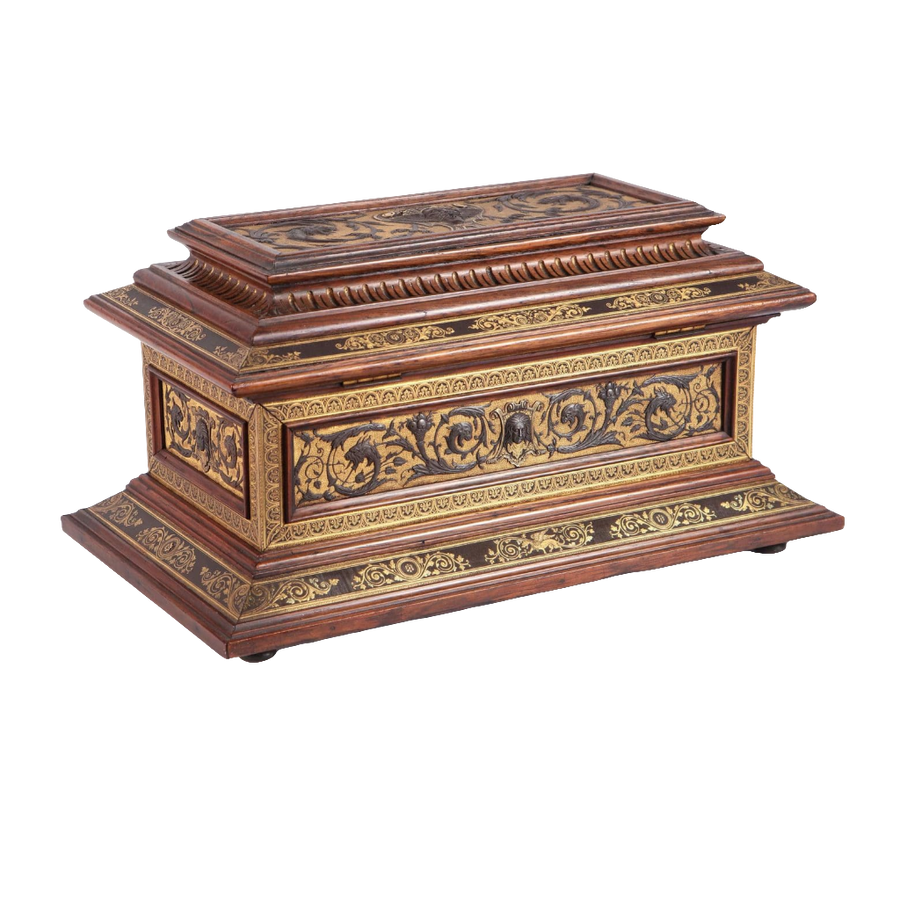
Damascening is a centuries-old decorative technique involving the inlay of gold or silver into a darkened steel or iron surface to create intricate, often shimmering designs. Named after the ancient city of Damascus—famed for its ornate metalwork—the craft likely originated in the Near East and later flourished in regions across Europe and Asia, evolving into a hallmark of opulence and refinement in weaponry, jewellery, and ceremonial objects.
The process requires extraordinary skill: fine threads or sheets of precious metal are meticulously hammered into engraved or etched patterns on the steel surface. Once polished, the resulting contrast between the dark base and luminous inlay produces a stunning visual effect, often resembling tapestry in metal. Common motifs include arabesques, foliage, heraldic emblems, and mythological scenes, echoing the cultural traditions of Islamic, Renaissance, and Gothic art.
Damascening found a natural home in the decoration of weapons—especially swords, daggers, and armour—where the technique served not only an aesthetic purpose but also conveyed prestige, power, and ceremonial significance. From Ottoman yataghans to Mughal khanjars and European presentation swords, damascened weaponry was often reserved for nobility or gifted as diplomatic offerings.
One of the most celebrated centres of damascening in Europe is Toledo, Spain, a city historically associated with sword-making and metal arts. By the 19th century, Toledo artisans elevated damascening into a fine art, no longer confined to arms and armour but extended to objects of vertu such as jewellery boxes, picture frames, vases, and brooches. Central to this renaissance was Eusebio Zuloaga, a master craftsman whose works earned international acclaim. Zuloaga, often referred to as the "father of modern Spanish damascening," revitalised the art form and passed the tradition to his son, Plácido Zuloaga, who further refined the technique and produced exquisitely detailed damascened masterpieces that now reside in major museum collections.
Today, damascened pieces—especially those from Toledo and the Zuloaga workshops—are celebrated for their artistry, historic value, and technical brilliance, offering a window into a world where metal becomes canvas, and craftsmanship transforms into enduring beauty.
This month we have 10% off the Regency Collection - checkout code REG10

Each item in our collection is sold with complimentary restoration within the purchase price. It is only released for delivery once it has been fully checked over and wax polished.

Introduce someone to Nicholas Wells Antiques—when they make a purchase of £10,000 or more, they will benefit form £500 off and you'll receive £500 credit toward your next purchase over £5,000.
A gesture of thanks, from one collector to another.