


Decalcomania: From Decorative Transfer to Surrealist Technique
1 product
1 product
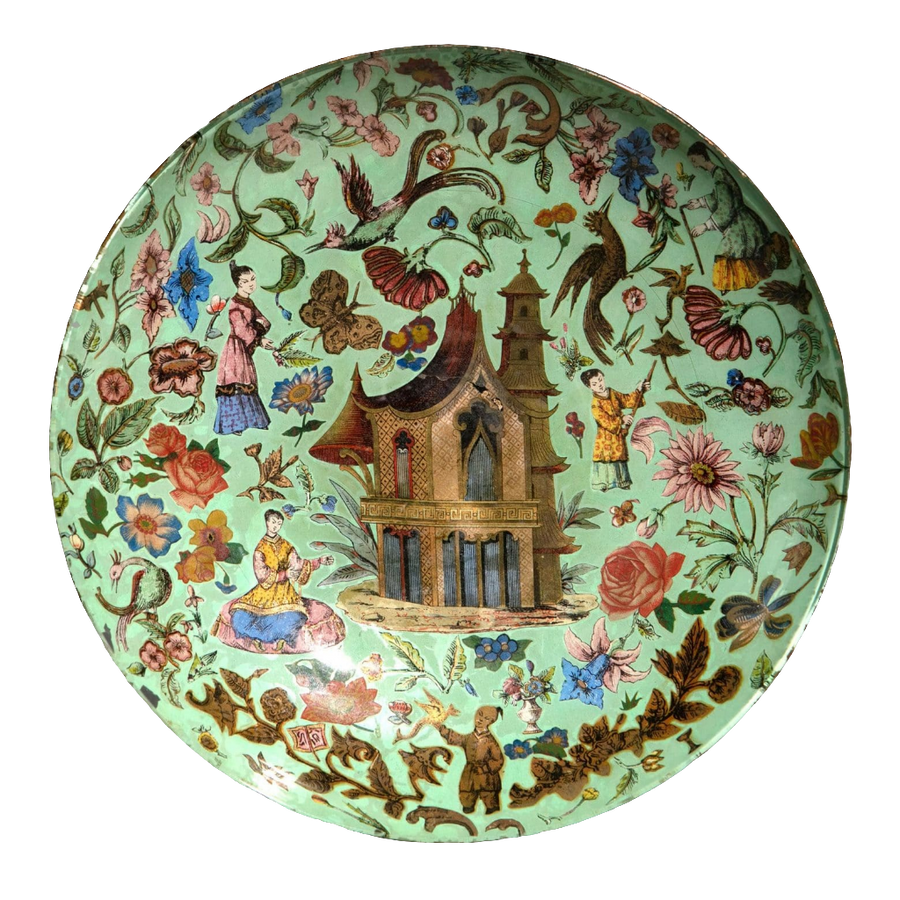
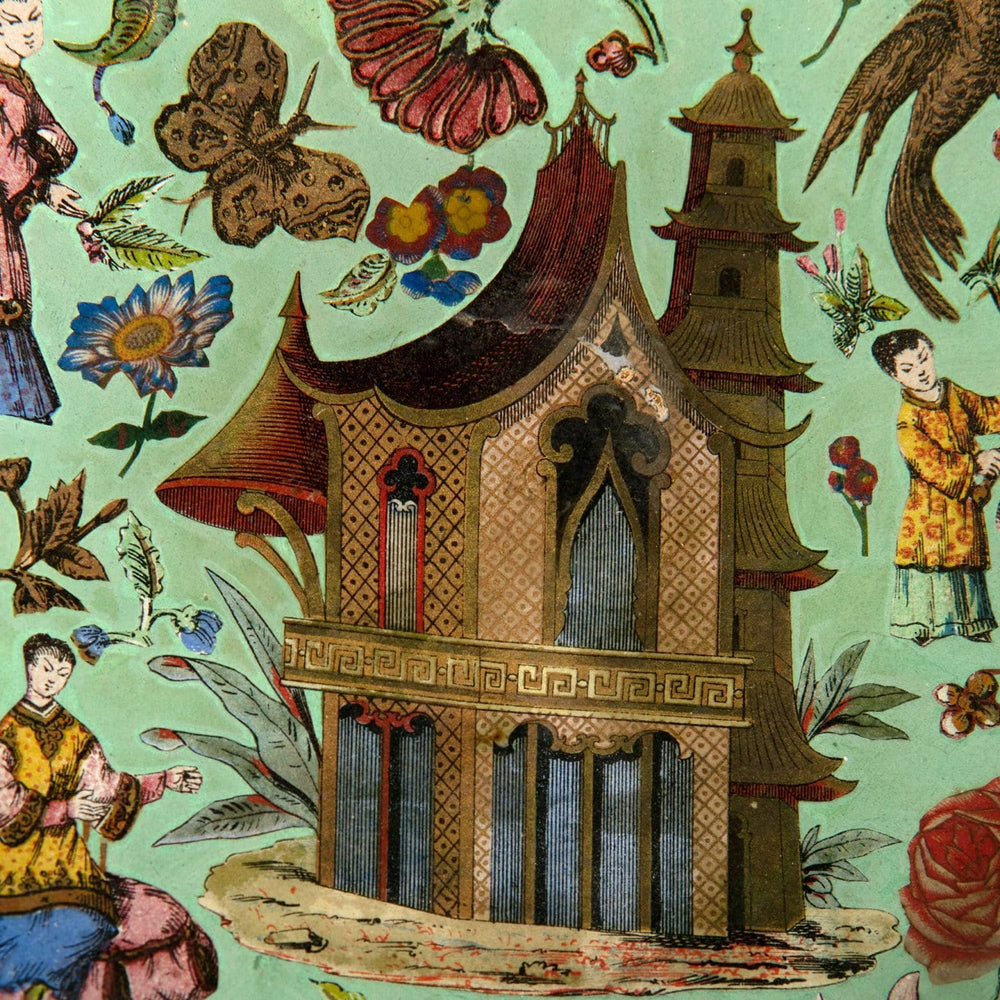
Decalcomania is a decorative technique involving the transfer of images or designs from paper to another surface, most commonly glass, ceramic, metal, or canvas. Originally developed in the 18th century for industrial and craft purposes, the process was popularised in 19th-century Europe as a way to apply intricate designs—such as floral motifs or chinoiserie scenes—to furniture, pottery, and household items without the need for hand-painting. These early decals were often printed in colour, coated with glue or varnish, and pressed onto the desired surface before being sealed for durability.
The term comes from the French décalcomanie, derived from décalquer (to transfer a tracing), and it bridged the worlds of mass production and ornamentation, allowing elaborate decorative effects to be achieved at scale. Victorian and Edwardian interiors, for instance, often used decalcomania to embellish glass lampshades, mirrors, or porcelain with romantic imagery or botanical illustrations.
In the 20th century, decalcomania took on a new and unexpected artistic significance through its adoption by Surrealist artists, most notably Óscar Domínguez and later Max Ernst. In this context, decalcomania became a method of automatic image-making: paint was applied to a surface, then covered with paper or glass and pressed, with the resulting image formed by the accidental patterns created when the materials were separated. These textures—organic, chaotic, and suggestive of landscapes or inner states—captured the unconscious and dreamlike qualities central to Surrealist practice.
Thus, decalcomania occupies a unique position in art and design history: at once a tool of decorative artisanship and a medium of avant-garde expression. Whether as delicate floral transfers on a porcelain vase or haunting, formless terrains in a Surrealist painting, decalcomania is a vivid reminder of how a simple process can traverse genres, centuries, and artistic intent.
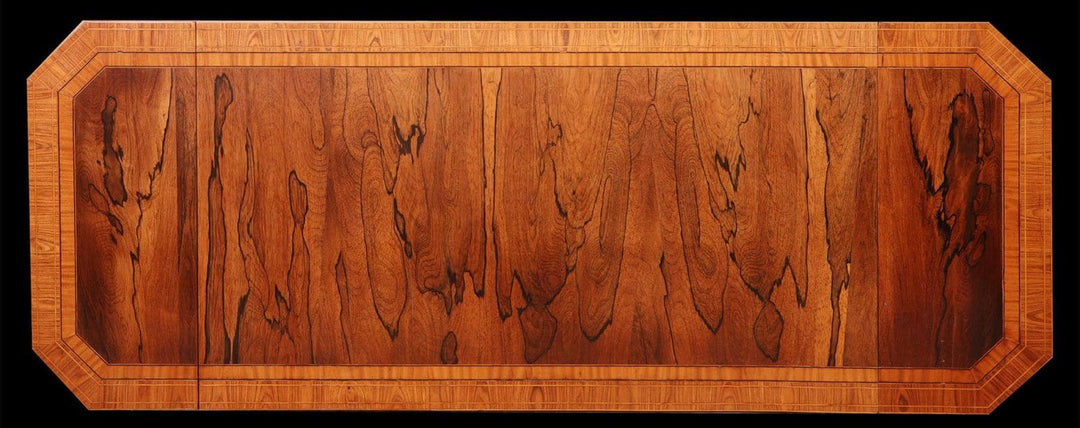
This month we have 10% off the Regency Collection - checkout code REG10
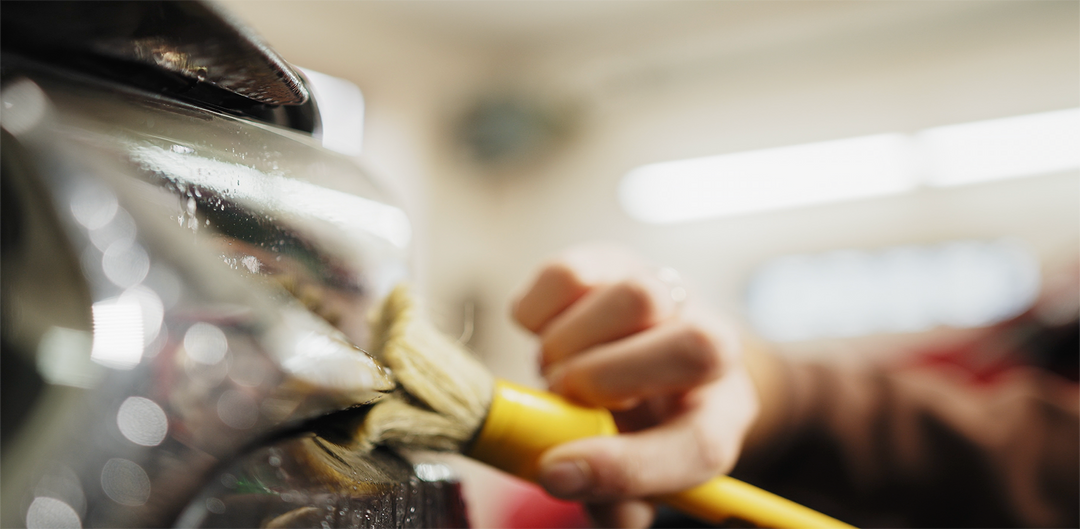
Each item in our collection is sold with complimentary restoration within the purchase price. It is only released for delivery once it has been fully checked over and wax polished.

Introduce someone to Nicholas Wells Antiques—when they make a purchase of £10,000 or more, they will benefit form £500 off and you'll receive £500 credit toward your next purchase over £5,000.
A gesture of thanks, from one collector to another.