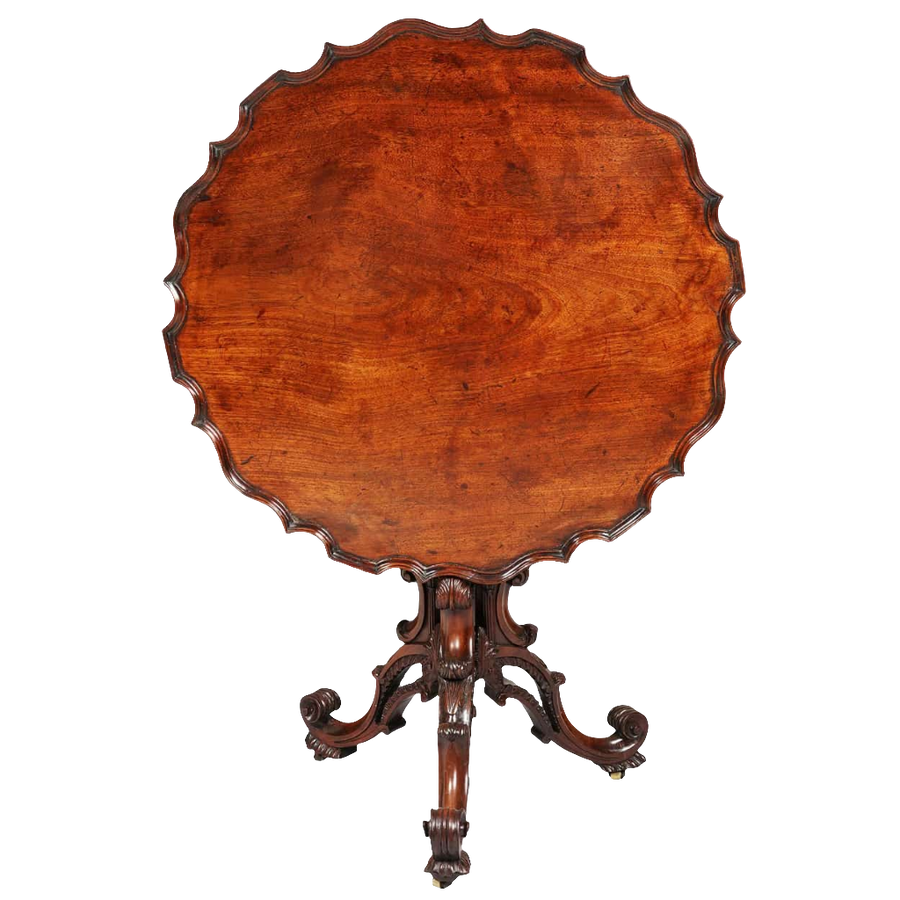
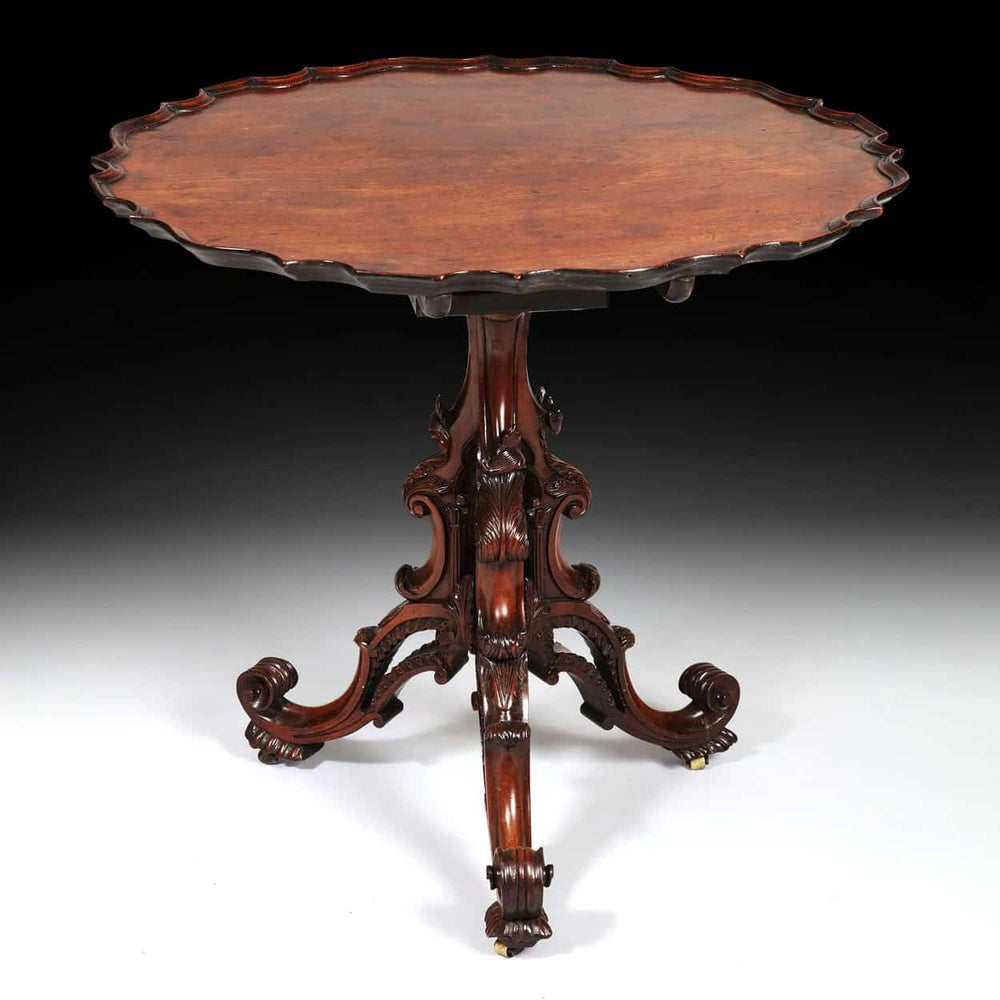
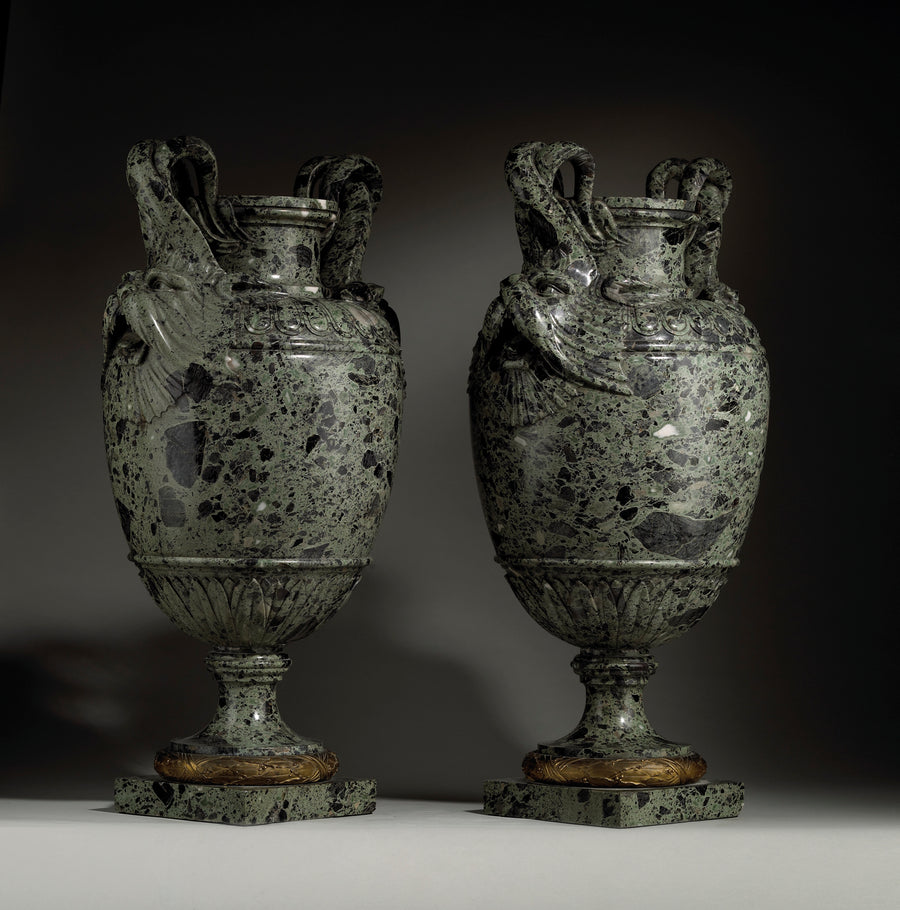
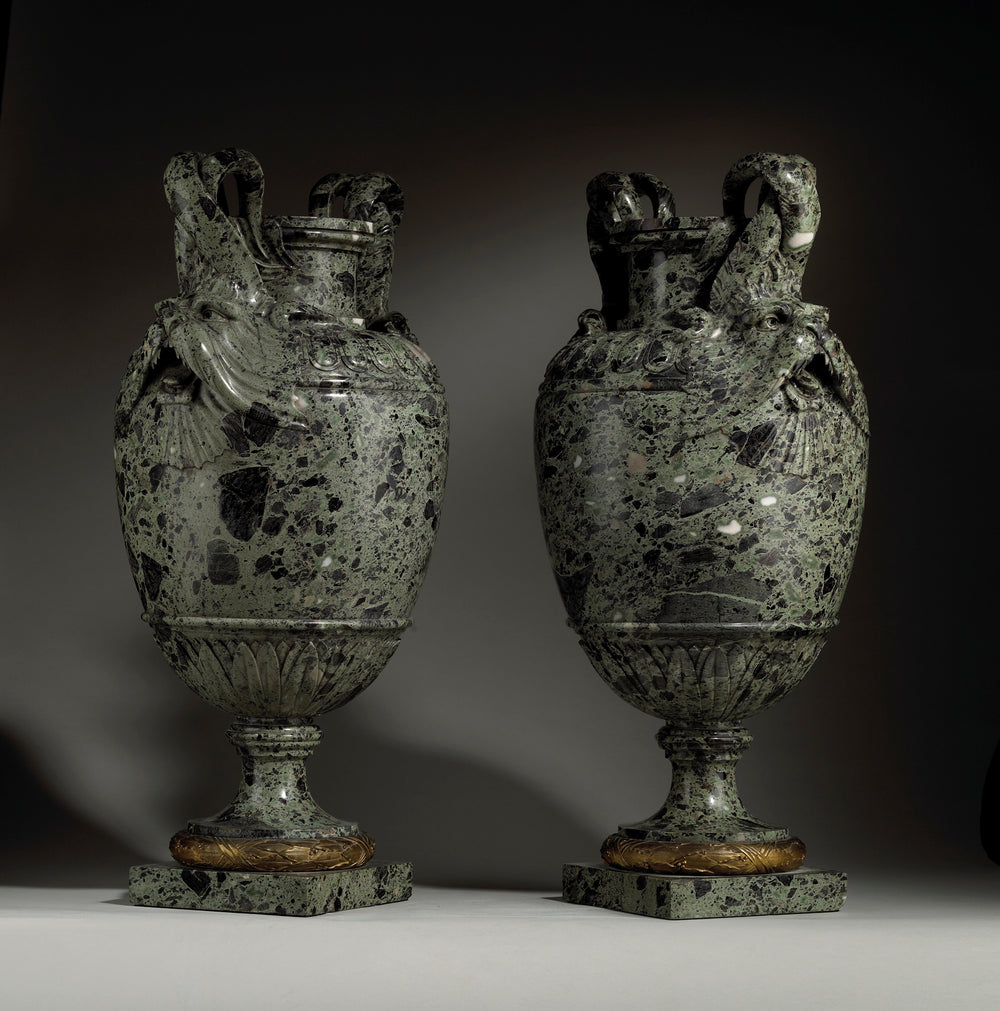
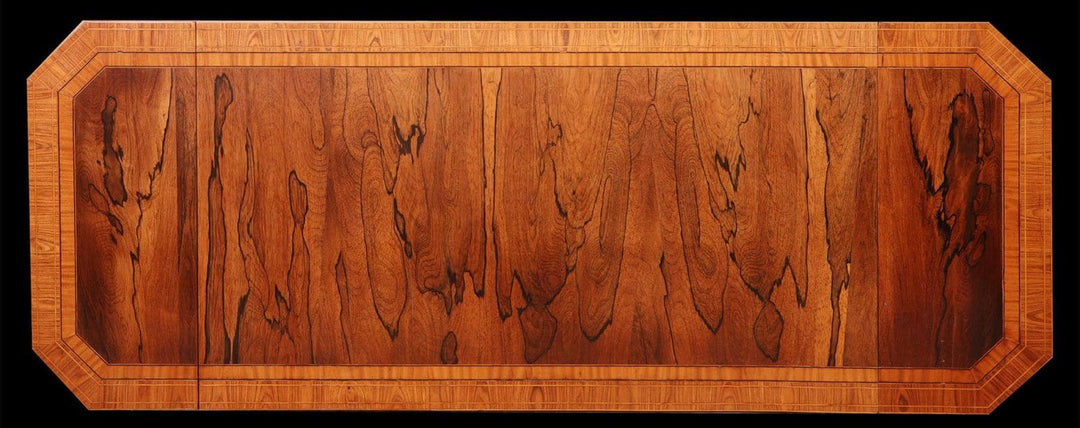
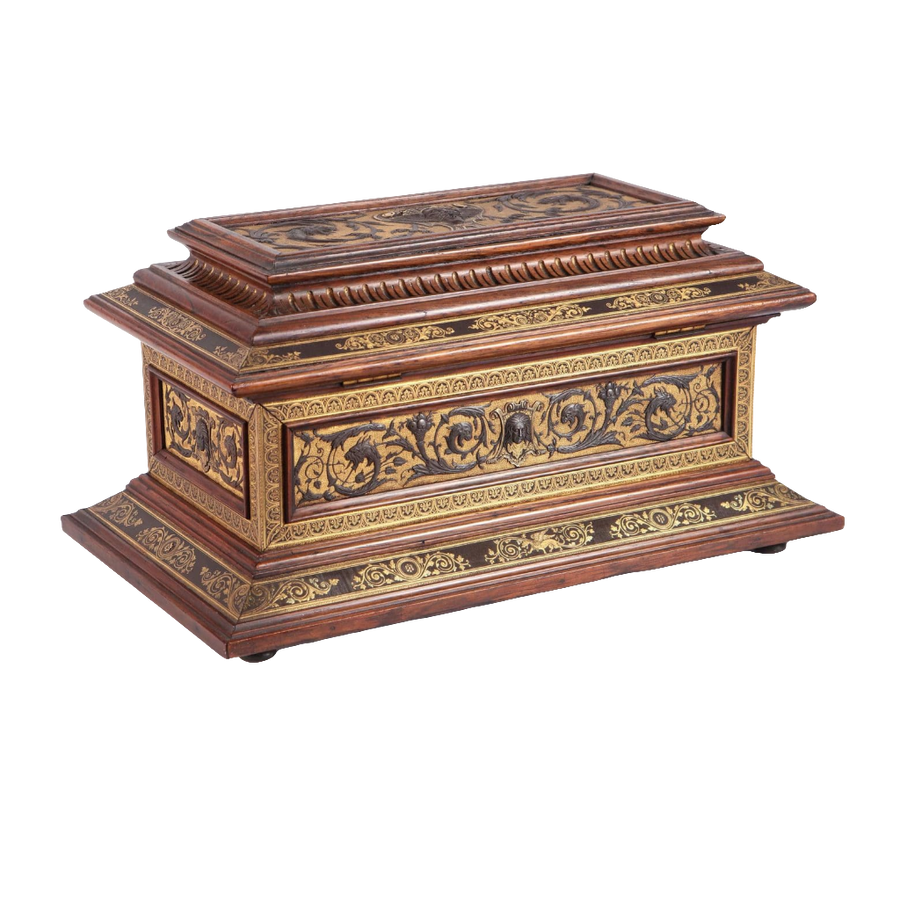
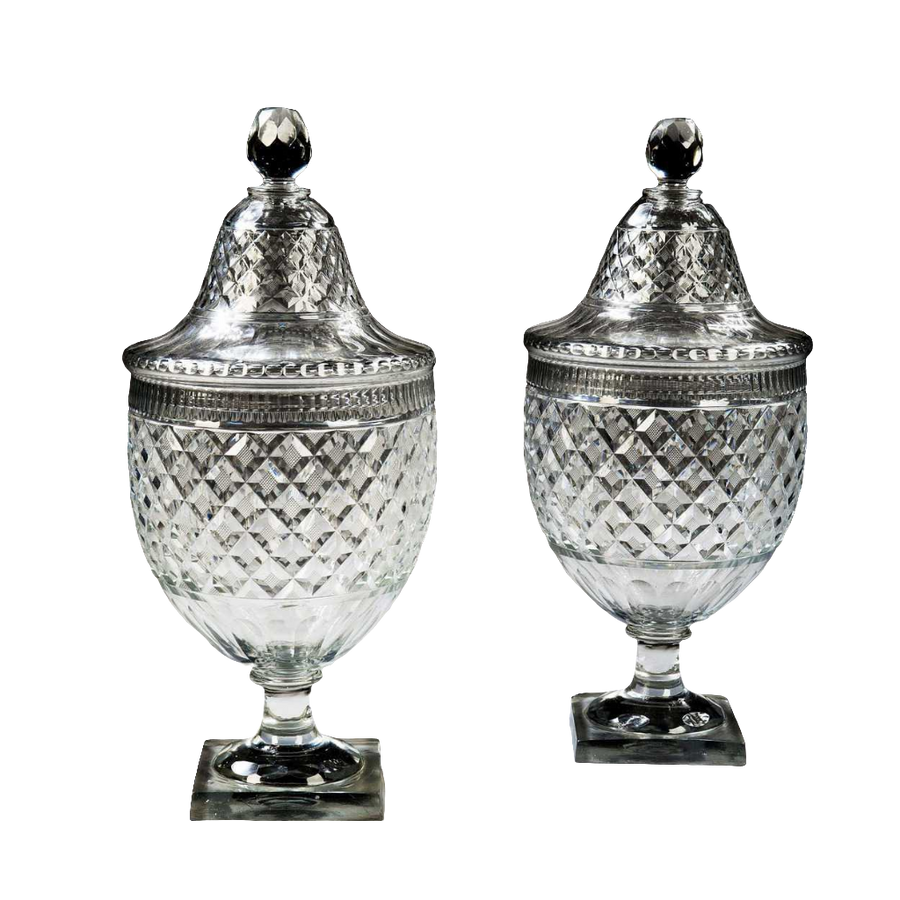
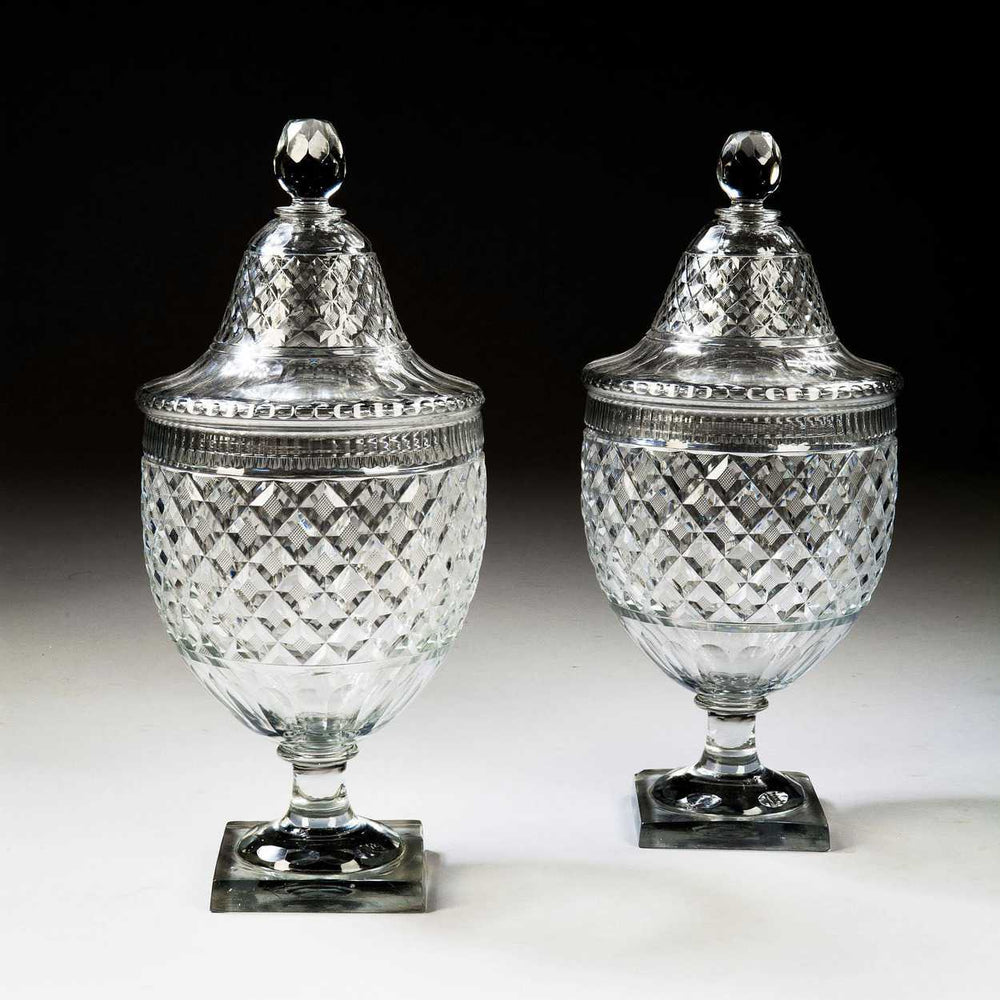
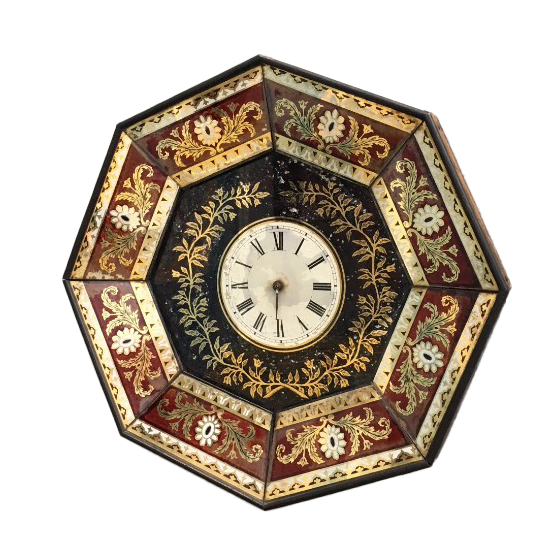
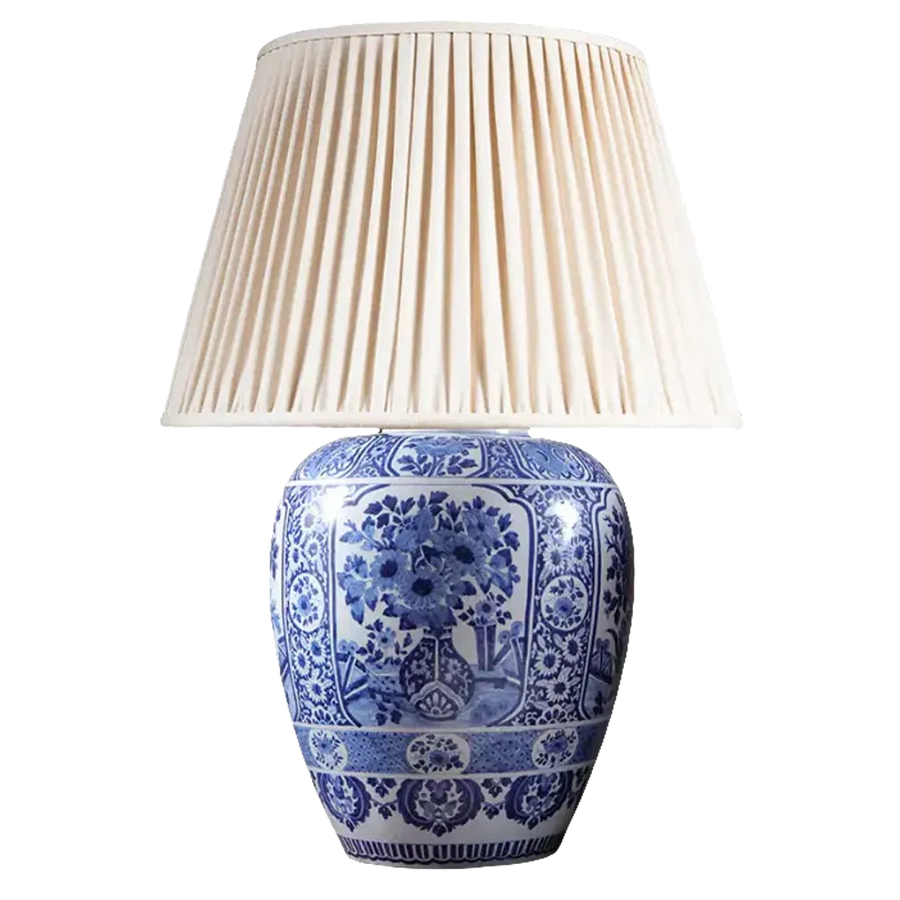
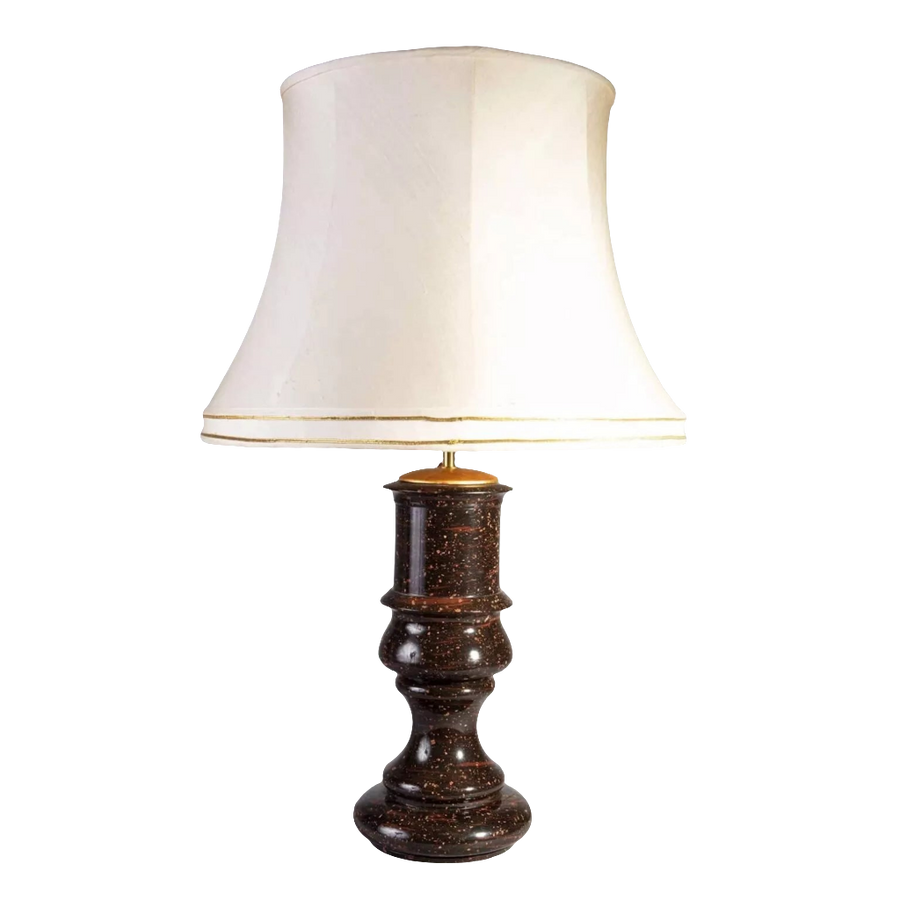
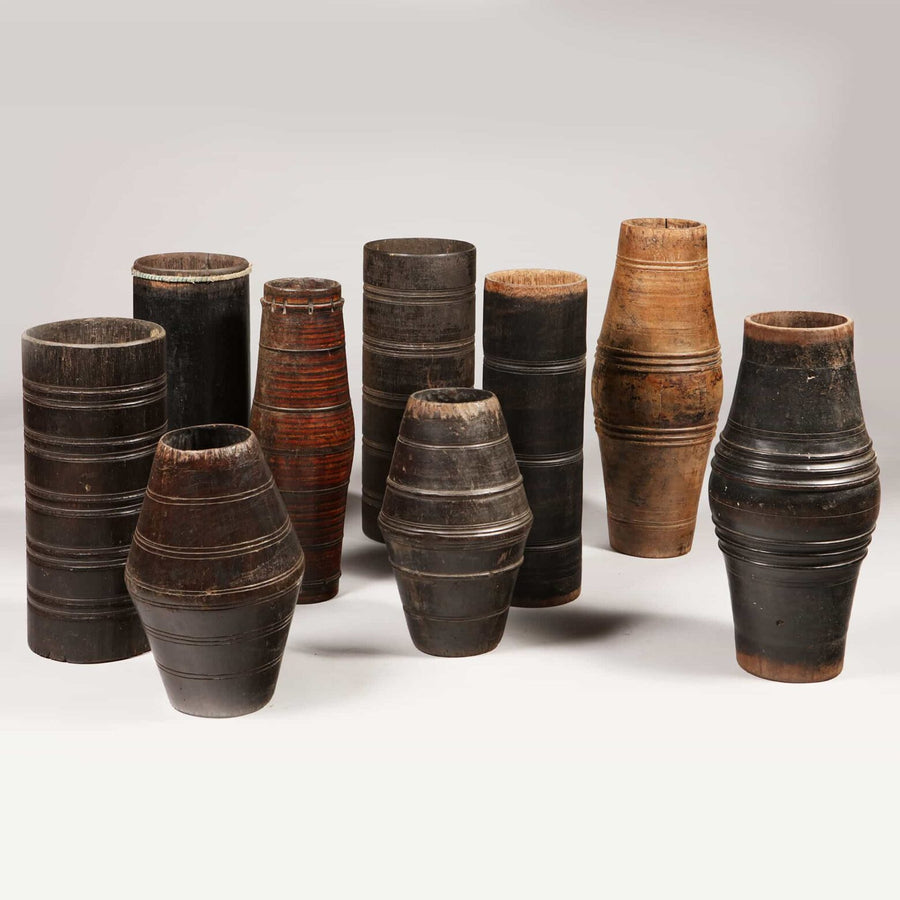
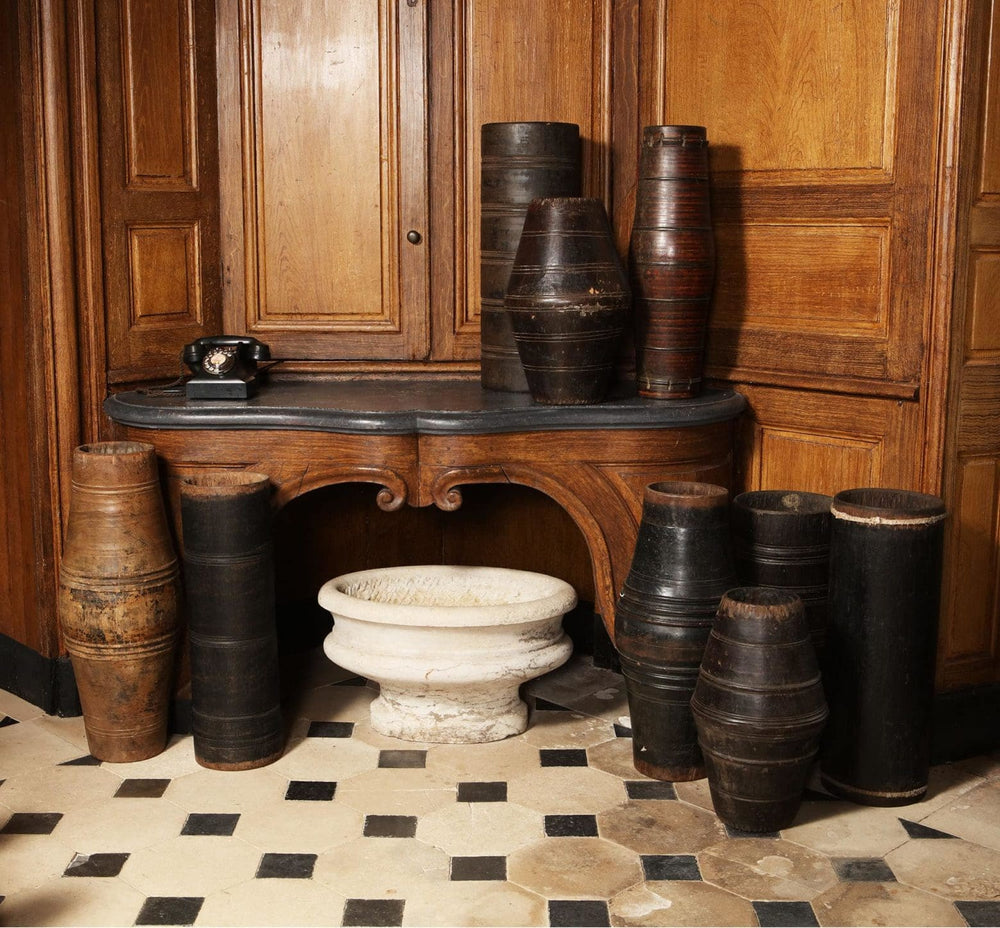
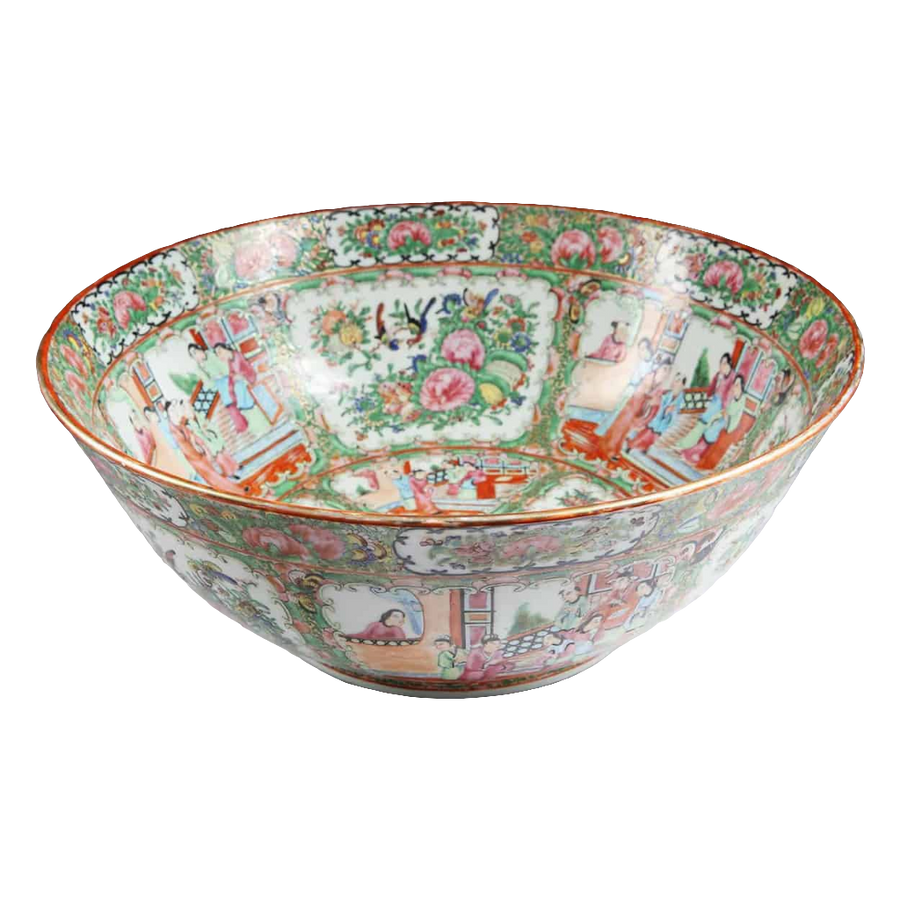
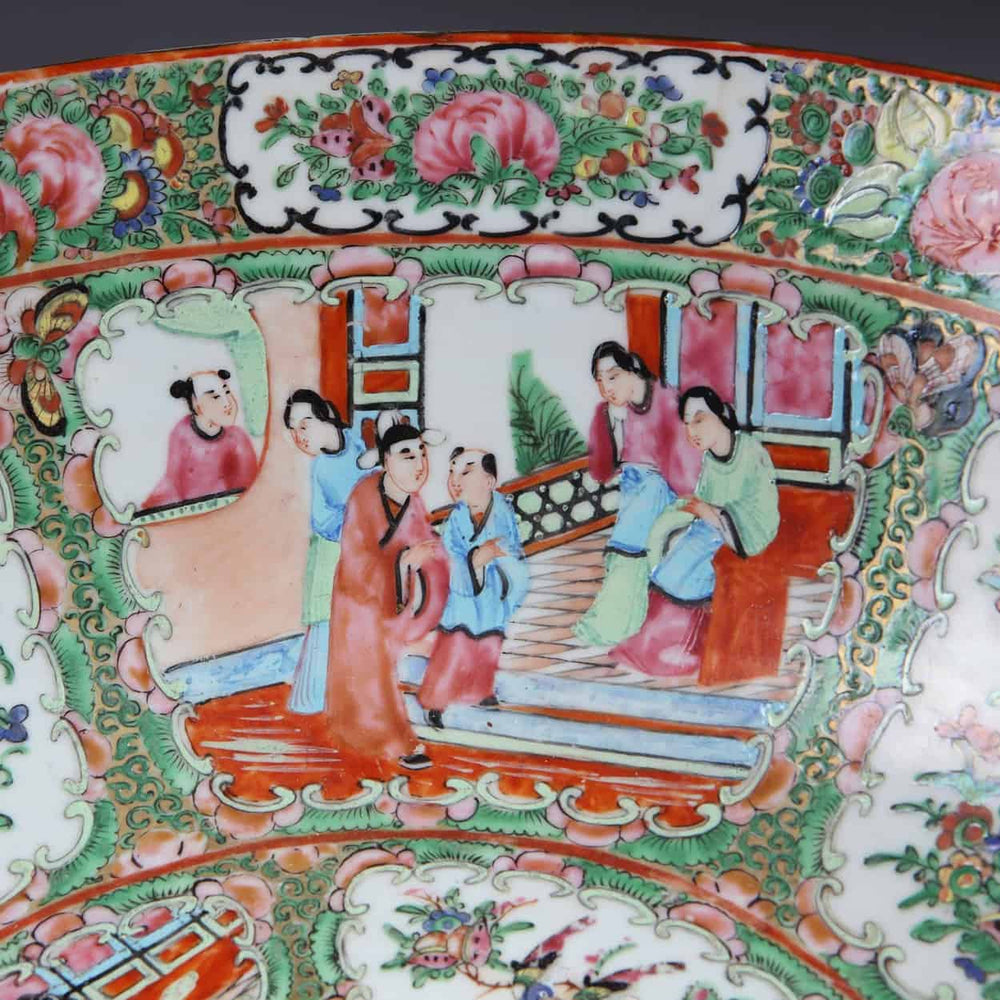
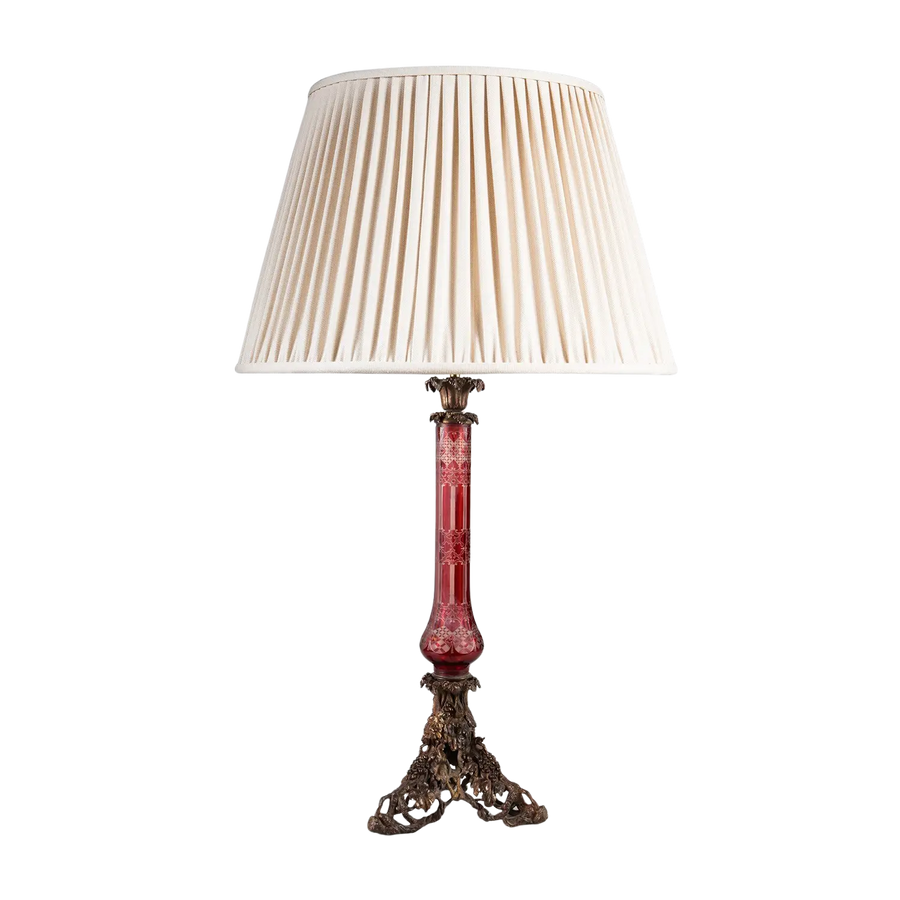
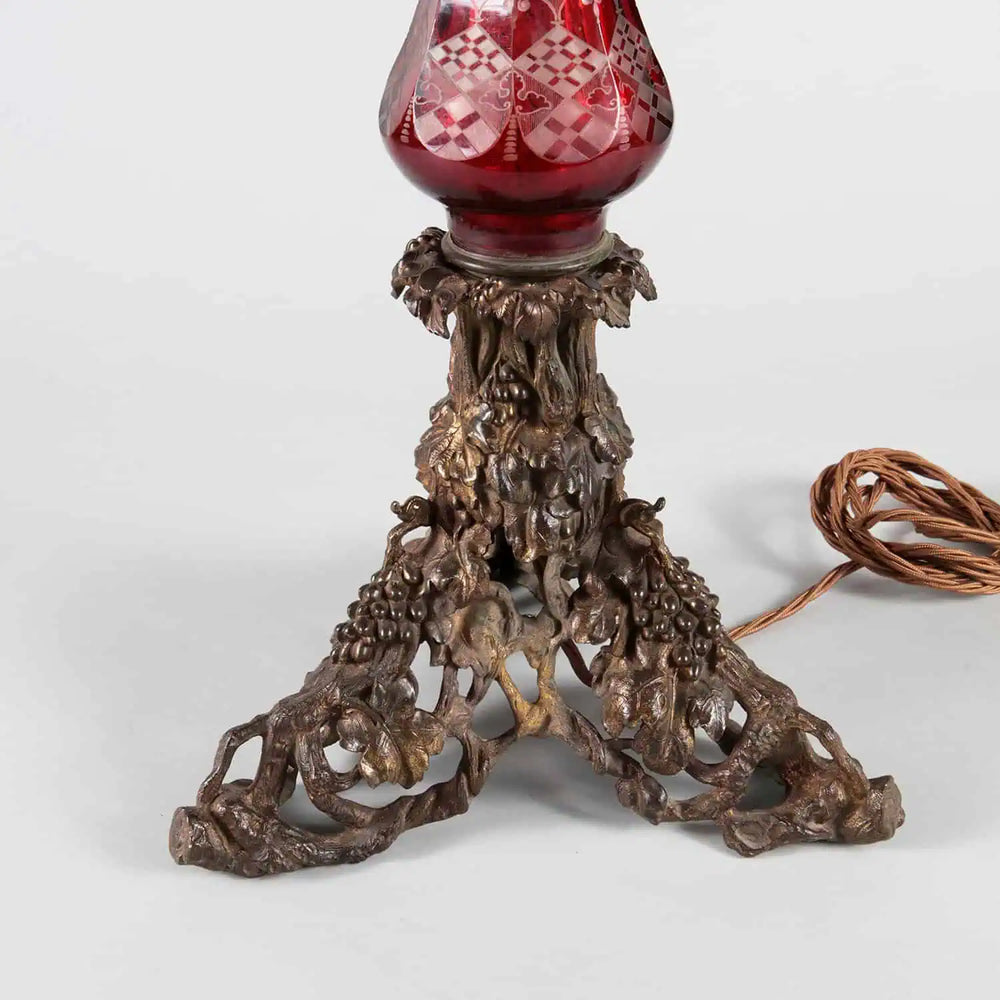
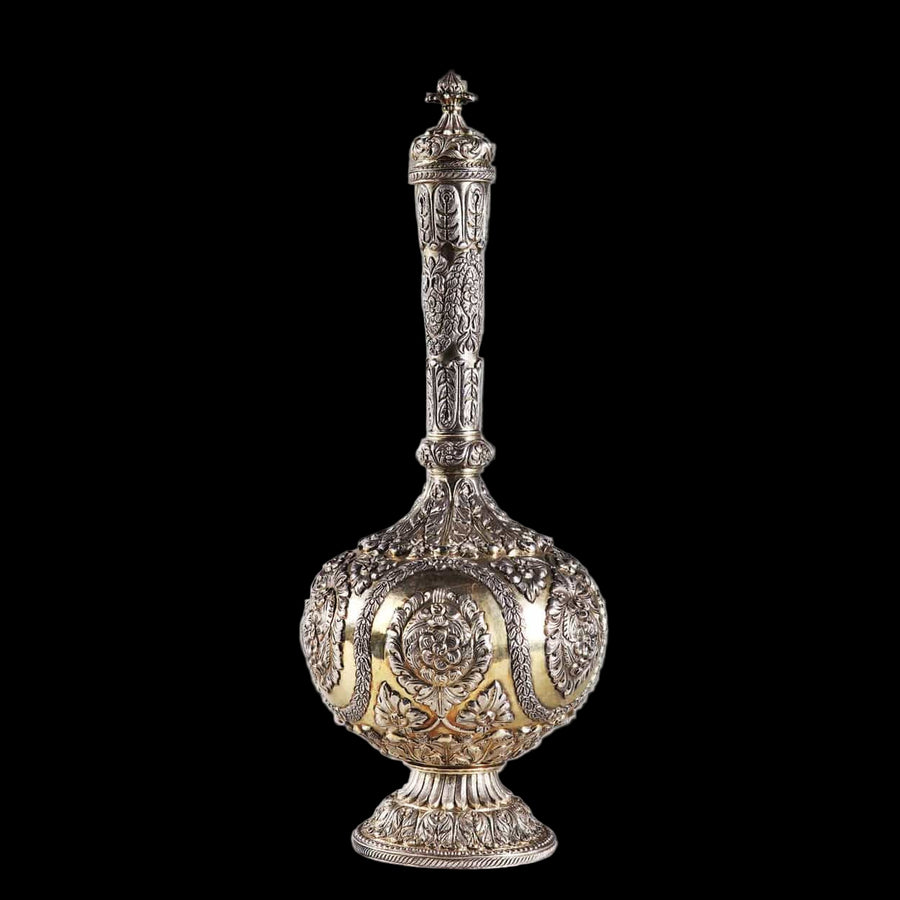
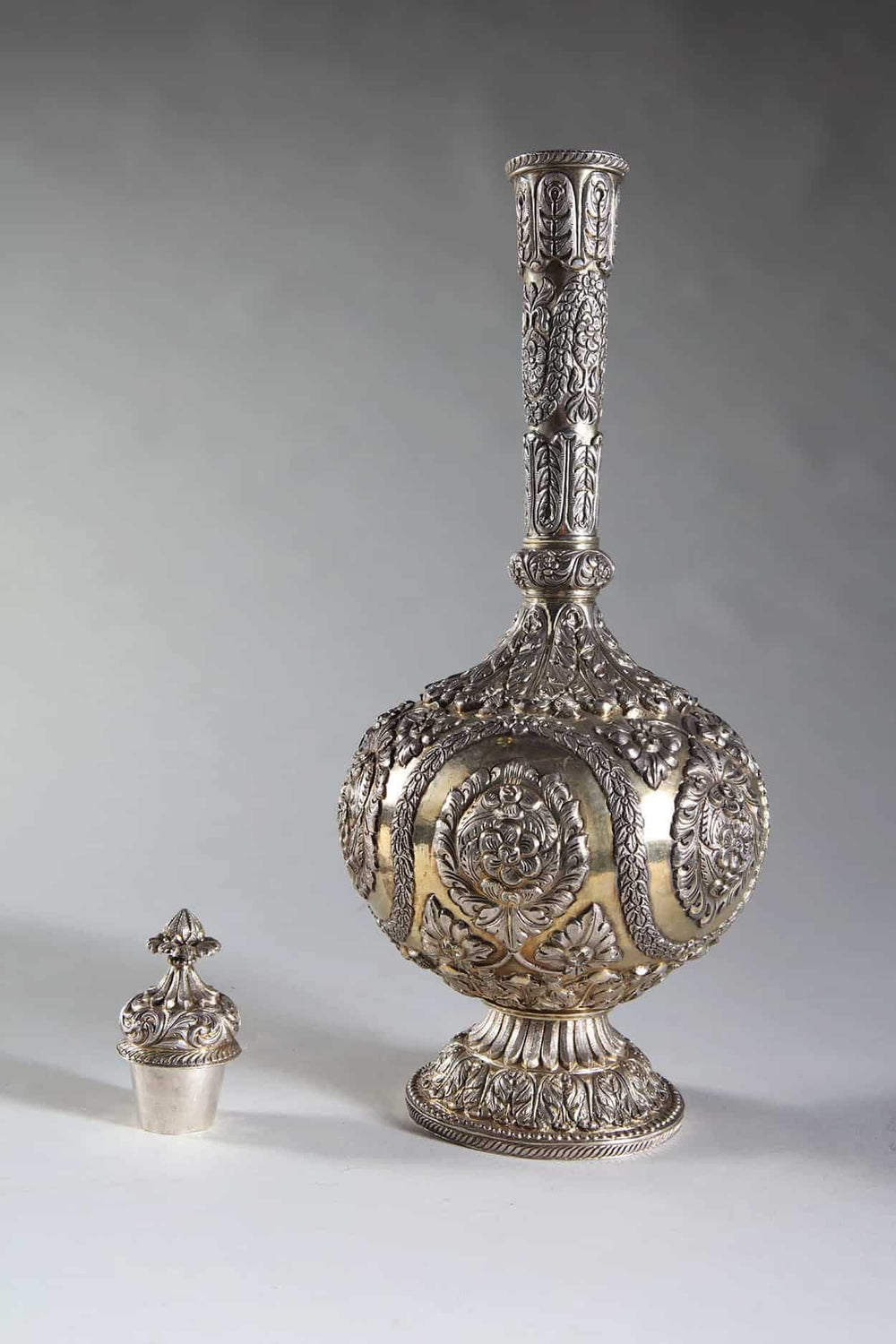
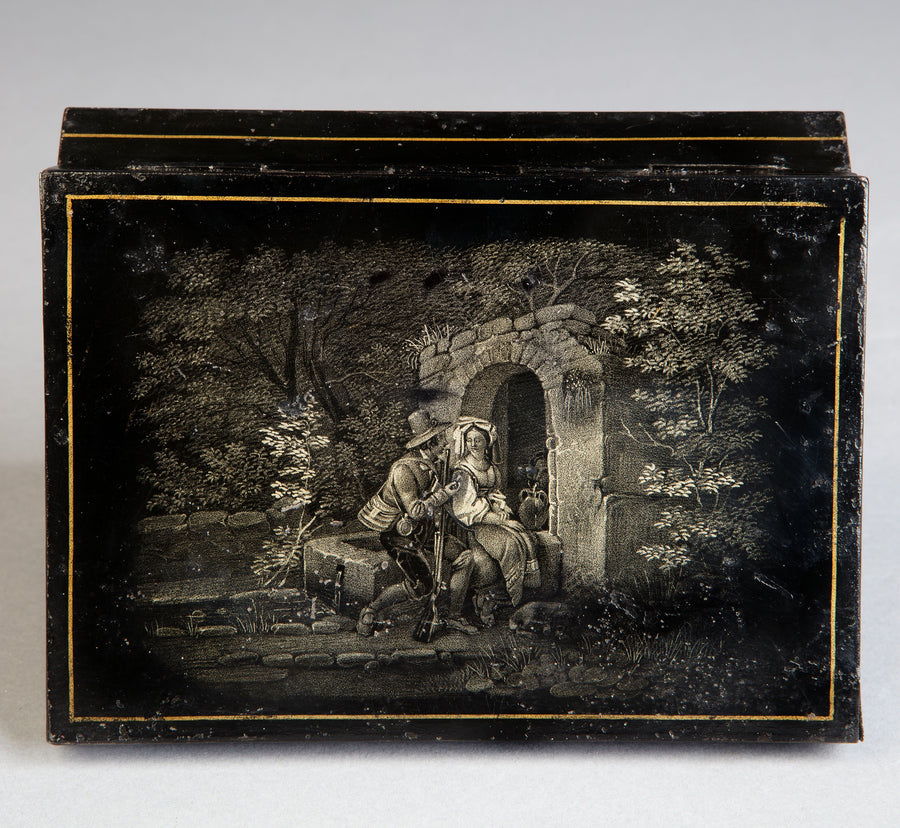
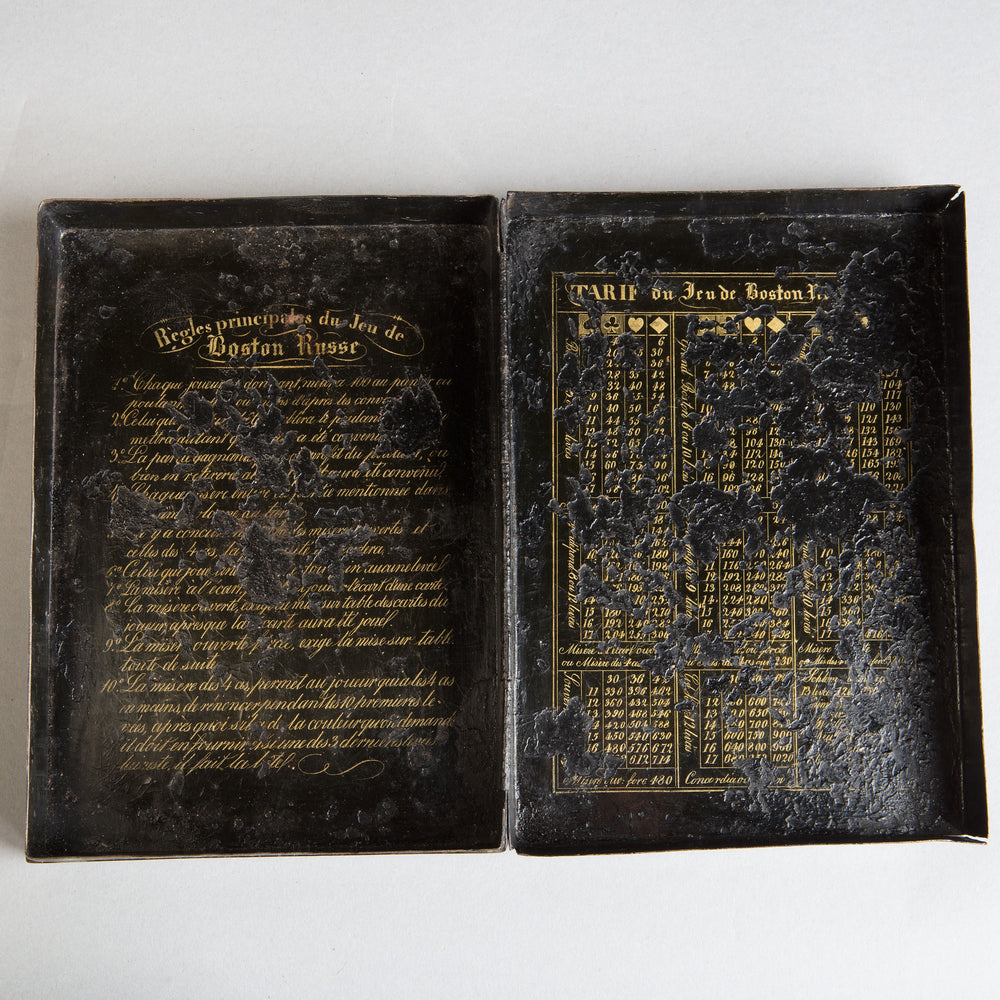
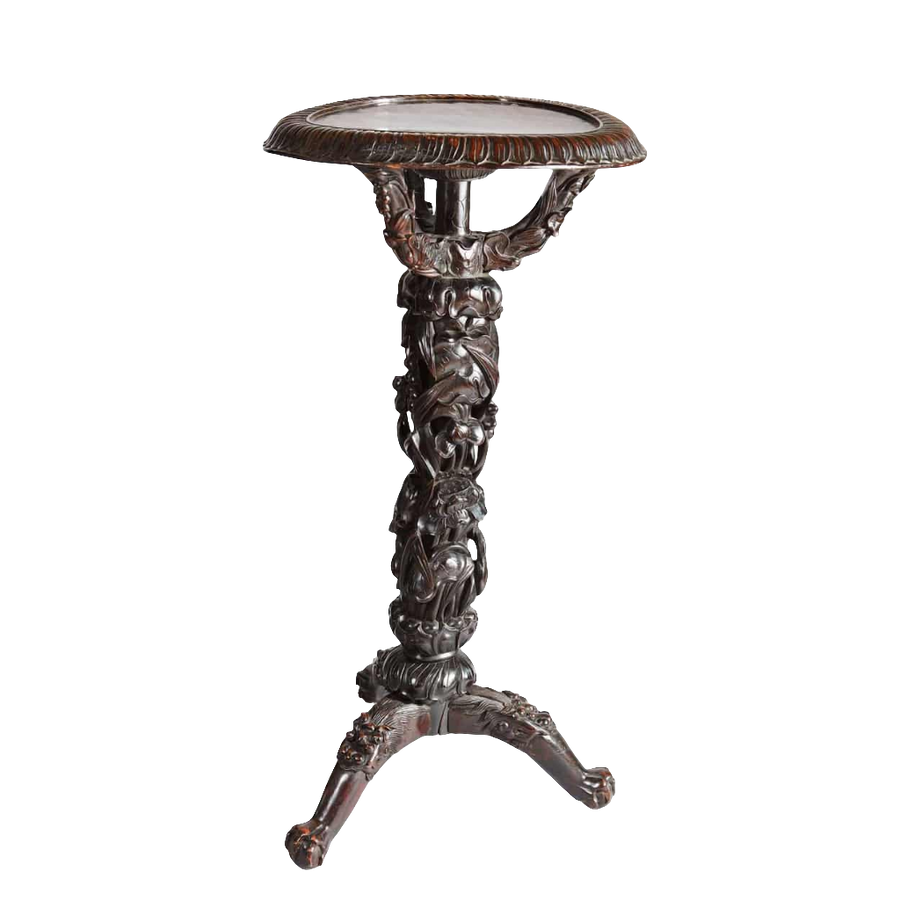
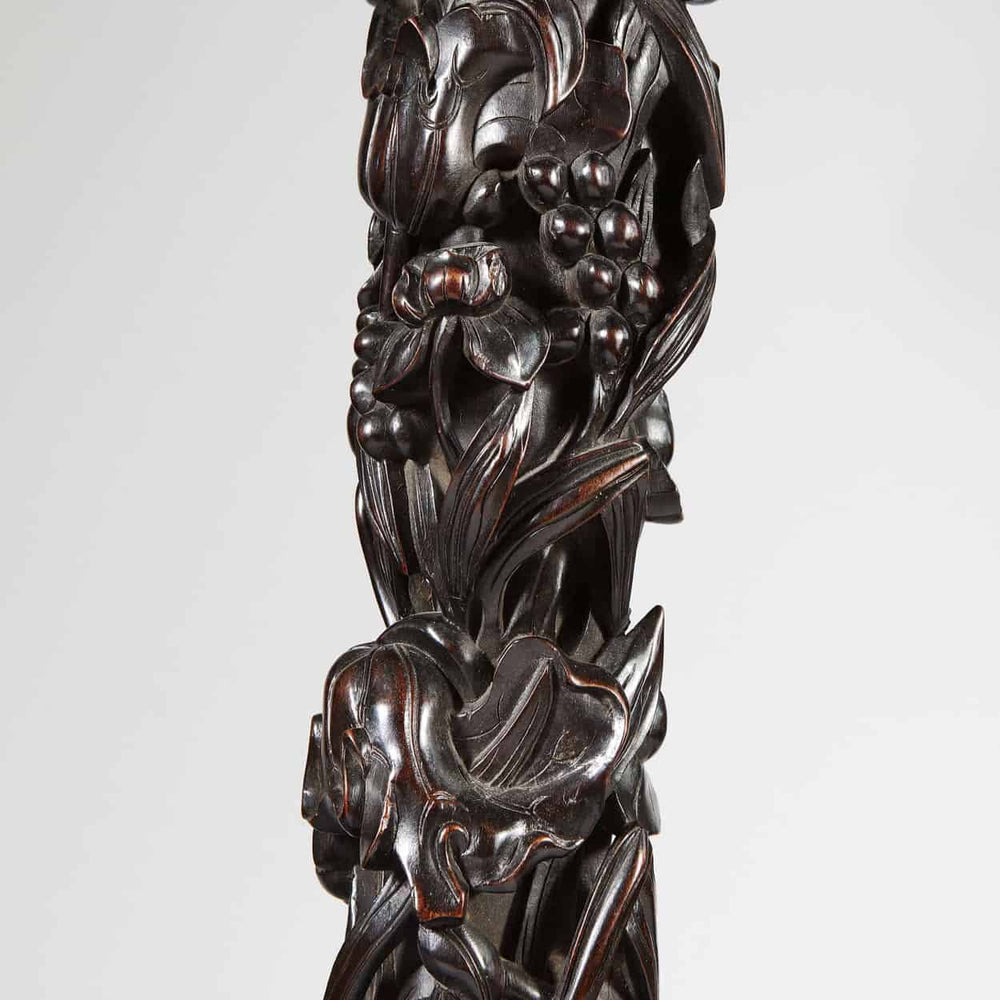
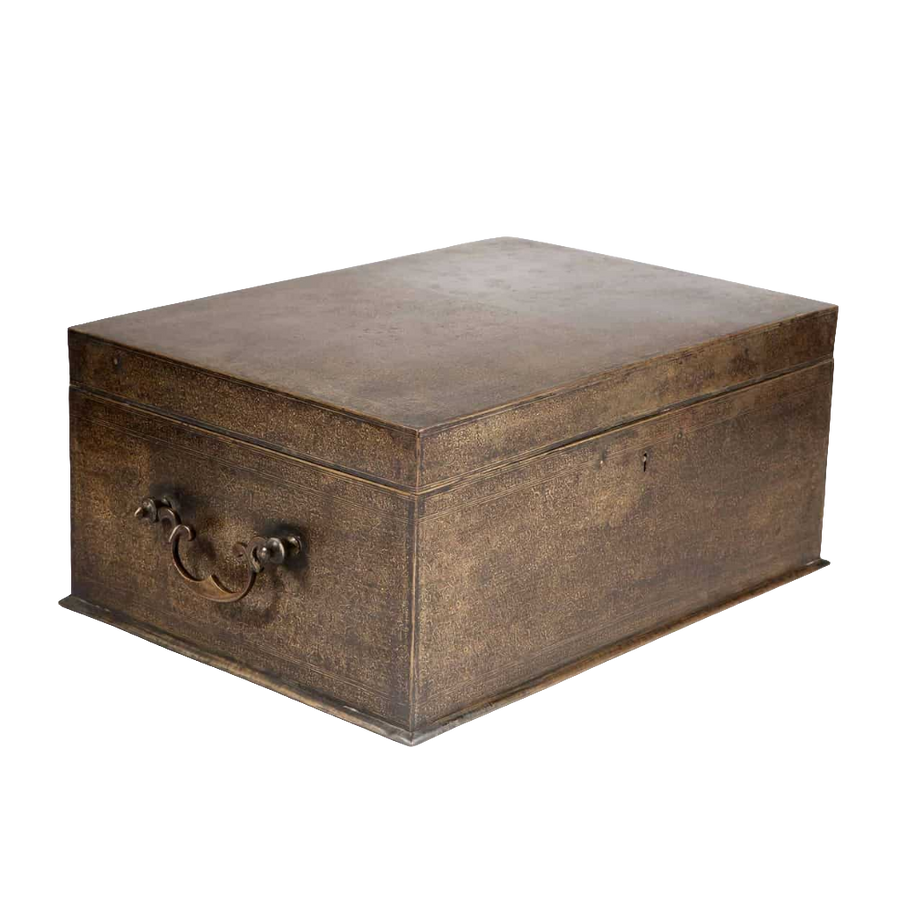
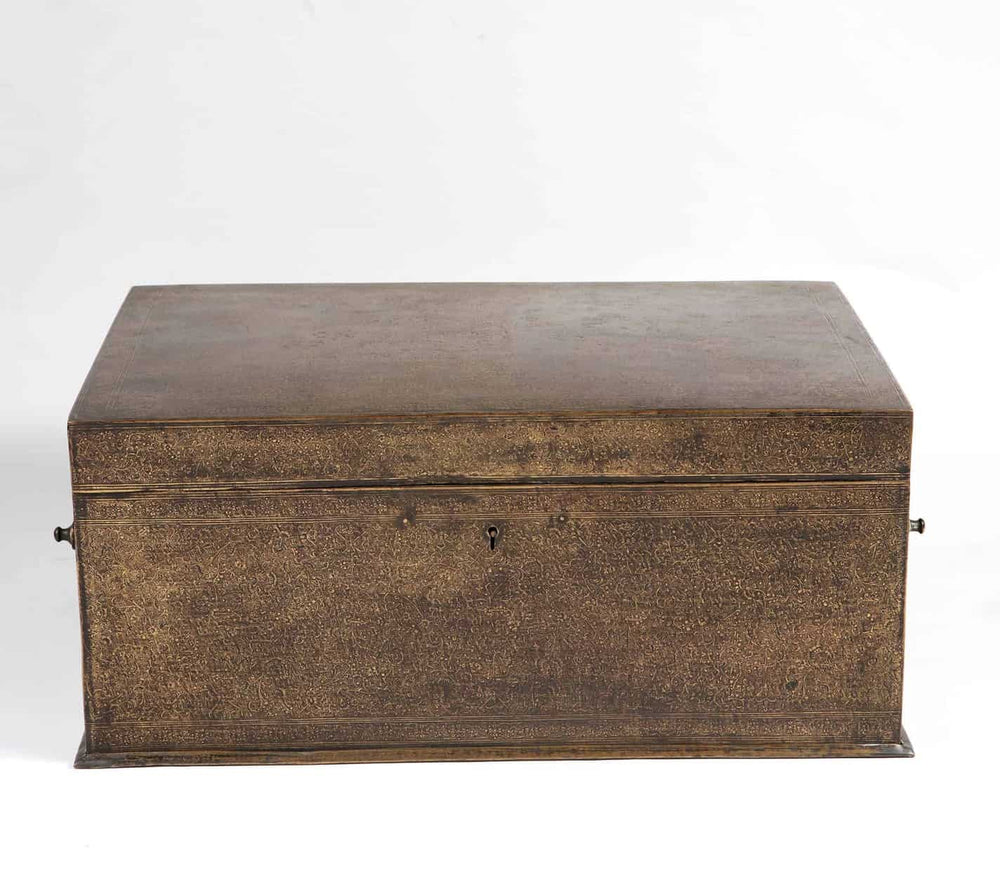
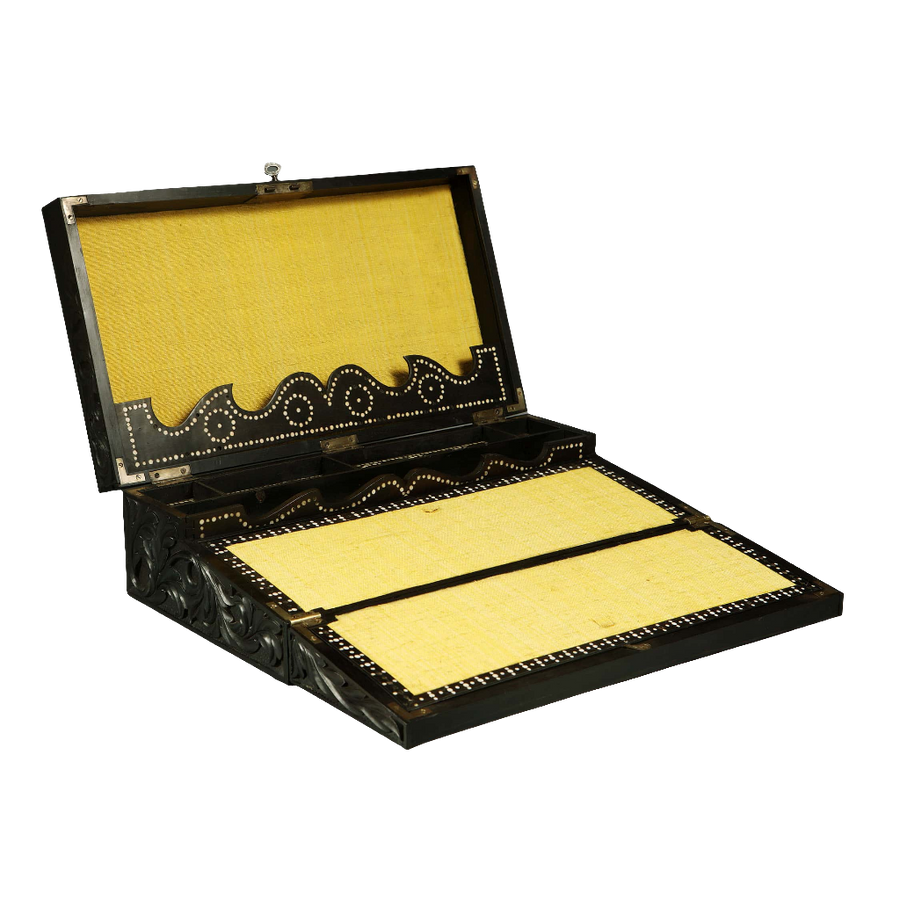
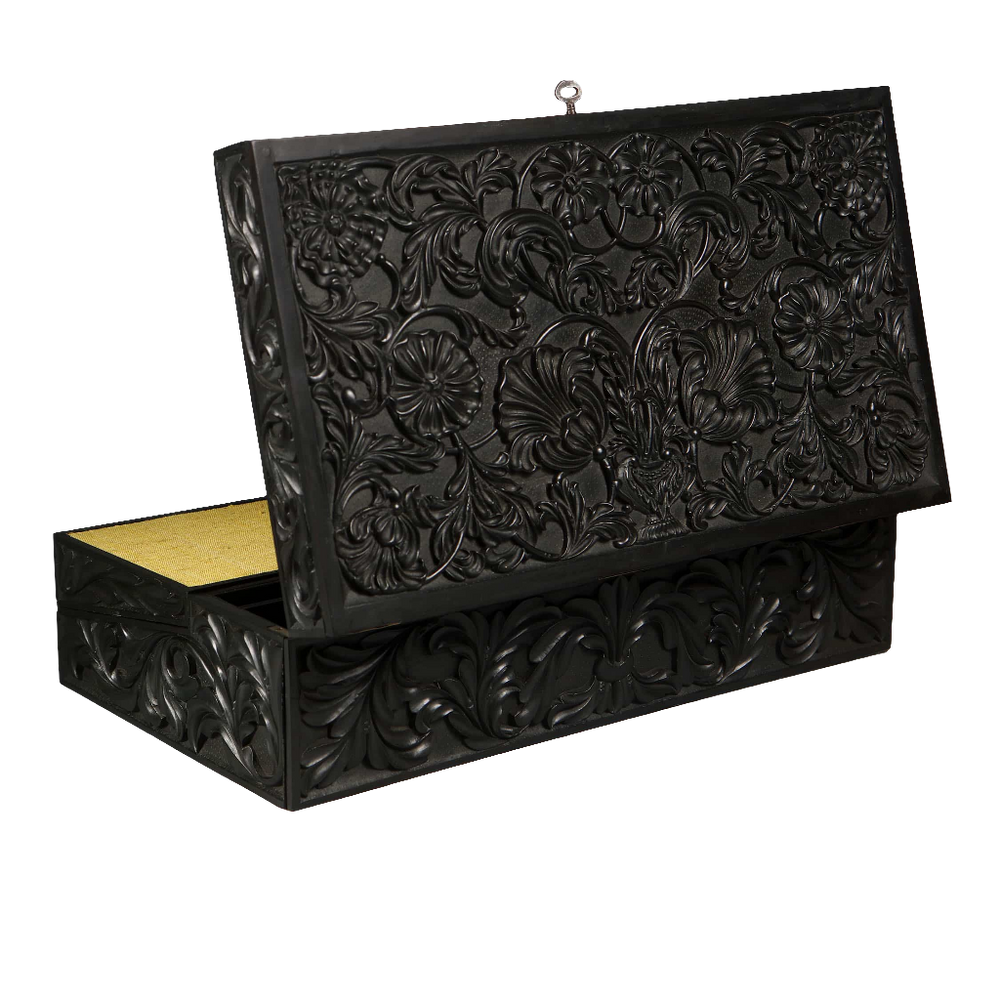
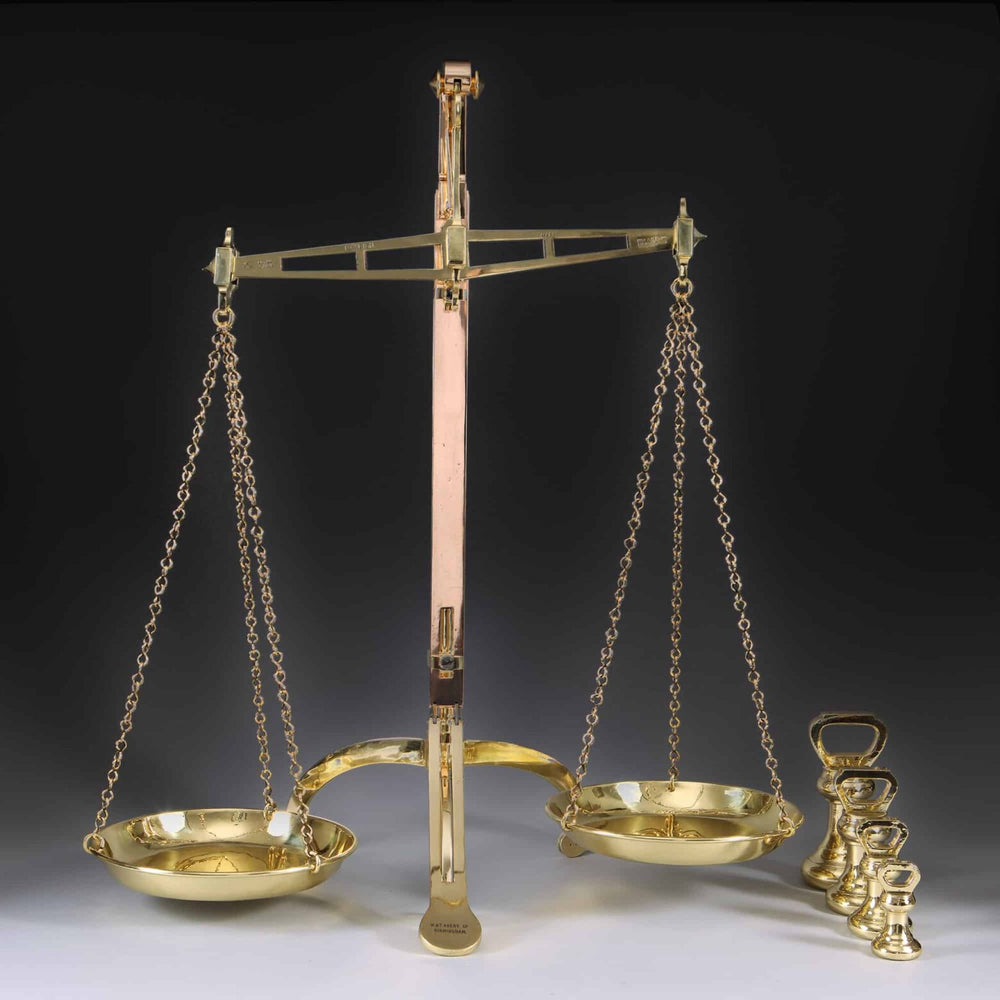
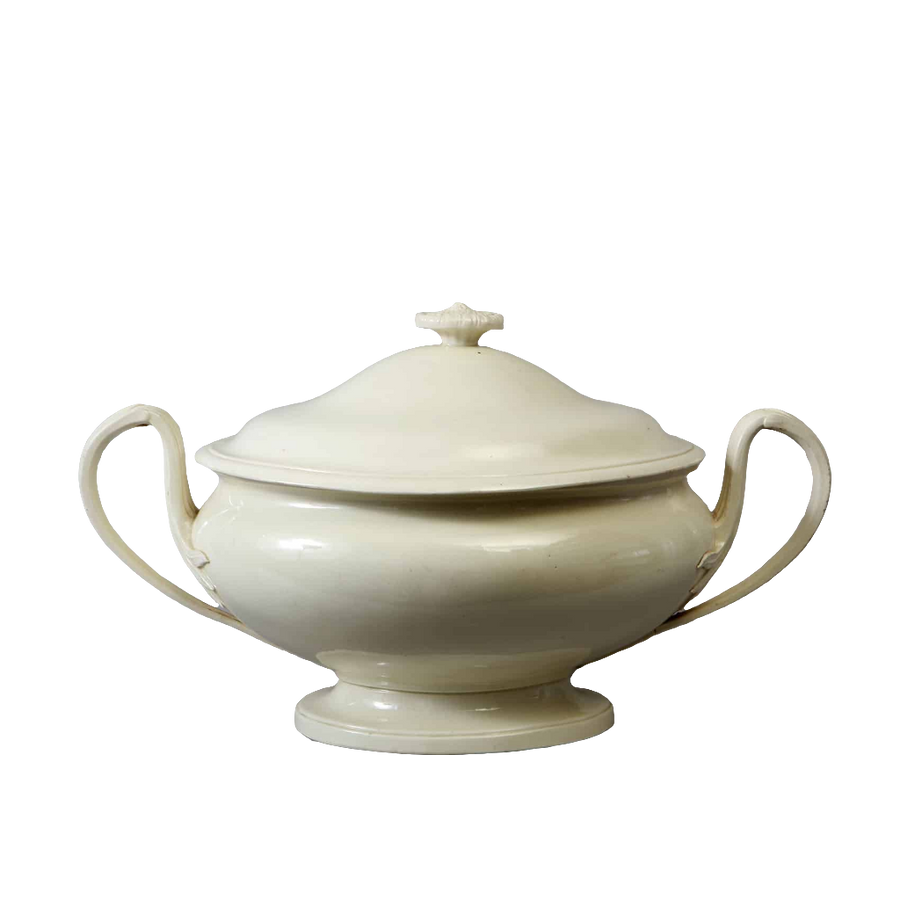
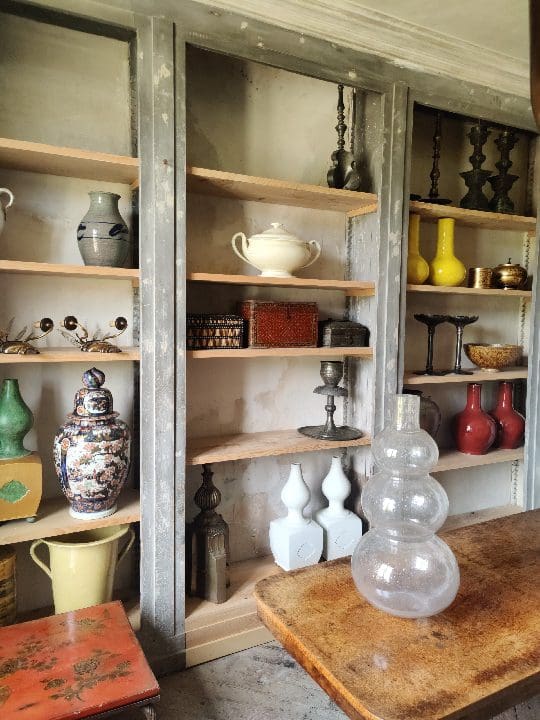
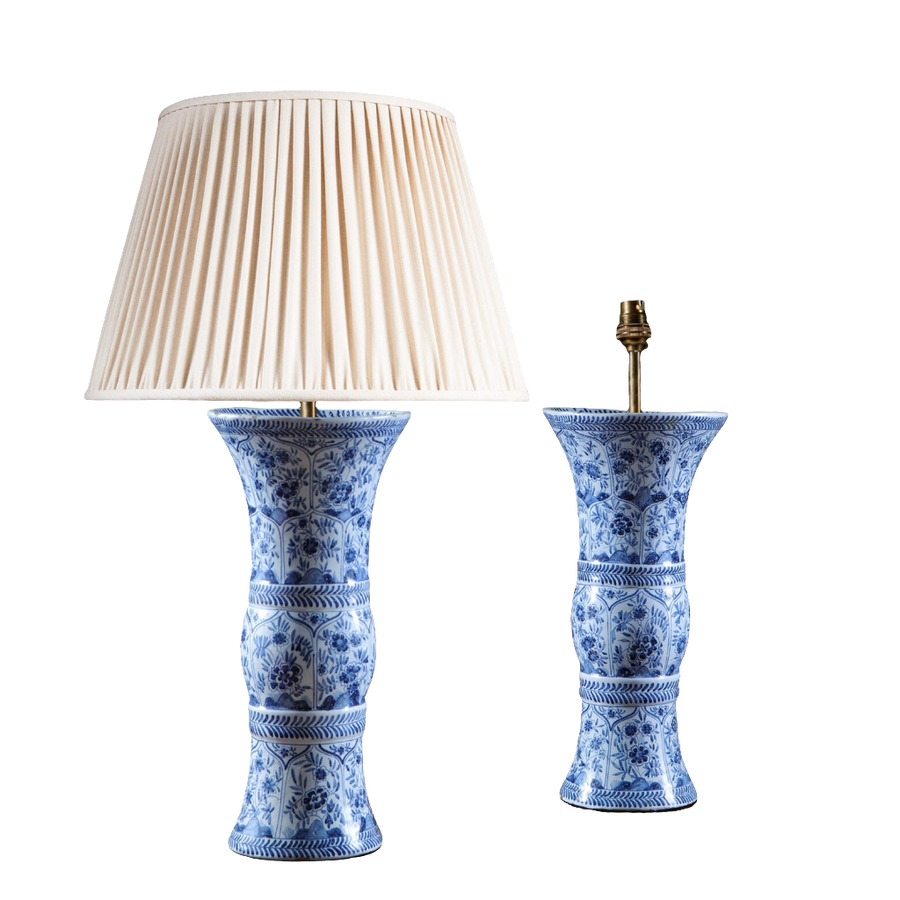
The 19th century was a period of remarkable change and artistic evolution in the world of decorative arts. A wave of stylistic movements—including Neoclassicism, Gothic Revival, Arts and Crafts, and Art Nouveau—reflected the shifting values, technological advancements, and social transformations of the time.
🏺 Neoclassicism and Revival Styles
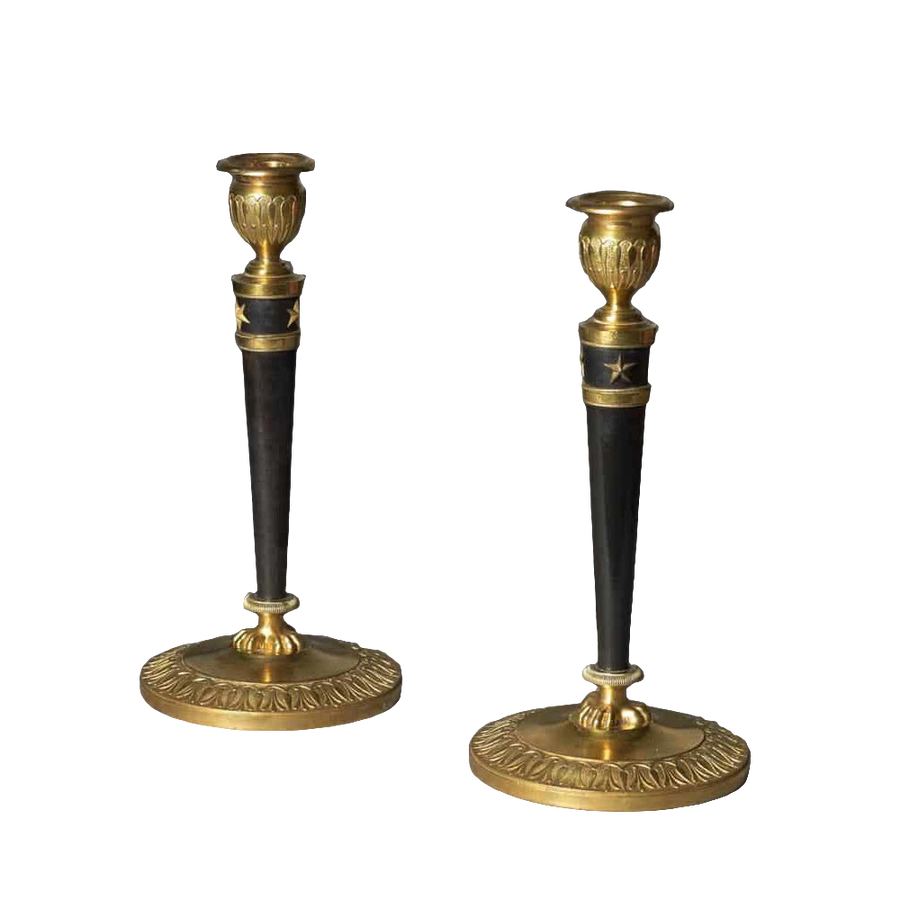
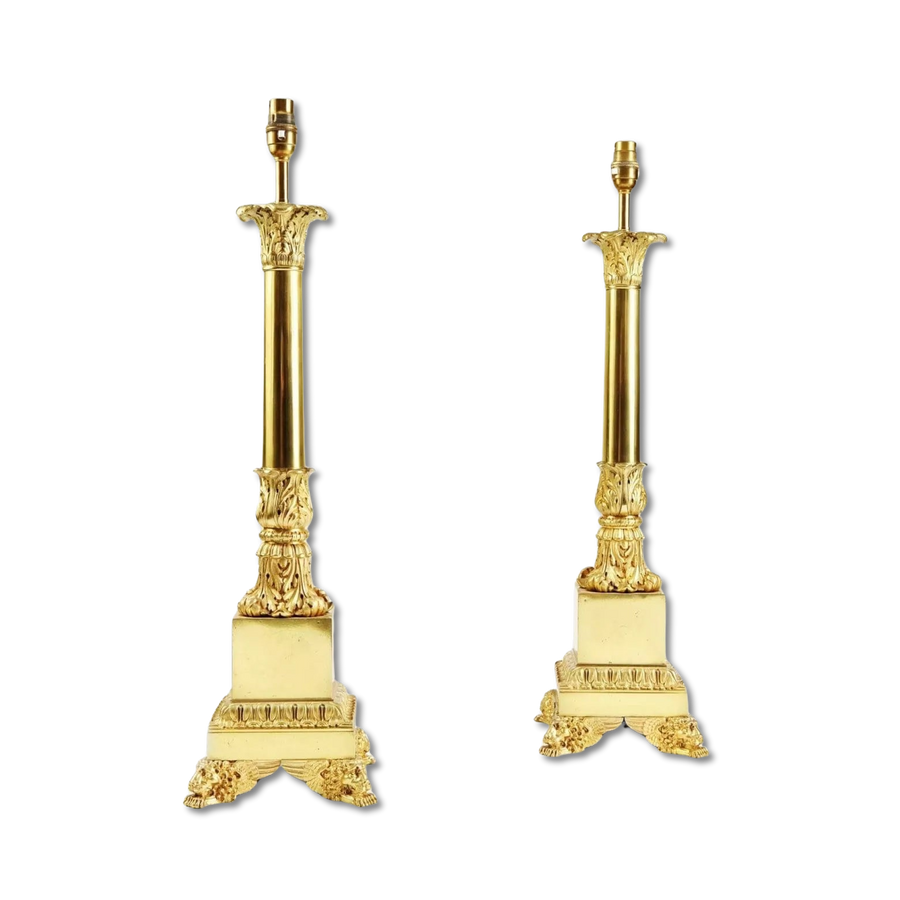
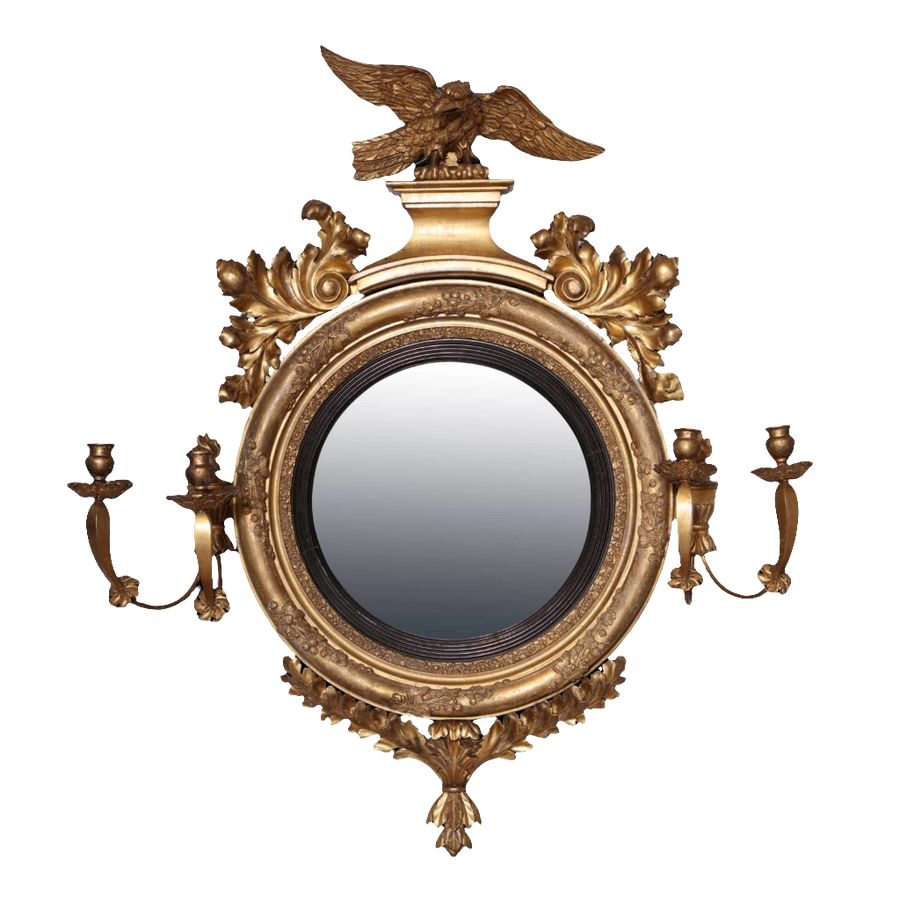
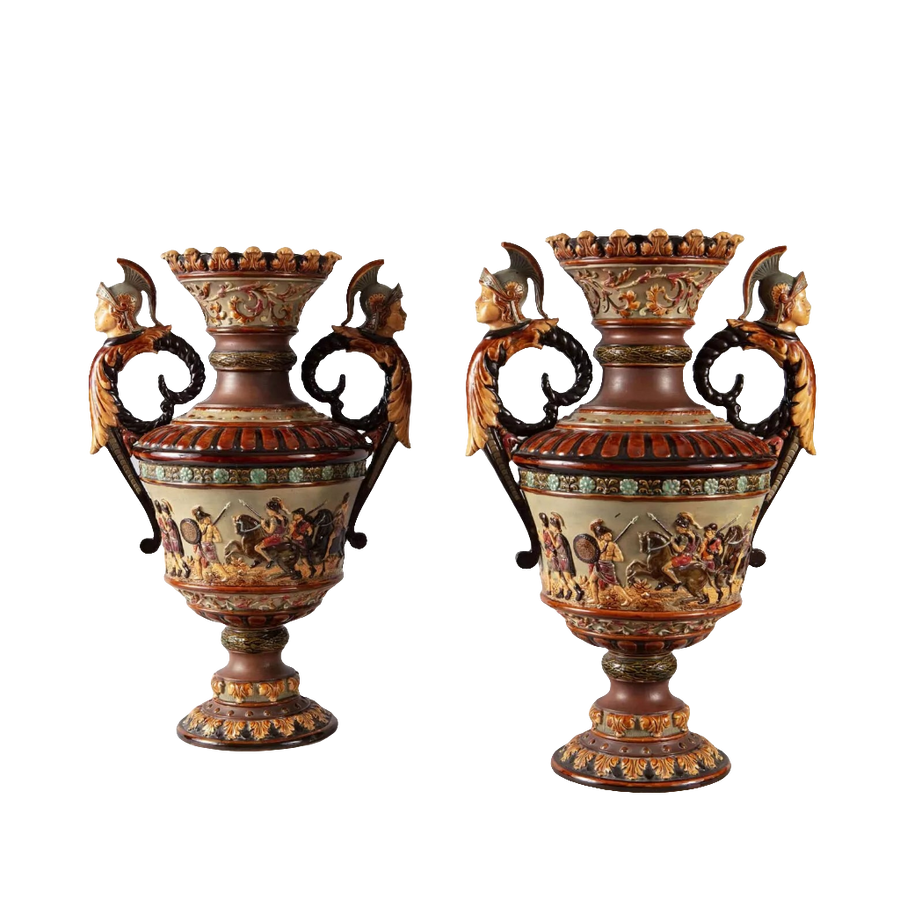
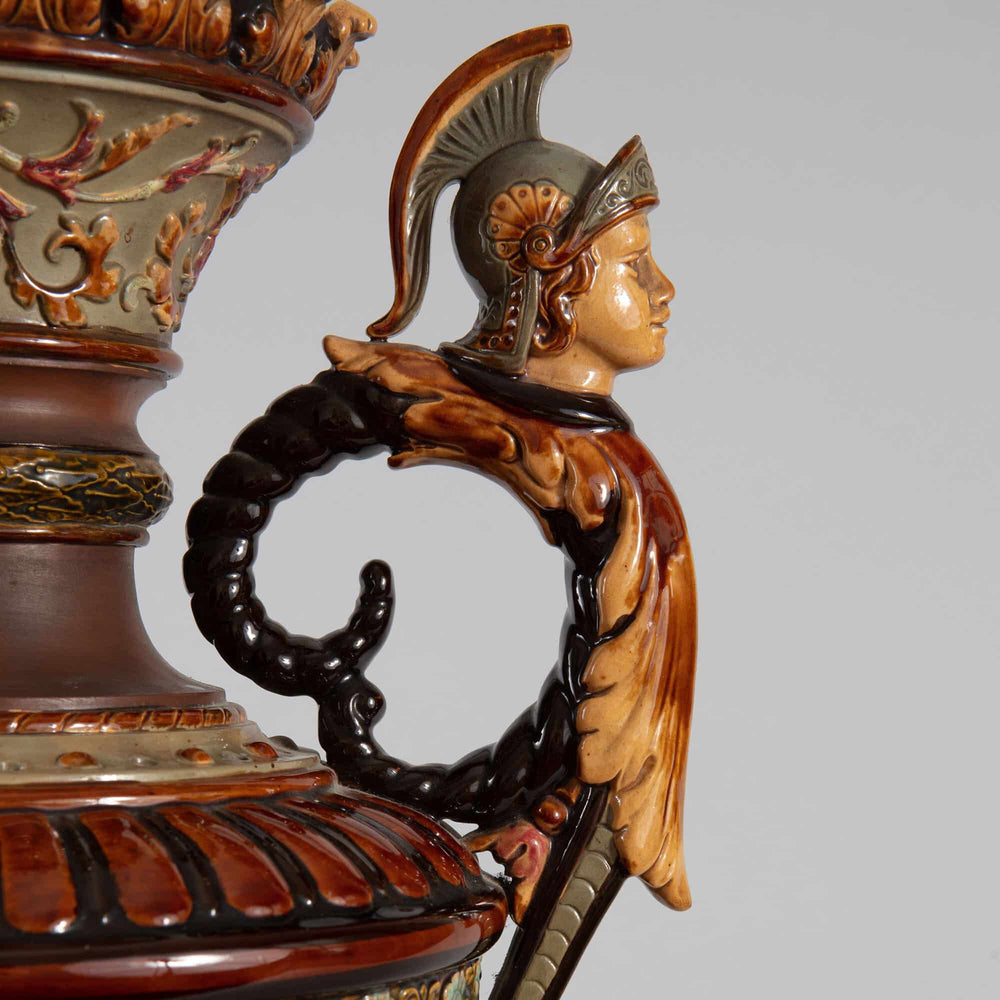
In the early 1800s, Neoclassicism dominated European design, drawing heavily from ancient Greek and Roman ideals.
-
Features: Symmetry, clean lines, and classical motifs
-
Influence: Impacted architecture, ceramics, and refined furniture forms
Running parallel, the Gothic Revival embraced medieval aesthetics:
-
Characteristics: Ornate detailing, pointed arches, and vertical emphasis
-
Iconic Example: The Houses of Parliament in London, embodying this romantic architectural return
🪑 The Arts and Crafts Movement
Emerging mid-century, the Arts and Crafts movement responded directly to industrialization.
-
Philosophy: Advocated for handcrafted quality over machine-made uniformity
-
Design Ethos: Celebrated natural forms, honest materials, and artisanal craftsmanship
-
Mediums: Furniture, textiles, and ceramics infused with organic simplicity
🌿 Art Nouveau: Nature Takes Form
Toward the close of the century, Art Nouveau redefined aesthetics across Europe.
-
Visual Language: Flowing lines, botanical inspiration, and fluid forms
-
Innovation: Integrated modern materials such as cast iron and glass
-
Applications: Seen in furnishings, jewelry, glassware, and architectural details
⚙️ Technology and Society: Forces of Change
The Industrial Revolution dramatically reshaped production and design:
-
Mass Accessibility: Decorative arts became available to wider demographics
-
New Materials: Steel, glass, and composite techniques broadened creative possibilities
-
Educational Institutions: Institutions like the Royal College of Art and École des Beaux-Arts elevated design standards and encouraged experimentation
🧵 Conclusion: Bridging Eras
The 19th century's decorative arts served as a bridge between tradition and innovation. Each movement brought its own response to the cultural and technological shifts of the age, leaving behind a rich legacy that continues to influence artists, designers, and craftsmen today.
The 19th century was a period of remarkable change and artistic evolution in the world of decorative arts. A wave of stylistic movements—including Neoclassicism, Gothic Revival, Arts and Crafts, and Art Nouveau—reflected the shifting values, technological advancements, and social transformations of the time.
🏺 Neoclassicism and Revival Styles
In the early 1800s, Neoclassicism dominated European design, drawing heavily from ancient Greek and Roman ideals.
-
Features: Symmetry, clean lines, and classical motifs
-
Influence: Impacted architecture, ceramics, and refined furniture forms
Running parallel, the Gothic Revival embraced medieval aesthetics:
-
Characteristics: Ornate detailing, pointed arches, and vertical emphasis
-
Iconic Example: The Houses of Parliament in London, embodying this romantic architectural return
🪑 The Arts and Crafts Movement
Emerging mid-century, the Arts and Crafts movement responded directly to industrialization.
-
Philosophy: Advocated for handcrafted quality over machine-made uniformity
-
Design Ethos: Celebrated natural forms, honest materials, and artisanal craftsmanship
-
Mediums: Furniture, textiles, and ceramics infused with organic simplicity
🌿 Art Nouveau: Nature Takes Form
Toward the close of the century, Art Nouveau redefined aesthetics across Europe.
-
Visual Language: Flowing lines, botanical inspiration, and fluid forms
-
Innovation: Integrated modern materials such as cast iron and glass
-
Applications: Seen in furnishings, jewelry, glassware, and architectural details
⚙️ Technology and Society: Forces of Change
The Industrial Revolution dramatically reshaped production and design:
-
Mass Accessibility: Decorative arts became available to wider demographics
-
New Materials: Steel, glass, and composite techniques broadened creative possibilities
-
Educational Institutions: Institutions like the Royal College of Art and École des Beaux-Arts elevated design standards and encouraged experimentation
🧵 Conclusion: Bridging Eras
The 19th century's decorative arts served as a bridge between tradition and innovation. Each movement brought its own response to the cultural and technological shifts of the age, leaving behind a rich legacy that continues to influence artists, designers, and craftsmen today.
Read More