


England and the Decorative Arts in the 18th and 19th Centuries

171 products

171 products
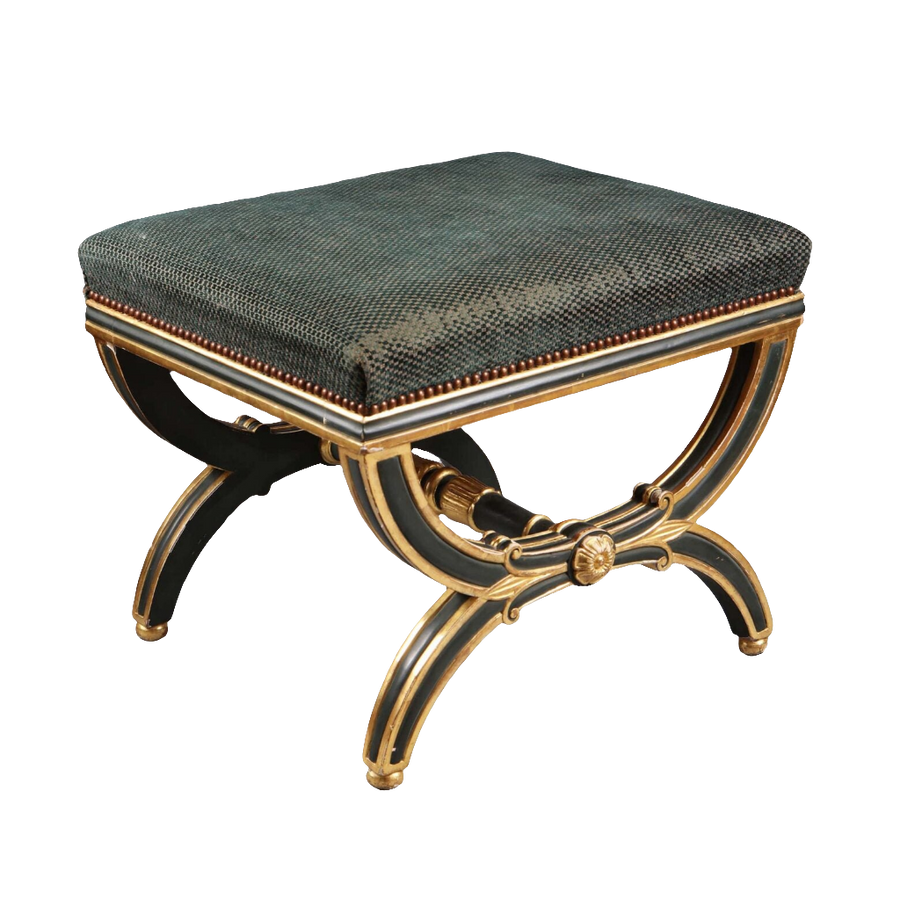
English Regency parcel gilt X frame stool with upholstered seat by Nicholas Wells Antiques, elegant early-19th century design
Regency X Frame Parcel Gilt Stool
Nicholas Wells Antiques
Register / Login to view prices
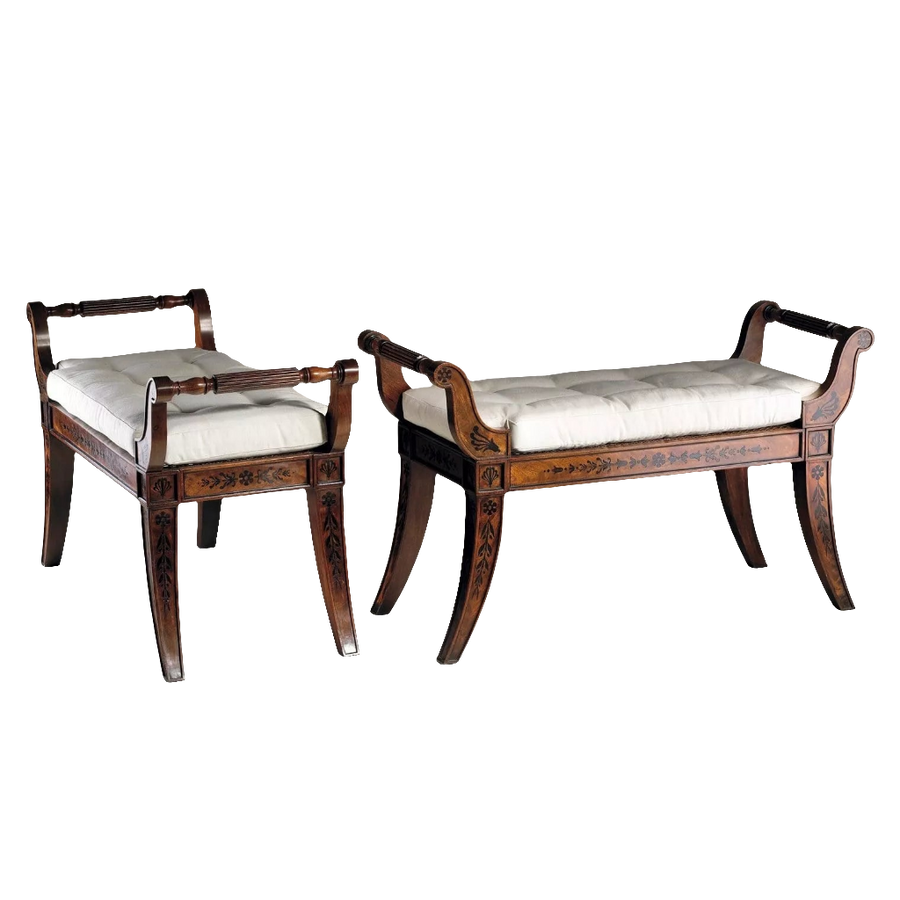
Pair of Regency mahogany window seats with white cushions, attributed to George Bullock, from Collection CK20.
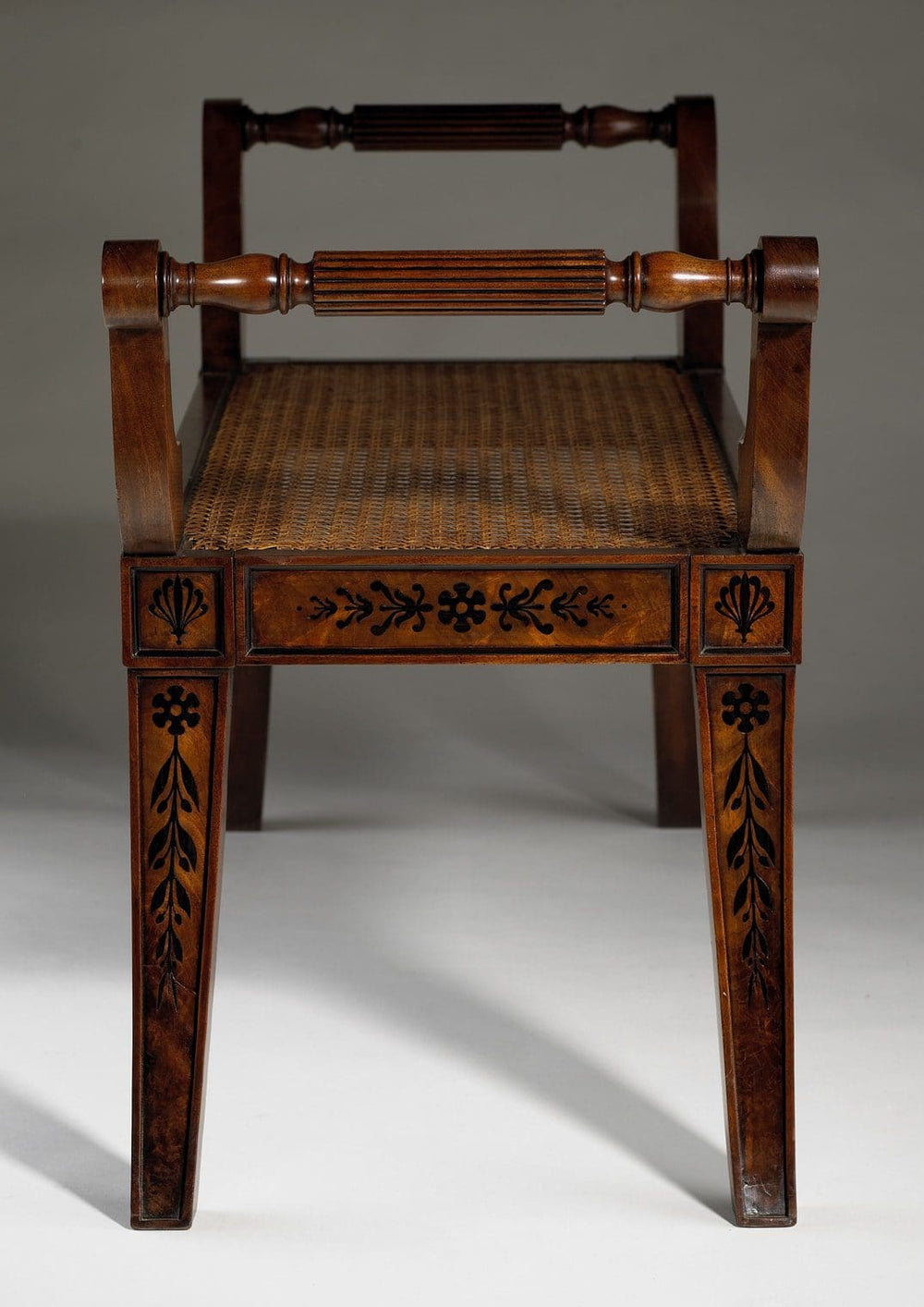
Regency-style mahogany window seat with intricate carvings attributed to George Bullock Collection CK20
Pair of Window Seats attributed to George Bullock
Collection CK20
Register / Login to view prices
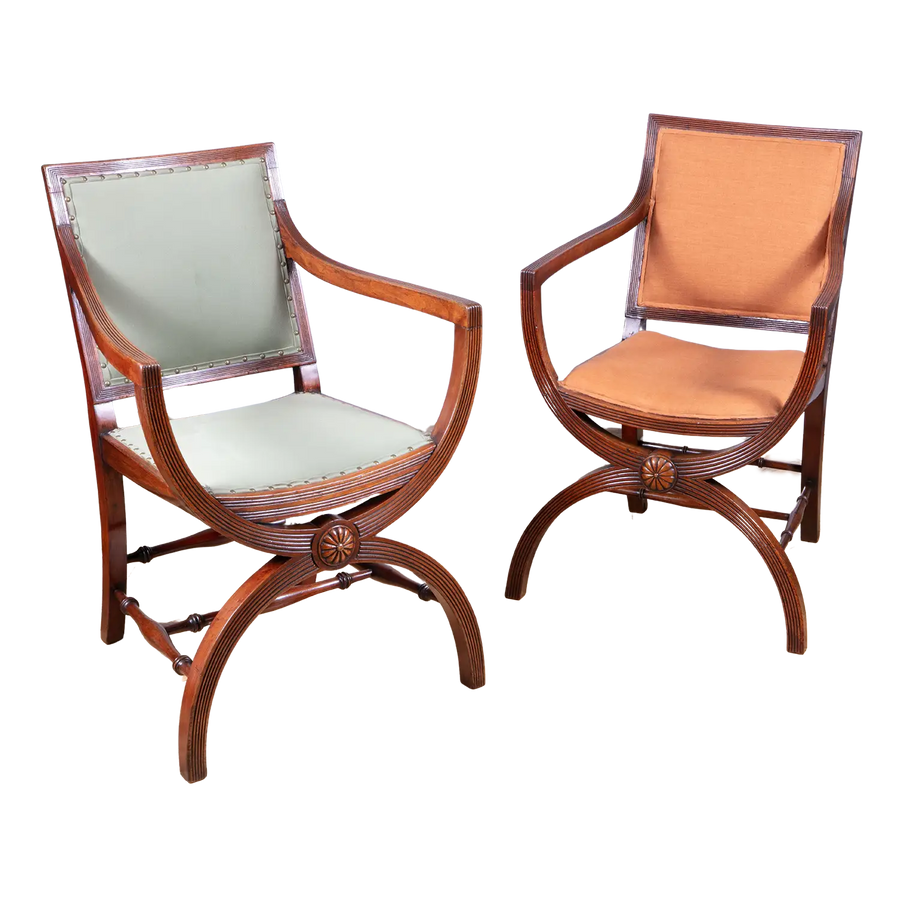
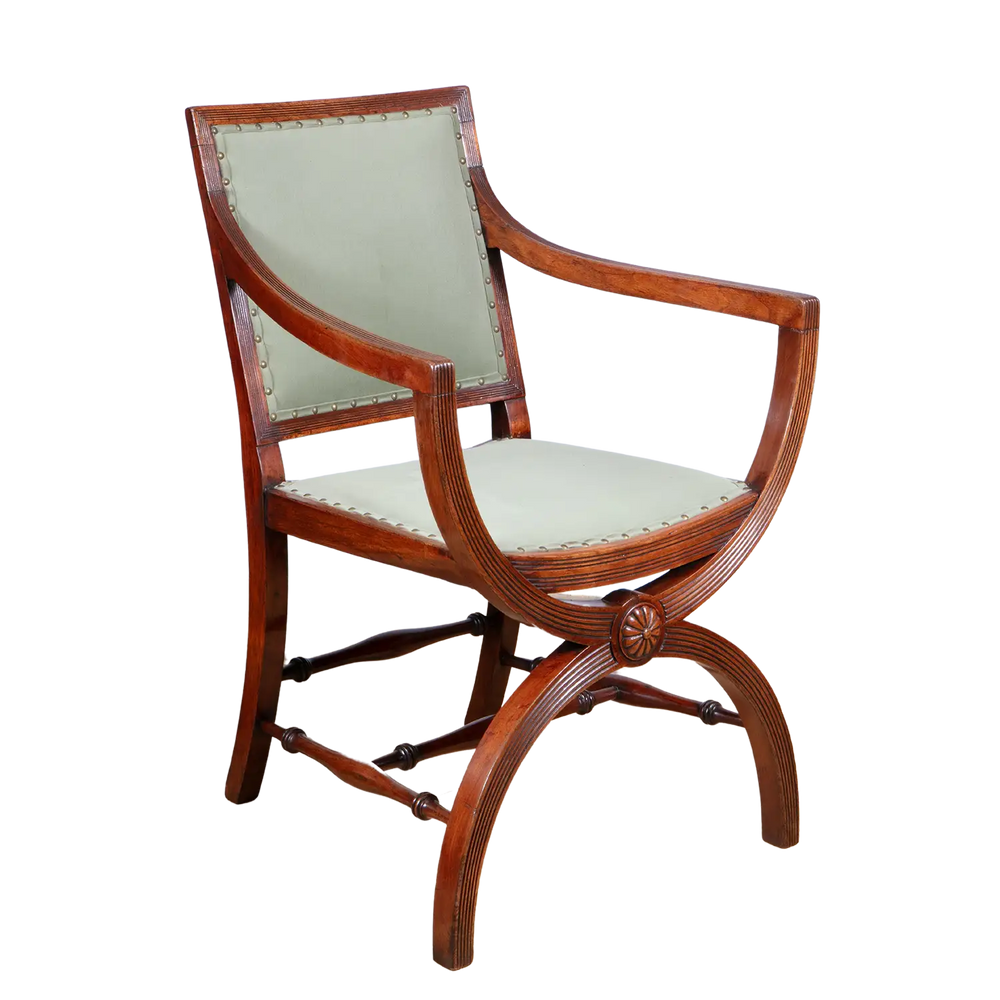
Near pair of Regency mahogany X frame chairs with upholstered seats by Collection CK20, circa 1810 England.
Regency mahogany X frame chair with elegant curved arms and upholstered seat by Collection CK20, circa 1810 England.
Regency Mahogany X Frame Chairs – A Near Pair
Collection CK20
Register / Login to view prices
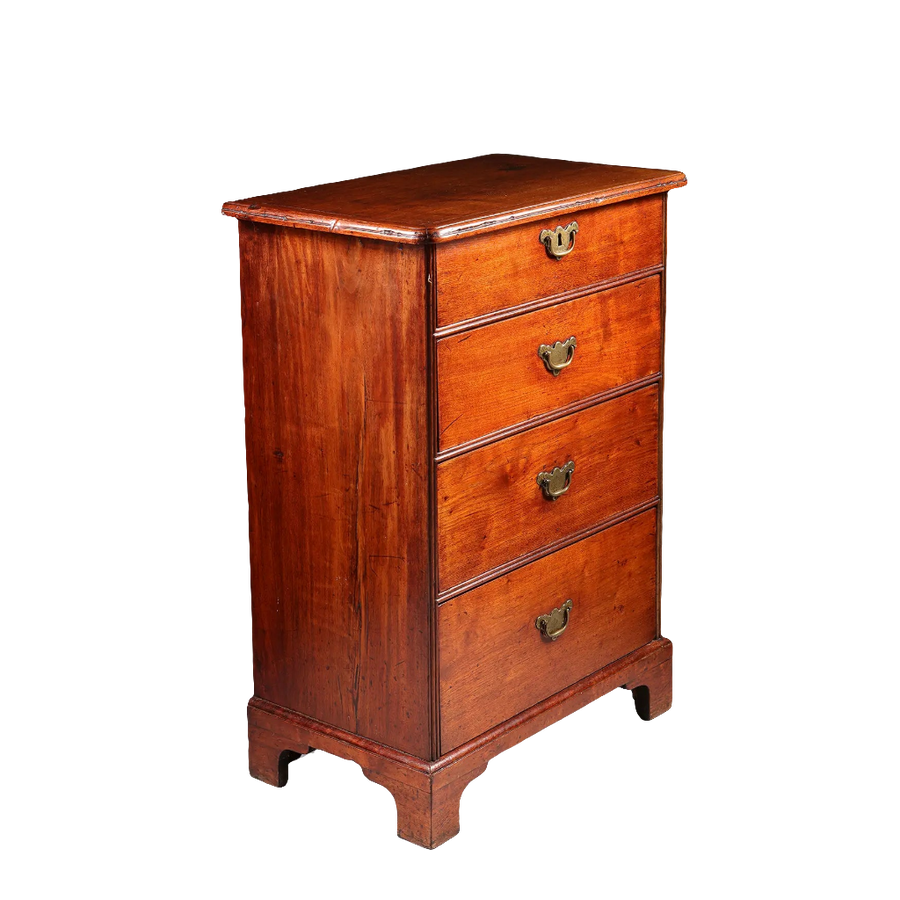
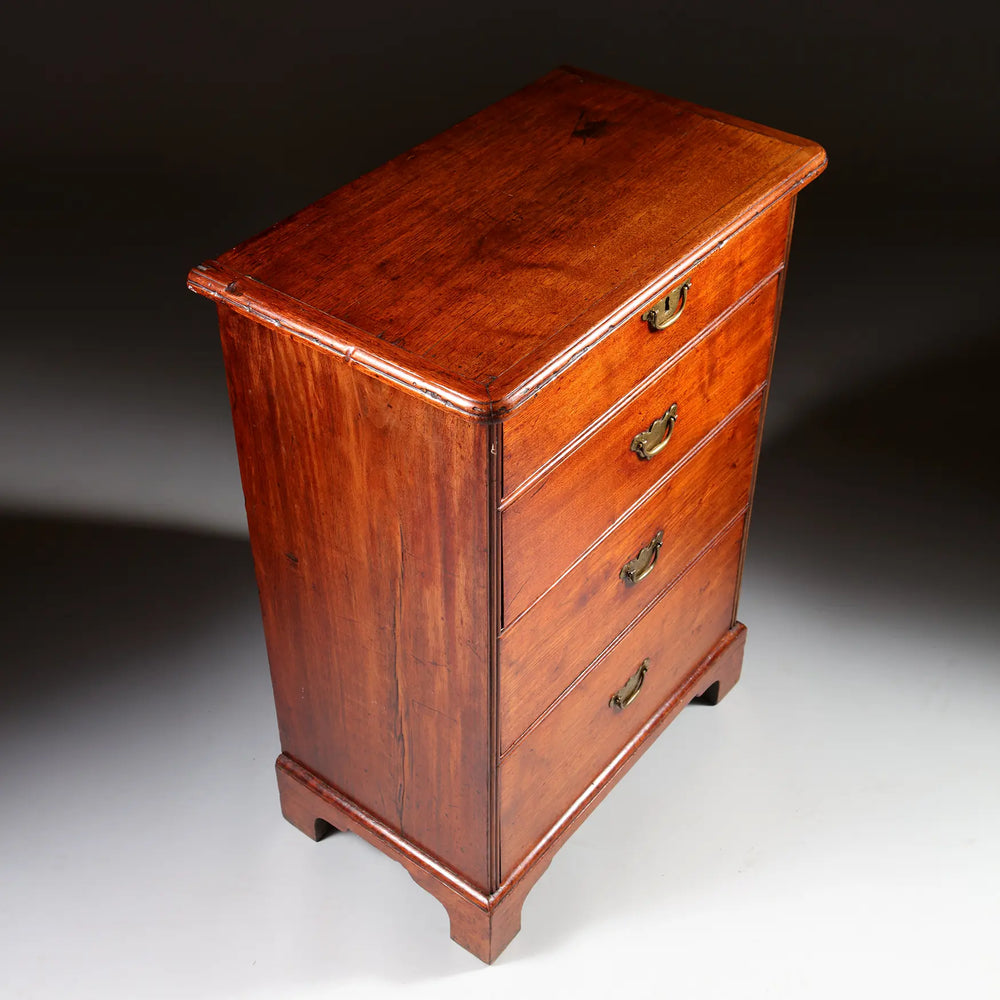
George I Pedestal Chest of Drawers in mahogany with four brass-handled drawers and ogee bracket feet.
George I Pedestal Chest of Drawers in mahogany with four brass-handled drawers and ogee bracket feet, circa 1725.
George I Pedestal Chest of Drawers
Nicholas Wells Antiques
Register / Login to view prices
Pair of Brass and Leather Etagere End Tables with gilt tooled leather tops, brass legs, finials, and castors, England circa 2000.
Pair of Brass and Leather Etagere End Tables with gilt tooled leather tops and brass legs on castors, England circa 2000.
Pair of Brass and Leather Etagere End Tables
Collection CK30
Register / Login to view prices
Substantial oval giltwood mirror with ornate 19th-century English gold leaf frame, large decorative vintage wall mirror.
Substantial oval giltwood mirror with ornate gold leaf frame reflecting elegant vintage interior decor.
Substantial oval giltwood mirror
Collection CK40
Register / Login to view prices
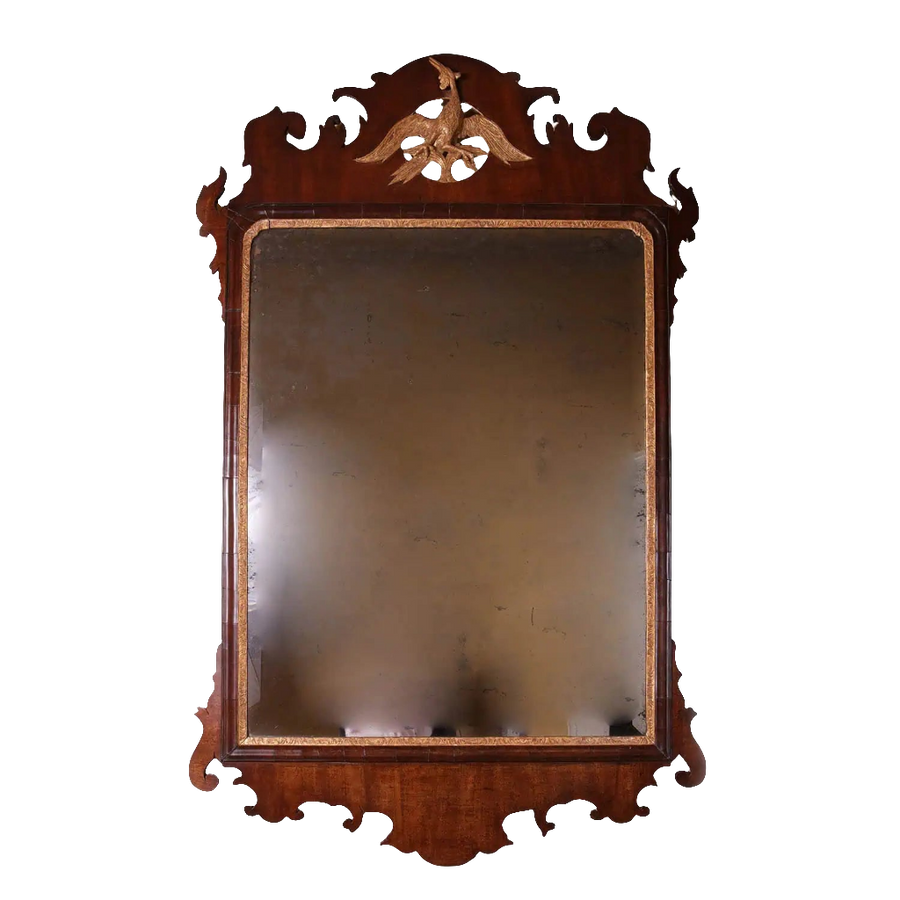
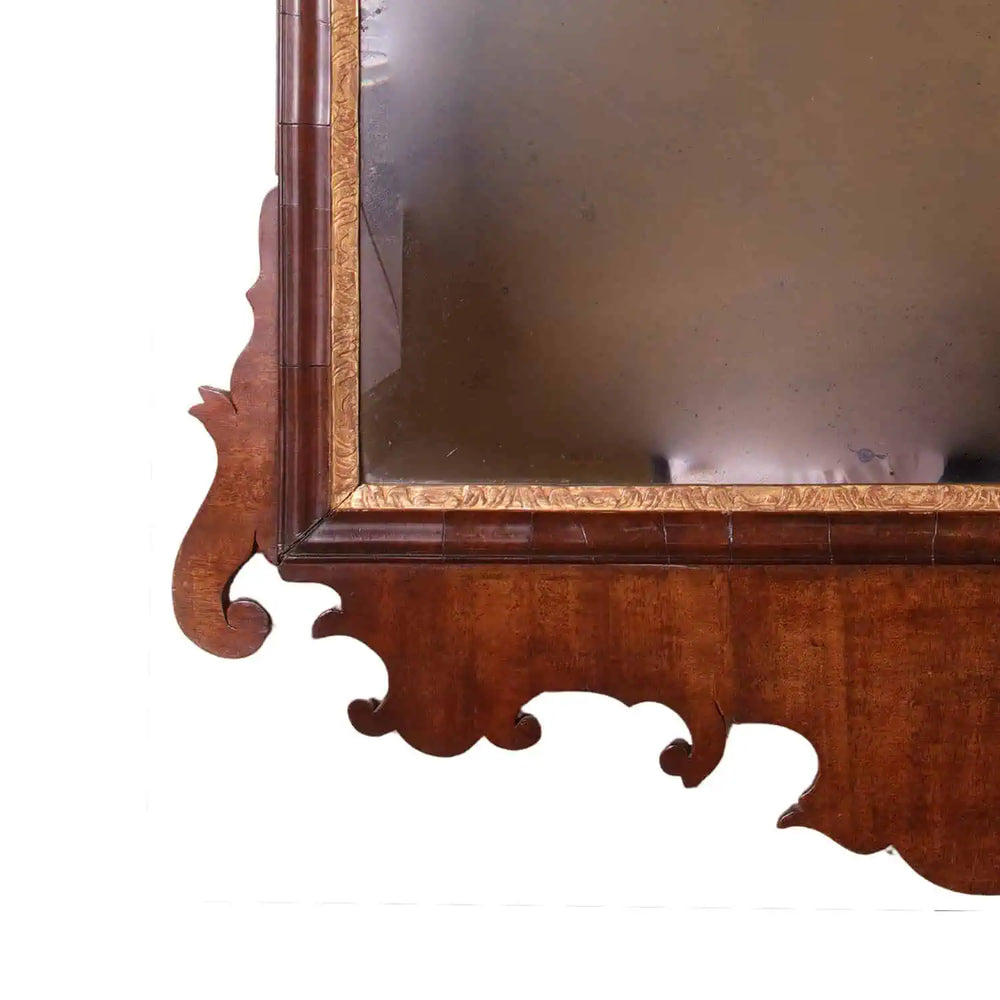
Fret-Cut George III Mahogany Veneered Mirror with Gilt Ho-Ho Bird, 1765, original hand bevelled Vauxhall plate.
Fret-Cut George III Mahogany Veneered Mirror with Gilt Ho-Ho Bird, original hand bevelled Vauxhall plate, circa 1765.
Fret-Cut George III Mahogany Veneered Mirror with Gilt Ho-Ho Bird
Collection PK10
Register / Login to view prices
Sold Out
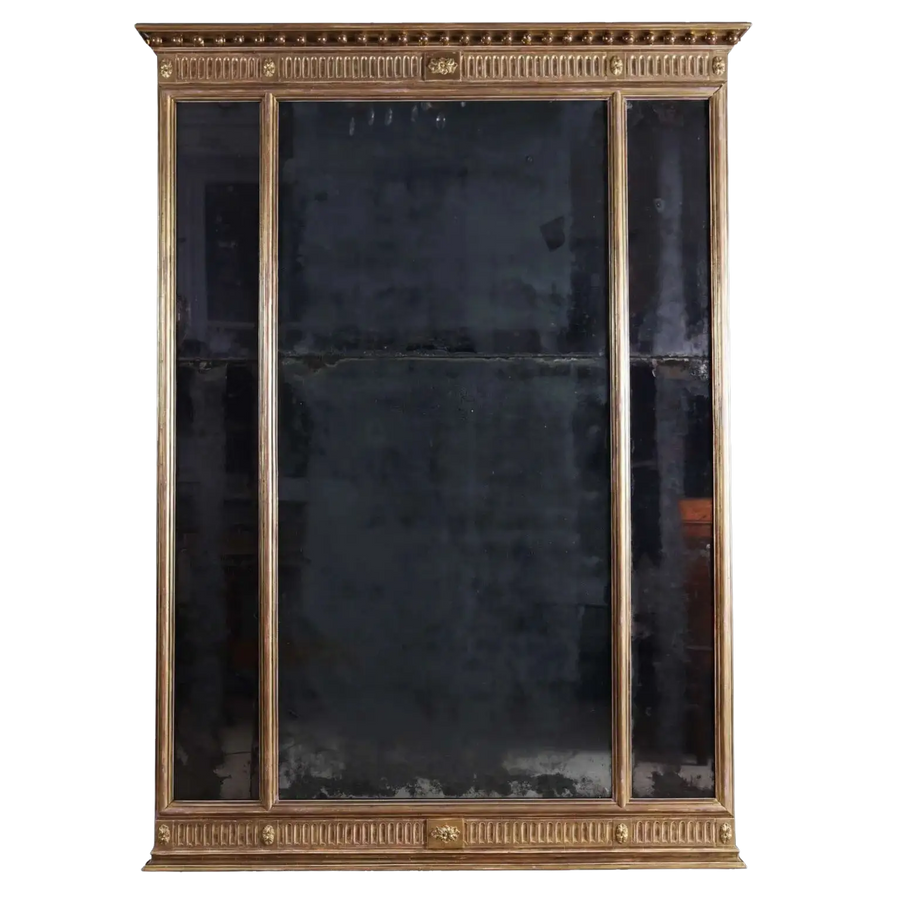
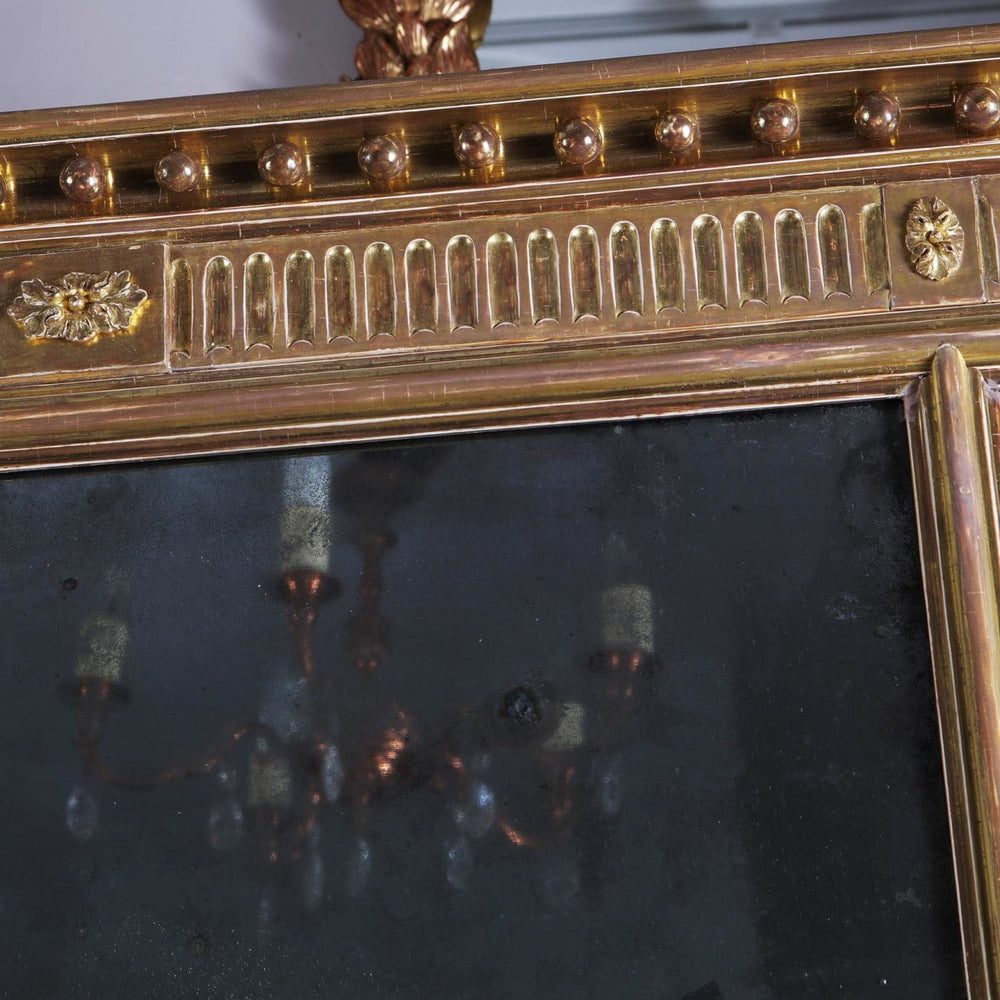
George III Three-plate Giltwood Overmantel Mirror, late 18th century neo-classical giltwood design, 146 cm height, 106 cm width.
George III Three-plate Giltwood Overmantel Mirror with intricate giltwood frame and aged mirror panels circa 1780 England
George III Three-plate Giltwood Overmantel Mirror
The Sold Archive
Register / Login to view prices
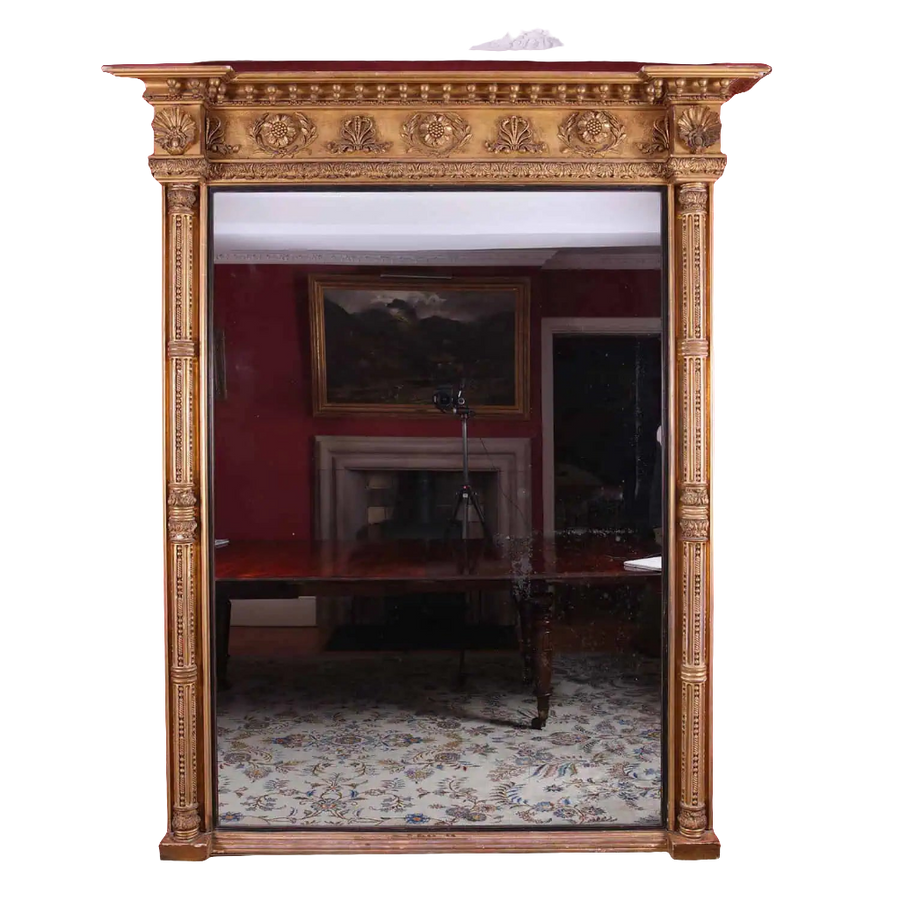
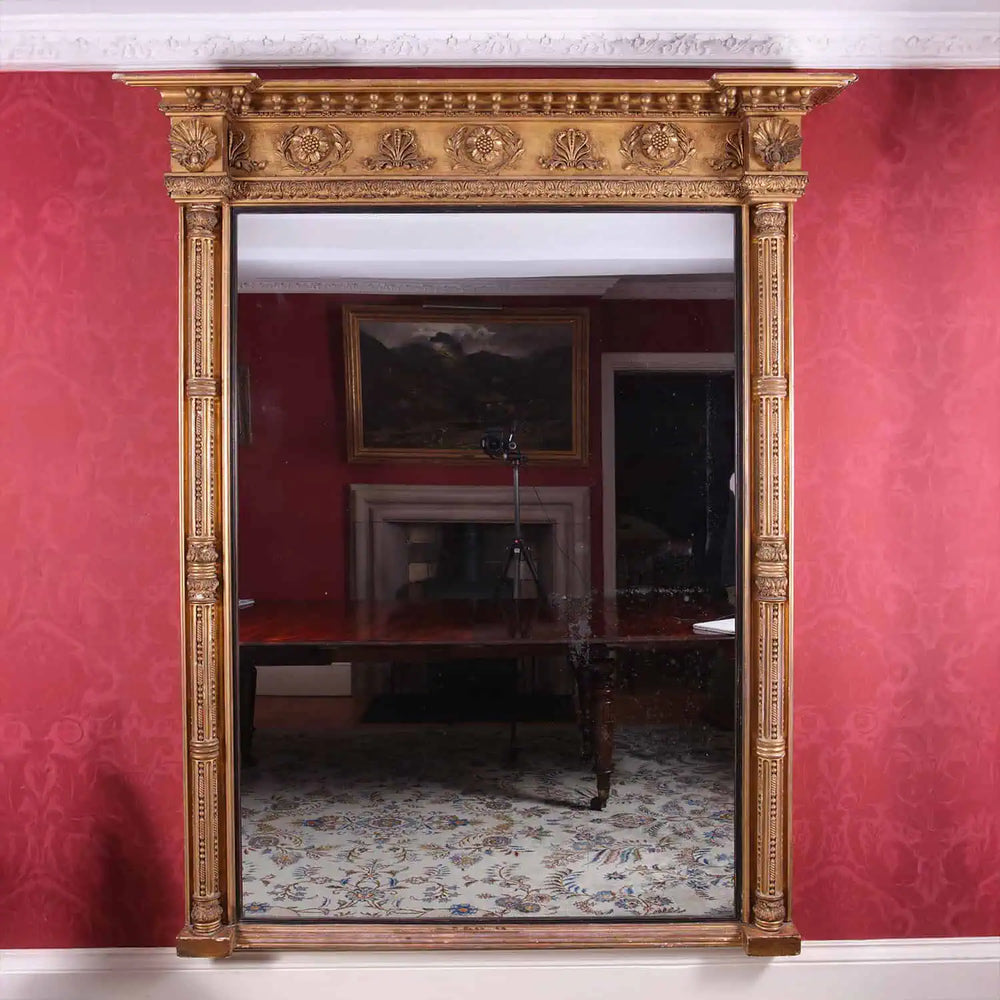
Overmantel Mirror from Embley Park, giltwood with classical details, circa 1880, rectangular antique design.
Overmantel Mirror from Embley Park, giltwood with classical detailing and ornate cornice, English circa 1880.
Overmantel Mirror from Embley Park
Nicholas Wells Antiques
Register / Login to view prices
Sold Out
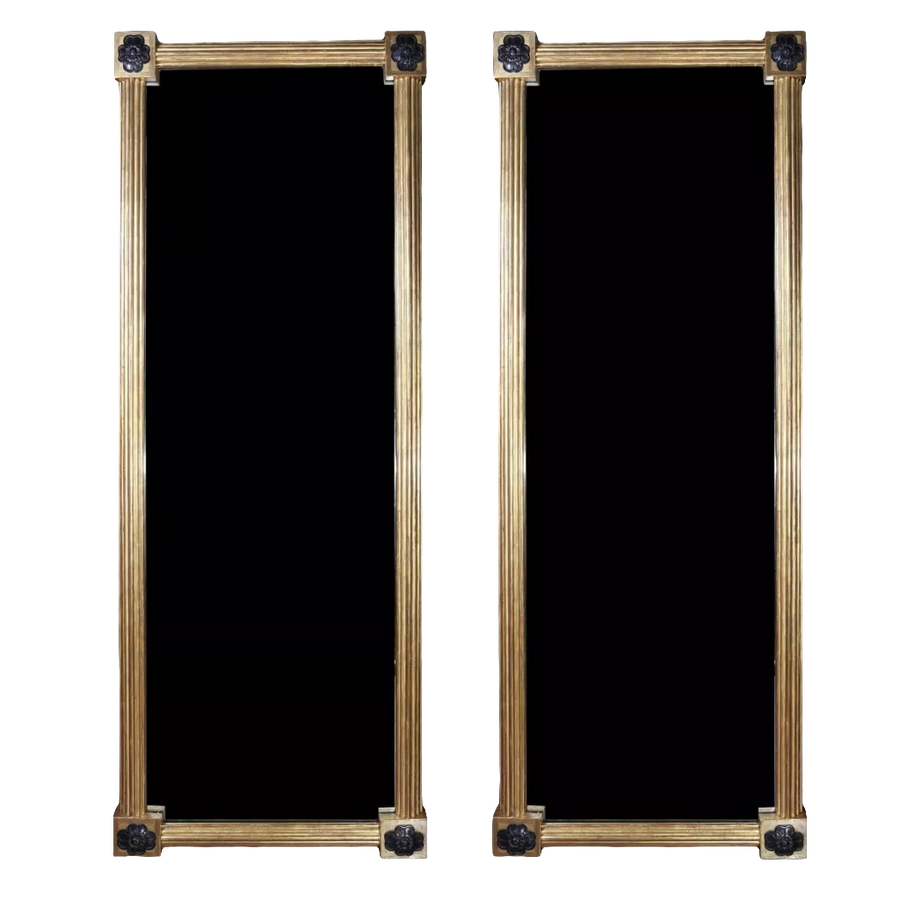
Pair of Tall Regency Giltwood Pier Mirrors with reeded frames and floral corner details, England circa 1850.
Pair of Tall Regency Giltwood Pier Mirrors with reeded frames, England circa 1850, height 203 cms, width 76 cms.
Pair of Tall Regency Giltwood Pier Mirrors
The Sold Archive
Register / Login to view prices

The 18th and 19th centuries marked a golden era for decorative arts in England, shaped by empire, wealth, and royal patronage. Spanning the reigns from William and Mary to Queen Victoria, this period produced distinct styles that reflected changing tastes and cultural influences.

Early styles such as William and Mary blended Dutch and Chinese elements, featuring elaborate marquetry and exotic materials, while Queen Anne furniture embraced simplicity with cabriole legs and walnut wood. The Georgian era (1714–1830) brought refinement and elegance, with Rococo, Neoclassical, and Regency styles showcasing balance, detail, and classical motifs.

The Regency period under the Prince Regent (later George IV) favoured grandeur—gilded, symmetrical designs inspired by antiquity. In contrast, the Victorian age embraced eclecticism, drawing on Gothic, Renaissance, and Middle Eastern influences. The Arts and Crafts movement, led by William Morris, later revived interest in handcrafted, honest design.

Fuelled by imperial expansion and a growing middle class, England’s decorative arts flourished—combining global influences with fine local craftsmanship to reflect the nation's prosperity and ambition.
Recently viewed