


Gilding in the 18th Century: Craftsmanship and Luxury
135 products
135 products
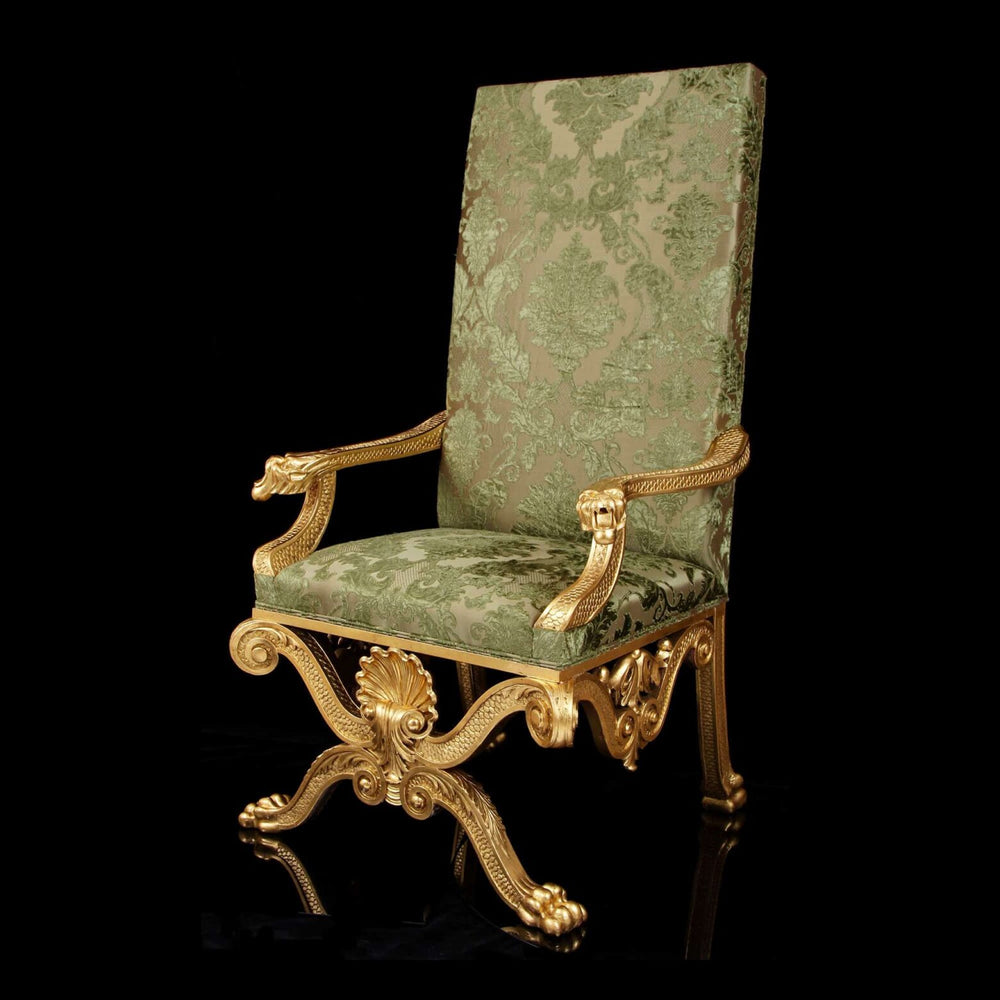
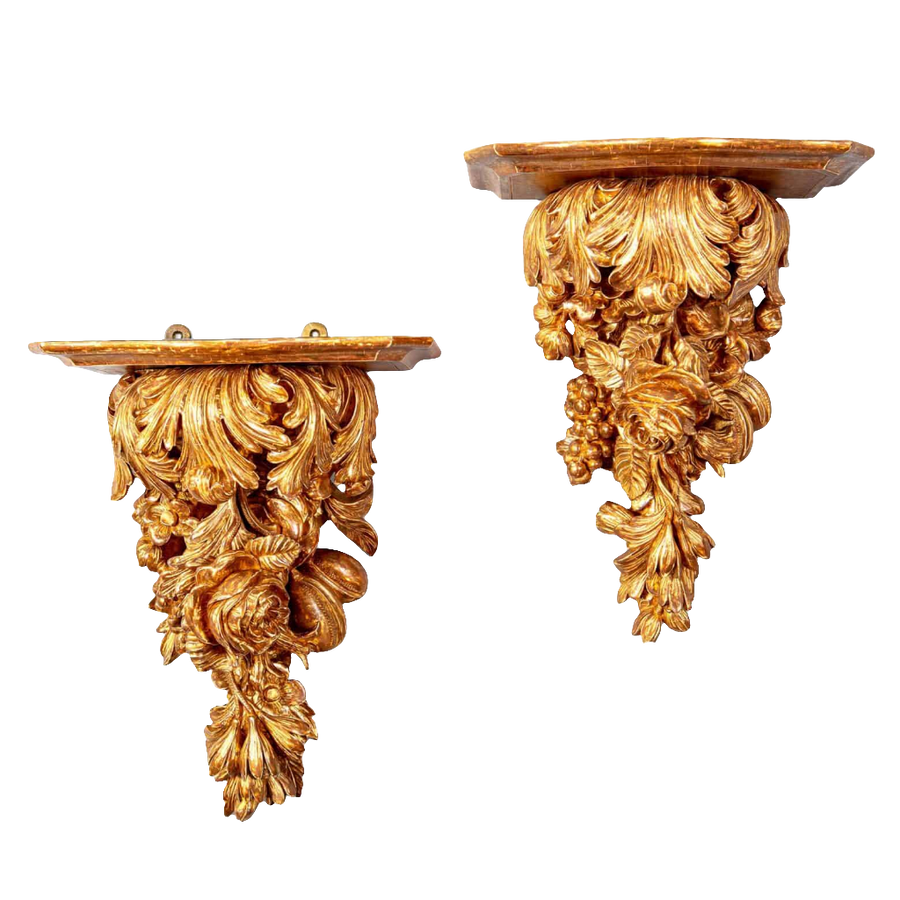
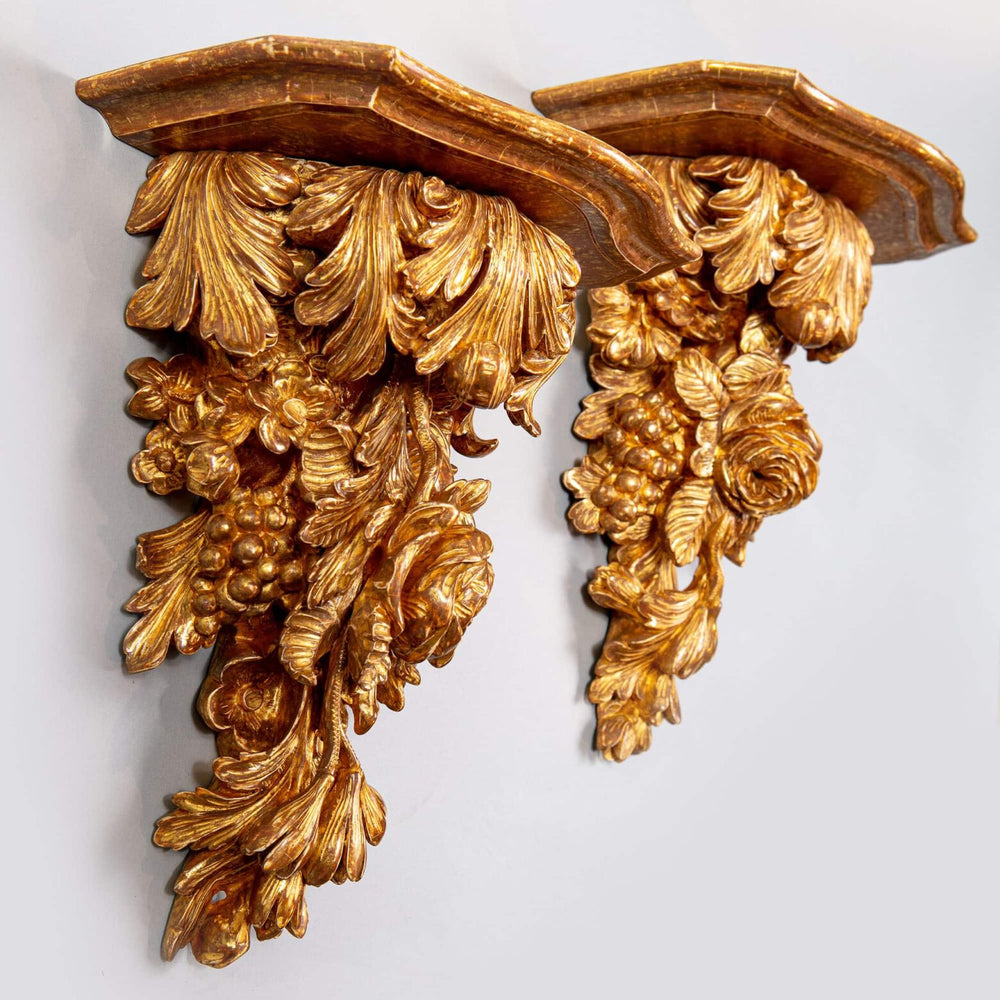
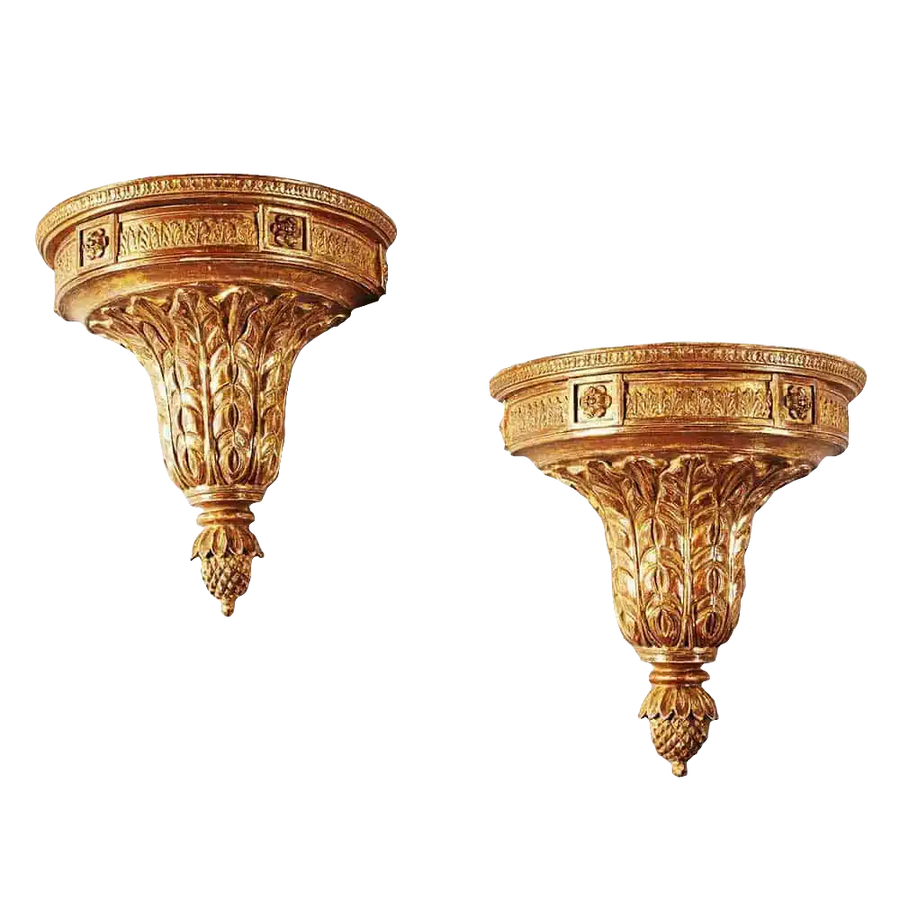
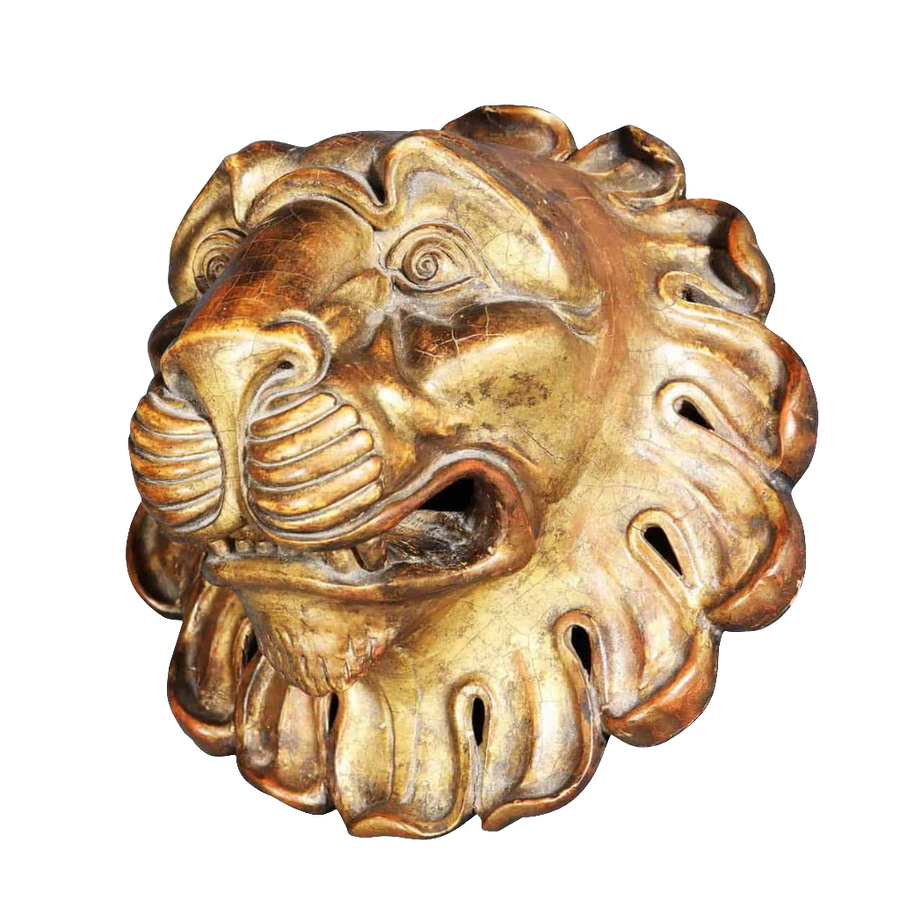
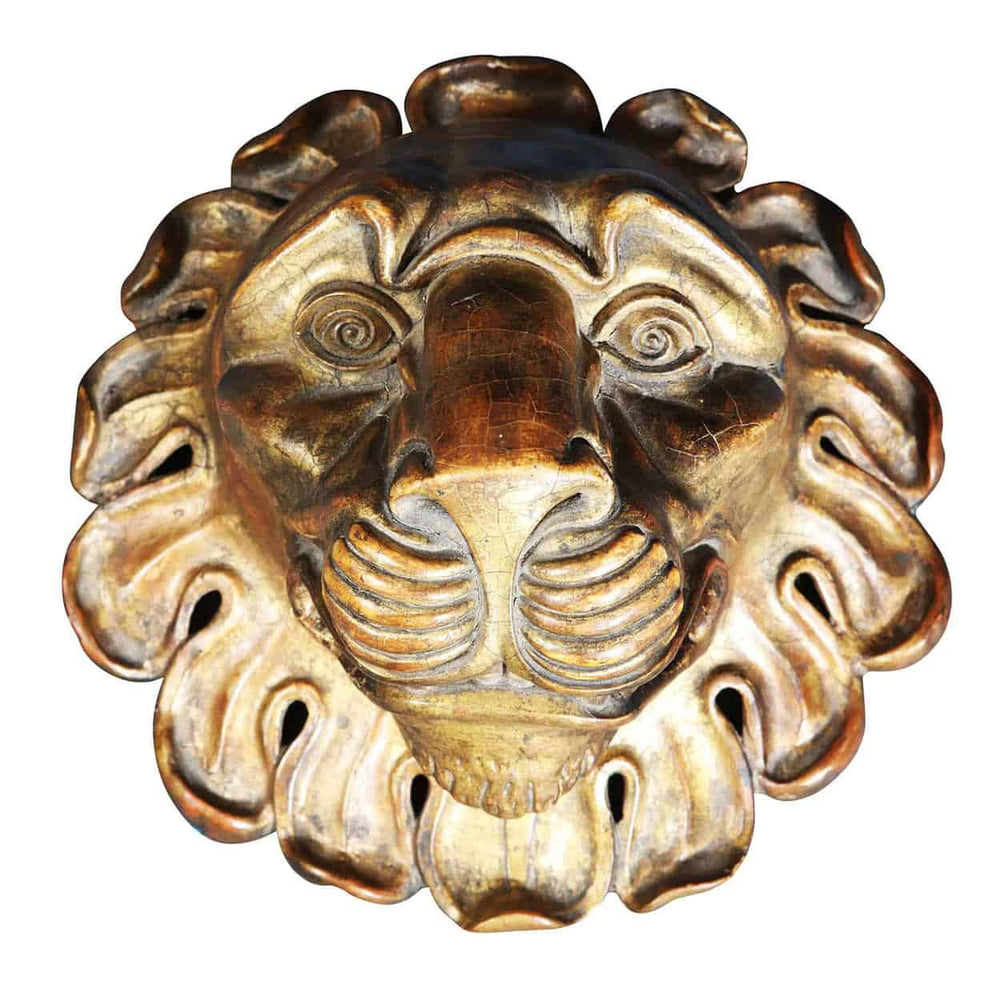
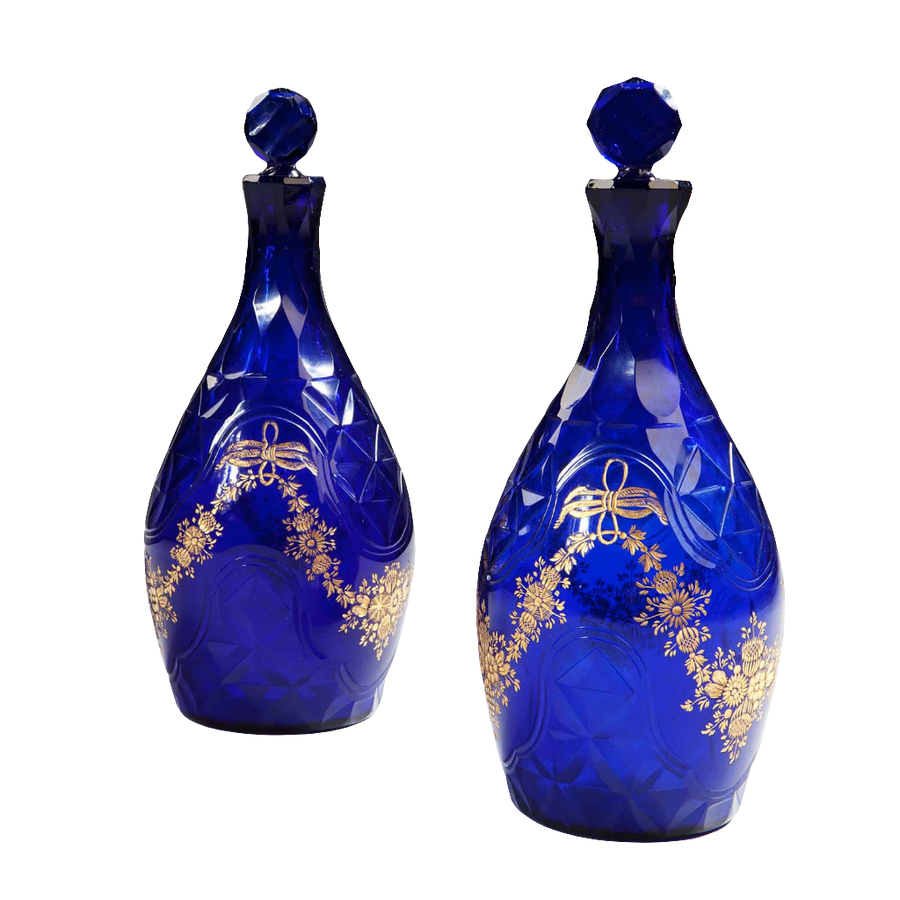
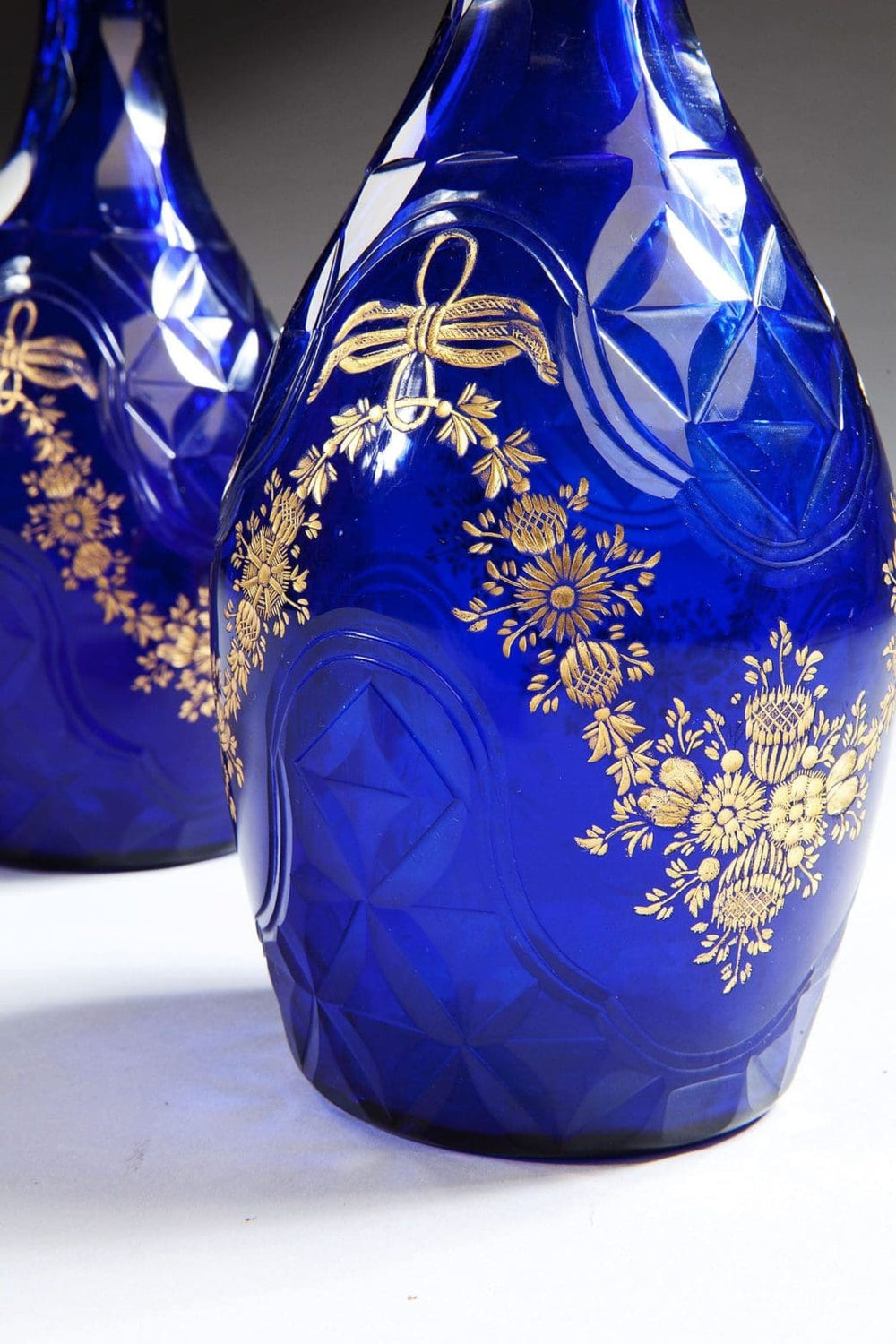
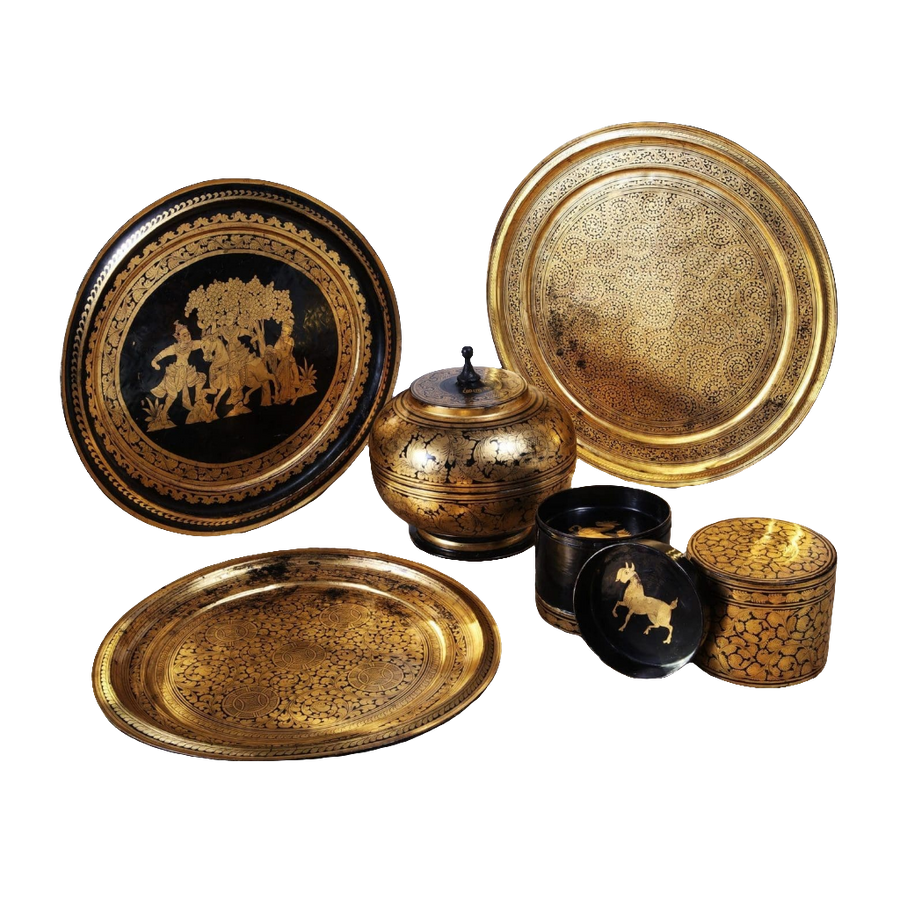
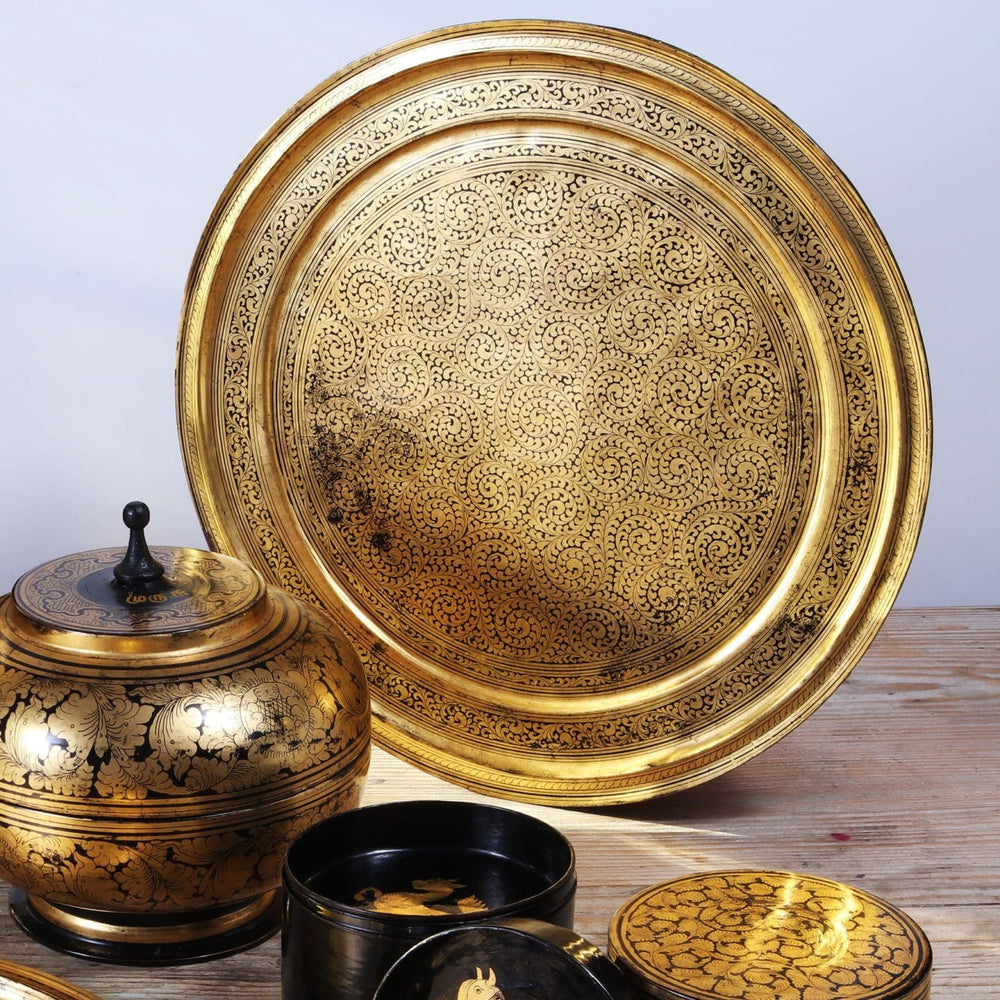
In the 18th century, gilding was central to the decorative arts, transforming wood, metal, porcelain, and architectural details into dazzling statements of wealth and taste. From the splendour of Rococo France to the refined Neoclassicism of the Louis XVI era, gilding techniques embodied both artisanal skill and stylistic ambition.
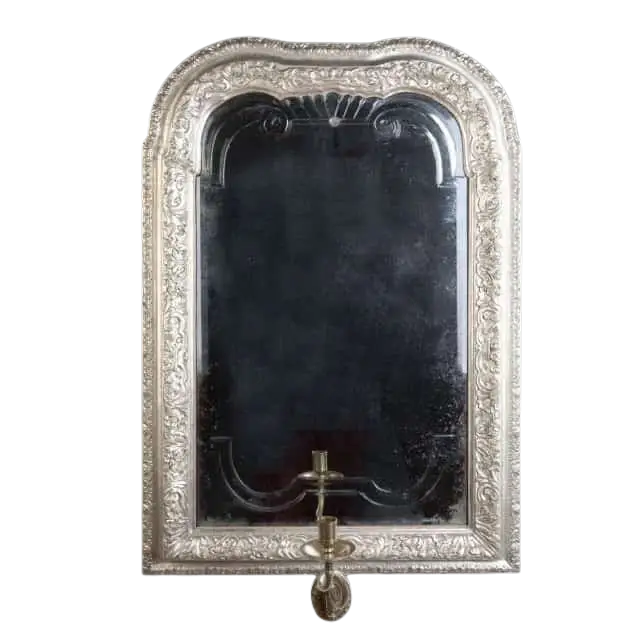
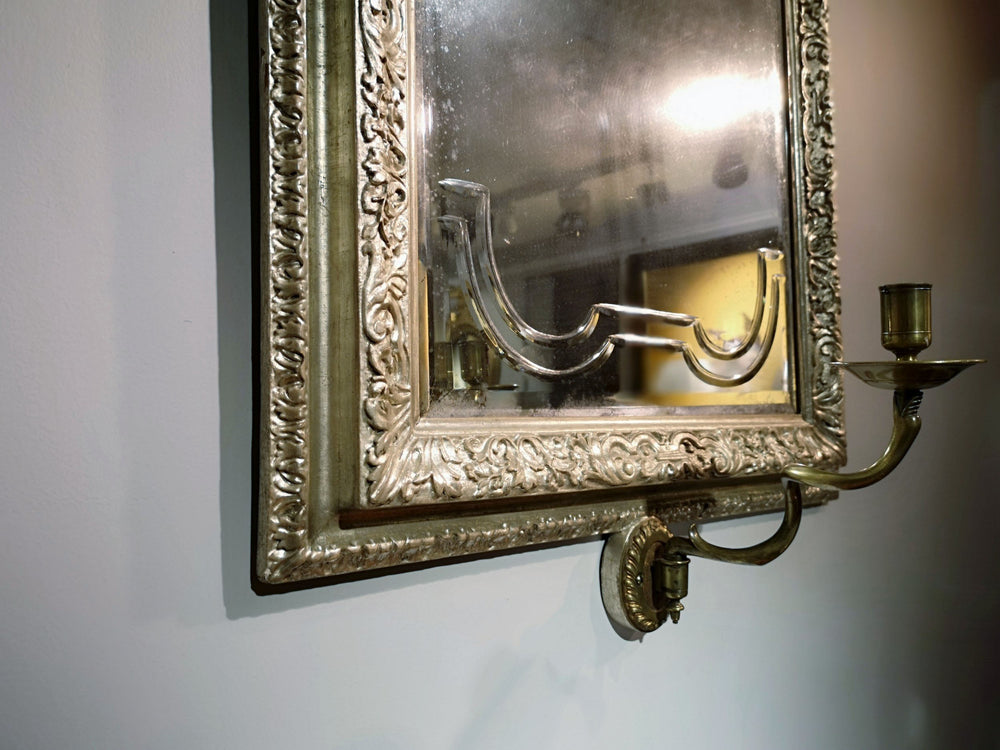
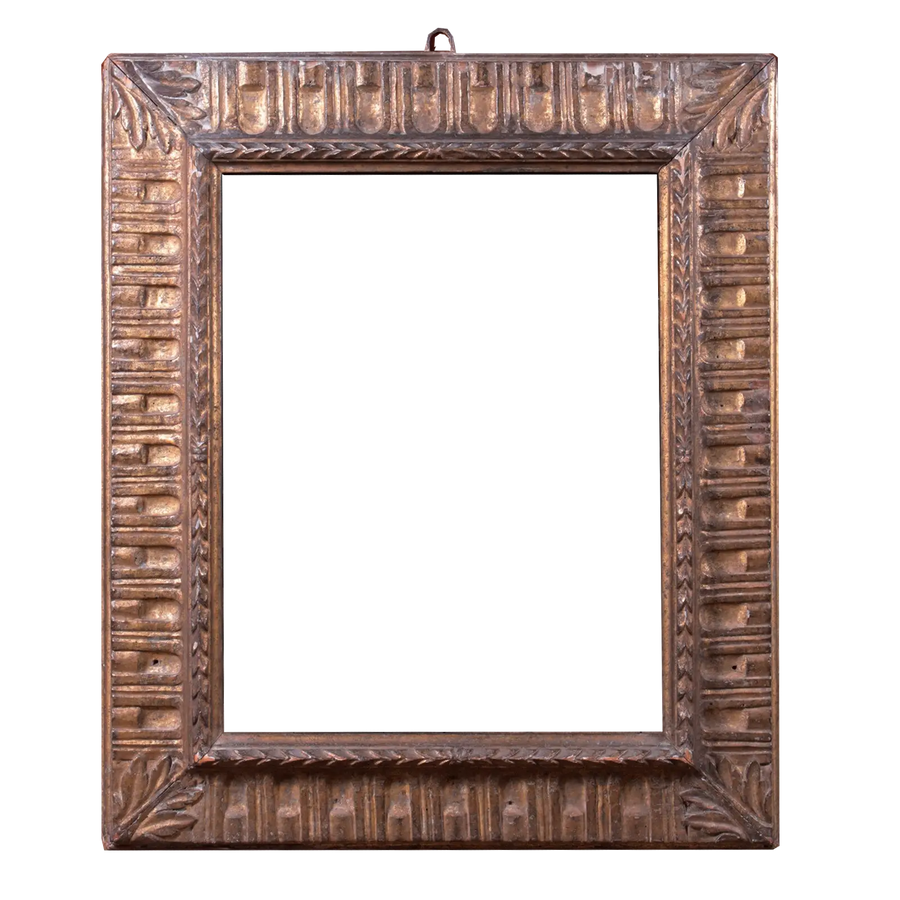
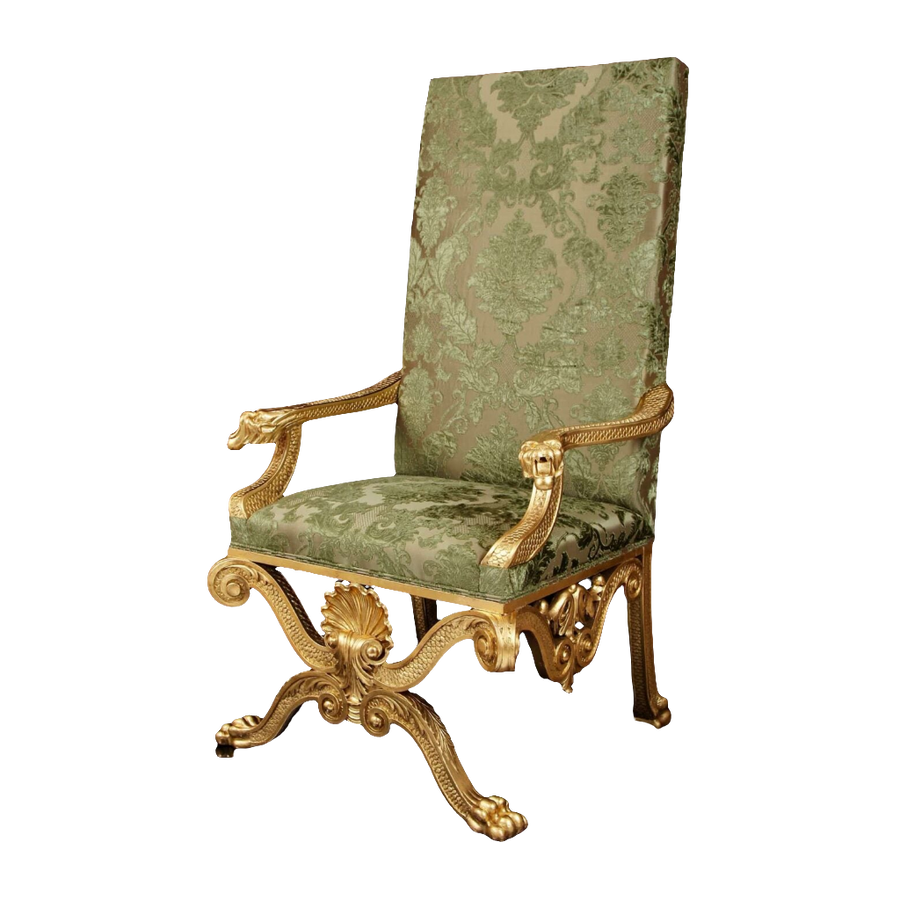
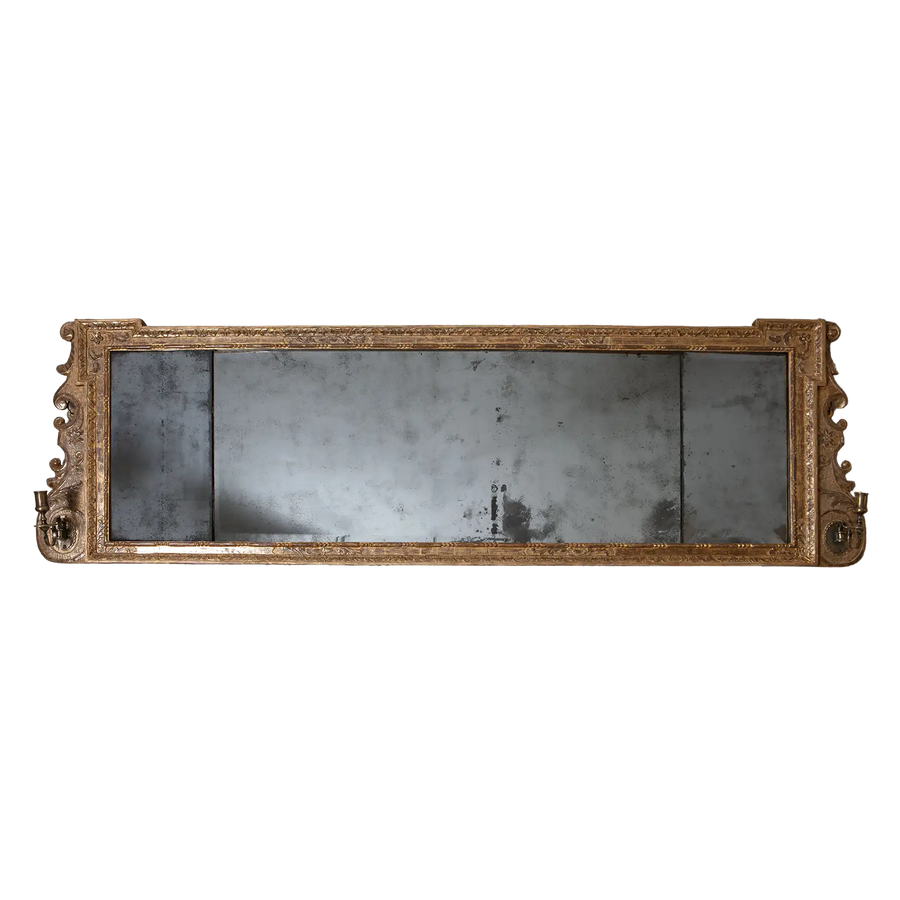
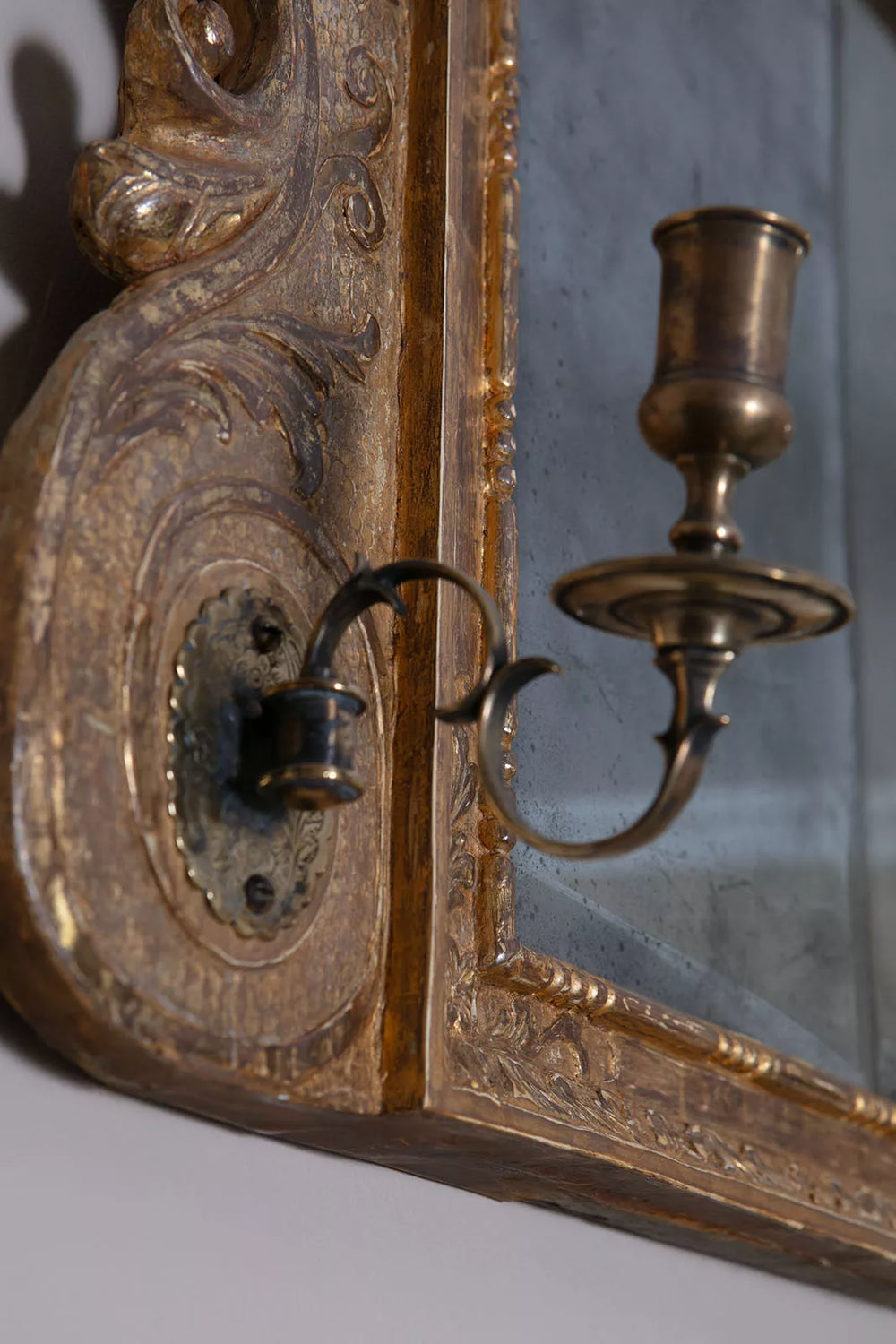
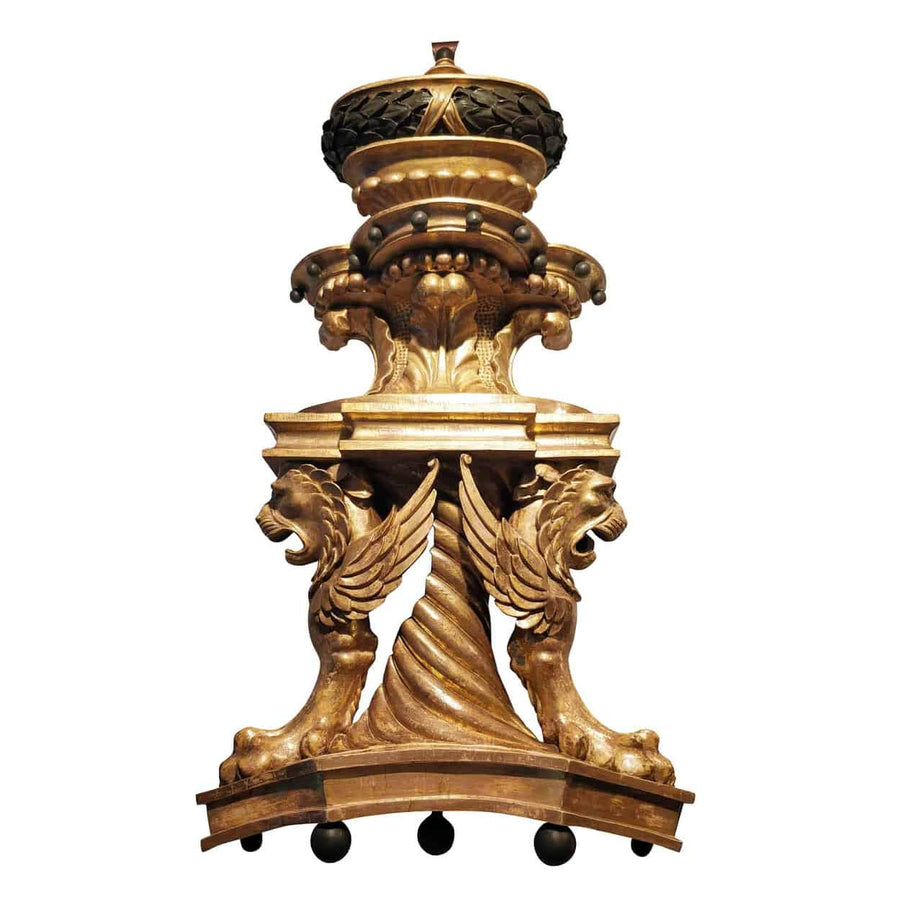
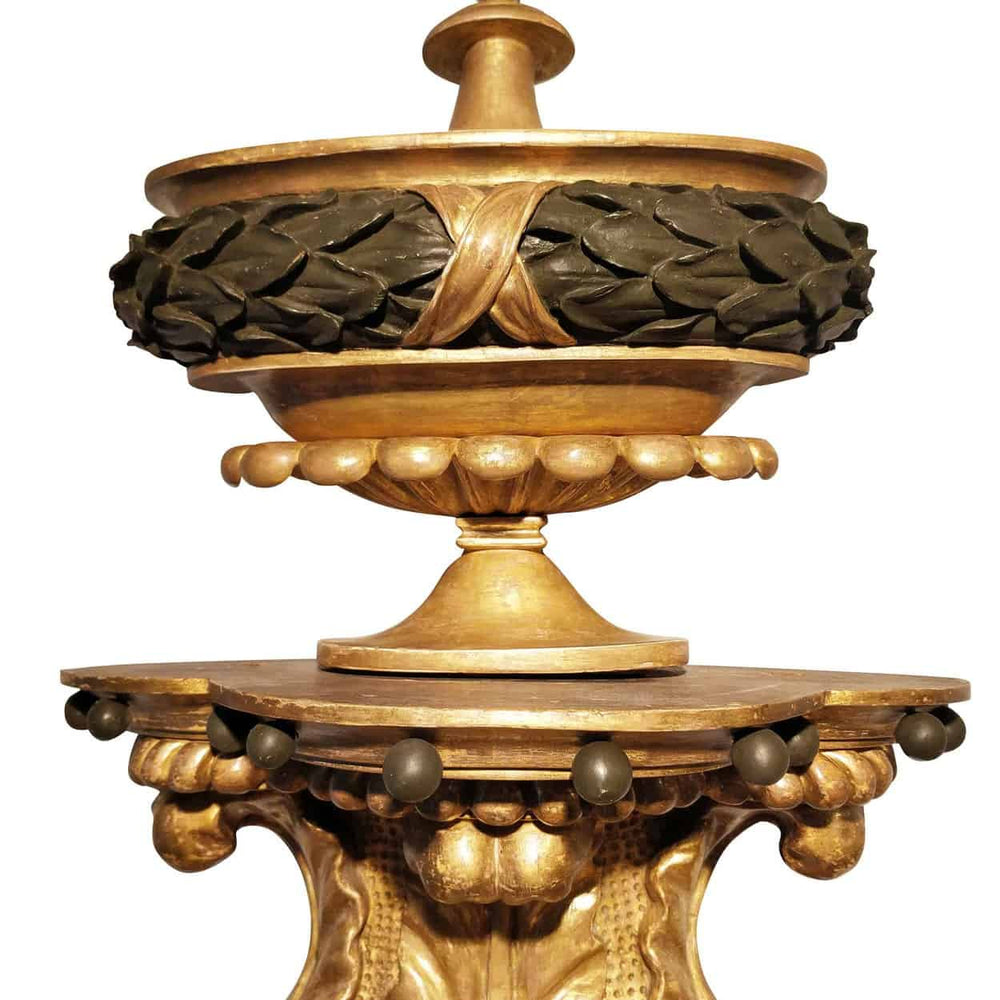
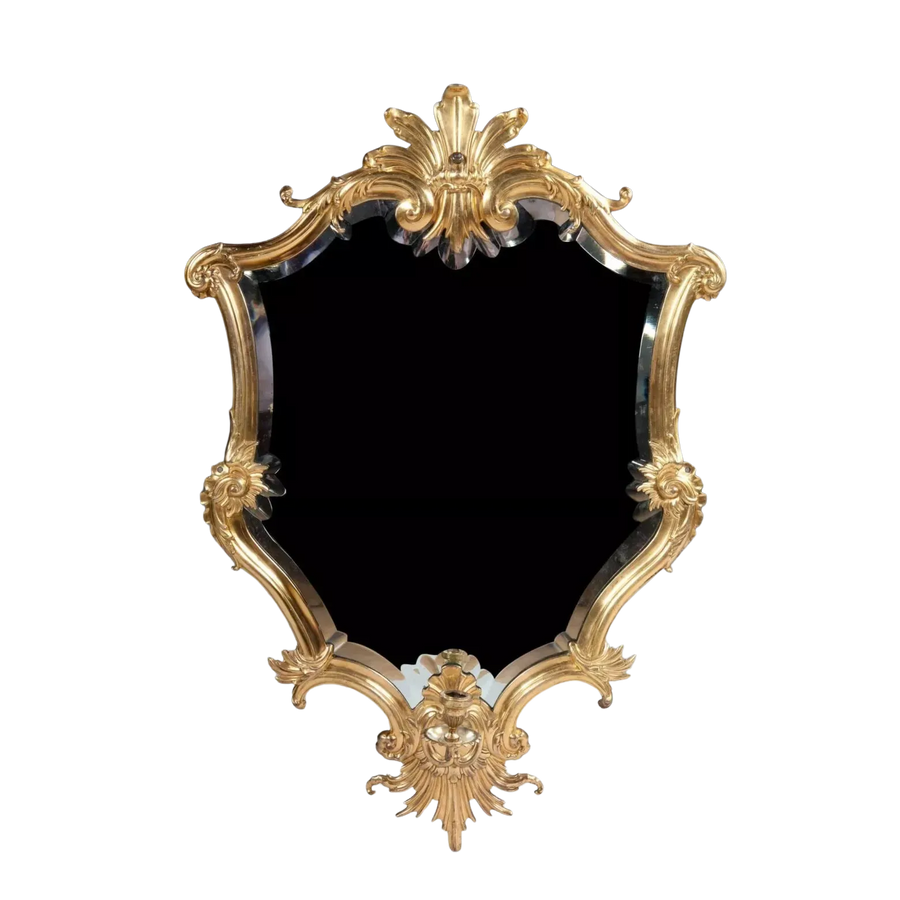
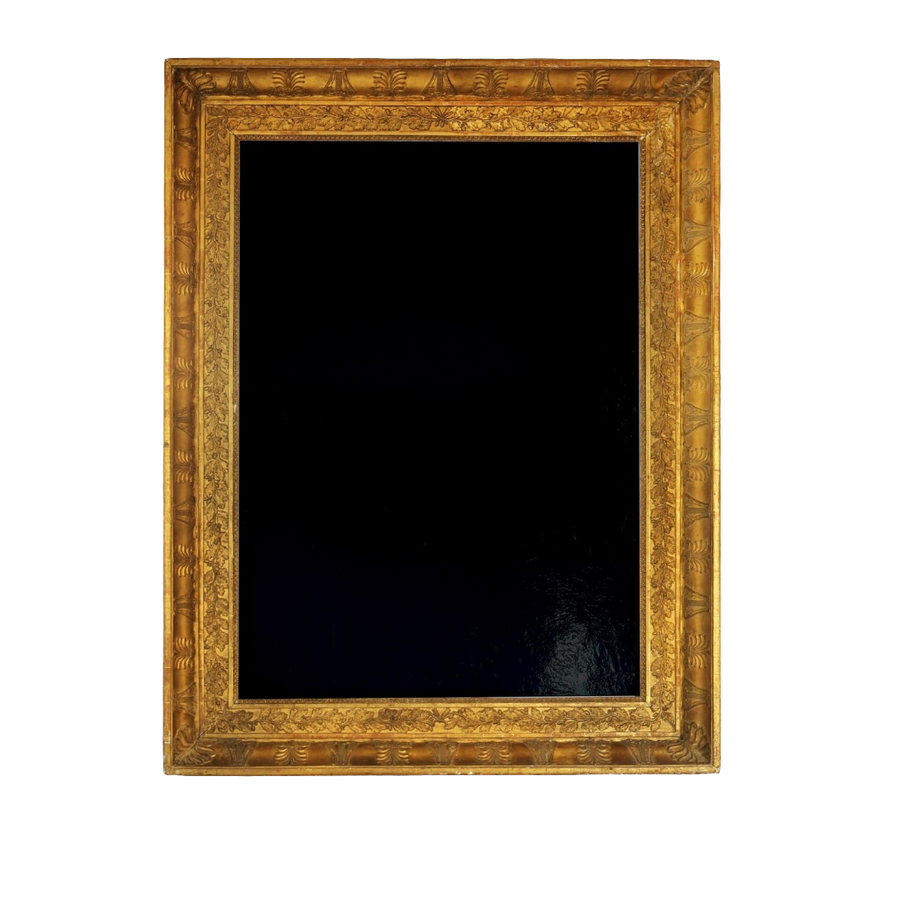
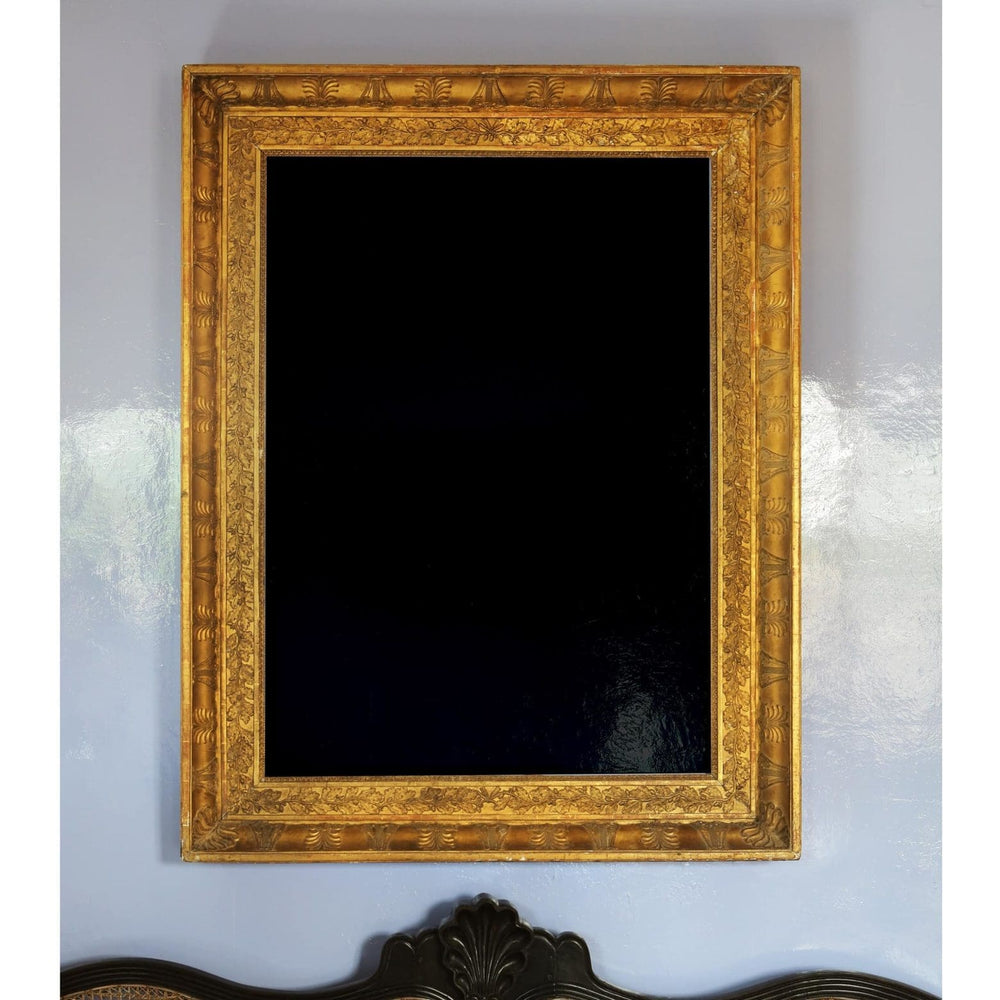
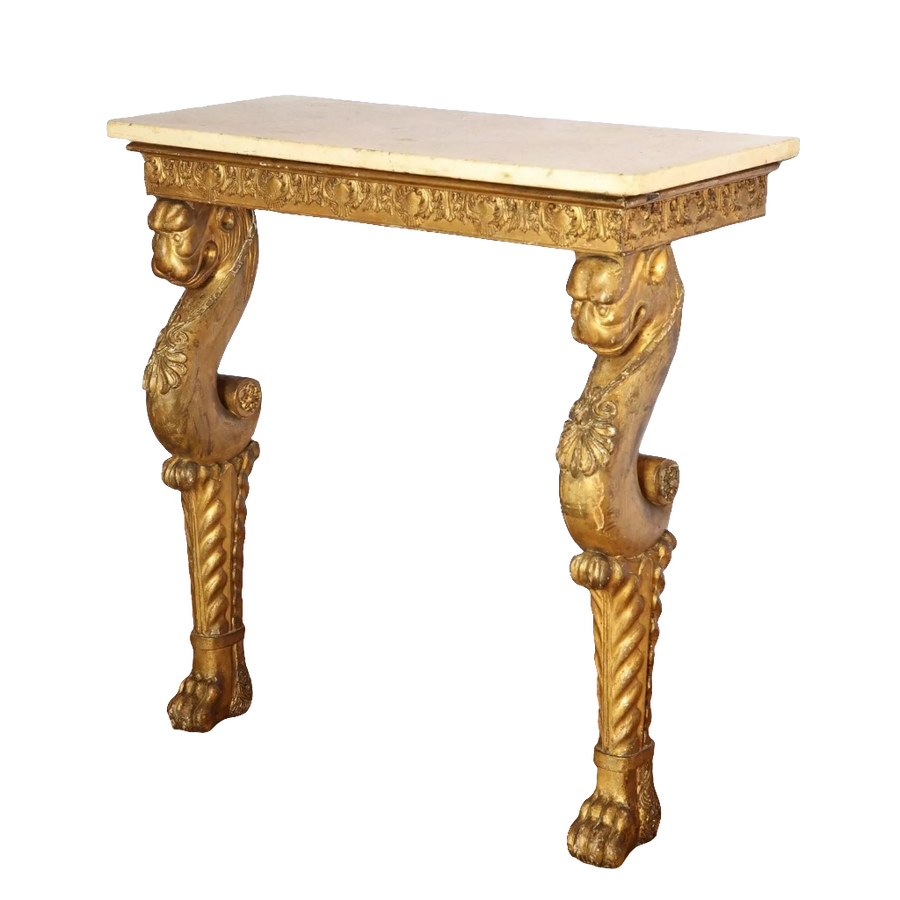
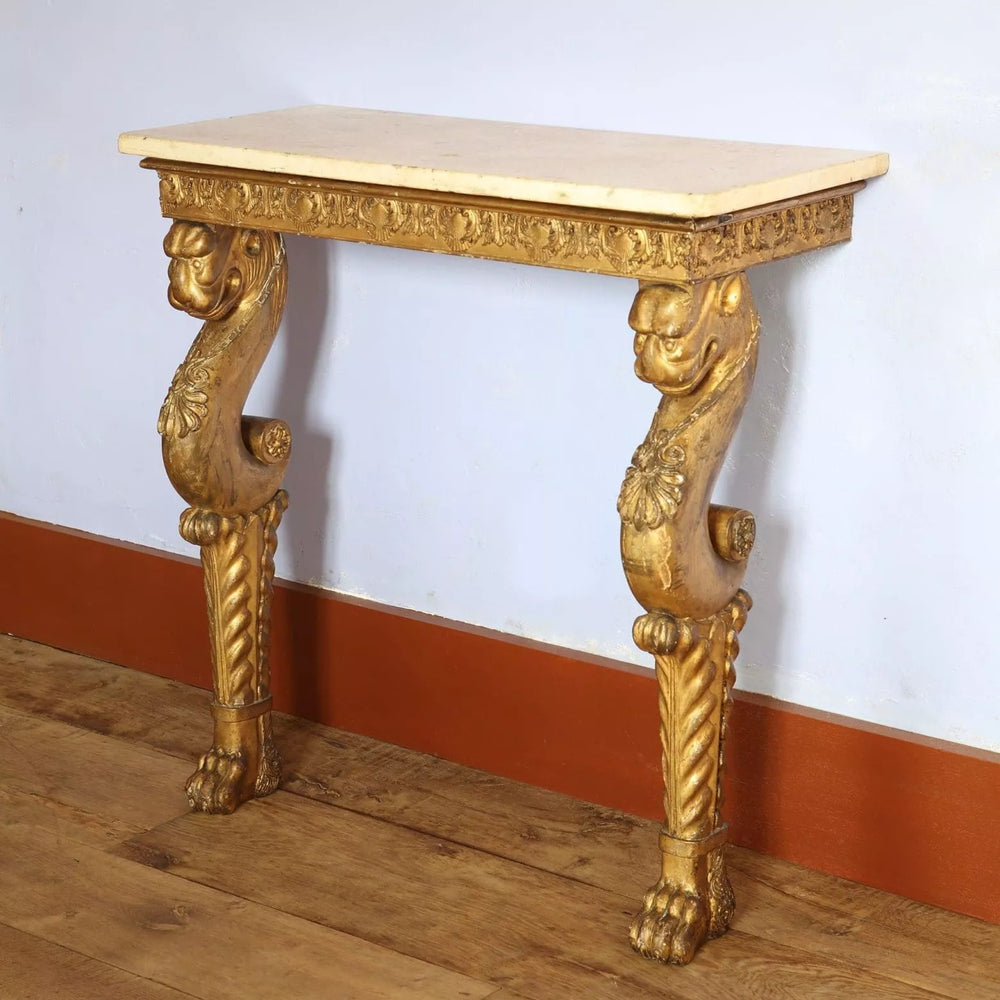
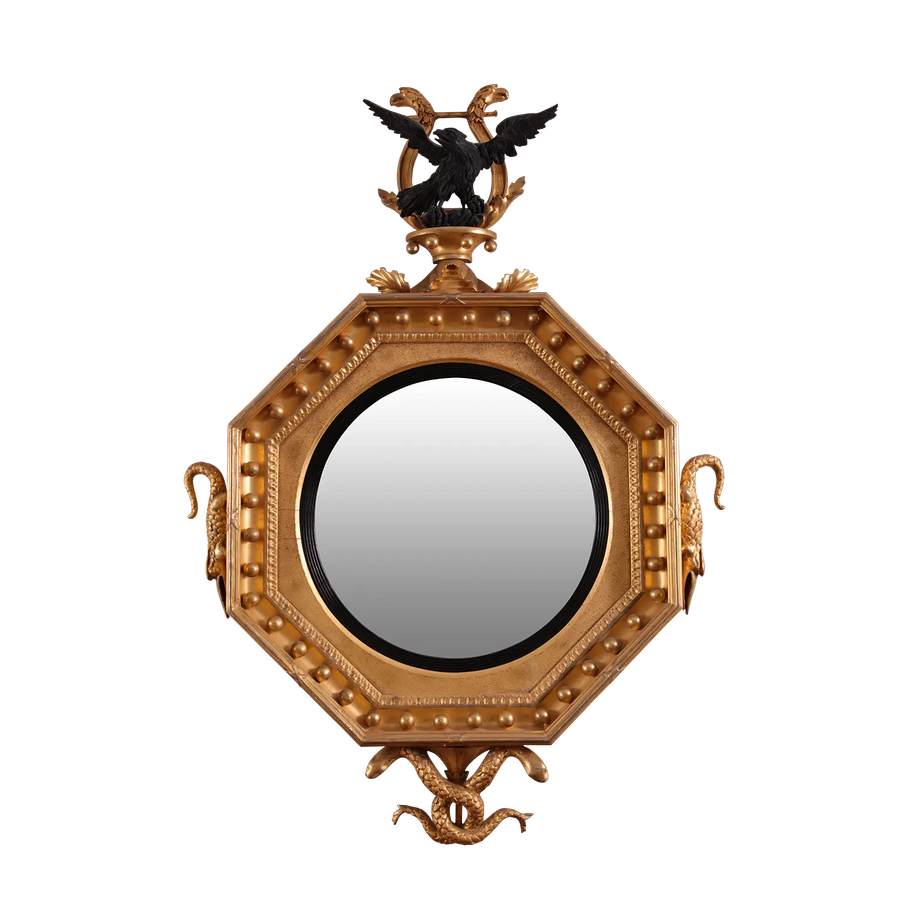
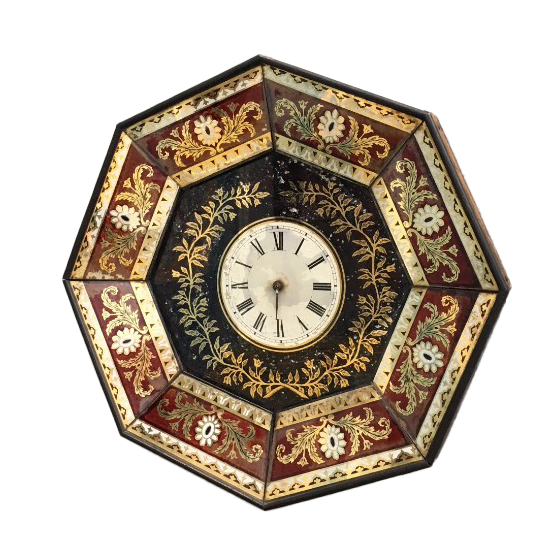
The most traditional method, water gilding involved laying gold leaf over gesso and bole (a red clay ground), then burnishing to a brilliant shine. It was the preferred finish for carved wood frames, mirrors, and fine furniture.
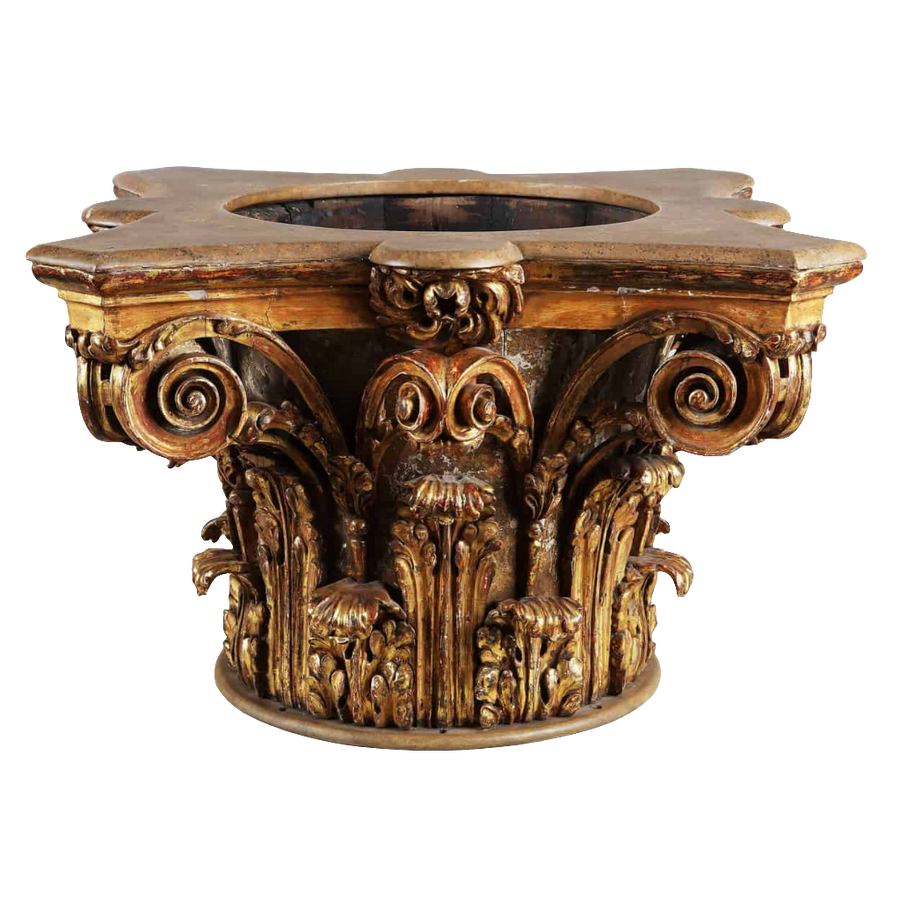
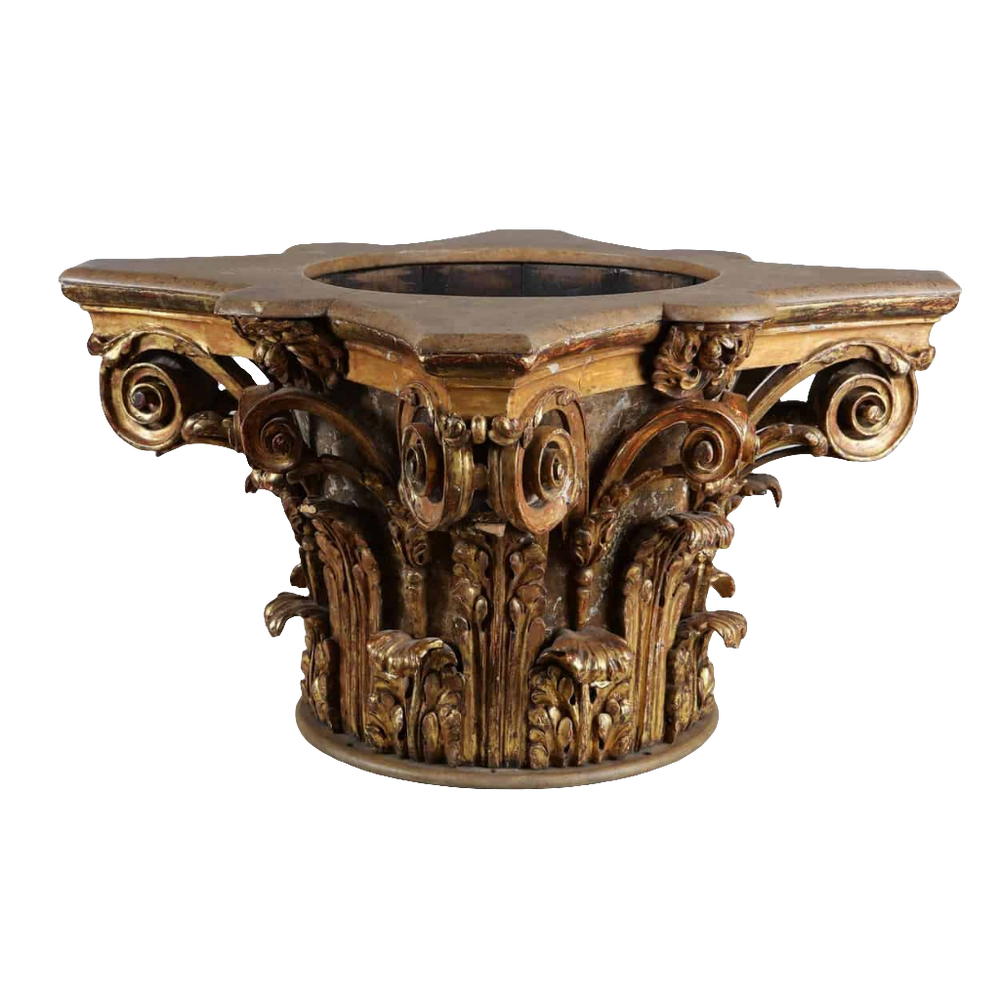
Applied over an oil-based adhesive, oil gilding produced a softer glow but greater durability, making it well-suited for architectural decoration, signboards, and less delicate surfaces.
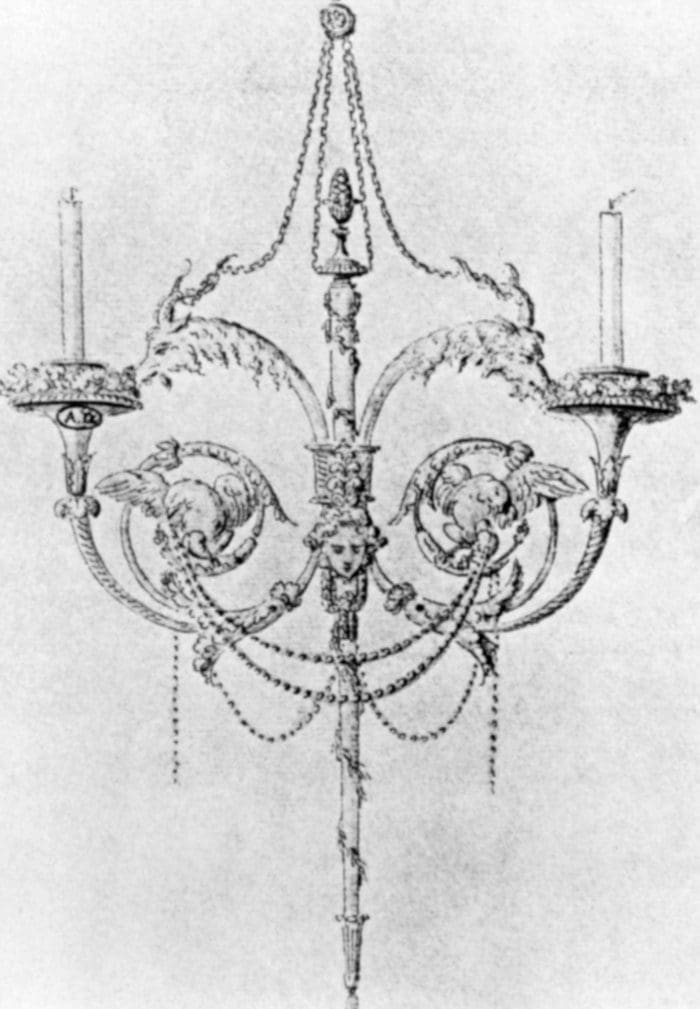
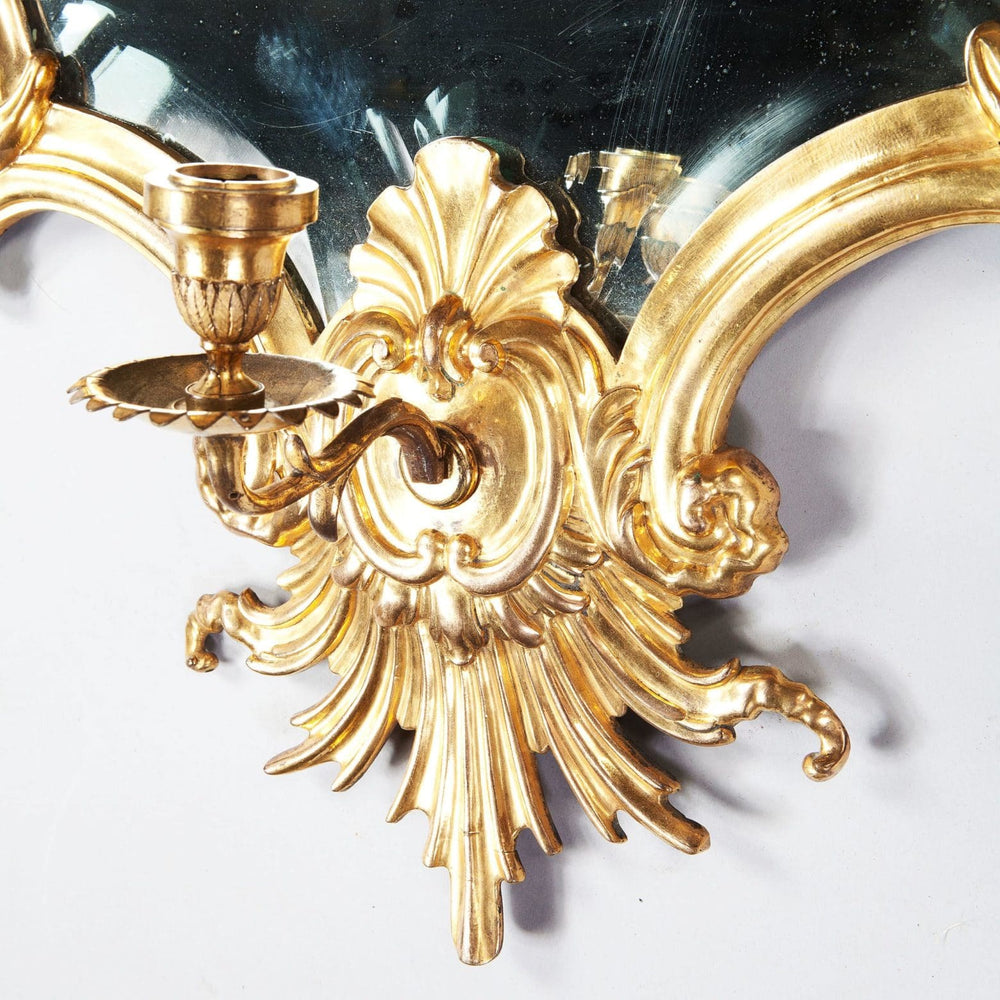
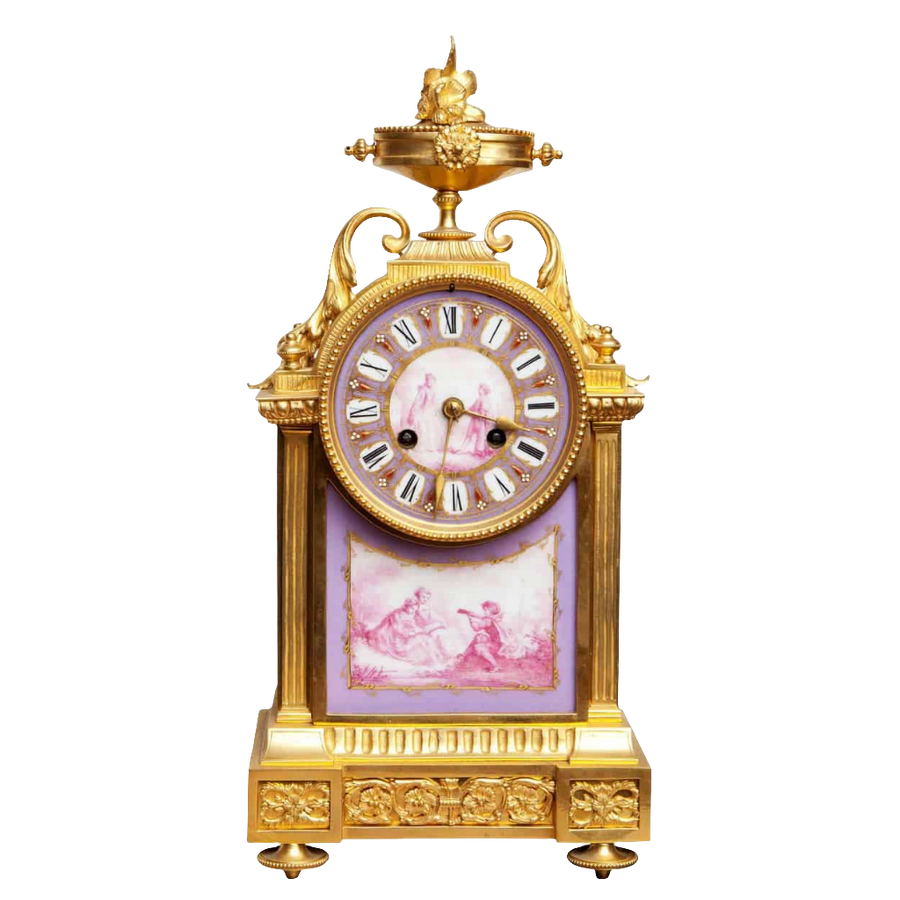
Used extensively for metalwork, mercury gilding fused gold to bronze mounts, clock cases, and lighting. Though highly toxic to produce, the results were unmatched in richness and durability.
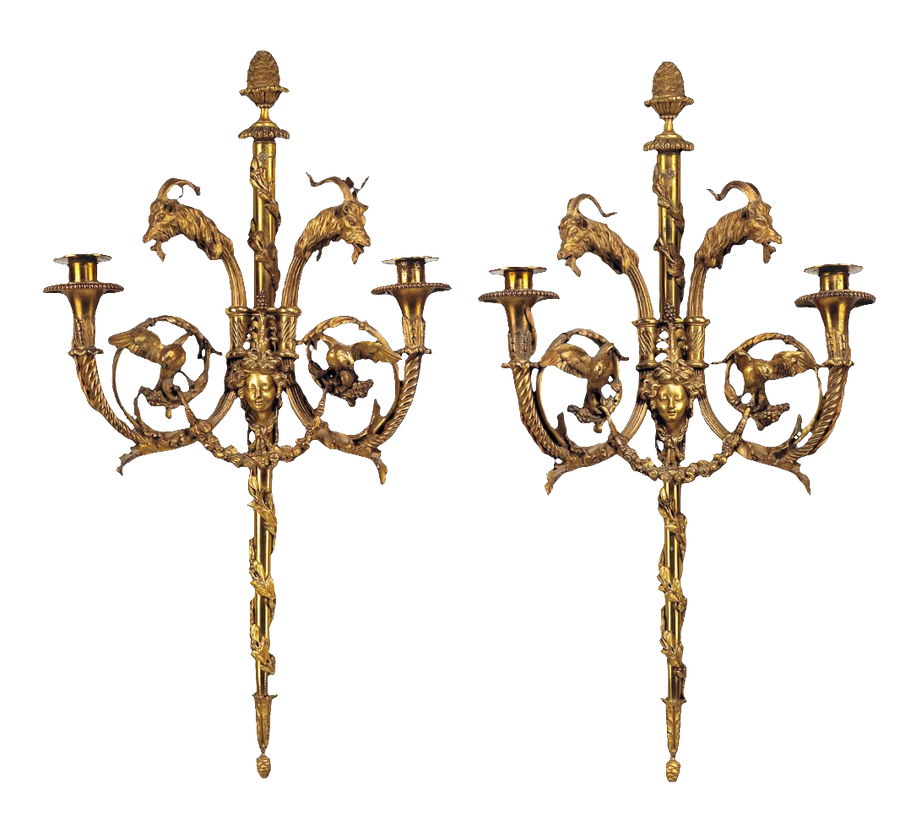
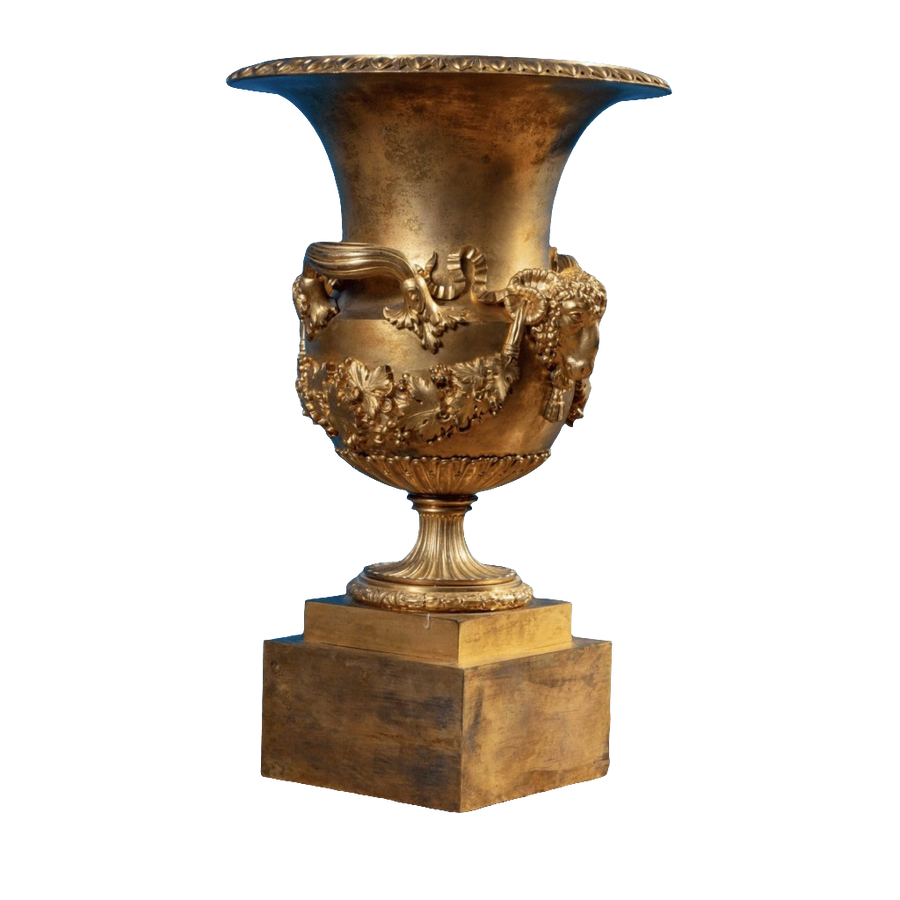
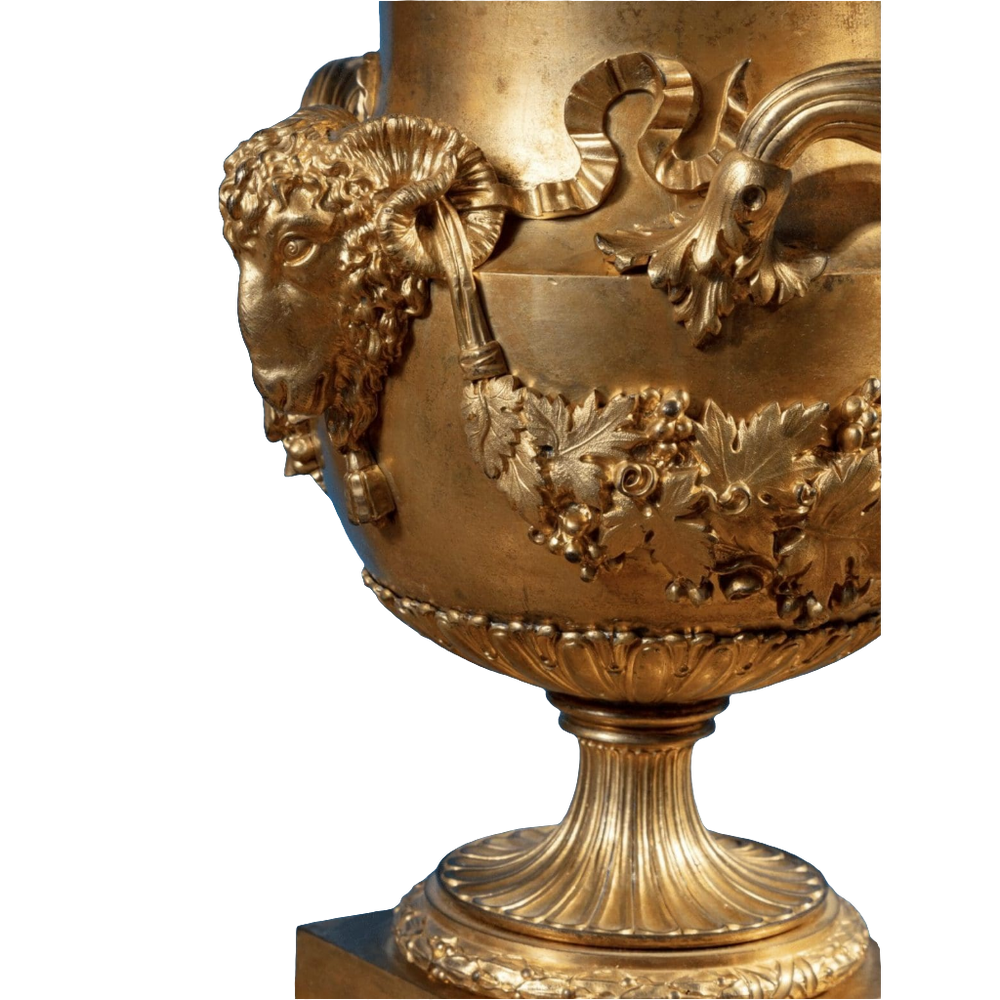
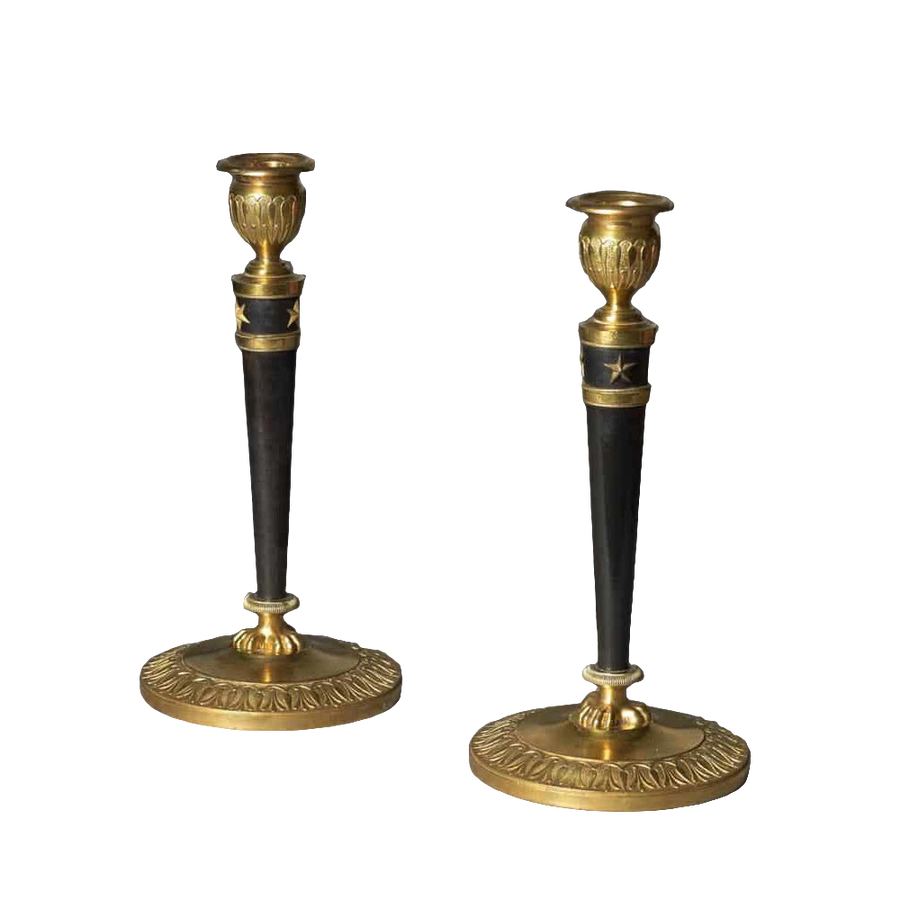
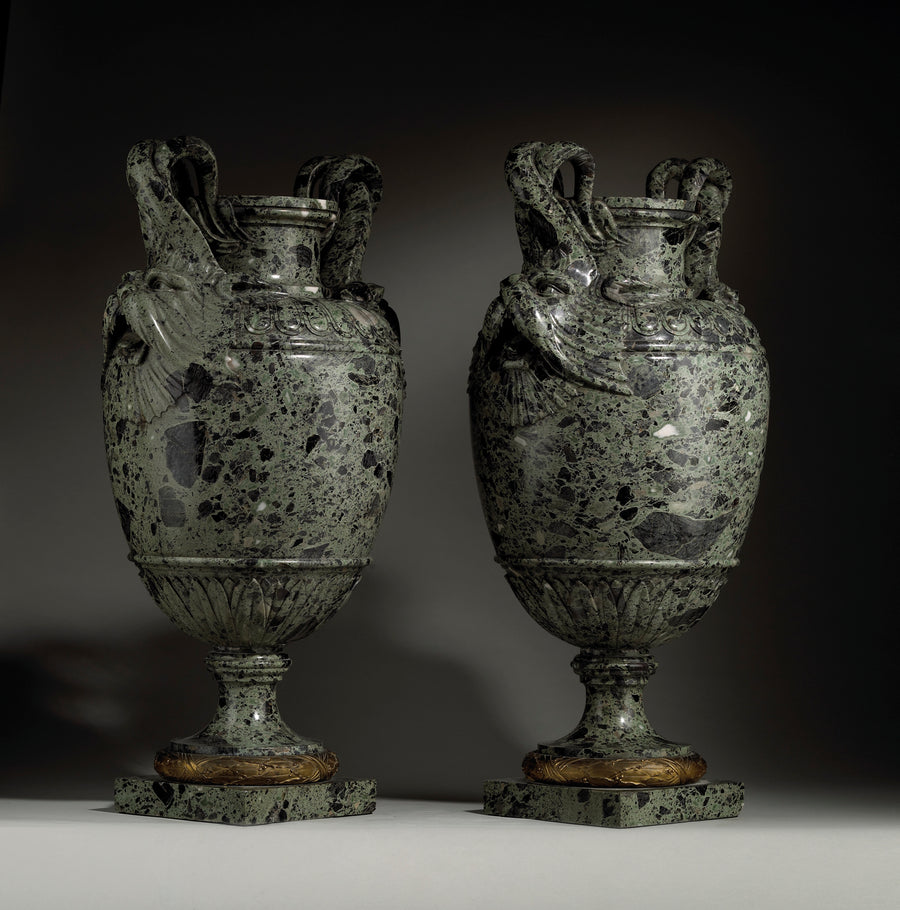
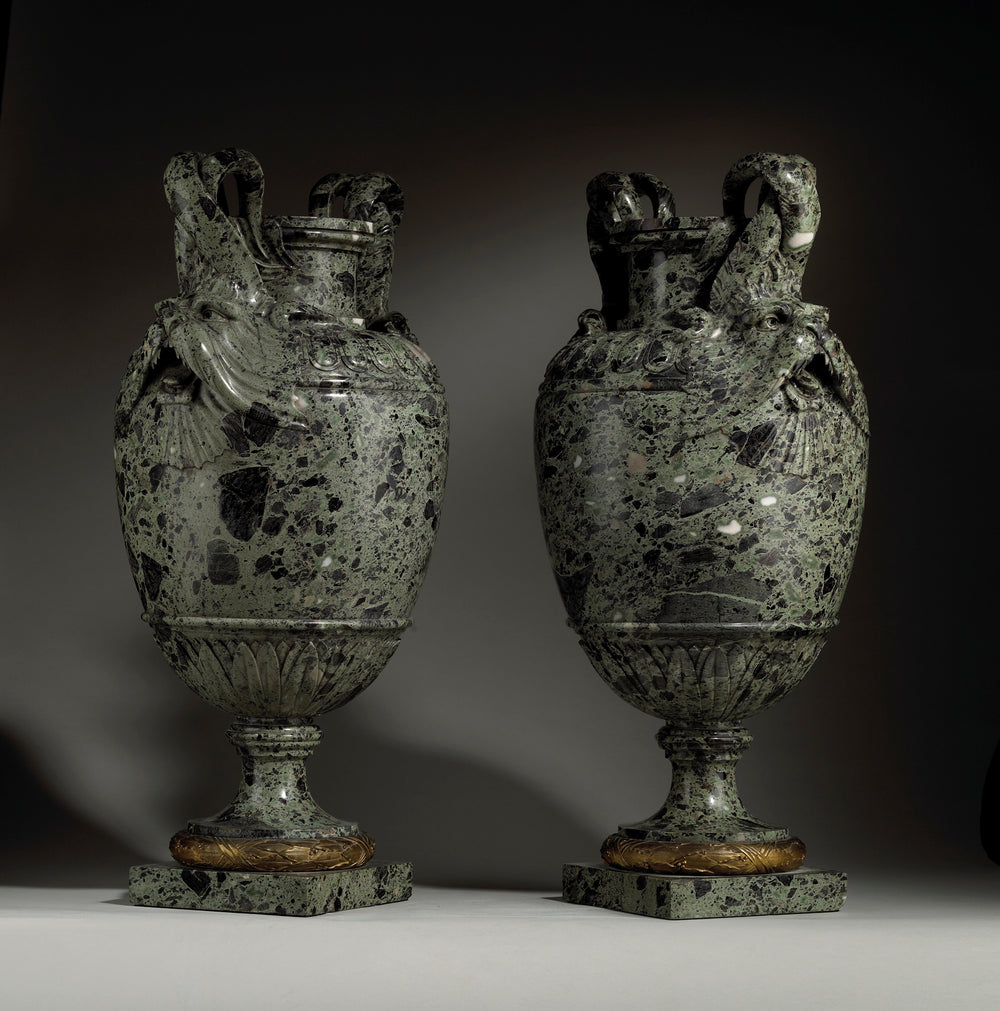
Ormolu refers to gilt-bronze mounts produced by mercury gilding, cast and chiselled with exquisite detail. These mounts adorned Louis XV and Louis XVI furniture, clocks, and objets d’art, epitomising French luxury.
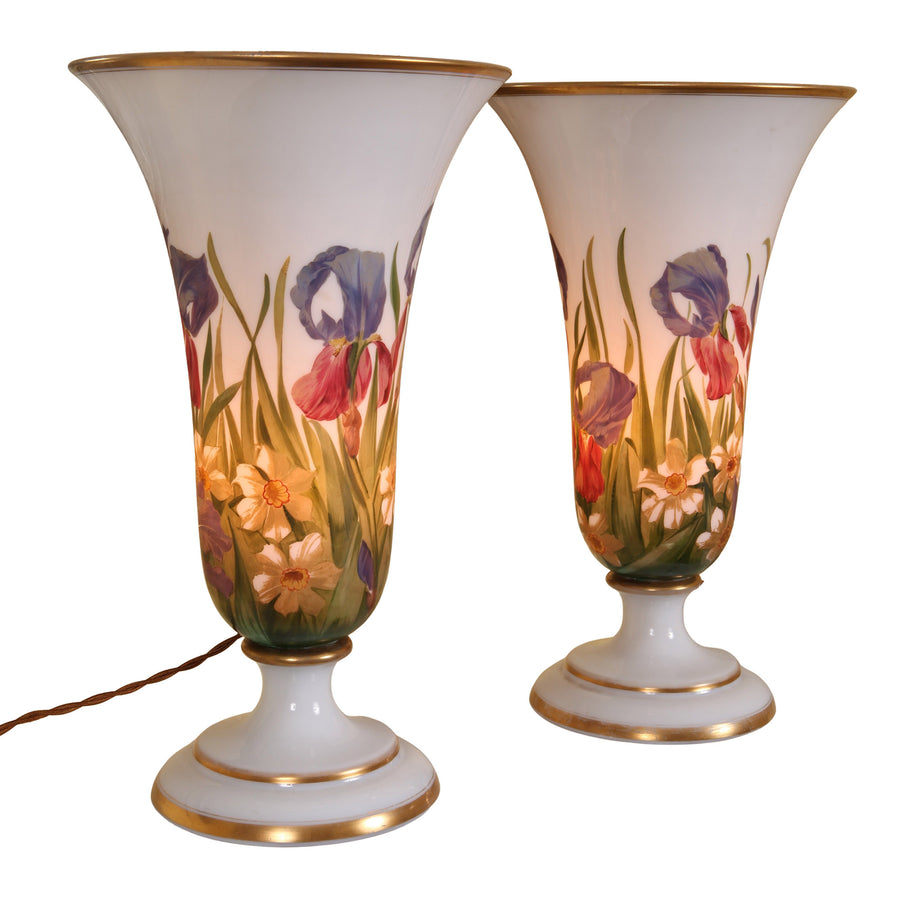
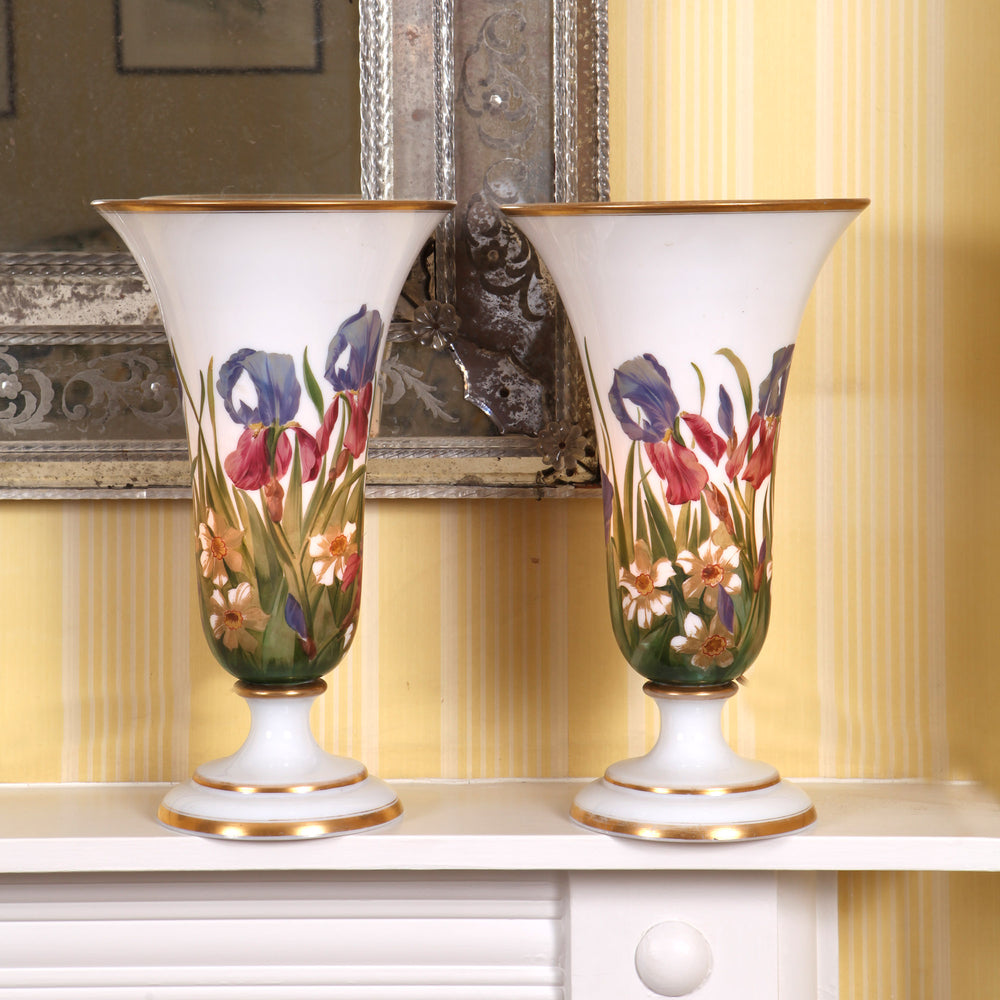
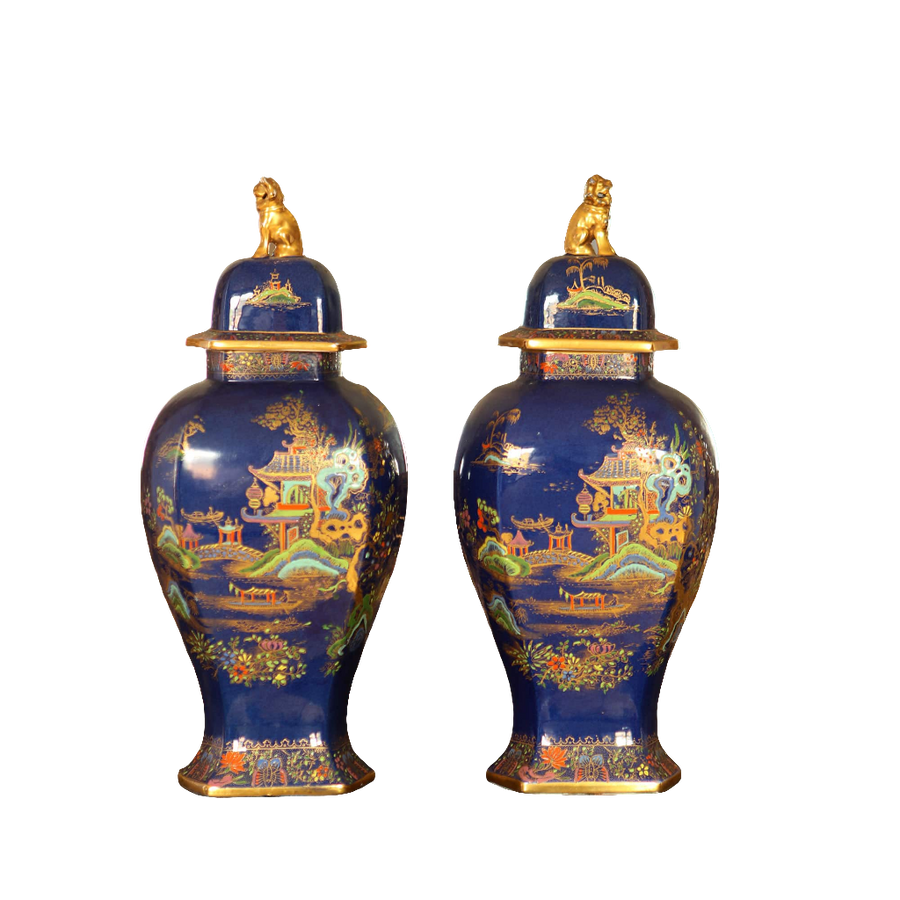
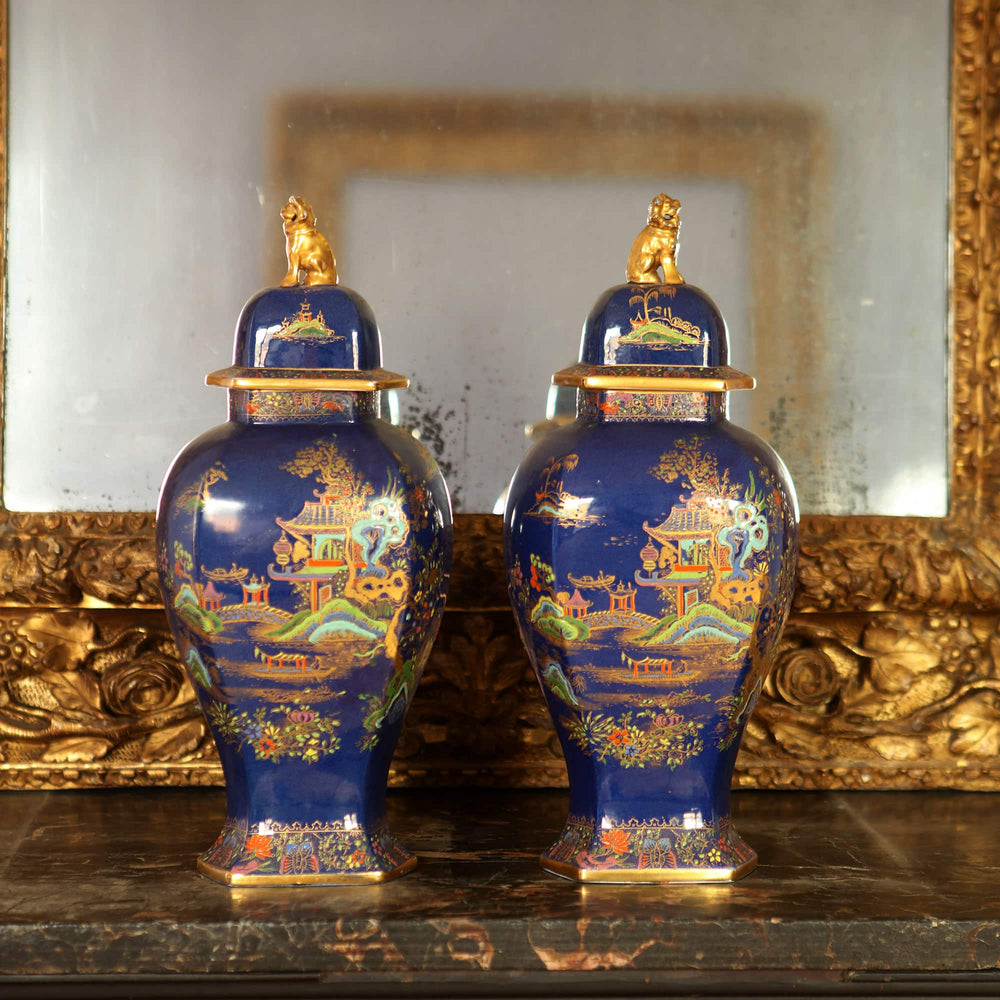
Porcelain factories such as Sèvres, Chelsea, and Meissen perfected the art of applying gold paste or leaf after glazing, then re-firing at low temperatures. This produced the delicate trelliswork and floral highlights that became a hallmark of 18th-century porcelain.
Frames, furniture, and interiors were often given texture by punching or stippling into the gilded surface, creating shimmering contrasts between matte and burnished areas.
Today, gilded antiques are prized for their craftsmanship, beauty, and historical resonance. From ormolu-mounted furniture to porcelain enlivened with gold, these pieces remain enduring symbols of 18th-century elegance and refinement.
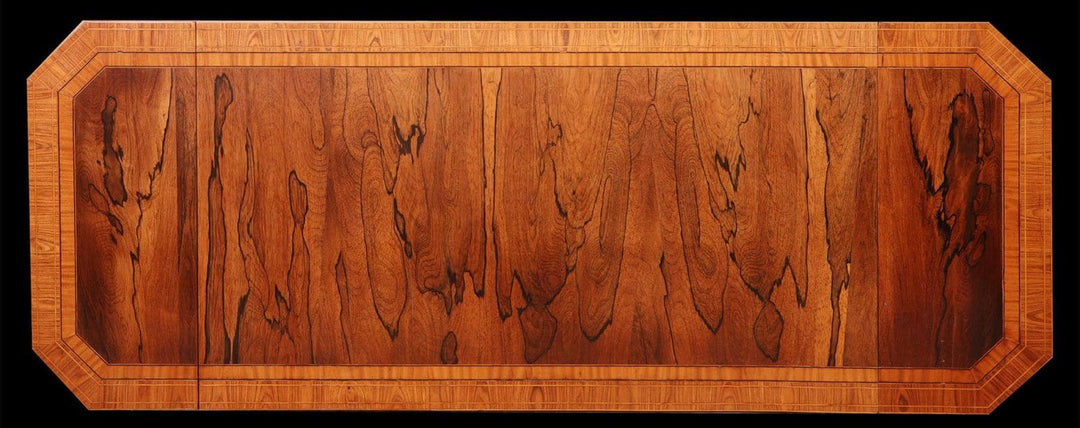
This month we have 10% off the Regency Collection - checkout code REG10

Each item in our collection is sold with complimentary restoration within the purchase price. It is only released for delivery once it has been fully checked over and wax polished.

Introduce someone to Nicholas Wells Antiques—when they make a purchase of £10,000 or more, they will benefit form £500 off and you'll receive £500 credit toward your next purchase over £5,000.
A gesture of thanks, from one collector to another.