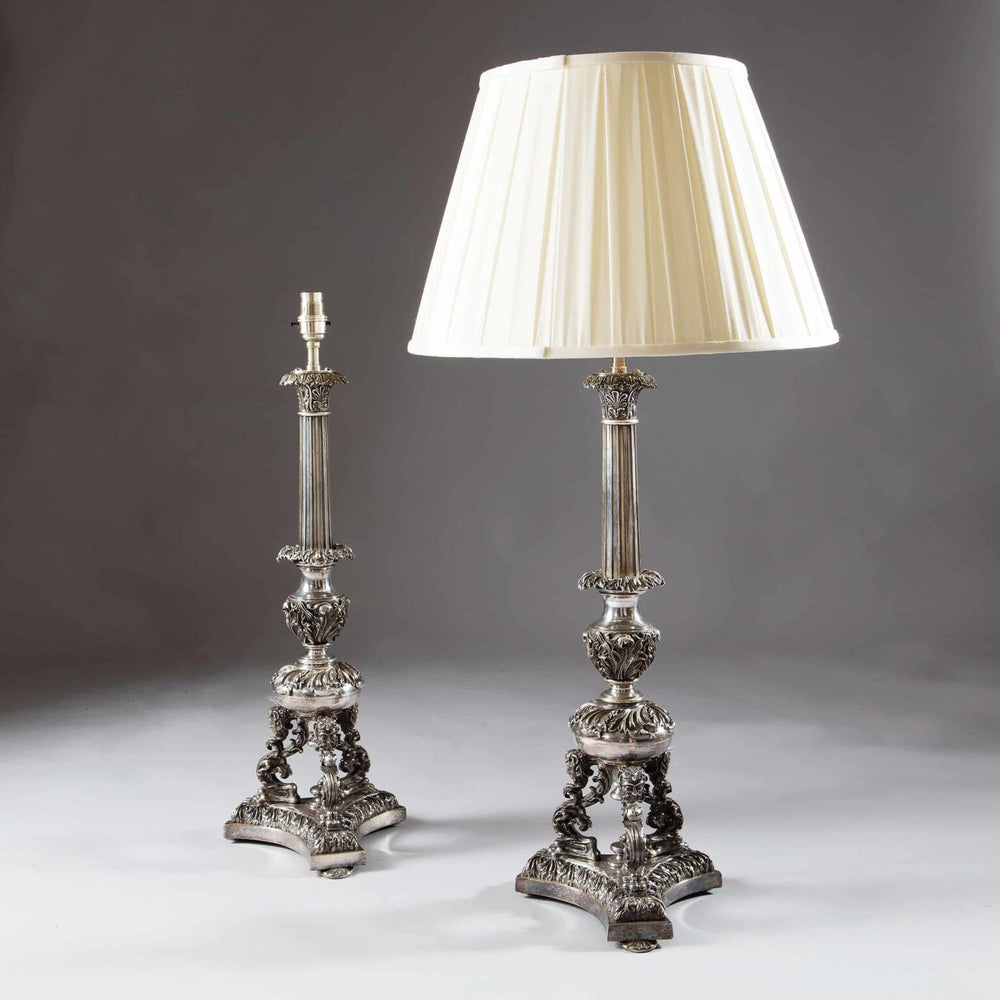
The 18th century marked a period of flourishing artistic and industrial production in Europe, particularly across Britain and France. Metalwork played a vital role in both everyday domestic life and high-style decoration. Craftsmen worked across disciplines to create objects that were not only utilitarian but often rich in ornament and symbolism. The following overview categorises types of metalwork by purpose, detailing their materials, techniques and stylistic characteristics.
Domestic Metalwork
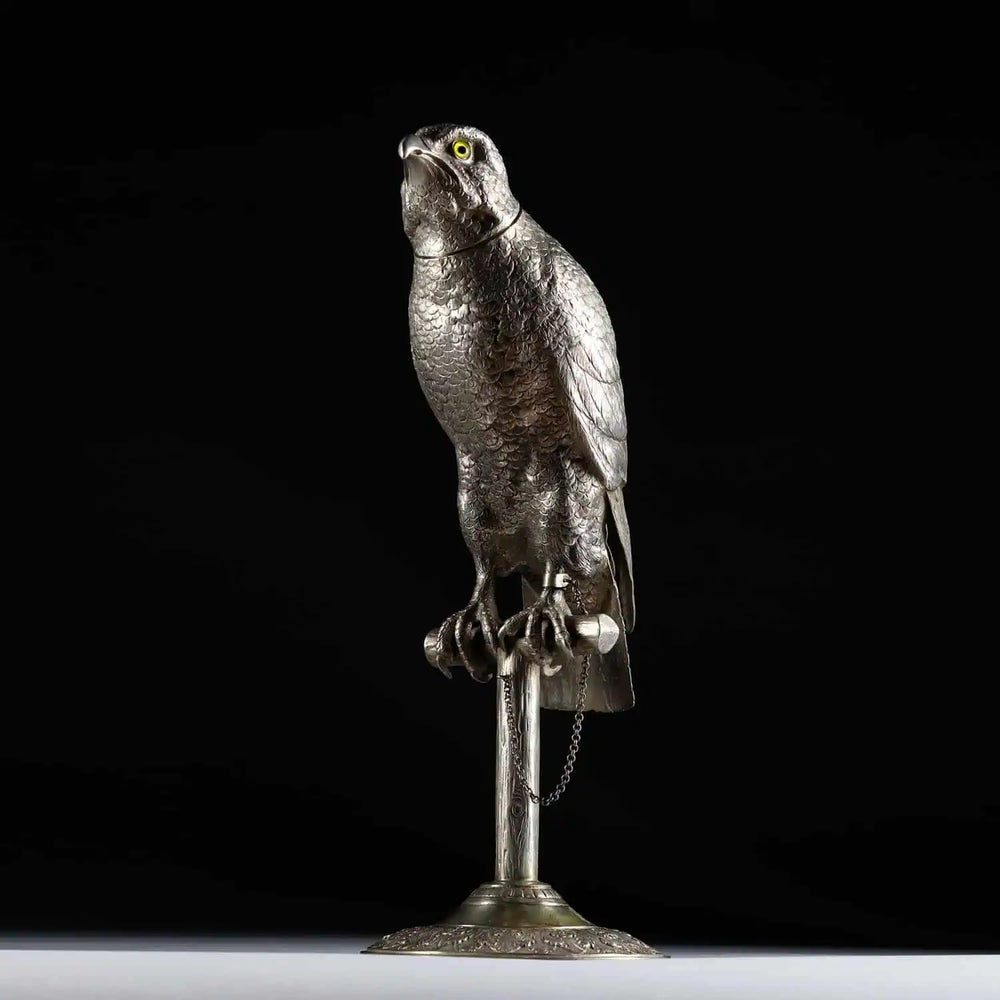
Silversmithing
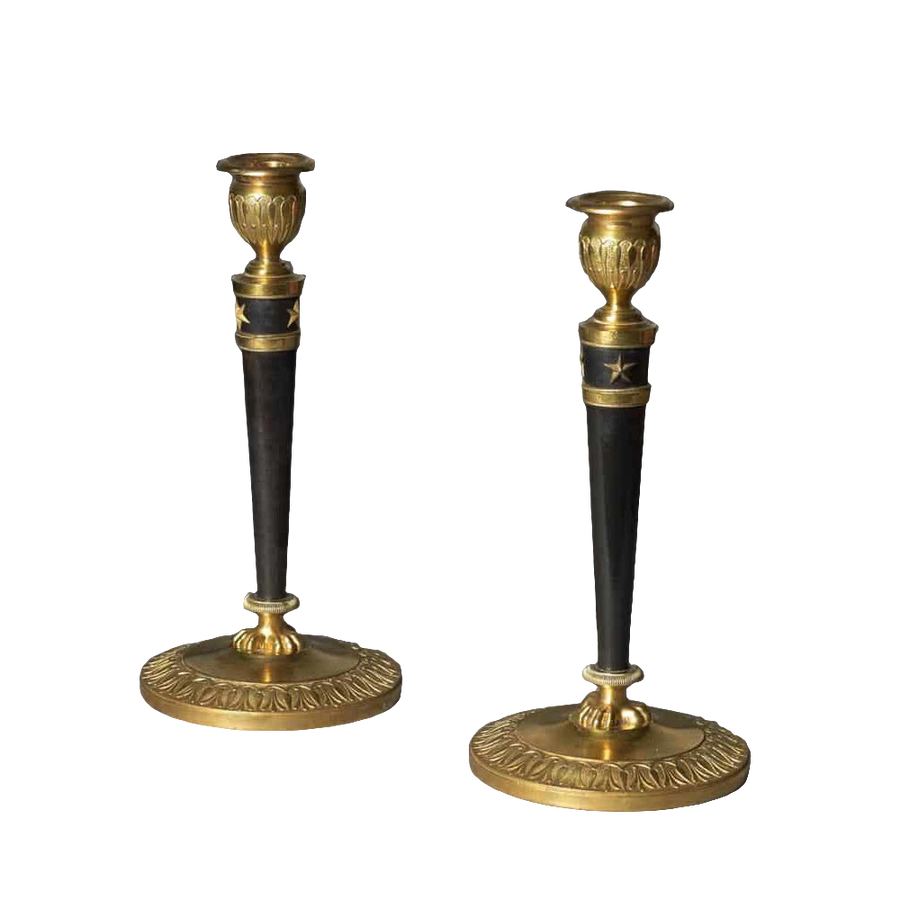
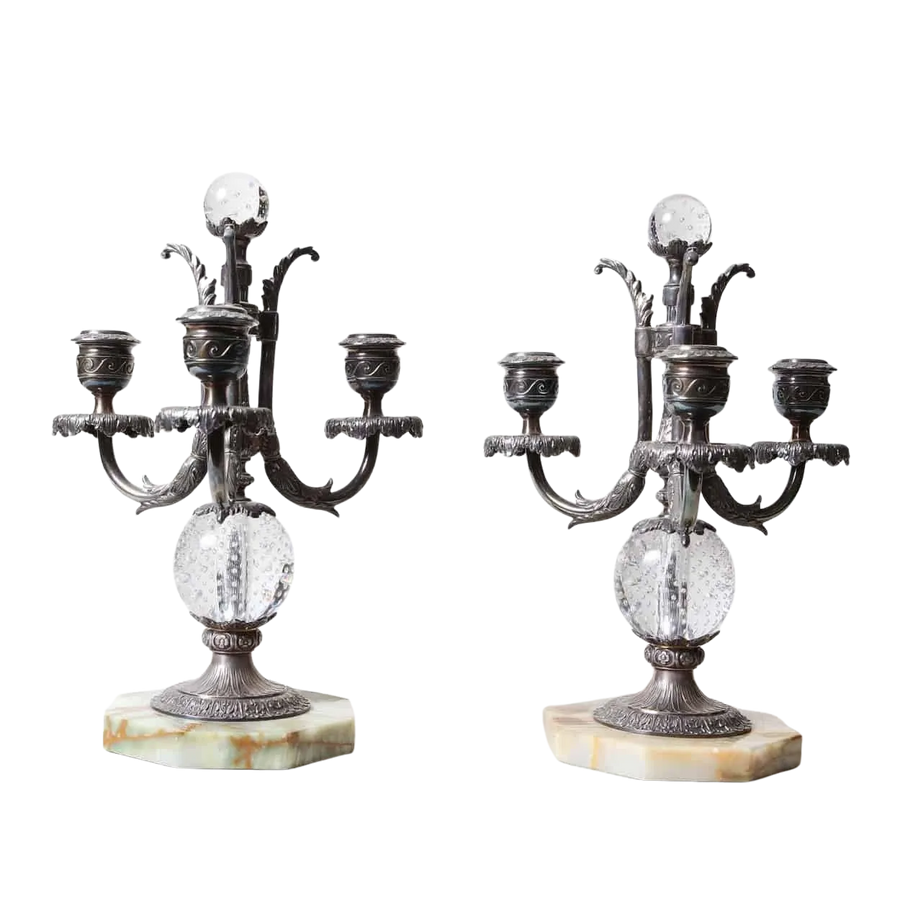
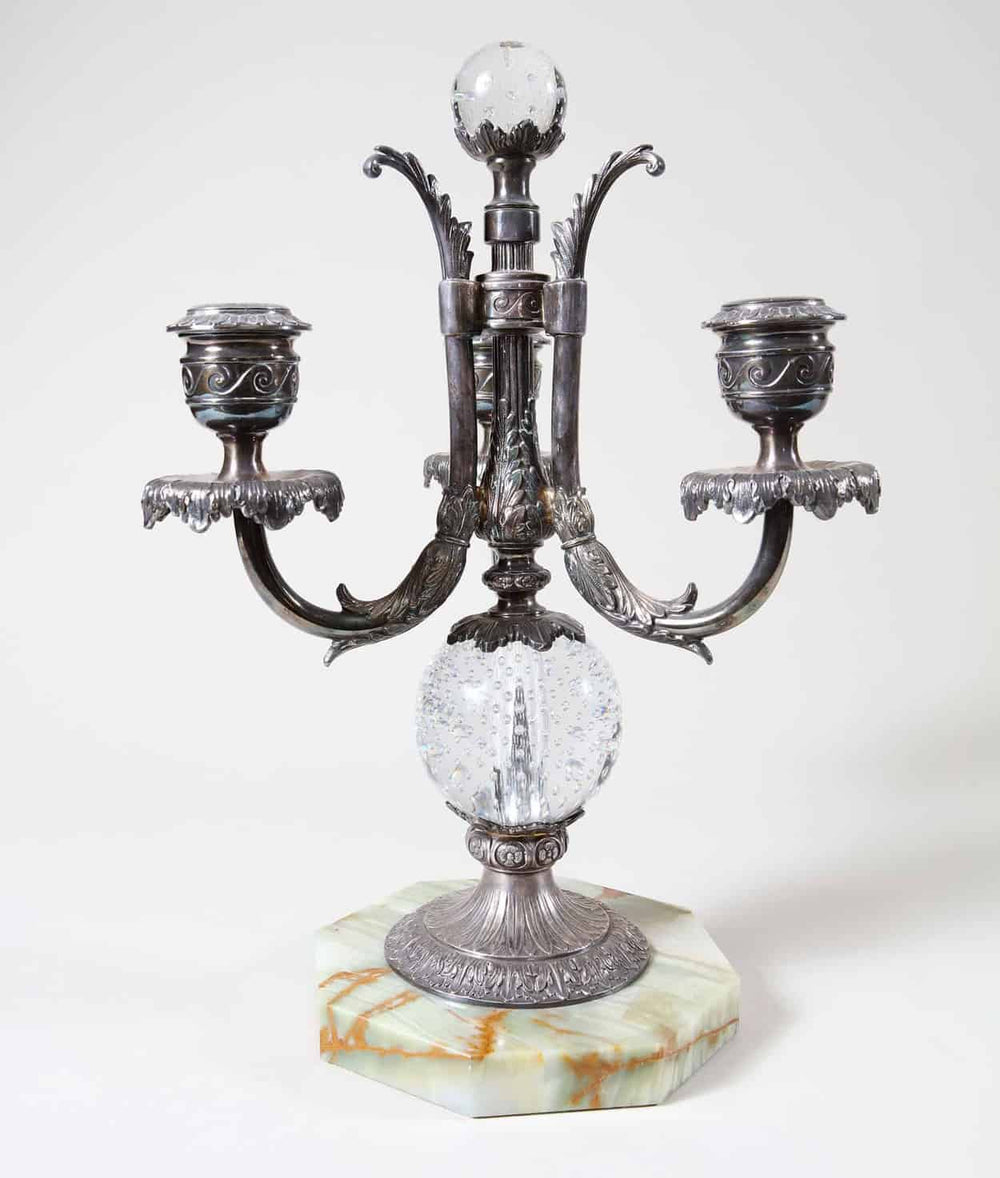
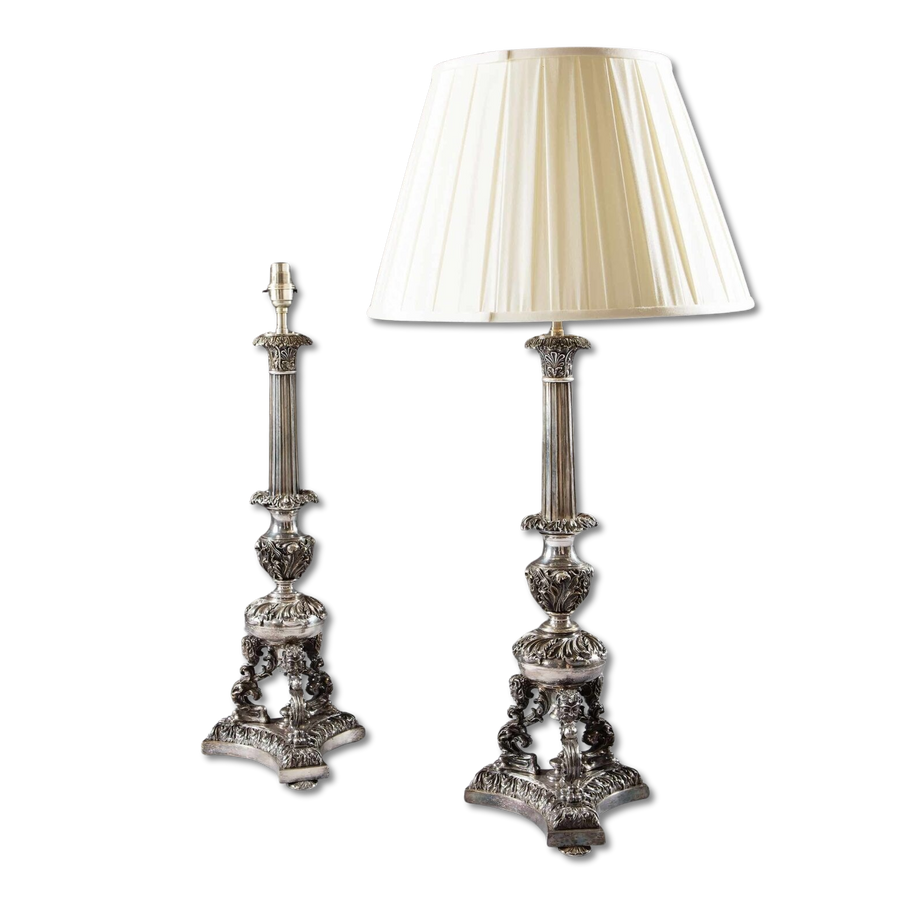
- Primary medium for luxury household goods such as tea services, flatware and candlesticks.
- Often produced in sterling silver, alloyed with copper for strength.
- Decorative techniques included repoussé, chasing, engraving, and pierced work.
- Georgian silver favoured Rococo flourishes early in the century, shifting to Neoclassical symmetry by the 1770s.
Pewterware
- More affordable than silver, pewter was used for tankards, plates and basins.
- Typically cast and turned on a lathe; decoration remained minimal or folk-inspired.
Toleware
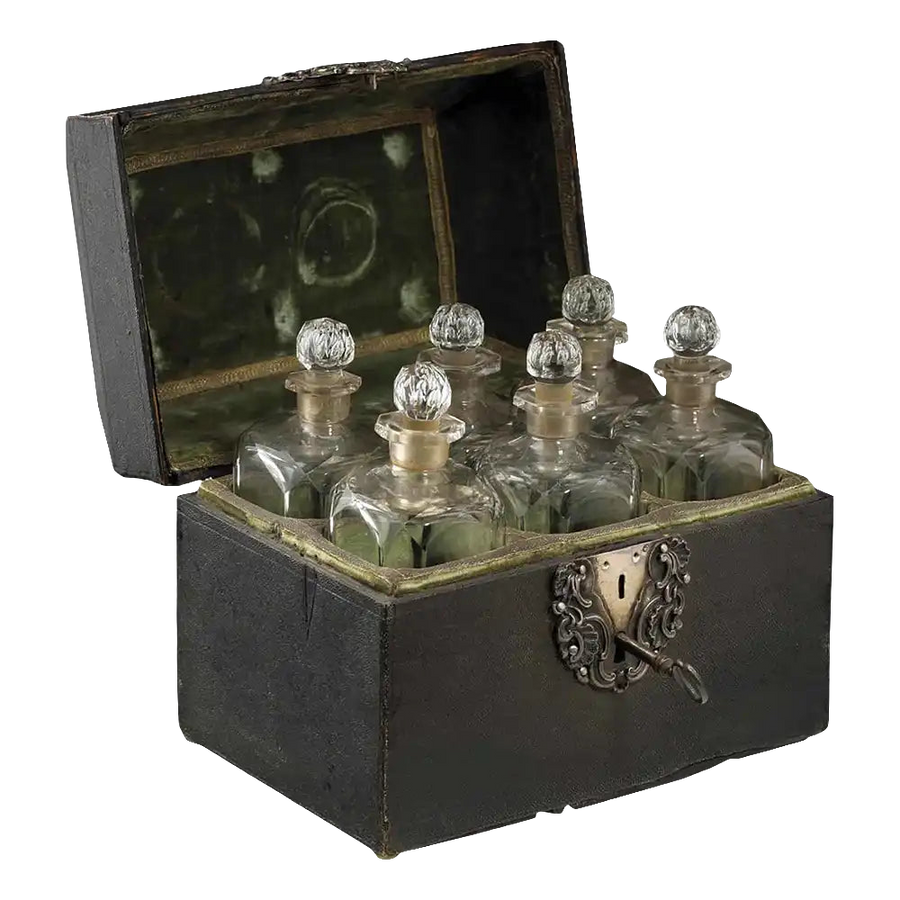
- Tin-plated and painted domestic items like trays and storage boxes.
- Widely popular in rural and middle-class households; often decorated with floral motifs.
Copper and Tinwork
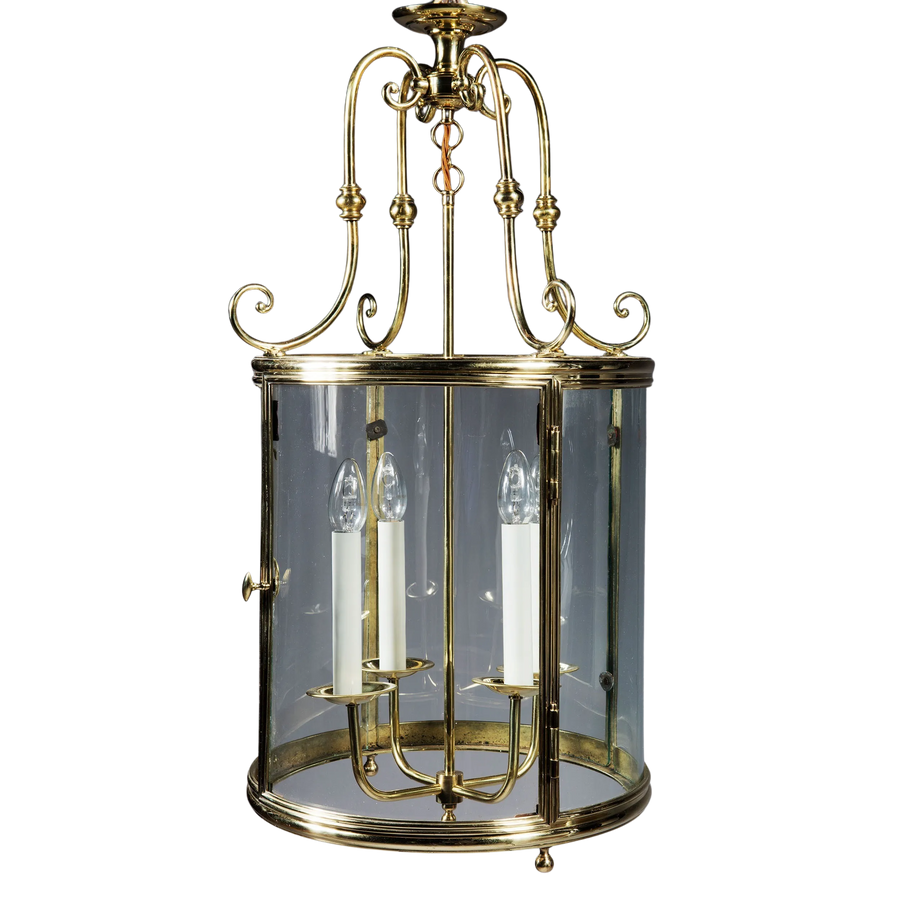
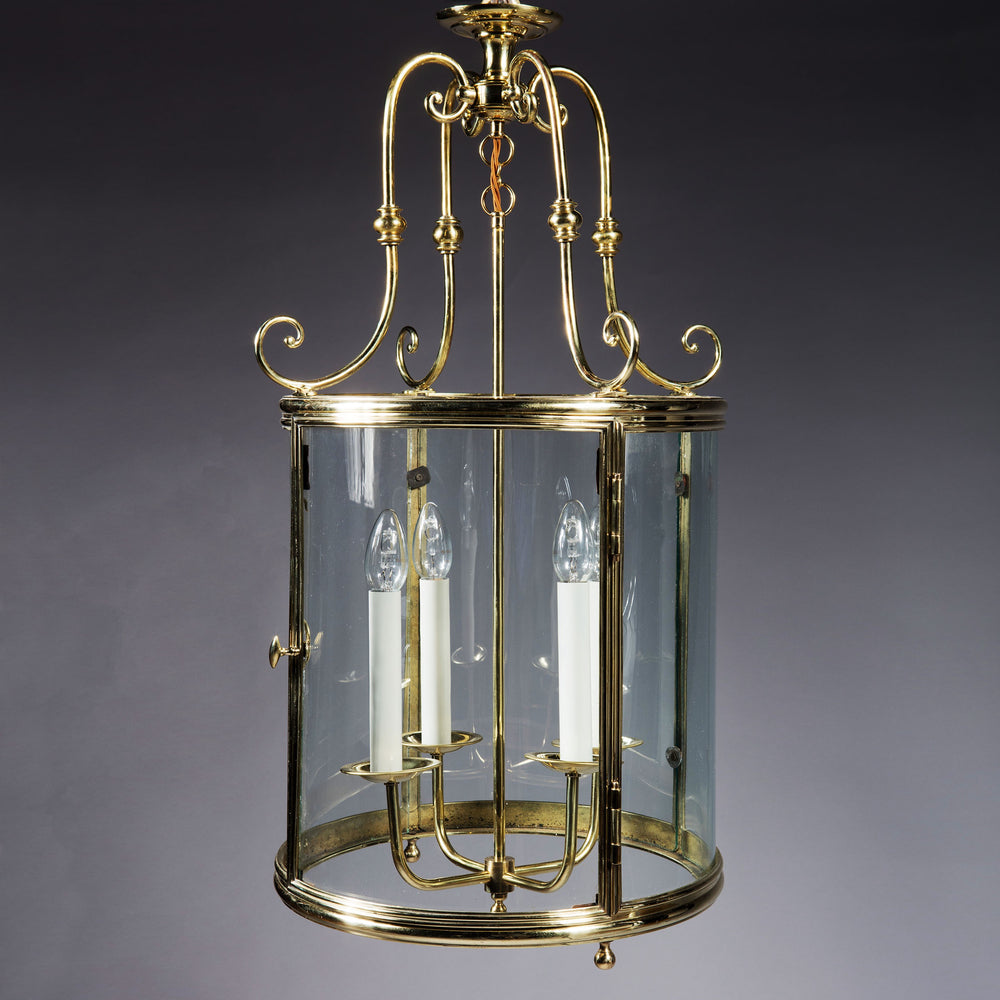
- Used for cookware, kettles and lanterns.
- Less ornate, more functional; often replaced with cast iron in the later century.
Architectural and Decorative Metalwork
Wrought Iron
- Essential in gates, balconies, stair rails and fire screens.
- Blacksmiths crafted Rococo scrollwork early on, later favouring cleaner Neoclassical lines.
- Often painted or gilded to coordinate with interior design schemes.
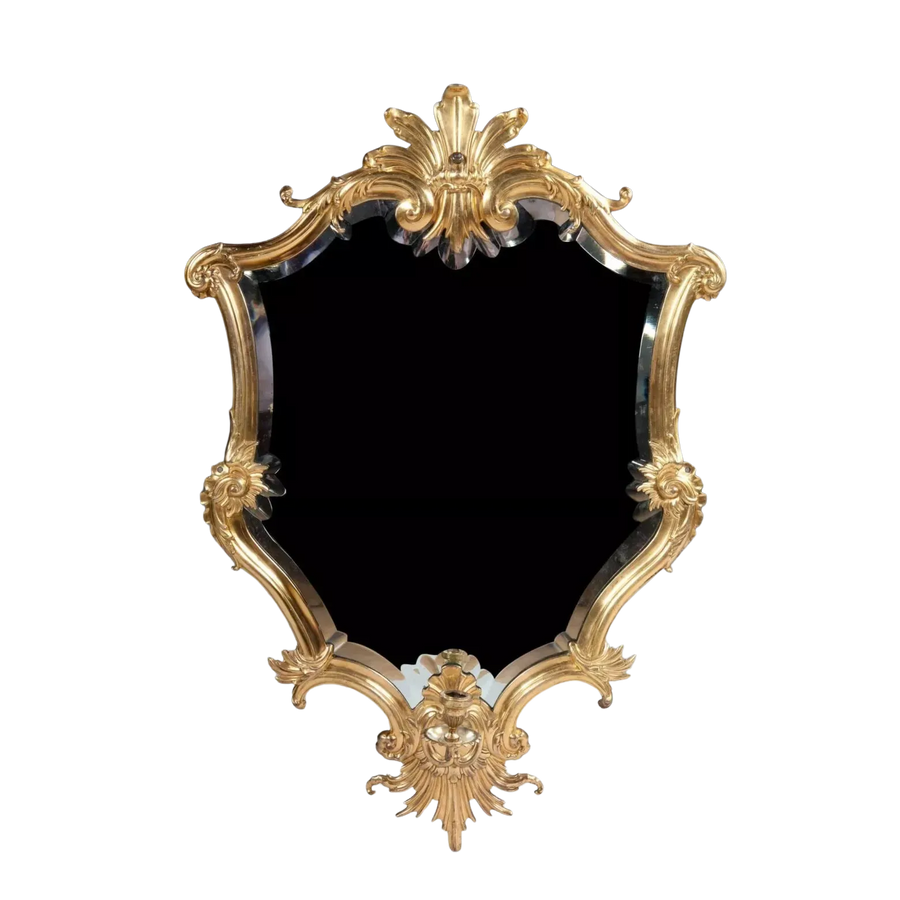
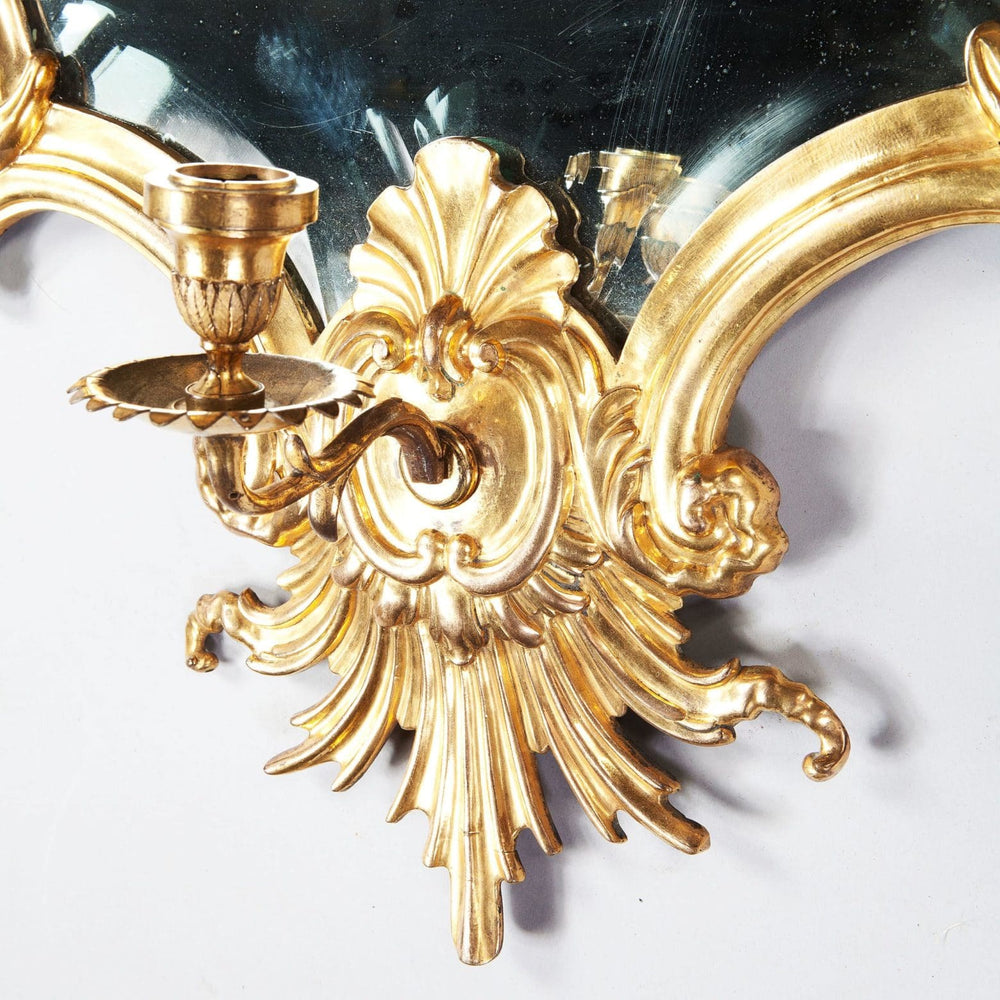
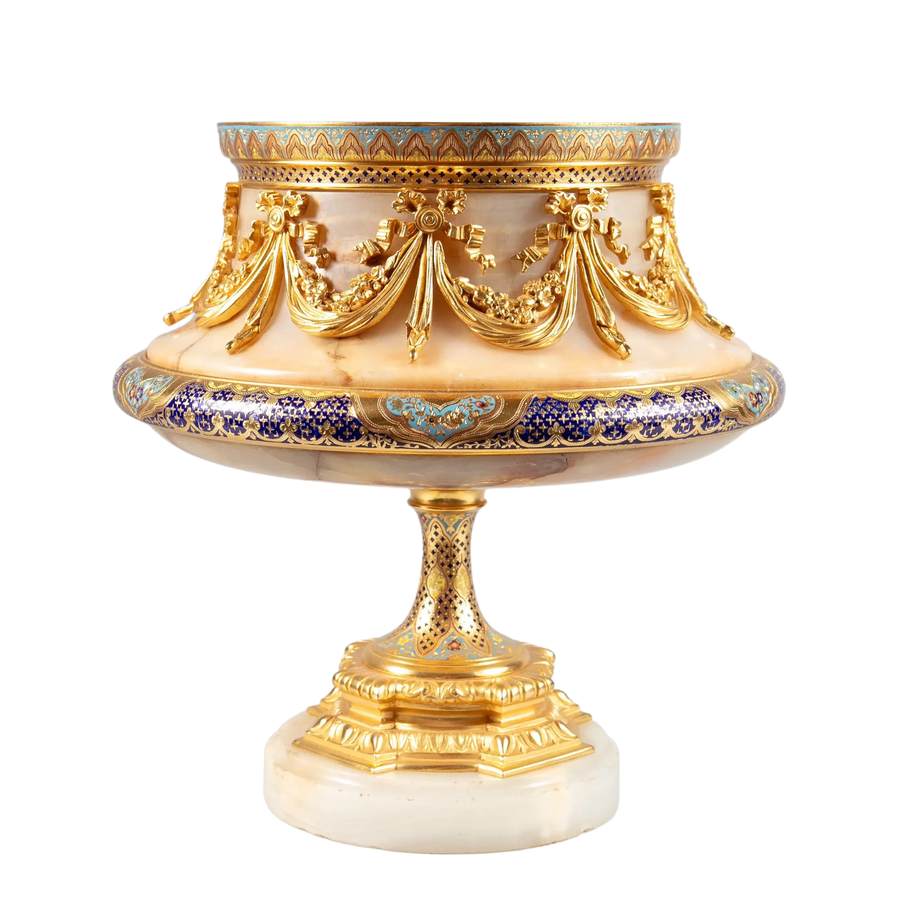
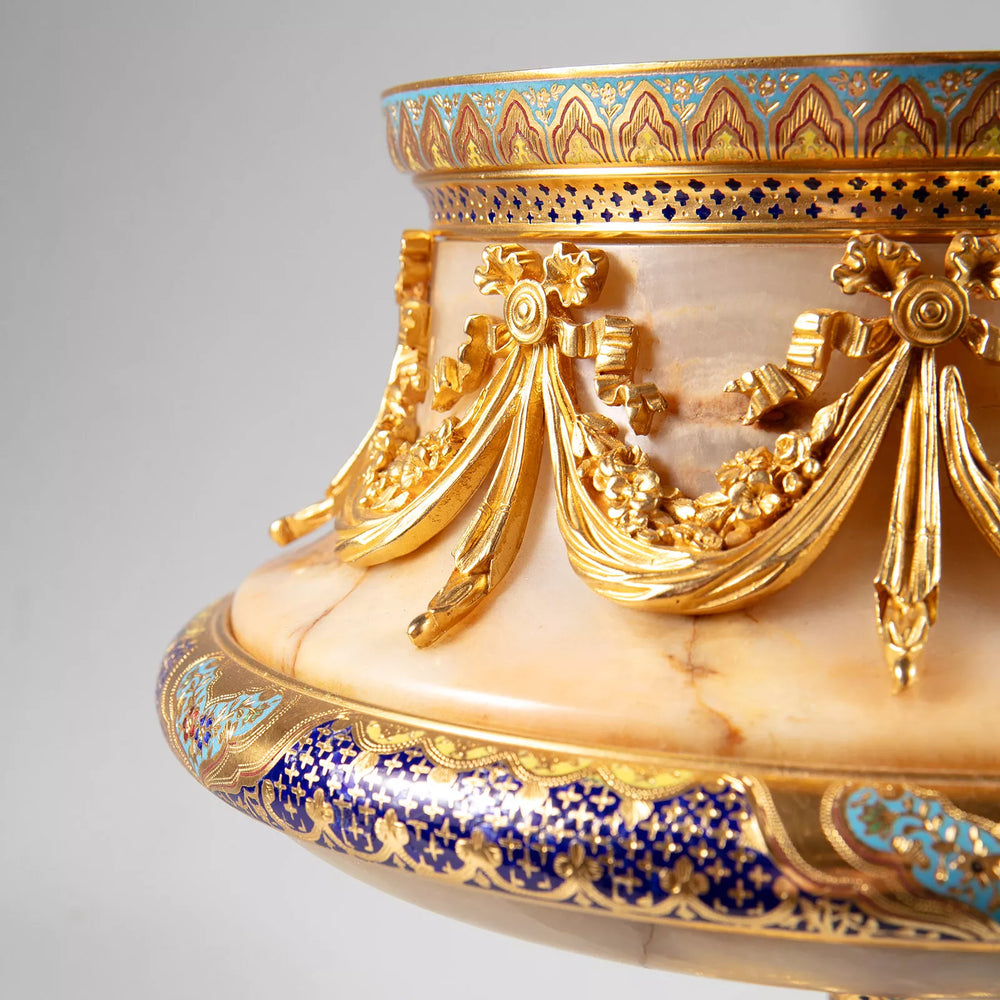
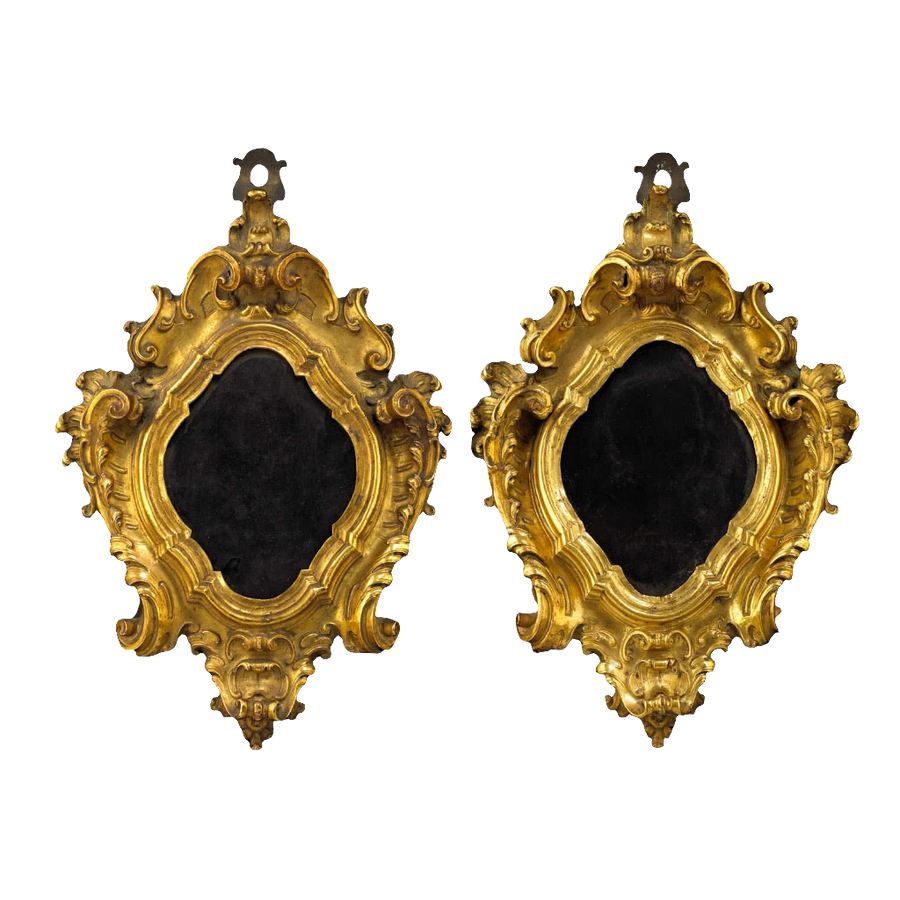
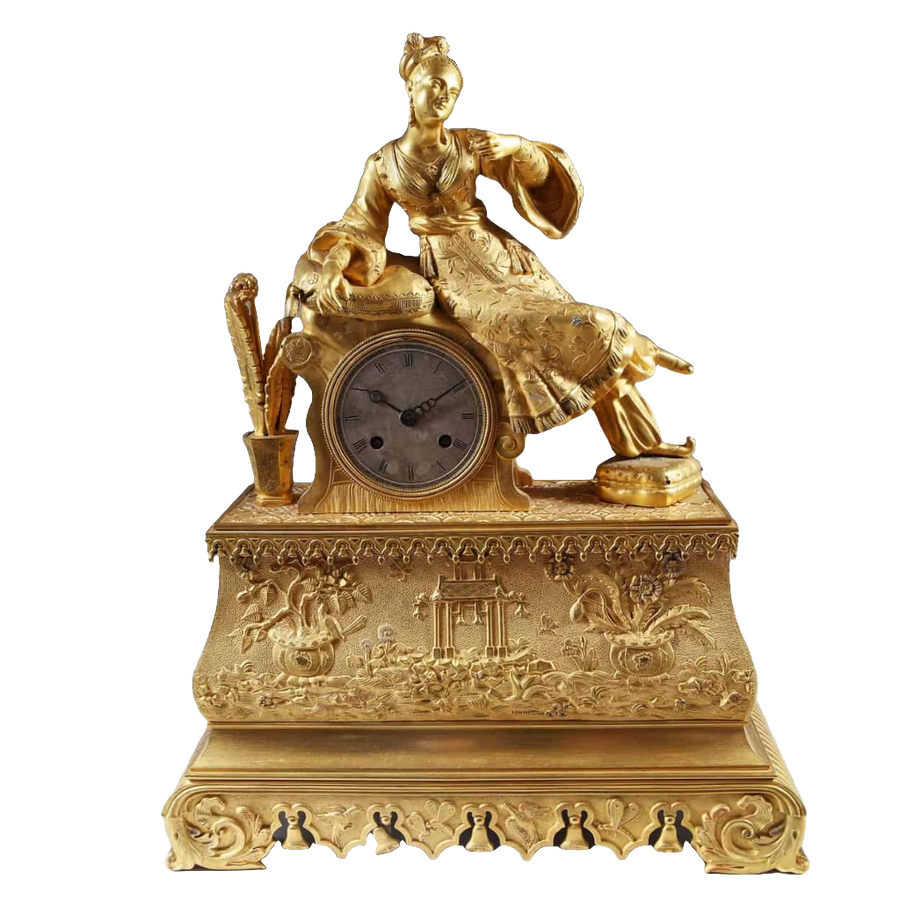
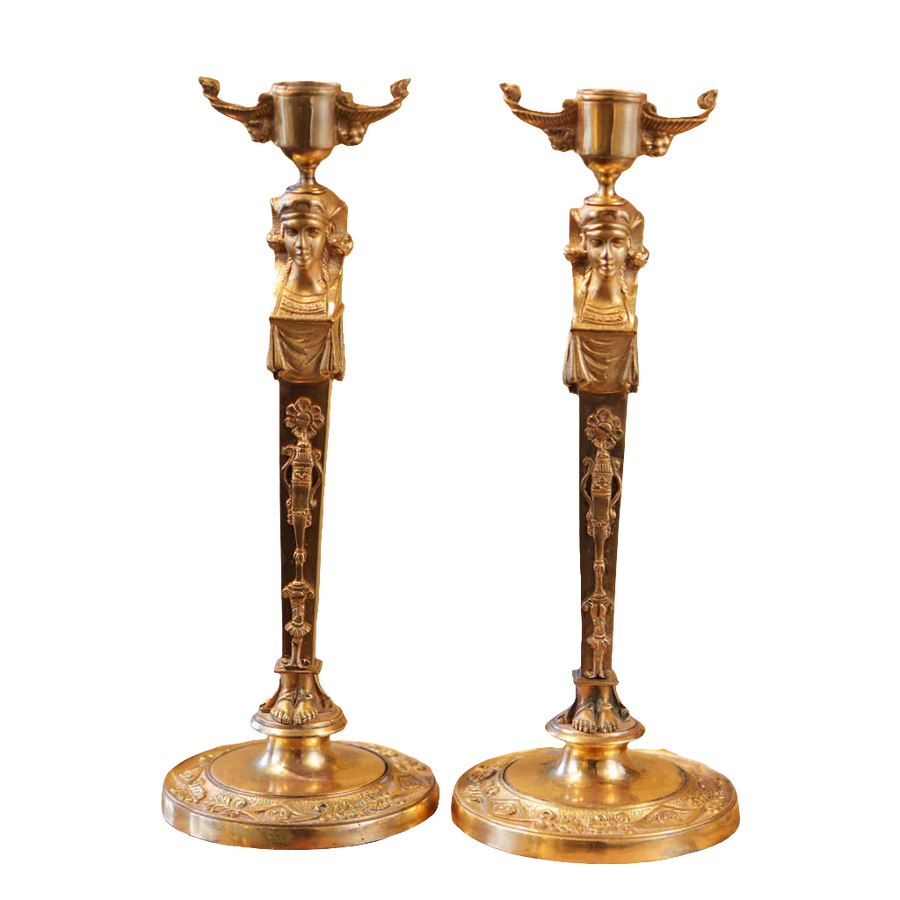
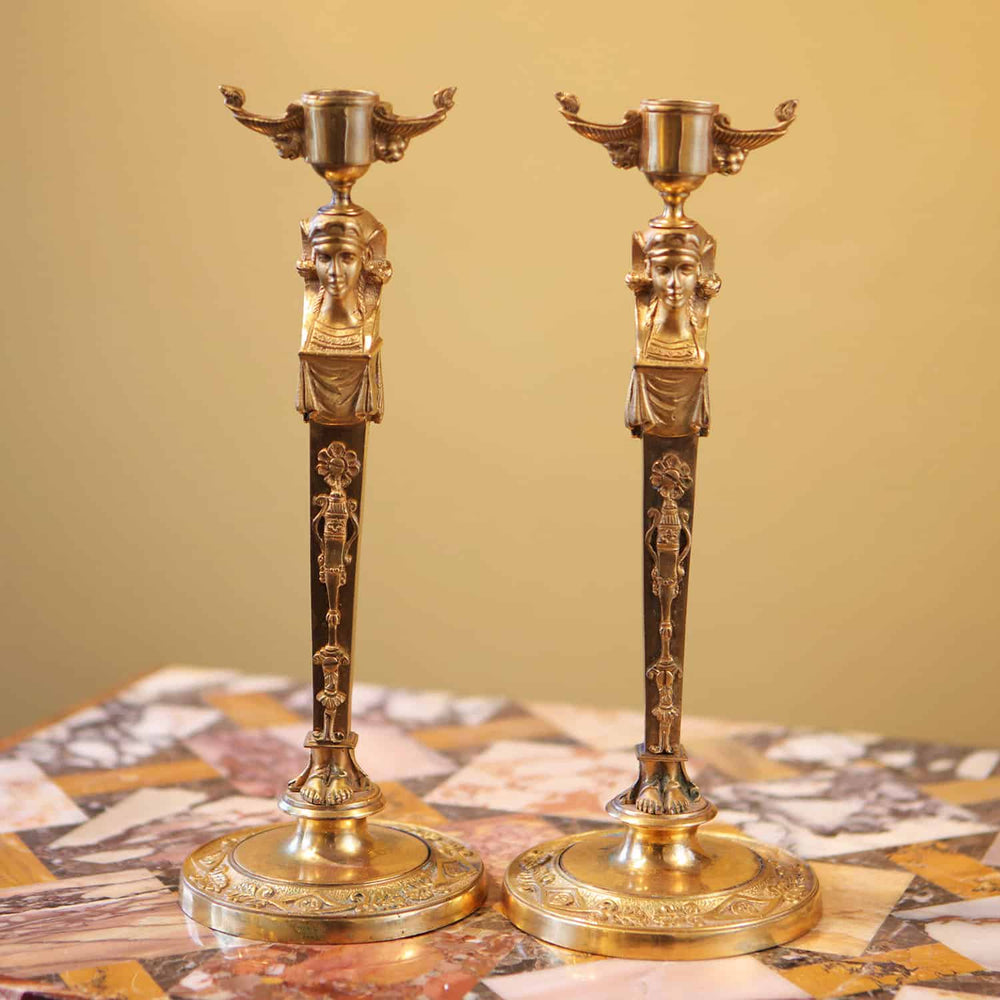
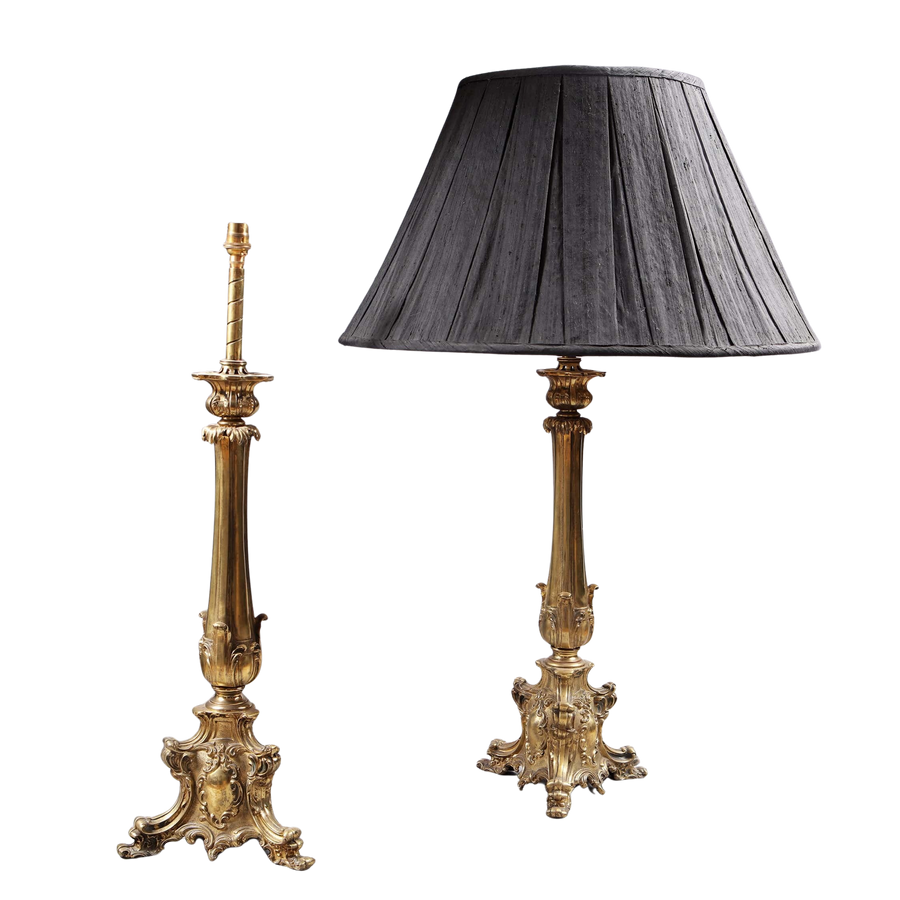
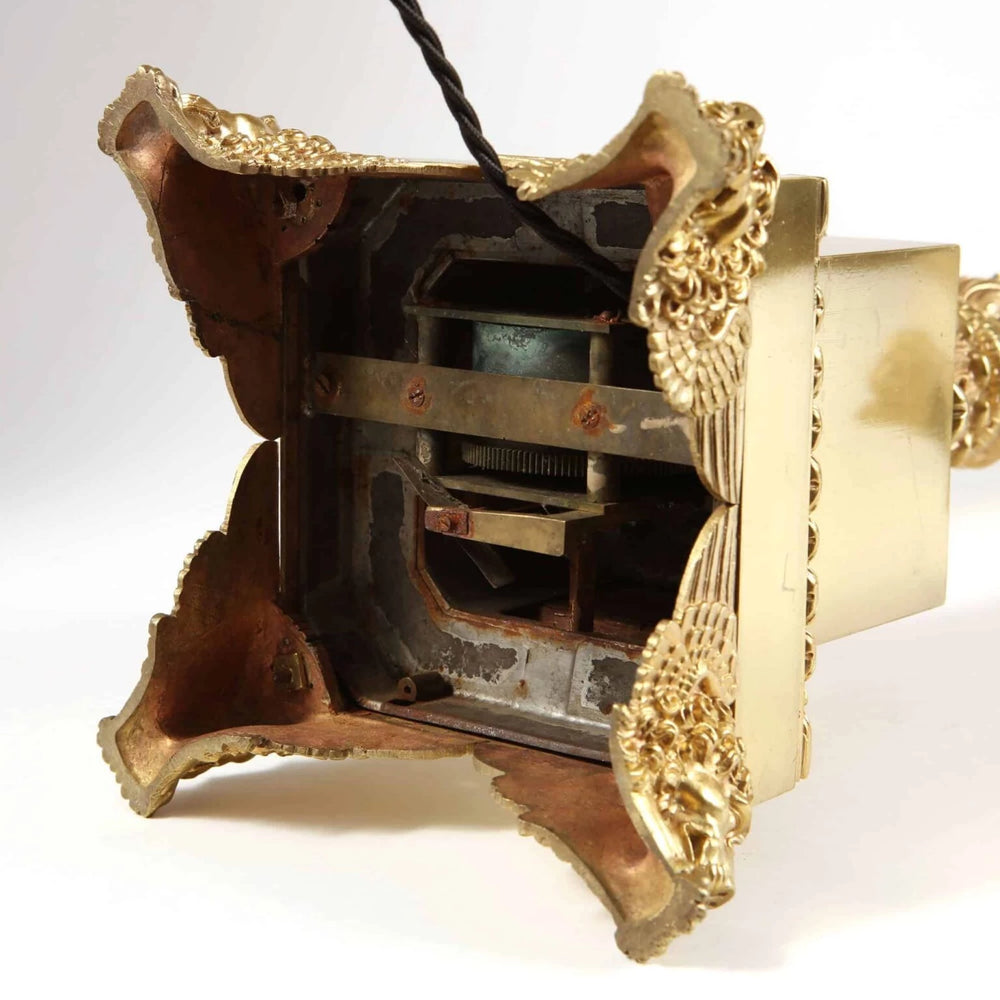
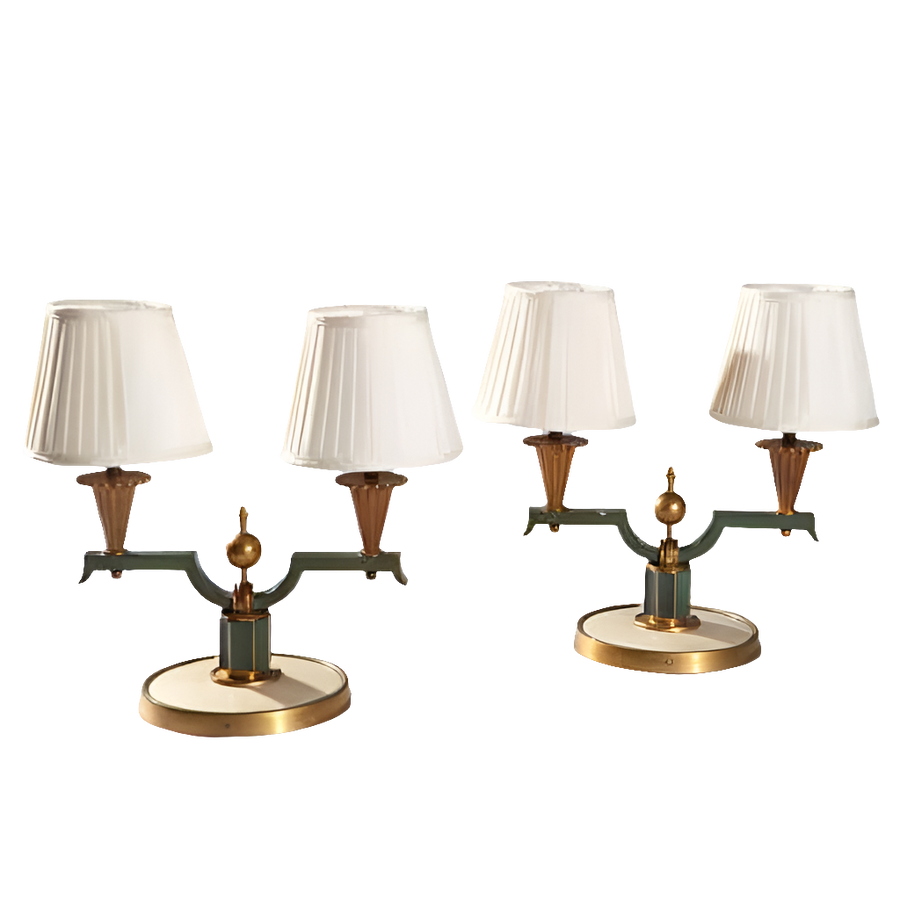
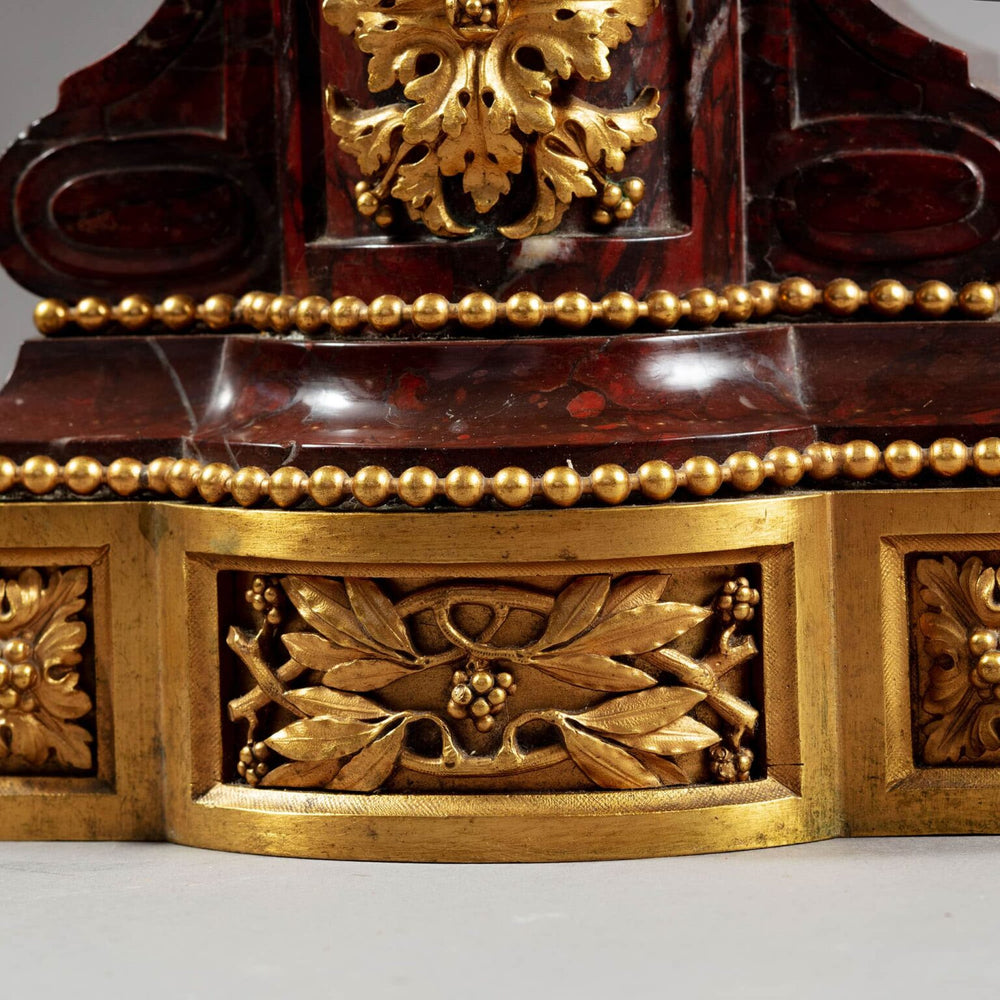
Ormolu (Gilt Bronze)
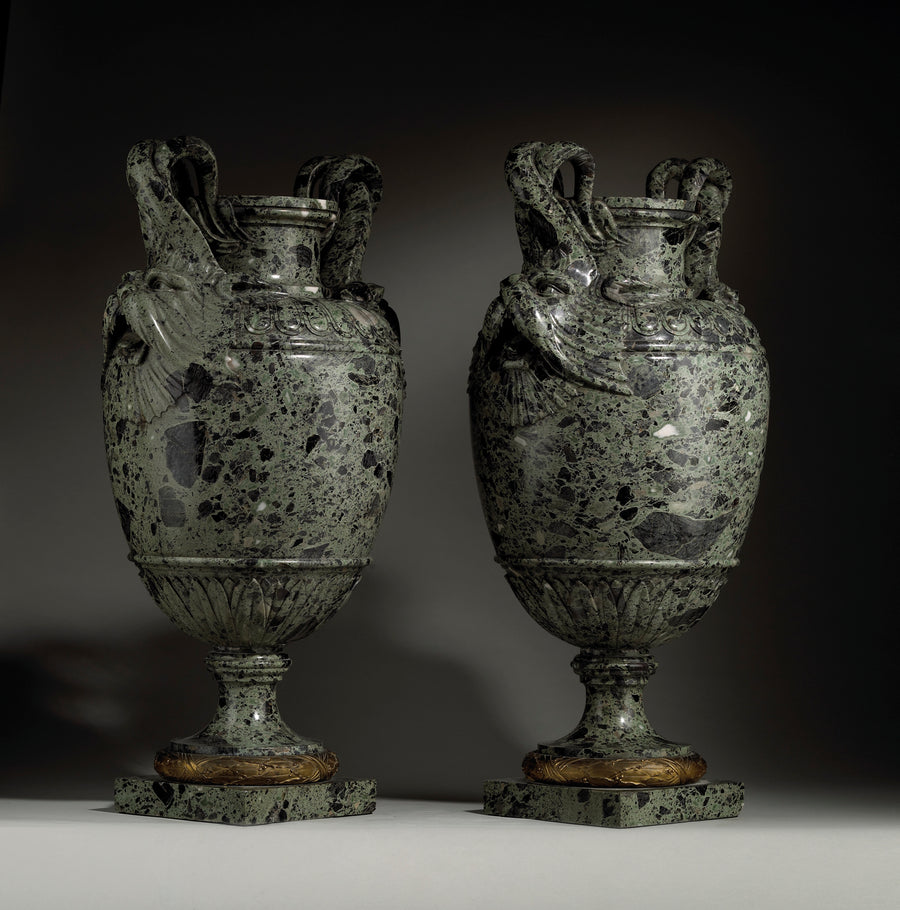
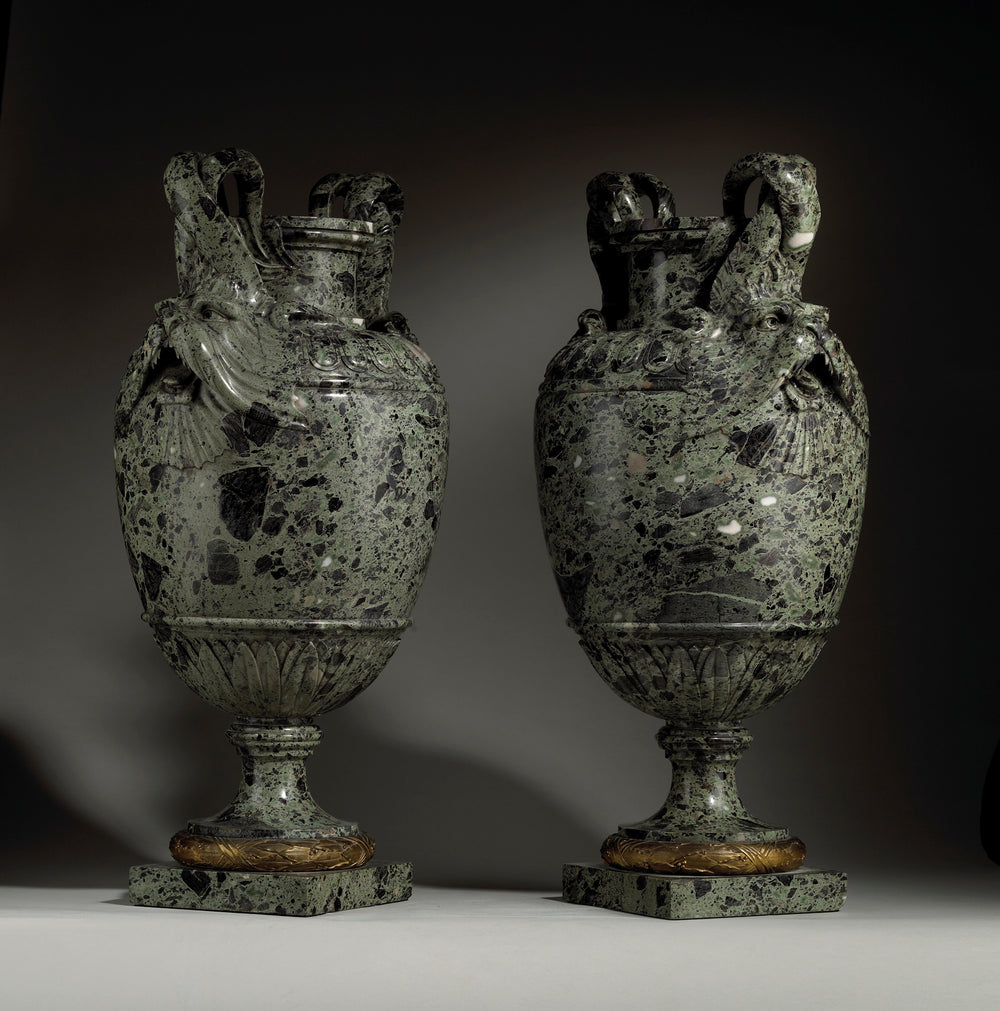
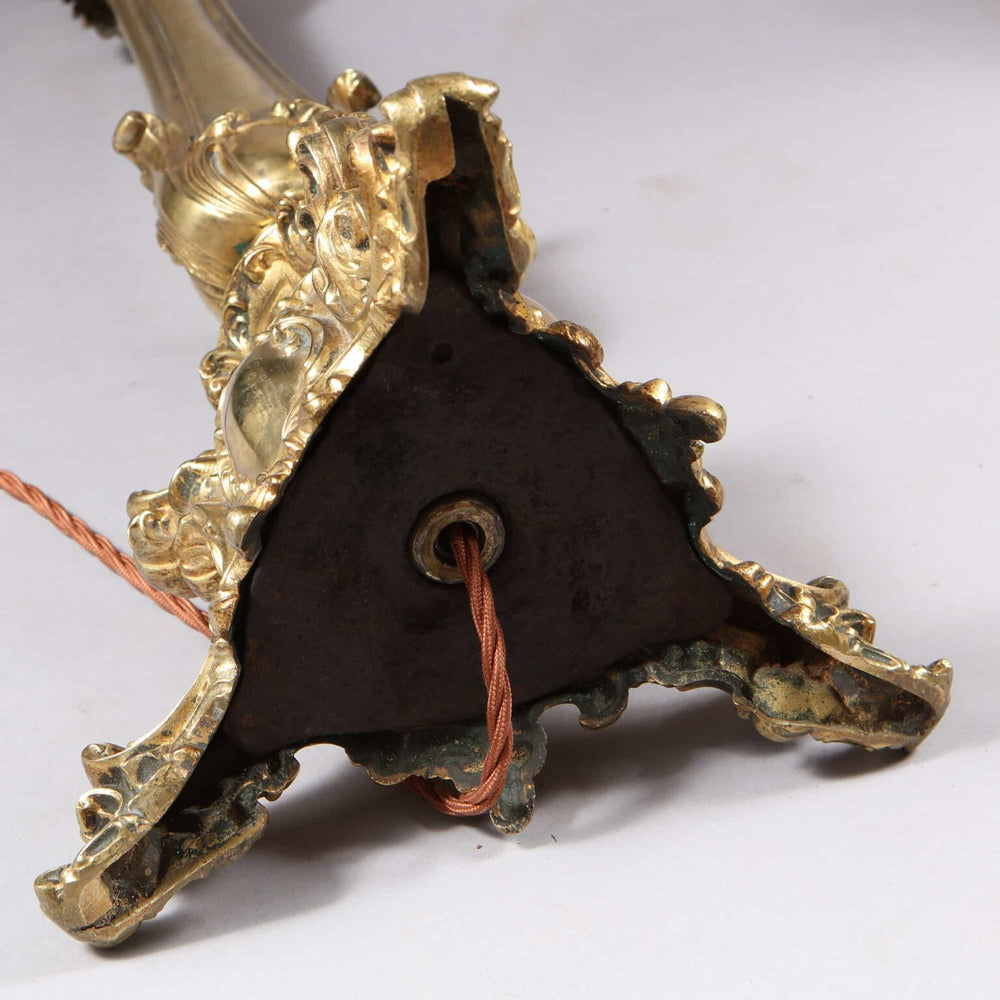
- Created by fusing powdered gold to bronze via mercury gilding—a complex and toxic process.
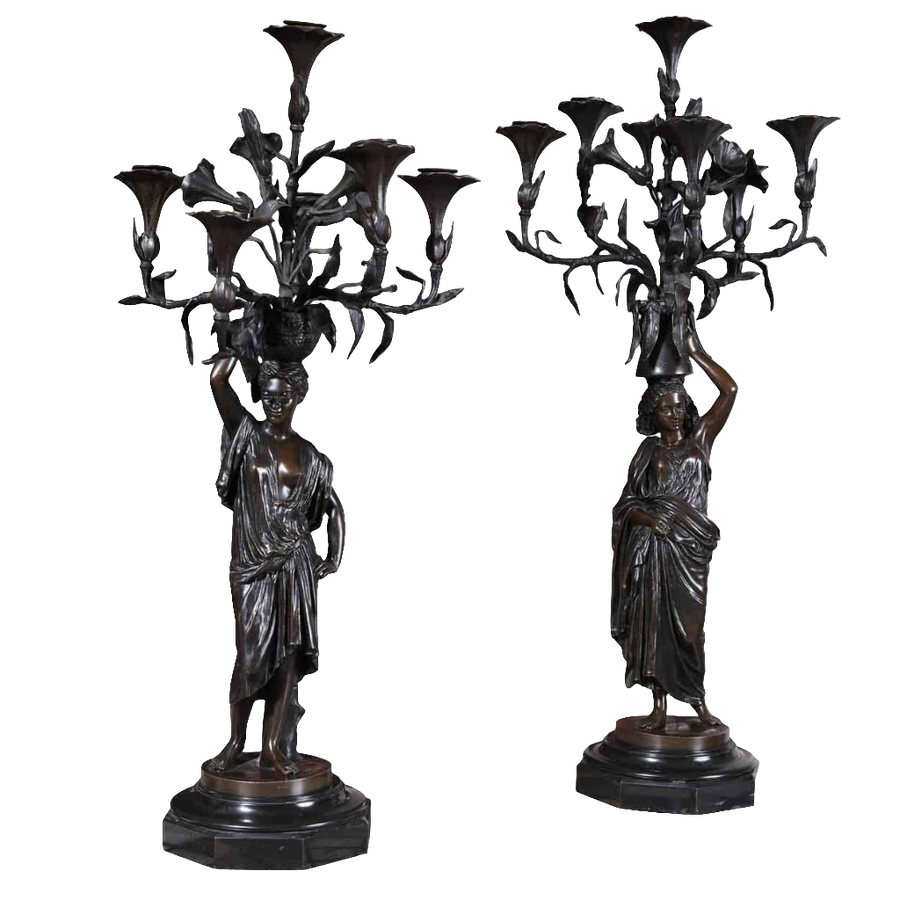
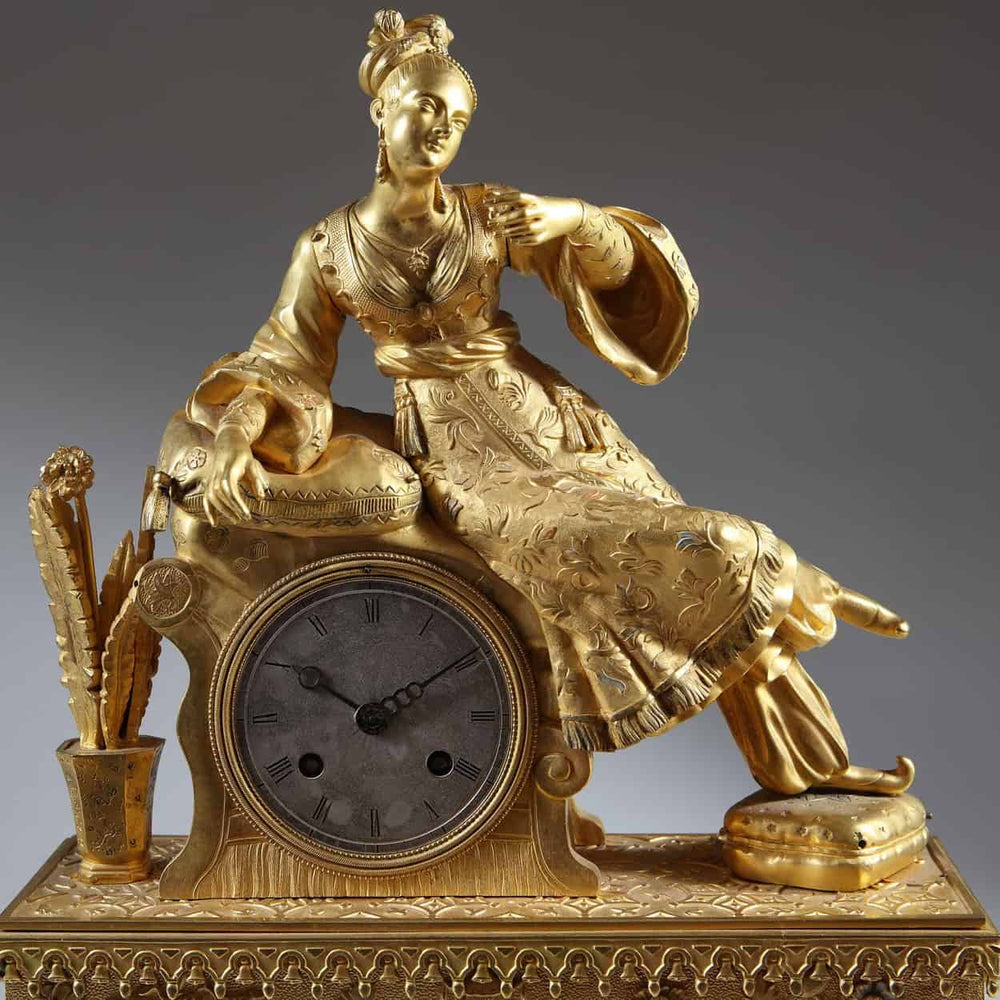
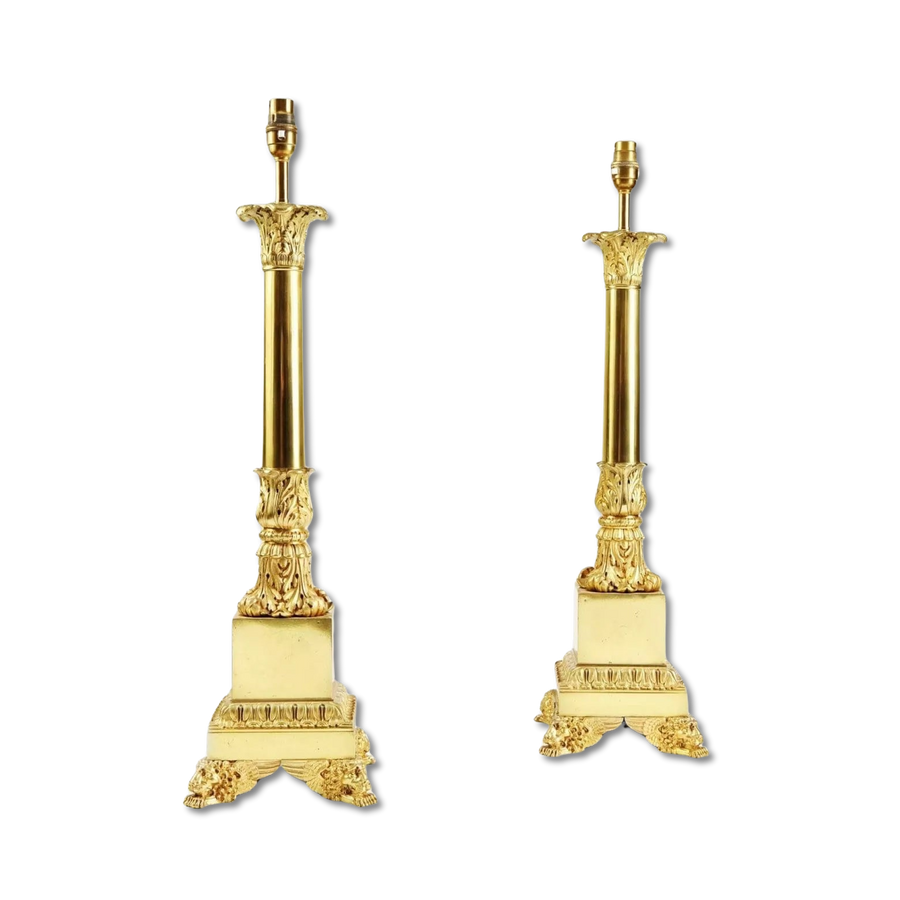
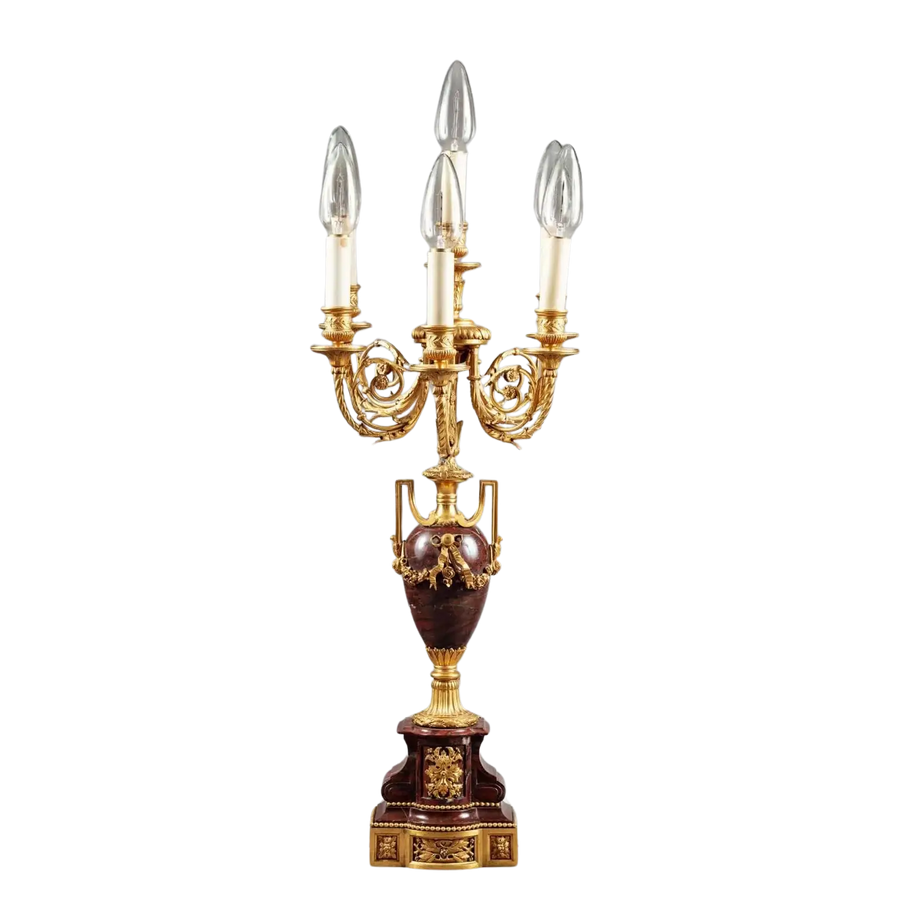
- Used in furniture mounts, clock cases, and candelabra, especially in French decorative arts.
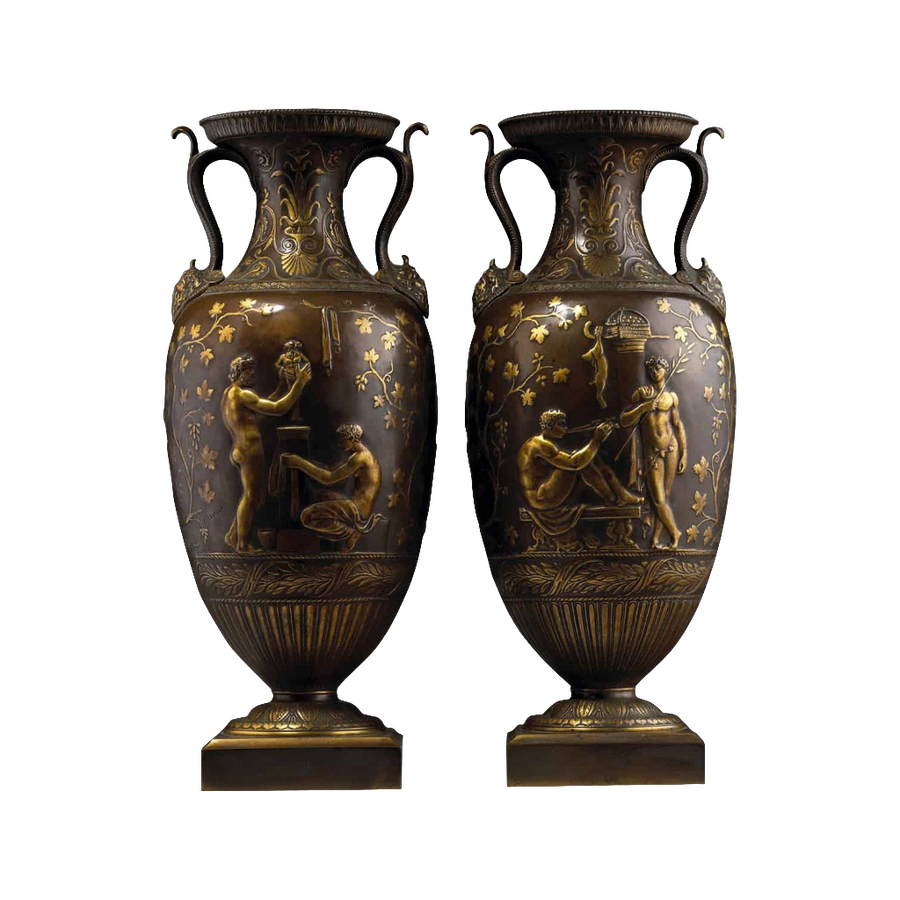
- Highly refined and richly detailed, particularly in the Louis XV and Louis XVI styles.
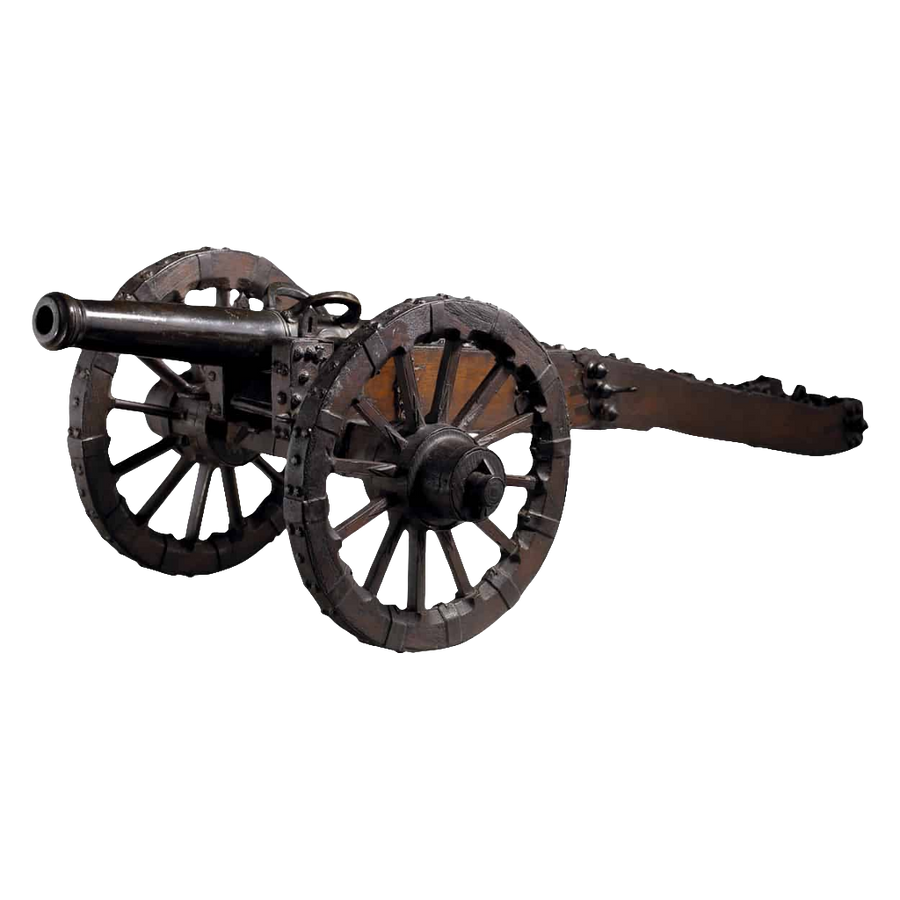
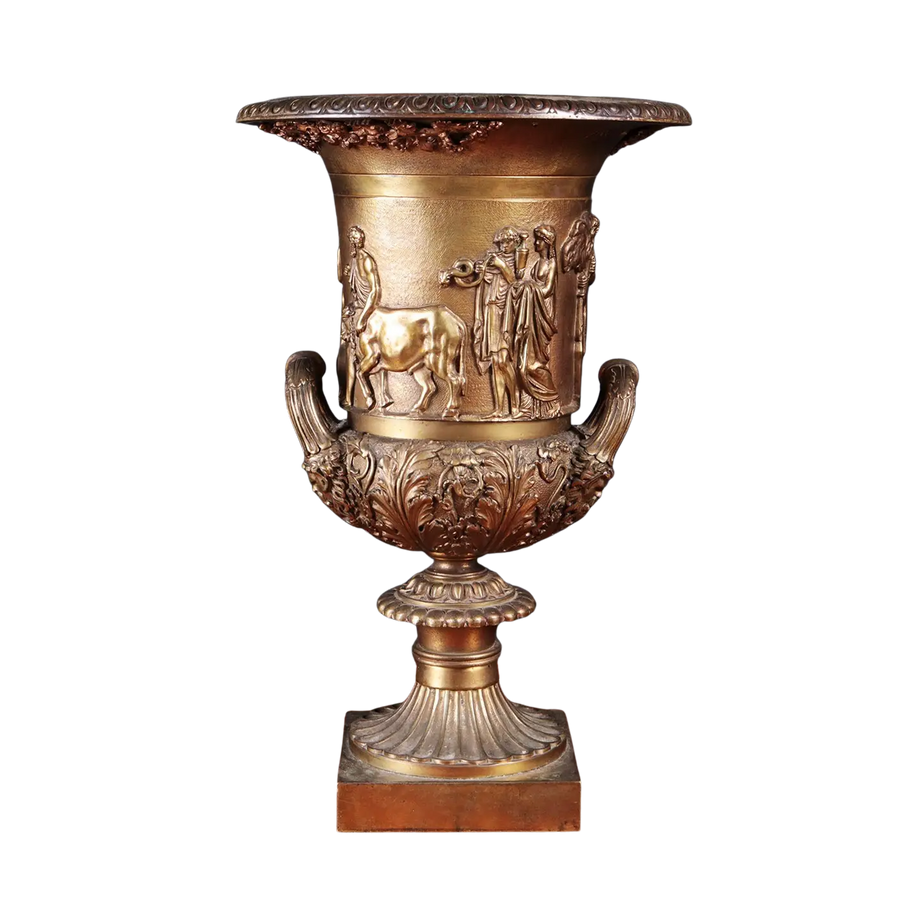
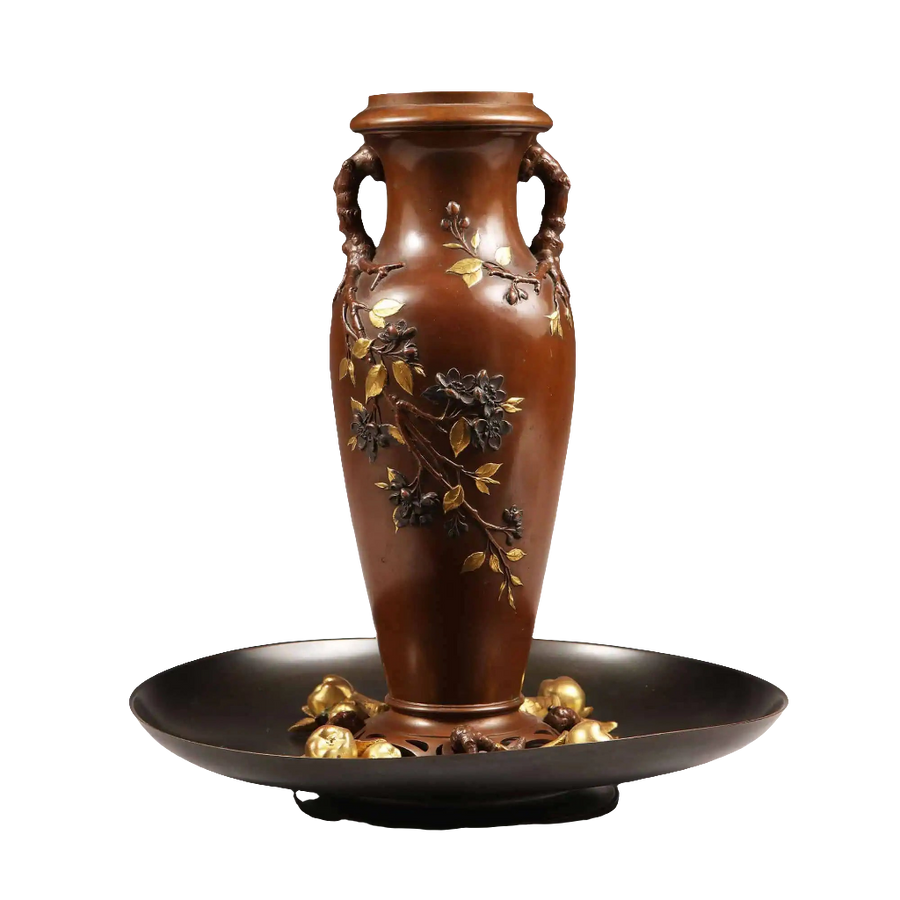
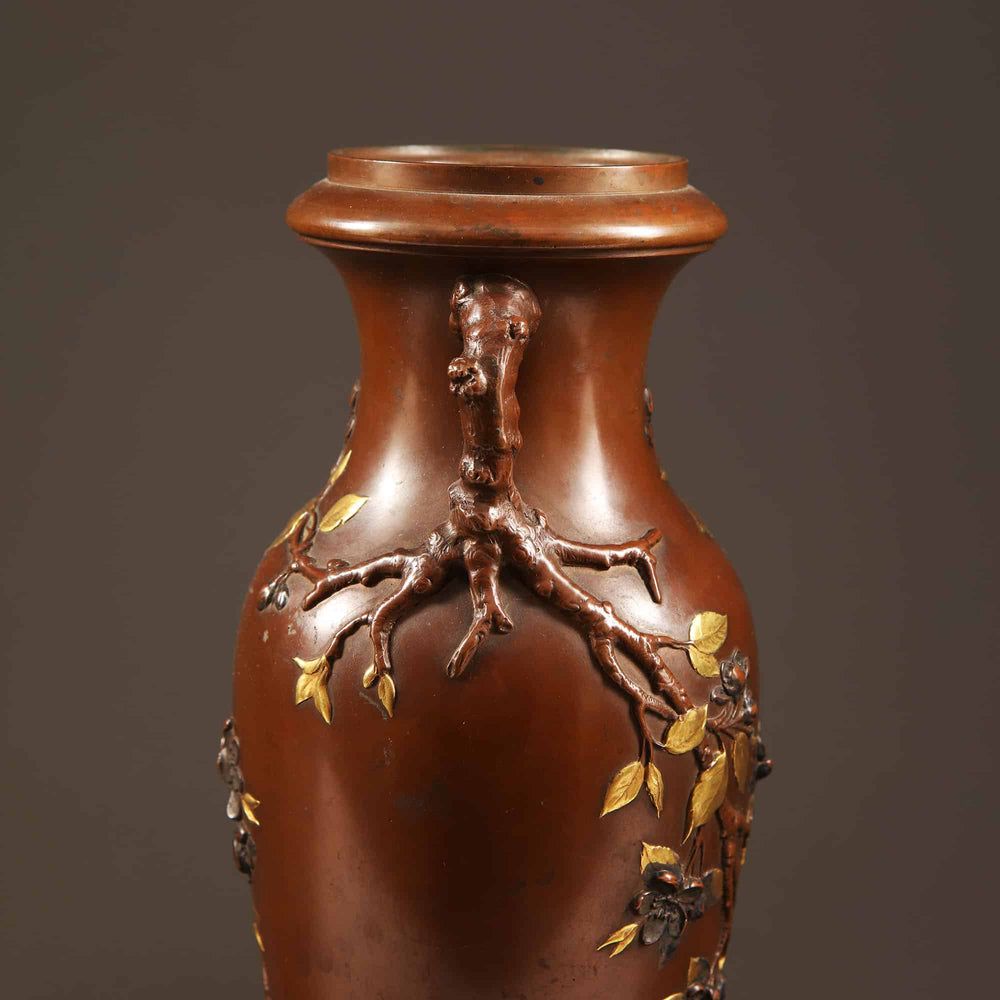
Brass and Bronze
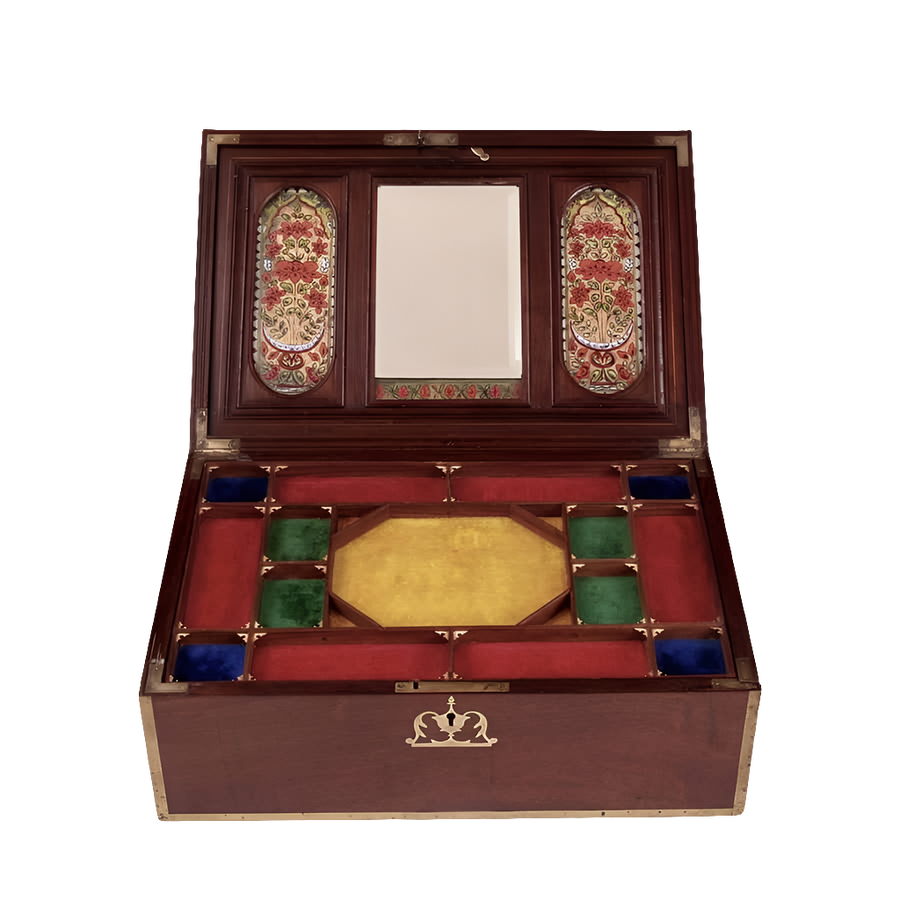
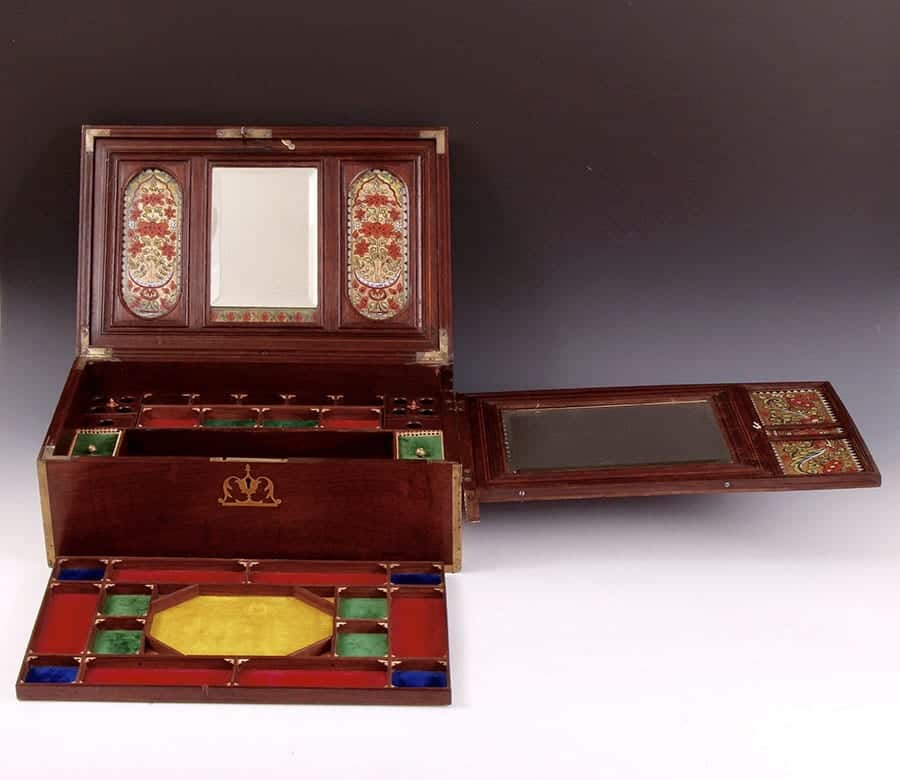
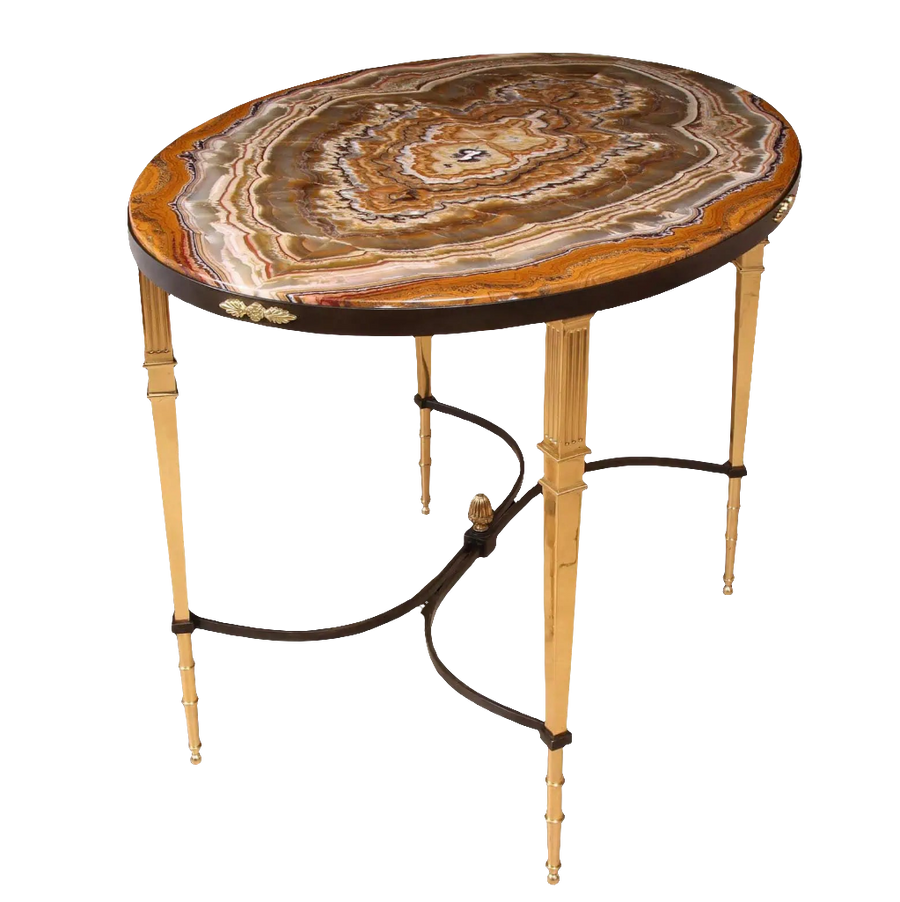
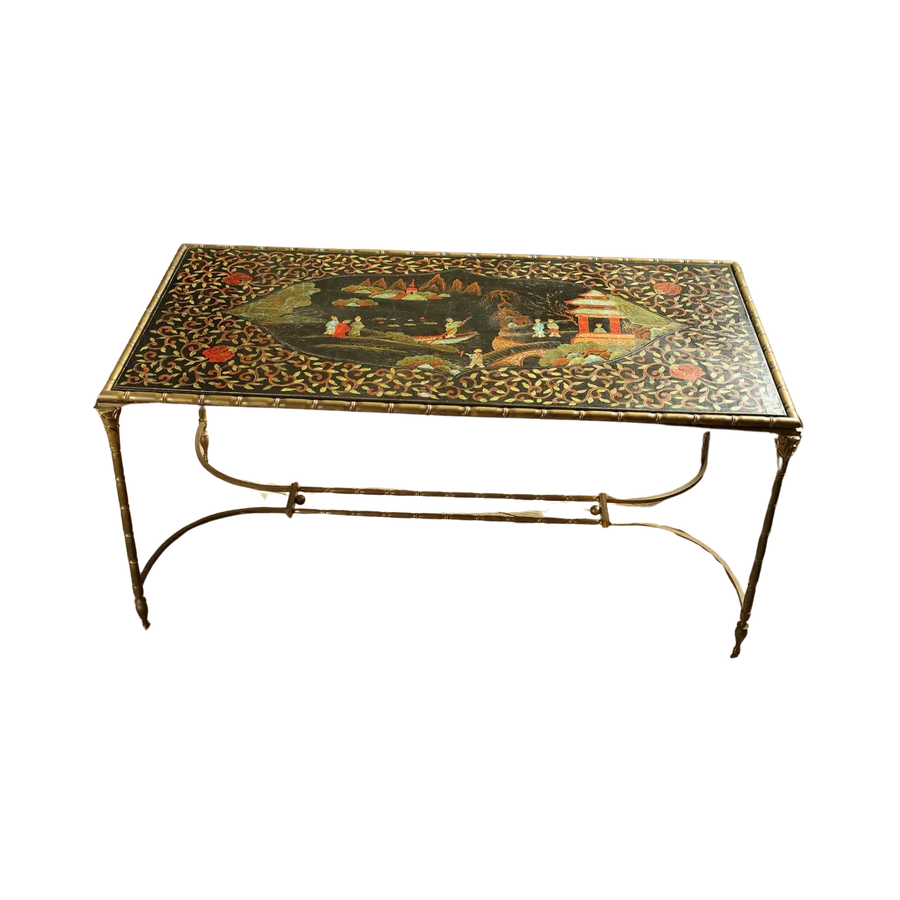
- Brass used for fittings, handles, locks and hinges; also popular in instruments and timepieces.
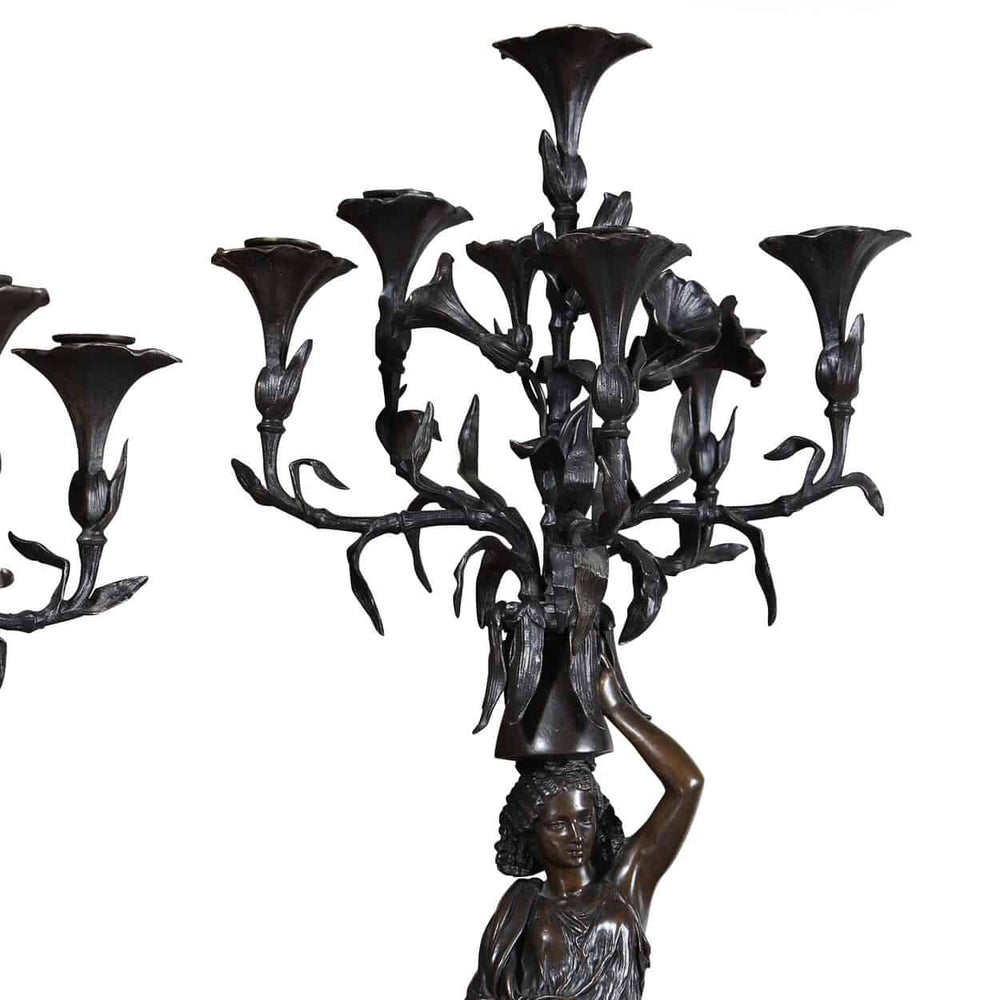
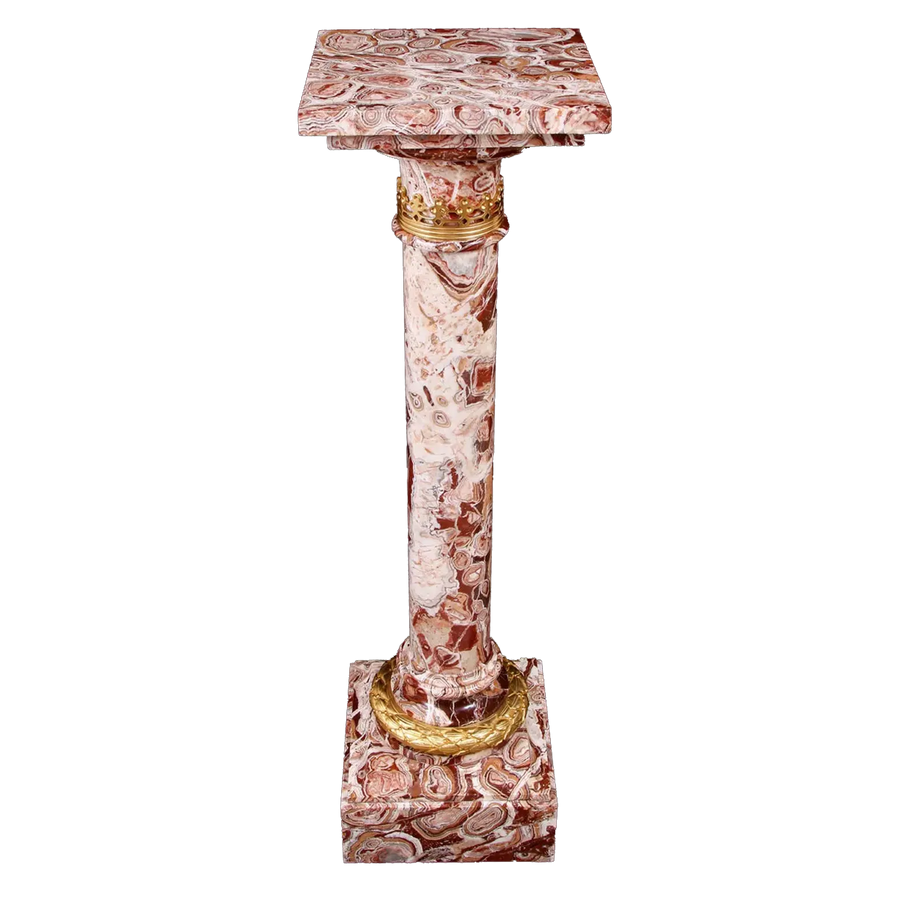
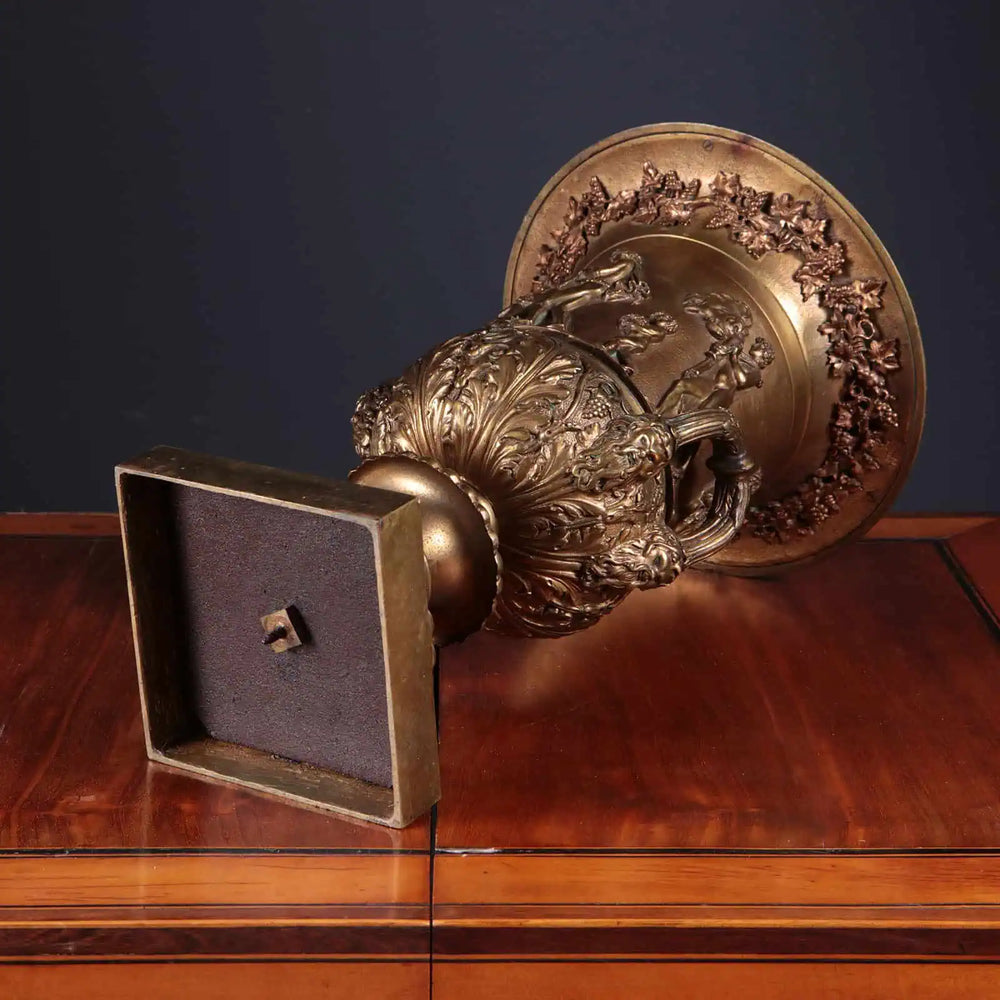
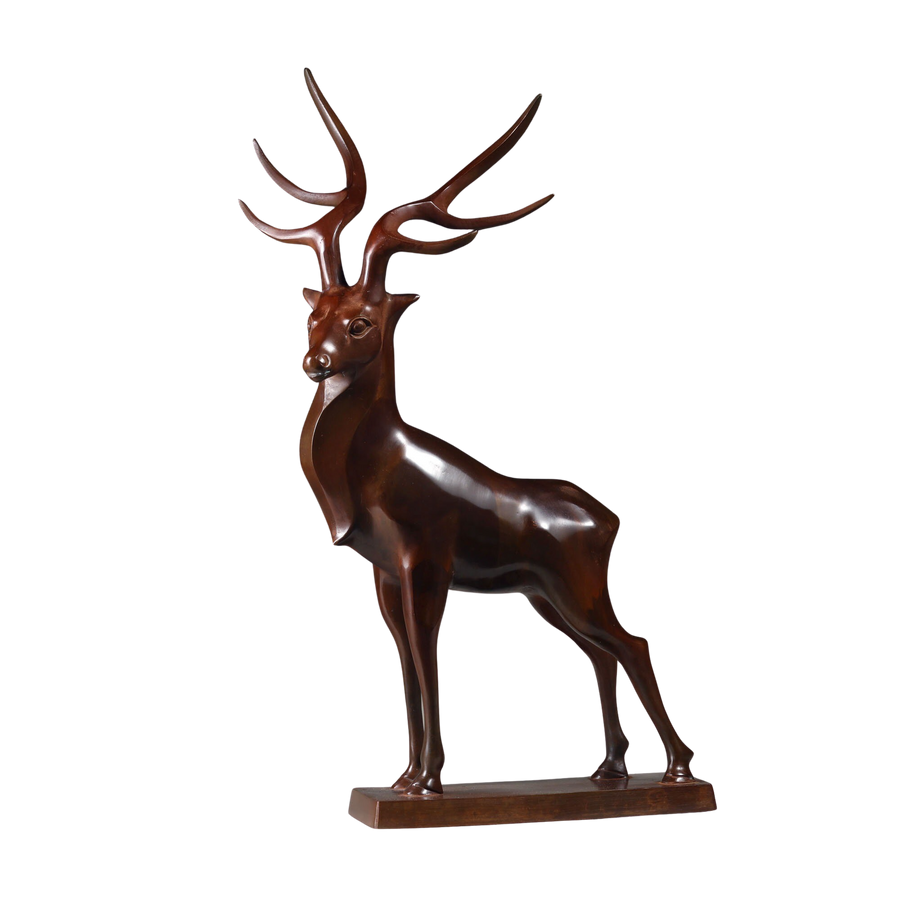
- Bronze suited for sculpture and decorative embellishments in furniture and mantelpieces.
Personal and Ceremonial Metalwork
Goldsmithing
- Reserved for fine jewellery, watches, and high-value religious objects.
- Techniques included filigree, enamelling, gem setting and chasing.
- Frequently commissioned by aristocrats and members of the clergy.
Jewellery and Enamelwork
- Included portrait miniatures in lockets and brooches.
- Coloured enamels adorned rings, pendants and watch dials.
- Designs reflected court fashion, sentimental motifs and classical references.
⚗️ Scientific and Industrial Applications
Brass Instruments
- Precision instruments for navigation, astronomy and medicine.
- Produced by specialist metalworkers using engraving and turning techniques.
Cast Iron (late century)
- Early cast iron emerged in the later 1700s for stoves, grates and architectural supports.
- Paved the way for industrial expansion in the 19th century.
The breadth of metalwork in the 18th century reflects a society in aesthetic transition—from the ornate expressiveness of Rococo to the ordered rationality of Neoclassicism. Whether crafted for royal courts or country homes, metal objects offered enduring utility and visual sophistication, bridging art, science and industry.
The 18th century marked a period of flourishing artistic and industrial production in Europe, particularly across Britain and France. Metalwork played a vital role in both everyday domestic life and high-style decoration. Craftsmen worked across disciplines to create objects that were not only utilitarian but often rich in ornament and symbolism. The following overview categorises types of metalwork by purpose, detailing their materials, techniques and stylistic characteristics.
Domestic Metalwork
Silversmithing
- Primary medium for luxury household goods such as tea services, flatware and candlesticks.
- Often produced in sterling silver, alloyed with copper for strength.
- Decorative techniques included repoussé, chasing, engraving, and pierced work.
- Georgian silver favoured Rococo flourishes early in the century, shifting to Neoclassical symmetry by the 1770s.
Pewterware
- More affordable than silver, pewter was used for tankards, plates and basins.
- Typically cast and turned on a lathe; decoration remained minimal or folk-inspired.
Toleware
- Tin-plated and painted domestic items like trays and storage boxes.
- Widely popular in rural and middle-class households; often decorated with floral motifs.
Copper and Tinwork
- Used for cookware, kettles and lanterns.
- Less ornate, more functional; often replaced with cast iron in the later century.
Architectural and Decorative Metalwork
Wrought Iron
- Essential in gates, balconies, stair rails and fire screens.
- Blacksmiths crafted Rococo scrollwork early on, later favouring cleaner Neoclassical lines.
- Often painted or gilded to coordinate with interior design schemes.
Ormolu (Gilt Bronze)
- Created by fusing powdered gold to bronze via mercury gilding—a complex and toxic process.
- Used in furniture mounts, clock cases, and candelabra, especially in French decorative arts.
- Highly refined and richly detailed, particularly in the Louis XV and Louis XVI styles.
Brass and Bronze
- Brass used for fittings, handles, locks and hinges; also popular in instruments and timepieces.
- Bronze suited for sculpture and decorative embellishments in furniture and mantelpieces.
Personal and Ceremonial Metalwork
Goldsmithing
- Reserved for fine jewellery, watches, and high-value religious objects.
- Techniques included filigree, enamelling, gem setting and chasing.
- Frequently commissioned by aristocrats and members of the clergy.
Jewellery and Enamelwork
- Included portrait miniatures in lockets and brooches.
- Coloured enamels adorned rings, pendants and watch dials.
- Designs reflected court fashion, sentimental motifs and classical references.
⚗️ Scientific and Industrial Applications
Brass Instruments
- Precision instruments for navigation, astronomy and medicine.
- Produced by specialist metalworkers using engraving and turning techniques.
Cast Iron (late century)
- Early cast iron emerged in the later 1700s for stoves, grates and architectural supports.
- Paved the way for industrial expansion in the 19th century.
The breadth of metalwork in the 18th century reflects a society in aesthetic transition—from the ornate expressiveness of Rococo to the ordered rationality of Neoclassicism. Whether crafted for royal courts or country homes, metal objects offered enduring utility and visual sophistication, bridging art, science and industry.
Read More