


The Beauty of Patina: Surface Colour in Antiques
124 products

Modal Title
124 products
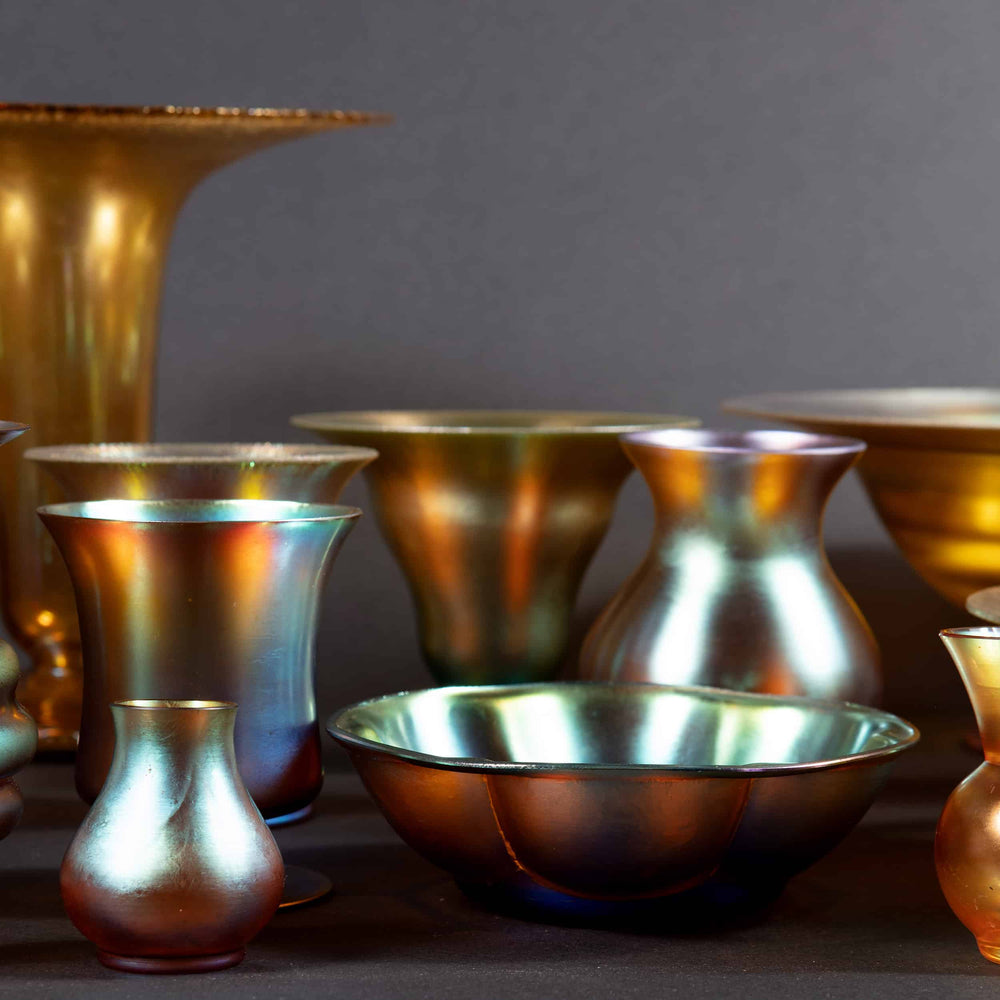
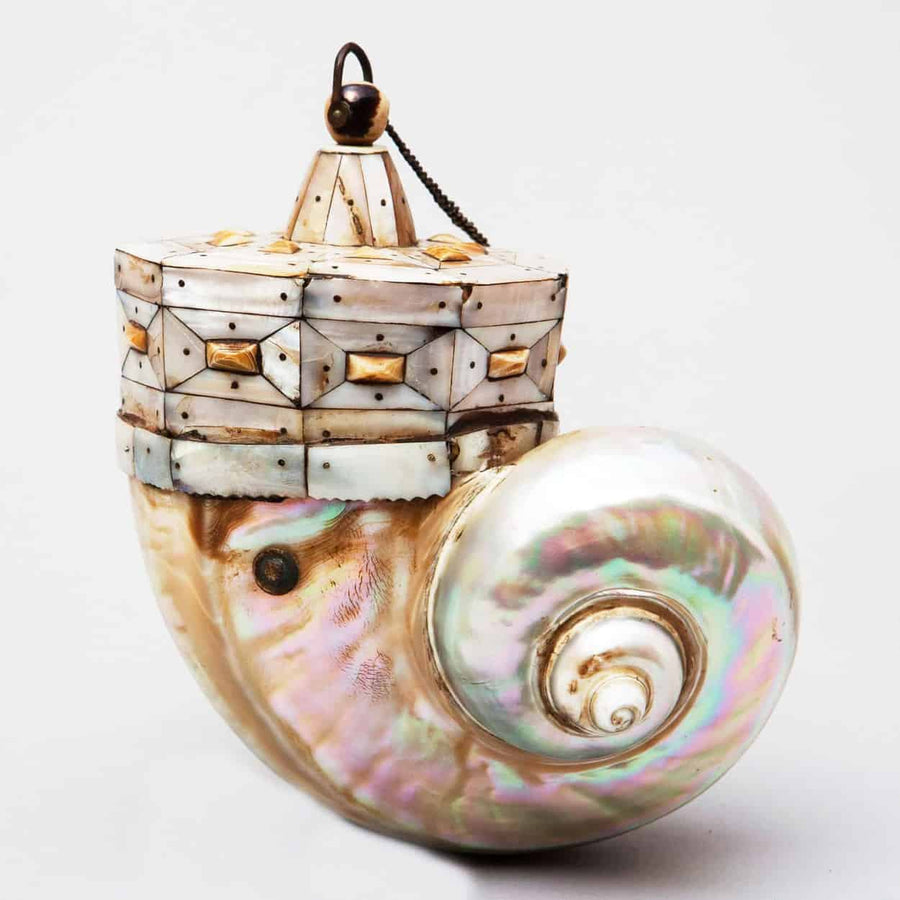
One of the most captivating qualities of antiques is their surface colour — often referred to as patina. Far more than simple ageing, patina is the subtle transformation of materials over time, the result of craftsmanship, natural processes, and centuries of use. It is this quality that gives antiques their depth, authenticity, and charm, making them more than just objects: they are living witnesses to history.
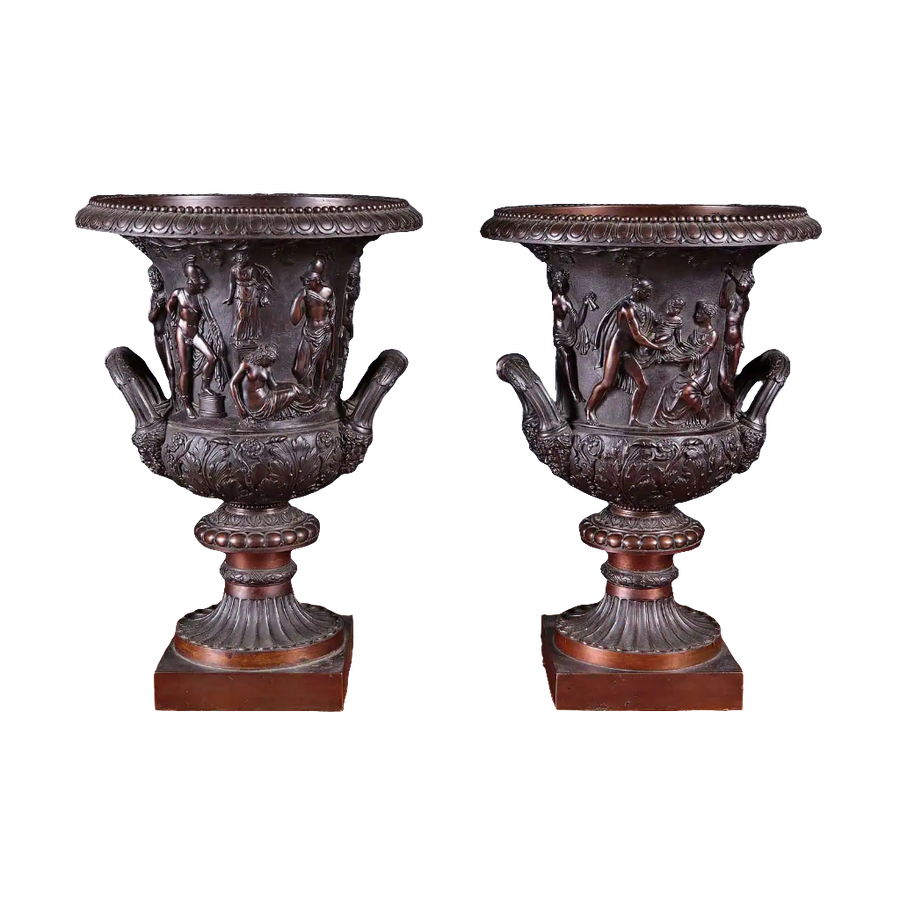
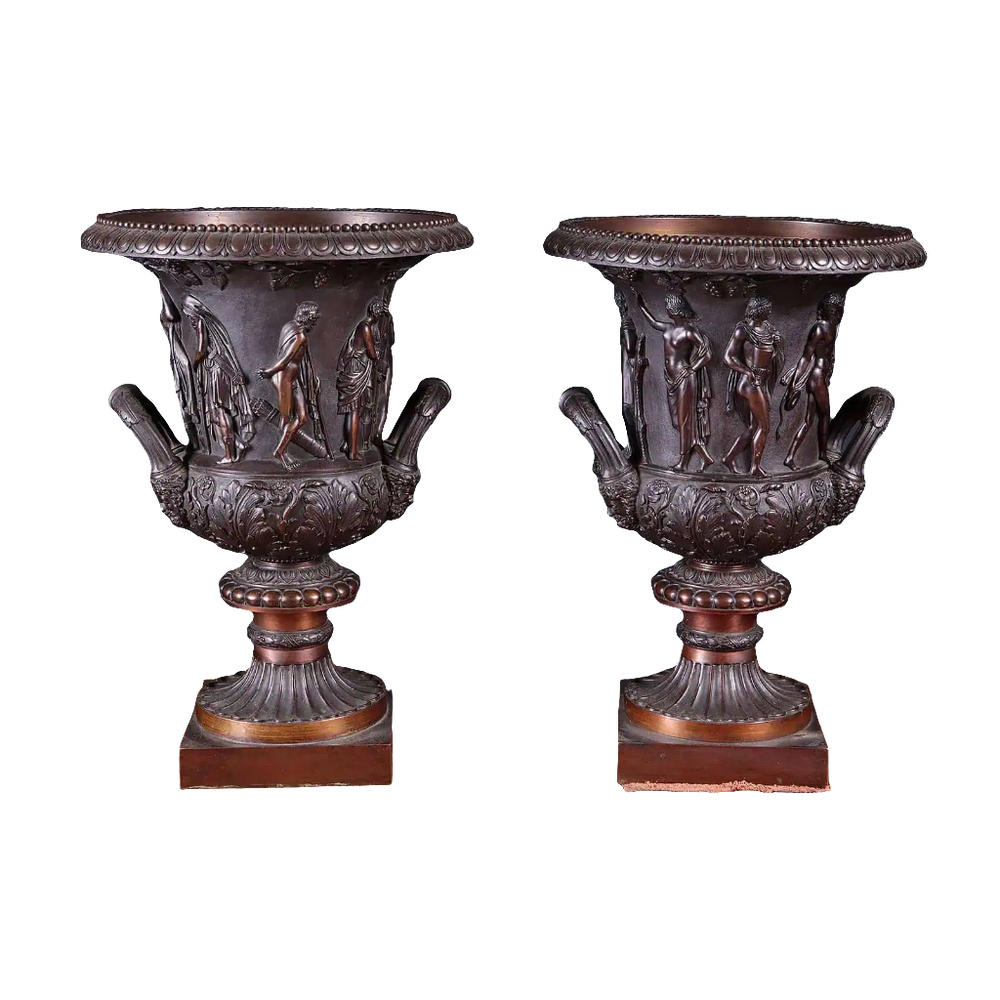
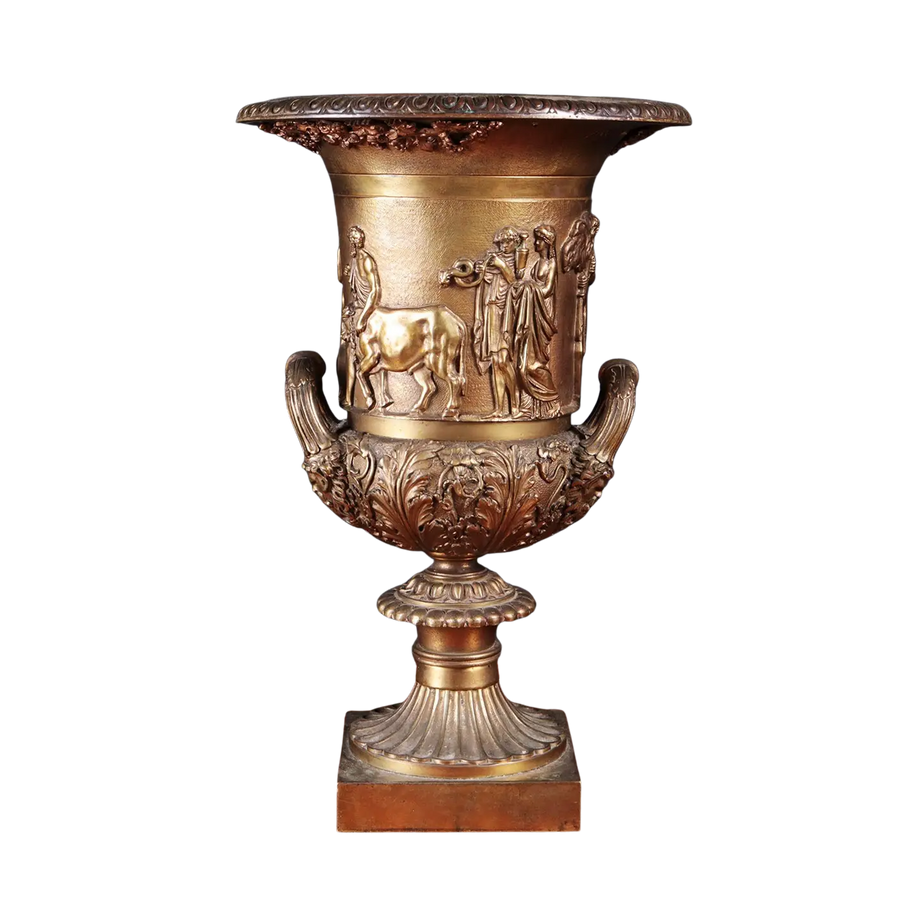
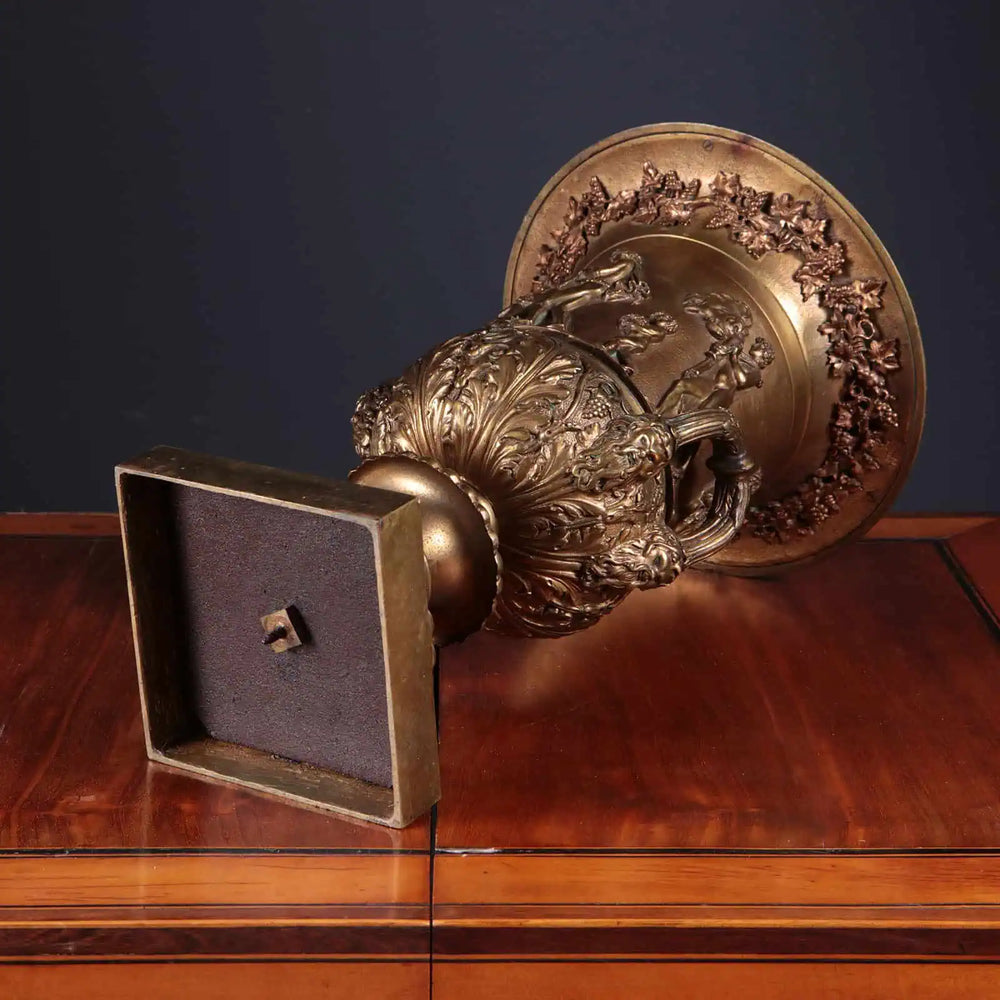
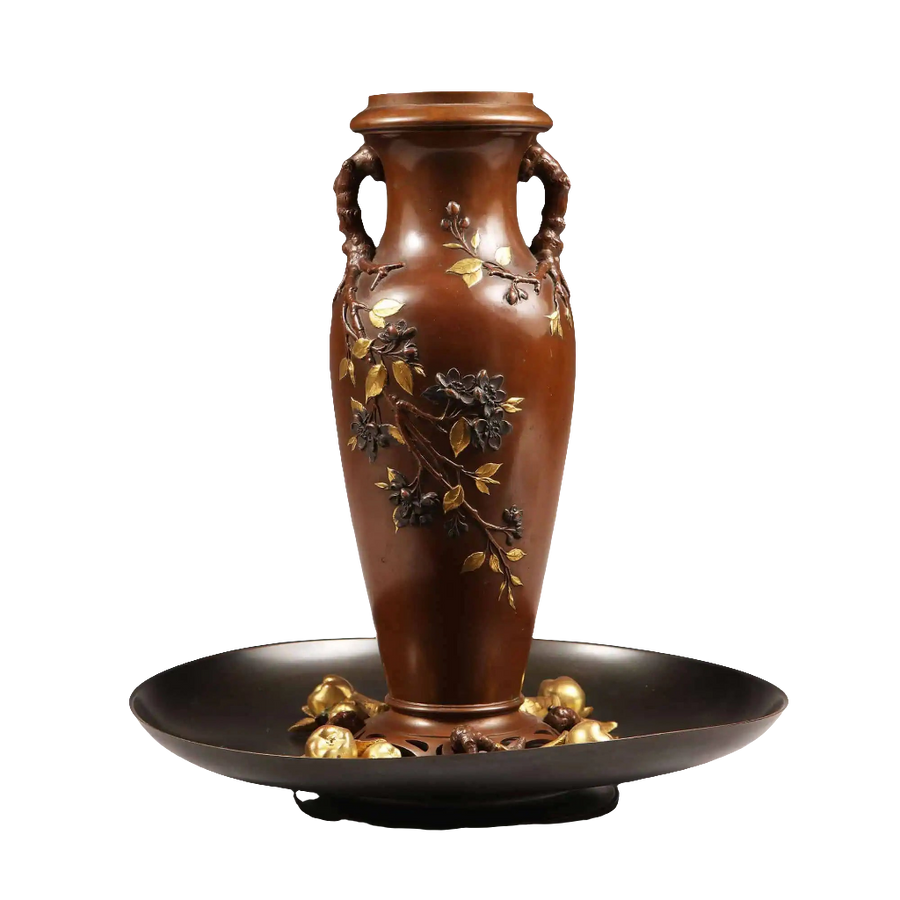
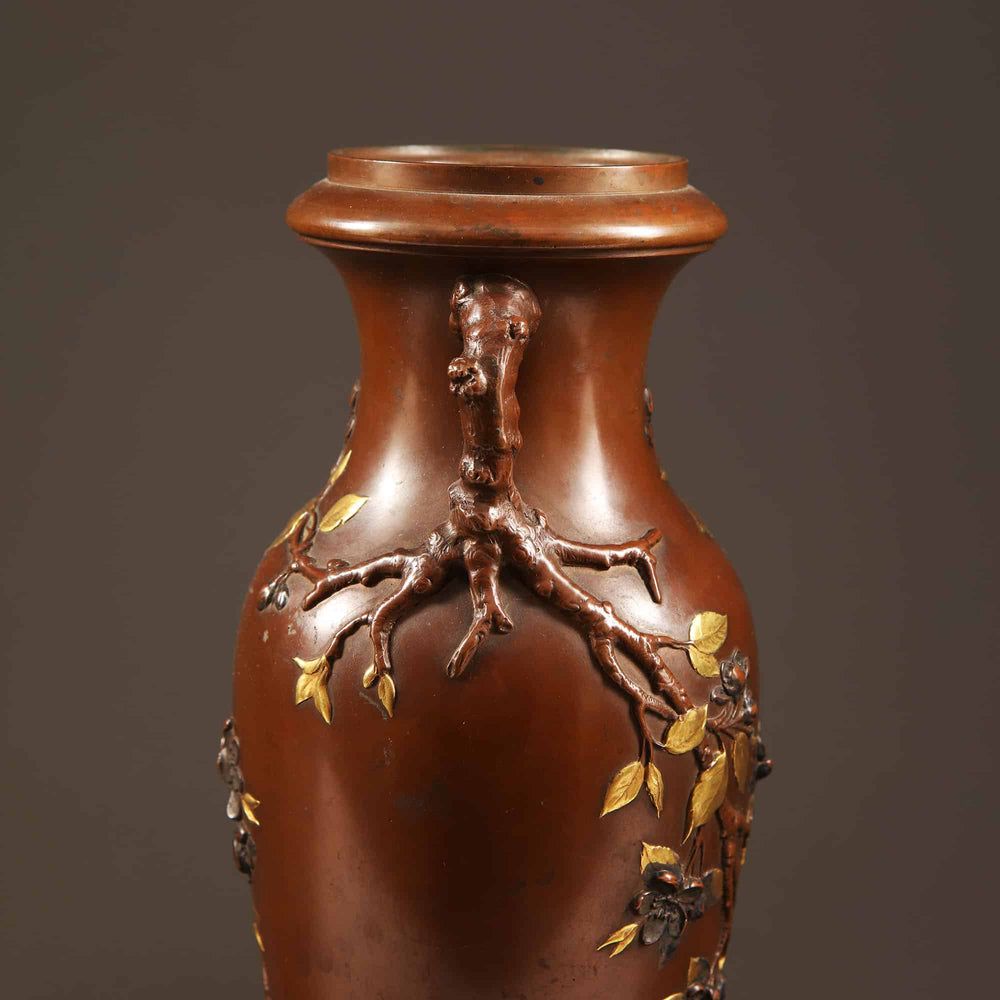
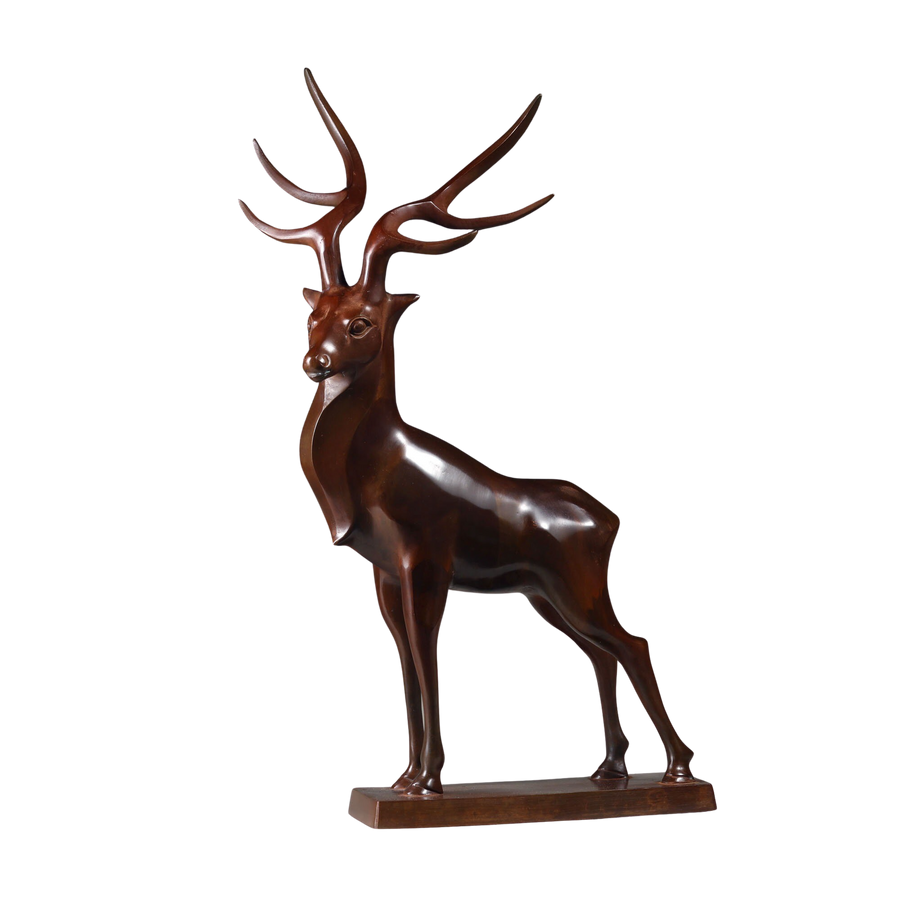
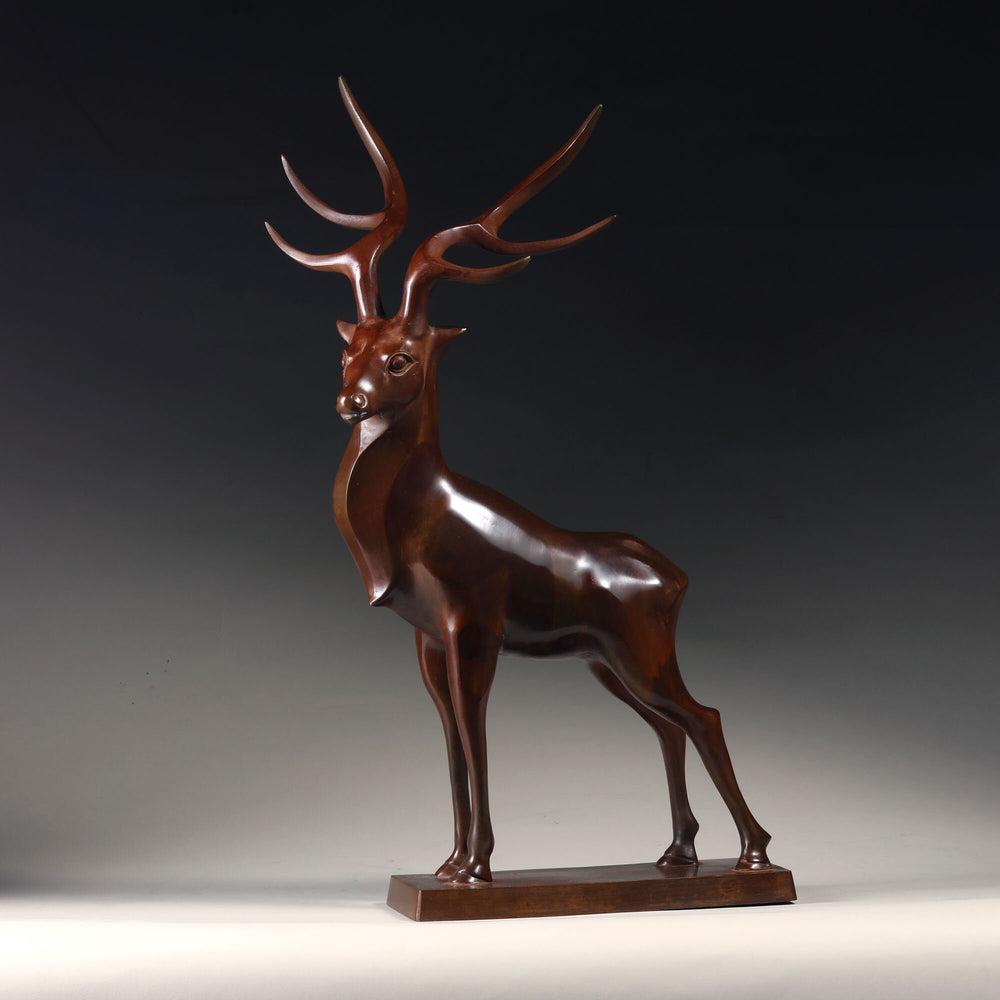
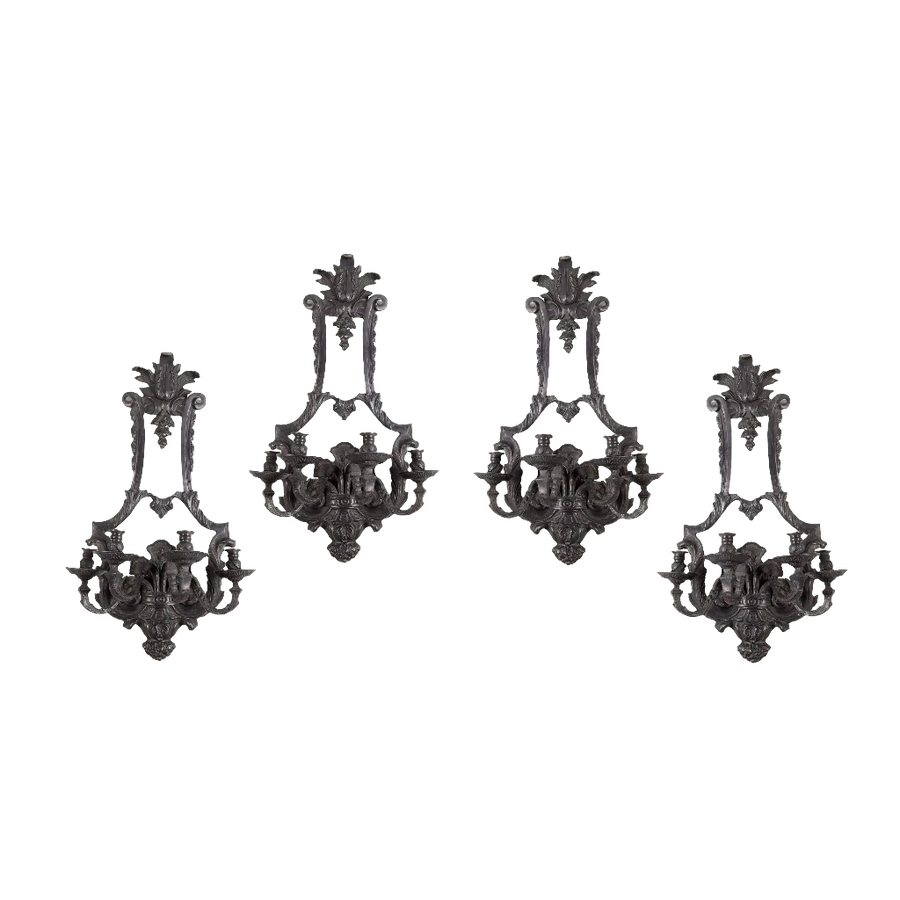
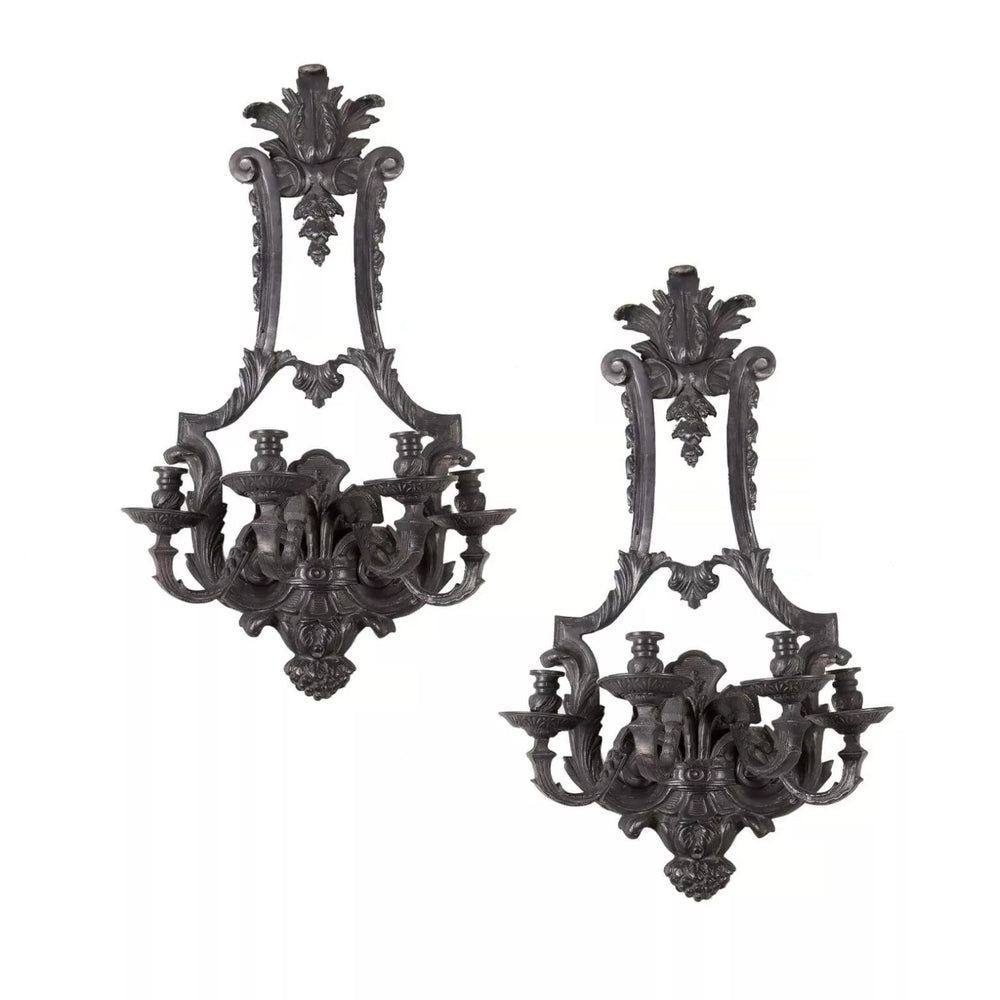
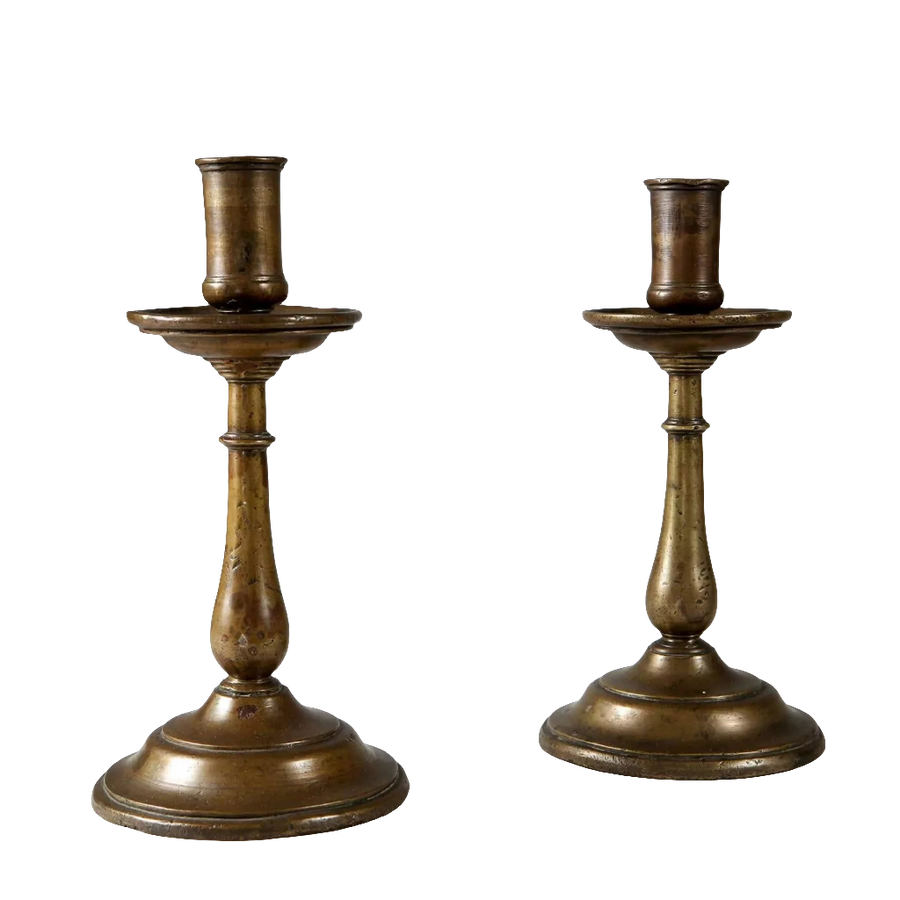
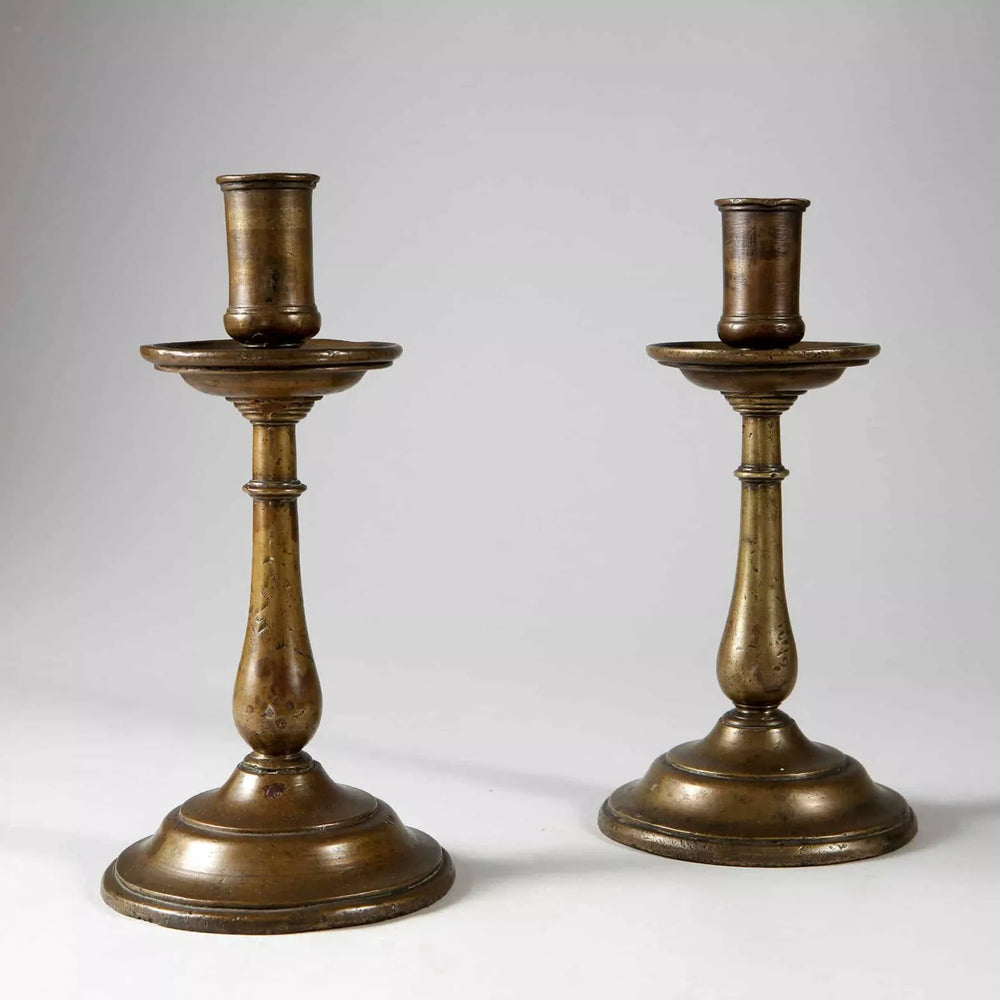
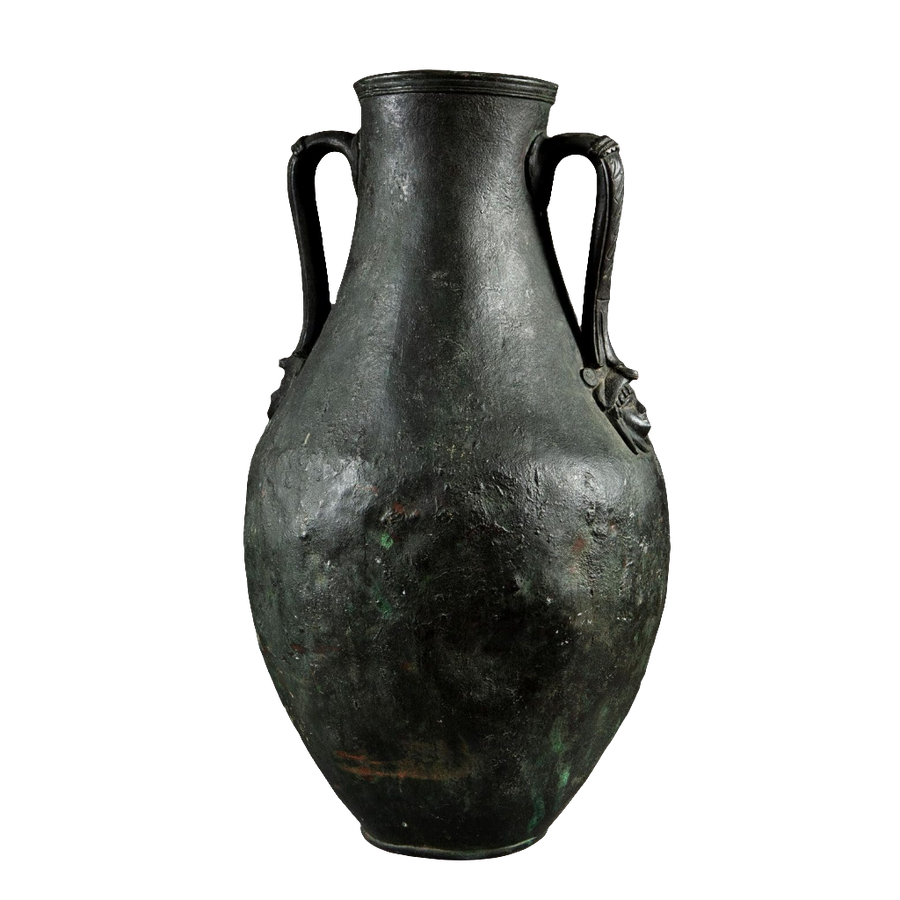
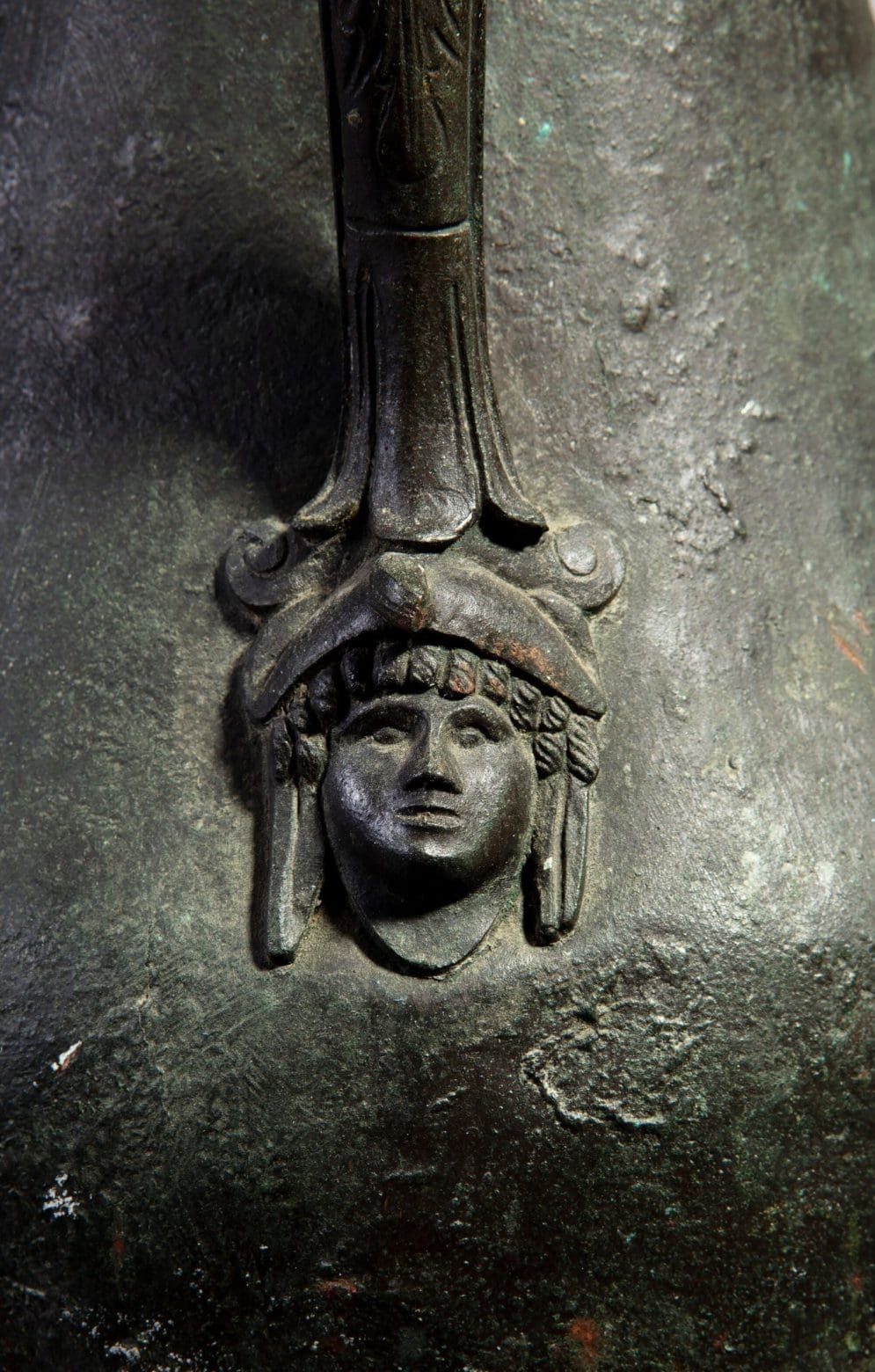
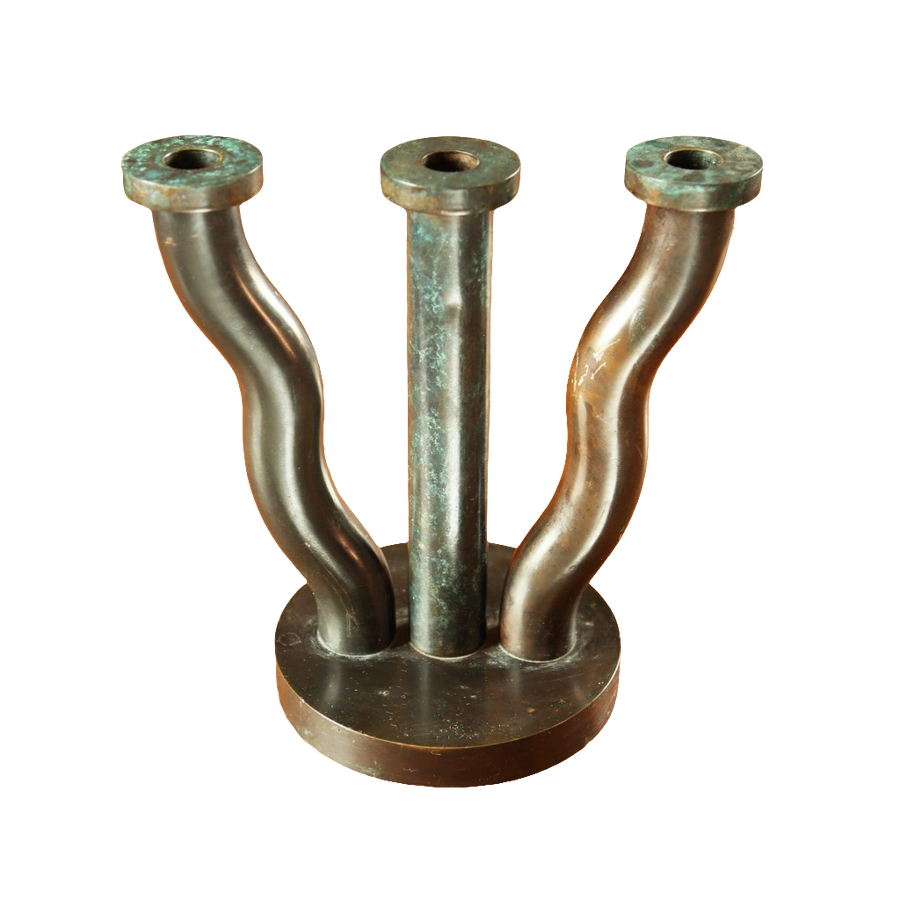
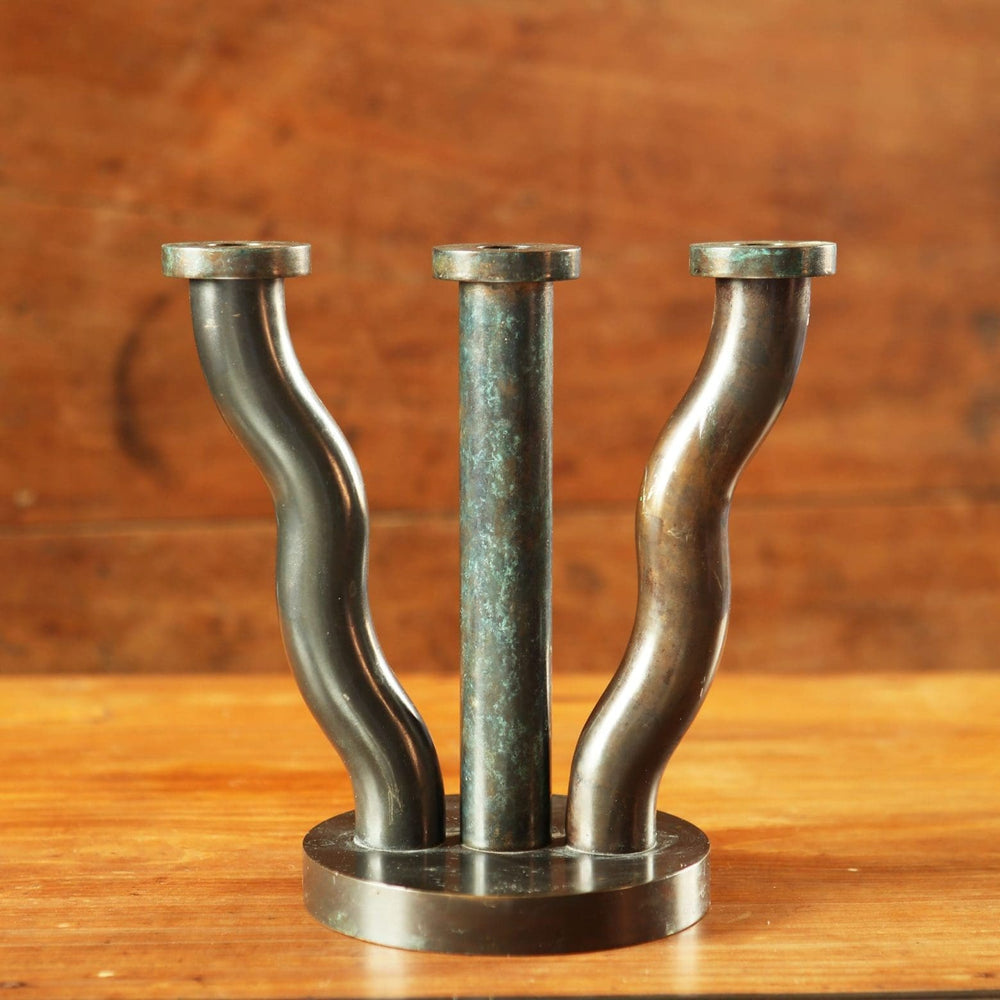
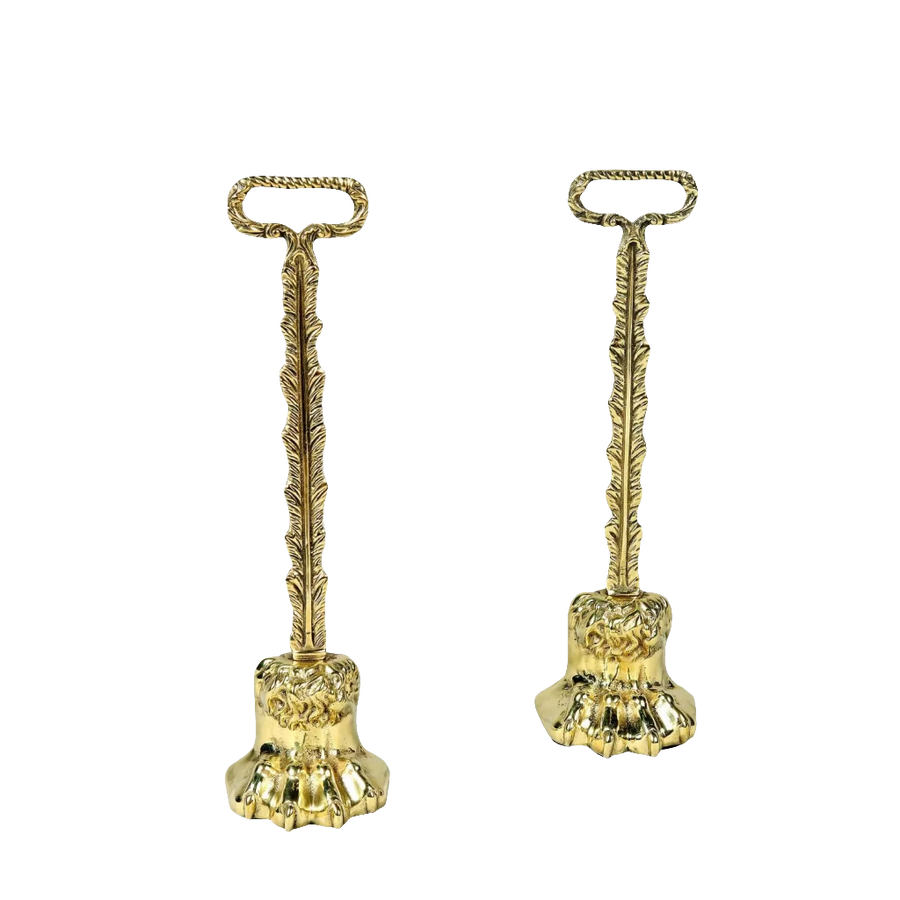
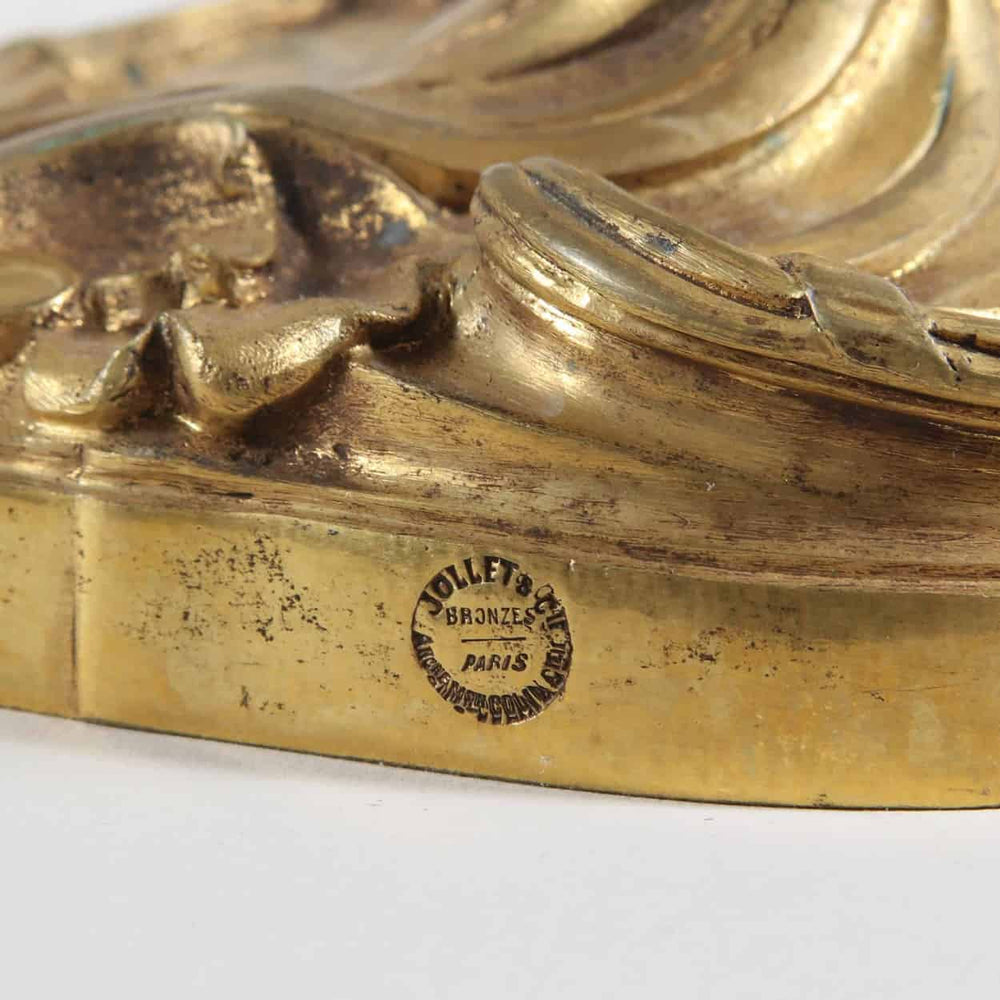
In bronzes, patina is often deliberately created through chemical and heat treatments to produce rich browns, blacks, greens, or blues. Over time, the surface continues to evolve, deepening in tone and developing highlights where handling has polished raised areas. Collectors prize this aged quality, as it reflects both the sculptor’s intent and the passage of time.
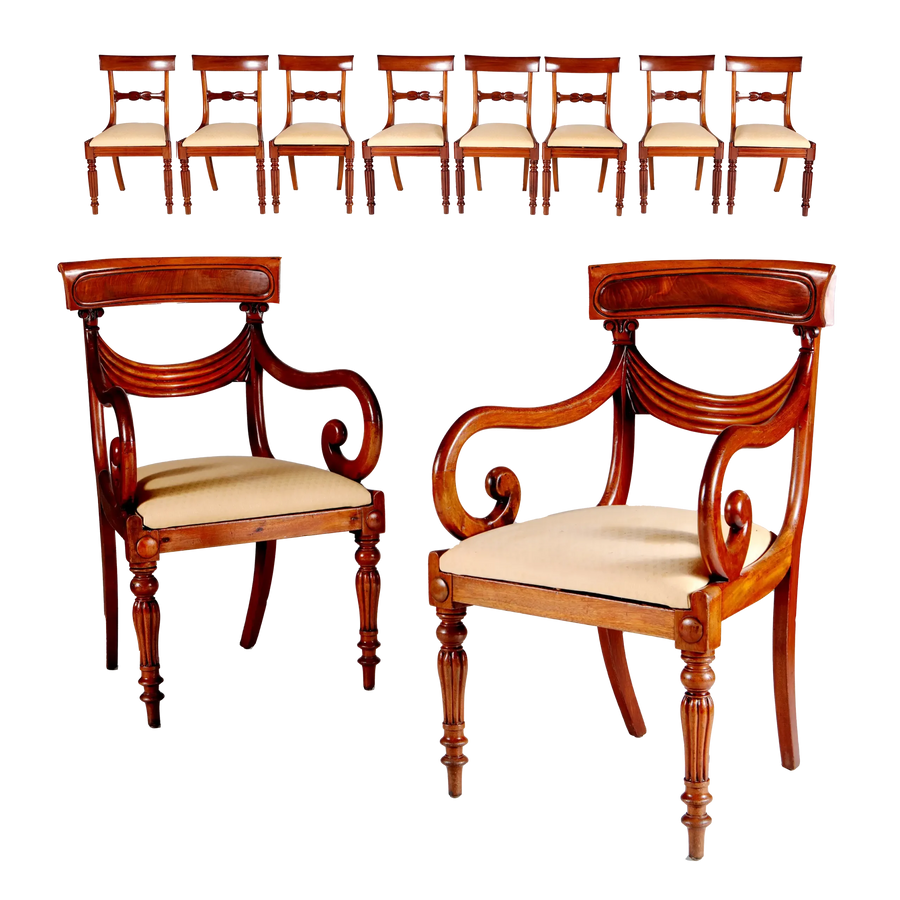
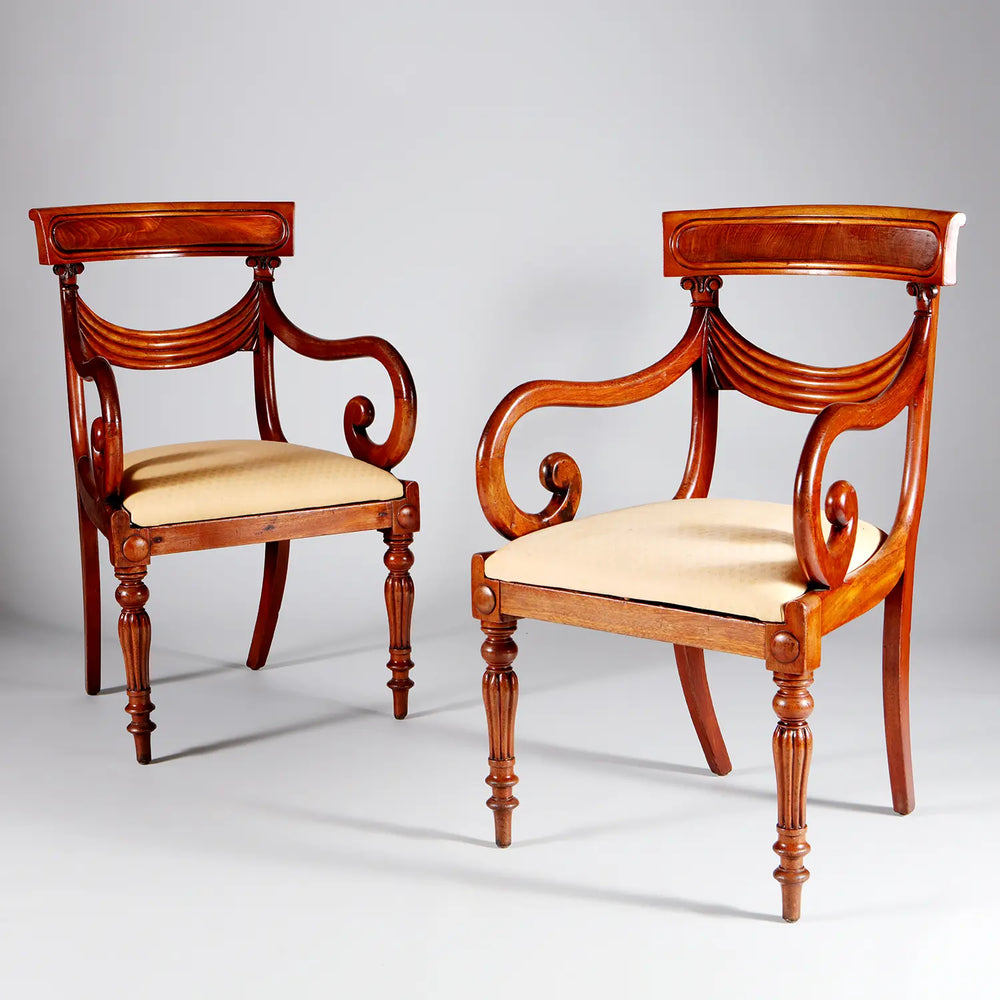
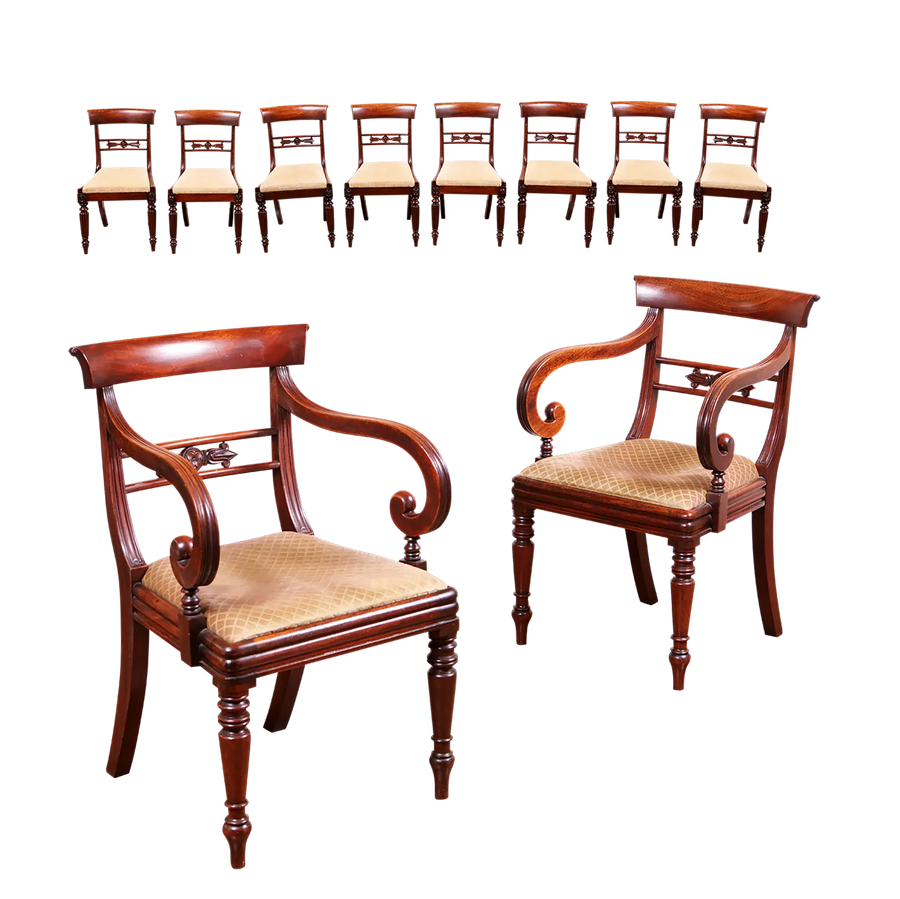
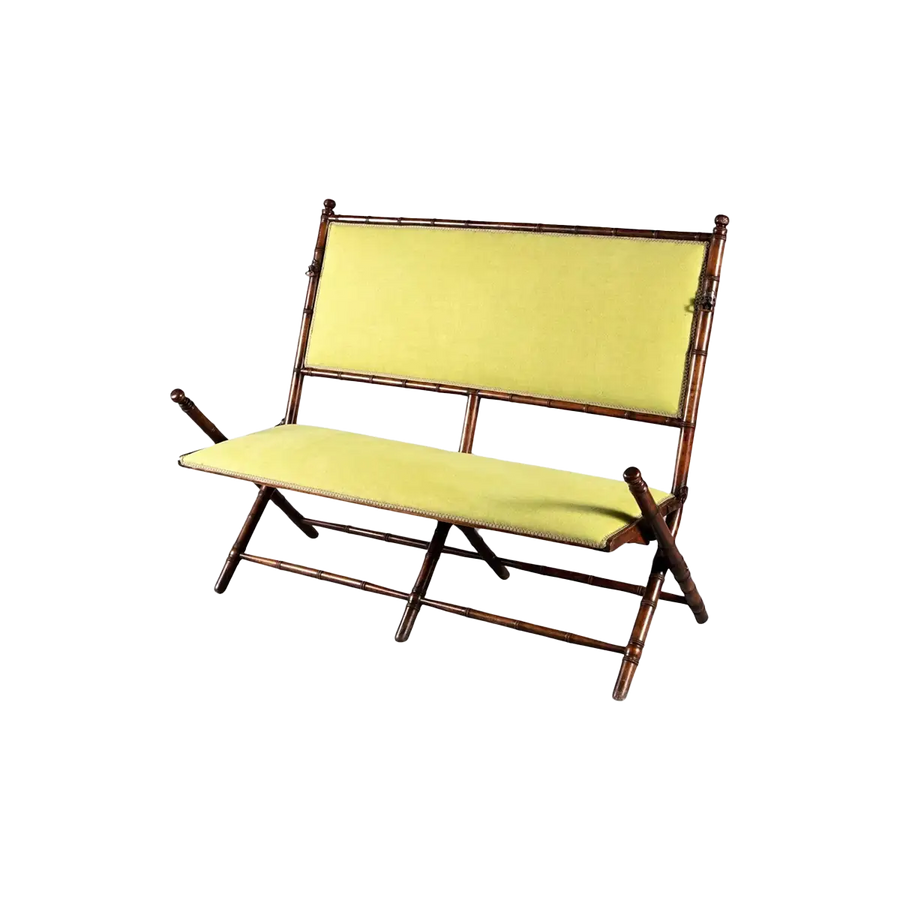
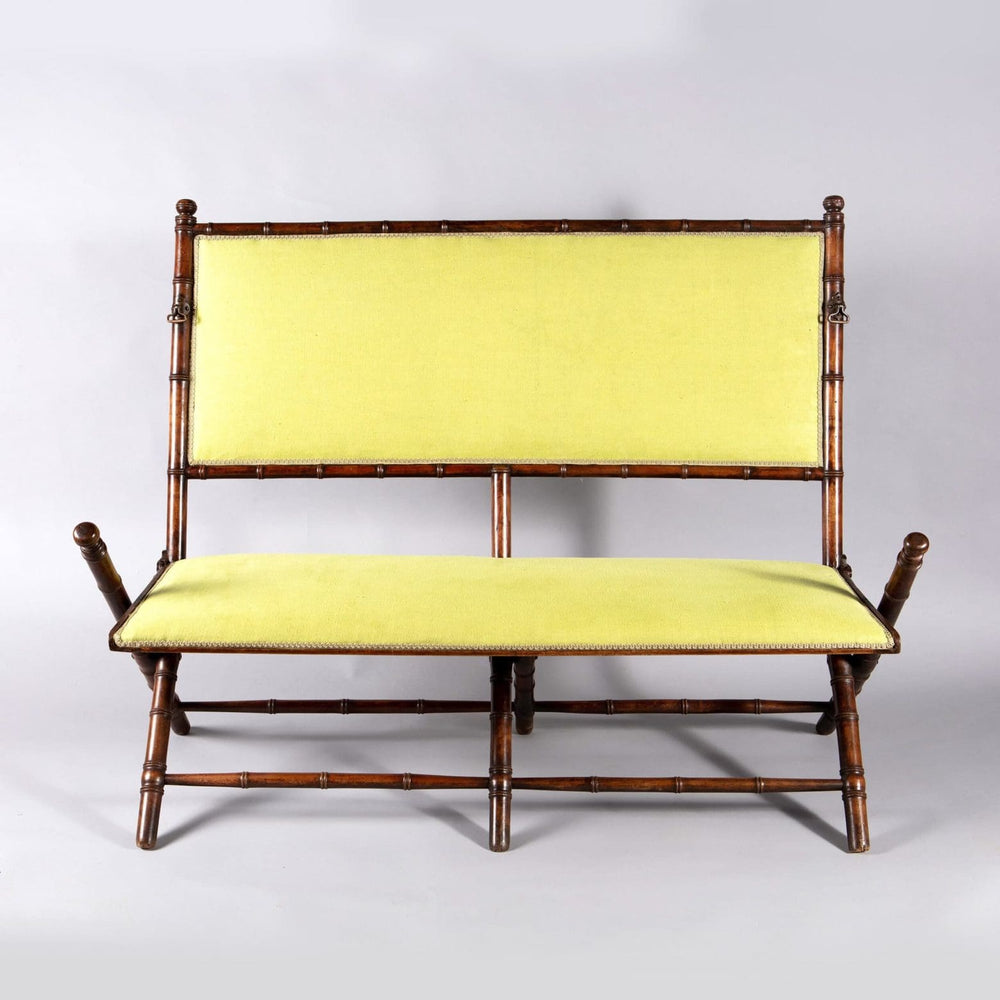
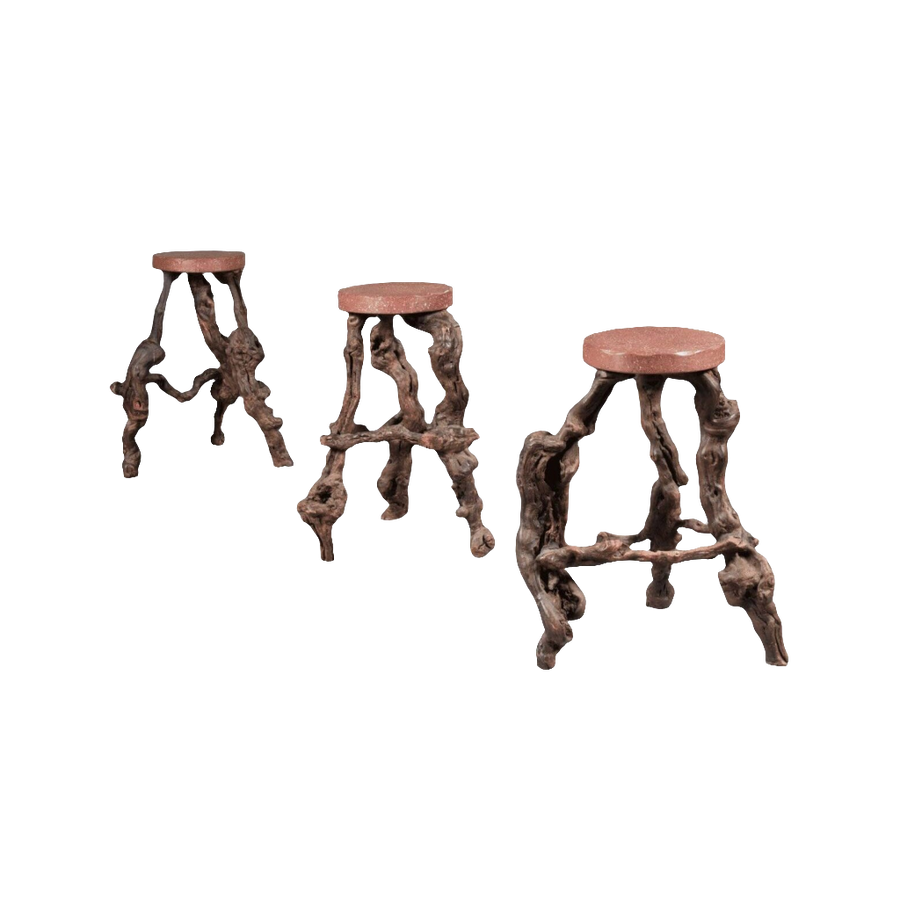
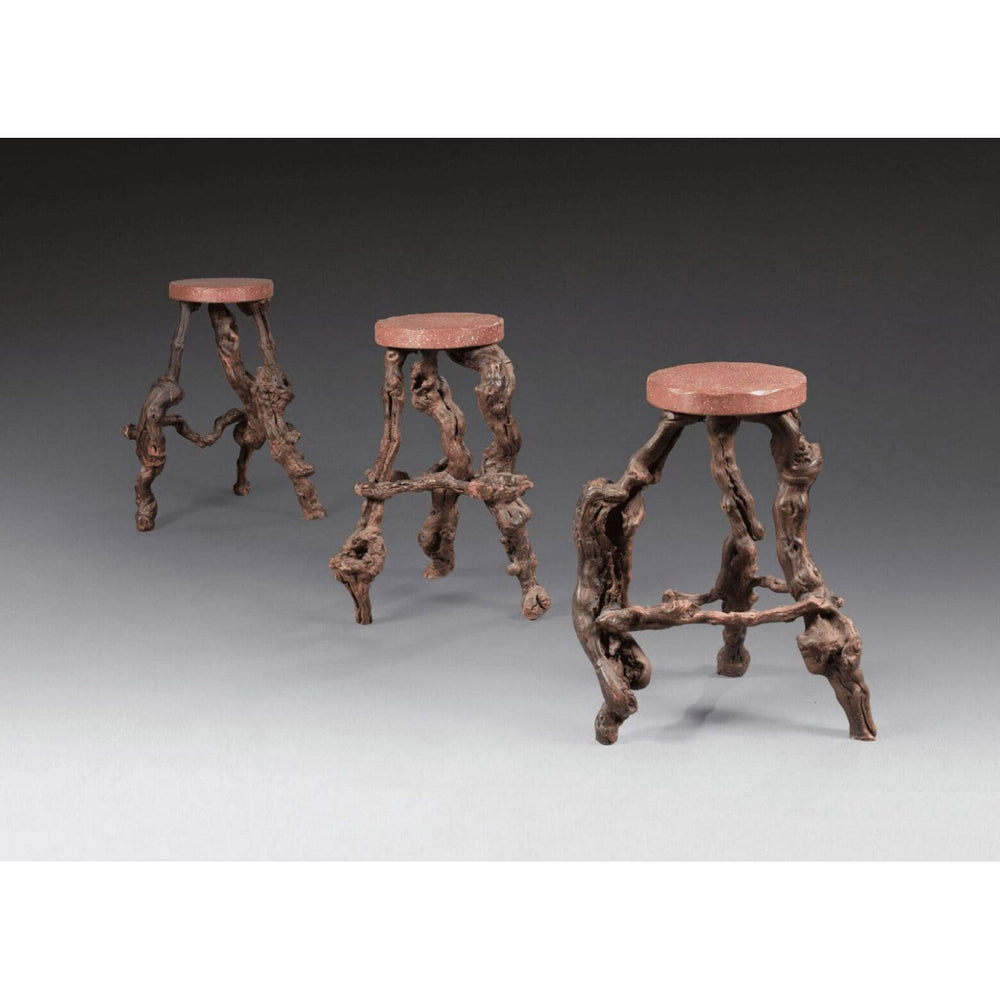
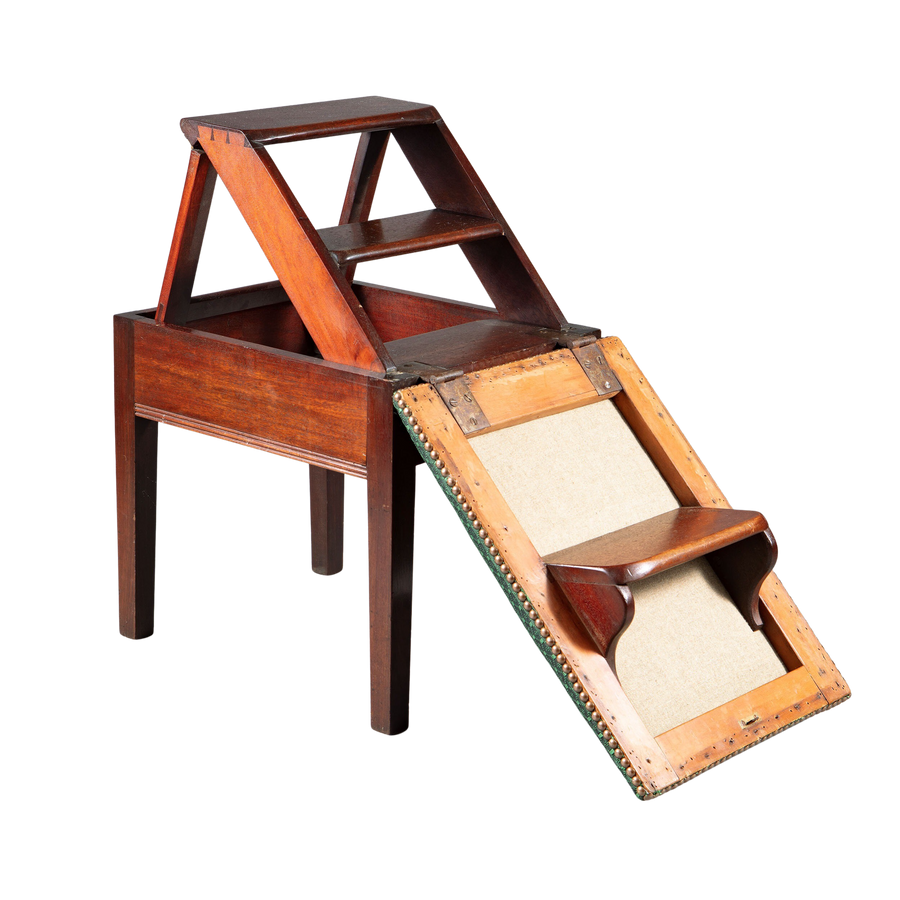
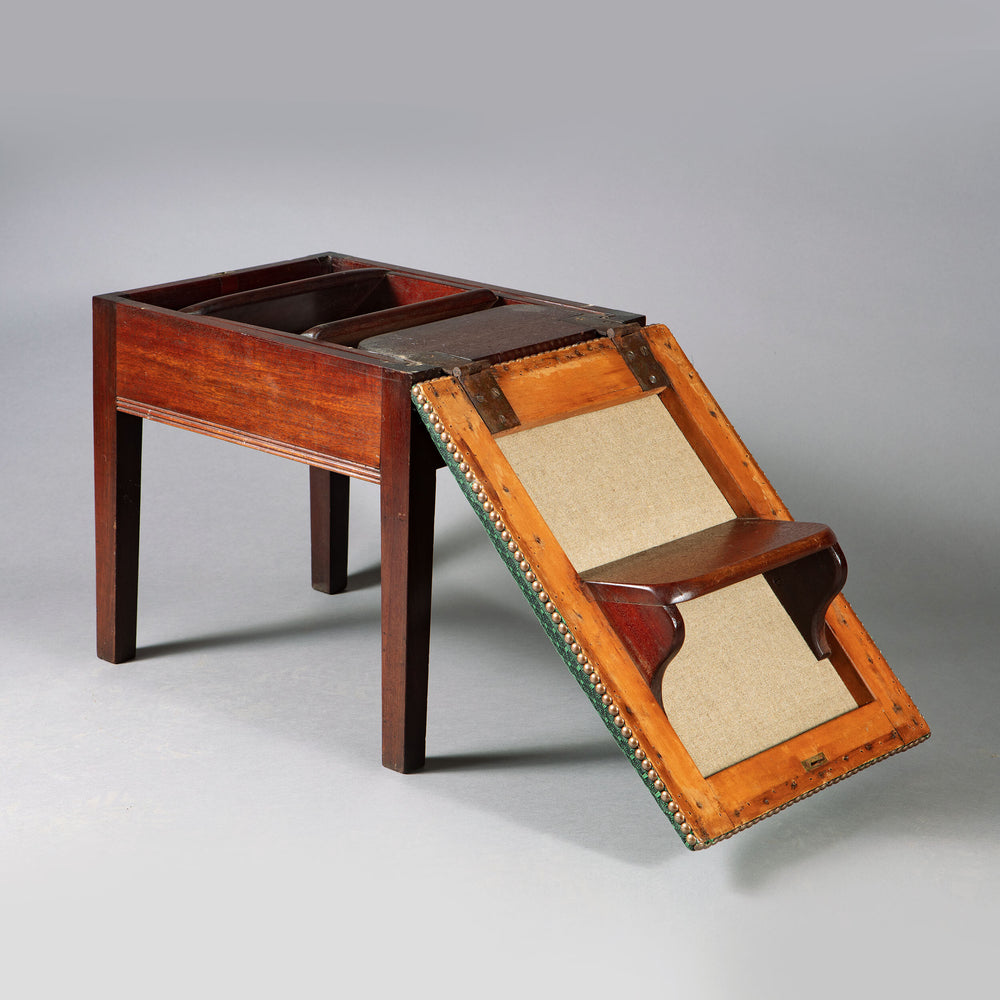
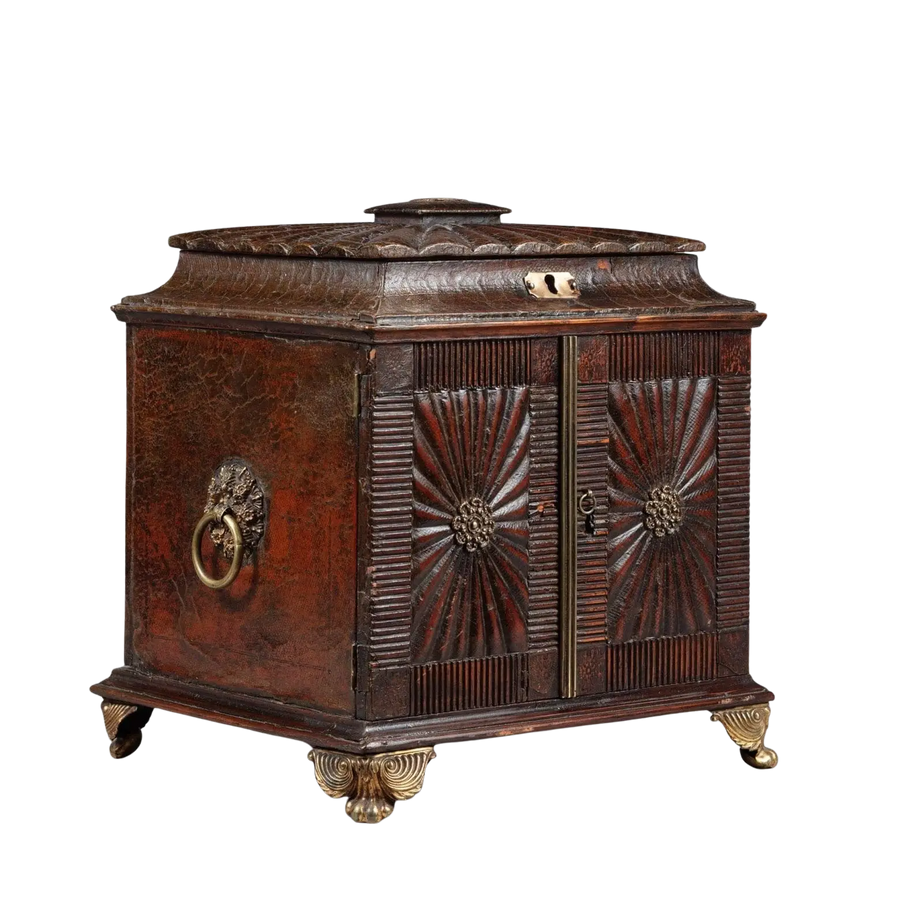
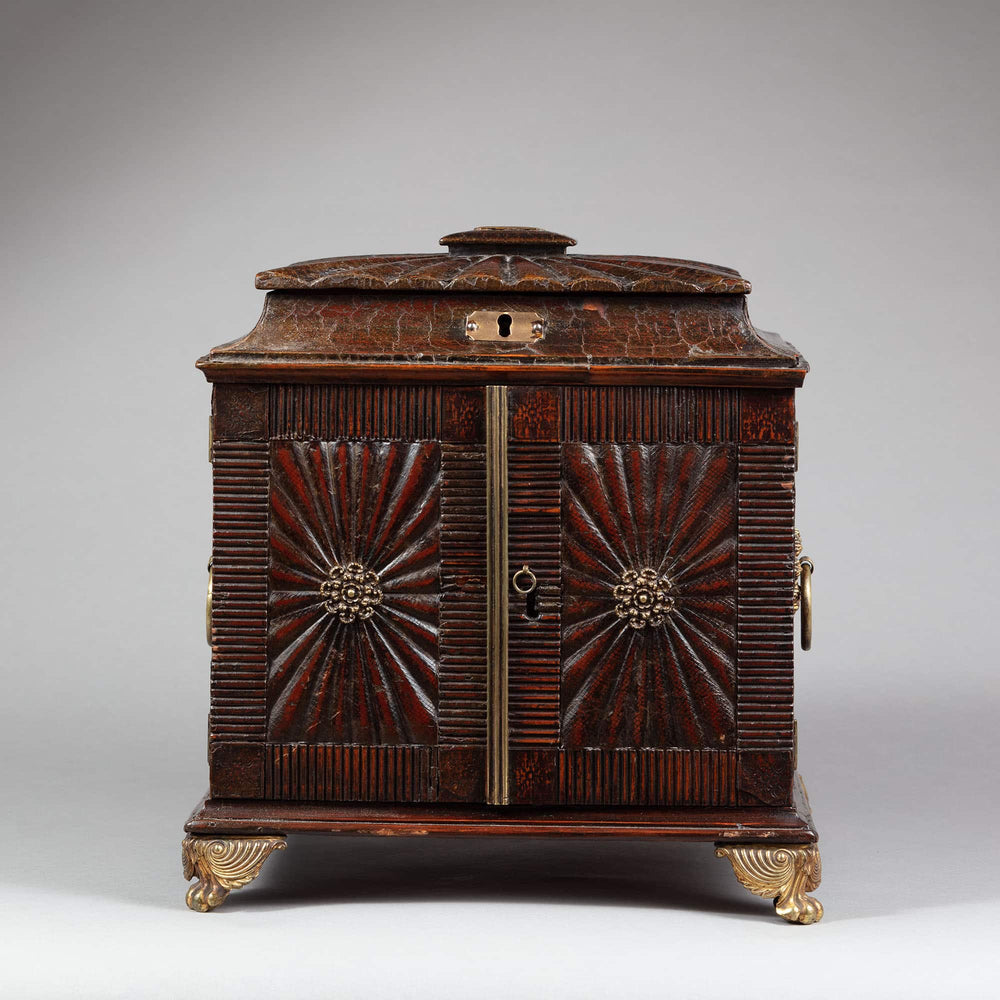
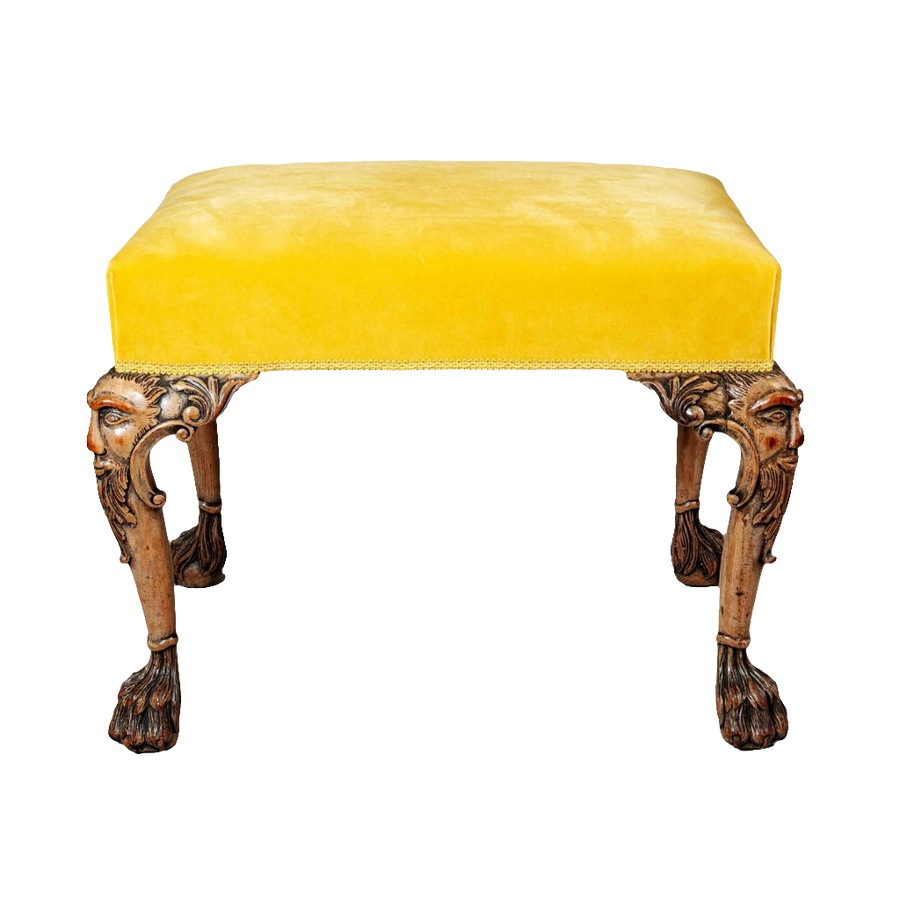
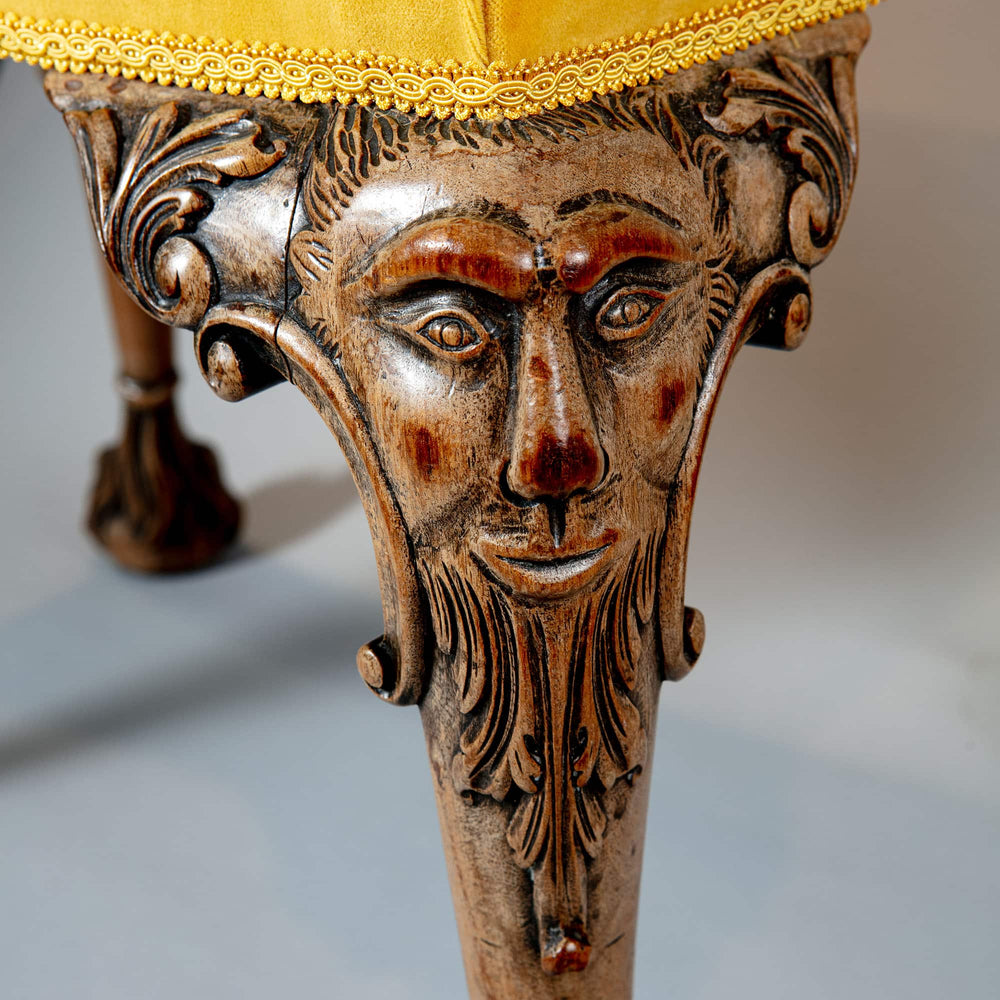
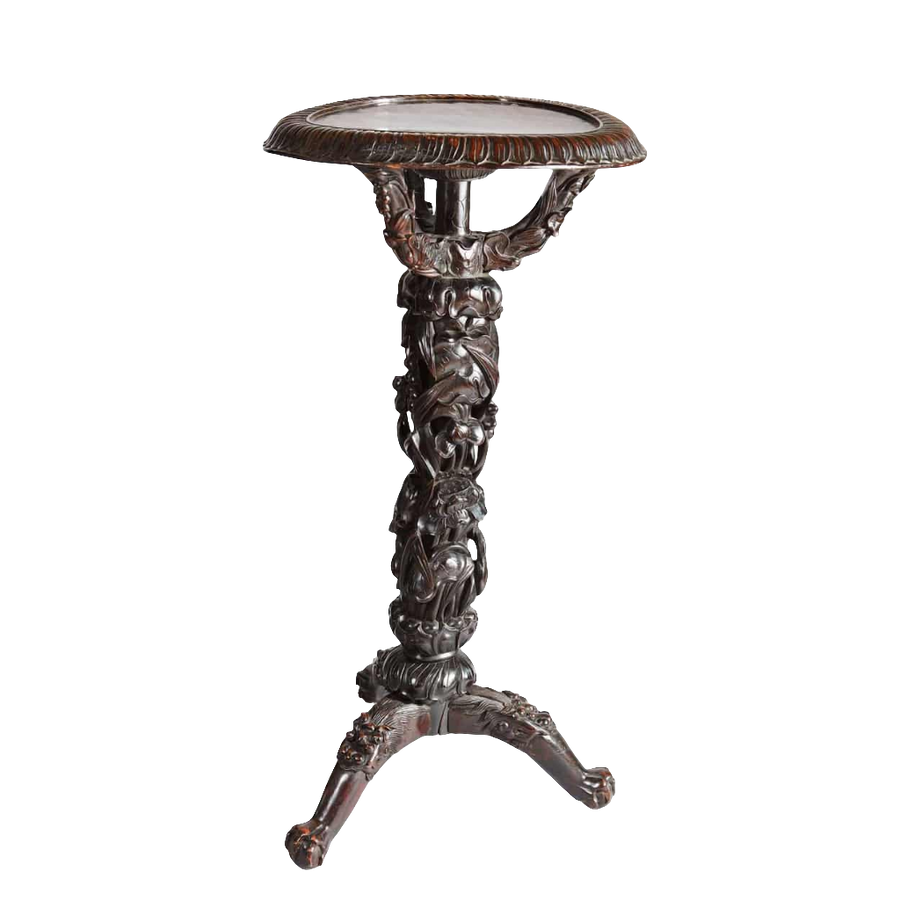
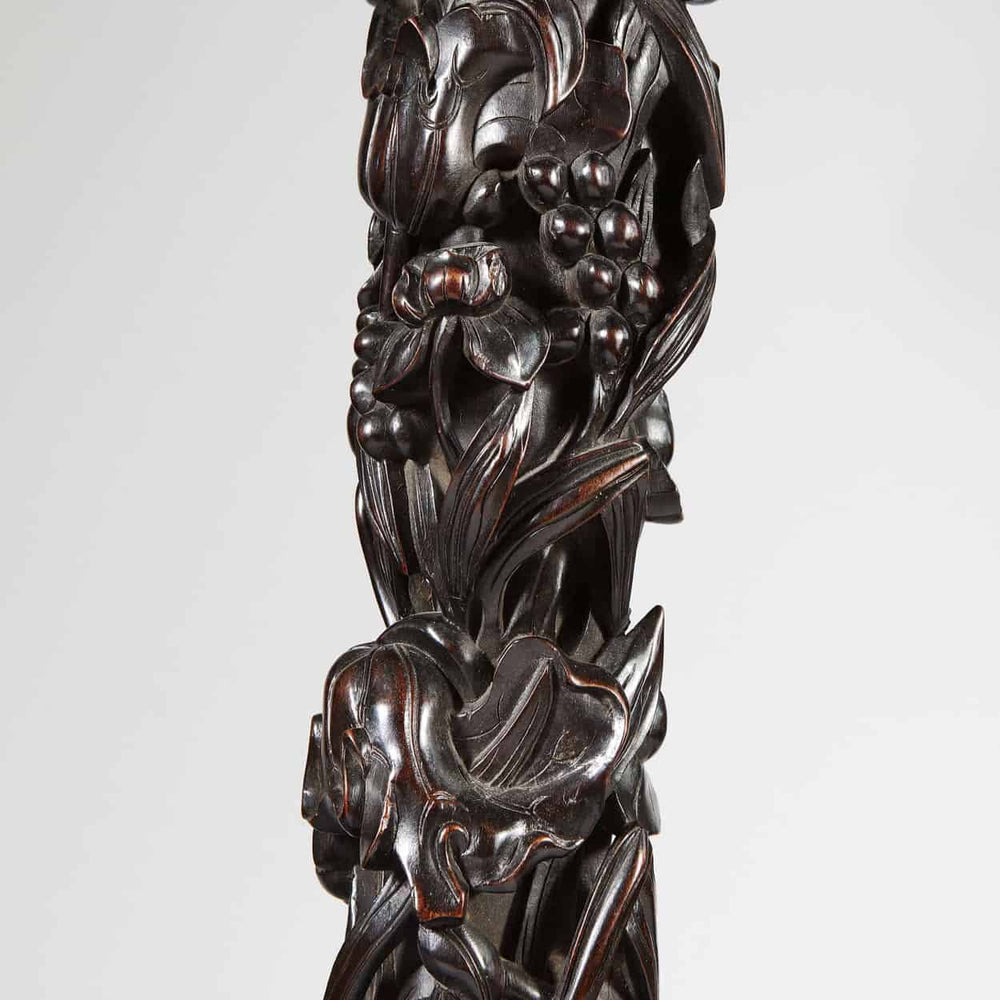
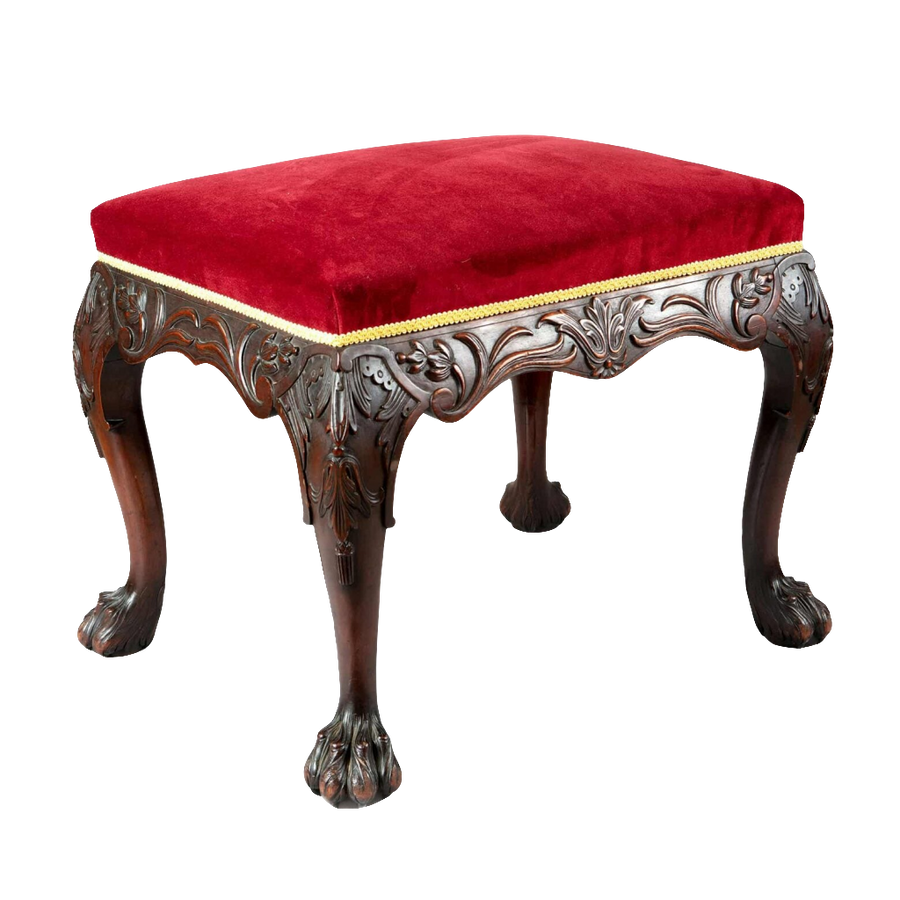
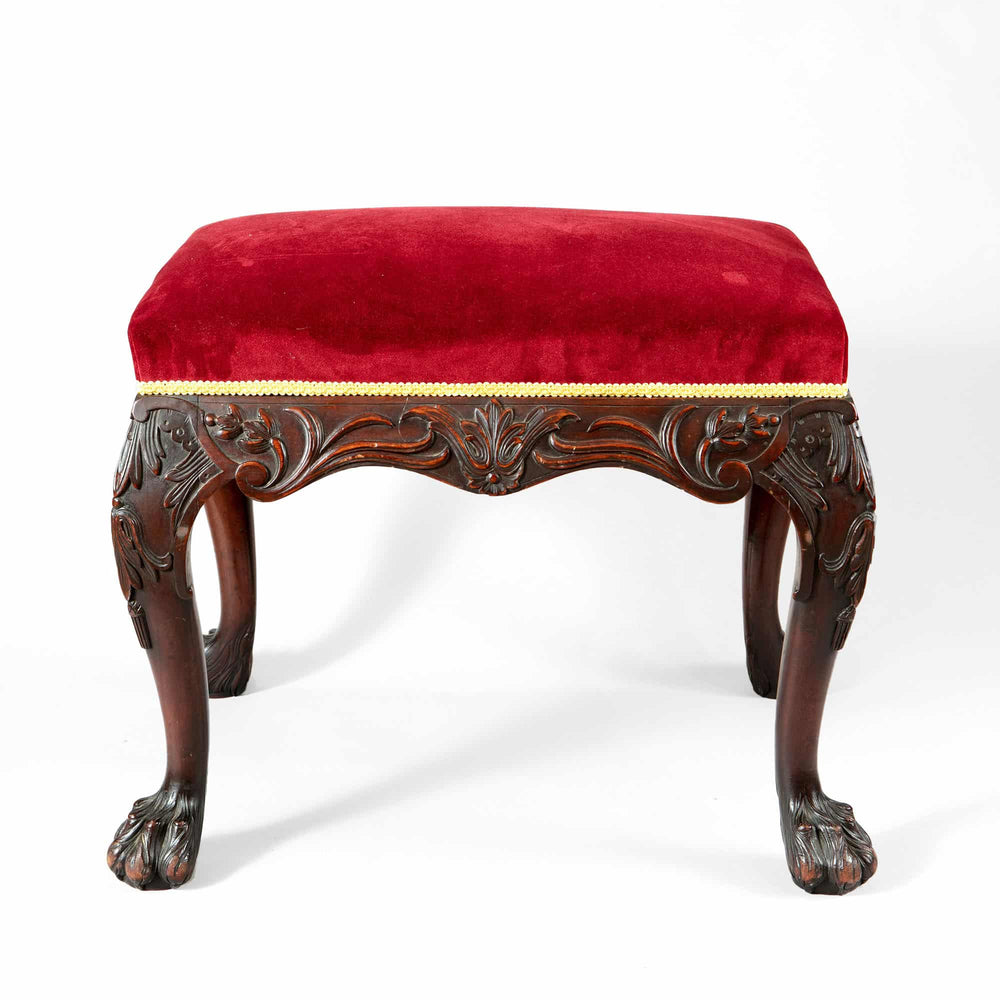
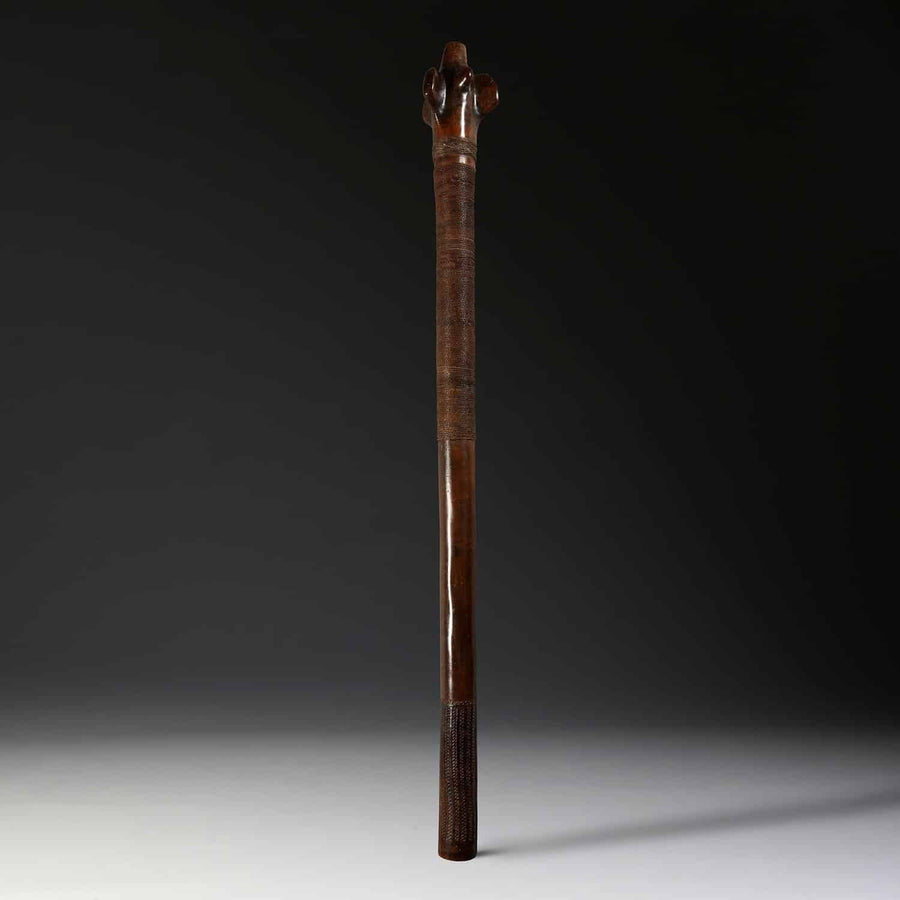
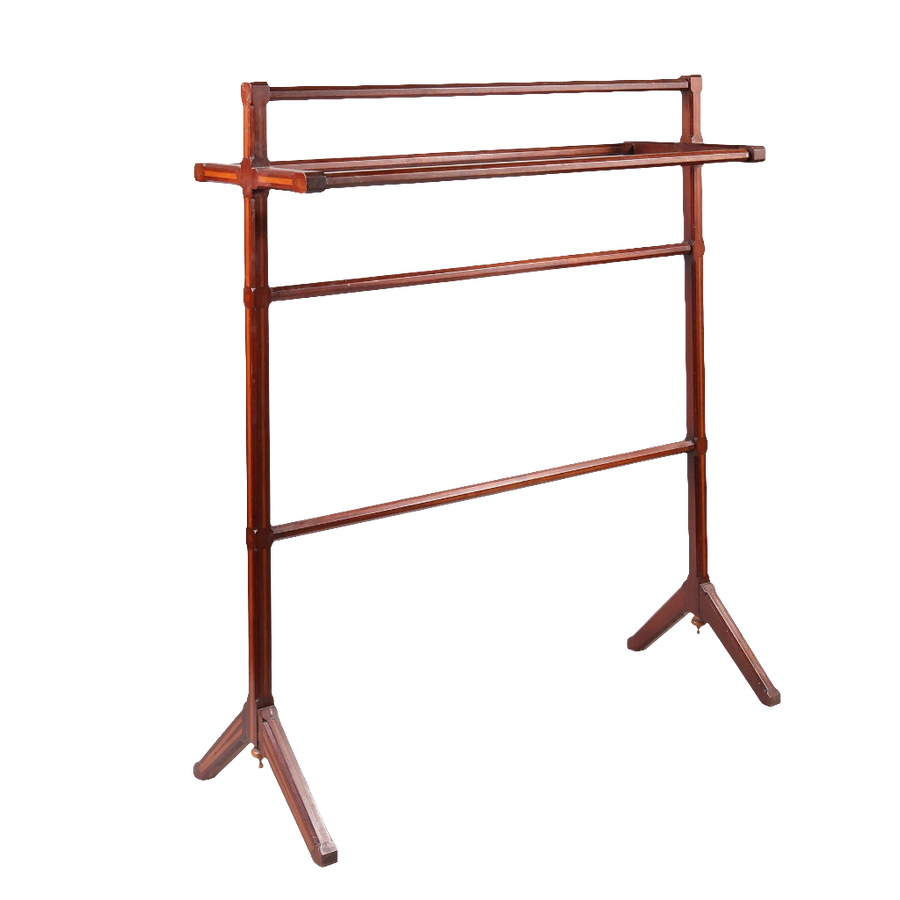
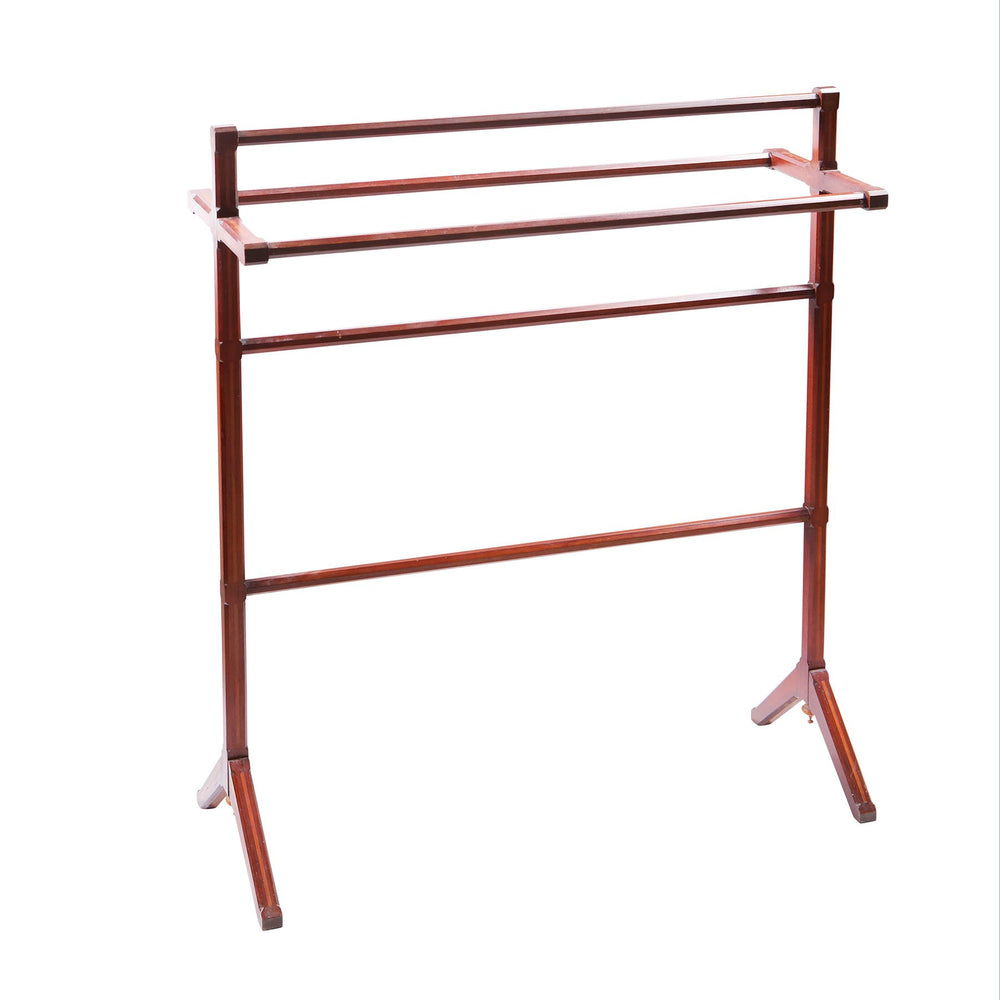
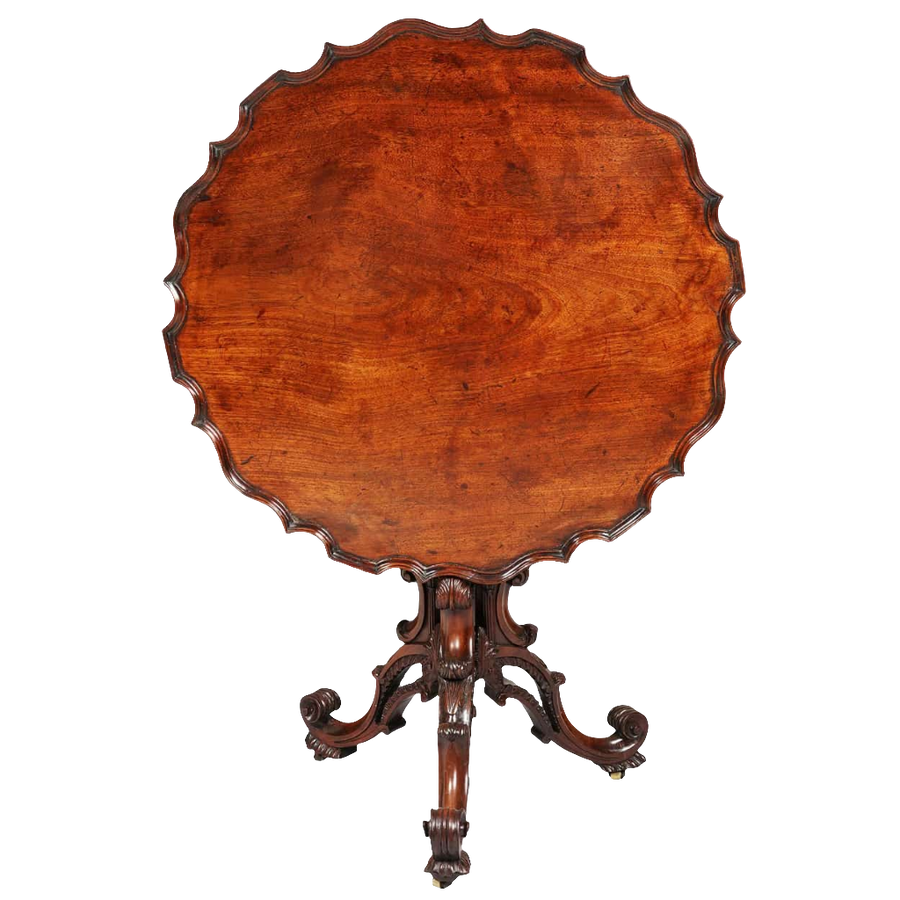
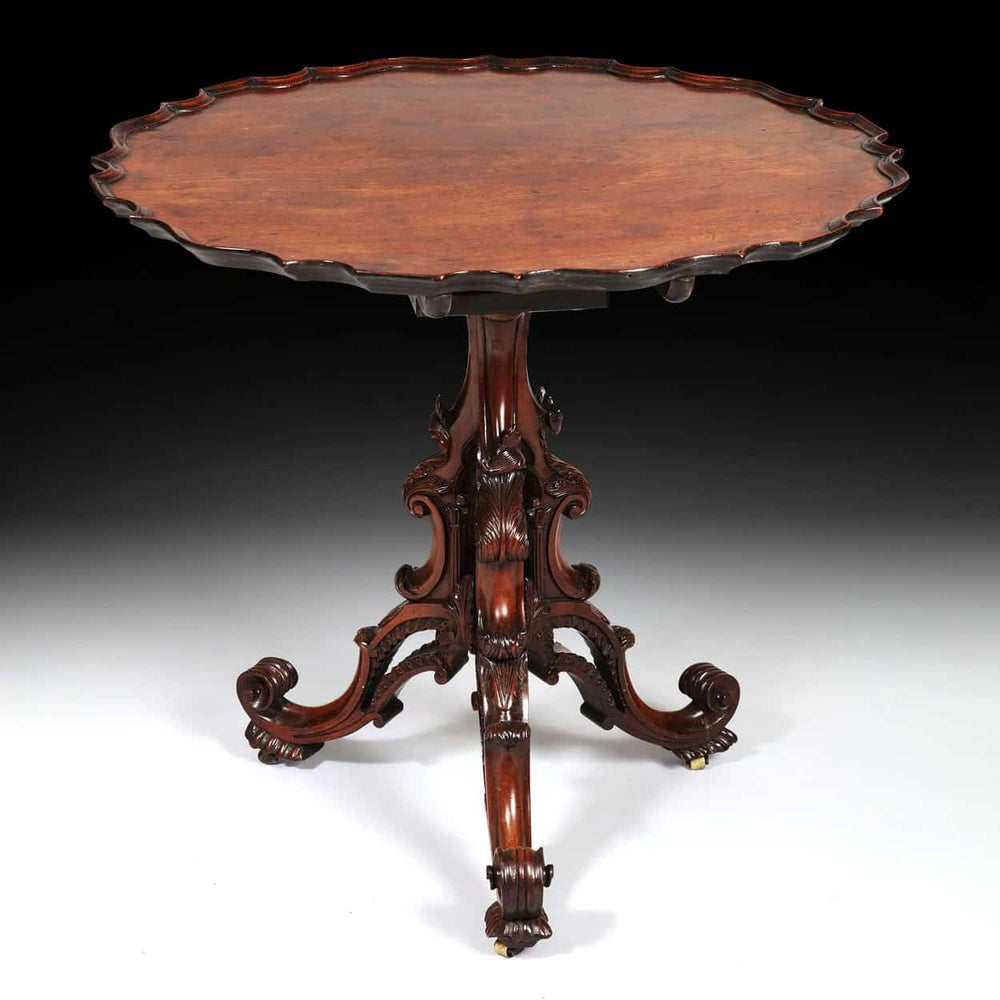
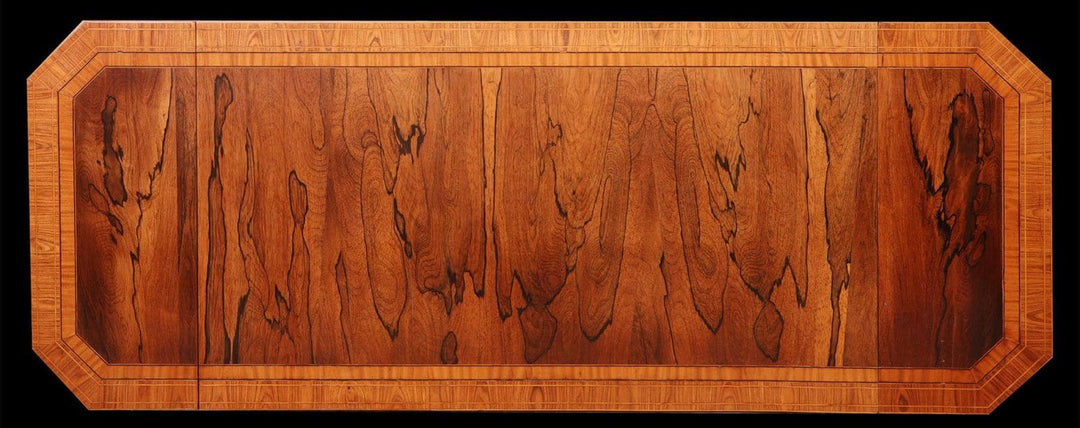
For wooden furniture, patina is achieved through centuries of polishing, waxing, and handling. The natural oils of the hand, combined with traditional finishes such as shellac or beeswax, enrich the timber’s grain and create a soft, glowing surface. Mahogany develops a deep reddish-brown, walnut takes on a mellow golden hue, and fruitwoods reveal warm, honeyed tones. This mature colour and texture are highly desirable, often more valued than a freshly refinished surface.
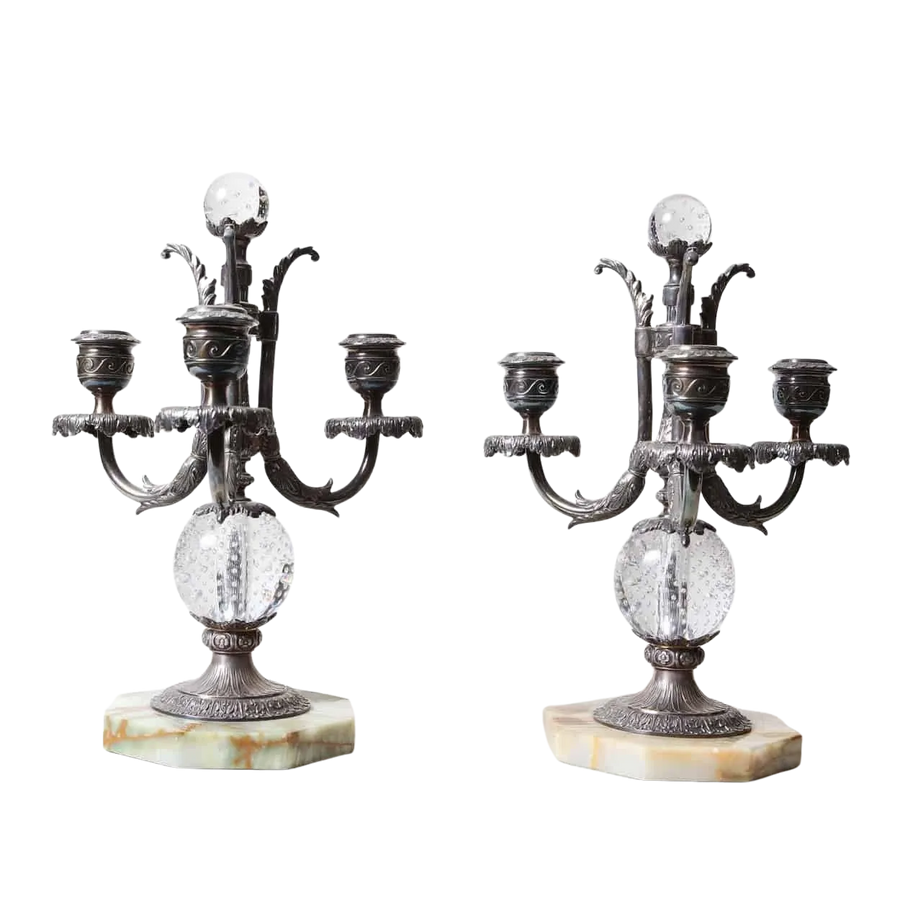
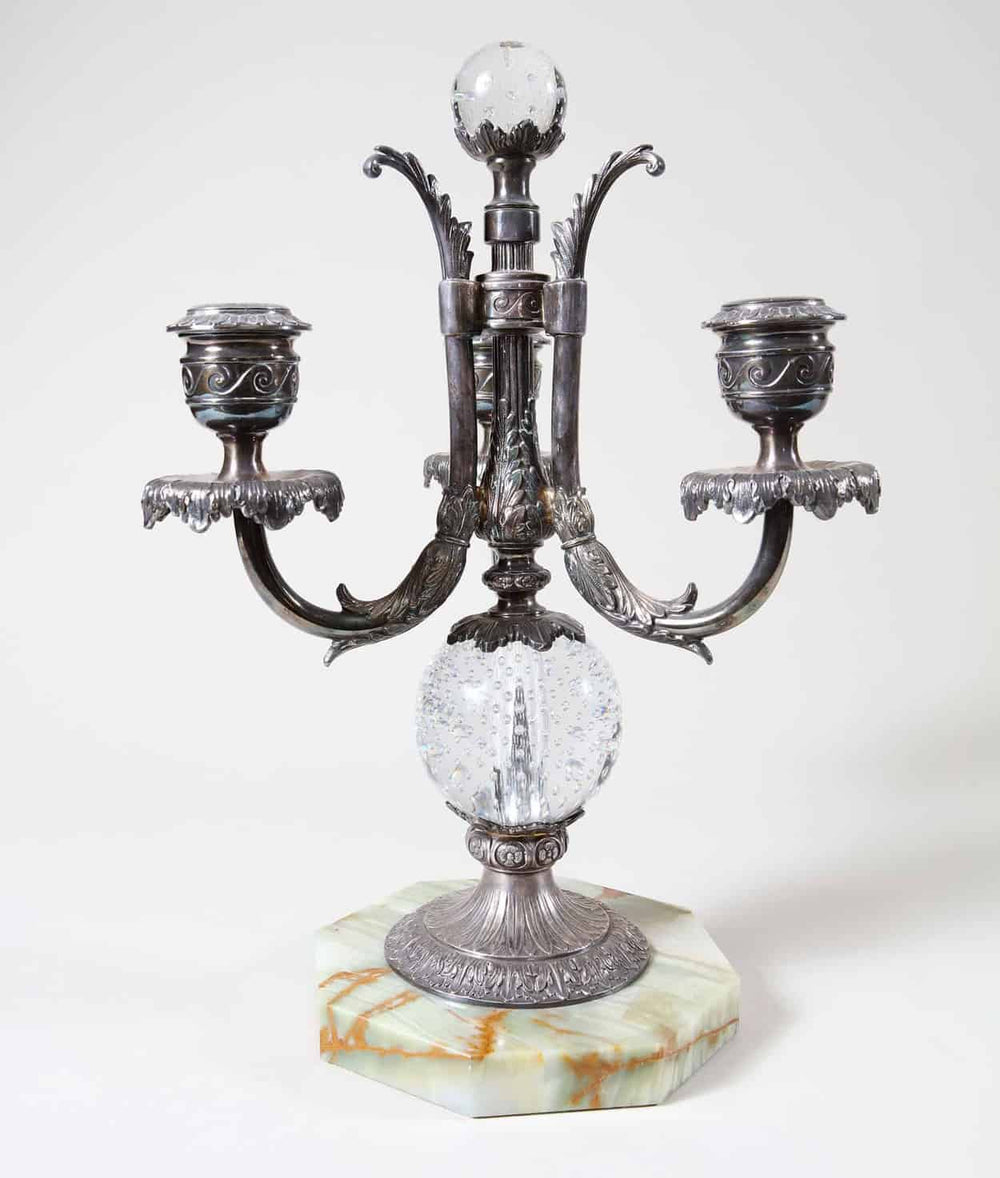
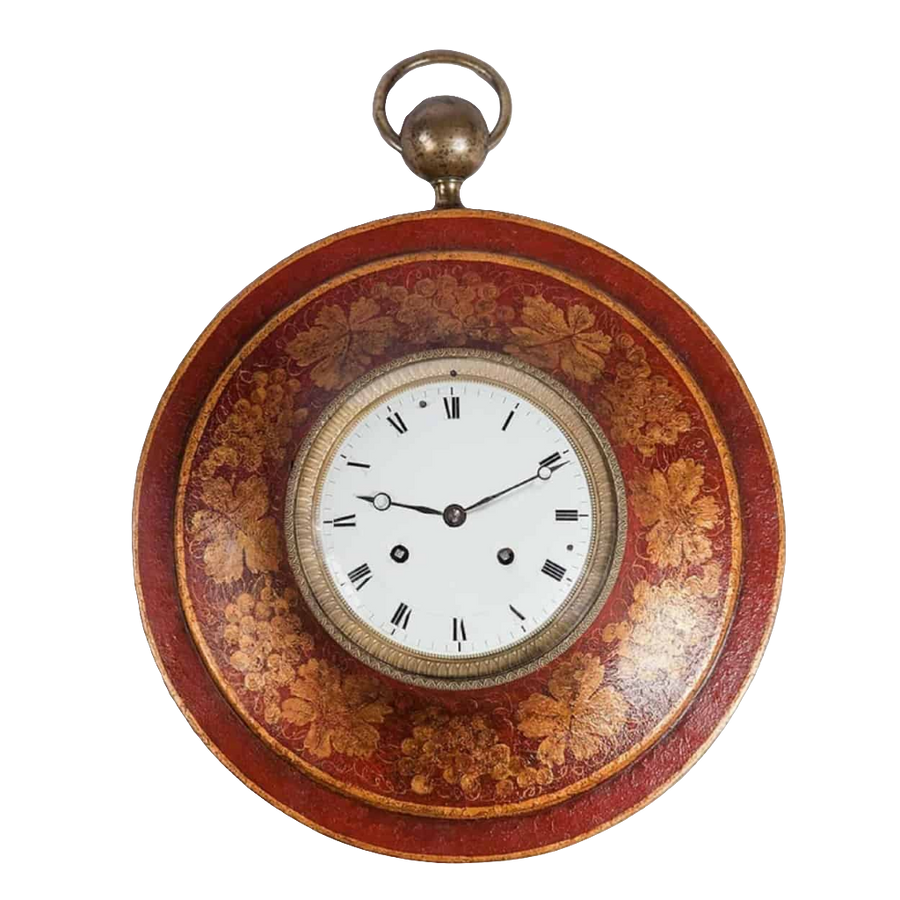
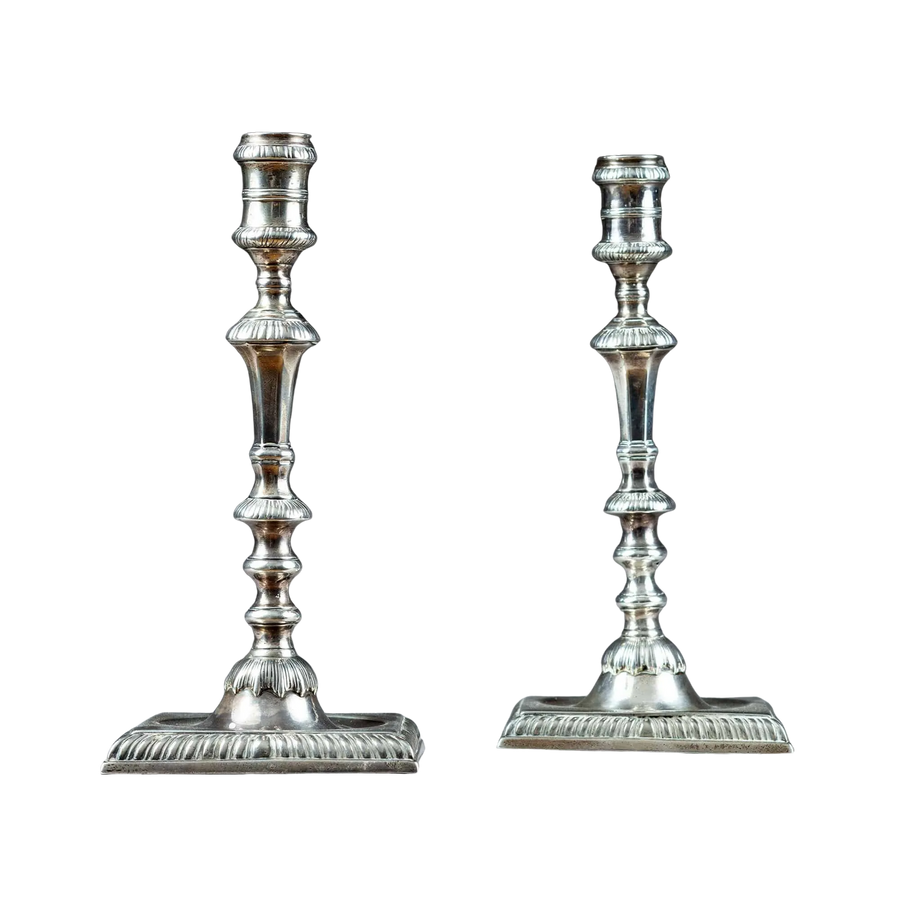
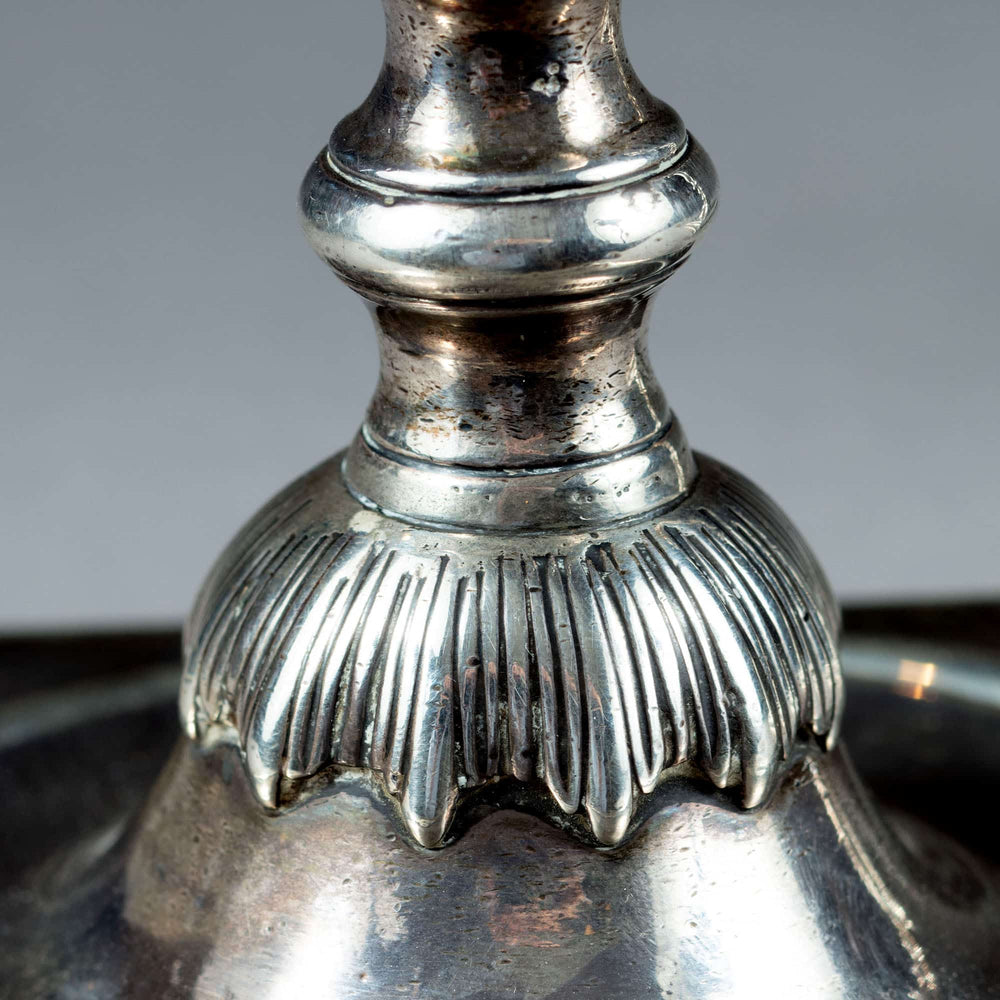
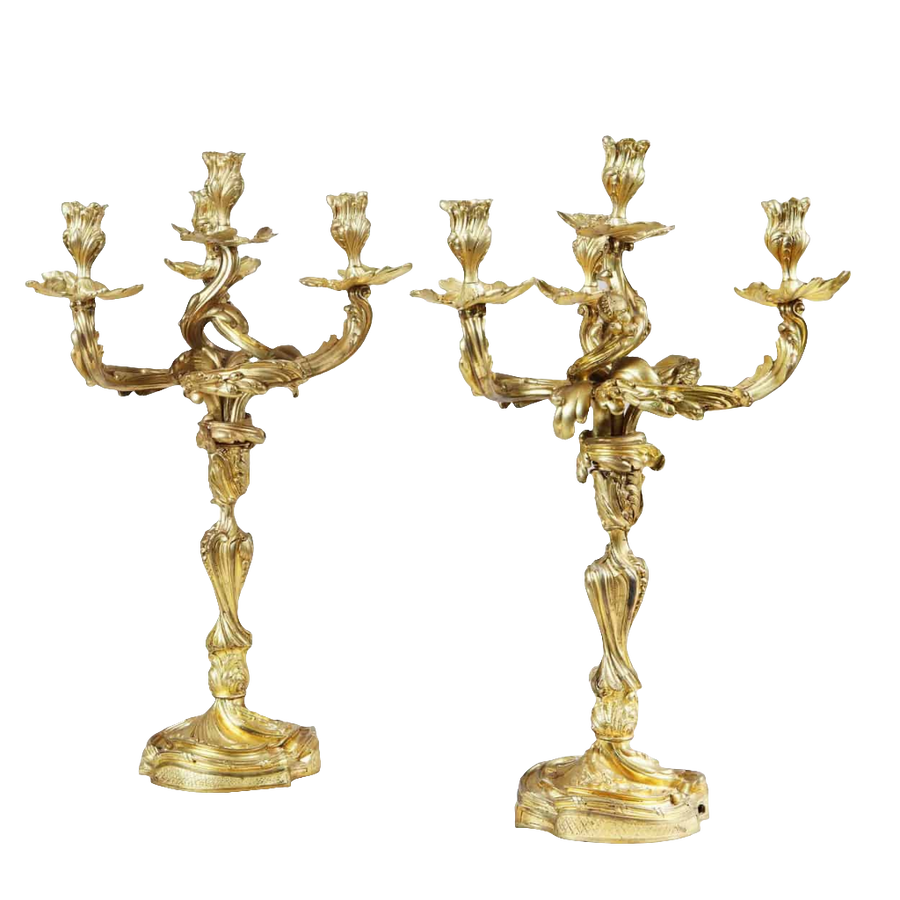
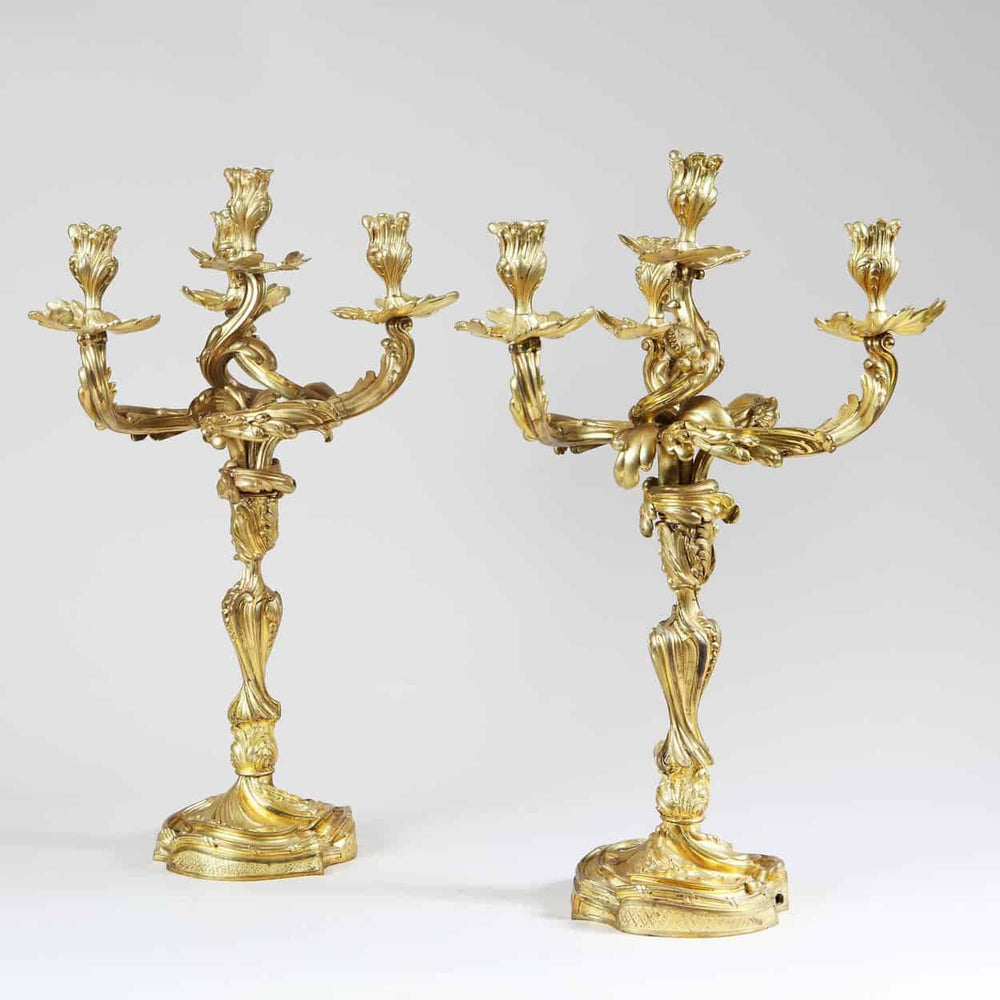
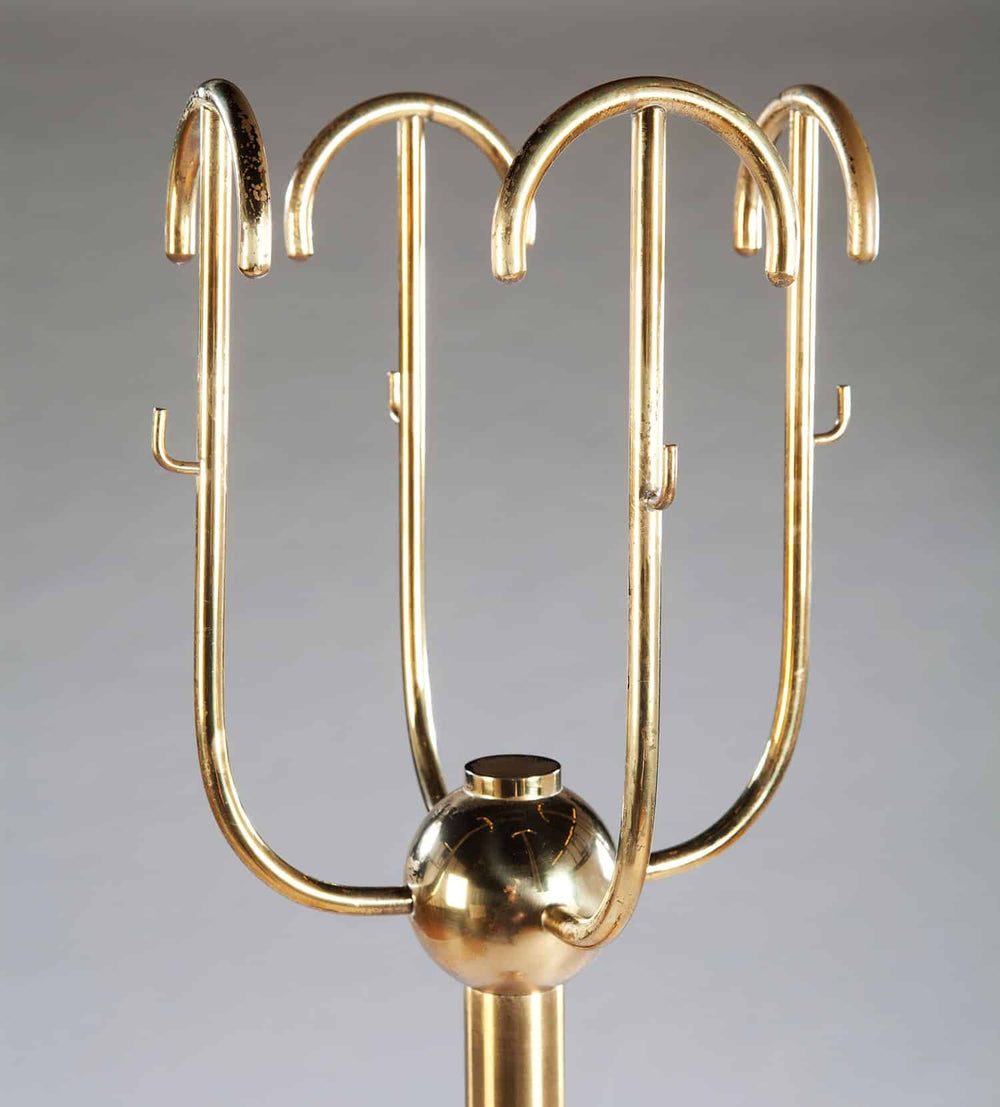
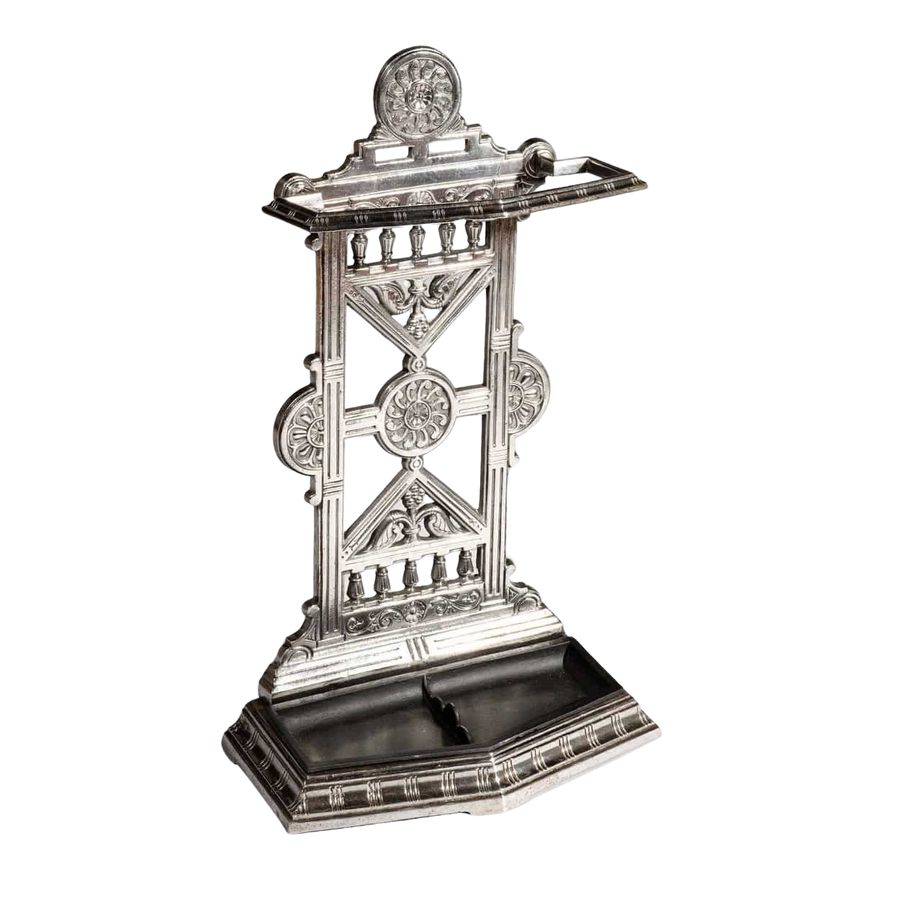
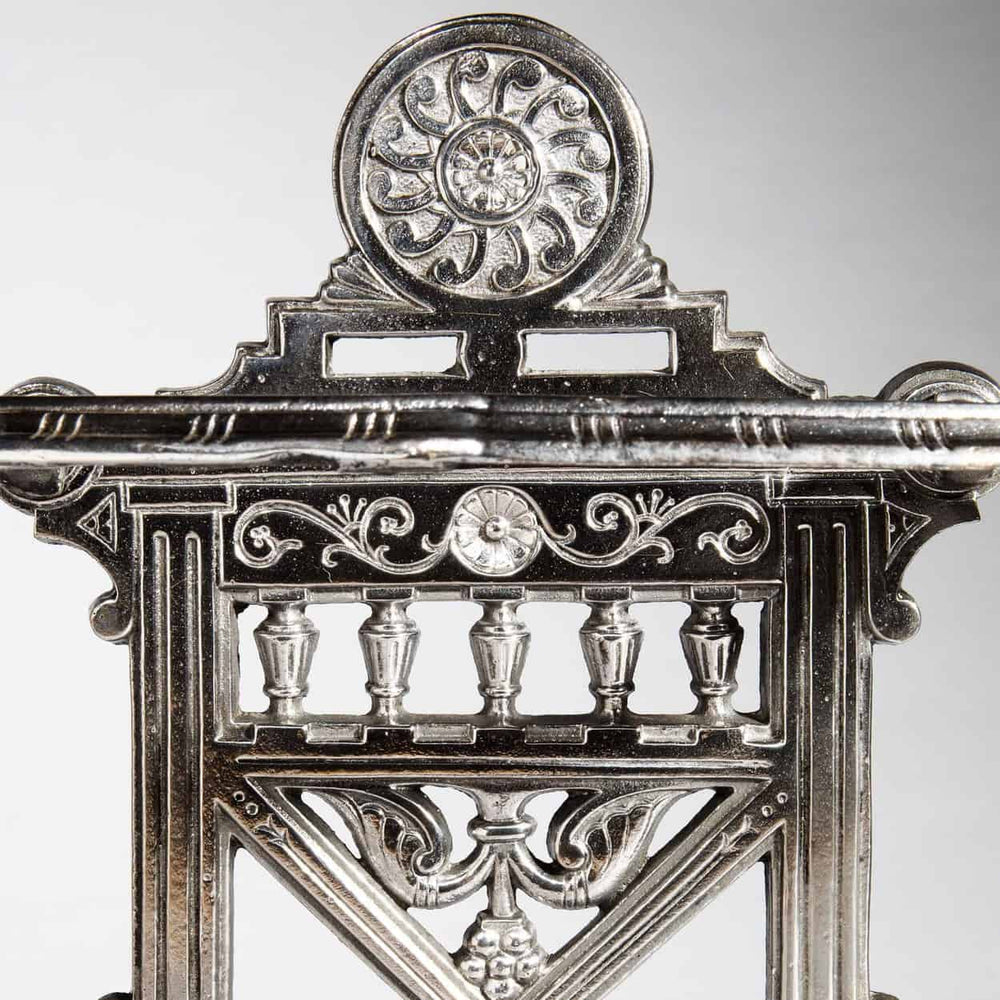
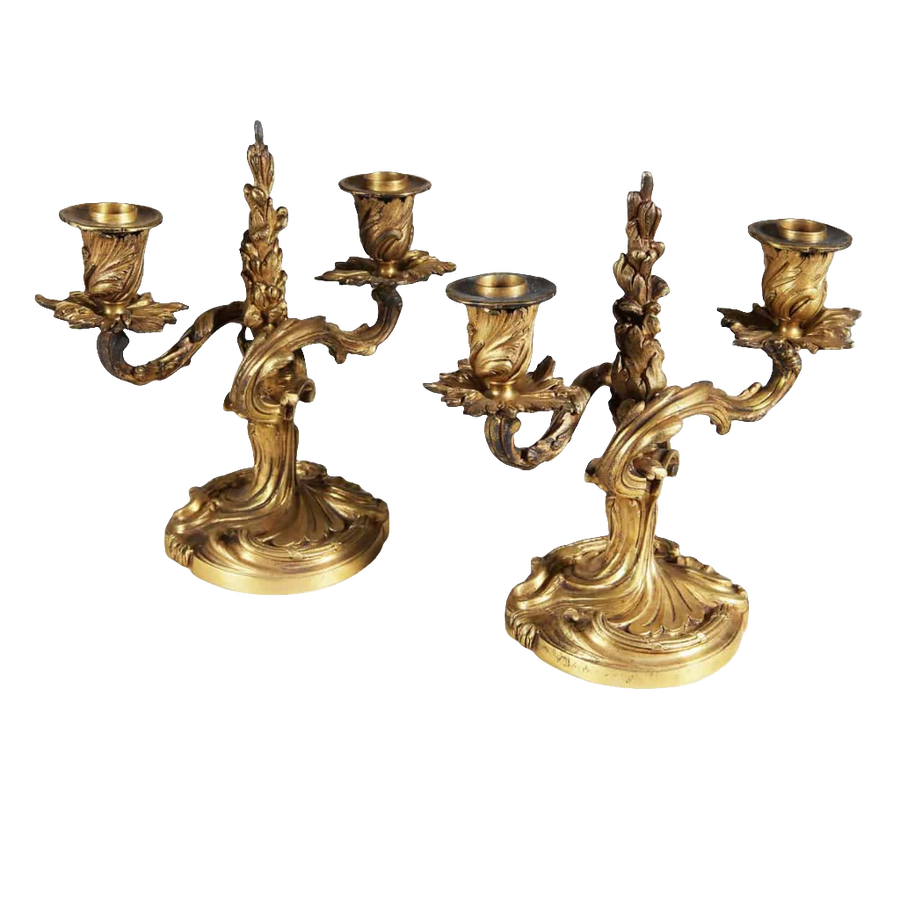
Silver acquires a subtle grey or black tarnish over time, which, when gently polished, leaves traces in crevices that enhance engraved or repoussé decoration. This contrasting surface colour adds depth and character, distinguishing an antique from a modern reproduction. Similarly, gilded surfaces often wear on the high points, allowing the underlying bole or gesso to peek through — a patina that reveals both age and authenticity.
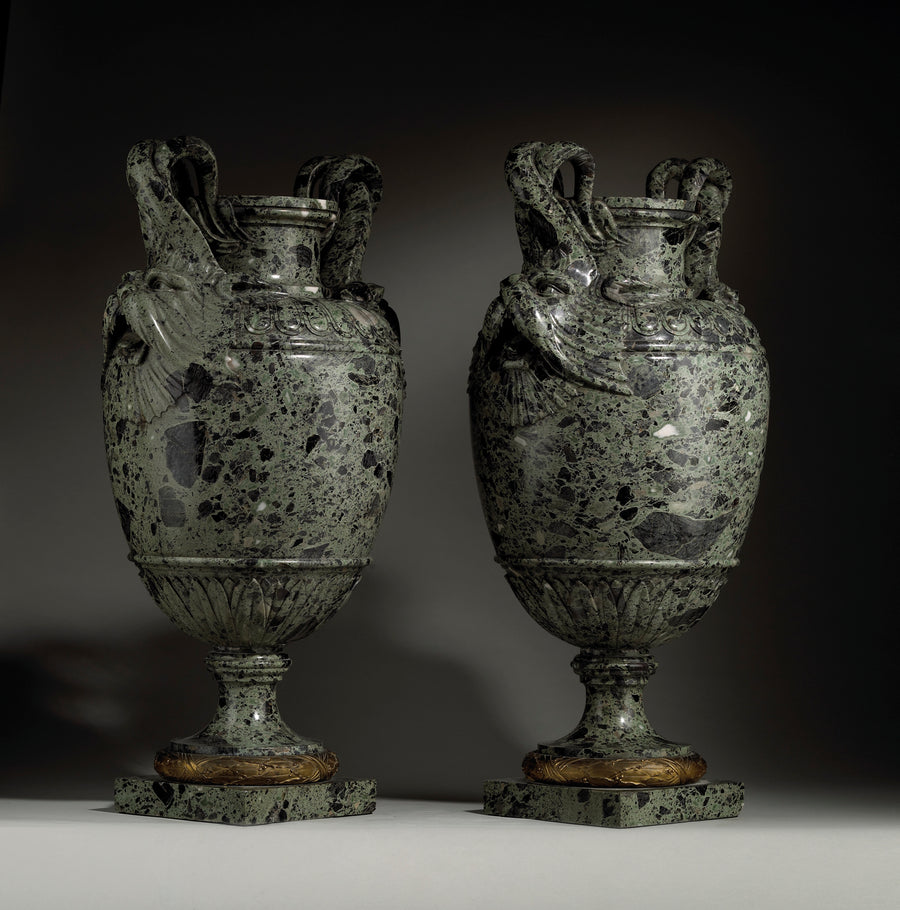
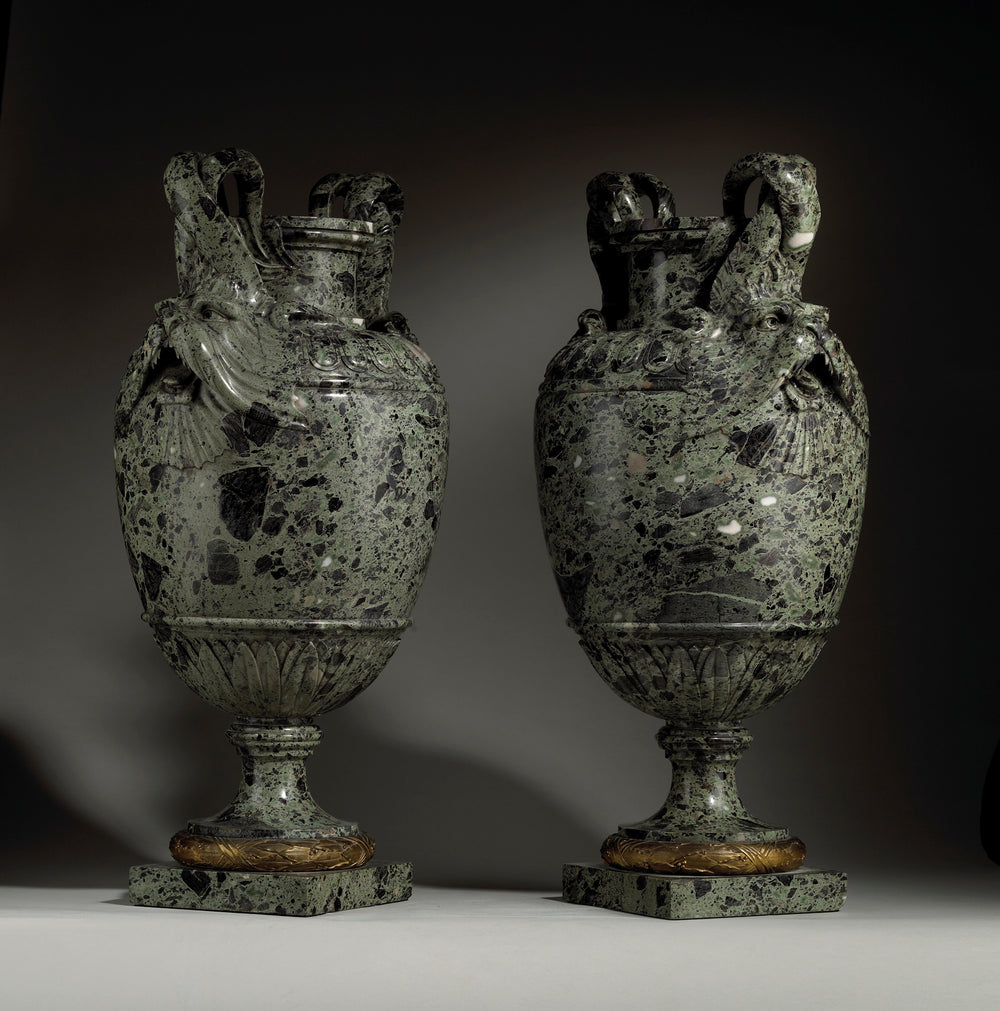
Even harder materials such as marble, alabaster, or porcelain develop surface qualities that appeal to collectors. Softening of edges, a gentle polish from centuries of dusting or use, or slight tonal variations from exposure to light all contribute to a sense of age and continuity.
Patina is valued because it represents the honest life of an object. It cannot be replicated artificially with the same authenticity; it is the result of time, touch, and tradition. For collectors, an object with its original, undisturbed surface is often more desirable than one that has been aggressively restored.
Whether in bronze sculpture, fine furniture, silverware, or stone carving, patina embodies the soul of antiques. It enriches colour, enhances form, and connects us to the generations who have lived with these objects before.
At Nicholas Wells Antiques, we celebrate antiques for their surface beauty as much as their form and function, offering pieces where patina is not just evidence of age but a vital element of their artistry and charm.
This month we have 10% off the Regency Collection - checkout code REG10
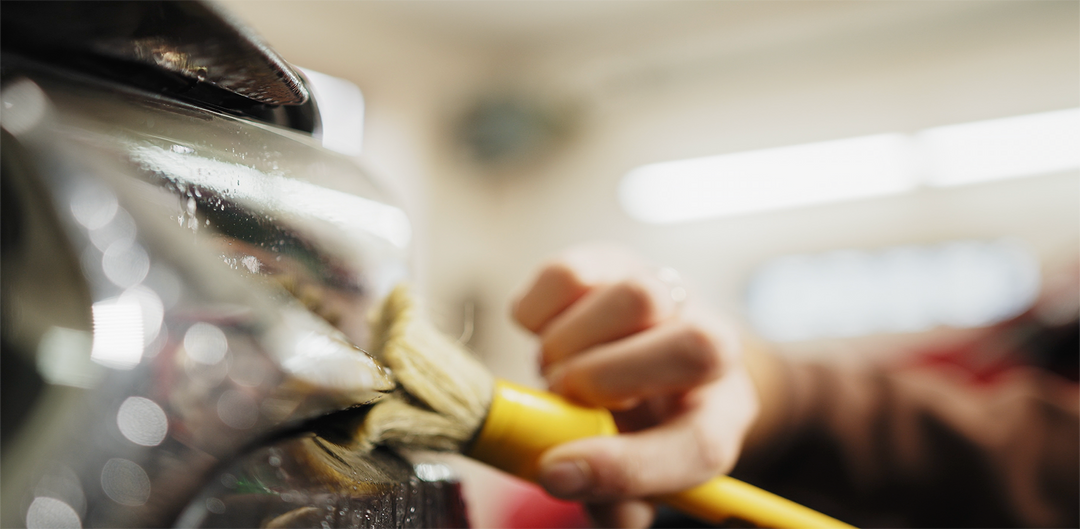
Each item in our collection is sold with complimentary restoration within the purchase price. It is only released for delivery once it has been fully checked over and wax polished.
Introduce someone to Nicholas Wells Antiques—when they make a purchase of £10,000 or more, they will benefit form £500 off and you'll receive £500 credit toward your next purchase over £5,000.
A gesture of thanks, from one collector to another.