


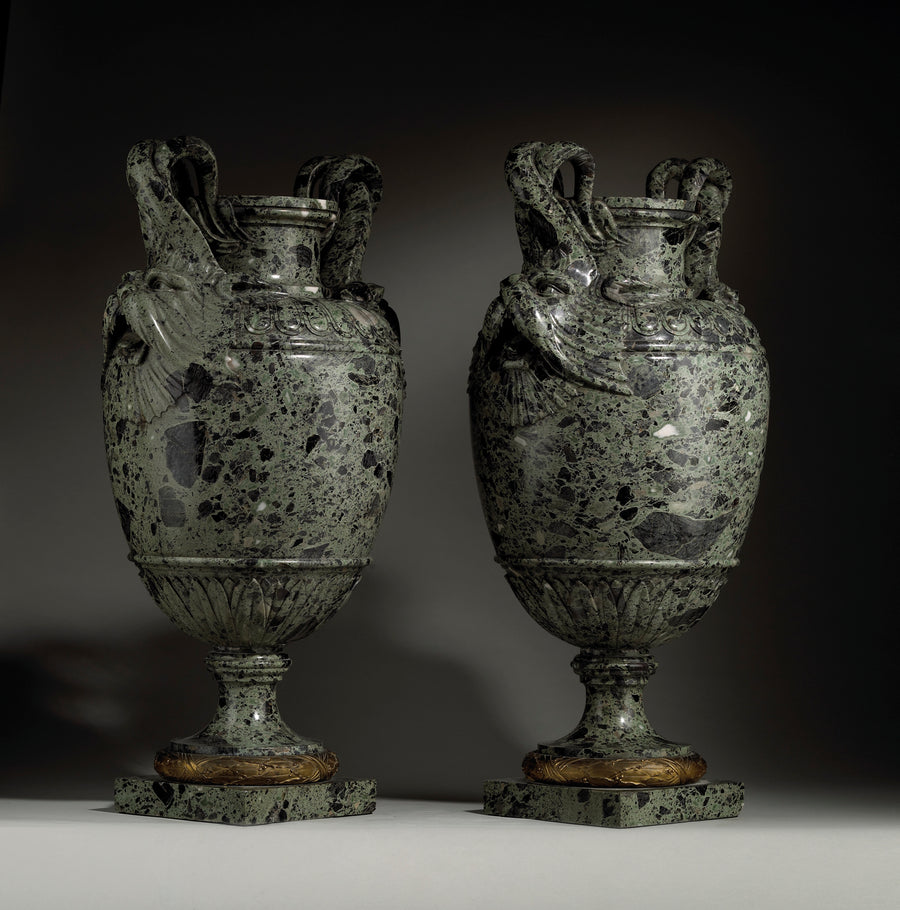
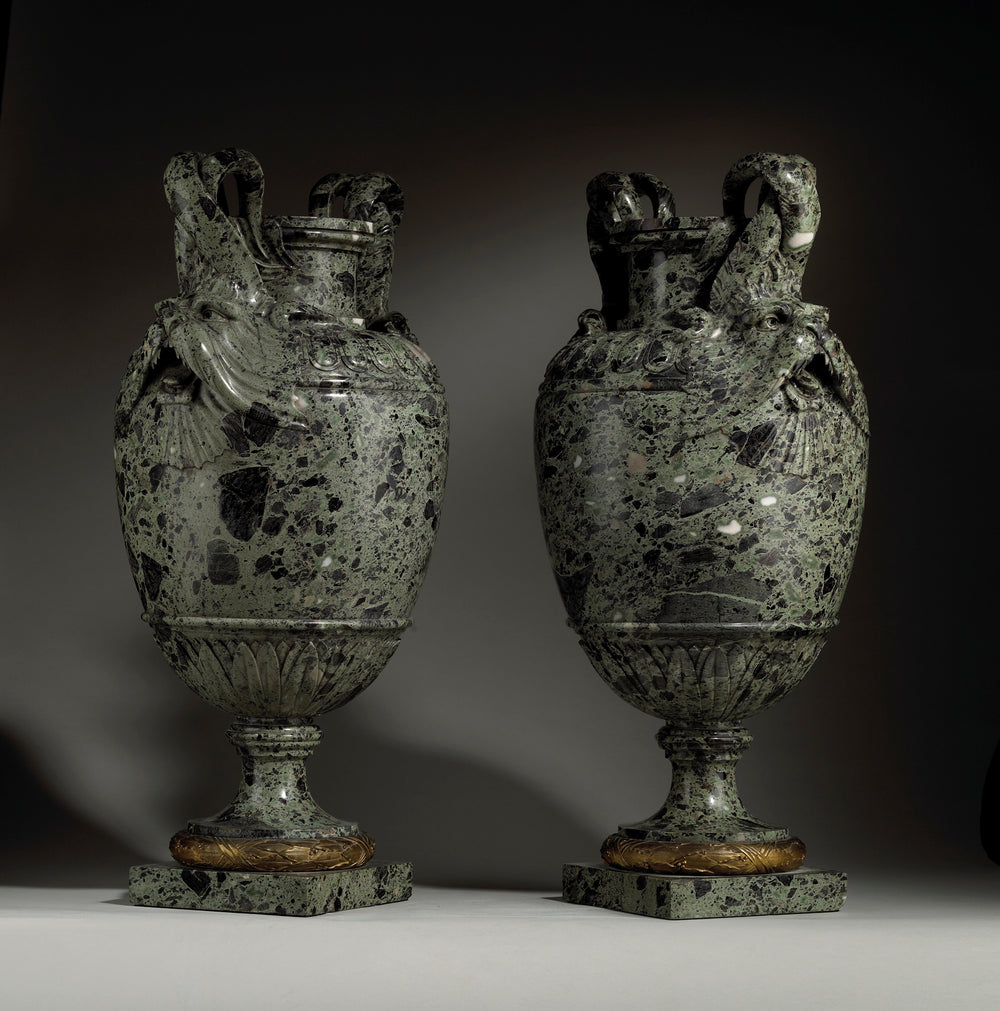
Porcelain: From China’s Tang Dynasty to Europe’s White Gold
61 products

Modal Title
61 products
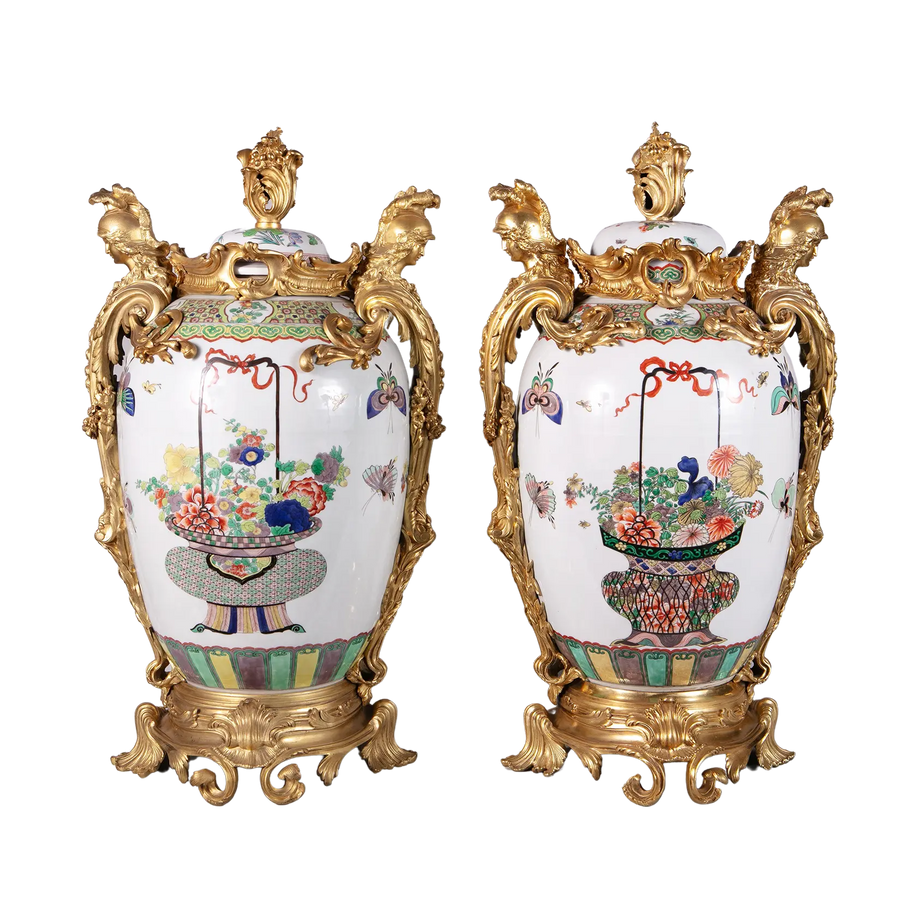
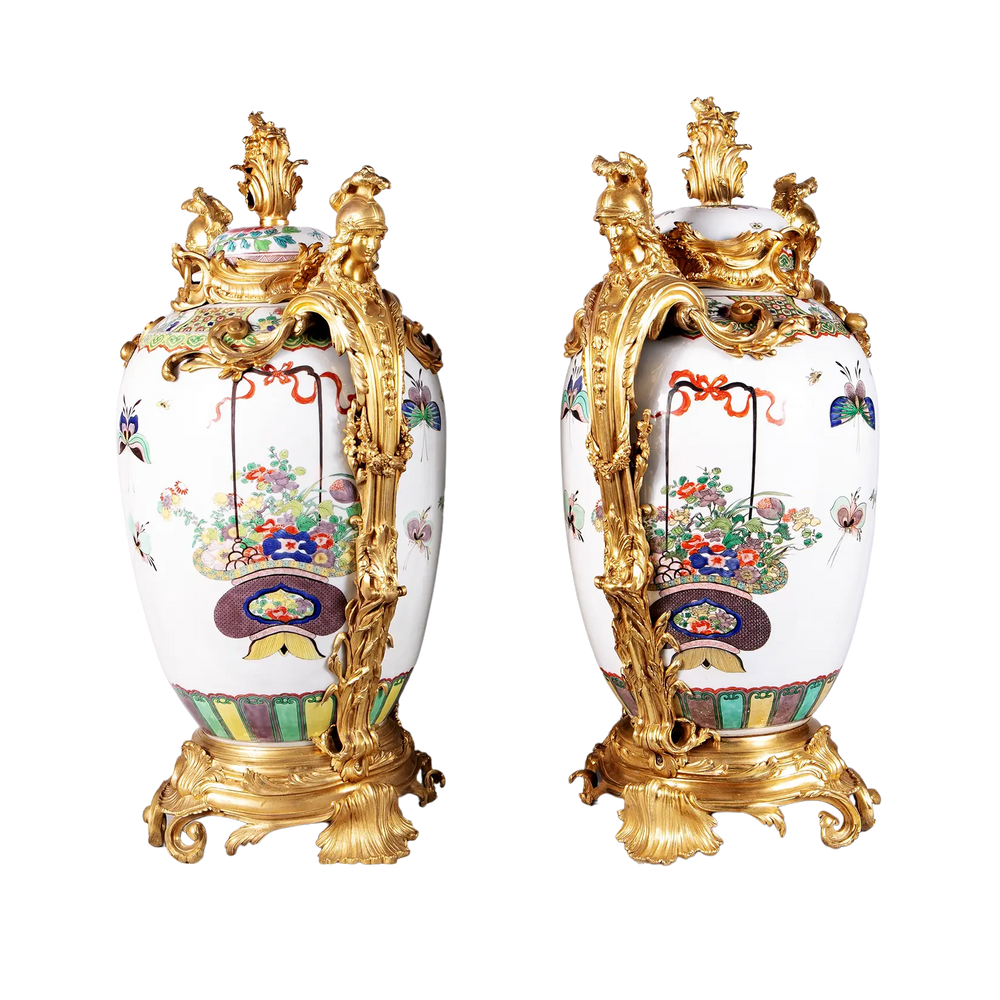
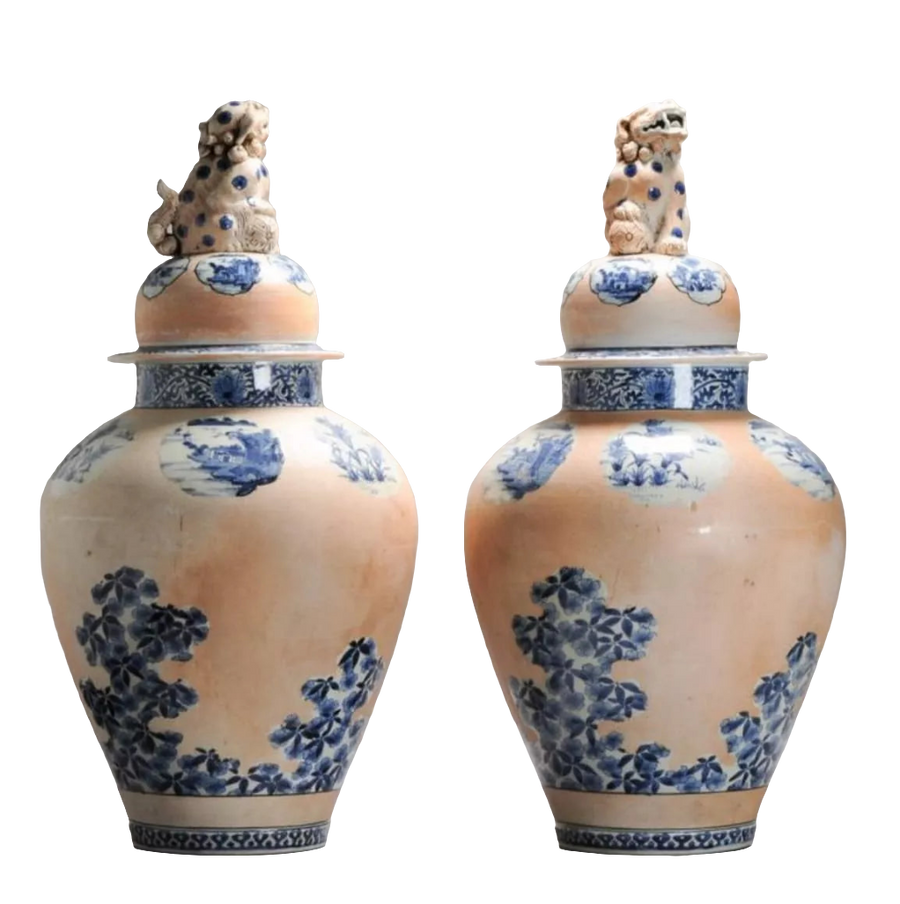
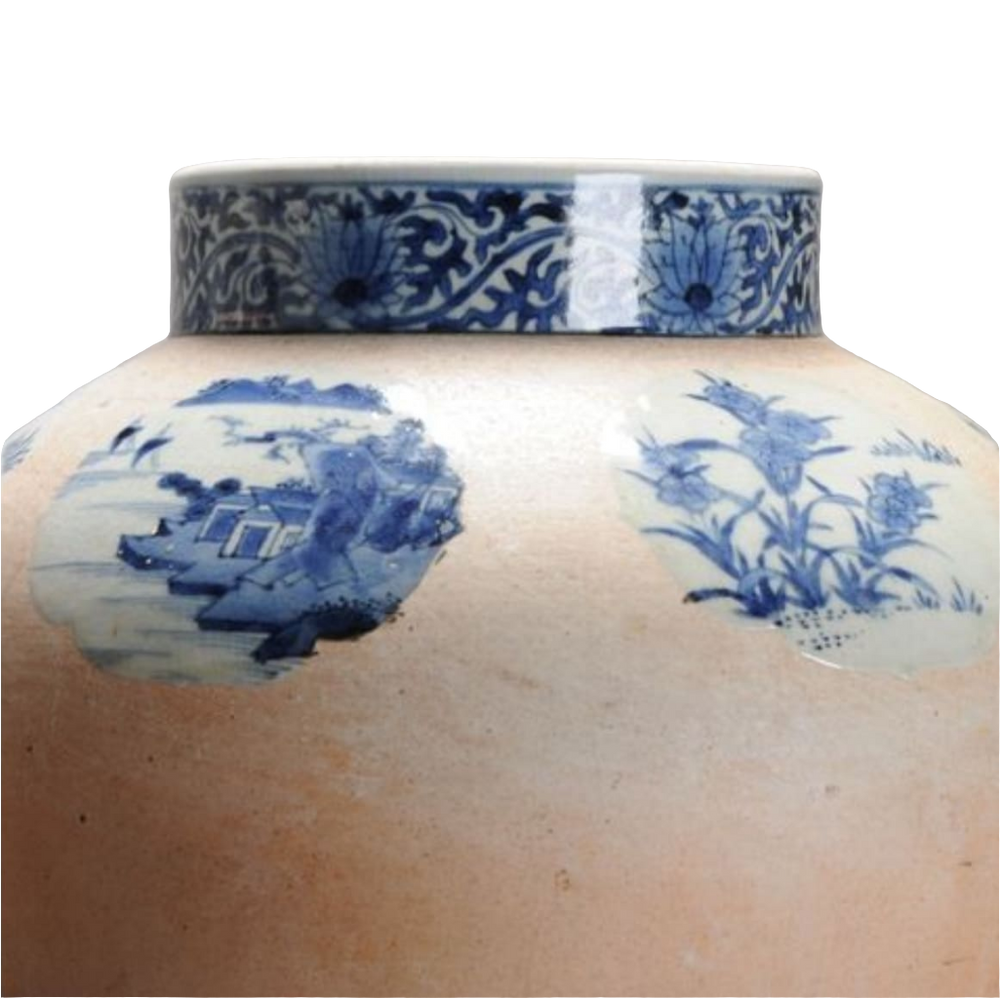
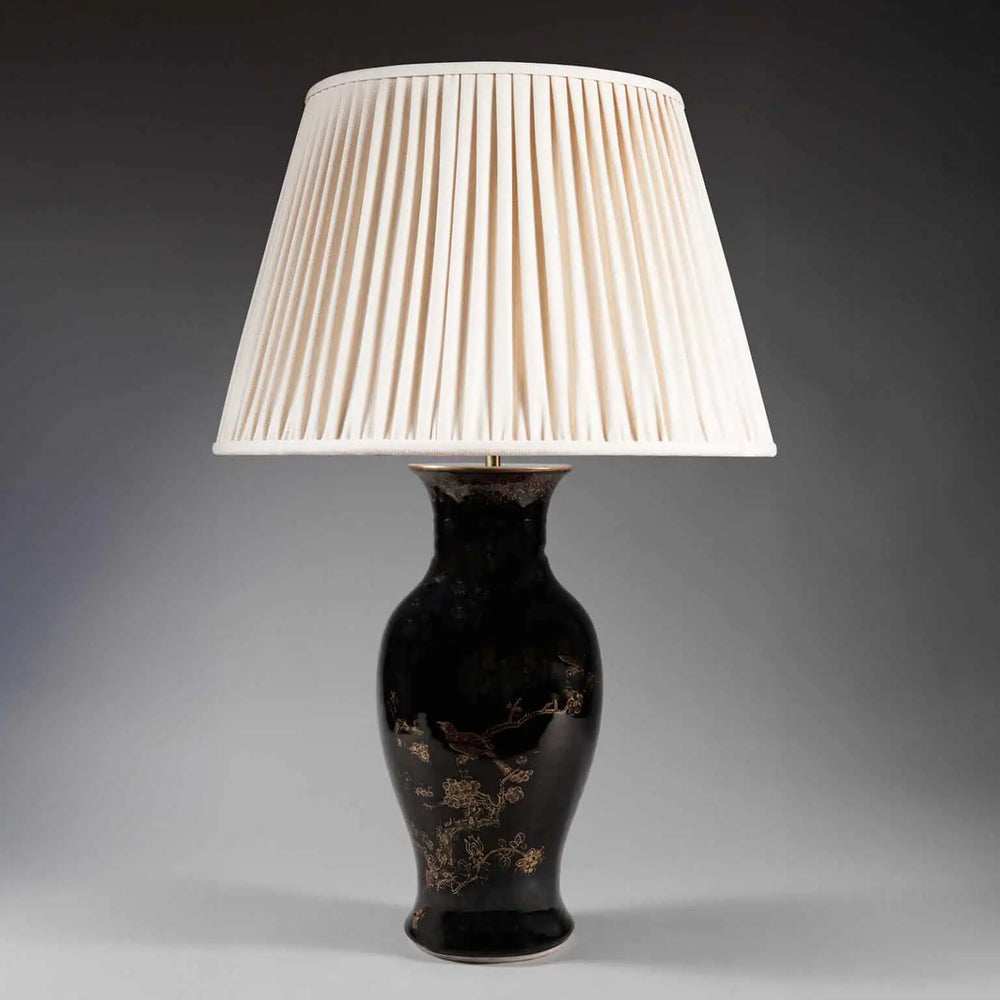
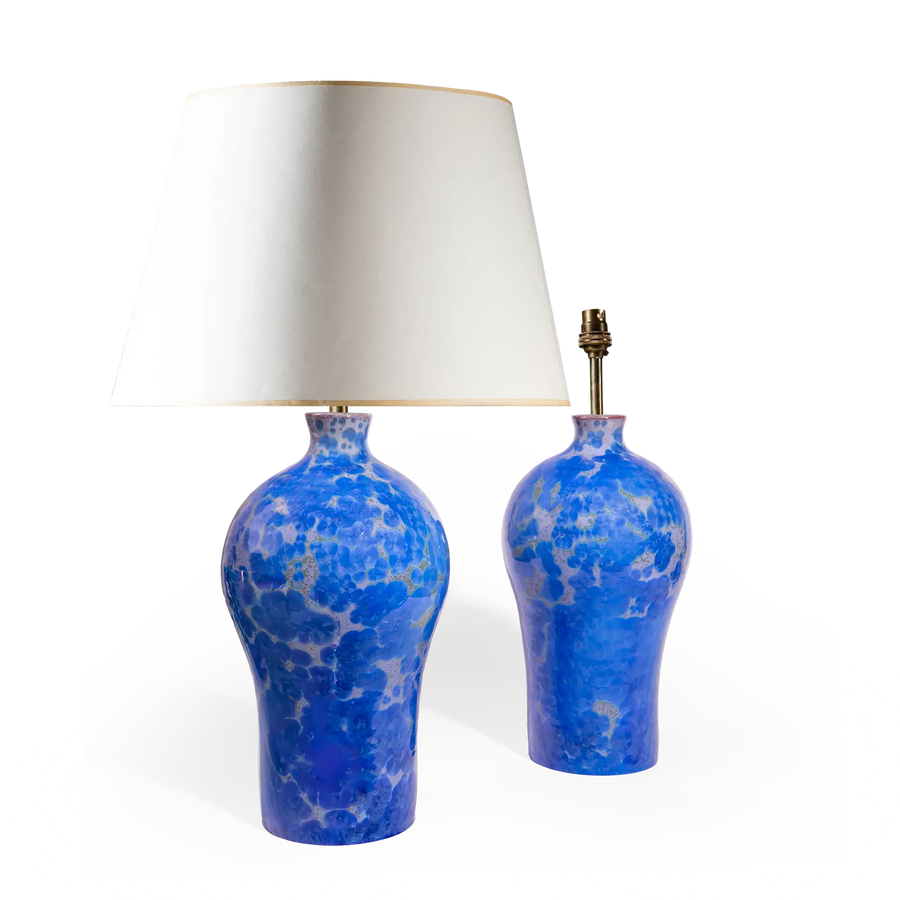
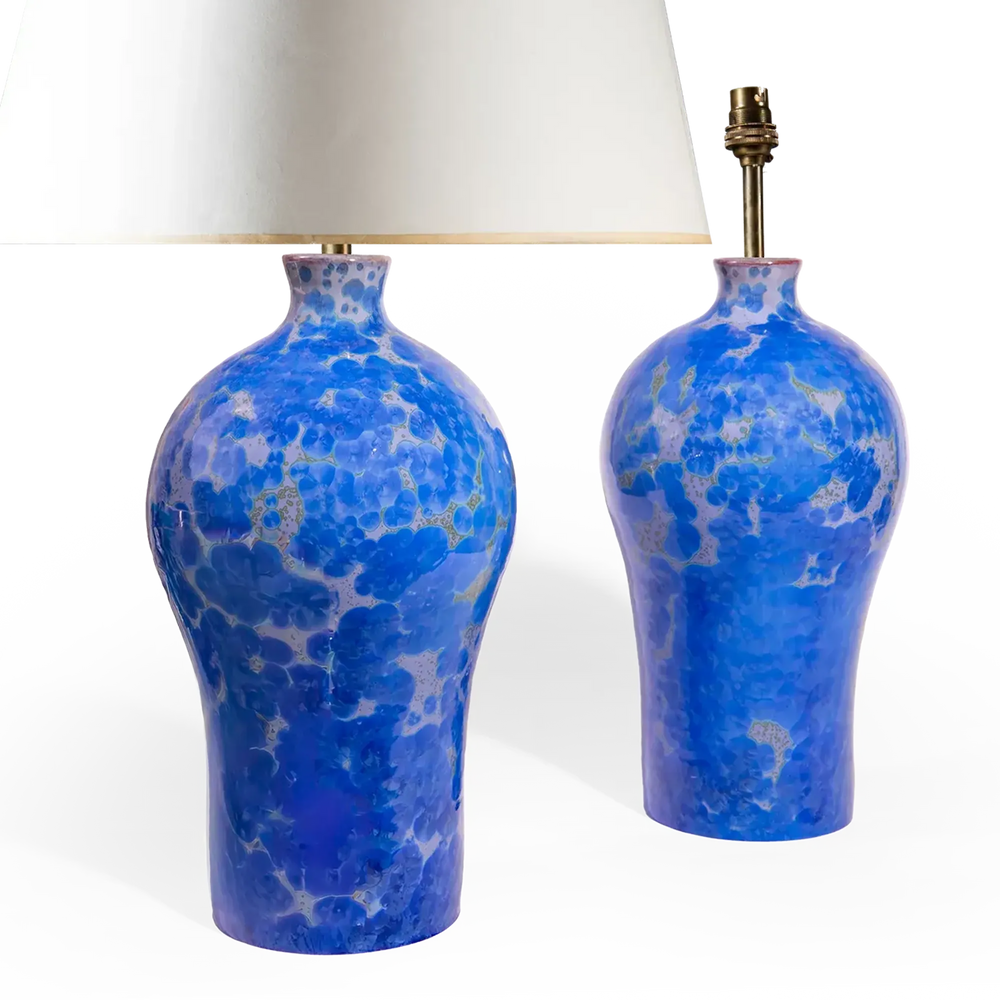
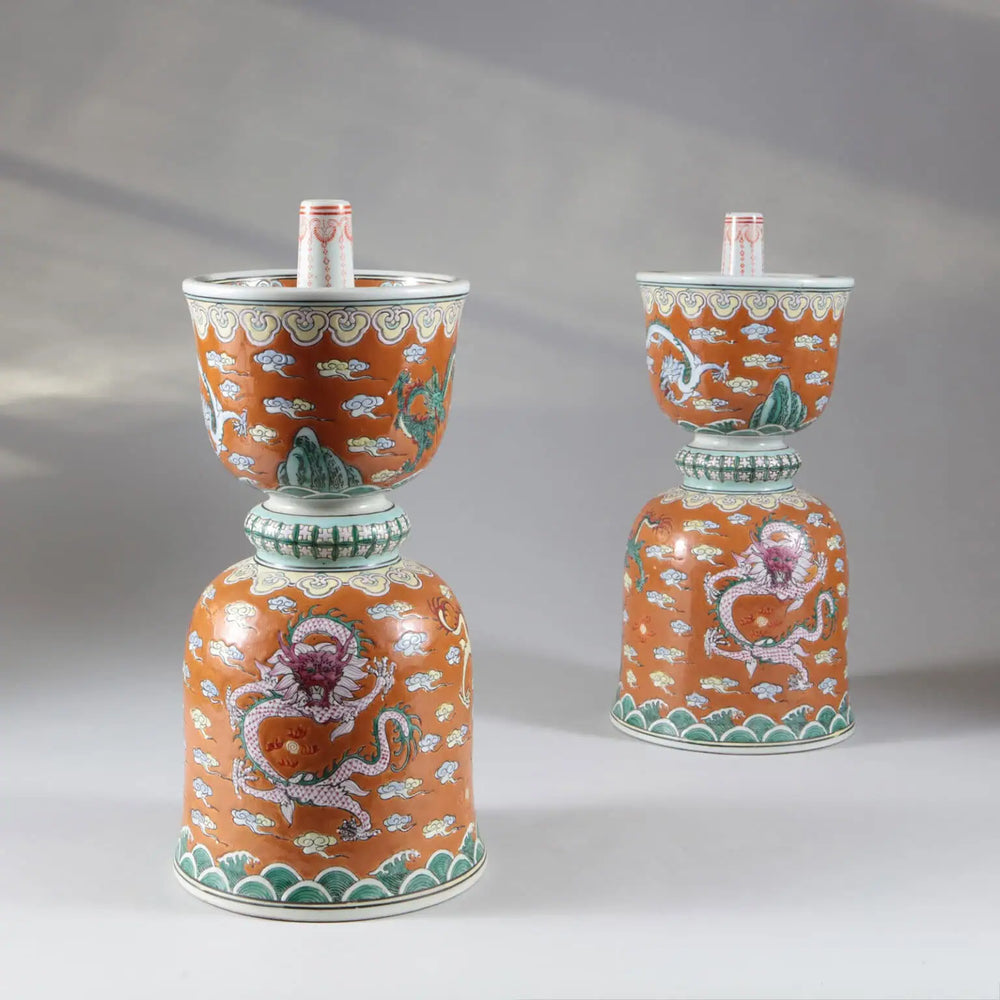
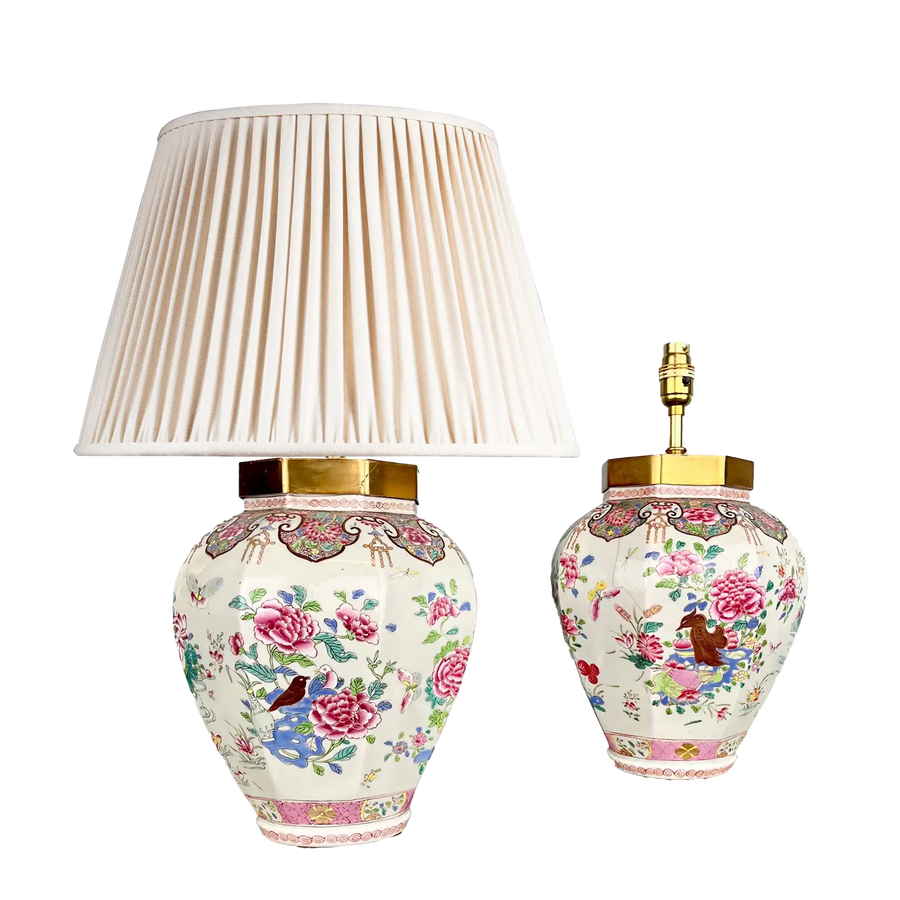
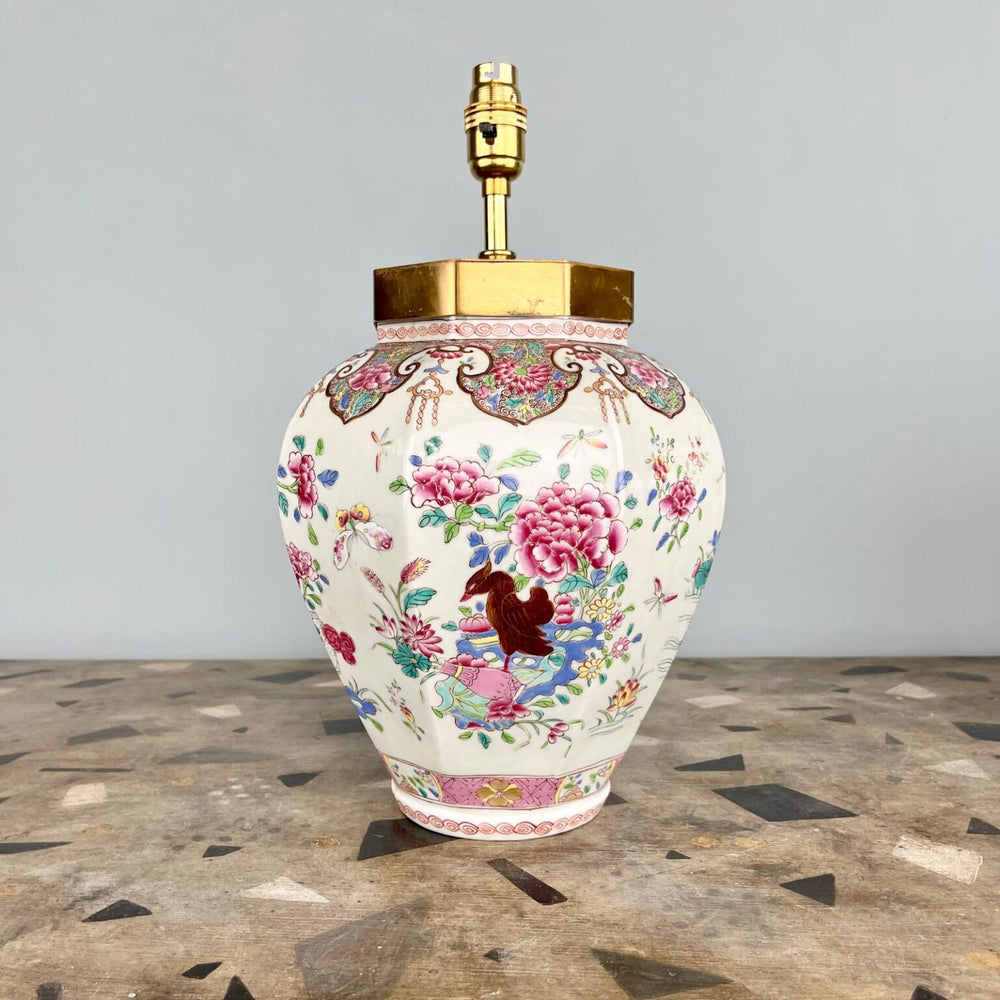
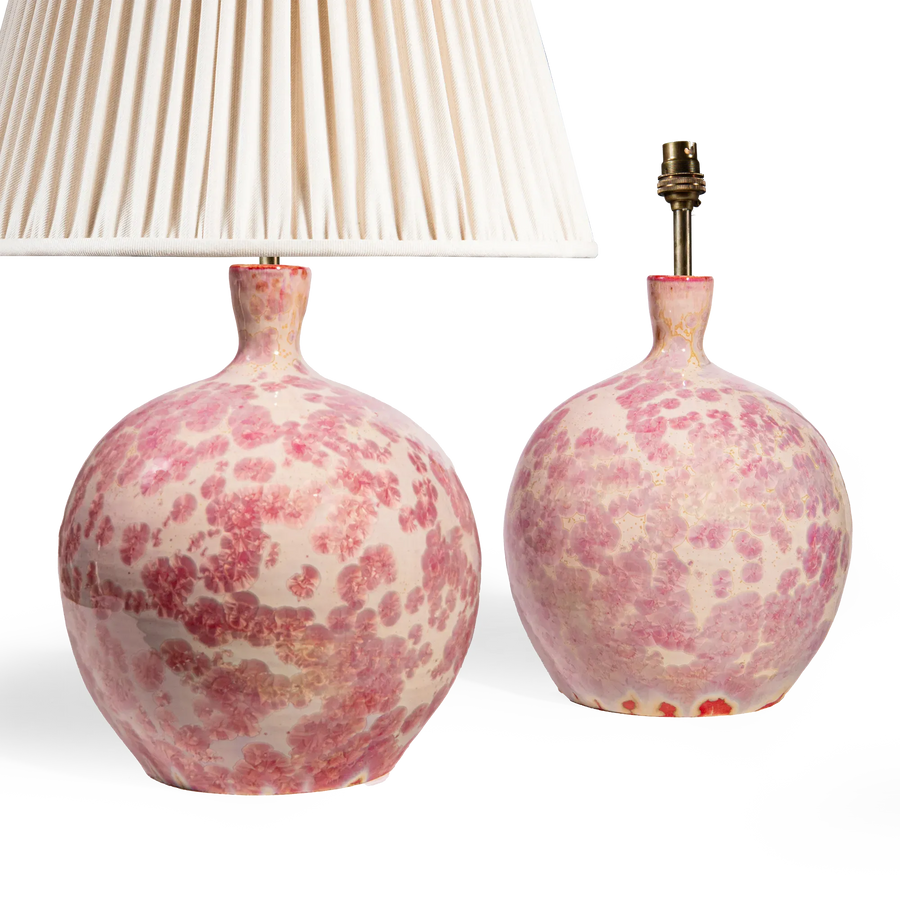
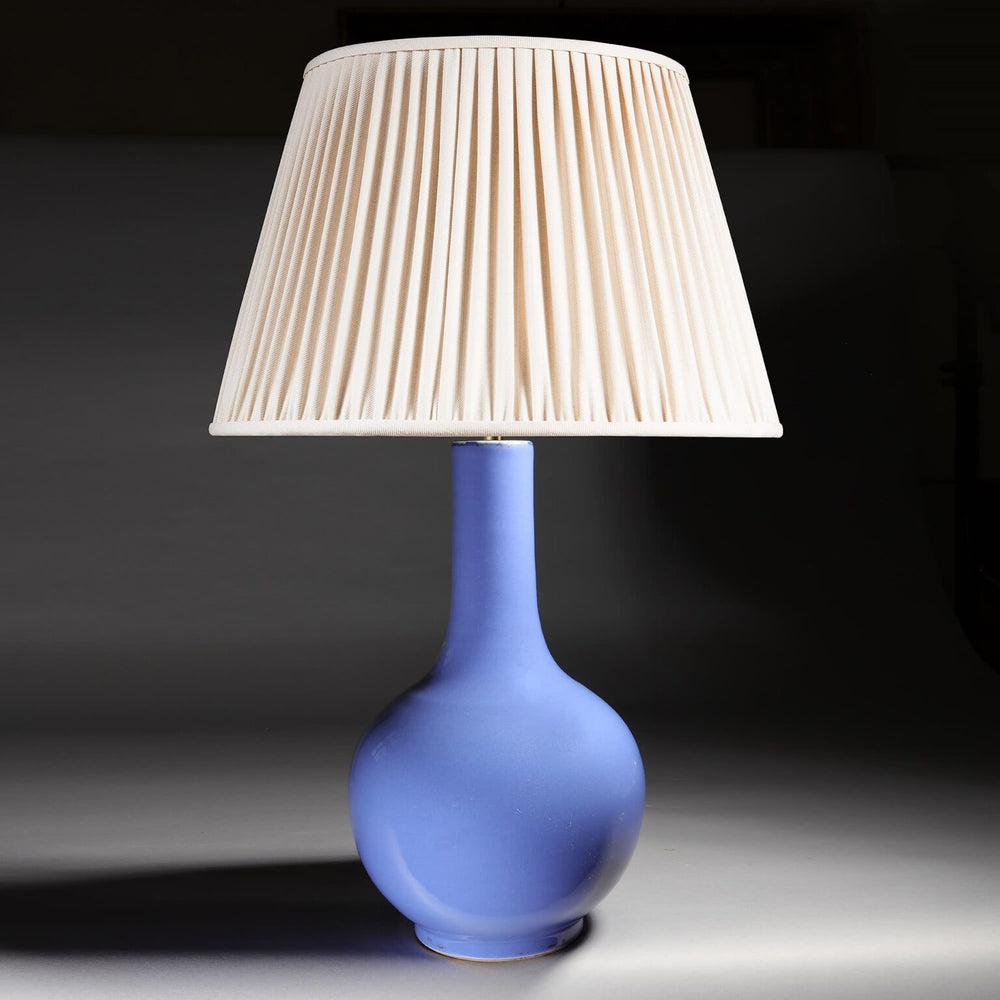
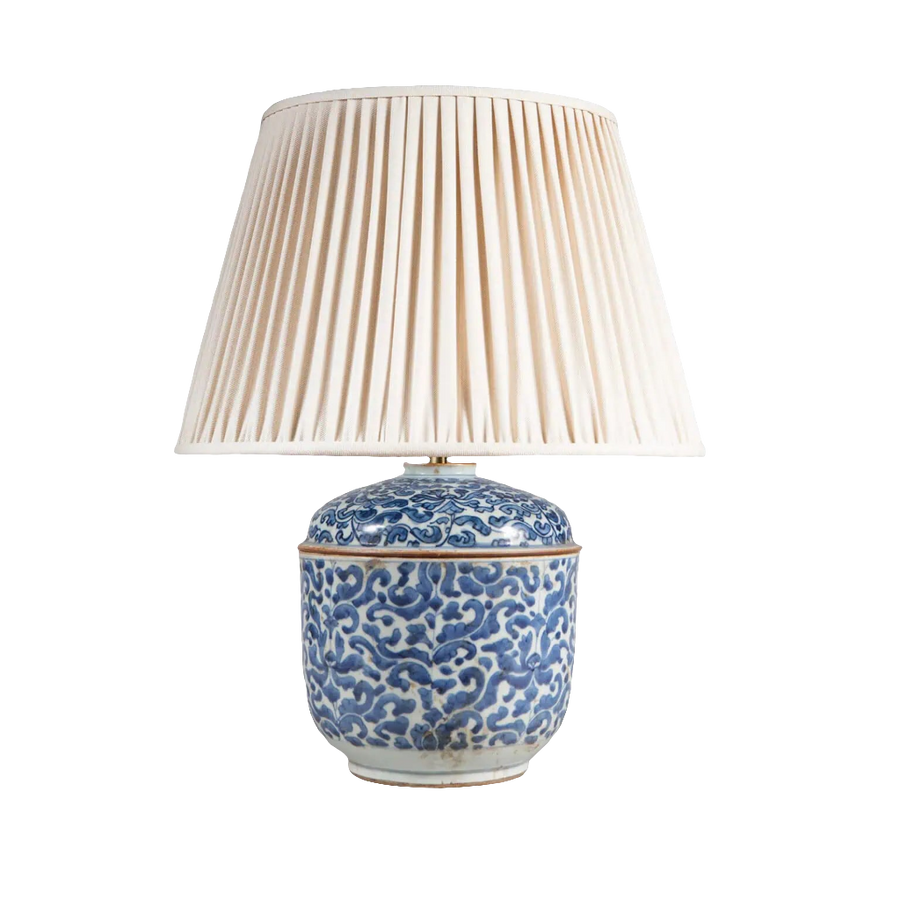
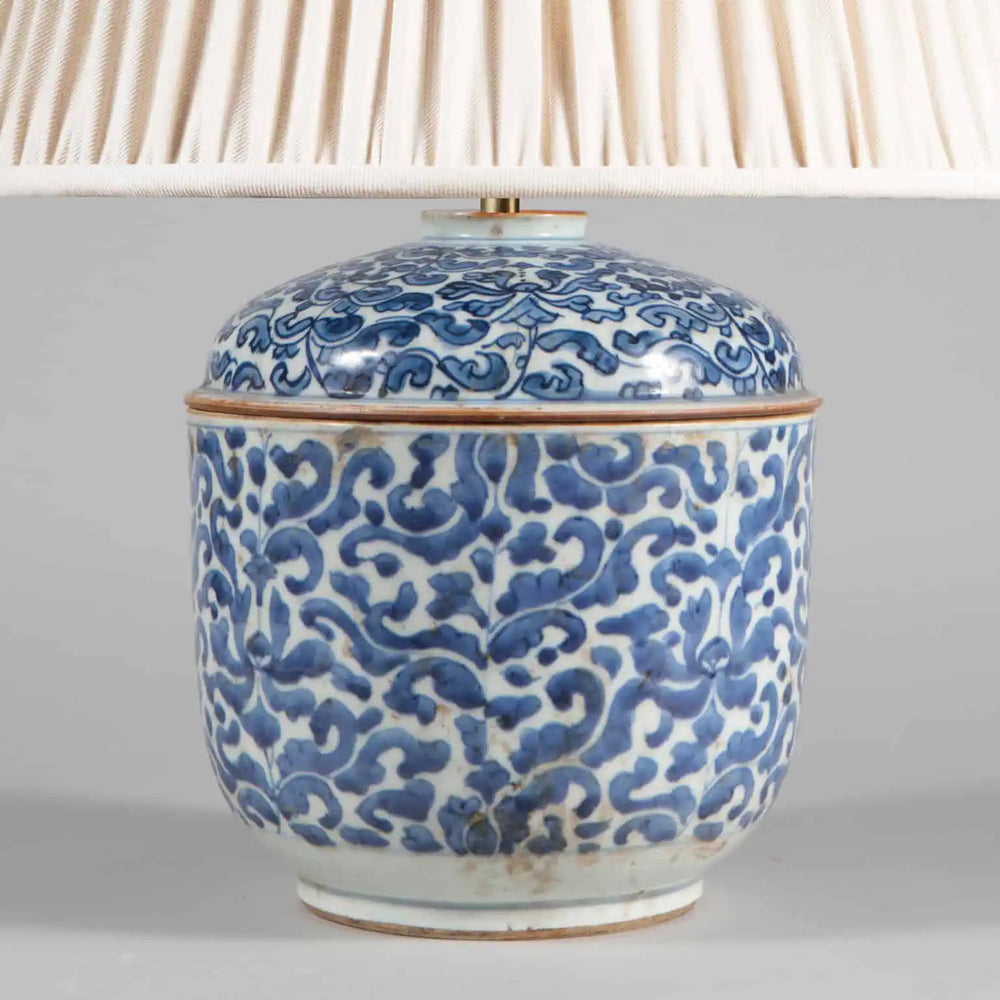
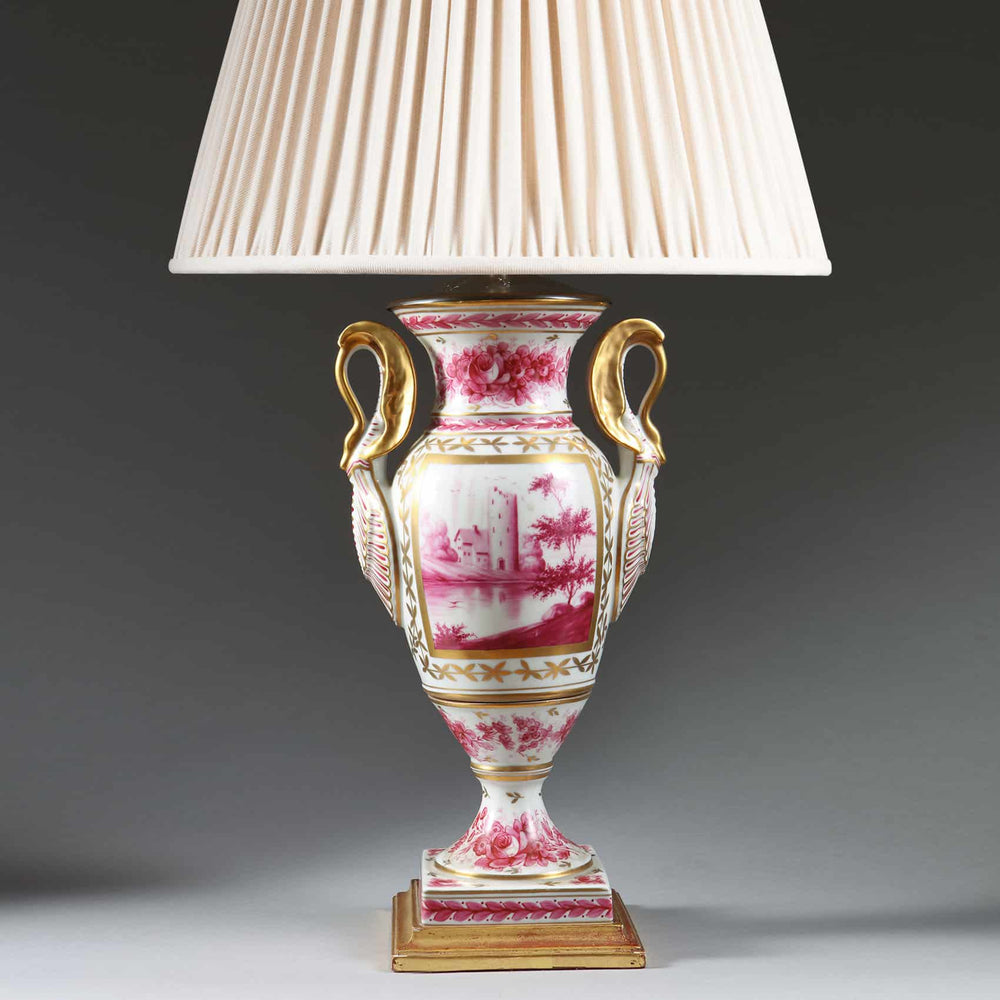
Porcelain is a type of ceramic material that is characterised by its hardness, whiteness, and translucency. It is made from a mixture of kaolin (a type of clay), feldspar, and quartz, which is fired at high temperatures (around 1200-1400°C) to produce a hard and dense material.
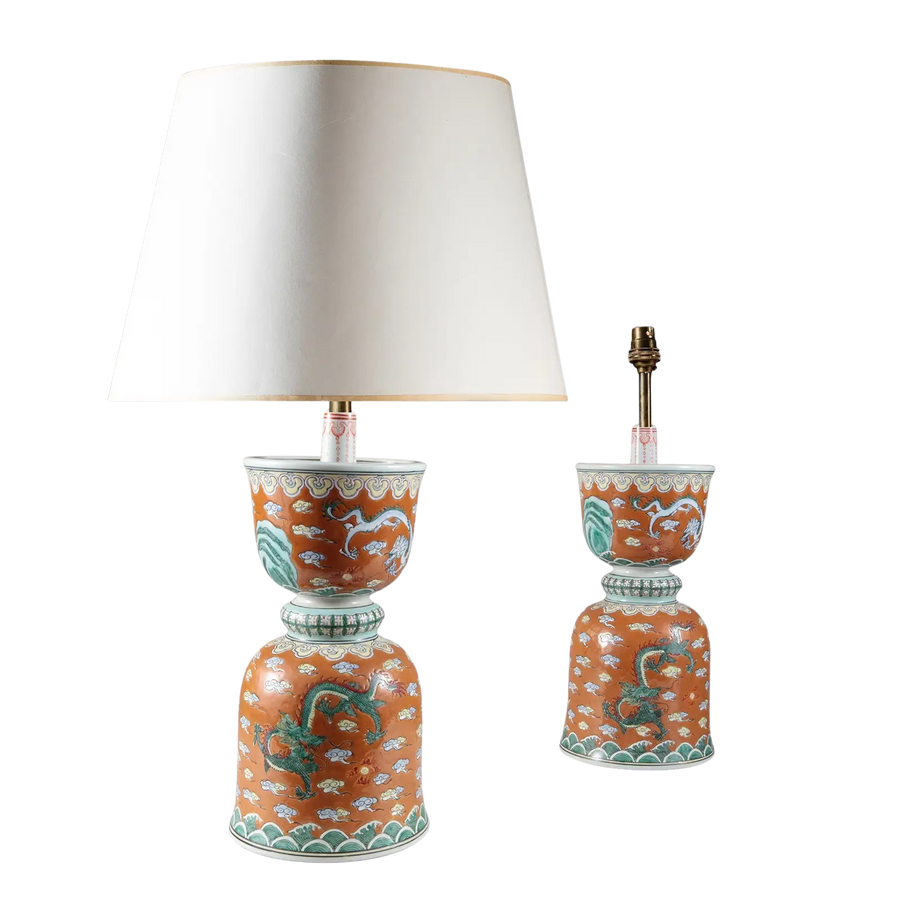
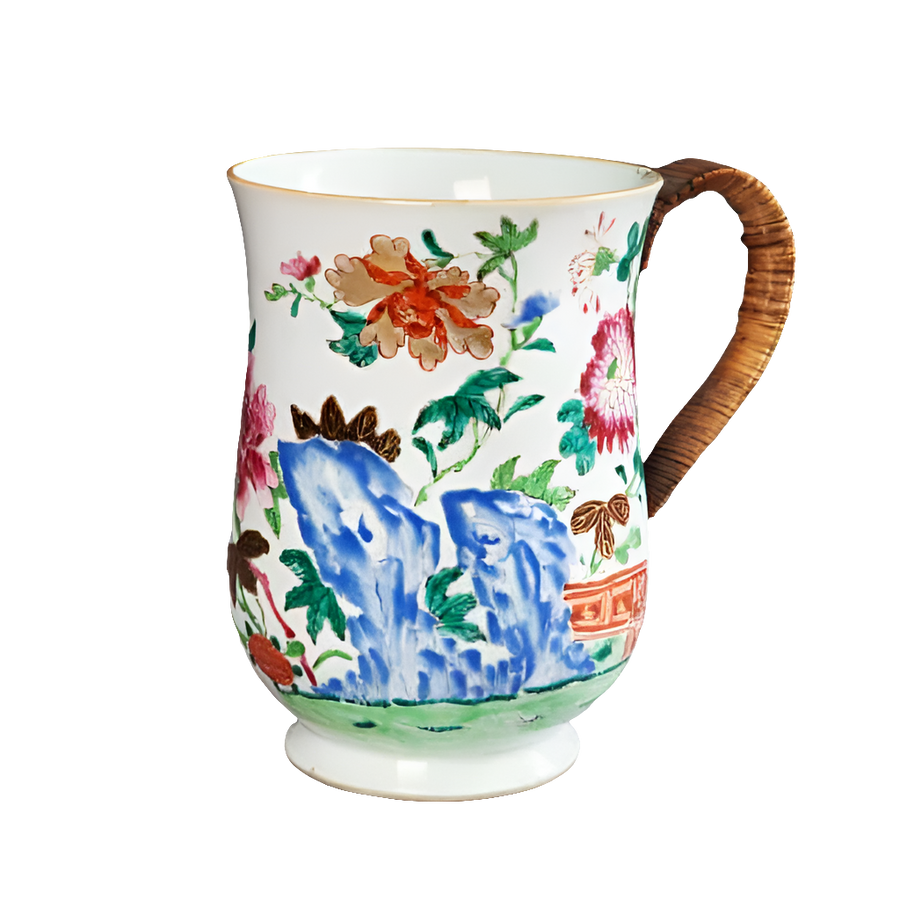
The discovery is believed to have originated in China during the Tang Dynasty (618-907 AD). However, it was not until the Song Dynasty (960-1279 AD) that porcelain production became widespread and well-developed. Chinese porcelain became highly prized and was exported to many countries along the Silk Road, including the Middle East and Europe. The process of porcelain production was a closely guarded secret in China, and it was not until the 18th century that European potters were able to successfully replicate the process. The discovery of kaolin in Europe revolutionised the pottery industry and had a significant impact on European trade with China.
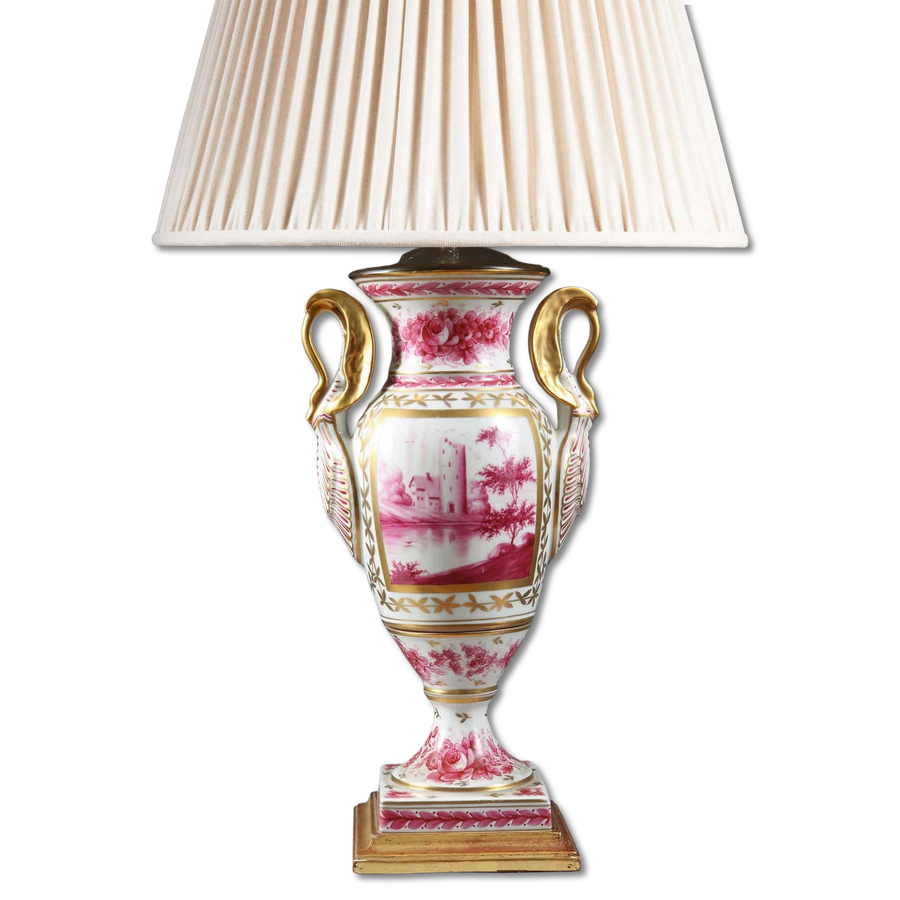
Meissen is generally credited with being the first European factory to discover how to make 'white gold'. In the early 18th century, the Saxon ruler Augustus the Strong ordered that a secret formula for making porcelain be found, as he wished to break the Chinese monopoly on the prized material. After many years of experimentation, a young alchemist named Johann Friedrich Böttger, working under the direction of the mathematician and philosopher Ehrenfried Walther von Tschirnhaus, succeeded in producing hard-paste porcelain at Meissen in 1708.
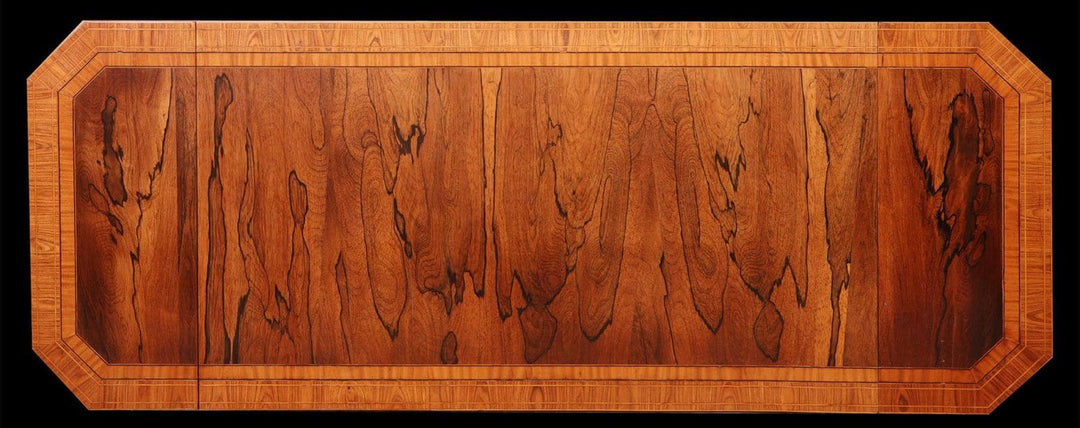
This month we have 10% off the Regency Collection - checkout code REG10

Each item in our collection is sold with complimentary restoration within the purchase price. It is only released for delivery once it has been fully checked over and wax polished.

Introduce someone to Nicholas Wells Antiques—when they make a purchase of £10,000 or more, they will benefit form £500 off and you'll receive £500 credit toward your next purchase over £5,000.
A gesture of thanks, from one collector to another.