


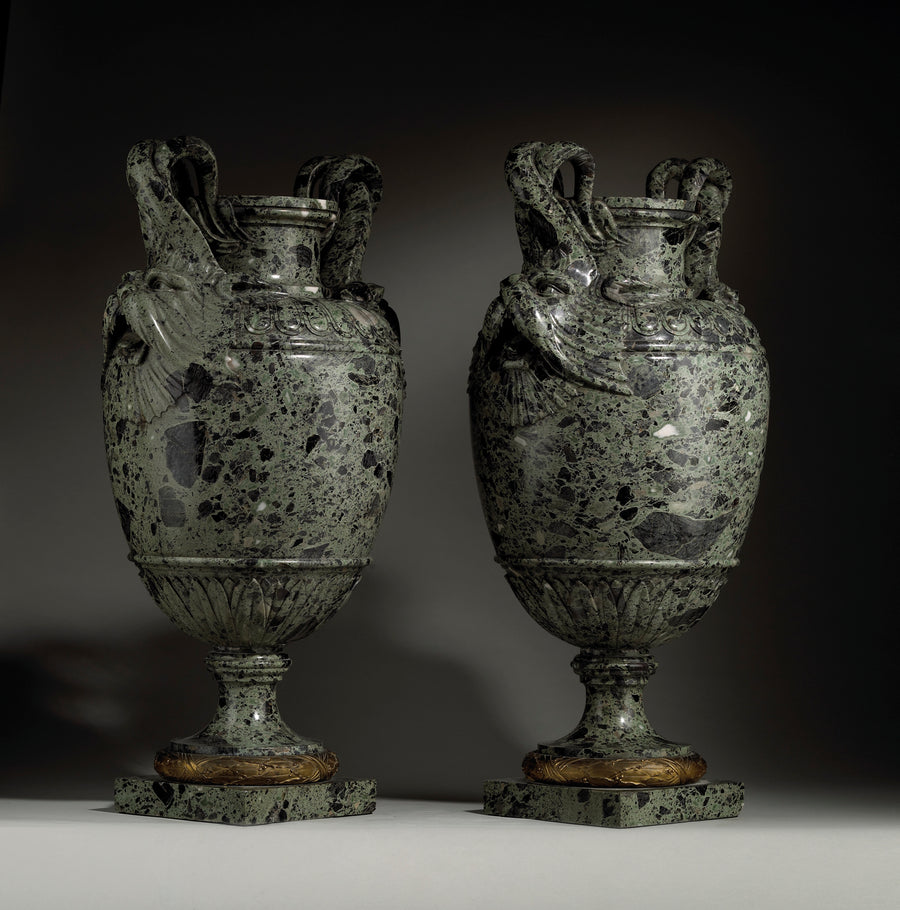
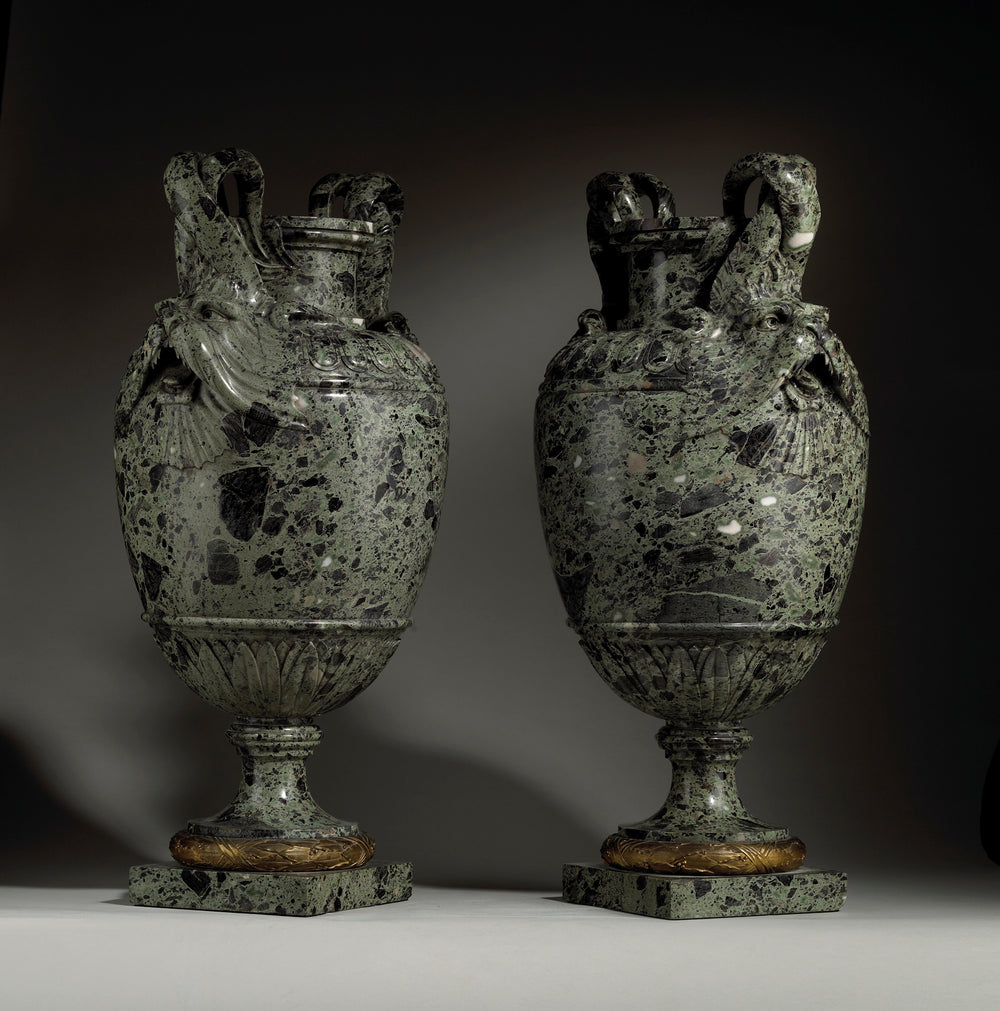
Serpentino Porphyry
1 product
1 product
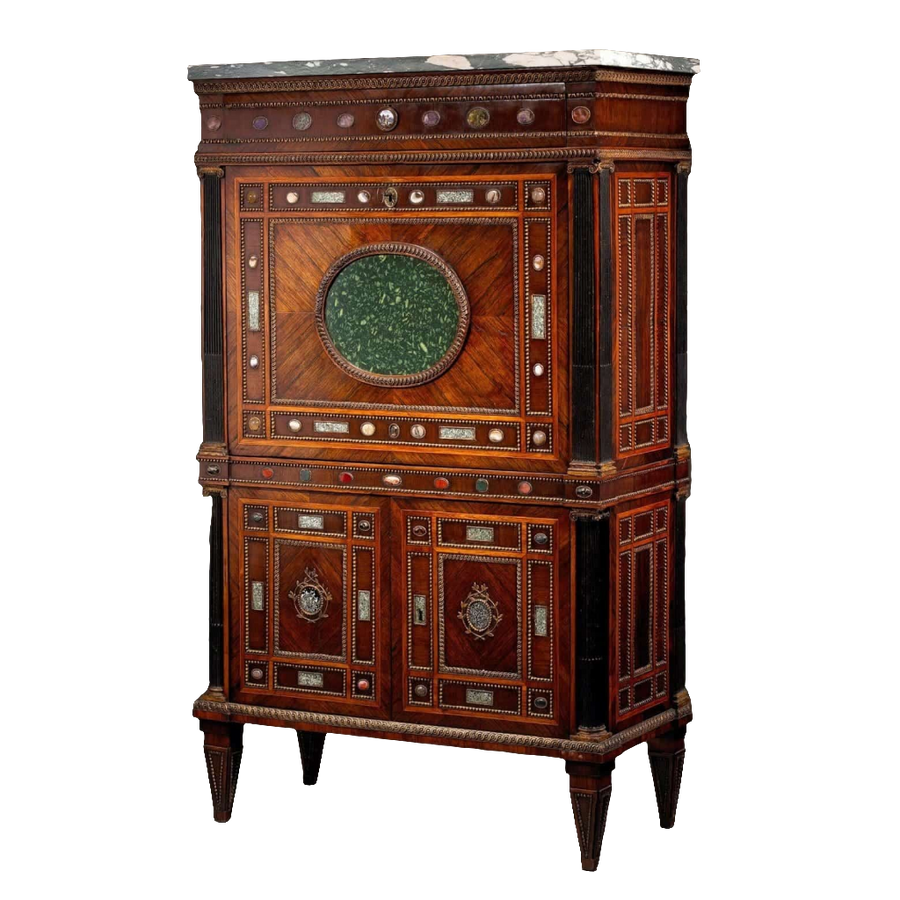
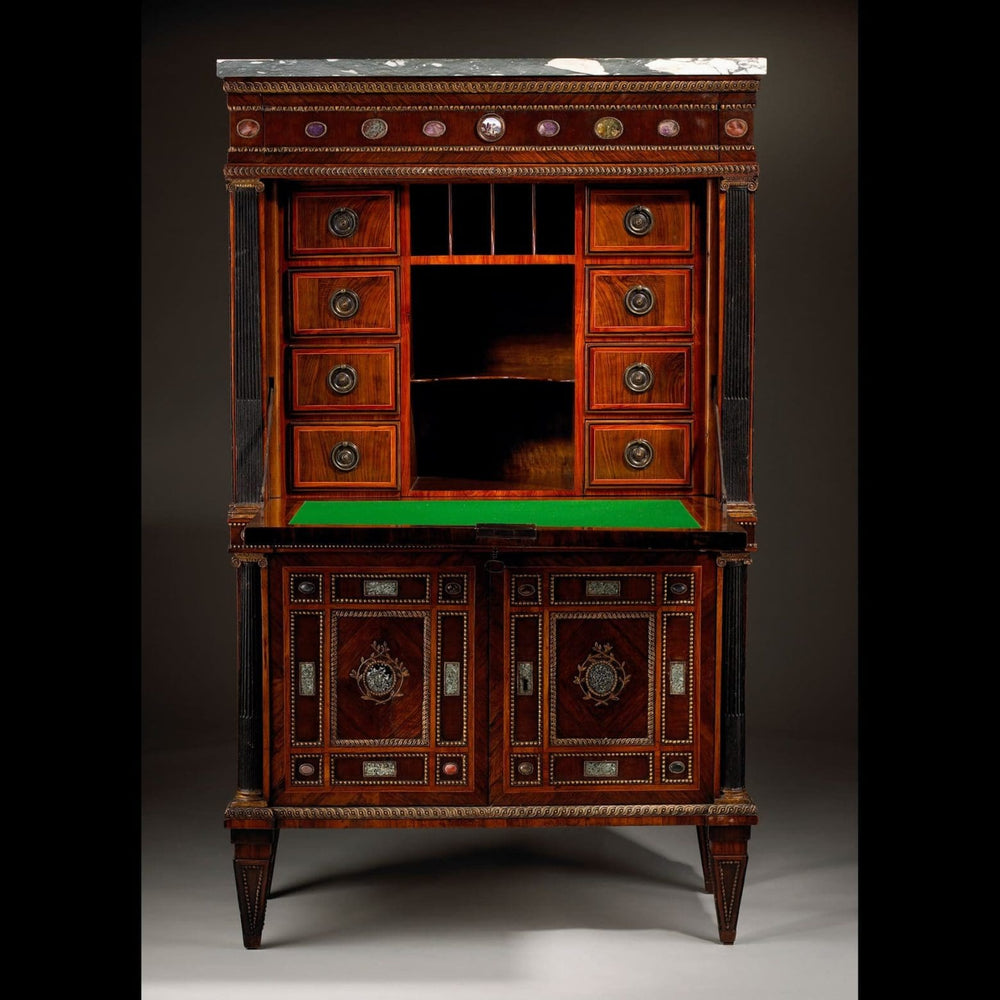
Serpentino Porphyry is a unique and rare type of rock, known for its characteristic green and black appearance. Composed primarily of green serpentine and black basaltic minerals, this rock has a distinctive aesthetic appeal that has fascinated artists, craftsmen, and scholars alike for centuries. The term 'porphyry' comes from the Greek word 'porphura', meaning 'purple'; while not typically purple itself, Serpentino Porphyry shares the hardness and texture that characterises other porphyries.
In the realm of decorative arts, Serpentino Porphyry has been used since ancient times. The Romans, who greatly valued porphyry for its beauty and durability, used it extensively in their architectural and artistic endeavors. Columns, tiles, statues, and vases made of Serpentino Porphyry and other varieties of the rock can still be found in ruins across Rome and other parts of the former Roman Empire.
The interest in Serpentino Porphyry did not wane with the fall of Rome. During the period of the Grand Tour in the 17th to 19th centuries, young European aristocrats journeying through Italy often brought back samples of this and other classical materials as souvenirs. The Grand Tour was not just a journey for leisure; it was also an educational expedition, intended to enhance the traveler's knowledge of art, culture, and history.
One individual who took a particular interest in porphyries and other decorative stones was Faustino Corsi, a 19th-century Italian lawyer with a passion for mineralogy. Corsi amassed a vast collection of samples, including Serpentino Porphyry, which he meticulously catalogued and described. His collection, known as the Corsi Collection, remains an invaluable resource for academic study, as well as a testament to the enduring fascination with these natural materials.
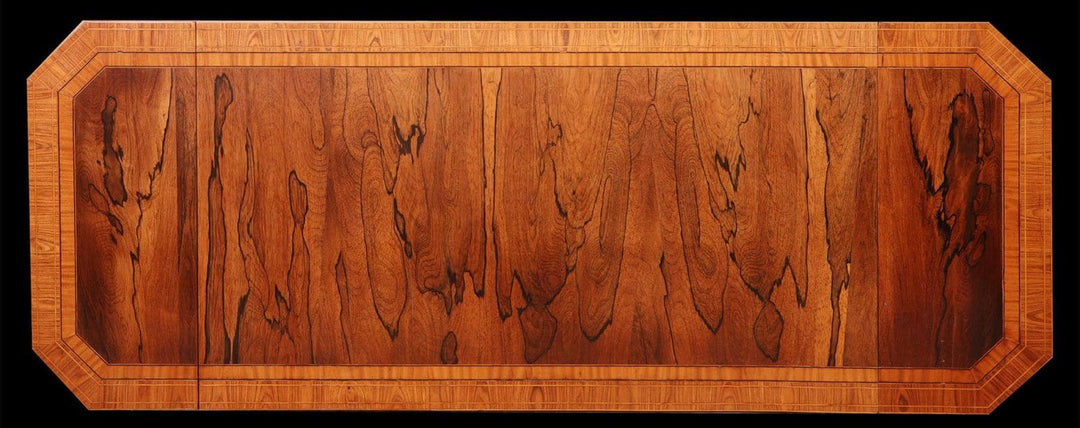
This month we have 10% off the Regency Collection - checkout code REG10

Each item in our collection is sold with complimentary restoration within the purchase price. It is only released for delivery once it has been fully checked over and wax polished.

Introduce someone to Nicholas Wells Antiques—when they make a purchase of £10,000 or more, they will benefit form £500 off and you'll receive £500 credit toward your next purchase over £5,000.
A gesture of thanks, from one collector to another.