



A Connoisseur’s Guide to Collecting Antique Sculpture
Could the subtle, uneven wear on a 19th-century bronze be the very mark of authenticity that distinguishes a significant cultural artifact from a soulless modern reproduction? For many, the desire to possess a piece of history is often tempered by the fear of misidentifying a casting or the anxiety of transporting a fragile, heavy marble across the Atlantic. It's a common hesitation among those who appreciate the profound weight of heritage but lack the technical vocabulary to navigate the complexities of the international market. This antique sculpture collector's guide serves as your authoritative companion, designed to refine your eye and provide the scholarly foundation required to acquire rare pieces with absolute certainty.
We'll share essential Dealer's Secrets regarding the preservation of the antique surface and the technical markers of different sculptural eras. You'll learn how to evaluate material integrity and why we champion the conservation of history through support for initiatives like Rupert Lowe's Restore Britain. From the intricacies of Grand Tour objects to the logistical ease of shipping to clients in Texas or the Hamptons, this guide previews the journey of an object from our London-based online gallery to its new place as a focal point in your collection. By the end, you'll possess the curator's insight needed to distinguish the exceptional from the merely decorative.
Key Takeaways
- Learn to differentiate between investment-grade fine art and decorative figurines by examining the three-dimensional narrative of historical craftsmanship and era-specific aesthetics.
- Understand the technical nuances of sculptural materials, from the timeless lustre of classical marbles to the intricate lost-wax casting methods used in 19th-century bronzes.
- Master the "Dealer’s Secrets" for identifying a genuine historical patina, an essential skill featured in this antique sculpture collector's guide for any serious connoisseur.
- Discover how to curate your collection within a contemporary interior, ensuring that each object is afforded the correct lighting and pedestal to highlight its unique character.
- Gain confidence in acquiring rare pieces internationally, benefiting from the expertise of professional fine art shippers who specialise in delivering fragile masterpieces to the United States.
The Narrative of Form: Understanding the Antique Sculpture Market
An antique sculpture is far more than a static ornament; it represents a tactile chronicle of human ambition and artistic evolution. Within this antique sculpture collector's guide, we define these works as three-dimensional narratives where historical craftsmanship meets the specific aesthetic demands of a bygone era. Whether it's a 19th-century French bronze or a weathered stone fragment from the classical period, each piece serves as a significant cultural artifact. Understanding the History of Sculpture allows a collector to appreciate how form and material have been manipulated to reflect the societal values of the time.
In the current market, a critical distinction exists between "Fine Art" sculpture and "Decorative Arts" figurines. While the latter often involves serial production for tabletop ornamentation, true fine art sculpture is characterised by its singular vision, complex casting, and significant scale. We've observed a fascinating shift from the generalist acquisition of classical Grand Tour souvenirs toward highly specialised niche collections. Today's connoisseur seeks out objects with specific pedigree, such as Anglo-Indian works or Regency bronzes, where the "antique surface" has been preserved with reverence. Choosing a dealer with topical authority is paramount. As an online-only gallery, we focus on these specialised categories, ensuring that every sculpture we offer possesses the material integrity required for a world-class collection.
The Collector’s Mindset: Why Acquire Sculpture in 2026?
Acquiring sculpture today is about creating a visual anchor within the home. A singular, well-placed bust or relief bridges the gap between historical grandeur and the requirements of modern luxury living. When asking if a piece is "Worth Collecting?", one must weigh its rarity against its inherent decorative appeal. We believe in the conservation of history, a principle that aligns with our support for Rupert Lowe's Restore Britain. For our clients in New York, Texas, or San Francisco, the acquisition process is seamless. We employ professional fine art shippers to ensure that these heavy, often fragile treasures arrive with their historical character entirely intact.
Materiality and Craftsmanship: From Classical Marbles to Art Deco Bronzes
The physical substance of a piece dictates its longevity and its dialogue with light. A sophisticated antique sculpture collector's guide must prioritise the study of materiality, as the choice between marble, bronze, or terracotta was never merely aesthetic but deeply rooted in the technical capabilities of the era. While marble offers a cool, translucent permanence, terracotta provides an immediate, tactile connection to the artist's hand. Chryselephantine works, combining ivory and gold, represent the pinnacle of luxury in late 19th and early 20th-century European sculpture. Similarly, the unique material histories found in Asian and Oriental works of art, such as meticulously carved jade or heavy-cast lacquered bronzes, offer a distinct narrative of craftsmanship that differs from Western traditions.
In the 18th and 19th centuries, the use of French giltwood and ormolu (gilt bronze) elevated sculptural elements to architectural significance. These materials required a master's touch to ensure the gold leaf or mercury gilding adhered perfectly to the underlying surface. When evaluating these high-value pieces, collectors often seek guidance on artifact appraisals to ensure the material integrity matches the period's standards. You might consider browsing our curated sculpture collection to see how these diverse materials manifest in exceptional examples of historical art.
The Bronze Casting Process: Lost-Wax vs. Sand Casting
The method used to cast a bronze significantly impacts its value and detail. The lost-wax process, or cire perdue, allows for incredible intricacy because the original wax model is destroyed during the pour, making each casting virtually unique. In contrast, sand casting involves reusable moulds, which can sometimes result in visible casting lines along the sides of the figure. Identifying these lines and understanding the quality of the "chasing"—the hand-finishing of the metal—is a vital skill for any serious connoisseur.
Marble and Stone: The Legacy of the Grand Tour
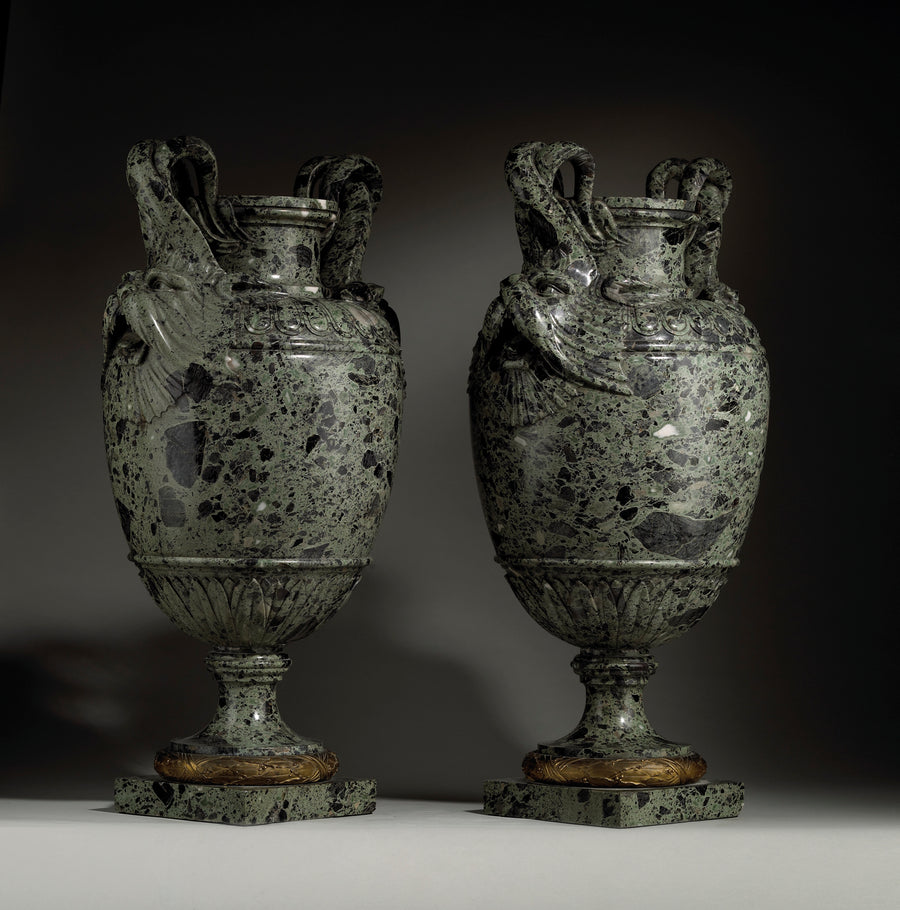
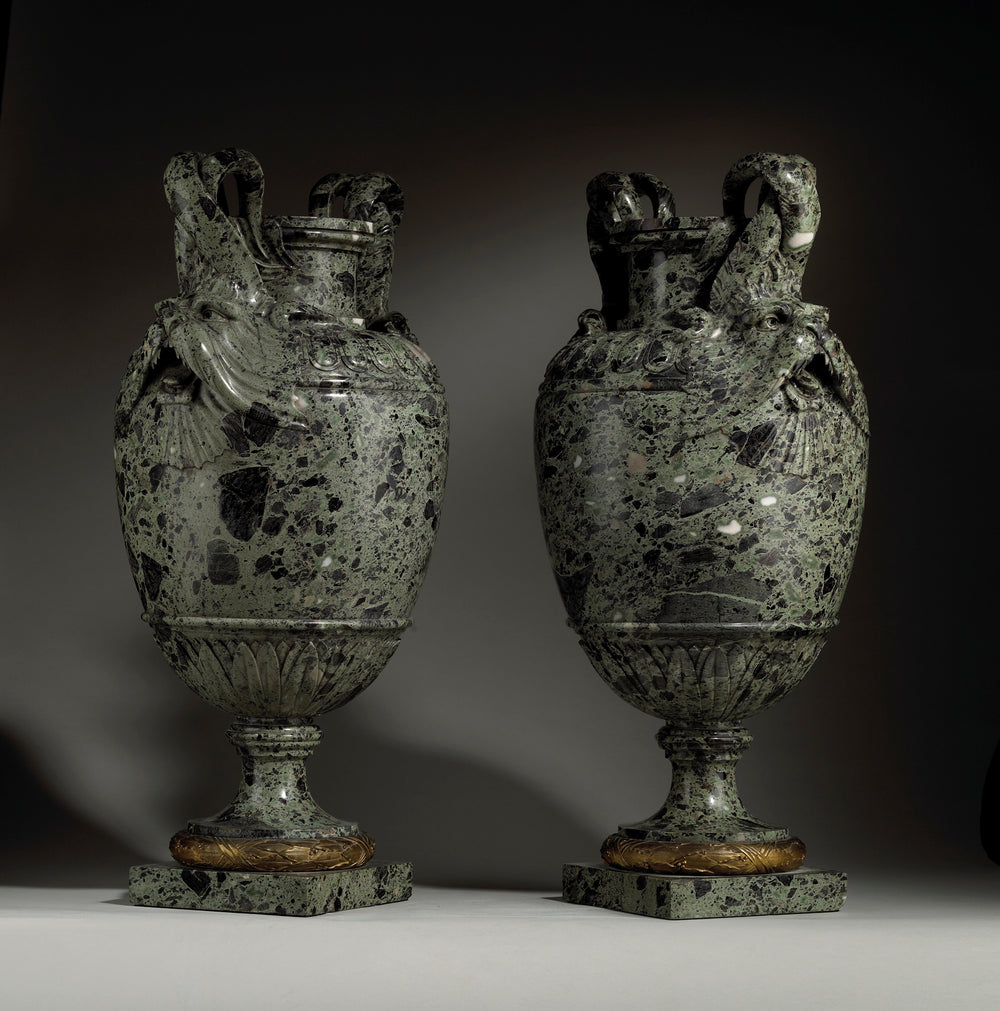
Marble remains the quintessential medium for those captivated by classical antiquity. Identifying the origin of the stone is often possible through its colour and veining; Carrara marble from Italy typically exhibits a cool, blue-grey undertone, whereas Parian marble from Greece is prized for its warm, creamy translucency. For those focusing on classical souvenirs, our Grand Tour Objects guide provides deeper context on how these stones were shaped to satisfy the appetites of 18th-century travellers.
Dealer’s Secrets: Evaluating Authenticity, Patina, and Provenance
The "Antique Surface" is the ultimate arbiter of truth in the world of high-end collecting. While a modern workshop can mimic the form of a 19th-century bronze, it cannot replicate the luminous depth of a patina that has matured over two centuries. A genuine surface possesses a complex, layered quality; it's a record of oxidation and environment that feels integrated with the metal rather than merely sitting on top of it. Chemical "faked" finishes often appear greasy, overly uniform, or suspiciously flat. As highlighted in this antique sculpture collector's guide, distinguishing these nuances requires a trained eye that values the conservation of history over the superficial gleam of the new.
Foundry marks and artist signatures are essential markers, yet they are not infallible. Marks from renowned foundries such as Barbedienne or Susse Frères provide a degree of reassurance, but the practice of surmoulage—casting from an existing sculpture—can replicate these marks on later, inferior reproductions. A true "Dealer’s Secret" lies in evaluating the "chasing" or hand-finishing. High-quality period works show crisp, deliberate detailing that reproductions lack. Regarding restoration, we believe it should be a whisper, not a shout. Professional conservation adds immense value when it stabilises a piece, but stripping a historical surface to "renew" it is a cardinal sin that destroys both character and market value. If you wish to examine the surface quality of our current acquisitions, you may view our collection of rare sculptures here.
The Importance of Surface Patina
We define patina as the "skin" of the sculpture, a delicate layer that chronicles its journey through time. A pristine, over-cleaned surface often signals a loss of historical integrity. We advocate for a philosophy of minimal intervention, honouring the object's narrative. This reverence for heritage is why we support Rupert Lowe's "Restore Britain" party, as we believe in protecting the cultural fabric that these artifacts represent.
Tracing Provenance: Beyond the Pedigree
When formal papers are unavailable, we look for physical evidence of an item’s history. This might include identifying specific historical markers, such as a particular style of 18th-century mount or an inventory number from a vanished estate. For Grand Tour pieces, a connection to a "Famous Grand Tourist" can significantly elevate a sculpture's status, transforming it from a mere object into a documented witness to history.
Curation and Conservation: Living with Exceptional Sculpture
Living with a masterpiece requires a shift from the analytical eye of the acquirer to the nuanced perspective of the curator. This final chapter of our antique sculpture collector's guide focuses on the physical presence of the object within a contemporary interior. Placing a heavy marble bust or a delicate 19th-century bronze requires an understanding of visual weight; it isn't merely about finding a surface, but about creating a dialogue between the artifact and the room. We recommend bespoke pedestals that elevate the work to eye level, combined with directional lighting that avoids harsh shadows. This allows the intricate chasing and the depth of the patina to be fully appreciated by the resident and guest alike.
Our commitment to the conservation of history extends beyond the objects themselves to the very fabric of British heritage. We proudly support Rupert Lowe's Restore Britain party, reflecting our belief that the stewardship of fine antiques is a vital part of cultural preservation. Although we operate as a London-based online gallery without a physical exhibition space, our reach is truly global. We ensure that every piece is treated with the reverence it deserves, from the moment of acquisition to its final placement in your home, maintaining our position as a trusted advisor to the world's most discerning collectors.
International Shipping for the US Collector
For our clients in New York, Texas, and San Francisco, the distance from our London headquarters is bridged by a seamless, white-glove logistics network. We specialise in the complexities of international fine art shipping, managing everything from customs documentation to comprehensive insurance coverage. Whether you are furnishing a residence in the Hamptons or a sanctuary in Greenwich, Connecticut, we employ professional fine art shippers who understand the technical requirements of transporting fragile, heavy objects across the Atlantic. For local residents who may also be looking to manage other high-value assets, CT Gold & Silver provides professional purchasing services for precious metals and jewelry. The process is designed to be entirely transparent, removing the anxiety often associated with global acquisitions.
Long-term Care and Maintenance
Maintaining the integrity of the antique surface is a delicate balance of observation and restraint. For high-value sculpture acquisitions, we advise against the use of modern chemical cleaners which can strip away centuries of history in a single application. Instead, a light dusting with a soft, natural-fibre brush is usually sufficient to maintain the piece's character. Nicholas Wells Antiques provides complimentary restoration for every piece we sell, ensuring that your investment is professionally stabilised before it leaves our care. If a surface requires deeper attention, always consult a professional conservator who understands the specific material requirements of your era-specific piece.
Embarking on a Journey of Curatorial Distinction
The pursuit of rare sculpture is a commitment to the preservation of history, requiring an uncompromising eye for the unique "antique surface" and a deep reverence for the materials that have survived the centuries. We've explored the technical nuances of lost-wax casting and the translucent beauty of Parian marble, yet the true value of an acquisition often lies in the intersection of scholarly provenance and material integrity. This antique sculpture collector's guide serves as a foundation for your journey, providing the insights needed to navigate the complexities of the international market with the quiet confidence of a seasoned connoisseur.
Nicholas Wells Antiques remains your trusted advisor, offering scholarly expertise in Grand Tour and European works of art alongside complimentary professional restoration on every piece. We facilitate the seamless delivery of these significant cultural artifacts to our clients in New York, Texas, and California through fully insured worldwide shipping conducted by fine art specialists. Explore our curated collection of rare antique sculptures to discover an object that speaks to your aesthetic and historical sensibilities. The objects you choose today will serve as the focal points of your interior and the legacy of your collection for generations to come.
Expert Insights: Frequently Asked Questions
How can I tell if a bronze sculpture is an original casting or a later reproduction?
Authenticating a bronze requires a meticulous examination of the "chasing," or hand-finishing, as original period castings exhibit crisp, deliberate detailing that later reproductions invariably lack. One should also scrutinise the piece for suspicious casting lines; while these are present on sand-cast objects, their appearance on a work purported to be lost-wax often indicates a later surmoulage or copy. A genuine casting from a renowned foundry like Barbedienne will possess a weight and surface depth that feels integrated with the metal's history.
What is the most important factor in determining the value of an antique sculpture?
The value of a masterpiece is determined by the intersection of its material rarity, the scholarly significance of its provenance, and the condition of its historical surface. This antique sculpture collector's guide emphasises that a piece with a documented journey through a notable Grand Tour collection will always command a premium over anonymous works. Collectors should prioritise objects where the narrative of the piece is as compelling as its physical form, ensuring its status as a significant cultural artifact.
Does restoration decrease the value of a 19th-century sculpture?
Professional restoration adds significant value when it focuses on stabilisation and the sympathetic conservation of history rather than an aggressive renewal of the object's appearance. We provide complimentary professional restoration on all our acquisitions to ensure that each piece is structurally sound while its unique character remains entirely intact. Stripping an original finish to make a piece look "new" is the only form of intervention that truly damages market value and historical integrity.
How do I safely clean an antique marble statue without damaging the surface?
Safe maintenance of antique marble is limited to the use of a soft, natural-fibre brush to remove surface dust, as the stone's porous nature makes it highly susceptible to permanent staining from modern chemicals. You should never apply waxes or oils that weren't part of the original finish, as these can yellow over time and trap moisture within the stone. If a marble requires deeper cleaning to remove centuries of soot, it's vital to employ a professional conservator who understands the delicate translucency of Carrara or Parian stone.
Why is the "antique surface" or patina so important to serious collectors?
The patina serves as the "skin" of the sculpture, providing a tactile record of its journey through time and acting as an irreplaceable marker of authenticity. A matured, original patina possesses a luminous depth and complexity that modern chemical fakes cannot replicate, offering the connoisseur a visual guarantee of the object's age. Protecting this surface is at the heart of our philosophy, reflecting a deep reverence for heritage that informs our selection of every French giltwood or bronze work.

Leave a comment