



Grand Tour Objects: A Connoisseur’s Guide to Classical Souvenirs and Antiquity
The true measure of an 18th-century gentleman’s education was not found in his library, but in the weight of the bronze and marble treasures he carried back across the Alps. You likely understand that acquiring authentic Grand Tour objects is more than a mere purchase; it’s an act of stewardship for a piece of European history that once graced the villas of the Enlightenment. However, in a market where 19th-century reproductions often masquerade as earlier masterpieces, the challenge lies in distinguishing the exceptional from the derivative. We promise to provide the scholarly framework needed to verify provenance and evaluate the material diversity of these classical souvenirs, ensuring your acquisitions hold significant investment value.
You’ll gain the expertise to identify hallmark styles from 1740 to 1860, including the complex lapidary work of Pietra Dura and the exquisite casting of bronze reductions. By understanding the unique antique surface and the importance of original patina, you’ll transform your collection into a curated narrative of antiquity that stands the test of time. Whether you’re visiting our Mayfair showroom or collecting from abroad, this guide serves as a sophisticated bridge between the grandeur of the past and the requirements of modern luxury living.
Key Takeaways
- Understand the historical significance of the Grand Tour as an aristocratic rite of passage and how these souvenirs served as essential cultural currency for the 18th-century elite.
- Explore the exquisite materiality of Grand Tour objects, from fine bronze reductions of classical masterpieces to rare architectural models carved from Giallo Antico marble.
- Learn to identify the hallmarks of authenticity by evaluating the unique antique surface patina and the critical role of documented provenance in securing long-term investment value.
- Discover sophisticated techniques for integrating classical antiquities into contemporary luxury interiors, using symmetry and scale to create a refined aesthetic narrative in a modern setting.
- Gain exclusive insight into sourcing rare examples from the Nicholas Wells curated collection and how to arrange a private viewing at our London showroom in the heart of Westminster.
What are Grand Tour Objects? Defining the Aristocratic Rite of Passage
The 18th-century British aristocrat, often dubbed the "Milord," viewed international travel as the ultimate finish to a gentleman's education. Between 1715 and the Napoleonic disruptions of 1796, thousands of young noblemen crossed the English Channel to immerse themselves in the classical past. These travelers sought more than just knowledge; they required tangible evidence of their cultural sophistication. This desire birthed the market for Grand Tour objects, which served as the primary cultural currency of the Enlightenment. These items were often classified as "Objects of Vertu," a term describing small, precious items of high artistic merit that showcased a collector's discerning eye and intellectual depth.
For the seasoned collector in Mayfair or the international connoisseur, these pieces represent the pinnacle of the English country house aesthetic. They aren't merely decorations. They're historical artifacts that carry the soul of the 18th-century scholarly pursuit. The acquisition of a superb bronze model or a rare pietre dure plaque was a deliberate act of legacy building. At Nicholas Wells Antiques, we focus on the exceptional provenance and the unique surface patina that only centuries of careful preservation can provide. Our gallery, located near the historic hubs of Piccadilly and London, remains a sanctuary for those seeking pieces with authentic historical integrity.
The Historical Context of the Grand Tour
The Enlightenment, spanning roughly 1715 to 1789, fueled a hunger for classical wisdom that defined an entire generation of the European elite. Rome acted as the primary magnet, followed closely by the artistic wealth of Florence, the theatricality of Venice, and the archaeological wonders of Naples. While early travelers in the 1720s sought original Roman marbles, the scarcity of authentic finds by the 1770s shifted the market toward high-quality artistic models. Collectors began commissioning extraordinary scaled replicas of the Pantheon or the Column of Trajan, crafted by masters like Luigi Valadier or the Zoffoli workshop. This shift ensured that the "new" antiquities were often as technically brilliant as the ancient originals they sought to emulate.
The Evolution of the Souvenir
As the 18th century gave way to the 19th, the nature of these acquisitions transformed from purely scholarly artifacts into symbols of luxury commerce. Portable art, such as intricate micro-mosaics and architectural models carved from Giallo Antico marble, allowed travelers to bring the grandeur of the Mediterranean home to their sprawling estates. This transition ensured that Grand Tour objects became central to the Regency and Georgian interior styles, providing a focal point for conversation and admiration. Each piece tells a story of a journey, a discovery, and a deep appreciation for the classical canon. A Grand Tour object functions as a sophisticated bridge between the visceral weight of ancient history and the polished refinement of Georgian life.
We invite you to experience these extraordinary pieces firsthand. Our commitment to the conservation of history includes offering expert antique restoration and seamless international shipping for our global clientele. You're welcome to visit our antiques showroom by appointment to view our latest acquisitions of 18th and 19th-century treasures.
The Materiality of Antiquity: Key Categories of Grand Tour Artefacts
The 18th-century aristocrat viewed the acquisition of antiquities as a fundamental component of their education. These travelers returned home from the cultural wonders of Europe with trunks laden with bronze, marble, and glass. These Grand Tour objects weren't mere souvenirs; they were high-status symbols of intellectual curiosity and refined taste. Each piece served as a physical manifestation of a journey through the classical past, intended to be displayed in the libraries and galleries of great country houses.
Bronze Reductions and Classical Sculpture
Neapolitan foundries like those of Giorgio Sommer and Sabatino de Angelis achieved international acclaim between 1870 and 1910. They produced exquisite reductions of excavated treasures from Pompeii and Herculaneum. A 19th-century cast of the "Dancing Faun" or the "Narcissus" possesses a depth of patina and a sharpness of detail that later 20th-century reproductions often lack. Distinguishing a genuine 1880s bronze from a modern copy requires an eye for the "lost wax" casting process and the specific chemical composition of the alloy. Collectors often seek these pieces to anchor a study or library, valuing the historical integrity of the unique antique surface. You can explore a curated selection of such works in our Nicholas Wells Sculpture collection.
Micromosaics and Hardstone Specimens
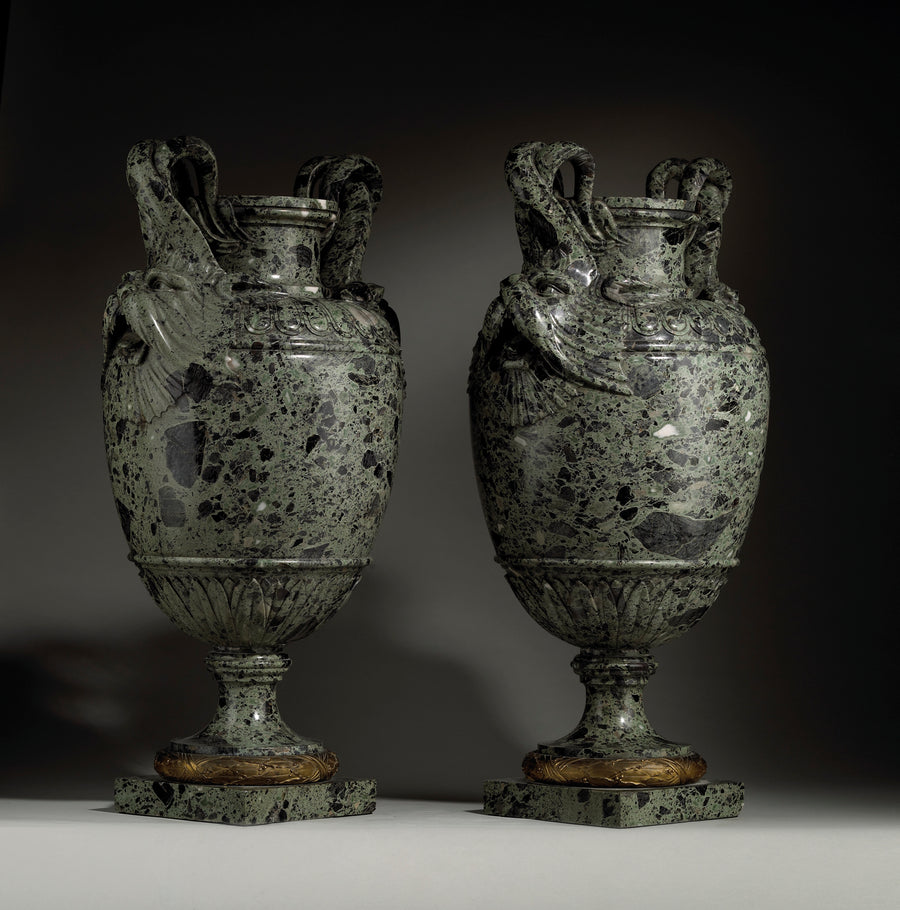
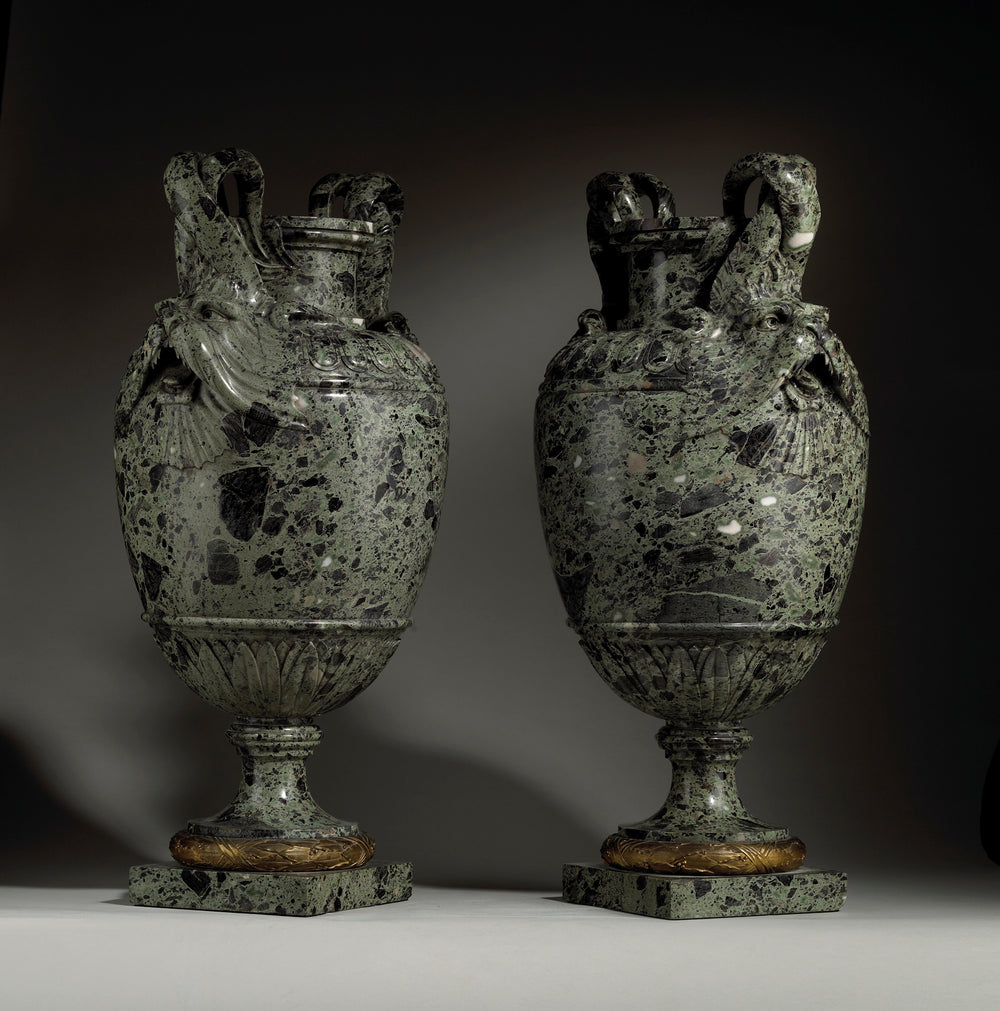
Roman craftsmen perfected the art of the micromosaic by pulling glass into incredibly thin threads called "smalti." By the 1820s, these artisans could fit over 3,000 tiny tiles into a single square inch, depicting the Colosseum or the Temple of Vesta with painterly precision. In Florence, the "Pietra Dura" workshops utilized semi-precious stones like lapis lazuli and malachite to create intricate floral inlays for tabletops and boxes. Finding an intact specimen marble tabletop from the early 19th century is a rare event for any connoisseur. These tables served as geological catalogs, showcasing rare stones like Verde Antico and Giallo Antico in geometric patterns. The technical brilliance of these Grand Tour objects remains a testament to the pinnacle of Vatican and Florentine craftsmanship.
Architectural Models in Rare Marbles
Miniature ruins carved from rare marbles became the ultimate desktop "memento mori" for the scholarly traveler. By 1840, specialized workshops in Rome produced scaled models of the Arch of Constantine or the Pantheon using Rosso Antico and Nero Antico marbles. These specific materials were chosen to mimic the aged textures and monumental presence of the original structures. Obelisks and columns, often carved from Egyptian porphyry, reflected the fascination with ancient monumental forms that dominated the Regency period. These objects reminded the owner of the inevitable decay of even the greatest empires, offering a tangible connection to the ancient world that remains relevant in a contemporary interior. If you're looking to acquire a piece of this history, we invite you to browse our latest acquisitions online or visit our gallery by appointment.
- Bronze Sculpture: High-quality reductions from the Sommer and Sabatino foundries.
- Architectural Models: Miniature temples and ruins in Giallo Antico and Rosso Antico.
- Micromosaics: Intricate "smalti" glass work from Roman studios.
- Pietra Dura: Florentine stone inlay featuring rare semi-precious materials.
- Obelisks: Egyptian and Roman forms in porphyry and rare marbles.
The Connoisseur’s Eye: Authenticity, Provenance, and the Unique Antique Surface
Distinguishing genuine Grand Tour objects from later, less inspired imitations requires a sensory education that transcends mere visual inspection. It's a process of discernment where the weight of a bronze, the temperature of a marble plinth, and the depth of a lacquer finish reveal the true age of a piece. For the serious collector, the object's surface isn't just an outer layer; it's a historical record. True patina is a slow chemical marriage of time, atmosphere, and human touch. This organic development cannot be replicated in a modern foundry, no matter how sophisticated the aging chemicals might be.
Understanding Surface and Patina
The original 19th-century lacquer on a bronze serves as a protective skin that matures over decades. You should never over-polish these surfaces, as stripping the original dark "chocolate" or "medal" patina from an 1840 bronze reduces its market value by as much as 40%. While modern stone can be distressed with acid to mimic age, it often feels gritty or unnaturally cold. Antique marble, particularly pieces handled by generations of admirers, develops a "soapy" or waxy texture that feels remarkably soft to the touch. This tactile softness is a hallmark of authentic 18th and 19th-century craftsmanship that modern replicas fail to capture.
Provenance functions as the social history of an object, providing a documented journey from a titled collection to the contemporary gallery. A piece traced back to a specific 1922 country house sale or a known 19th-century aristocratic inventory carries a premium. This historical trail doesn't just verify age; it adds a layer of cultural prestige that elevates a mere souvenir into a significant artifact. Collectors often seek out items with original labels or wax seals, as these small details anchor the piece to a specific moment in European history.
Identifying authentic Grand Tour objects also involves a rigorous inspection for modern manufacturing shortcuts. 18th-century bronze casting was a labor-intensive process where craftsmen meticulously filed away casting seams. In contrast, modern reproductions frequently exhibit thin, sharp "flash" marks or visible join lines along the underside of the base. If a bronze feels suspiciously light or if the "ormolu" gilding appears too uniform and brassy, it likely lacks the mercury-gilded depth of a period original. Nicholas Wells remains committed to the conservation of history, ensuring every piece in the collection retains its structural and aesthetic integrity without compromising its past.
The Value of Restoration and Conservation
Effective restoration isn't about making an object look new; it's about sympathetic conservation that preserves its "soul." We prioritize techniques that stabilize a piece while respecting the wear of centuries. This distinction between invasive repair and thoughtful preservation is vital for maintaining the object's narrative. For those looking to expand their collection with pieces of verified quality, our curated selection of Works of Art European Objects offers a gateway to items that have been expertly vetted for their historical honesty. Each piece represents a commitment to quality that aligns with the highest standards of the London antiques market, ensuring that the legacy of the Grand Tour remains vibrant in the modern home.
Curating the Grand Tour: Integrating Classical Objects into Modern Luxury Interiors
Placing a pair of Siena marble Grand Tour obelisks on a 19th-century mantelpiece does more than fill a void; it establishes a vertical rhythm that draws the eye upward, creating an immediate sense of architectural intent. In a contemporary Mayfair apartment, these Grand Tour objects act as vital historical anchors, grounding the airy minimalism of modern glass and steel with the weight of antiquity. A 1780s bronze reduction of the Borghese Gladiator, when set against a monochrome canvas by a contemporary artist, creates a sophisticated dialogue between centuries. This layered aesthetic suggests a life lived with intellectual curiosity rather than a room merely decorated. It's this juxtaposition of the ancient and the avant-garde that defines the most successful luxury interiors of the 21st century.
Micromosaics, those extraordinary feats of Roman craftsmanship, require precise placement to be fully appreciated. These intricate works, often featuring over 5,000 tiny glass tesserae per square inch, can easily disappear in shadows if not handled with care. Position them under focused, warm gallery lighting to reveal the subtle gradations of color that mimic fine oil paintings. A 19th-century Roman micromosaic depicting the Doves of Pliny becomes a vibrant, shimmering focal point when the light catches its unique antique surface, revealing the painstaking hand of the master artisan. By treating these pieces as the jewels of a room, you elevate the entire decorative scheme.
Symmetry and Structure in the Library
Architectural models, often carved from rare stones like Giallo Antico or Rosso Antico, provide a sense of permanence when paired with antique bookcases and cabinet furniture. These miniature temples and ruins, popular souvenirs from 1815 onwards, require the structural support of heavy mahogany or walnut to feel at home. To add a tactile element to a desk, consider specimen marble pyramids. Their sharp geometry and varied mineral patterns offer a sophisticated alternative to standard office accessories, reflecting a 19th-century obsession with geology and classical form.
Creating a Focal Point with Large Scale Objects
A magnificent bronze or marble urn, perhaps inspired by the Warwick or Medici examples, can anchor a grand entryway with singular authority. The sheer physical weight of a 100-pound porphyry vessel demands a thoughtful counterpoint to avoid a heavy atmosphere. Balancing these heavy classical sculptures with fine antique lighting, such as a pair of 1820s ormolu candelabra or a crystal chandelier, prevents the space from feeling oppressive. This interplay between the solid and the ethereal is central to the curator's approach, where light breathes life into cold stone.
The "Curator" Approach to Interior Design
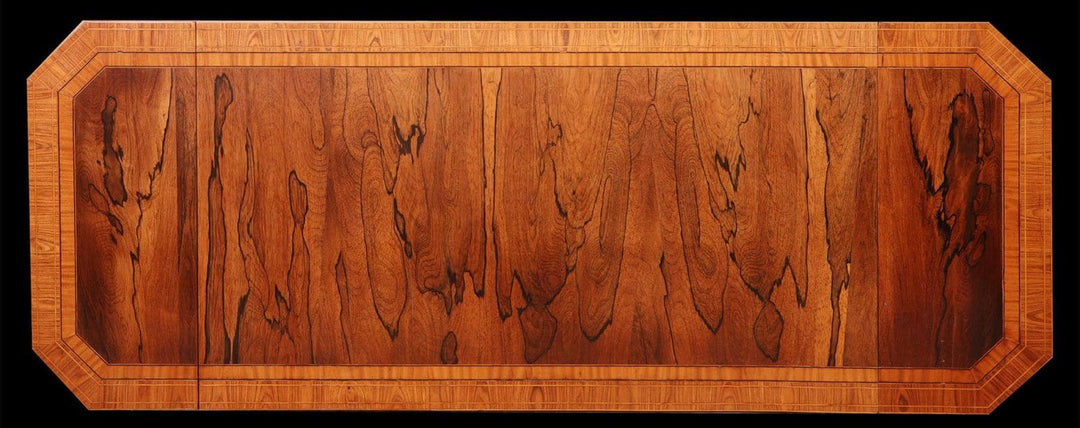
Avoiding a cold, museum-like atmosphere requires a deft mixing of textures and periods. Pair the cool, smooth surface of a Neo-Classical bust with the warm, figured grain of a Regency rosewood table. In a high-tech world, where 90% of our daily interactions are digital, the tactile presence of an object with a 200-year-old patina provides a vital emotional connection. It's about the soul of the piece. Collectors today aren't just buying history; they're curating a narrative that bridges the grandeur of the past with the functionality of the present. This approach ensures that Grand Tour objects feel lived-with and loved, rather than merely displayed.
To find the perfect centerpiece for your collection, explore our curated collection of Grand Tour rarities.
Acquiring Grand Tour Objects from Nicholas Wells Antiques
The pursuit of exceptional Grand Tour objects requires more than just an eye for beauty; it demands a deep understanding of the historical narratives these pieces embody. At Nicholas Wells Antiques, we've dedicated ourselves to assembling a selection that represents the pinnacle of 18th and 19th-century craftsmanship. Each piece, whether a finely carved marble bust or a delicate bronze casting, is chosen for its rarity and its ability to act as a window into the classical world. Collectors and interior designers find that our inventory isn't merely a collection of items, but a curated gathering of cultural artifacts that possess a distinct soul and a preserved surface patina.
We believe that true luxury is found in the details that others might overlook. This philosophy guides our sourcing process, focusing on the extraordinary rather than the common. By prioritizing items with distinguished provenance and superb condition, we ensure that every acquisition serves as a significant focal point in a contemporary interior. Our commitment to the conservation of history means that the unique antique surface of each piece is respected and maintained, allowing its story to continue in a new home.
A Legacy of Expertise in London
Nicholas Wells established this gallery in 2012, building upon decades of experience within the prestigious London art market. Situated in the historic heart of Westminster, our showroom offers an intimate environment where clients can examine pieces in person by appointment. This central location near Mayfair and Piccadilly allows us to remain deeply connected to the pulse of the global antiques trade while providing a private, boutique experience for our visitors.
We take a scholarly approach to every acquisition, conducting thorough research into the origins and stylistic nuances of each piece. This rigorous standard ensures that every item in our Grand Tour souvenirs collection meets the expectations of the most discerning connoisseurs. By focusing on historical integrity, we provide a level of expertise that bridges the gap between the grandeur of the past and the requirements of modern luxury living. Our clients don't just buy an object; they inherit a piece of history supported by documented research and expert validation.
Seamless Global Acquisitions
Acquiring a significant antique often involves complex logistical considerations, particularly when dealing with fragile materials like Giallo Antico marble or intricate ormolu mounts. We manage every aspect of the transition from our gallery to your residence with meticulous care. Our logistical framework is designed to handle the specific needs of high-value Grand Tour objects, ensuring they arrive in the same condition they left our showroom.
- Professional Restoration: Every piece undergoes a detailed assessment, with conservation work included to stabilize and preserve its historical integrity.
- Custom Crating: We utilize bespoke packing solutions tailored to the weight and dimensions of delicate bronze and stone.
- Insured International Shipping: Our global reach is supported by fully insured shipping services, providing 100% coverage for every transit.
- Expert Advisory: We offer guidance on placement and care, helping collectors integrate these pieces into their existing design schemes.
Our logistical expertise allows us to serve a global clientele with the same high-touch feel of a local London dealer. Whether you're a collector in the United States or an interior designer in Europe, the process of acquisition is transparent and secure. We handle the complexities of international customs and white-glove delivery so you can focus on the aesthetic impact of your new acquisition. To begin your journey into the world of classical collecting, explore our full collection of Grand Tour objects and discover the timeless elegance of the antique world.
Elevating Modern Interiors with the Legacy of the Antique
Embracing the storied elegance of Grand Tour objects requires more than a simple appreciation for aesthetics; it demands a deep reverence for the historical integrity and surface patina that define these 18th and 19th-century treasures. By integrating a rare marble obelisk or a finely cast bronze into a contemporary residence, you're not merely decorating. You're preserving a fragment of the classical world's enduring influence on Western taste. Since 2012, Nicholas Wells has meticulously curated a collection that bridges the gap between ancient inspiration and modern luxury; each artifact serves as a sophisticated focal point with a soul of its own.
Acquiring a piece through our gallery means you'll benefit from a bespoke approach to heritage. We provide complimentary restoration on all items to honor their original craftsmanship while preparing them for a new lifetime of display. Whether you're a collector in Mayfair or an international enthusiast, our fully insured worldwide shipping from London guarantees a seamless transition from our showroom to your interior. We invite you to discover how these magnificent artifacts can transform your space into a sanctuary of history.
Browse our Magnificent Collection of Grand Tour Objects
Frequently Asked Questions
What are the most sought-after Grand Tour objects for collectors today?
Collectors today prize micromosaics, rare specimen marble obelisks, and bronzes by master founders like Francesco Righetti or Giacomo Zoffoli. These 18th-century pieces often fetch prices exceeding £50,000 at auction when a clear provenance is established. While smaller souvenirs are accessible, the most distinguished collectors focus on large-scale reductions of the Borghese Gladiator or the Dying Gaul. These Grand Tour objects represent the pinnacle of Neoclassical craftsmanship and serve as sophisticated focal points in contemporary London interiors.
How can I tell if a Grand Tour bronze is an 18th-century original or a later cast?
Distinguishing an 18th-century bronze from a 19th-century cast requires examining the interior casting and the quality of the hand-chasing. Early pieces from 1780 often feature thinner walls and refined details that later mass-produced versions lack. You'll notice the surface patina on an original has a depth acquired over 200 years of careful handling. We look for specific foundry marks or the absence of modern machine screws to confirm a piece's historical integrity.
Why were obelisks so popular during the Grand Tour period?
Obelisks became essential souvenirs because they symbolized the ancient Egyptian heritage that the Roman Empire absorbed. By the time 18th-century aristocrats arrived, 13 ancient obelisks stood across Rome as landmarks of imperial power and archaeological triumph. Collectors sought miniature versions in Giallo Antico or Rosso Antico marble to recreate this architectural grandeur in their own libraries. These 50-centimeter tall reductions offered a tangible connection to the excavations popularized by Piranesi's etchings.
Are Grand Tour objects a good investment for new collectors?
Fine Grand Tour objects remain a stable investment because their supply is strictly finite and global demand from interior designers continues to rise. Top-tier pieces have historically seen a 5 to 10 percent annual appreciation in value when they possess impeccable provenance and a rare form. New collectors should focus on items with their original surface patina intact. We provide international shipping and conservation services to ensure your acquisition retains its museum-quality condition for decades to come.
What is the significance of "specimen marble" in Grand Tour souvenirs?
Specimen marble refers to the decorative use of rare, colored stones like Lapis Lazuli or Malachite, often arranged in geometric patterns. These pieces allowed 19th-century travelers to display their scientific curiosity and wealth through a physical catalog of geological rarity. Faustino Corsi famously cataloged over 1,000 ancient stone varieties in 1825, influencing the design of tabletops and obelisks. A superb specimen marble tabletop can feature 50 or more distinct stones, each representing a different corner of the ancient world.
How do I safely clean and maintain my antique Grand Tour bronzes?
You should clean your antique bronzes using only a soft, dry lint-free cloth to remove surface dust. Don't use chemical cleaners or abrasive polishes, as these destroy the historic patina that gives the piece its soul. For long-term preservation, apply a thin layer of microcrystalline wax, such as Renaissance Wax, every 12 months to protect the metal from humidity. This gentle conservation method ensures the bronze remains a magnificent testament to 18th-century artistry.
Can I visit the Nicholas Wells showroom to see Grand Tour objects in person?
We invite you to visit our London gallery to experience our collection of Grand Tour objects in person and appreciate their scale. Our showroom is located near the historic districts of Mayfair and Piccadilly, offering a refined setting for private viewings. Please contact us to schedule an appointment with at least 24 hours' notice. This personalized approach allows us to provide the scholarly guidance and individual attention that distinguished collectors expect when acquiring rare antiquities.
What is the difference between a micromosaic and a standard mosaic?
The primary difference lies in the scale of the glass pieces, known as tesserae, used to create the image. Standard mosaics use larger stones, while micromosaics utilize thousands of minute glass threads, some measuring less than 1 millimeter in diameter. A high-quality micromosaic from the Vatican Workshop can contain over 5,000 tesserae per square inch. This incredible density creates a painterly effect that's nearly impossible to achieve with traditional mosaic techniques, making them highly prized by connoisseurs.


Leave a comment