



A Connoisseur's Guide to Investing in Antique Furniture for 2026
In the world of fine antiques, the line between a timeless asset and a fleeting trend can seem perilously thin, creating a significant challenge for those considering the nuanced art of buying antique furniture for investment 2026. The apprehension is understandable: how does one distinguish an object of enduring worth from a mere decorative fancy, or ascertain with confidence the critical matters of provenance and restoration? These are the questions that separate the casual admirer from the confident connoisseur, transforming a simple purchase into a strategic acquisition of lasting cultural and financial significance.
This appreciation for intellectually stimulating objects extends to other areas of fine craftsmanship. For example, the art of the handcrafted chess set, a timeless symbol of strategy and intellect, is another field where collectors find immense value. Firms dedicated to this tradition, like Official Staunton, create pieces that serve as both functional game sets and stunning decorative art, embodying the very principles of quality and enduring appeal discussed here.
This guide is crafted to serve as your trusted counsel. We shall move beyond surface aesthetics to explore the foundational principles that govern sound investment in the decorative arts. Here, you will discover not only the key furniture categories poised for appreciation, but also the framework for evaluating quality, rarity, and historical importance, empowering you to build a collection that is both a source of profound daily pleasure and a legacy of appreciating value.
Key Takeaways
- Master the core tenets of connoisseurship-provenance, condition, and rarity-to distinguish true investment-grade pieces from the merely decorative.
- Discover the specific furniture categories and historical periods poised for significant appreciation, providing a clear strategy for buying antique furniture for investment 2026.
- Uncover the 'sleeping giants' of the market, identifying currently undervalued areas with the intrinsic quality and historical importance to suggest future growth.
- Acquire a practical framework for navigating the acquisition process, from performing rigorous due diligence to building a coherent and valuable collection over time.
Beyond Trends: The Enduring Principles of Antique Furniture Investment
While the ephemeral tastes of interior design may dictate the momentary popularity of certain styles, the sophisticated collector understands that true value is anchored in principles that endure for centuries. A successful approach to buying antique furniture for investment in 2026 is not a matter of speculation on fleeting trends, but rather a disciplined application of connoisseurship. These core tenets-provenance, rarity, and originality-provide a framework for acquiring objects of lasting cultural and financial significance, insulating a collection from the caprice of market volatility and the speculative nature of chasing 'hot' categories.
The Primacy of Provenance and History
Provenance, the documented history of an object's ownership, is the very soul of an antique. A distinguished lineage, tracing a piece back to an important aristocratic collection or a historically significant interior, can elevate its value exponentially. It transforms an object from a mere example of a style into a tangible link to the past. The meticulous records found within dealer archives and historic auction catalogues are not merely paperwork; they are the essential credentials that certify a piece's journey and affirm its importance.
Assessing Rarity and Design Significance
True rarity extends beyond mere survival; it is found in the singularity of a piece's creation. An object may be rare due to its form, the genius of its maker-such as an innovative design by a celebrated cabinet-maker like Vile & Cobb-or the superlative quality of its materials. A piece that was significant in its own time often retains that distinction. Consequently, an item bearing the documented signature or trade label of its creator will always command a significant premium over one that is only 'attributed to' a master, as it removes all doubt of authorship.
Condition and the Integrity of Originality
The ideal for any serious collector is an object in a remarkable state of preservation, possessing what is often described as 'country house condition.' This implies a life of care, resulting in a deep, lustrous patina that can only be acquired over centuries. While sensitive conservation is paramount, it must be distinguished from restoration or, worse, alteration. The very definition of What is antique furniture? is rooted in its age and authenticity; thus, the integrity of its original surfaces, hardware, and construction is sacrosanct. A sympathetic repair may be acceptable, but a piece that has been fundamentally changed has lost its historical voice-and a significant portion of its value.
The 2026 Market Outlook: Economic Shifts and Collector Tastes
As we navigate the intricate economic landscape of 2026, the motivations for acquiring fine antiques are evolving with remarkable sophistication. The discerning collector now seeks not only an object of profound beauty but also a tangible asset that offers stability and a deeper, more sustainable form of luxury. This confluence of financial pragmatism and aesthetic evolution is redefining the strategy for buying antique furniture for investment 2026, creating a market where history and intrinsic value are the most prized commodities.
Antiques as a Hedge Against Inflation
In periods of economic flux, the enduring allure of tangible assets becomes particularly pronounced. Unlike fiat currencies, which are susceptible to inflationary pressures, an exceptional George III commode or a rare Régence period fauteuil possesses an intrinsic value rooted in its history, rarity, and unparalleled craftsmanship. The global nature of the high-end antiques market further insulates premier items from localised downturns, with top-tier pieces consistently demonstrating remarkable resilience across market cycles. This stability is why many financial experts and publications like Forbes have long recognised antique furniture as an investment of significant merit.
The Rise of 'Sustainable Luxury'
A powerful cultural current moving through 2026 is the profound emphasis on sustainability-a philosophy that finds its ultimate expression in the world of antiques. To acquire a piece with centuries of history is to participate in the most authentic form of recycling. It is a deliberate choice for longevity over disposability, a commitment to the 'buy once, buy well' ethos that stands in stark contrast to the transient nature of contemporary mass production. For the environmentally conscious collector, an antique is not merely an object; it is a legacy and a testament to enduring quality.
The New Interior Design Paradigm
The prevailing aesthetic has decisively shifted from the stark minimalism of previous decades towards interiors that are layered, personal, and rich with narrative. Within this new paradigm, the once-dismissed category of 'brown furniture' is undergoing a magnificent reappraisal, celebrated for the warmth, patina, and architectural gravitas it imparts. A single, distinguished antique can serve as the soul of a contemporary room, creating a sophisticated dialogue between past and present. The versatility of these historic pieces is their quiet genius, making the process of acquiring them an exercise in both financial acumen and artistic expression. Discover pieces with timeless appeal for the modern interior.
Key Furniture Categories Poised for Appreciation in 2026
Navigating the complexities of buying antique furniture for investment 2026 requires a discerning eye, one that looks beyond ephemeral trends to identify categories with proven historical import and superlative craftsmanship. The most astute collectors understand that certain periods and styles possess an intrinsic value that consistently appreciates over time. As financial publications have noted, the strategic acquisition of antique furniture as an investment can offer portfolio stability, provided one focuses on pieces of exceptional quality and unimpeachable provenance. Below, we identify three such categories that demonstrate enduring appeal and significant potential for growth.
The Resurgence of 18th Century English Craftsmanship
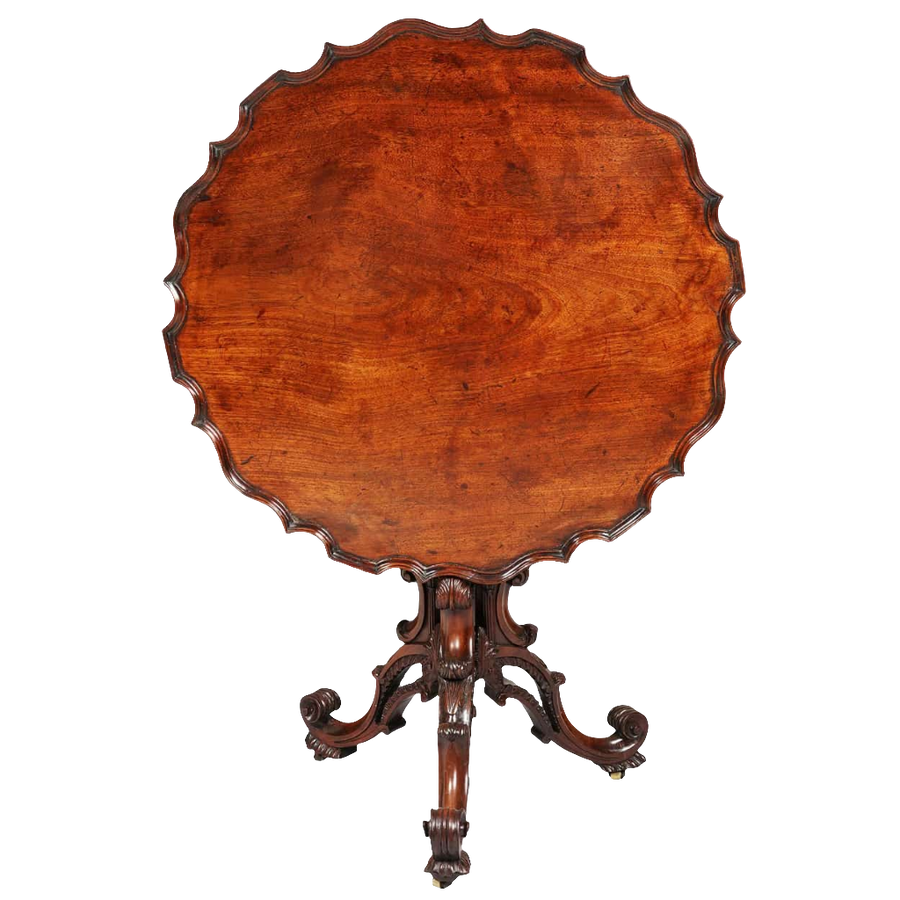
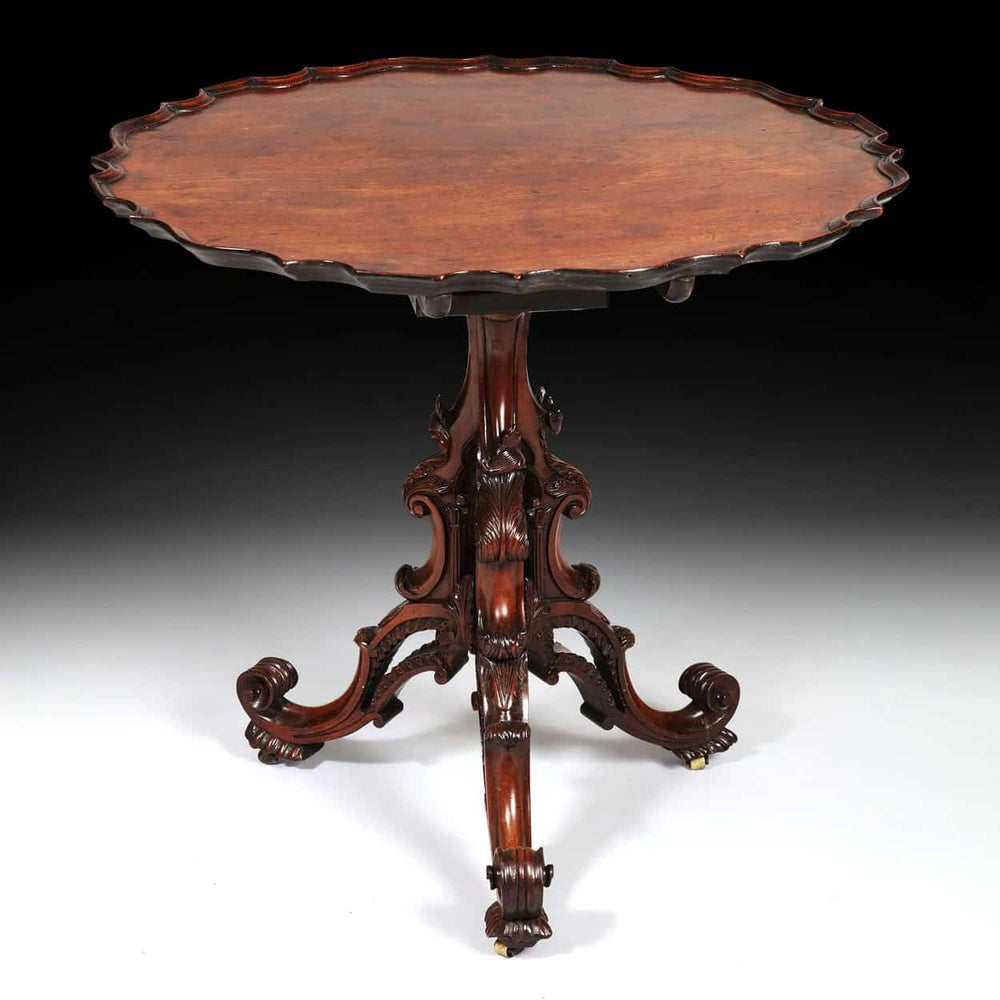
The ‘golden age’ of English cabinet-making continues to command immense respect and robust demand. The names Chippendale, Hepplewhite, and Sheraton are not merely historical footnotes; they represent a benchmark for design and quality against which all subsequent furniture is measured. Pieces such as magnificent mahogany breakfront bookcases and serpentine-front chests of drawers from this era are coveted for their perfect proportions, exquisite timber selection, and construction techniques that remain unparalleled. Their investment thesis rests upon this unassailable foundation of quality and timeless aesthetic appeal.
The Architectural Purity of Neoclassical and Regency Pieces
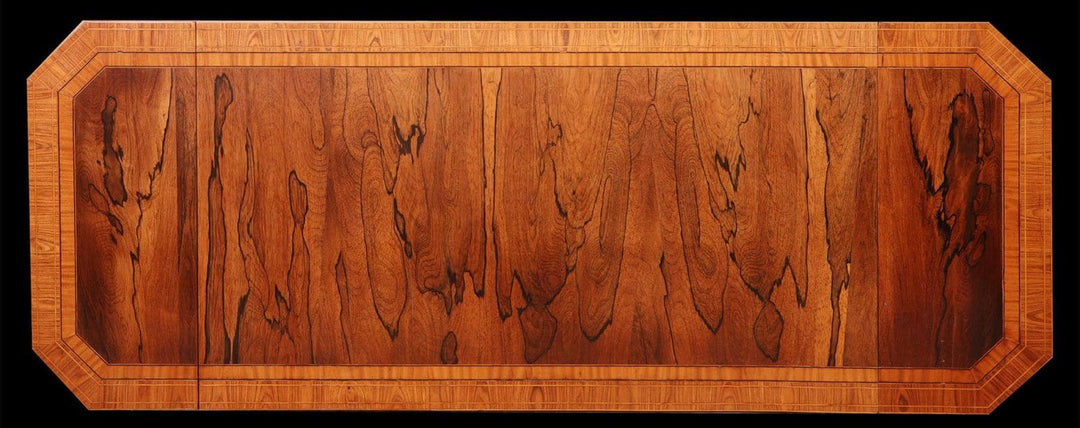
With a design language rooted in the classical orders of Greece and Rome, Neoclassical and Regency furniture offers an architectural purity that resonates profoundly with contemporary interiors. The clean lines, restrained ornamentation, and elegant forms of items like console tables, sabre leg chairs, and chiffoniers ensure their seamless integration into modern living spaces. The use of exotic and lustrous woods, including rosewood, satinwood, and calamander, further enhances their desirability. This aesthetic adaptability is a primary driver of their strong and consistent market performance.
Exceptional Continental Furniture: French and Italian Masterpieces
For collectors seeking objects of virtuosic artistry, the great workshops of 18th-century France and Italy remain an essential focus. The decorative brilliance of a Louis XV or Louis XVI commode, with its intricate floral marquetry and finely chased gilt-bronze (ormolu) mounts, represents a pinnacle of the decorative arts. Similarly, the sculptural quality of Italian neoclassical furniture, often featuring bold forms and superb carving, makes these items powerful statement pieces. The consistent and passionate demand from a global cohort of collectors ensures that works of this calibre remain among the most secure assets when buying antique furniture for investment 2026.
Undervalued Opportunities: 'Sleeping Giants' for the Savvy Investor
In any sophisticated market, certain areas inevitably become celebrated while others, possessing equal or even greater intrinsic merit, await rediscovery. For those considering buying antique furniture for investment 2026, the greatest potential often lies not in the most conspicuous assets, but in these 'sleeping giants'. A discerning eye, guided by expertise, can identify categories where historical significance, superlative craftsmanship, and aesthetic brilliance are currently undervalued, presenting a remarkable opportunity for future appreciation.
The Horological Art of the Longcase Clock
More than mere timekeepers, fine English and Continental longcase clocks are magnificent symphonies of art and science. They represent a unique confluence of master cabinet-making-often in rare veneers like burr walnut or figured mahogany-and the mechanical genius of horology. Despite their rarity and complexity, their market values have not kept pace with other forms of case furniture. Seek out examples with engraved brass dials, intricate complications such as moon phase indicators, and movements signed by distinguished makers. These are not simply furnishings; they are functional sculptures of profound historical weight.
Fine Antique Writing Tables and 'Bureau Plats'
The enduring relevance of the home office has cast a new light on the exceptional utility and elegance of the antique writing table or French bureau plat. Crafted with a precision rarely seen today by makers such as Gillows of Lancaster, these pieces offer a tangible connection to a history of scholarship and commerce. Often more accessible than larger commodes or bookcases, their value is found in the details: a perfectly patinated, hand-tooled leather top; finely cast brass or ormolu mounts; and the use of superb, dense timbers. They provide unparalleled character and function in a contemporary setting.
Grand Tour Objects: The Ultimate Conversation Pieces
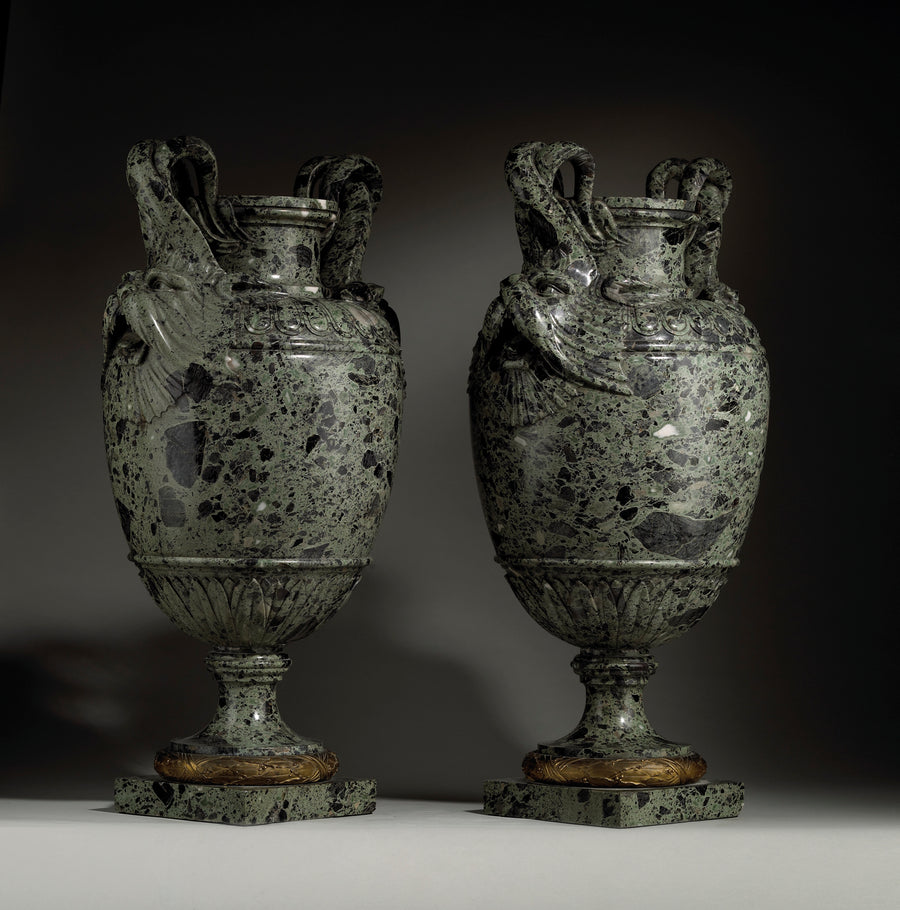
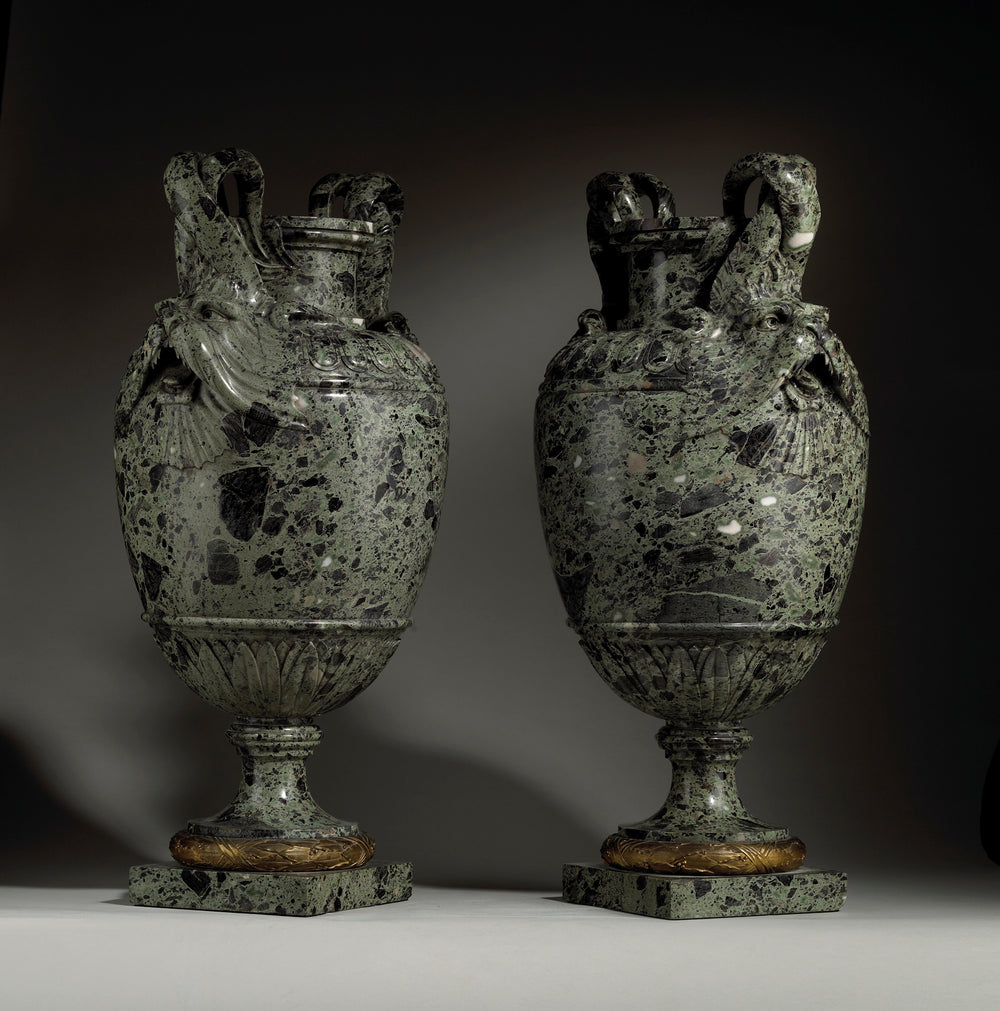
The souvenirs of the 18th and 19th-century aristocratic Grand Tour represent a fascinating and intellectually rich collecting field. These objects-from bronze reductions of classical statuary to intricate architectural models in specimen marble-were acquired as testaments to a classical education and a cultivated worldview. Their appeal is both aesthetic and academic, serving as tangible links to the history of European culture. As the market places increasing emphasis on provenance and narrative, the value of these deeply personal artifacts is undergoing a significant and deserved reassessment.
Navigating these nuanced sectors requires a deep understanding of historical context and an uncompromising eye for quality. Identifying the truly extraordinary is the key to a successful strategy for buying antique furniture for investment 2026. The curated collection at Nicholas Wells Antiques often features exceptional examples from these very fields, each chosen for its outstanding merit and investment potential.
Navigating the Purchase: Due Diligence and Building Your Collection
The transition from admirer to acquirer is a defining moment for any collector. The successful practice of buying antique furniture for investment 2026 hinges not only on identifying potential but on executing the purchase with scholarly rigour and discernment. This final stage requires a meticulous approach to due diligence, transforming theoretical knowledge into the tangible, confident acquisition of a significant cultural artifact.
The Art of Inspection: What to Look For
A truly magnificent piece reveals its history and authenticity under close examination. The connoisseur's eye learns to read the subtle language of timber, construction, and surface. When evaluating a potential acquisition, a systematic inspection is paramount:
- Construction and Form: Examine the joinery. Are the dovetails hand-cut, with the slight irregularities that betray the craftsman’s touch, or are they the uniform work of a later machine? Assess the overall form and proportion, comparing it to documented examples from the period.
- Timber and Surface: Look for the authentic patina that only centuries can bestow-a deep, lustrous glow that is impossible to convincingly replicate. Note the timber itself; the use of solid, single-plank drawer bottoms or secondary woods consistent with the era is a positive indicator. Modern tools, such as a UV light, can be invaluable in revealing later restorations, revarnishing, or repairs that are invisible to the naked eye.
- Authenticity: Be wary of "marriages"-pieces constructed from the parts of several different originals-or excessive alterations that compromise historical integrity. True investment-grade furniture possesses an unwavering honesty in its composition.
Building a Relationship with a Reputable Dealer
The most enriching collecting journeys are rarely undertaken alone. Forging a partnership with a distinguished dealer is perhaps the single most important step an aspiring investor can take. A reputable expert provides far more than mere inventory; they offer a gateway to the finest privately sourced pieces, decades of scholarly expertise, and an unimpeachable layer of trust and verification. Look for dealers with memberships in esteemed professional bodies, such as BADA or CINOA, as a hallmark of quality and ethical practice. Their services often extend beyond the sale, offering guidance on conservation, restoration, and global shipping, ensuring your investment is both acquired and maintained with the utmost care. This collaborative relationship elevates the act of purchasing into a shared passion for preserving history. Begin a conversation with our experts about your collecting goals.
The Enduring Art of Acquisition: A Forward Look to 2026
As we have explored, the pursuit of truly exceptional antiques transcends fleeting trends, resting instead upon the immutable principles of rarity, provenance, and masterful craftsmanship. The art of buying antique furniture for investment 2026 is therefore an exercise in discernment-a rewarding endeavour for those who can identify both established categories poised for appreciation and the undervalued 'sleeping giants' awaiting rediscovery. It is a discipline where diligent research and a trusted eye are the cornerstones of building a collection of profound cultural and financial significance.
To assist you on this distinguished path, we invite you to explore our curated collection of investment-grade antiques. As specialists in fine 18th and 19th-century furniture, our commitment extends beyond acquisition, offering complimentary conservation and restoration on all purchases, alongside fully insured worldwide shipping for collectors and designers. We provide not merely an object, but a piece of history, prepared with meticulous care for its next chapter.
May your journey into the world of fine antiques be as enriching as the magnificent objects you seek to acquire.
Frequently Asked Questions
How does economic uncertainty and inflation typically affect the antique furniture market?
In periods of economic flux, investment-grade antiques often demonstrate remarkable resilience. As tangible assets possessing intrinsic historical and artistic merit, they can serve as a bulwark against inflation and currency devaluation. Unlike more volatile financial instruments, their value is anchored in rarity, craftsmanship, and provenance. Consequently, discerning collectors frequently turn to the antiques market to preserve capital, viewing these extraordinary objects not merely as beautiful possessions but as a stable repository of long-term value.
Is the term 'brown furniture' still relevant, and is it considered a wise investment today?
The term 'brown furniture' is a somewhat reductive sobriquet that belies the complexity of the market. While mass-produced Victorian pieces have seen a value correction, furniture of exceptional quality-such as a distinguished piece of Georgian mahogany with an important provenance-remains highly sought after. Discernment is paramount; the focus for the astute investor should be on purity of design, superlative craftsmanship, and rarity, rather than on broad, often misleading, categorical labels.
For investment purposes, what is the crucial difference between a genuine antique and a 'vintage' piece?
For investment purposes, the distinction is of critical importance. An antique is formally an object of at least a century in age, a designation that confers historical significance and established rarity. 'Vintage', a more fluid term, typically refers to items between 20 and 99 years old. True investment value is almost invariably found in the former category, as the 100-year threshold provides a crucial benchmark for an object's proven longevity and its place within decorative arts history.
How much value does a maker's mark or signature add to a piece of antique furniture?
A maker’s mark or signature adds immense, often exponential, value to a piece. It provides incontrovertible attribution, transforming an anonymous object into a documented masterpiece by a celebrated ébéniste or workshop, such as Gillows of Lancaster or François Linke. This stamp of authorship solidifies provenance, removes ambiguity, and elevates the furniture from a fine example of its type to a significant, historically important work of art, which is highly prized by serious collectors and institutions.
What are the potential hidden costs of owning investment-grade antiques, such as insurance and maintenance?
The stewardship of investment-grade antiques entails certain considerations beyond the initial acquisition. These include specialist insurance policies based on an agreed valuation, and the costs of professional conservation, should it be required. Maintaining a stable environment is also crucial to preserve delicate veneers. These measures are not expenses, but essential investments in safeguarding the integrity and value of the piece, a vital consideration when buying antique furniture for investment 2026.
Can I successfully integrate valuable antique furniture into a modern or contemporary interior design scheme?
Indeed, the thoughtful integration of an antique into a contemporary setting is a hallmark of sophisticated interior design. A single, magnificent piece-such as a Régence commode or a George III giltwood mirror-can serve as a superb focal point, imbuing a minimalist space with soul, texture, and a rich historical narrative. This juxtaposition creates a dynamic and curated dialogue between epochs, preventing a modern interior from feeling sterile and lending it an air of timeless elegance.

Leave a comment