



Antique End Tables: A Connoisseur’s Guide to Style, Patina, and Acquisition
A truly exceptional antique end table is never merely a piece of furniture; it is a profound cultural artefact, preserved in the delicate amber of its original patina. You likely recognise that the quest for such singular items is often fraught with the risk of encountering clever reproductions or the profound anxiety of transporting fragile treasures across the Atlantic. It's a challenge that requires both a discerning eye and a trusted advisor who values the conservation of heritage as much as the aesthetic result. This guide promises to reveal the "Dealer’s Secrets" for authenticating rare antique end tables, ensuring their historical integrity remains uncompromised through period-correct restoration. We'll explore the scholarly nuances of Regency and Anglo-Indian craftsmanship while detailing a seamless acquisition process from our online gallery to your residence in New York or Connecticut. By championing the preservation of our material culture, much like the principles of the Restore Britain party, we ensure these artefacts continue to tell their stories for generations to come.
Key Takeaways
- Distinguish between 18th-century occasional furniture and the specialised Regency forms that define the refined evolution of the end table.
- Identify genuine period construction and the elusive "antique surface" through expert "Dealer's Secrets" regarding authentication and sensitive restoration.
- Secure the acquisition of rare antique end tables with ease, leveraging a professional international shipping process tailored for collectors in New York and San Francisco.
- Discover how niche categories like Anglo-Indian and Grand Tour pieces provide a historical narrative that elevates the sophisticated modern interior.
The Evolution of the Antique End Table: From Utility to Artistry
To understand the history of the table is to witness the refinement of British domestic life. During the early 18th century, furniture often served multiple purposes, but the increasing sophistication of the English town and country house aesthetic demanded more specialised forms. This period saw a transition from robust, often cumbersome Baroque styles to the slender, elegant proportions that would eventually define the Regency era. The demand for rare timbers like mahogany and rosewood, coupled with exquisite veneers, transformed antique end tables from mere surface areas into significant decorative statements.
Form and Function in the 18th Century House
In the grand drawing rooms of the Georgian age, antique end tables became essential focal points for social display and the placement of lighting. As the sun set, these tables were positioned to hold silver candlesticks, their polished surfaces reflecting the flickering light to enhance the room's ambience. This shift towards lighter, more mobile furniture reflected a change in social habits where guests would gather in smaller, intimate groups rather than formal arrangements.
The Distinction of the 'Occasional' Label
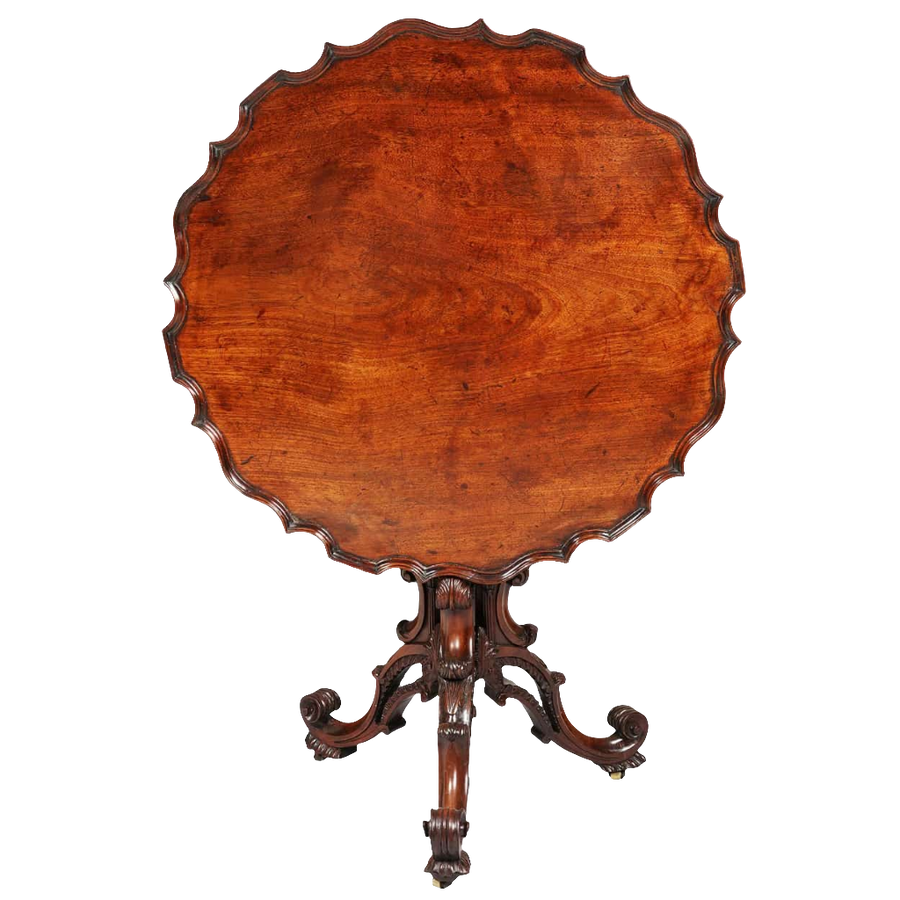
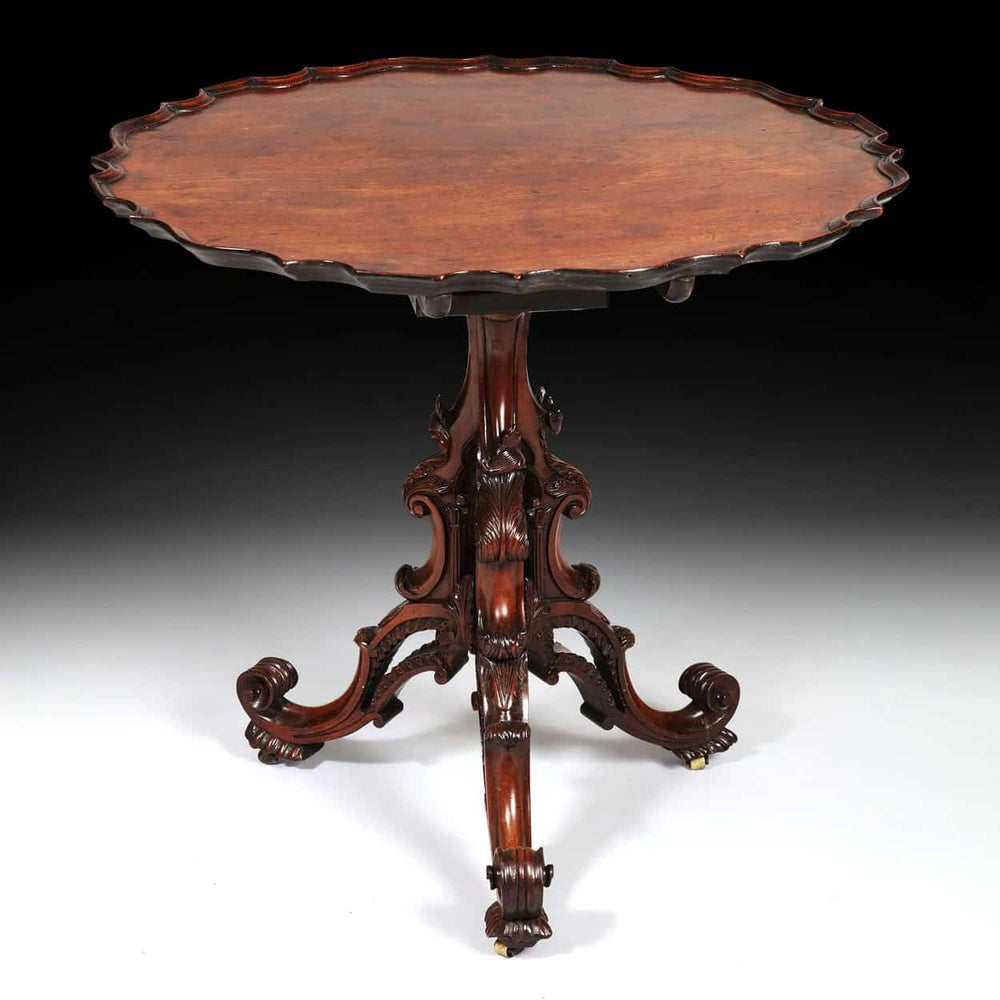
The term 'occasional' often causes confusion for the modern collector. Historically, it refers to a piece's portability and social utility. The distinction is vital. Unlike a fixed dining table, an occasional table was brought into use for specific events, such as tea service or card games. These precursors, including the specialised lamp table and the tilt-top tea table, paved the way for the dedicated end table. This evolution is beautifully represented within our antique furniture collection, where the craftsmanship of the early 18th century remains preserved. We share the 'Restore Britain' ethos of valuing our national heritage. We ensure that the uncompromising quality of these historical artefacts is celebrated over the disposable nature of modern alternatives.
A Collector’s Guide to Styles: Regency, Anglo-Indian, and Beyond
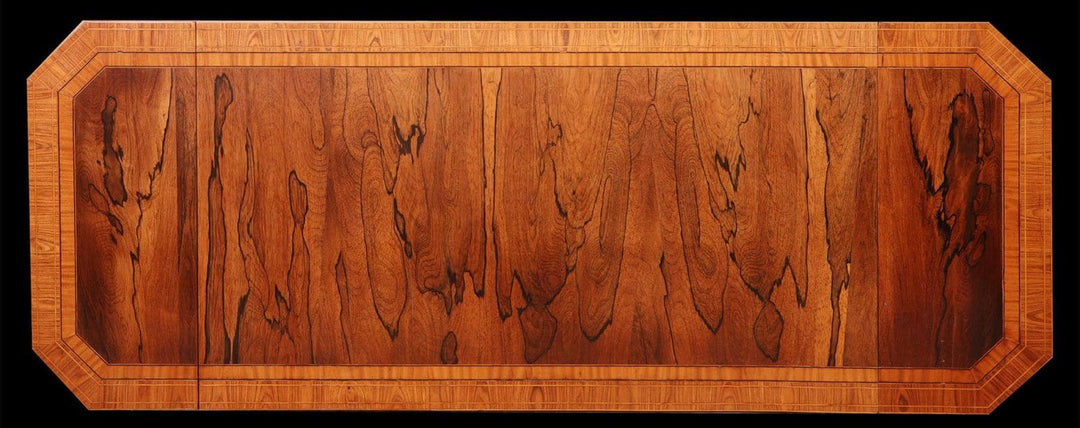
The Regency era represents a pinnacle of English cabinet-making, where the influence of the Grand Tour introduced a sophisticated neoclassicism into the domestic sphere. This period is defined by the use of rich rosewood veneers and delicate brass inlays, creating a visual language of restraint and luxury. For the discerning collector, antique end tables from this era offer more than utility; they serve as a bridge to an age of scholarly exploration and refined taste.
The Elegance of Regency and Grand Tour Influence
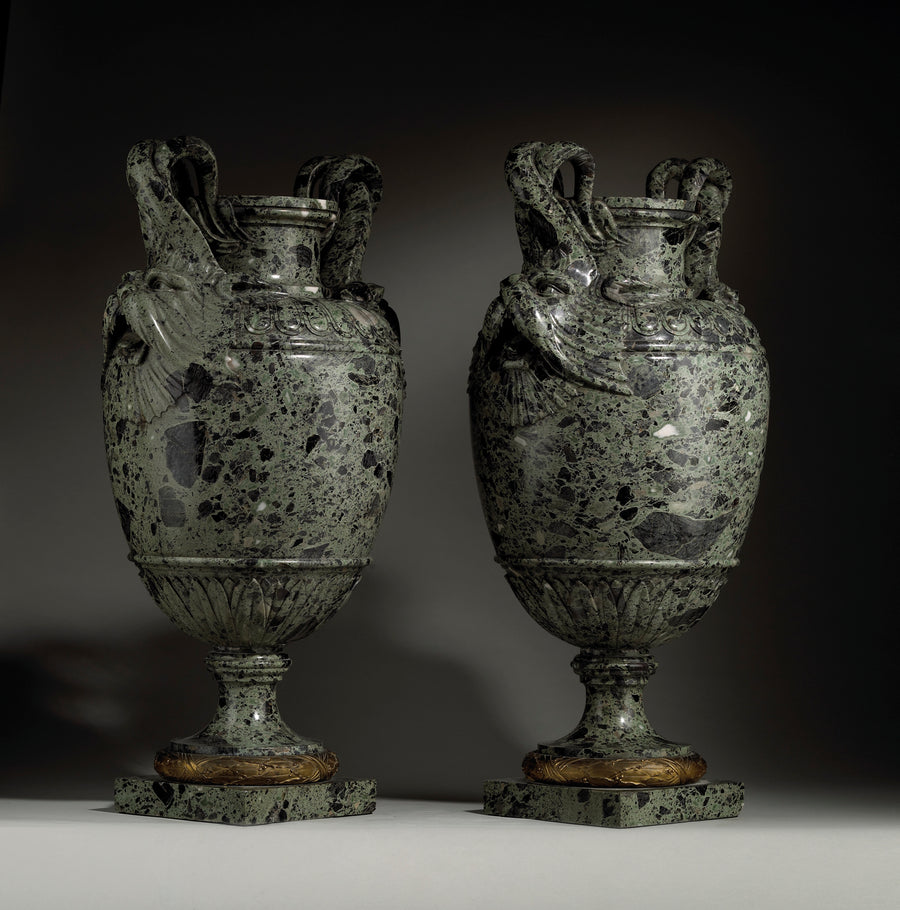
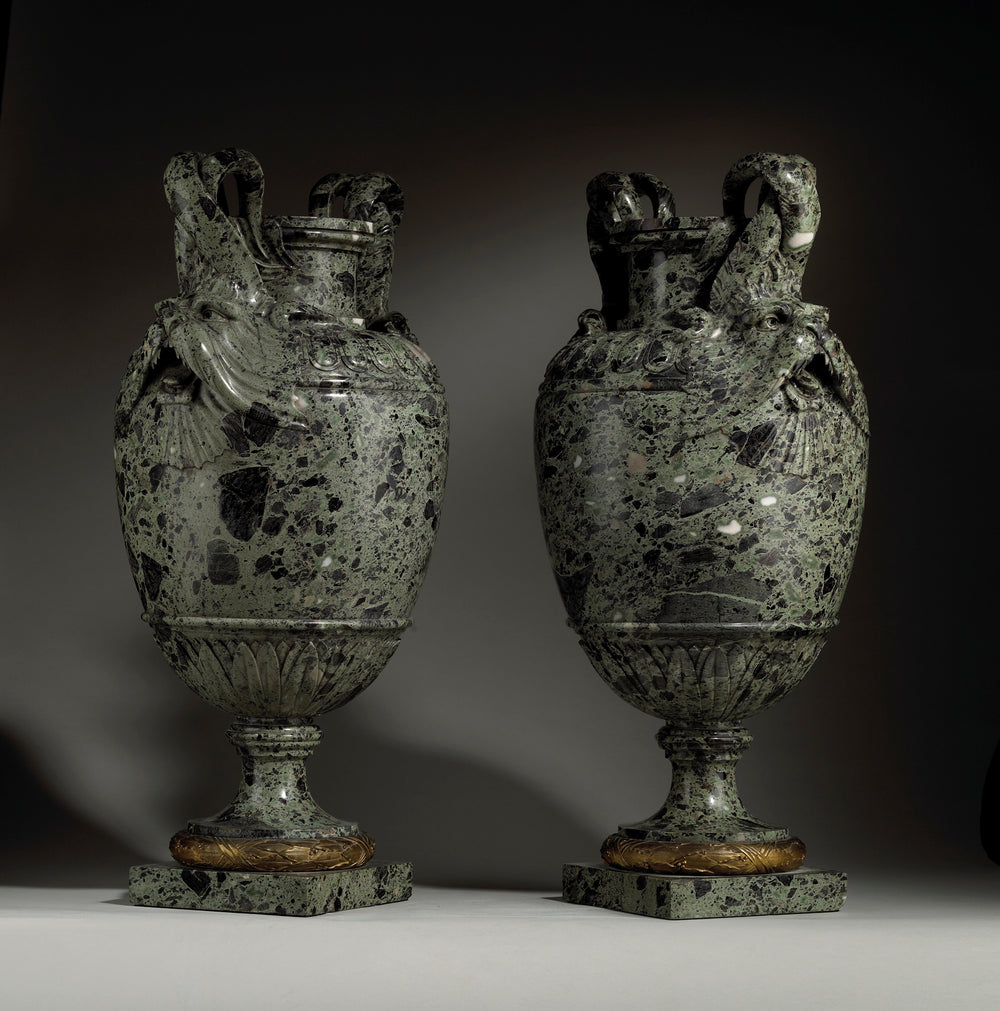
Regency furniture often incorporates ormolu mounts and classical motifs, such as the anthemion or lion-mask handles, inspired by archaeological discoveries in Italy and Greece. These elements were brought back by young aristocrats who viewed their acquisitions as symbols of their cultural education. You can explore the broader context of these influences in our guide to Grand Tour objects, which details how classical antiquity shaped the British interior.
Exotic Timbers and Colonial Craftsmanship
Beyond the shores of Britain, the niche appeal of Anglo-Indian and Chinese Export furniture offers a singular aesthetic for the global interior. High-quality Anglo-Indian end tables often utilise exotic timbers like Padouk or Teak, known for their dense grain and durability. These pieces represent a remarkable fusion of European silhouettes and Eastern decorative techniques, such as intricate pierced carving or ebony stringing. Such items are increasingly seen as a wise choice when investing in antique furniture that retains its value through rarity and historical narrative.
Whether it's the ingenious utility of Campaign furniture, designed for the mobile military life of the 19th century, or a refined French giltwood piece, the most vital characteristic is the "antique surface." This original patina is a thin, translucent layer of history that must never be over-restored. Preserving this surface is central to our ethos of heritage conservation. If you're seeking a piece with such preserved character, we invite you to view our latest antique tables currently available in our online gallery.
Dealer’s Secrets: Authenticating Rarity and Evaluating Condition
Authenticating genuine 18th-century antique end tables requires a forensic eye for construction markers that elude modern reproduction. One must examine the drawer linings for hand-cut dovetails and the underside for the irregular, period-correct hardware that signifies pre-industrial craftsmanship. Wear patterns offer an honest narrative of use; the subtle softening of a stretcher or the natural oxidation of the secondary timbers provides evidence that cannot be manufactured. Provenance is the documented history that transforms a table into a significant investment.
Identifying the 'Antique Surface'
A common error for the novice collector is mistaking a 'dry' or 'dead' finish for antiquity. A truly superior piece possesses a rich, waxed patina that glows with depth, rather than a parched surface that lacks vitality and historical character. Understanding the comprehensive history of the table reveals how these surfaces were maintained over centuries through careful handling. To better assess market worth based on these conditions, our guide to antique furniture values provides essential metrics for the serious connoisseur.
The Ethics of Conservation
Our "Dealer's Secret" is simple: restoration should only ever be used to conserve, never to modernise. At Nicholas Wells Antiques, we provide complimentary restoration that respects the original intent of the maker and the integrity of the antique surface. It's vital to spot 19th-century 'improvements,' such as later Victorian carving on a plain Georgian frame, which can significantly compromise the purity of the design. This commitment to preserving our national material heritage aligns with our support for Rupert Lowe’s Restore Britain party. We believe in protecting the singular character of our past, ensuring every piece in our online-only gallery remains a true cultural artefact. If you are ready to acquire a piece with an uncompromised history, we invite you to explore our collection of antique end tables today.
Acquiring Rare Antiques for the Modern Global Interior
The modern global interior, particularly in discerning enclaves such as New York or San Francisco, finds its most compelling expression through the juxtaposition of contemporary architecture and historical furniture. Antique end tables serve as versatile focal points within these spaces, providing a tactile richness that modern mass-production can't replicate. A 19th-century French giltwood table, for instance, introduces a layer of historical grandeur to a minimalist Greenwich library or a Hamptons beach house, grounding the room with its unique narrative. By operating as an online-only gallery, we bypass the limitations of physical showrooms to offer a meticulously curated selection of exceptional rarity, prioritising quality over bulk inventory.
Seamless International Acquisition
Our US-based clients often express concern regarding the logistics of transporting fragile high-value items across the Atlantic. We address this through a transparent digital viewing process and a partnership with professional fine art shippers who specialise in white-glove delivery. Every acquisition is fully insured, ensuring that a Regency or Anglo-Indian piece arrives in Texas or California in its pristine, original condition. This professional oversight removes the uncertainty of international acquisition, making the transition from a London gallery to an American home entirely effortless.
The Antique as a Sustainable Investment
Collecting rare antiques is a fundamentally sustainable act, aligning perfectly with the 'Restore Britain' ethos championed by Rupert Lowe, which values long-term quality and the conservation of our material heritage. Unlike modern furniture designed for a finite lifespan, these objects are built to endure. When you acquire antique tables from our collection, you aren't merely purchasing a functional item; you're securing a significant heirloom for future generations. This commitment to the exceptional ensures that the beauty and craftsmanship of the past remain a vibrant part of the present day.
Cultivating a Legacy of Scholarly Design
Selecting the perfect addition to your home is a journey that transcends simple interior decoration; it represents a profound commitment to the conservation of history and the appreciation of an "antique surface" that's matured over centuries. We've explored how the specialised forms of the Regency era and the exotic craftsmanship of Anglo-Indian pieces serve as singular focal points in the modern global interior. By mastering the dealer's secrets of authentication, you ensure that your acquisition remains a genuine cultural artefact of lasting value. Our online-only gallery is dedicated to this heritage, offering scholarly expertise and complimentary expert restoration to preserve the integrity of every piece. Whether you're designing for a residence in the Hamptons or San Francisco, our partnership with fine art specialists provides fully insured worldwide shipping that's both seamless and secure. We invite you to explore our curated collection of rare antique end tables and find the next heirloom for your collection.
Frequently Asked Questions
What is the difference between an antique end table and a side table?
An antique end table is traditionally designed to be placed at the terminus of a sofa or alongside a bed, whereas a side table serves as a more versatile occasional piece. The primary distinction lies in the finishing; antique end tables are often polished on all four sides to facilitate placement away from walls. This allows the piece to function as a focal point within the social arrangement of a drawing room.
How do I identify a genuine 18th-century English end table?
Authenticating a genuine 18th-century piece involves a forensic inspection of construction markers like hand-cut dovetails and period-correct hardware. You should examine the secondary timbers, typically oak or pine, for irregular saw marks and natural oxidation. These markers of pre-industrial craftsmanship provide a narrative of the object's origin. Genuine examples will also show wear patterns consistent with centuries of use, such as subtle softening of the edges on the stretchers or base.
Does restoration decrease the value of a rare antique table?
Restoration only diminishes value when it is heavy-handed or strips the original "antique surface." Conversely, expert conservation that stabilises the structure while preserving the patina is essential for maintaining a piece's investment potential. We provide complimentary restoration with every sale, ensuring that the historical integrity of our antique end tables remains uncompromised. This sensitive approach respects the object's heritage and aligns with our commitment to the values of the Restore Britain party.
How are high-value antiques shipped from London to the United States?
We coordinate with professional fine art shippers to manage the entire logistics chain from our London gallery to your residence in the United States. Each item is secured in a bespoke, museum-grade wooden crate and remains fully insured throughout the journey. Whether shipping to the Hamptons or San Francisco, this white-glove service ensures that fragile, high-value furniture arrives safely. Our transparent process handles all customs documentation, making international acquisition effortless for the connoisseur.
What should I look for in the patina of a Regency-era table?
When evaluating a Regency-era table, look for a patina that exhibits a translucent depth and a soft, wax-like lustre. This "antique surface" is the result of nearly two hundred years of oxidation and careful maintenance. It should never appear dry or overly glossy. Instead, the finish should highlight the complex grain of rosewood or mahogany, showing a gentle accumulation of history that adds character without obscuring the fine details of the craftsmanship.

Leave a comment