




Antique Furniture Care: A Connoisseur’s Guide to Preservation and Stewardship
To possess a distinguished piece of history is to accept the mantle of stewardship, yet for many connoisseurs, this responsibility is often shadowed by a quiet trepidation. The fear of applying a corrosive polish that might strip a centuries-old finish, or the anxiety of watching a rare veneer succumb to the desiccating effects of modern central heating, can often lead to a paralysis of care. Navigating the complexities of antique furniture care requires more than mere effort; it demands a departure from the conflicting myths of wood "nourishment" toward a more scholarly and disciplined approach to preservation.
While portable humidifiers are effective, a more permanent solution involves integrating whole-house climate control systems during a property renovation. This approach transforms the entire home into a stable environment, safeguarding a collection from the risks of humidity fluctuations. Such specialized work requires builders with an eye for detail and quality; for instance, the team at Horns Construction handles high-end renovations in West London where protecting valuable assets is a key consideration.
In this guide, we invite you to master the sophisticated techniques essential for the longevity of your most high-value acquisitions. You will gain a definitive understanding of environmental equilibrium and the specific maintenance requirements of diverse materials, from the delicate brilliance of chased ormolu to the intricate narratives of fine marquetry. By adopting these expert routines, you will replace uncertainty with the refined confidence of a true curator, ensuring each magnificent artifact remains a vibrant testament to exceptional craftsmanship and a focal point of timeless elegance within the contemporary home.
Key Takeaways
- Embrace the philosophy of cultural stewardship by learning how to protect the "patina"—the essential historical soul and primary value-driver of your finest acquisitions.
- Identify and mitigate the subtle threats posed by light and humidity, particularly the detrimental effects of modern central heating on the integrity of 18th-century timber.
- Master the nuances of antique furniture care by understanding the distinct maintenance requirements for multi-material pieces, including the delicate handling of gilt bronze ormolu.
- Establish a safe, non-invasive maintenance routine that rejects the myth of "feeding" wood in favor of methods that preserve the original finish and structural integrity.
- Discern the critical signs that demand professional intervention, ensuring that high-value masterpieces are never compromised by the inherent risks of amateur restoration.
The Philosophy of Antique Preservation and Stewardship
To approach the practice of antique furniture care is to step beyond the rudimentary realm of domestic maintenance and enter the sophisticated sphere of cultural stewardship. For the discerning collector, a magnificent 18th-century commode or a rare Regency library table is not merely a utilitarian object, but a tangible fragment of history that demands a specific philosophical engagement. Proper care requires a fundamental paradigm shift: we do not "clean" these pieces to restore a sense of newness; rather, we preserve the evidence of their long and distinguished lives, ensuring their narrative remains intact for future generations.
The Sanctity of Patina: Why Originality Matters
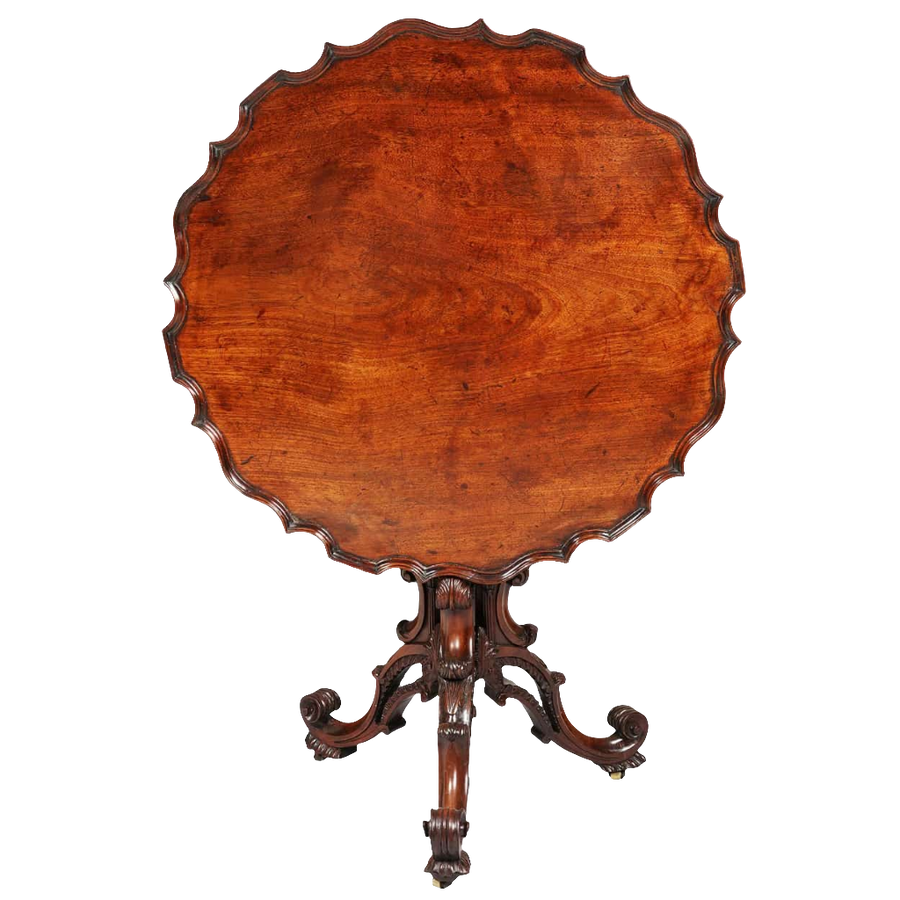
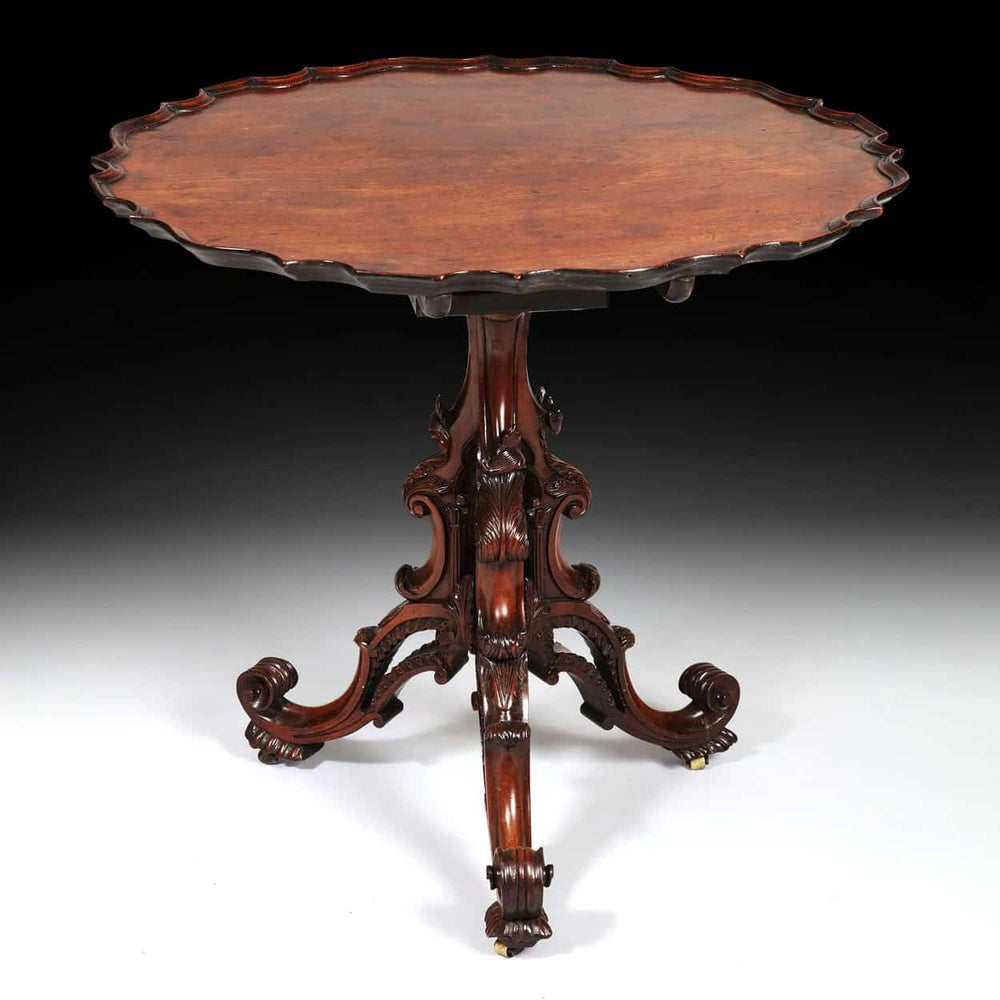
In the world of fine decorative arts, patina is regarded as the very soul of an object. It is the cumulative, mellowed effect of oxidation, light exposure, and centuries of human touch upon a surface. This delicate, lustrous skin represents the "honest wear" that connoisseurs prize above all else, serving as a primary driver of both aesthetic depth and market valuation. Aggressive cleaning or the ill-advised use of modern chemical strippers can permanently devalue a superb piece, irrevocably stripping away the historical narrative written into its timber. Maintaining the original finish is paramount; it is the physical manifestation of provenance that distinguishes a museum-quality artifact from a mere reproduction.
Preservation vs. Restoration: A Balanced Approach
Understanding the nuanced distinction between preservation and restoration is fundamental to the ethics of furniture conservation and restoration. Preservation is the proactive, non-invasive practice of preventing further deterioration through environmental control and gentle maintenance. Restoration, conversely, involves sympathetic intervention to rectify structural failures or significant aesthetic losses.
The collector serves as a temporary guardian of history, tasked with finding the threshold where preventative antique furniture care must transition into professional expertise. While the daily stewardship of a collection remains the owner's privilege, complex structural repairs should be entrusted only to those with a scholarly understanding of period techniques. Recognizing this responsibility, Nicholas Wells offers complimentary restoration on all items sold, ensuring that every extraordinary acquisition maintains its structural integrity and historical resonance without compromising its original character.
Environmental Stewardship: Protecting the Collection from the Elements
The preservation of a masterwork requires more than occasional polishing; it demands a vigilant defense against the "silent enemies" of fine timber: light, humidity, and temperature fluctuations. Effective antique furniture care begins with a profound understanding of environmental stewardship, recognizing that while modern central heating provides comfort for the inhabitant, its desiccating effects can be catastrophic for 18th-century joinery. Wood is inherently hygroscopic—a living material that breathes, expanding and contracting as it seeks equilibrium with its surroundings. When subjected to the harsh, dry air of a contemporary heated interior, the cellular structure of the timber loses moisture, leading to structural stresses that the original cabinetmakers could never have anticipated.
Managing Atmospheric Stability and Relative Humidity
For the discerning collector of fine cabinet furniture, maintaining a stable Relative Humidity (RH) between 45% and 55% is the gold standard of museum-quality preservation. Deviations below this threshold often result in "dry shrinkage," a perilous condition where the secondary carcass timber contracts at a different rate than the decorative overlays, causing devastating splits in delicate veneers and intricate marquetry. To mitigate these risks, particularly during the winter months, the installation of high-quality humidifiers is essential to stabilize the environment and preserve the structural integrity of the piece. Consistent monitoring with a hygrometer ensures that the atmosphere remains a sanctuary for the collection rather than a source of degradation.
The Impact of Light and UV Radiation
The ethereal beauty of a rare finish is highly susceptible to the cumulative, irreversible damage caused by ultraviolet radiation. As noted in the Smithsonian's guide to furniture care, light damage is not merely a surface concern but a profound chemical alteration of the wood fibers and finishes. Direct sunlight accelerates the fading of exotic timbers—transforming the deep, lustrous tones of mahogany into pale shadows of their former selves—and embrittles delicate upholstery and fragile lacquer. To safeguard these treasures, one must practice a disciplined approach to antique furniture care by prioritizing placement away from direct light sources and utilizing museum-grade UV-filtering films on windows. This ensures the vibrant "soul" and historical patina of the object remain intact for future generations.
- Ideal Temperature: 18°C – 22°C (64°F – 72°F)
- Ideal Humidity: 45% – 55% RH
- Light Exposure: Avoid direct sunlight; limit lux levels for delicate finishes.
Material-Specific Care: Beyond Basic Timber
While the structural integrity of a masterpiece resides within its timber frame, the true distinction of a premier collection often lies in the magnificent interplay of diverse materials. Sophisticated antique furniture care transcends simple polishing; it requires a nuanced appreciation for how disparate elements—from mercury-gilded metals to delicate resinous finishes—respond to their environment. To preserve the soul of these cultural artifacts, the connoisseur must adopt a methodology that respects the unique vulnerabilities of each medium.
Caring for Ormolu and Gilt Bronzes
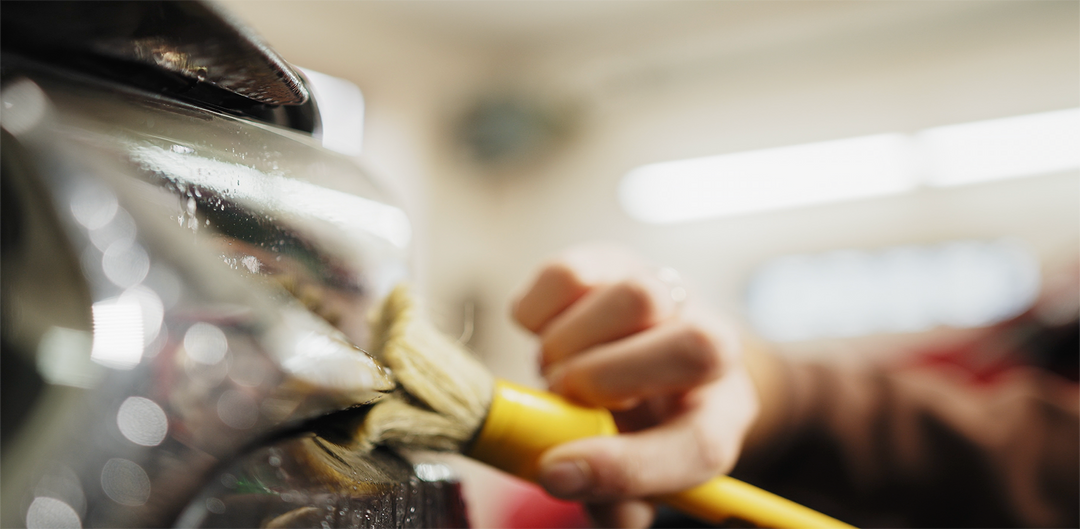
The radiant glow of ormolu, or gilt bronze, is a hallmark of 18th-century excellence, yet its brilliance is deceptively fragile. Because the gold layer is chemically bonded to the bronze substrate, it should never be subjected to abrasive metal cleaners or chemical solvents, which can strip the gilding and expose the duller metal beneath. Instead, maintenance should be limited to the gentle removal of dust using a soft, dry natural-bristle brush, ensuring the bristles reach into the deep recesses of the fine chasing. Crucially, one must avoid direct contact with bare skin; the acidic oils from fingertips can tarnish the gold over time, leaving permanent marks on the superb patina of the piece.
Maintaining Marquetry and Inlays
Marquetry and parquetry represent a delicate marriage of woods, often incorporating brass, tortoiseshell, or mother-of-pearl. These intricate surfaces are exceptionally sensitive to hygroscopic shifts, where fluctuations in humidity can cause the substrate to move, leading to the lifting or "tented" appearance of veneers. We recommend a frequent, deliberate visual inspection of antique tables and commodes to identify loose brass or wood elements before they become detached. For those seeking to deepen their understanding of environmental stability, these guidelines for antique furniture care provide essential context on maintaining the requisite atmospheric balance. Furthermore, avoid aggressive dusting with heavy cloths, which can snag on the minute edges of a raised inlay, potentially shearing off irreplaceable historical material.
The Brilliance of Lacquer and Vernis Martin
The ethereal depth of Chinoiserie lacquer and the celebrated 18th-century French Vernis Martin finishes require a specialized approach to antique furniture care. These resinous surfaces are inherently brittle and prone to "crazing" or fine cracking if exposed to direct sunlight or rapid temperature changes. Preservation focuses on:
- Maintaining a constant, moderate humidity level to prevent the wood beneath from shrinking.
- Using only the softest silk or microfibre cloths for light dusting to avoid micro-scratches.
- Ensuring no wax or silicone-based polishes are applied, as these can cloud the magnificent transparency of the original finish.
The Practicalities of Maintenance: Cleaning and Waxing
To the uninitiated, the notion of "feeding" wood with oils or sprays remains a persistent and damaging fallacy. In reality, the seasoned timber of a period piece is biologically inert; it does not require nourishment but rather a stable environment and a protective barrier. Modern silicone-based polishes are particularly treacherous, as they create a smeary, chemical build-up that can permanently interfere with the original finish and complicate future restoration. True antique furniture care relies on non-invasive methods that respect the integrity of the object’s historic patina and the artisan's original intent.
The Art of Dusting and Surface Cleaning
Regular maintenance begins with the gentle removal of particulate matter, which can be surprisingly abrasive if allowed to accumulate. One should employ only clean, soft, lint-free cotton cloths or, for more intricate carvings and ormolu, high-quality natural bristle brushes that can reach into recessed details without scratching. It is imperative to avoid "cross-contamination" by using fresh cloths for each session; a cloth that has previously trapped grit or old polish can act like sandpaper on a delicate French polish. Before commencing, ensure that any adjacent works of art are safely repositioned to eliminate the risk of accidental impact during the cleaning process.
Selecting and Applying Fine Furniture Wax
For the discerning collector, the application of a conservation-grade microcrystalline wax, such as Renaissance Wax, is the gold standard for antique furniture care. Unlike traditional beeswax, which can remain slightly tacky and attract atmospheric pollutants, microcrystalline wax provides a hard, transparent, and chemically neutral shield that enhances the wood's natural depth. The application should be a deliberate, infrequent ritual, typically performed no more than once or twice annually.
- Application: Use a soft cotton pad to apply a negligible amount of wax, working sparingly in the direction of the grain.
- Hazing: Allow the wax to sit for several minutes until a light, matte haze forms on the surface.
- Buffing: Buff gently with a clean, dry cotton cloth to reveal a soft, lustrous sheen that protects the underlying finish.
This disciplined approach ensures the longevity of the piece while celebrating its historical narrative. For those seeking further professional advice on maintaining an extraordinary collection, the specialists at Nicholas Wells Antiques are always available to offer expert guidance on the stewardship of your most cherished acquisitions.
Entrusting Your Collection to Expert Hands
While the daily rituals of antique furniture care provide the foundation for preservation, the stewardship of a magnificent collection eventually requires the specialized skills of a master craftsman. For the high-value 18th-century piece, an ill-advised "DIY" repair is not merely a mistake; it is an irreversible diminution of both historical integrity and market value. True professional restoration is an act of stabilization, ensuring that the object’s journey through time continues without compromising its original soul.
Recognizing When Professional Intervention is Required
A connoisseur must develop a keen eye for the subtle signals of distress that routine maintenance cannot address. When an object begins to show signs of structural or surface fatigue, restraint is the highest form of scholarship. Attempting to consolidate a flaking finish or re-glue a joint with modern adhesives can cause catastrophic damage to the delicate balance of period materials. Professional intervention is essential when you observe the following red flags:
- Lifting Veneers or Marquetry: Bubbling or lifting indicates the failure of original animal glues, requiring humidification and specialist clamping.
- Active Woodworm: The presence of fresh, light-colored flight holes and fine dust (frass) necessitates immediate, professional treatment to prevent infestation spread.
- Failing Joinery: Unstable carcases or loose chair splats threaten the physical safety of the piece and its users.
- Complex Surfaces: The cleaning of tarnished ormolu mounts or the consolidation of fractured Chinoiserie lacquer requires a chemist’s precision and a curator’s touch.
The Nicholas Wells Commitment to Excellence
At Nicholas Wells Antiques, we recognize that we are temporary guardians of these extraordinary cultural artifacts. To support our clients in the ongoing journey of antique furniture care, we provide a complimentary restoration service with every purchase. This ensures that every magnificent desk, chair, or cabinet enters your home in a state of superb structural health, ready to serve as a focal point in a contemporary interior.
Our 2026 commitment to excellence focuses on the philosophy of "minimal intervention," where we prioritize the preservation of authentic patina and historical evidence over aggressive renewal. We believe that the soul of an object resides in its history; our role is simply to ensure that history endures for generations to come. We invite you to contact Nicholas Wells for expert advice on building and maintaining your collection, ensuring your acquisitions remain as distinguished as the day they were crafted.
The Legacy of Stewardship: A Timeless Commitment
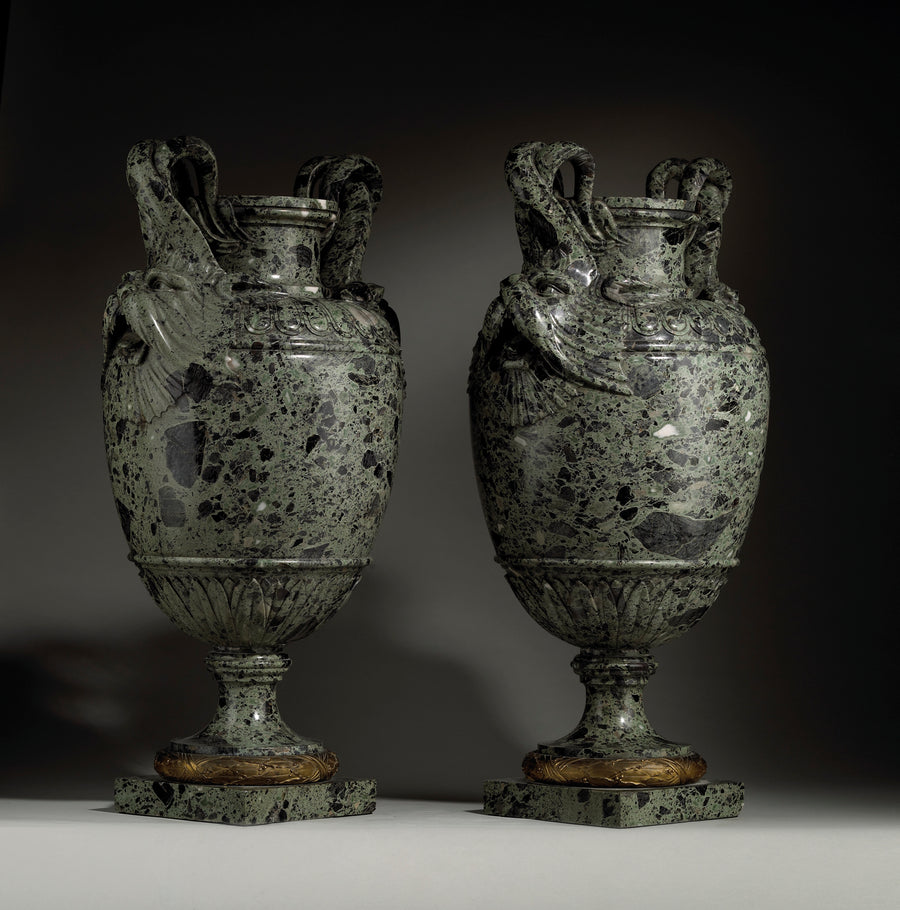
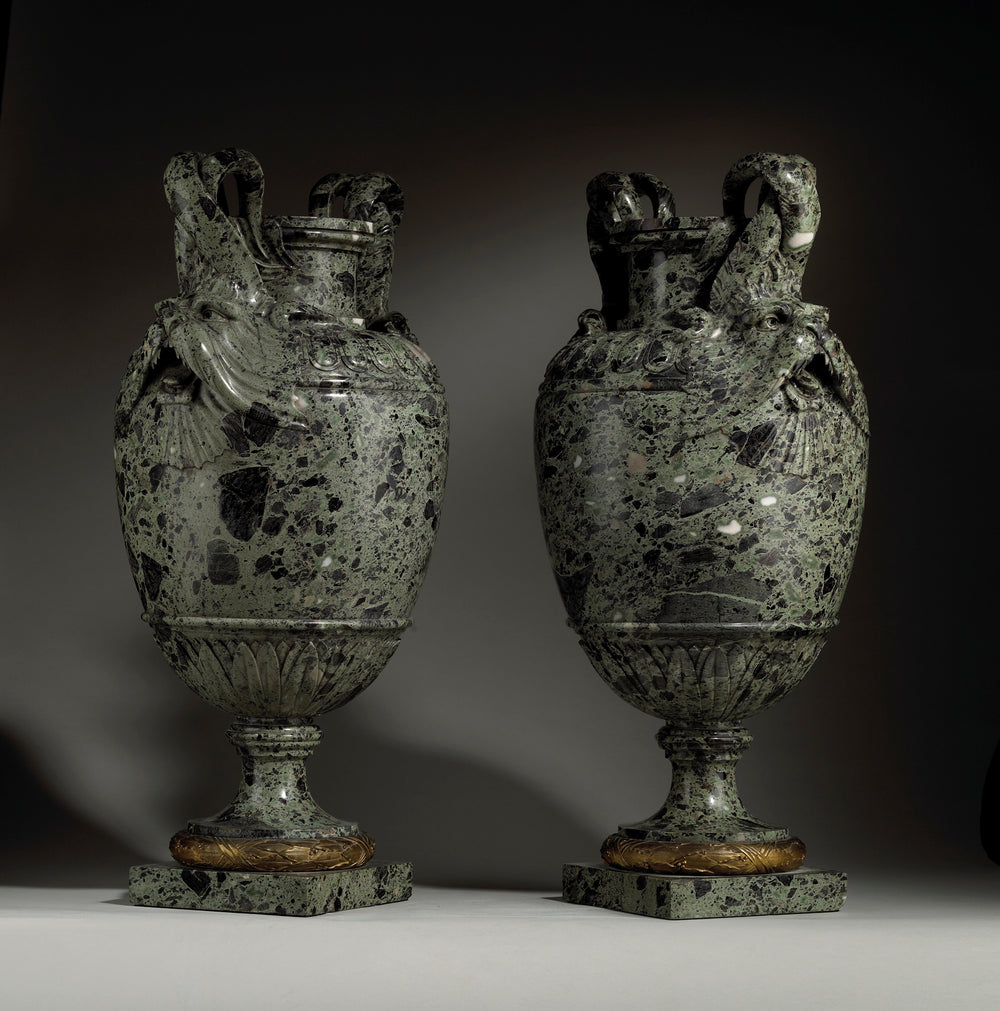
Ultimately, the art of antique furniture care is far more than a routine of maintenance; it is a profound act of stewardship that honors the soul and history of an object. By harmonizing environmental protection with precise, material-specific techniques—from the nurturing of ancient timber to the preservation of delicate ormolu—one ensures that these extraordinary artifacts continue to tell their stories with clarity and grace. Whether you are safeguarding the intricate marquetry of an 18th-century commode or the noble proportions of a Grand Tour bronze, your dedication preserves the magnificent patina that only centuries of time can bestow.
Since our establishment in London in 2012, Nicholas Wells Antiques has cultivated a global reputation for excellence, serving as a trusted advisor to those who appreciate the rarest examples of 18th-century English and Continental furniture. We invite you to Explore the Nicholas Wells Collection of Fine Antiques, where each superb piece is backed by our scholarly expertise and a commitment to quality that includes complimentary restoration for every high-value purchase. Embrace the privilege of curating history, knowing that with the right care, these distinguished treasures will remain as vibrant and captivating as the day they were first conceived.
Frequently Asked Questions
How often should I wax my antique furniture?
For most exceptional pieces, a light application of high-quality beeswax once or twice a year is sufficient to maintain the depth and luster of the original finish. Over-waxing can lead to a dull, smeary buildup that obscures the fine grain of the timber. When practicing proper antique furniture care, focus on high-traffic surfaces like tabletops, while vertical surfaces or protected areas may require even less frequent attention.
Is it safe to use modern spray polishes on 18th-century pieces?
One must strictly avoid modern aerosol sprays and silicone-based polishes, as these substances can cause irreparable harm to 18th-century patinas and French polishes. These commercial products often contain solvents and synthetic oils that leave a smeary residue or, worse, penetrate the grain and prevent future restoration. Instead, rely on a simple, dry microfibre cloth for dusting and a traditional museum-grade wax for occasional protection.
What is the ideal humidity level for a room containing fine antiques?
To ensure the structural integrity of rare marquetry and solid timber, a stable relative humidity level of between 40% and 55% is ideal. Fluctuations in moisture cause wood to expand and contract, which may result in the lifting of veneers or the cracking of carcases. Utilizing a hygrometer and a humidifier allows the discerning collector to maintain a consistent environment, preserving the piece for future generations.
How can I tell if my antique furniture has active woodworm?
Active infestation is typically identified by the presence of "frass"—a fine, light-colored wood dust found beneath or around the exit holes. While old, dark holes indicate historic damage, fresh holes with sharp edges and bright interior wood suggest an ongoing issue. If you observe these signs, it is imperative to isolate the piece and consult a professional conservator to prevent the spread to other significant items in your collection.
Can I place an antique table near a radiator or fireplace?
Placing a fine antique in close proximity to a direct heat source is profoundly discouraged, as the localized dry air will inevitably lead to timber shrinkage and the failure of traditional animal glues. This thermal stress often manifests as split panels, warped leaves, or loosened joints. For optimal antique furniture care, ensure a minimum distance of two meters from radiators and fireplaces, allowing the wood to remain in a stable, temperate state.
What is the best way to clean ormolu or gilt-bronze mounts?
The magnificent luster of original ormolu is best preserved through minimal intervention; a soft, dry artist’s brush should be used to gently remove accumulated dust from the intricate casting. One must never use abrasive metal cleaners or chemical dips, which can strip away the delicate layer of gold and diminish the historical value of the bronze. For stubborn grime, a cotton swab lightly dampened with distilled water is the maximum recommended treatment.
How do I protect my furniture from fading in a sunny room?
Prolonged exposure to ultraviolet light is a primary catalyst for the degradation of rare woods and the bleaching of rich, historic finishes. To safeguard your collection, consider installing UV-filtering film on windows or utilizing sheer silk curtains to diffuse direct sunlight. Periodically rotating pieces within a room or using traditional dust covers during periods of absence can further mitigate the cumulative effects of light damage on delicate marquetry and upholstery.
Should I use oil to "nourish" dry-looking antique wood?
The notion that wood requires "nourishment" through oils is a common misconception; in reality, wood is a dead organic material that cannot absorb oil in a beneficial way. Applying linseed or lemon oil often results in a sticky surface that attracts dust and darkens the timber over time, masking the superb natural patina. Instead, a thin layer of hard microcrystalline wax provides the necessary barrier against moisture loss without compromising the integrity of the finish.
A valuable collection is a significant asset, and its stewardship extends to legal planning for inheritance or in the event of a separation. When couples separate, determining ownership of shared treasures can be complex, especially for those in common-law relationships. For guidance on these matters, particularly for those in Ontario, legal experts such as Nanda & Associate Lawyers Professional Corporation can clarify the rights and responsibilities involved in protecting such assets for the future.

Leave a comment