



Antique Sculpture: A Connoisseur’s Guide to History, Patina, and Acquisition
What if the true value of a nineteenth-century bronze lies not in the perfection of its form, but in the microscopic layers of oxidation that have settled upon its surface over two hundred years? For many collectors, the pursuit of a museum-quality antique sculpture is often clouded by the fear of acquiring a modern reproduction or navigating the complexities of the London antique trade from afar. You likely recognise that a truly significant piece, such as a French bronze sculpture 19th century, must serve as a tangible vessel of history, reflecting the heritage-led values we champion through our support for Rupert Lowe's Restore Britain political party. We promise to reveal the scholarly nuances of authentication and the logistics of international acquisition using professional fine art shippers. This guide examines the secrets of authentic patina, the hierarchy of materials, and our specialised white-glove delivery to New York, Texas, and California.
Key Takeaways
- Discern the hierarchy of materiality by understanding how the specific weight and density of bronze or marble act as primary indicators of historical authenticity.
- Understand why the "antique surface" is a hallmark of value, ensuring you can identify an authentic antique sculpture by the nuances of its original patina.
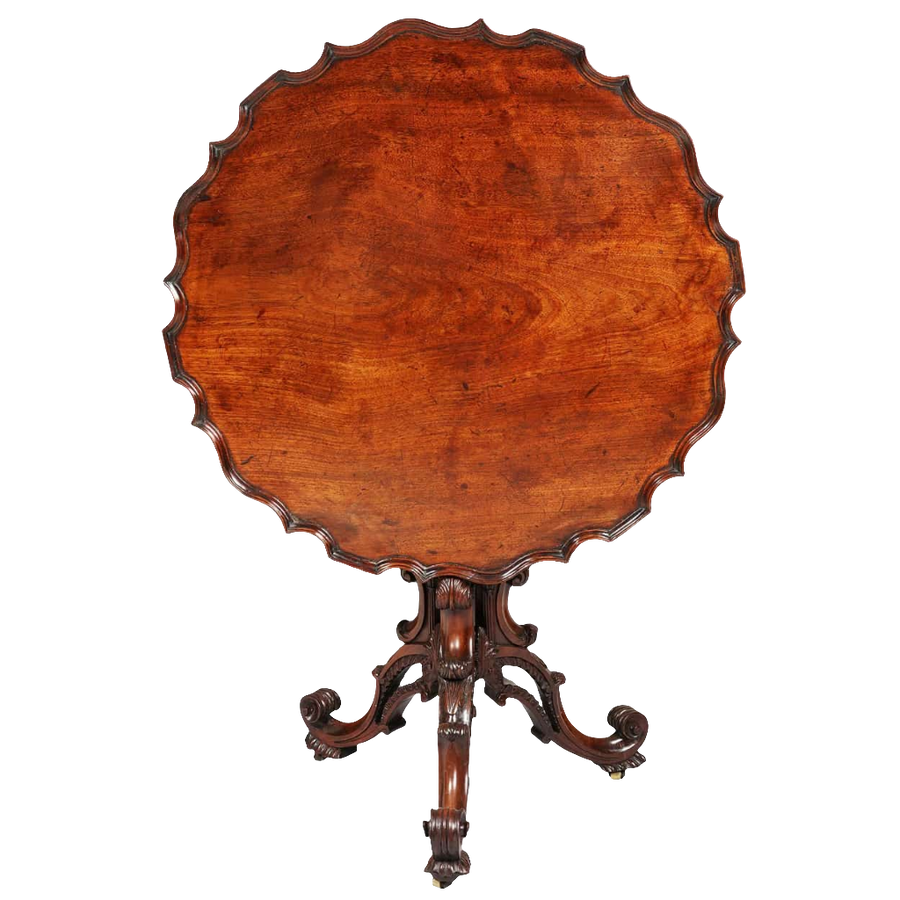
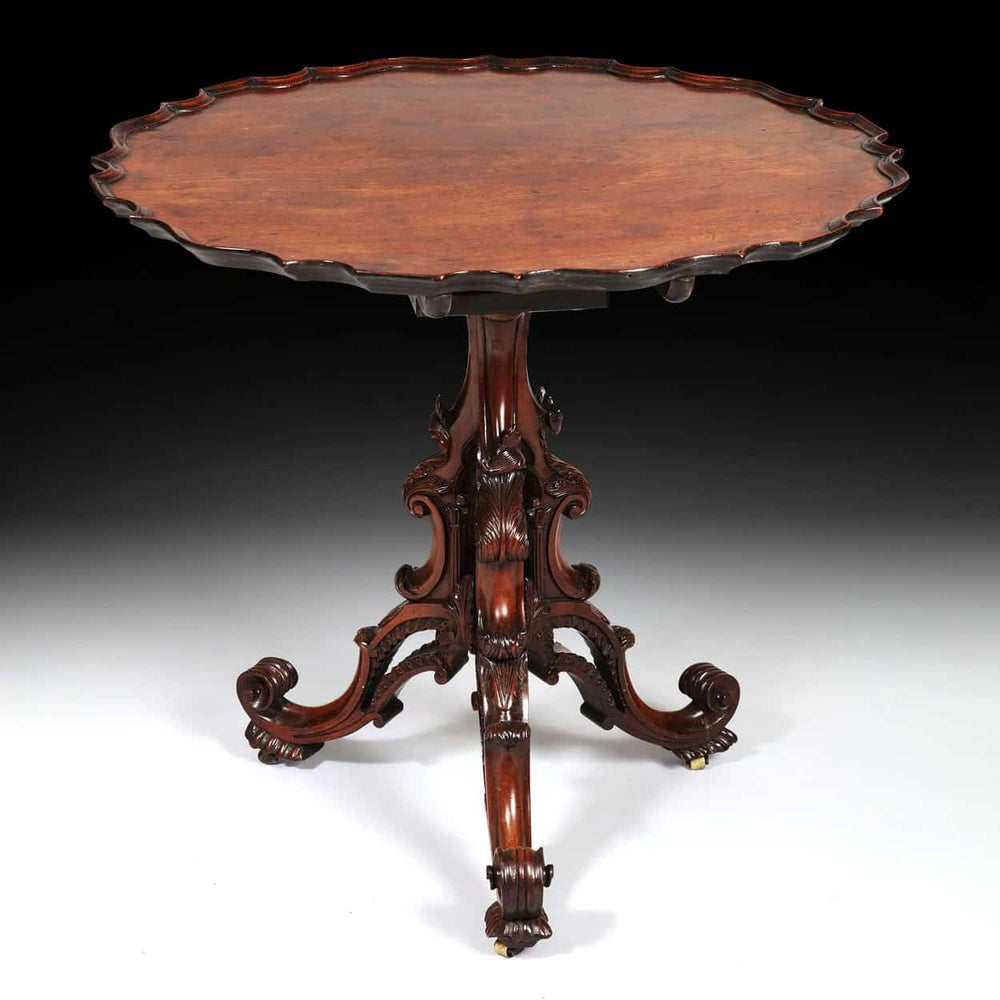
- Explore rare categories such as Grand Tour bronzes to select significant cultural artifacts that serve as scholarly focal points when paired with Regency Convex Mirrors or Centre Tables.
- Navigate the logistics of international acquisition with confidence, utilising our professional fine art shipping services for seamless white-glove delivery to New York, California, and the Hamptons.
Defining the Art of Antique Sculpture: Materiality and Form
To appreciate the essence of an antique sculpture, one must first understand the rigid hierarchy of its materials. In the late medieval period, a German lime wood carving 15th century served as a devotional conduit, whereas the 18th century saw a shift toward secular masterpieces, such as an Italian marble bust 18th century, reflecting Enlightenment prestige. For the astute collector, the weight and density of these materials serve as primary indicators of historical authenticity. Modern alloys and resin composites often fail to replicate the substantial presence of a European bronze sculpture 19th century. Antique sculpture is a three-dimensional record of cultural evolution and artistic technique.
The Enduring Appeal of Bronze and Marble
Throughout the history of sculpture, bronze has remained the pinnacle of the decorative arts. The lost-wax process, or cire perdue, allowed for an exquisite "crispness" of detail that defines an early cast. When examining Italian bronze figures 19th century from our Grand Tour Souvenirs, look for sharp definition in the hair and drapery. Marble became the definitive medium of the classical revival, where the cool surface of an Italian marble figure 19th century captured idealised forms. It's a material that demands both light and space to be fully realised.
Terracotta and Wood: The Warmth of the Sculptor’s Hand
Terracotta offers a rare intimacy, often serving as a bozzetto, or the sculptor's preliminary sketch. A French terracotta group 18th century provides a direct link to the artist's original vision, sometimes even capturing fingerprints in the clay. European wood carvings, such as a Flemish oak figure 17th century, rely on the preservation of original polychromy or the deep, natural lustre of aged timber. Each piece carries a unique "antique surface" that testifies to centuries of careful conservation. These materials offer a tactile connection to the past that harder stones cannot match.
Dealer’s Secrets: Decoding the Antique Surface and Patina
The "antique surface" is the soul of an object. It represents the slow, deliberate accumulation of history that no modern workshop can replicate. When you examine an antique sculpture, the original patina, whether it's the deep, variegated oxidisation on a bronze or the soft, mellowed wear on a marble torso, should be treated with profound reverence. Over-restoration is a common pitfall that strips away both character and market value. A true connoisseur understands that these marks of time are the primary evidence of a piece's journey through centuries.
One of our "Dealer's Secrets" involves identifying "marriage" pieces. These are objects where components from disparate eras have been joined to create a singular form. While some marriages are historical and accepted as part of an item's provenance, others are modern fabrications designed to mislead. At Nicholas Wells, our approach to complimentary restoration prioritises the conservation of history rather than its erasure, ensuring every masterpiece retains its narrative integrity.
Authentication Markers: What to Look For
Always examine the base and underside. These hidden areas often reveal more than the polished face. Look for historical mounting holes, hand-forged bolts, or irregular tool marks that pre-date industrial machinery. Wood should possess a distinct, aged scent, while natural stone must remain cold to the touch, even in a temperate room. These tactile and olfactory cues are essential for discerning genuine age from clever imitation.
Conservation vs. Restoration
The decision to clean a surface must be weighed against its potential market impact. We advocate for reversible restoration techniques, which allow future generations to return the object to its found state if desired. Protecting the original surface ensures the piece remains a viable investment. If you are considering a significant acquisition, you might explore our European objects to see these conservation principles in practice.
Identifying Rare Categories: From Grand Tour Bronzes to Oceanic Forms
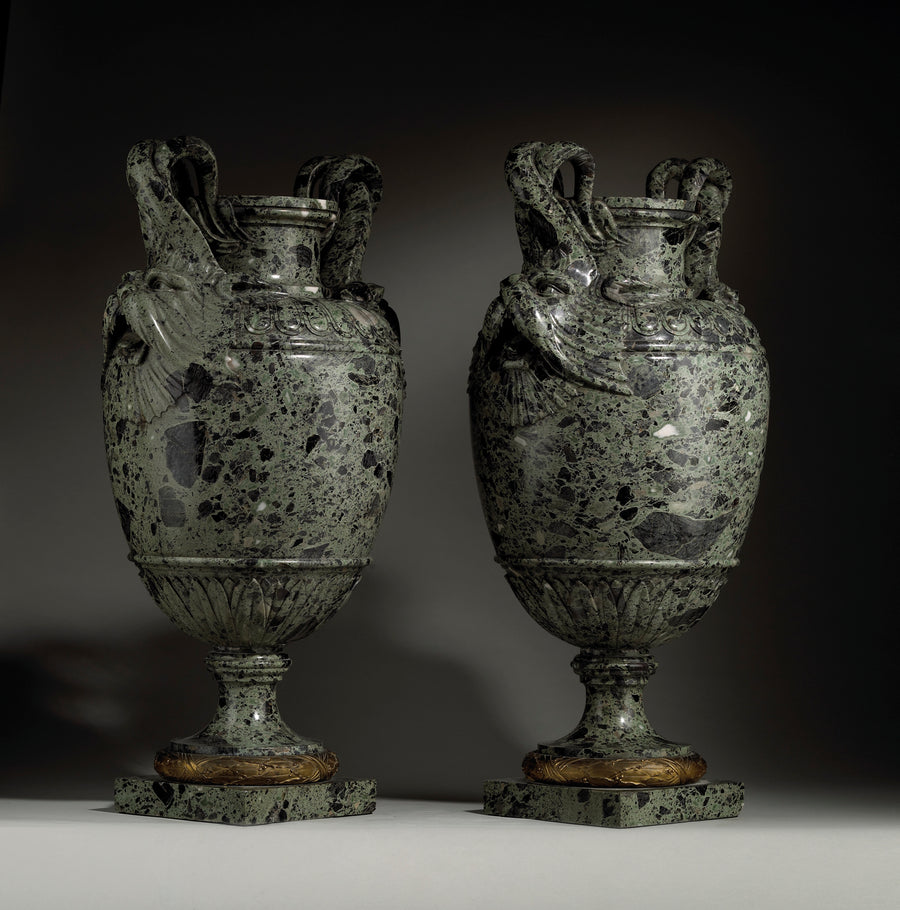
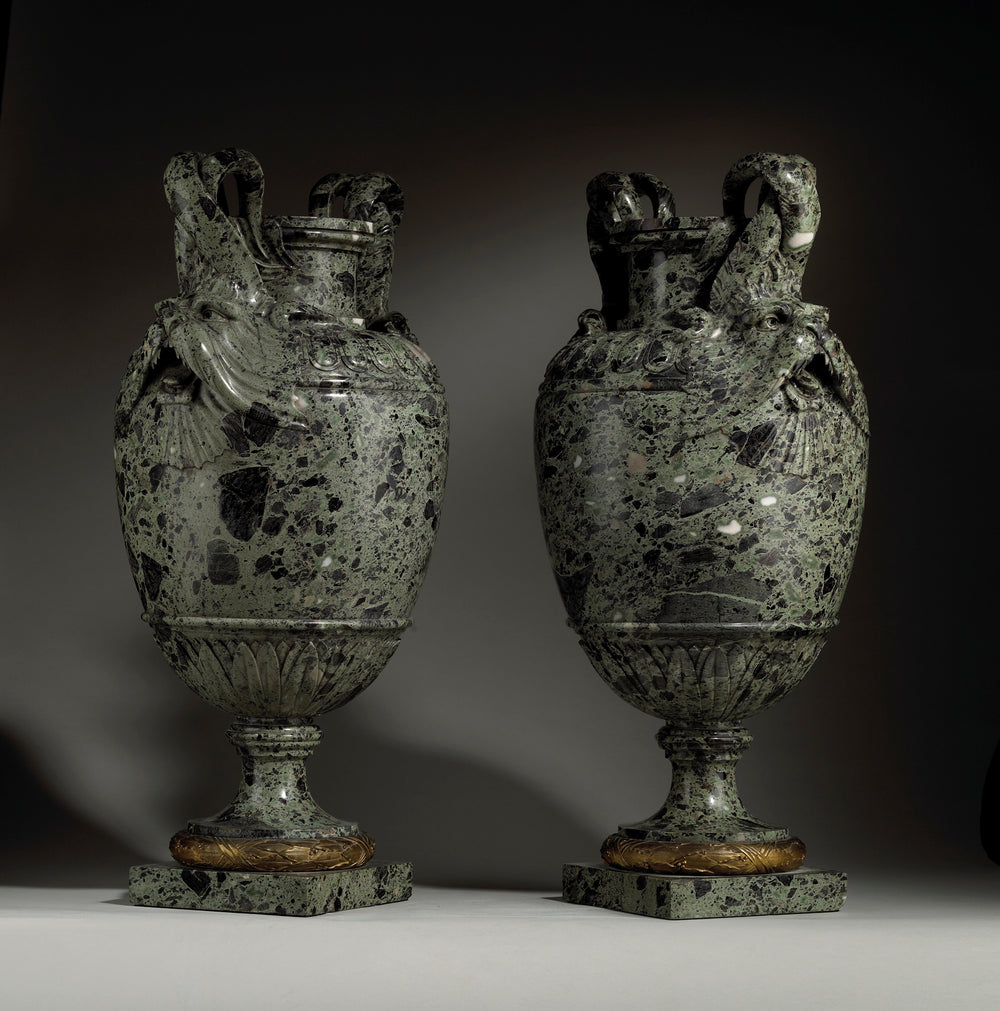
The connoisseur's journey into antique sculpture often begins with the classical reductions of the 18th and 19th centuries. These Grand Tour Souvenirs weren't mere trinkets but sophisticated replicas of Roman and Greek masterpieces. To identify a superior example, look for specific historical markers such as bases crafted from Giallo Antico or Rosso Antico marble. These rare stones signal a piece intended for a discerning aristocratic market. Each acquisition represents a tangible link to the Enlightenment's reverence for the ancient world.
Beyond the classical, one must explore the spiritual depth of Asian and Oriental sculpture. Japanese Temple Guards offer a dramatic presence that contrasts with the serenity of Indian and Islamic works of art. Equally compelling is the raw power of Oceanic Tribal Art. These forms fundamentally influenced Western modernism, providing a stark, emotive aesthetic that resonates in contemporary interiors. Such pieces aren't merely decorative; they're significant cultural artifacts that define the character of a room.
The Allure of the Grand Tour
During the 19th century, intrepid travellers brought classical ideals back to English country houses, transforming domestic spaces into galleries of antiquity. Workshops led by masters like Lorenzo Bartolini or the Valadier family produced bronzes of exceptional quality. For those seeking deeper provenance insights, our guide to Grand Tour Objects provides a comprehensive look at these classical souvenirs. These items remain essential for any scholarly interior.
Niche Focus: Ethnographic and Asian Sculpture
The scholarly appeal of ethnographic pieces lies in their authenticity. It's vital to differentiate between a mere 'curiosity' and a museum-grade ethnographic sculpture. The latter possesses a clear provenance and a surface that reflects genuine ritual use. We invite you to browse our curated selection of antique sculpture to find a piece that speaks to your unique aesthetic requirements.
Curating Sculpture for the Modern Interior and Global Acquisition
Incorporating an antique sculpture into a contemporary environment requires a shift toward the 'Centre Piece' philosophy, where a singular, historically significant object anchors the entire aesthetic narrative. Unlike mass-produced decor, a French bronze figure 19th century or an English lead sculpture 18th century demands a dedicated space that allows its form and history to breathe. By pairing these masterpieces with Antique Mirrors, perhaps a Regency Convex Mirror, or placing them atop refined Centre Tables, you'll create a layered, scholarly interior that bridges the gap between historical grandeur and modern luxury living.
Operating exclusively as an online gallery, we provide a transparent and immersive experience that replaces the traditional showroom with high-resolution photography and expert, technical descriptions. It's a digital-first approach that ensures every nuance of the piece is visible before it leaves our care. This model allows us to maintain a focus on rare, high-end categories without the constraints of a physical exhibition space.
Placement and Lighting Strategies
The elevation of a piece is paramount. Using bespoke pedestals or plinths ensures the sculpture meets the viewer at eye level, commanding the room. Directional lighting should be employed to accentuate the 'antique surface', using shadows to define the intricate depth of a carving or the subtle undulations of a bronze cast. This deliberate play of light reveals the narrative history written in the patina.
White-Glove Shipping to the United States
Acquiring rare works from London is a seamless process for our clients in New York, the Hamptons, and California. We coordinate with professional fine art shippers to provide bespoke crating and fully insured transit. For collectors in Greenwich, Connecticut and San Francisco, we manage the complexities of international logistics and customs with quiet proficiency. Every antique sculpture arrives via white-glove delivery, ensuring its journey to your residence is as distinguished as the object itself.
Elevating Your Collection with Scholarly Masterpieces
Acquiring a significant three-dimensional work is an act of cultural stewardship, requiring a discerning eye for the unique "antique surface" and a deep appreciation for the narrative history held within the patina. We've explored how the hierarchy of materials and the specific markers of Grand Tour and Oceanic artefacts define true quality for the modern connoisseur. Whether you're curating a scholarly interior in the Hamptons or a contemporary space in San Francisco, the integrity of your collection rests upon the rarity and condition of each singular object.
At Nicholas Wells Antiques, we provide a sophisticated bridge between historical grandeur and modern luxury. Our expertise in rare Grand Tour and ethnographic works is matched by an uncompromising commitment to heritage, including complimentary restoration on all items and fully insured worldwide shipping via professional fine art specialists. We invite you to explore our curated collection of rare antique sculpture and discover the exceptional piece that will define your home’s aesthetic legacy. Your journey into the extraordinary begins here.
Frequently Asked Questions
How do I verify the provenance of an antique sculpture purchased online?
Provenance is verified through a combination of detailed technical descriptions, high-resolution photography, and the documented history provided by the gallery. Reputable dealers share insights regarding historical markers and previous ownership. For an online-only gallery, transparency is paramount. We provide complete narratives for every cultural artifact, ensuring the story behind the piece is as well-documented as its physical condition and artistic origin.
Does restoration decrease the value of an antique bronze or marble piece?
Inappropriate or aggressive restoration certainly decreases value, but sympathetic, reversible conservation often preserves it. We provide complimentary restoration that focuses on stabilising the piece while protecting the original antique surface. Modern collectors prize the "antique surface" above all else. Erasing centuries of patina or over-polishing marble can be catastrophic for a piece's marketability and its inherent historical integrity.
What is the difference between a Grand Tour bronze and a modern reproduction?
Authenticity is found in the "crispness" of the cast and the specific hierarchy of materials used in the 18th and 19th centuries. A genuine antique sculpture from the Grand Tour era will often feature rare marble bases like Rosso Antico. Modern reproductions typically lack the weight, density, and microscopic layers of oxidation found in a 200-year-old cast. Tool marks also offer vital clues.
How do you safely ship large antique sculptures from London to the United States?
We utilise professional fine art shippers who specialise in bespoke crating and fully insured transit. Whether the destination is Greenwich, Connecticut or the Hamptons, every antique sculpture undergoes a white-glove delivery process. Large items are secured in custom-built wooden crates to mitigate vibration and environmental changes. This ensures your acquisition arrives in California or Texas in the exact condition it left our care.
What should I look for when collecting 18th-century European wood carvings?
Look for the preservation of original polychromy and the natural lustre of aged oak or lime wood. The wood should possess a distinct, aged scent and show signs of hand-tooling rather than industrial precision. Collectors should also check for historical mounting points and evidence of past conservation. These markers distinguish a museum-grade carving from a later curiosity, ensuring the piece remains a significant cultural artifact.

Leave a comment