



Antique Table Lamps for the Living Room: A Connoisseur’s Buying Guide
The difference between a mere light fixture and a museum-quality antique is the silent narrative written in its surface patina. You likely recognise that a curated interior requires more than just illumination; it demands objects that possess a soul and a history. Yet, sourcing authentic antique table lamps for living room displays often presents a dilemma, as the market is frequently saturated with "vintage-style" reproductions that lack the weight and character of true 18th or 19th-century craftsmanship. It's a common concern for the discerning collector to worry about the intersection of historical integrity and modern electrical safety.
This guide provides the scholarly framework needed to select exceptional lighting that enhances your home’s prestige. You’ll learn to distinguish genuine ormolu and marquetry from modern substitutes while ensuring every piece is professionally restored for immediate use. At Nicholas Wells Antiques, we specialise in the conservation of history, offering bespoke restoration and international shipping for our unique inventory. Whether you’re seeking a rare Regency bronze or a superb French porcelain base, our collection is available to view by appointment at our 45 Albemarle Street office in Mayfair, where we bridge the gap between historical grandeur and contemporary luxury living.
Key Takeaways
- Discover how antique table lamps for living room settings function as "functional sculptures," imbuing your space with a historical soul and unparalleled craftsmanship that eludes modern mass-production.
- Gain expert insights into identifying period-specific characteristics, from the refined symmetry of Georgian elegance to the bold geometric allure of Art Deco masterpieces.
- Establish a rigorous framework for assessing authenticity, focusing on the nuances of original surface patina and the vital role of provenance in confirming a piece’s historical journey.
- Master the art of lighting curation by learning to balance scale on antique centre tables and layering illumination to enhance the architectural depth of your interior.
- Explore the exclusive acquisition process at Nicholas Wells Antiques, where rare Grand Tour objects are offered with professional restoration and secure international shipping for the discerning collector.
The Allure of Antique Table Lamps in the Modern Living Room
In the world of high-end interior design, an antique table lamp transcends its basic utility. It acts as a functional sculpture, a curated object that bridges the gap between light and art. Unlike the sterile, mass-produced fixtures found in contemporary showrooms, 19th-century pieces possess a distinct soul. They carry the weight of history in their bronze, porcelain, or ormolu frames, offering a tactile connection to the past that modern manufacturing simply cannot replicate. Every scratch and softened edge tells a story of a previous era, making antique table lamps for living room spaces the ultimate statement of individuality.
The hallmark of a genuine piece is its surface patina. This natural oxidation and wear, accumulated over 100 years or more, provides a depth of colour and texture that is impossible to forge. At Nicholas Wells Antiques, our philosophy centres on the conservation of history. We treat each object as a significant cultural artifact rather than mere inventory, ensuring that the original character of the piece is preserved for future generations. This commitment to heritage distinguishes our collection from generalist dealers who might over-restore and strip away the very history that makes an object valuable.
Why Lighting is the Ultimate Living Room Focal Point
A well-placed lamp does more than illuminate; it defines the room's atmosphere and draws the eye to specific architectural details. When you place a Regency-period bronze lamp or a delicate French porcelain base atop a contemporary side table, you create a sophisticated tension. This interplay between historical objects and modern furniture is what characterises the most distinguished homes in Mayfair and beyond. Owners of these pieces enjoy the prestige of a documented journey through time, knowing their antique table lamps for living room settings have witnessed decades of history. The presence of such an object immediately elevates the status of the entire interior, signaling a refined taste that values craftsmanship over convenience.
The Investment Value of Fine Antique Lighting
Rarity and provenance are the primary drivers of long-term value in the decorative arts. While modern luxury lighting brands often depreciate the moment they leave the showroom, authentic 18th-century pieces frequently outperform them in resale markets. A foundational step in understanding antique furniture and lighting involves recognising that these items were crafted by hand to last centuries, not just a single design cycle. For collectors seeking pieces with lasting worth, it's essential to consult a fine antiques dealer who can verify authenticity and condition.
- Authentic 18th and 19th-century lamps offer better capital preservation than contemporary luxury brands.
- Documented provenance can increase the value of a lamp by 25% or more at auction.
- Specific makers, such as those from the Art Deco or Georgian periods, remain in high demand globally.
Nicholas Wells Antiques operates from a private office at 45 Albemarle Street, Mayfair, where we welcome clients by appointment to view our curated collection. This personalised approach allows us to act as trusted advisors, helping you select a piece that serves as both a beautiful light source and a sound financial asset. Our inventory is available for international shipping, with antique restoration included to ensure every piece is ready for immediate use in a modern home.
Identifying Period Styles: From Georgian Elegance to Art Deco
Selecting antique table lamps for living room spaces requires an appreciation for the distinct design languages of the 18th and 19th centuries. At Nicholas Wells Antiques, we focus on pieces that retain their original surface patina, as this preserves the conservation of history that modern reproductions lack. The most sought-after periods offer more than just illumination; they provide a sculptural narrative of their era’s aesthetic priorities.
Georgian lighting, dating from 1714 to 1830, reflects a devotion to neoclassical symmetry and the architectural motifs discovered during the Grand Tour. These pieces often feature fine metals and balanced proportions that ground a room's decor. Regency examples evolved this further, incorporating heavier bronze and more complex classical motifs. French 19th-century designs, particularly from the Empire period (1804–1814) and those influenced by Louis XVI, offer a more assertive opulence. These objects utilize laurel wreaths, eagles, and sphinxes to project power and prestige, often serving as the primary focal point in a sophisticated interior.
Rare Art Deco masterpieces from the 1920s and 1930s introduced bold geometry and exotic materials. These lamps provide a striking contrast to traditional interiors, using streamlined forms and stepped bases to celebrate the machine age. Whether it's a 1780s French bronze or a 1925 geometric glass work, each piece carries a unique soul that defines the character of a home.
Ormolu and Giltwood: The Materials of Luxury
Ormolu, or "bronze doré," involves fire-gilding bronze with a mercury-gold amalgam. This 18th-century technique creates a depth of colour and a lustrous finish that remains unmatched by modern electroplating. It's common to find these magnificent bases paired with antique mirrors to amplify the warm glow of light. Genuine hand-carved giltwood exhibits subtle irregularities and a "gesso" layer beneath the gold leaf. Modern cast resin feels uniform and lacks the weight or historical significance of an authentic 19th-century carving. We ensure that antique restoration is included for our clients to maintain these delicate surfaces for future generations.
Chinese Porcelain and Chinoiserie Influences
The tradition of converting fine Chinese vases into European table lamps gained immense popularity in the 18th century. Connoisseurs often seek 17th-century Kangxi Blue and White or 18th-century Famille Verte patterns. These objects represent the height of Chinoiserie, a style that defined the English country house aesthetic. The enduring appeal of these lamps lies in their ability to blend vibrant Eastern ceramics with Western bronze mounts. This fusion creates a distinguished look that suits both period and contemporary settings. Every piece we source is treated as a significant cultural artifact, reflecting our commitment to the extraordinary.
Our collection is available for viewing by appointment at our Mayfair office. While we maintain a presence at 45 Albemarle Street, please note we don't operate a walk-in gallery at 169 Piccadilly. We offer international shipping to accommodate our global clientele. Explore our curated lighting collection to find a piece that resonates with your personal style.
Authenticity vs. Reproduction: A Collector’s Framework
Discerning the difference between a mass-produced imitation and a genuine historical artifact is the hallmark of a true connoisseur. When selecting antique table lamps for living room displays, your framework should begin with an examination of the piece's structural integrity and its provenance. Provenance acts as the object's pedigree. It confirms a lamp's journey through distinguished 18th or 19th-century estates, transforming a functional item into a significant cultural artifact. This historical trail is what separates a curated piece from a mere decorative object found in generalist retail outlets.
Genuine age manifests in the subtle, irregular wear on the underside of a base and the hand-chased complexity of Regency ormolu mountings. Mass-market reproductions often rely on uniform, chemical finishes that lack the depth of originals. A cast bronze mounting from 1820 will possess a crispness and weight that modern zinc-based alloys simply can't replicate. Nicholas Wells Antiques focuses on these minute details to ensure every piece meets a standard of museum-quality excellence. We look for the "soul" of the object, which is often found in the irregular hand-tooling of its internal components.
The Importance of Surface Patina
Patina is the "honest wear" that serves as an indelible record of an object’s history. It's the soft glow on a silver-gilt surface or the deep, variegated tones on a bronze base that have developed over centuries of oxidisation and touch. Aggressive polishing or over-cleaning can destroy this history, stripping away the very character that gives an antique its value. At Nicholas Wells Antiques, we prioritise the conservation of history. Our approach ensures that the original surface remains intact, preserving the aesthetic integrity that distinguishes a fine antique from a modern replica.
Rewiring and Safety in Historical Lighting
Safety is paramount when integrating antique table lamps for living room use into a modern home. Modernising internal components is a necessity, yet it must be executed without altering the object's exterior aesthetic. We provide professional conversions for non-electric objects, such as 18th-century French candlesticks or Grand Tour obelisks, turning them into functional masterpieces. Nicholas Wells Antiques includes complimentary restoration and rigorous safety checks with every purchase. Our expert team ensures that:
- Internal wiring meets contemporary standards while remaining entirely hidden from view.
- Silk-wrapped cables are utilised to maintain a period-correct appearance that complements the antique finish.
- Original mountings are never drilled or compromised during the professional conversion process.
Clients seeking to view our extraordinary collection of antique lighting may do so by appointment at our Mayfair showroom. We don't operate a traditional walk-in retail space at our 45 Albemarle Street office, ensuring each visitor receives the undivided attention of a specialist advisor.
Curation and Placement: Integrating Antiques into Your Home
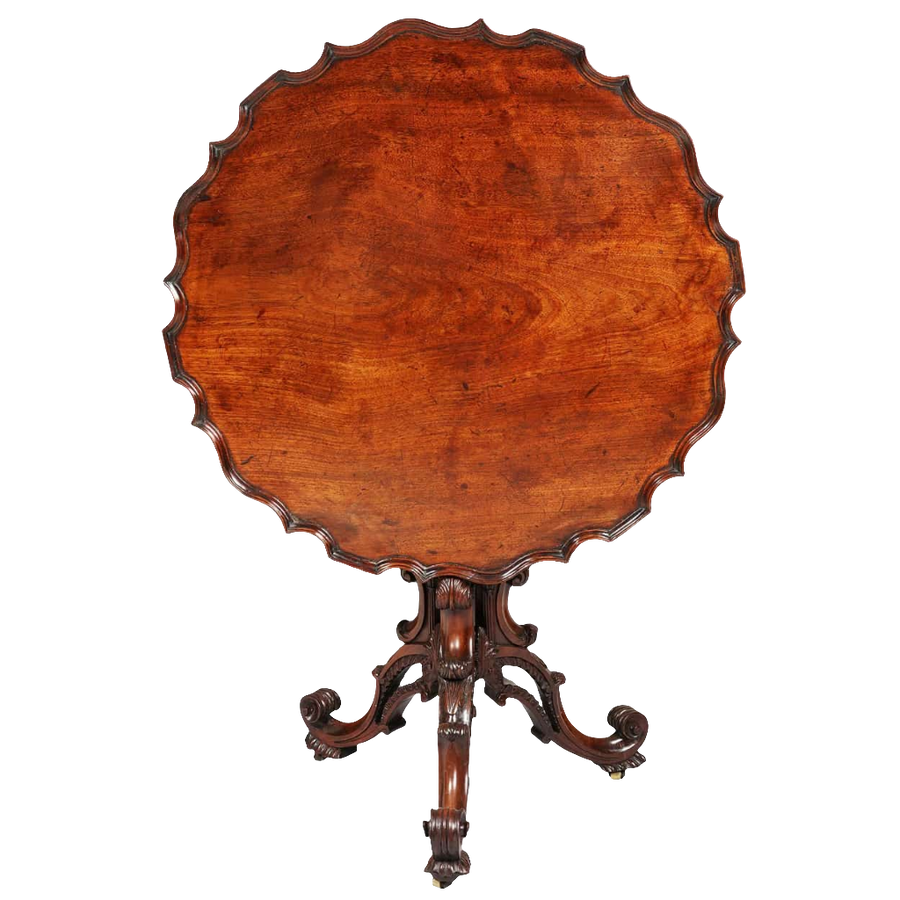
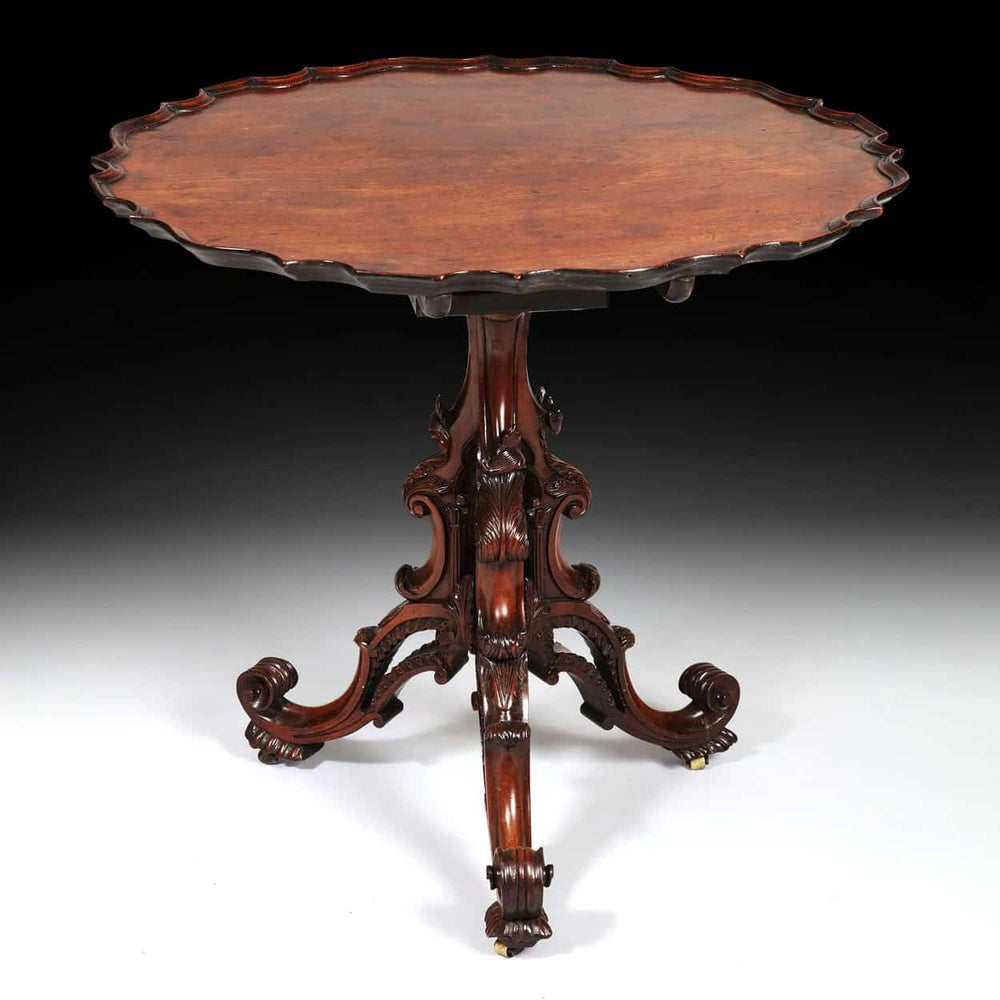
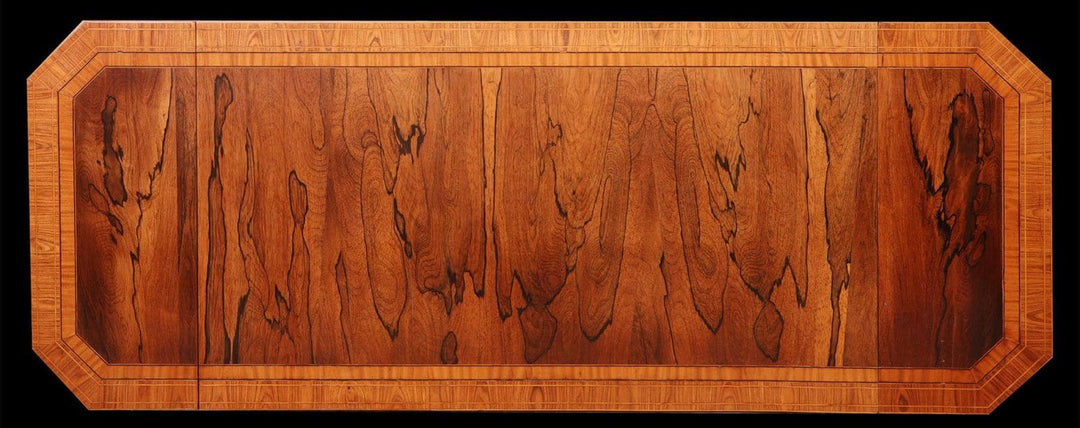
The successful integration of antique table lamps for living room settings requires a discerning eye for proportion and an appreciation for historical harmony. When selecting lighting for antique centre tables, the scale of the lamp base must command the space without overwhelming the intricate marquetry or the delicate surface patina of the furniture. A substantial 19th-century bronze lamp provides the necessary visual weight for a large circular table, whereas a slender Regency candlestick lamp might feel lost in the middle of a grand hall. It's often the case that a single, extraordinary statement piece on a centre table acts as a sculptural anchor, drawing the eye toward the heart of the room.
Effective illumination relies on the sophisticated art of layering. Don't depend on a single overhead source; instead, combine your primary table lamps with subtle wall lights and floor lamps to eliminate harsh shadows and create depth. The choice of shade is equally critical to this balance. Pleated silk shades offer a soft, traditional diffusion suitable for Georgian or Victorian bases, while hand-painted parchment shades can echo the architectural rigour of Neoclassical designs. Selecting a shade that respects the period of the lamp ensures the piece remains a significant cultural artifact rather than a mere utility.
Pairing Lamps with Antique Tables
Correct placement on antique side and console tables often dictates the atmosphere of the entire seating area. The height of the lamp is paramount; ensure the bottom of the shade sits at eye level when you're seated to avoid glare and provide optimal reading light. Experienced collectors often elevate these arrangements by creating a curated vignette. By flanking a magnificent lamp with Grand Tour objects or fine clocks, you establish a narrative of connoisseurship that speaks to the history of the Grand Tour and the European decorative arts.
Lighting for Different Living Room Moods
The reflective properties of antique metals significantly influence the evening mood. Ormolu mounts on 18th-century French lamps are particularly prized for how they catch the light, creating a sense of movement and shimmering warmth as the sun sets. There’s a profound psychological comfort in the presence of historical objects in a relaxing space. The warm, amber glow reflecting off a rich, original patina fosters a sense of permanence and tranquility that modern fixtures rarely replicate. Whether you prefer the balanced symmetry of a pair of lamps or the singular impact of a unique work of art, each choice contributes to the conservation of history within your home.
Acquiring Masterpieces from Nicholas Wells Antiques
Selecting the perfect lighting at Nicholas Wells Antiques is an exercise in discerning taste. It represents a departure from the mass-produced, focusing instead on the singular "soul" of objects that have survived centuries. The gallery specialises in the 18th and 19th centuries, with a particular emphasis on rare Grand Tour objects and European decorative arts. Every item in the collection is chosen for its ability to serve as a sophisticated bridge between historical grandeur and the aesthetic demands of a modern luxury interior.
The gallery's expertise isn't limited to traditional lighting. It extends into highly specialised fields, including Islamic arms and armour, Oceanic art, and magnificent French ormolu. This scholarly approach ensures that when you acquire antique table lamps for living room settings from this collection, you're investing in a significant cultural artifact. The brand's commitment to sourcing only the most unique and superb examples means the inventory is constantly evolving, yet it always maintains a standard of uncompromising quality.
Every piece comes with the assurance of professional care. Nicholas Wells Antiques provides worldwide insured shipping, ensuring that delicate glass or intricate giltwood arrives in pristine condition. Furthermore, the firm offers complimentary antique restoration. This service focuses on the conservation of history, protecting the original surface patina that distinguishes a true masterpiece from a common antique. It's a commitment to excellence that resonates with high-end collectors and international interior decorators alike.
The "By Appointment" Showroom Experience
While the business maintains a prestigious presence with a mailbox at 45 Albemarle Street in Mayfair, it's vital to clarify that 169 Piccadilly is not a walk-in retail gallery. To maintain an atmosphere of exclusivity and provide undivided attention, the showroom is available by appointment only. This allows clients to inspect the fine details of their chosen antique table lamps for living room projects in a private, quiet setting. You can book a viewing to examine the weight, texture, and historical nuances of a piece before finalizing your acquisition.
This bespoke service is tailored for those who appreciate the tactile nature of fine art. Whether you're a seasoned collector or a designer sourcing for a client, the private viewing ensures you can assess how the light interacts with the aged materials. It's a personalised experience that reflects the quiet confidence of the brand's expertise.
A Legacy of Excellence in London
The firm's journey began in Westminster, and it has since established a formidable global reach as a premier luxury antiques dealer. The collection's depth allows for a comprehensive approach to interior design, encouraging clients to explore beyond lighting to include antique armchairs, Regency tables, and rare sculpture. This legacy is built on a passion for heritage and an eye for the extraordinary. If you're ready to elevate your home with a piece of history, contact Nicholas Wells Antiques to find your next extraordinary piece.
Elevating Your Interior with Historic Brilliance
Selecting the perfect antique table lamps for living room settings requires a discerning eye for historical integrity and a deep appreciation for the conservation of history. Whether you're drawn to the geometric precision of Art Deco or the refined ormolu mounts of a 19th-century French masterpiece, each piece serves as a significant cultural artifact that defines the centrepiece of a room. We've explored how a genuine surface patina distinguishes an original from a reproduction, ensuring your investment retains its prestige and scholarly value. Since 2012, Nicholas Wells Antiques has curated a collection where every object tells a story of exquisite craftsmanship.
Every acquisition includes complimentary professional restoration to preserve the item's original character. We provide fully insured worldwide shipping, ensuring your selection arrives safely at its destination. While we maintain a presence at 45 Albemarle Street in Mayfair, we don't operate a walk-in gallery at 169 Piccadilly. Instead, we invite you to view our superb inventory by appointment to experience these extraordinary pieces firsthand. Transforming your home into a curated gallery of decorative arts is a rewarding journey through design history. We look forward to helping you find a light that truly resonates.
Explore our curated collection of extraordinary Antique Lighting
Frequently Asked Questions
How can I tell if an antique table lamp is a genuine period piece?
Identifying a genuine period piece requires a meticulous examination of the surface patina and construction methods unique to the 18th or 19th century. You should look for hand-cut threads on screws or specific casting marks from the Regency period that modern machines can't replicate. Nicholas Wells Antiques ensures every piece undergoes rigorous authentication, examining the wear patterns that only 100 years of history can produce. This scholarly approach distinguishes true antique table lamps for living room collections from common modern reproductions.
Is it safe to use an antique lamp with modern electrical systems?
It's entirely safe to use these pieces provided they've undergone professional rewiring to meet current UK electrical standards. We include antique restoration as a standard service, ensuring that internal components are modern while the exterior's historical integrity remains untouched. Each 19th-century bronze or giltwood lamp is tested to 240 volts; this allows you to integrate a 150-year-old artifact into a contemporary home without compromising on safety or functionality.
Do antique table lamps come with the original shades?
Rare examples occasionally retain their original silk or parchment shades, but most pieces from the 1880s or earlier require sympathetic replacements. Silk naturally deteriorates over a 50 year period, so we often commission bespoke shades that mirror the 19th-century aesthetic. We focus on the conservation of history, ensuring the new shade's proportions align with the lamp's original design language. This preserves the visual harmony of the piece while providing a fresh, functional element for your interior.
What is the significance of ormolu on a 19th-century lamp?
Ormolu, or ground gold, represents the pinnacle of 19th-century French decorative arts and signifies a piece of exceptional quality. This mercury-gilding process was used on 85 percent of high-end lighting from the Empire period to create a brilliant, lasting lustre. The presence of original ormolu increases a lamp's desirability among connoisseurs. It reflects the light with a warmth that modern electroplating can't replicate, serving as a testament to the artisan's skill and the object's prestige.
How does provenance affect the price of an antique table lamp?
Provenance provides a documented history that can increase an object's value by 30 to 50 percent compared to unattributed pieces. A lamp with a lineage traced back to a specific 18th-century country house or a noted collection carries a significant premium. At Nicholas Wells Antiques, we prioritise pieces with clear historical records. This documentation transforms a functional object into a significant cultural artifact, offering the buyer a tangible connection to a distinguished past.
Can I visit the Nicholas Wells Antiques gallery to see the lamps?
You're welcome to view our collection by appointment at our dedicated showroom. While our administrative office is located at 45 Albemarle Street in Mayfair, we don't operate a traditional walk-in retail storefront at 169 Piccadilly. Scheduling a private viewing allows us to provide the focused, scholarly attention a serious collector requires. This ensures you can examine the intricate details of our antique table lamps for living room settings in a quiet, professional environment tailored to your needs.
Does Nicholas Wells Antiques offer international shipping for fragile lighting?
We provide comprehensive international shipping services, reaching clients in over 40 countries annually. Every fragile item, from a delicate 19th-century glass lustre to a heavy marble obelisk, is packed in custom-built wooden crates to prevent transit damage. We manage the entire logistics process, including customs documentation and insurance. This global reach ensures that our exceptional inventory is accessible to discerning collectors whether they're in London, New York, or Hong Kong.

Leave a comment