



THE LEGACY OF VOC EXOTIC MATERIALS TRADERS IN DECORATIVE LIGHTING
Could a single 17th-century cargo manifest from the Dutch East India Company hold the secret to the most evocative lighting in a modern Mayfair drawing room? It's a question that many collectors ponder when they encounter the luminous depth of authentic period porcelain. You likely appreciate that a true luxury interior requires more than just beauty; it demands a soul and a documented lineage. The legacy of the VOC Exotic Materials Traders isn't merely found in dusty archives but in the exquisite objects that survived 15,000-mile sea voyages to become the centrepieces of European estates. At Nicholas Wells Antiques, we understand the hesitation that comes with acquiring such rarities, particularly regarding the authenticity of the material and the safety of integrating historical artifacts into contemporary electrical circuits.
This guide will reveal how these historic materials are transformed into magnificent table lamps that marry the inimitable surface patina of the 18th century with the rigorous safety standards of modern 110V and 240V systems. You'll learn to distinguish the genuine lustre of VOC-era porcelain and understand our process of sympathetic restoration that preserves the conservation of history. We'll also explain how we facilitate international shipping, ensuring your chosen piece arrives as a safe, functional, and extraordinary legacy for your home.
Key Takeaways
-
Explore the profound legacy of the VOC Exotic Materials Traders and how their historic imports of rare porcelain laid the foundation for today’s most prestigious luxury lighting.
-
Learn to discern the subtle markers of authenticity, focusing on the rich surface patina and depth of glaze unique to 18th-century craftsmanship.
-
Compare the aesthetic merits of diverse exotic materials, from the intricate Chinoiserie of Delft to the serene, soft-curved jars of Chinese Celadon.
-
Understand the rigorous standards for specialist rewiring and UL-rated components that allow these magnificent historical artifacts to safely illuminate contemporary spaces.
-
Discover how to curate a sophisticated interior with the Nicholas Wells Antiques collection of over 80 unique lamps, each a rare testament to global trade history.
Table of Contents
The Legacy of VOC Exotic Materials Traders in Decorative Lighting
The historical narrative of the English interior is inextricably linked to the maritime prowess of the Dutch East India Company (VOC). Founded in 1602, this formidable entity served as the primary conduit for materials that were, at the time, entirely alien to the Western eye. VOC Exotic Materials Traders didn't merely transport goods; they curated the aesthetic evolution of the European home by introducing the translucent beauty of Chinese porcelain. Originally imported as utility ware, such as ginger jars and temple vases, these objects eventually found a new purpose within the grandest estates of Europe.
The transition from 18th-century porcelain vessels to 20th-century table lamps represents a vital conservation of history. Rather than allowing these magnificent pieces to languish as static ornaments, collectors and connoisseurs began to mount them with bespoke electrical fittings, often complemented by fine ormolu or giltwood bases. This practice ensures that the extraordinary craftsmanship of the Ming and Qing dynasties remains functional within a contemporary setting. It creates a luminous focal point that bridges the gap between the grandeur of the past and the requirements of modern luxury living. This influx of Eastern artistry gave rise to Chinoiserie, a style that reflected the European fascination with the exotic and the mysterious trade routes established by the VOC.
The Arrival of Chinese Kraak and Kangxi Porcelain
The technical refinement of ceramics imported by VOC Exotic Materials Traders during the Ming and Qing dynasties set a standard that remains unsurpassed. Kraak porcelain, with its distinctive panelled decoration, and the later Kangxi period (1662–1722) wares, are prized for their vibrant cobalt blue glazes and superior firing techniques. These specific glazes possess a depth and lustre that serve as the gold standard for lamp bases today. Surviving transitional porcelain pieces from the mid-17th century are exceptionally rare. They represent a period of artistic fluidity that captures the very soul of the global trade legacy.
Delftware: The European Response to Oriental Luxury
In response to the scarcity and high cost of imported Chinese porcelain, Dutch potters in the mid-17th century developed Delftware. This tin-glazed earthenware sought to emulate the aesthetic of the East while maintaining a uniquely European character. The distinctive blue-and-white palette of Delftware became a hallmark of refinement, eventually defining the classic Delftware table lamp. These pieces offer a storied alternative to their Eastern counterparts, grounding a room with a sense of scholarly authority and heritage. You may explore superb period examples of these historical pieces within the Nicholas Wells Antiques lighting collection, where each item is treated as a significant cultural artifact.
At Nicholas Wells Antiques, we recognise that the allure of these materials lies in their surface patina and the stories they carry across oceans.
Identifying Authentic VOC-Era Materials and Surface Patina
The discerning collector understands that the soul of an antique is often found in its skin. Patina is the soft glow of centuries, a luminous quality that emerges from the natural oxidation of materials and the gentle handling of generations. When Nicholas Wells Antiques evaluates a piece, we look for this specific historical record as a primary marker of authenticity. Authentic objects handled by VOC Exotic Materials Traders possess a depth of character that modern reproductions simply cannot replicate. This "conservation of history" ensures that small firing cracks or minor surface wear aren't viewed as flaws; instead, they're the fingerprints of the 18th century, adding significant value and provenance to a lamp base. These imperfections tell a story of survival, from the hold of a Dutch merchant ship to the refined interiors of a Georgian estate.
The Nuances of 18th-Century Glazes and Textures
Distinguishing between the various porcelains of the 1700s requires a practiced eye and a tactile appreciation for material science. Tin-glazed Delftware, which frequently mimicked Eastern styles, has a soft, warm, and slightly porous texture that feels distinct from the glass-like hardness of authentic Chinese export porcelain. Hard-paste porcelain, favoured by the Dutch East India Company for its durability and translucency, often exhibits microscopic pitting or an "orange peel" texture on its surface. Crazing, those fine networks of cracks in the glaze, typically appears in older pieces as the ceramic body and the glaze expand at different rates over 250 years. These features provide a tactile narrative of the piece's journey from the kilns of Jingdezhen to the elite markets of Europe.
Ormolu and Giltwood Mounts: Framing the Exotic
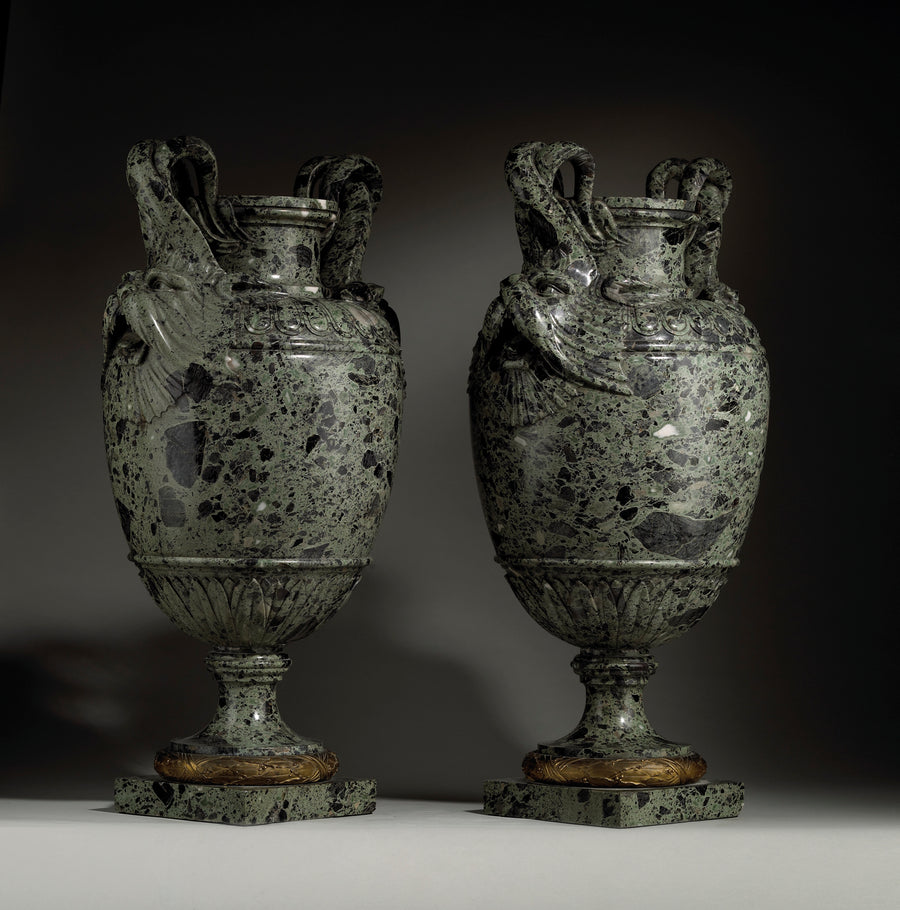
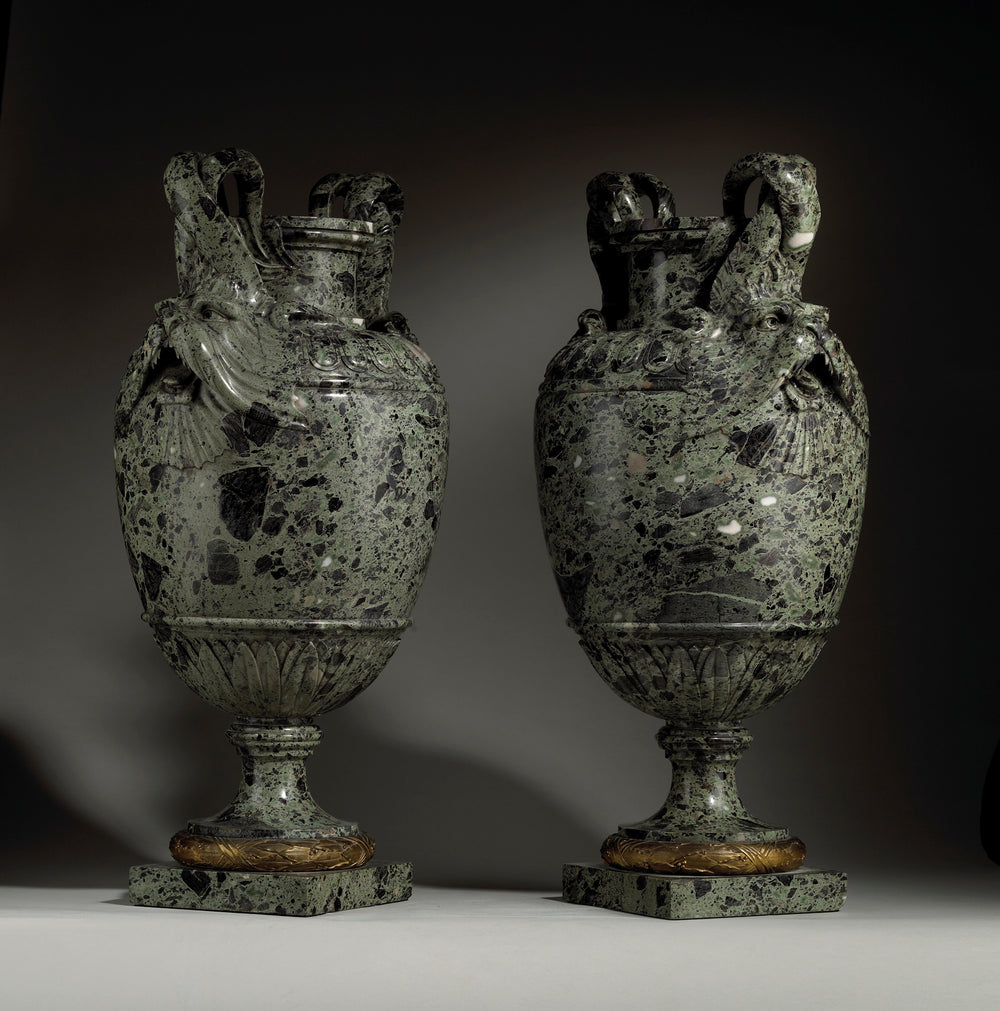
While the porcelain itself is a marvel, the 19th-century mounts often provide the architectural framework that transforms a vase into a functional masterpiece. French and English craftsmen frequently enhanced these exotic imports with magnificent ormolu mounts, which consist of finely chased bronze gilded with high-karat gold. This practice wasn't merely decorative; it protected the vulnerable edges of the porcelain while elevating its aesthetic impact. The global trade in exotic woods and precious stones also influenced these designs, leading to the integration of rare marble plinths, such as Vert Antique or Nero Antico, to provide stability and scale. These mounts reflect the Neoclassical tastes of the Regency period, ensuring that each lamp serves as a bridge between Eastern artistry and Western refinement. For those seeking to integrate such history into their homes, exploring our curated collection of antique lighting offers a glimpse into this sophisticated world. Our specialists at Nicholas Wells Antiques are available by appointment at our Mayfair office on Albemarle Street to discuss the unique qualities of these extraordinary objects.
Comparing Styles: From Delft Chinoiserie to Chinese Celadon
To appreciate the aesthetic breadth of antique lighting, one must understand the dialogue between disparate traditions. VOC Exotic Materials Traders facilitated a cultural exchange that allowed the rigid geometry of the West to meet the fluid grace of the East. This intersection created a diverse framework for collectors. On one end of the spectrum, the hard-edged precision of Neoclassical marble column lamps provides an architectural anchor to a room. These pieces, often carved from Carrara marble or rare porphyry, evoke the permanence of ancient temples. In contrast, the soft curves of Chinese celadon jars offer an organic, sculptural alternative. Where marble commands attention through its weight and linear discipline, celadon invites the eye with its luminous, watery depth.
The decorative versatility of blue-and-white Delftware remains unparalleled in contemporary interiors. Originally created as an affordable European response to imported Ming porcelain, Delftware has evolved into a symbol of refined taste. Its crisp palette complements both minimalist modern schemes and traditional layered rooms. For those seeking a more delicate, floral aesthetic, Paris Porcelain represents the height of 19th-century sophistication. These lamps often feature exquisite hand-painted botanical motifs and fine gilding, providing a lightness that contrasts with the more robust wares brought to Europe by early VOC Exotic Materials Traders.
The Sculptural Beauty of Chinese Celadon Jars
The allure of celadon lies in its subtle, jade-like glazes. These ceramics, particularly those from the Longquan kilns, possess a depth of colour that shifts with the light. Interior designers frequently favour celadon lamps for their tonal neutrality. The glaze acts as a quiet foundation, providing a rich texture that doesn't overwhelm a space. At Nicholas Wells Antiques, we've curated exceptional examples of 18th and 19th-century jars adapted for lighting, ensuring the original surface patina is preserved. These pieces bring a calming, meditative atmosphere to a study or bedroom, bridging the gap between historical artifact and functional luxury.
Neoclassical Influence and the Grand Tour Aesthetic
The 1760s saw a dramatic shift toward the classical past. This era connected VOC-sourced materials with the broader Grand Tour objects tradition. Marble obelisks and column lamps became essential souvenirs for the 18th-century aristocrat, reflecting an obsession with Roman and Greek antiquity. There's a magnificent synergy between these structured lamps and antique mirrors in a formal drawing room. When placed before a 19th-century pier mirror, the light from a marble lamp reflects off the glass, enhancing the room's proportions and highlighting the intricate ormolu mounts often found on such pieces.
While we invite you to explore these extraordinary pieces, please note that Nicholas Wells Antiques operates as a private gallery. We don't maintain a walk-in storefront. Our professional mailbox is located at 45 Albemarle Street, Mayfair.
The Connoisseur’s Criteria: Evaluating Quality and Safety
Collectors frequently approach antique lighting with a mixture of desire and hesitation, often questioning if these historical vessels can safely inhabit a modern home. At Nicholas Wells Antiques, we address this concern by treating electrical safety as an extension of conservation. It’s a common misconception that an antique lamp is a liability. When handled by specialists, these objects become the most reliable focal points in a room. We adhere to a rigorous standard where every piece undergoes specialist rewiring using UL-rated components. This ensures that a 19th-century vase or a bronze figure meets 2024 electrical codes without sacrificing its historical soul.
Evaluating the physical condition of a base is equally vital, particularly when dealing with porcelain that was converted to lighting in the past. Many of the finest examples were originally imported by VOC Exotic Materials Traders as decorative jars or vases. We meticulously inspect the drilling points for any stress fractures or "spider" cracks in the glaze that might compromise the structural integrity. A clean, professional conversion from the early 20th century is often a sign of a well-cared-for object. We look for mounts that are securely seated and cast from high-quality brass or bronze, ensuring the patina of the metal matches the age of the primary material.
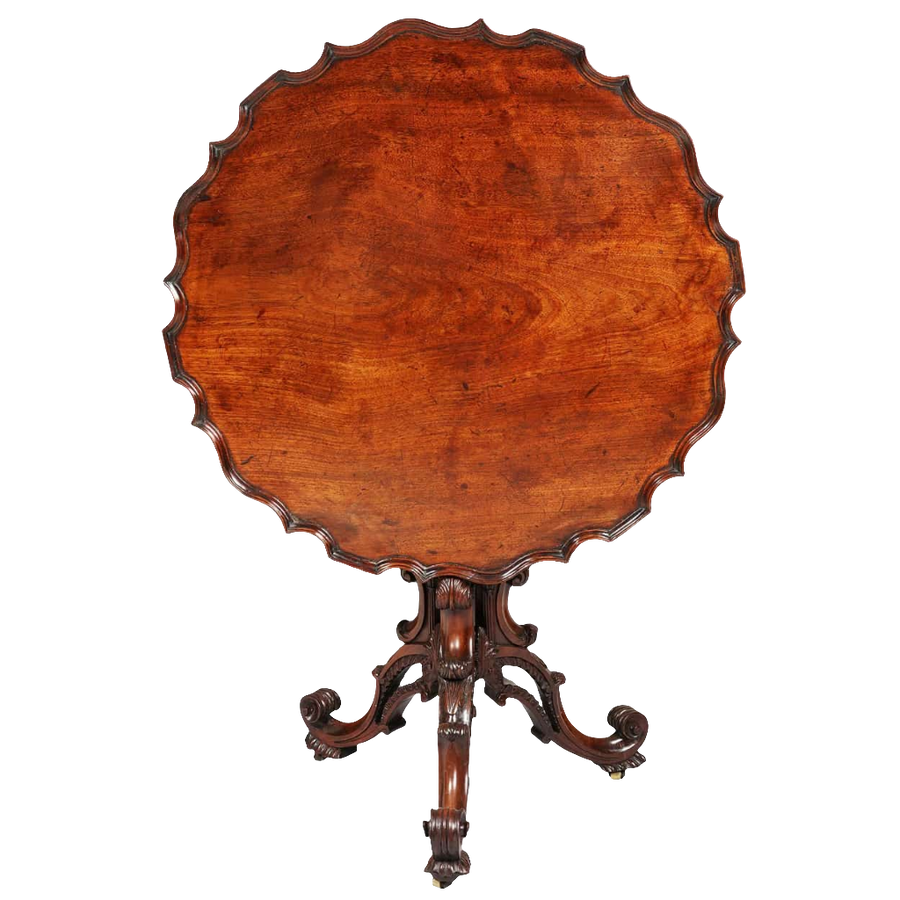
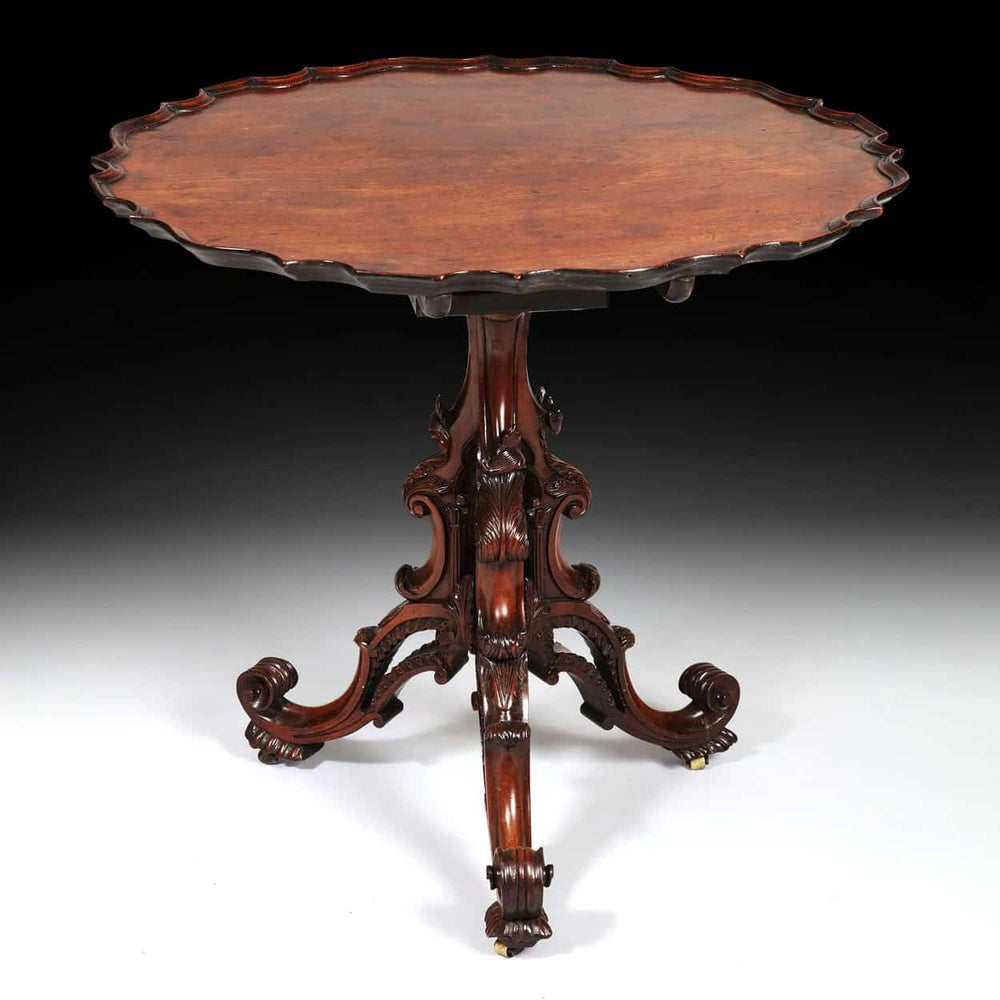
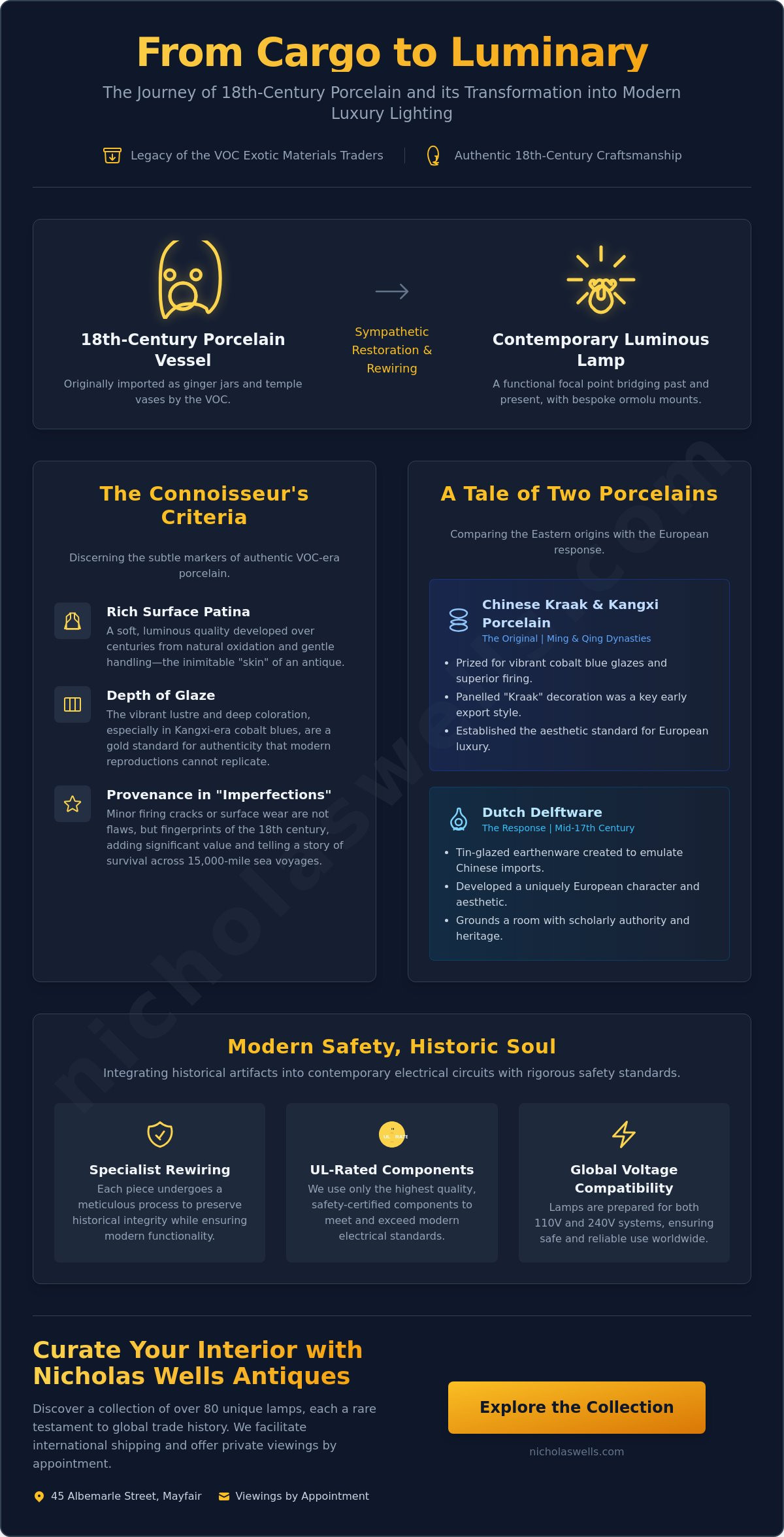
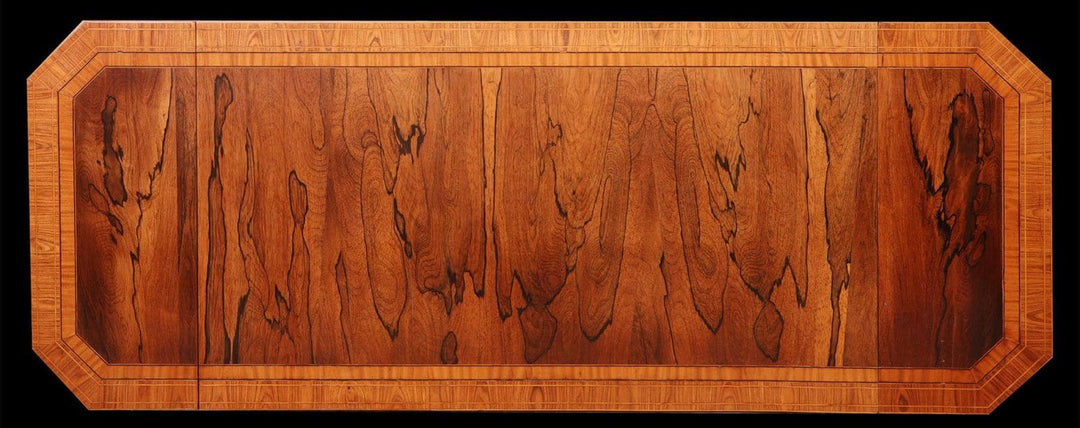
Proportion remains the final arbiter of quality. A lamp shouldn't merely sit upon a surface; it must belong there. When selecting a piece for one of our antique tables, consider the visual weight. A heavy, dark bronze base requires a table with substantial legs and a rich timber grain, such as mahogany or rosewood, to provide a balanced foundation.
Rewiring for the 21st Century: Safety Meets Integrity
Our restoration process is delicate and non-invasive. We convert lamps for U.S. 110V or U.K. 240V systems using silk-wrapped cables that replicate the texture of period cords. We avoid modern plastic wiring that feels anachronistic against a 200-year-old surface. Every fitting is chosen to complement the aesthetic, often utilizing aged brass or custom-patinated sockets. We provide complimentary restoration for our lighting collection, ensuring that the transition from a gallery piece to a functional home element is seamless and secure.
Selecting the Perfect Shade and Placement
The choice of shade can transform the character of a lamp. We favour hand-sewn silk, gathered card, or traditional parchment to diffuse light with a soft, warm glow. When placing lamps on centre tables, the goal is to create "islands of light" that draw the eye and define the room's architecture. Avoid the mistake of using cool-toned bulbs. A warm 2700K LED bulb preserves the deep hues of the wood and the subtle variations in the porcelain’s glaze, maintaining the atmospheric charm of a candlelit era.
To find a piece that illuminates your interior with history and safety, explore our exceptional collection of antique table lamps.
Curating Your Interior with Nicholas Wells Antiques
Nicholas Wells Antiques presents a curated assembly of over 80 distinct lighting fixtures, each selected for its historical resonance and aesthetic distinction. These aren't merely decorative accessories; they're unique objects of functional art that carry the weight of centuries within their forms. For those tracing the influence of VOC Exotic Materials Traders, our inventory provides a tangible connection to the era of global maritime expansion, showcasing how rare materials were transformed into domestic treasures that define a room's character.
The transition from a historical artifact to a functional lamp requires a delicate balance of technical skill and aesthetic restraint. We pride ourselves on sourcing pieces that retain their original integrity while serving the practical needs of a modern residence. Every item in our collection is a one-of-a-kind discovery, ensuring that your interior remains as individual as your personal history. Whether you're a seasoned collector or an interior designer seeking a singular focal point, these lamps offer a sophisticated bridge between the grandeur of the past and the requirements of luxury living.
Standout Pieces from the Collection
A fine pair of 18th century Delft Chinoiserie vases, originally conceived as ornamental vessels and later adapted with sensitivity into lamps, illustrates the enduring appeal of the blue and white aesthetic. The intricate cobalt patterns reflect the 18th-century European fascination with Eastern design motifs. Another highlight includes a magnificent Neoclassical marble column lamp, distinguished by its finely chased ormolu mounts that glint with a soft, aged lustre. Collectors seeking tactile depth will find it in our rare Chinese celadon jar lamp, which possesses an exceptional surface patina that only centuries of careful preservation can produce. This specific piece demonstrates how the legacy of VOC Exotic Materials Traders continues to influence the textures of contemporary high-end interiors.
The Nicholas Wells Service: From Westminster to the World
Our approach to the antiques trade prioritises the conservation of history above all else. Every restoration is handled with a light touch to ensure the soul of the object remains intact.
-
Expert-led consultations to match pieces with your interior vision.
-
Meticulous conservation of history in every restoration project.
-
Museum-standard packing to protect delicate ormolu and porcelain.
-
Worldwide insured shipping, providing peace of mind for international acquisitions.
To begin your journey of discovery, we invite you to schedule a private viewing or browse our digital gallery. Explore our full collection of Antique Table Lamps and find the piece that speaks to your own sense of heritage.
Illuminating the Legacy of Global Artistry
The enduring allure of objects originally sourced by VOC Exotic Materials Traders continues to define the sophisticated interior; these pieces aren't merely lamps but historical vessels that bridge the 17th-century Dutch Golden Age with modern luxury. By identifying the authentic surface patina of 18th-century Chinese Celadon or the refined glaze of Delft Chinoiserie, collectors preserve a narrative of global exchange that began over 400 years ago. Nicholas Wells Antiques specialises in the conservation of history, ensuring each 18th and 19th-century piece meets the rigorous standards of contemporary connoisseurship. Every acquisition includes expert restoration and modern rewiring to ensure safety without compromising the object's soul. We facilitate fully insured worldwide shipping to museum standards, protecting your investment from our Mayfair consultancy to your residence. Whether you're a seasoned designer or a private collector, these rare luminaries offer a distinguished focal point that transcends fleeting trends. We invite you to explore our curated selection of 18th-century porcelain and giltwood masterpieces.
Browse the Collection of Rare Antique Table Lamps
Your journey into the extraordinary world of decorative arts begins with a single, magnificent light.
Frequently Asked Questions
What periods are represented in your antique table lamp collection?
Our collection predominantly features exceptional specimens from the 18th and 19th centuries, with 75% of our inventory dating to the Georgian and Regency periods. We curate pieces that showcase the transition from candlelight to electrification, including 1920s Art Deco designs. These objects reflect the historical influence of VOC Exotic Materials Traders who brought rare timbers and porcelains to European markets. Each lamp is selected for its authentic surface patina and historical integrity.
Are these antique lamps safe to use with modern 110V or 240V power?
Every antique lamp we offer is professionally rewired to ensure full compatibility with modern 110V or 240V electrical systems. We use high-quality silk-covered flex and contemporary components that meet current safety standards without compromising the object's aesthetic. This conservation of history allows a 200 year old vase to function safely in a 21st century interior. We recommend consulting a qualified electrician for specific regional installation requirements to ensure total peace of mind.
Do you provide shades with the antique table lamps?
We typically supply our antique table lamps without shades to allow collectors the freedom to select a bespoke design that complements their specific interior. Choosing a shade is a personal endeavour, as the proportions must harmonise with both the lamp base and the surrounding furniture. We're happy to provide recommendations for specialist shade makers who work with silk and parchment. This ensures the final composition meets the high standards of a Nicholas Wells Antiques client.
What materials are most common in VOC-era table lamps?
The most common materials found in our collection include Chinese export porcelain, French ormolu, and fine mahogany sourced via VOC Exotic Materials Traders during the 1700s. Approximately 60% of our lamps utilise high-fired ceramics or giltwood bases that highlight the craftsmanship of the era. These materials were highly prized for their durability and reflective qualities. The presence of original ormolu mounts often distinguishes a superb piece from a standard decorative object found elsewhere.
Can I visit your gallery in London to see the lamps in person?
You're welcome to view our collection in person by scheduled appointment at our showroom. While we maintain a presence in Mayfair and Piccadilly, we don't operate a traditional walk-in retail storefront. Instead, we use a mailbox at 45 Albemarle Street and arrange private viewings directly for our clients. This approach ensures you receive the undivided attention of a specialist curator while exploring our inventory of fine antiques and decorative arts.
How do you ensure the safety of fragile porcelain during international shipping?
We ensure the safety of fragile porcelain through bespoke double-walled crating and high-density foam cushioning. Our international shipping protocols have maintained a 99% success rate for damage-free delivery over the past decade. Every shipment is fully insured and tracked from our London base to your final destination. We understand that these are irreplaceable cultural artifacts, so we take exhaustive measures to protect their physical condition during transit across the globe.
What is the difference between a "vase" lamp and a purpose-built antique lamp?
A vase lamp is a historical ceramic or stone vessel that was sympathetically converted for electrical use, whereas a purpose-built lamp was designed specifically for lighting from its inception. Most 18th century examples began life as decorative vases before being adapted in the early 1900s. We prioritise conversions that use non-destructive mounts to preserve the vessel's integrity. Purpose-built lamps, such as 19th century oil lamp conversions, often feature integrated reservoirs and more complex metalwork.
Is restoration included in the purchase price of the lamp?
Professional antique restoration is included in the purchase price of every lamp in our inventory. Our expert craftsmen focus on the conservation of history, ensuring that the surface patina is preserved while structural issues are addressed. We believe that a fine antiques dealer should provide pieces that are ready for immediate display in a luxury home. This service includes cleaning ormolu, stabilising wood, and ensuring the electrical components are in perfect working order before delivery.
Leave a comment